

RadioMedix, a Global Leader in Radiopharmaceutical Manufacturing, Files for IPO
Radiomedix
Targeted Radiopharmaceuticals Developer
China is a country with a high incidence of cancer.
According to the International Agency for Research on Cancer (IARC)’s 2020 Global Cancer Statistics Report, there were approximately 4.56 million new cancer cases in China.
Tumor diagnosis is the first and indispensable step in tumor treatment. Early detection and precise localization of the primary lesion are what nuclear medicine-related products can achieve.
Nuclear medicine is a discipline that applies nuclear science and technology to the diagnosis and treatment of diseases. Its clinical applications are extensive, encompassing diagnostic imaging for oncology, cardiovascular and cerebrovascular disorders, neurology, and musculoskeletal conditions, as well as therapeutic applications such as the management of thyroid diseases, cancer therapy, and targeted radionuclide therapy.
Meanwhile, nuclear medicine-related technologies can effectively perform TNM staging of tumors, better guide treatment and evaluate therapeutic efficacy, thereby improving the survival rate and quality of life for cancer patients.
GE Healthcare data shows that the global nuclear medicine market is projected to reach $14–30 billion by 2030, with a CAGR exceeding 16%.
In the previous article, we introducedITM, the German Nuclear Medicine Giant, Joins Hands with China Isotope & Radiation Corporation, the “National Team” of China’s Nuclear Medicine IndustryToday, VCBeat will take an in-depth look at the contract manufacturer behind ITM, a global leader in GMP radiopharmaceutical products and another low-profile U.S. nuclear medicine giant—RadioMedix.
RadioMedix, founded in 2006, is a clinical-stage biotechnology company headquartered in Texas, focusing on innovative targeted radiopharmaceuticals for cancer diagnosis, monitoring, and treatment.
RadioMedix is developing radiopharmaceuticals for PET imaging and therapeutic applications (α- and β-labeled). The company has established research and contract service facilities for academic and industrial partners, including cGMP dose manufacturing and analytical suites for clinical trials, as well as drug discovery and preclinical core facilities located in Houston, Texas.
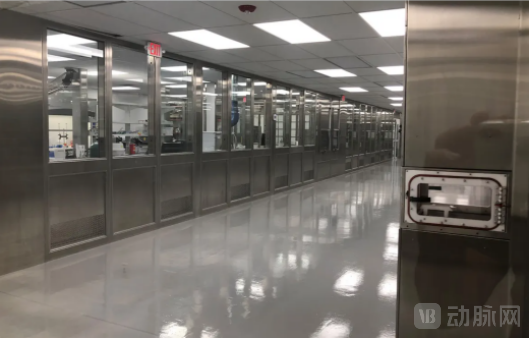
RadioMedix’s Spica Center
RadioMedix, a company with substantial strength, has established the Spica Center, a full-service, self-sufficient, state-of-the-art commercial manufacturing facility in Houston, Texas. Spanning 27,500 square feet (approximately 2,554 square meters), the center is designed to provide scaled manufacturing for late-stage IND and post-approval radiopharmaceuticals.

Ebrahim S. Delpassand, Founder of RadioMedix
Ebrahim S. Delpassand, Founder, Chairman of the Board, and Chief Executive Officer of RadioMedix, is a nuclear medicine specialist based in Houston, Texas, with expertise in nuclear medicine, pathology, and radiology. He earned his medical degree from Tehran University of Medical Sciences in 1982 and has dedicated over 40 years to the field of nuclear medicine.
This founder has not activated a LinkedIn profile and rarely grants interviews to external media. News about him is scarce online. We can only glean scant details of his background from the brief team introduction on the RadioMedix website—
2003: Founder and Chairman, Excel Diagnostics & Nuclear Oncology Center
PIs/Sponsors for the Current Five INDs
Adjunct Professor, Department of Radiation Oncology and Nuclear Medicine, BCM
Co-Founder of Infinity Care (a home health care company) and Infinity Infusion Care
Executed the exit strategy for Curative Healthcare's acquisition of Infinity Infusion Care in 2002
RadioMedix offers a wide range of services, including candidate drug selection, drug formulation optimization, in vitro and in vivo study evaluations using relevant disease models, and numerous other preclinical services. In the realm of clinical trials, the company’s team of scientists can tailor radiopharmaceutical solutions, develop analytical methods, perform process validation, and conduct manufacturing and testing under Good Manufacturing Practice (GMP) guidelines according to customer needs.
We have selected three of the company’s most representative events, with the aim of bringing a fresh perspective to the development of nuclear medicine in China.
On July 10, 2020, ITM, the German nuclear medicine giant, announced that it had submitted a Drug Master File (DMF) to the U.S. FDA for ITM’s next-generation68Ge/ 68Ga generator, a product manufactured at RadioMedix’s Spica Center in Houston, Texas, USA, and marketed as GeGant®Brand Sales.
GeGant®Breakthrough68Total ⁶⁸Ge ≤ 0.001%, with activity ranging from 1 GBq to 4 GBq, and capable of rapid and convenient on-site production.68Ga, used for radiolabeling disease-specific targeting molecules.
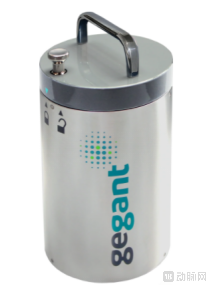
RadioMedix 68Ge/ 68Ga Generator
In an interview, Dr. Ebrahim Delpassand, CEO of RadioMedix, stated that RadioMedix has become ITM68Ge/68manufacturer of Ga generators, a first in the United States. RadioMedix’s efficient manufacturing capabilities will address the severe shortage of this essential device in the market and increase patient access to various oncology treatments68Opportunities for Ga-labeled radiopharmaceuticals.
AlphaMedix™ (²¹²Pb-DOTAMTATE) is a radiopharmaceutical therapeutic agent co-developed by RadioMedix and Orano Med, and it is currently one of the most prominent radiopharmaceuticals globally. It is indicated for subjects with unresectable metastatic somatostatin receptor (SSTR)-positive neuroendocrine tumors (NETs).
212Pb isotopes are particularly suitable for SSTR therapeutic applications due to their half-life, high energy, short decay path length, and ability to cause irreversible double-strand DNA damage.
This drug addresses unmet needs in the field of peptide receptor radionuclide therapy (PRRT) for NETs. It replaces the currently used beta emitters with an alpha emitter (²¹²Pb), i.e.,177Lu or90Y) will provide significantly higher linear energy transfer (LET) and shorter path lengths. Higher LET particles should result in greater tumor cell death. Shorter path lengths should lead to less collateral damage to normal tissues, thereby reducing side effects in subjects receiving the drug.
“Due to the unique properties of alpha-emitting particles, targeted alpha therapy can overcome the limitations of currently available treatments. This new therapeutic approach brings new hope to our patients with advanced neuroendocrine cancer,” said Dr. Ebrahim S. Delpassand, Chief Executive Officer of RadioMedix.
The product received FDA Orphan Drug Designation (ODD) in 2018 and was awarded the TechConnect Innovation Award in 2020.
On September 4, 2020, the U.S. FDA approved Detectnet, a radioactive diagnostic agent jointly developed by RadioMedix and Curium (64Cu-DOTATATE) was launched.
Detectnet is indicated for the diagnosis of somatostatin (SST) receptor-positive neuroendocrine tumors (NETs) in adults. NETs are a heterogeneous group of rare tumors originating from neuroendocrine cells. Due to the abundant expression of SST receptors on the surface of NET cells, the radiolabeled SST analog DOTATATE binds to these receptors, thereby enabling the localization of tumors. These tumors primarily occur in the gastrointestinal tract, pancreas, and liver, but may also arise in other tissues, including the lungs and thymus, as well as less common sites such as the cervix, heart, and prostate.
Detectnet is the first diagnostic agent that couples the Cu-64 radioisotope with the somatostatin analog DOTATATE.
On December 9, shortly after approval, RadioMedix and Curium announced that Detectnet had been granted Transitional Pass-Through (TPT) status (Code: C9068) by the Centers for Medicare & Medicaid Services (CMS). Code C9068 will be used for billing Detectnet to Medicare patients receiving care in hospital outpatient departments, marking a more convenient and streamlined reimbursement process for patients using Detectnet.
A clinical study published in the Journal of Nuclear Medicine in 2020 demonstrated that Cu-64 DOTATATE-assisted PET imaging achieved a sensitivity of 90.9% and a specificity of 96.6% in detecting neuroendocrine tumors (NETs). Compared with DOTATATE conjugated to other radionuclides, Cu-64 DOTATATE offers the advantages of scalable production and a longer half-life, holding promise for enabling more physicians to detect NETs in a more timely manner using this diagnostic agent.
Dr. Ebrahim Delpassand, CEO of RadioMedix, stated, “Detectnet represents an exciting advancement in the diagnosis of neuroendocrine tumors for healthcare providers, patients, and their caregivers. The Phase III results demonstrate the clinical sensitivity and specificity of Detectnet, which will greatly assist clinicians in developing accurate treatment strategies for their NET patients. With a half-life of 12.7 hours, it can be centrally manufactured and distributed throughout the United States. This will help mitigate the shortages or delays encountered with other somatostatin analog PET agents.”
In addition,RadioMedix is the exclusive U.S. distributor of all TRASIS and ITG radiopharmaceutical synthesizers.
There is also an interesting anecdote about the company: on September 2, 2021, pharmaceutical company Plus Therapeutics announced a collaboration with RadioMedix on radiopharmaceuticals186RNL reached a commercial production agreement for potential Phase 2/3 clinical studies in adults with recurrent glioblastoma (GBM). Subsequently, Plus Therapeutics’ stock price surged by 16.84% on the same day. The fundraising appeal and influence of RadioMedix are self-evident.
With the advancement of modern medicine, including nuclear medicine, medical isotopes—the raw materials for radiopharmaceuticals—are playing an increasingly vital role in disease diagnosis and clinical treatment. Furthermore, the radiopharmaceutical industry is characterized by high barriers in distribution, raw material supply, technology, and branding, forming a moat that is difficult for new entrants to cross. Consequently, market power often rests with the radiopharmaceutical companies themselves.
The more downstream partners a nuclear medicine company collaborates with, the more diverse demands will continuously drive it to explore greater possibilities. This enables nuclear medicine companies to “grow stronger through competition,” attracting further collaboration from downstream partners and creating a virtuous cycle. RadioMedixThe same applies.
Given the vast variety of isotopes, each requiring substantial upfront investment in development technology, manpower, and financial resources, current radiopharmaceutical companies are pursuing independent, siloed development strategies. This landscape has consequently fostered strategic alliances and partnerships among radiopharmaceutical firms.
"Improving patients' lives by delivering innovative radiation therapies and accelerating the discovery of nuclear medicine," as stated in RadioMedix's corporate mission, we look forward to RadioMedix bringing more possibilities to the development of the pharmaceutical industry.
References:
1. <Plus Therapeutics Inc. (PSTV) Stock Surges Following Strategic Partnership with RadioMedix>
2. <Phase 1 Study of AlphaMedix in Adult Subjects With SSTR (+) NET>
3. WuXi AppTec “Improved PET Scan: FDA Approves Novel Radioactive Diagnostic Agent for Market Launch”