

Amylyx Pharmaceuticals Files for IPO to Advance ALS and Alzheimer’s Drug AMX0035 Despite No Approved Products

Amylyx
Developer of Neurodegenerative Disease Therapeutics
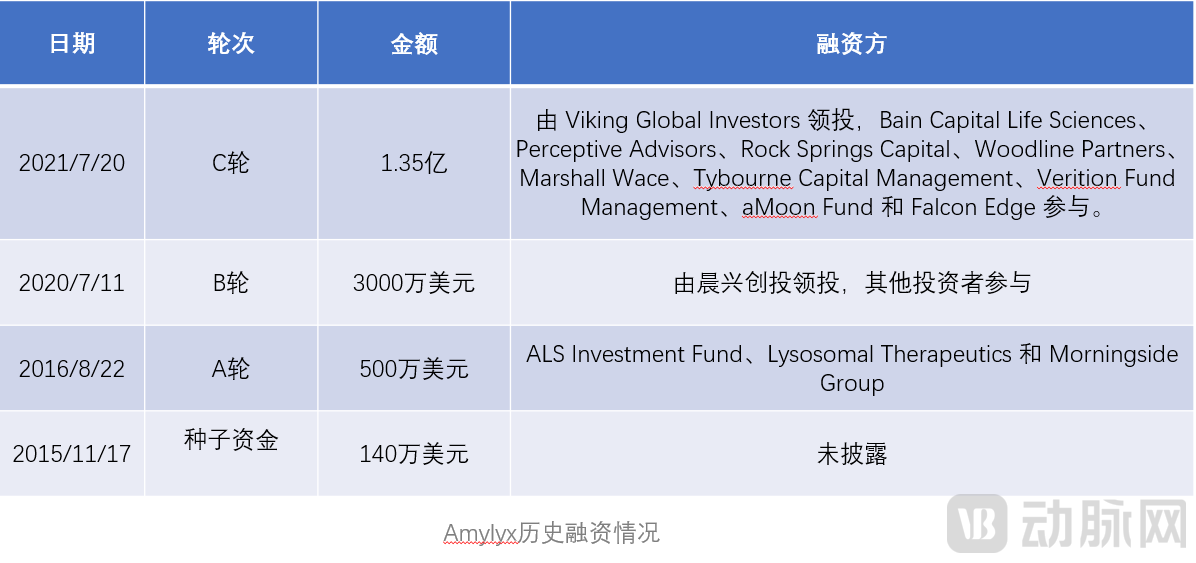
Recently, the biopharmaceutical companyAmylyx has applied to list its common stock on the Nasdaq Global Select Market under the ticker symbol “AMLX,” launching its initial public offering of 8,750,000 shares of common stock, with maximum proceeds of approximately $175 million (about RMB 1.1 billion).. In the less than ten years since its founding, Amylyx has enjoyed smooth fundraising, which has allowed it to focus more intently on product development and further drive corporate growth.
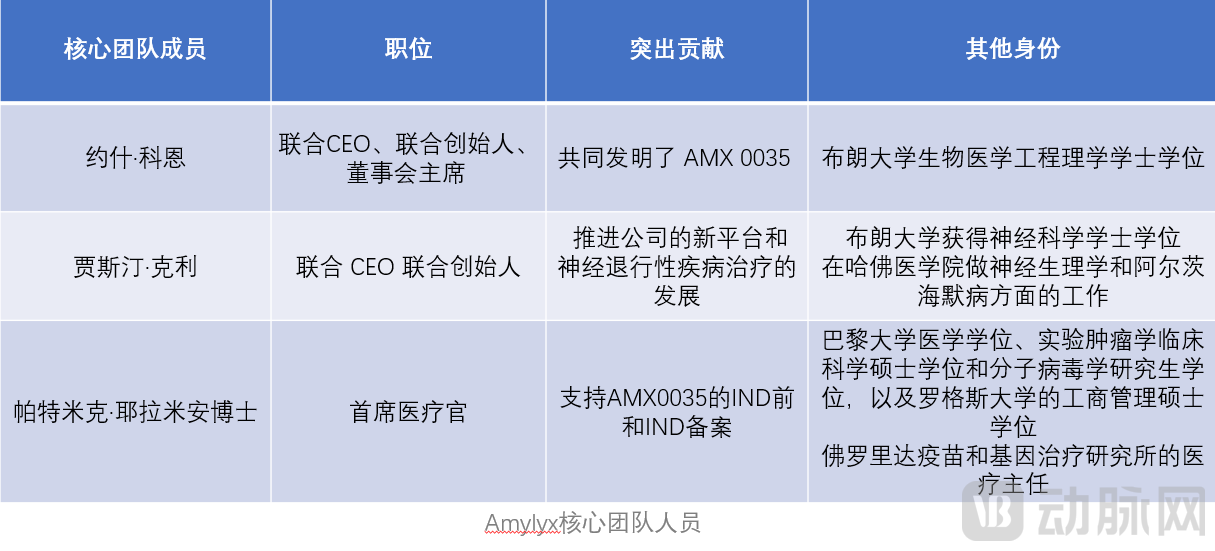
It all began with a curious dorm-room question at Brown University in 2013. Upon learning that neurodegenerative diseases result from neuronal death, Josh Cohen couldn’t help but ask himself a simple question: “Why do neurons die?” It seemed like an obvious question, yet no solution was in sight. After thoroughly reviewing extensive research, Josh Cohen raised this question with his classmate Justin Klee, embarking on a journey to find the answer.
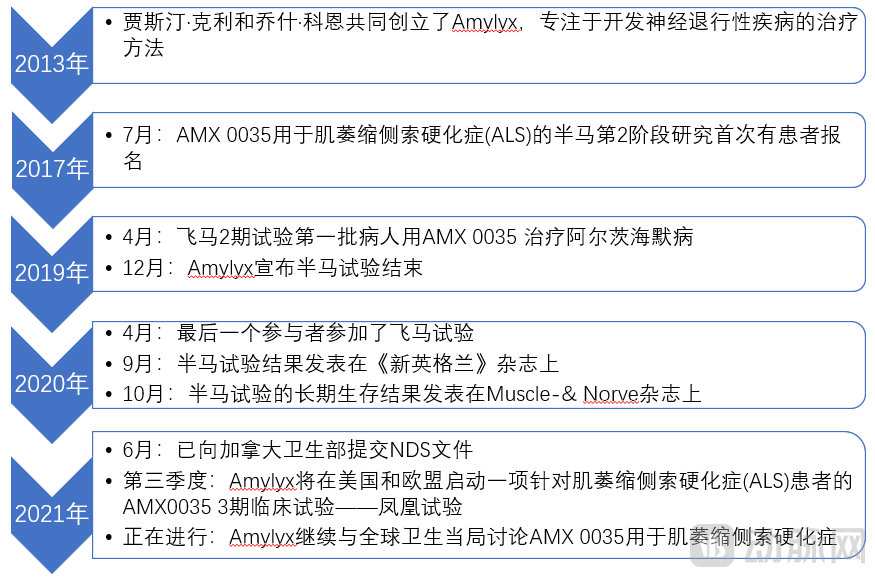
Josh Cohen and Justin Klee evolved from their initial partnership into co-founders, jointly establishing Amylyx.Dedicated to developing potential therapies for neurodegenerative diseases.
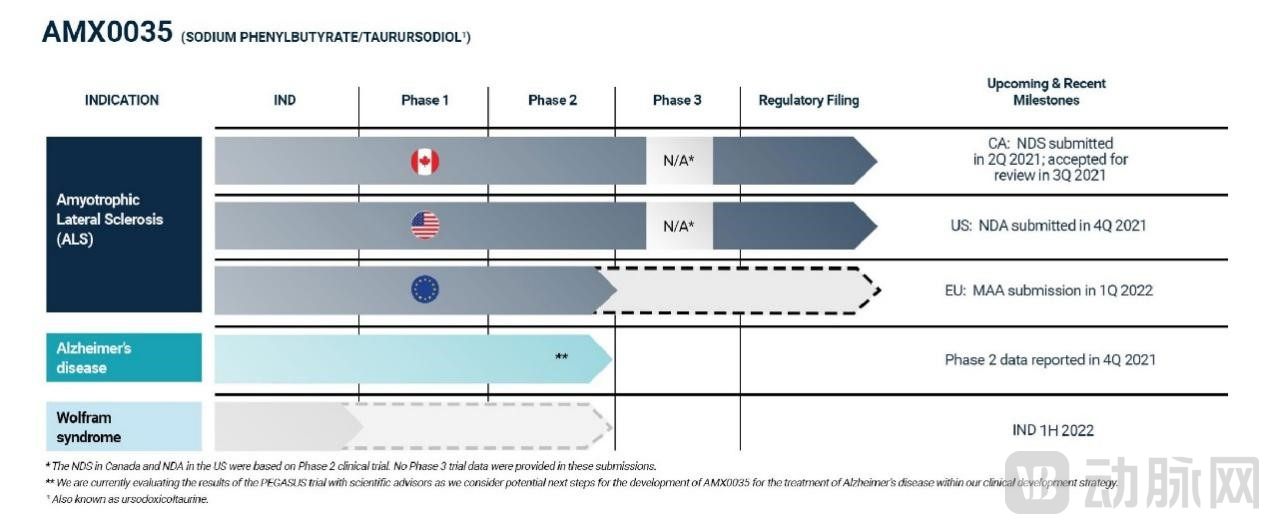
Through the exploration of degenerative diseases, a new research product—AMX 0035—has been created and is currently in clinical development for the treatment of amyotrophic lateral sclerosis (ALS) and Alzheimer's disease.
The company is currently exploring the therapeutic potential of AMX0035 (sodium phenylbutyrate/taurursodiol) for amyotrophic lateral sclerosis (ALS), Alzheimer’s disease, and Wolfram syndrome.
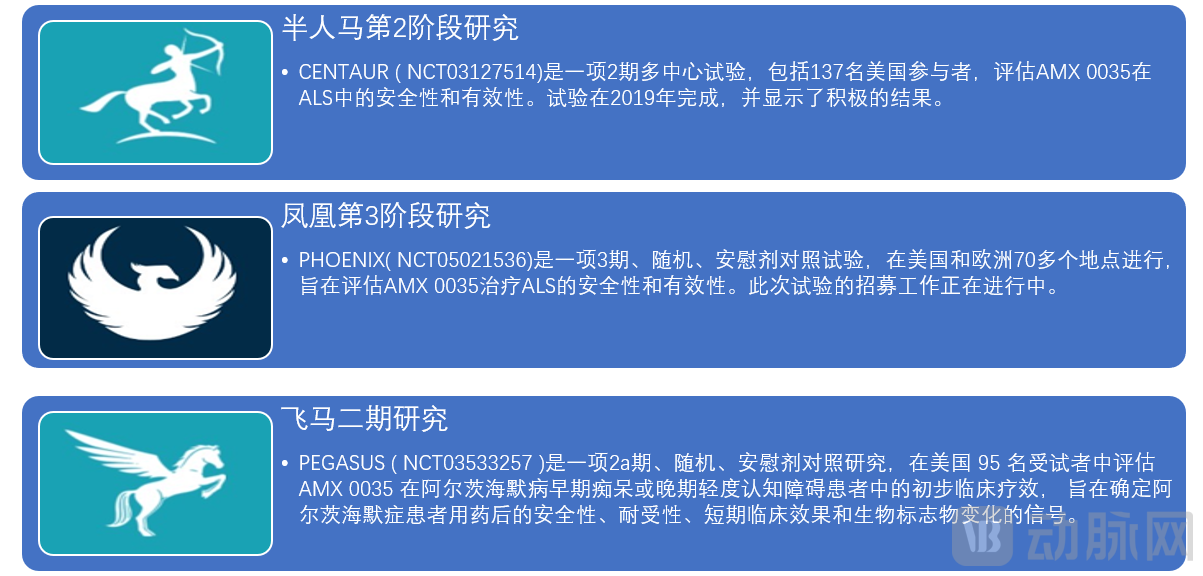
In designing clinical trials, the Company relies on the guidance and support of clinical leaders and the neurodegenerative disease community—a principle it will continue to uphold in future trials. Below are three clinical trials conducted by the Company to explore the efficacy of AMX 0035.
Centaur Phase II Study (ALS Research)
The CENTAUR trial (NCT03127514) was a Phase 2, multicenter clinical trial in adults with amyotrophic lateral sclerosis (ALS), comprising a 6-month randomized, placebo-controlled period followed by an open-label long-term follow-up period. Conducted in the United States, the trial enrolled 137 participants aged 18 to 80 years and evaluated the safety and efficacy of AMX-0035. The trial was completed in 2019 and demonstrated positive results.
Phoenix Phase 3 Study (ALS Research)
PHOENIX (NCT05021536) is a Phase 3, randomized, placebo-controlled trial being conducted at more than 70 sites across the United States and Europe. The primary objective of this trial is to further evaluate the safety and efficacy of AMX0035, as well as its impact on disease progression compared with placebo, based on changes from baseline in the ALSFRS-R score and survival. Enrollment is ongoing, with a planned enrollment of approximately 600 participants who have a definite or clinically probable diagnosis of amyotrophic lateral sclerosis (ALS) within 24 months of symptom onset.
PEGASUS II Study (Alzheimer's Disease Study)
Pegasus (NCT03533257) was a Phase 2, randomized, placebo-controlled trial that evaluated the preliminary clinical efficacy of AMX0035 in 95 subjects in the United States with early dementia due to Alzheimer’s disease or late-stage mild cognitive impairment. The study aimed to determine signals of safety, tolerability, short-term clinical effects, and changes in biomarkers following administration of AMX0035 in patients with Alzheimer’s disease. On November 9, 2021, the Company presented the results of the AMX0035 trial in Alzheimer’s disease at the Clinical Trials on Alzheimer’s Disease conference, demonstrating that AMX0035 met safety and tolerability endpoints.
“Alzheimer’s disease is a serious condition, and there is an urgent need to provide new treatment options for patients,” said Steven E. Arnold, M.D., Professor at the Center for Brain Science in Psychiatry at Massachusetts General Hospital and Harvard Medical School, Head of Translational Neurology, and Principal Investigator of the PEGASUS trial. “I am encouraged by the changes observed in key biomarkers of Alzheimer’s disease in this preliminary study. As we further analyze the biomarker data and consider longer-term, larger-scale studies to assess cognitive effects, I am eager to continue learning more about the potential of this investigational product in the disease. I thank all the participants and families who took part in the PEGASUS study.”
After resolving to seek treatments for neurodegenerative diseases, Josh Cohen and Justin Klee overcame one obstacle after another, signed numerous contracts with laboratories, and developed assays, ultimately accumulating sufficient data to proceed to the next stage.
September 28, 2020Fierce Biotech named Amylyx Pharmaceuticals one of the “Top 15 Hot Biotechs” of 2020, recognizing Amylyx as one of the most promising private biotechnology companies in the industry.. Even as the novel coronavirus remains a threat, patients with cancer, rare diseases, and other conditions still require treatment. The announcement of the 2020 “Fierce Biotech 15” was a major event that drew global attention. Fierce Biotech is an internationally recognized media outlet that engages with more than 285,000 biotechnology and pharmaceutical professionals. Each year, it evaluates hundreds of private companies worldwide and publishes its annual “Fierce 15” ranking, based on multiple factors including technological strength, partnerships, venture capital backing, and competitive market position.
“Amylyx is honored to be named one of the Top 15 Strong Biotechs of 2020. This recognition underscores the immense responsibility borne by our team, and we must continue our efforts to bring new potential therapies to patients with neurodegenerative diseases,” said Justin Klee, Co-CEO and Co-Founder of Amylyx.

Amylyx Pharmaceuticals, Inc. announced on December 29, 2021,The U.S. Food and Drug Administration Has Accepted the New Drug Application for AMX 0035 for the Treatment of Amyotrophic Lateral Sclerosis (ALS)The diagnosis and treatment of neurodegenerative diseases have long remained a formidable bottleneck worldwide. If this review is successful and AMX 0035 is approved for market launch, it will represent not only a milestone development for Amylyx but also a revolutionary advance and breakthrough in the treatment of neurodegenerative diseases as a whole. AMX 0035 holds profound significance.
Neurodegenerative diseases are a class of disorders characterized by the progressive loss of neuronal structure or function, and even neuronal death, leading to functional impairment. These include amyotrophic lateral sclerosis, Parkinson’s disease, Alzheimer’s disease, Huntington’s disease, and spinal muscular atrophy, among others.

Taking Alzheimer’s disease and Parkinson’s disease, two representative conditions, as examples, the incidence of Parkinson’s disease among individuals aged 65 and older in China is 1.7%, with approximately 100,000 new cases annually, showing a rapid upward trend. The number of Parkinson’s patients in China has exceeded 2.5 million. Alzheimer’s disease also exhibits a high incidence among middle-aged and elderly populations in China, reaching 10% in those aged 65 and older, and soaring to 30% in those aged 80 and above.
Therefore,Early diagnosis, early prevention, and early treatment are key to the management of neurodegenerative diseases.However, companies in this field remain scarce in China.
Xiamen Renrui Biomedical Technology Co., Ltd.
Established in the Bio-pharmaceutical Industrial Park in Haicang District, Xiamen, in October 2012, the company is a high-tech enterprise recognized as a Class A “Double Hundred” Talent entity. It is the first domestic company dedicated to the research, development, and promotion of diagnostic reagents, health supplements, and therapeutic drugs for neurodegenerative diseases. The company’s inaugural product for Alzheimer’s disease detection—the “Human APOE Gene ε2/ε3/ε4 Genotyping Kit (Fluorescent PCR Method)”—has undergone extensive clinical trials. Approved for market launch by the China Food and Drug Administration (CFDA) due to its high specificity, accurate results, and simple, rapid operation, it holds the registration certificate number: Guo Xie Zhu Zhun 20173403322.
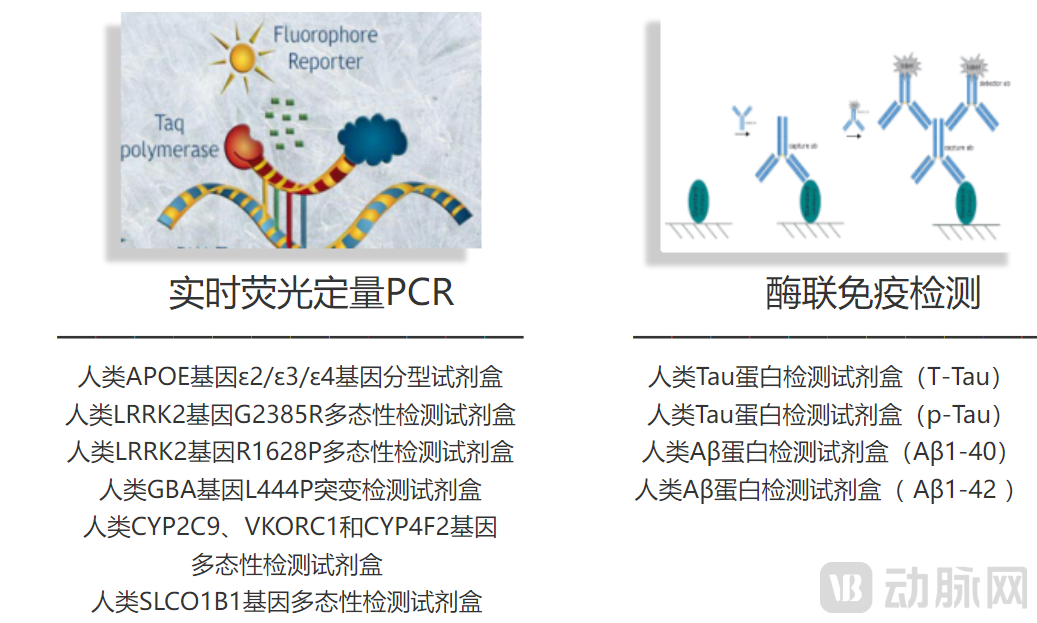
Leveraging the cluster advantages of the National “Torch Program” Xiamen Haicang District Biomedical Industry Characteristic Base, and supported by the technical expertise of the Institute of Neuroscience at Xiamen University and the Fujian Provincial Key Laboratory for Research on Neurodegenerative Diseases and Aging, the company actively promotes risk prediction, early diagnosis, and personalized treatment for cardiovascular and cerebrovascular diseases as well as neurodegenerative disorders. Through its three major technology platforms—real-time fluorescent PCR, protein detection, and high-throughput sequencing—it provides more precise, effective, and safe diagnostic and therapeutic services for clinical testing.
Suzhou Xinxu Pharmaceutical Co., Ltd.
The company is dedicated to developing first-class diagnostic technologies and therapeutic drugs for Alzheimer’s disease and other tau protein-related neurodegenerative disorders. By comprehensively building in-house drug development capabilities and integrating collaborations with world-class scientists, research institutions, and pharmaceutical companies, the company aims to achieve its goals and bring innovative concepts and scientific discoveries to life.
Shinobi is developing positron emission tomography (PET) tracers to detect the presence of neurofibrillary tangles in the brain. This technology will enable clinicians to accurately monitor the progression of Alzheimer’s disease and other tauopathies, facilitating early diagnosis and prompt treatment. Furthermore, this technology allows for precise assessment of therapeutic efficacy in each drug development program, providing significant support for the development of “disease-targeted novel drugs.”
XinXu has established a compound library with therapeutic efficacy for Alzheimer’s disease and other tau-related disorders.
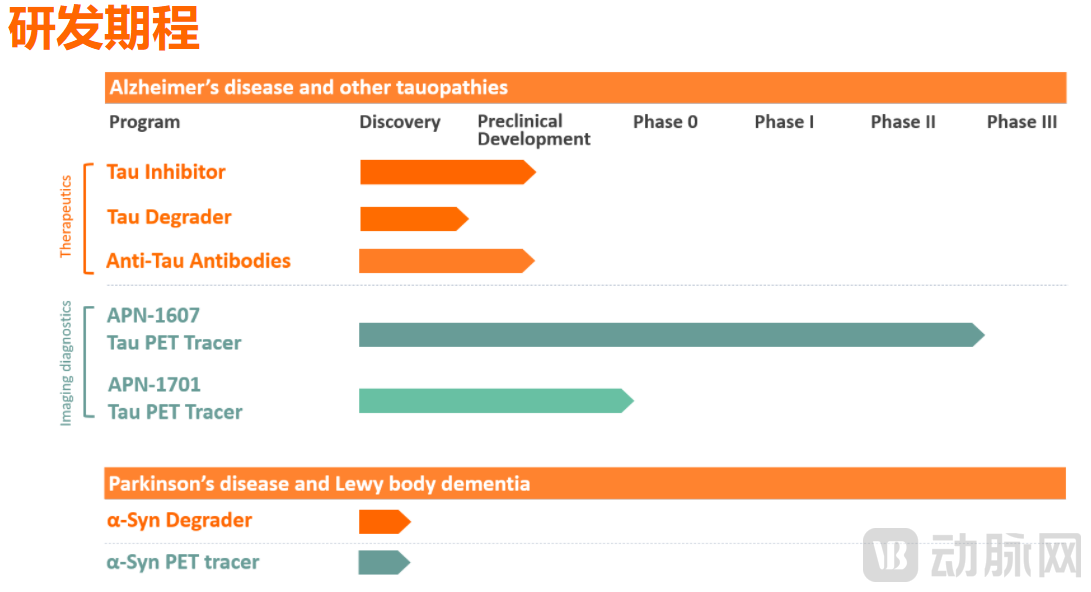
Insilico Medicine Partners with Xinyu to Deploy Novel AI-Generated Systems for Discovering New Compounds Against Neurodegenerative Diseases, Aiming to Accelerate the Discovery of Next-Generation Compounds Targeting Abnormal Proteins Associated with Neurodegeneration Through Artificial Intelligence Technology.
Xinxu Announces Receipt of Research Grant from the U.S. Parkinson’s Foundation to Support Development of Its Alpha-Synuclein PET Tracer