

Luo Medical's LuVoCaptor Thrombectomy Catheter Achieves Over 90% Thrombus Clearance Rate, Successfully Removes Subacute Clots

LeoMed
Interventional Device R&D and Manufacturer
In late 2021, Professor Lu Xinwu from the Department of Vascular Surgery at Shanghai Ninth People’s Hospital, affiliated with Shanghai Jiao Tong University School of Medicine (hereinafter referred to as “Shanghai Ninth Hospital”), led a team of experts including Professors Ye Kaichuang, Shi Huihua, and Peng Zhiyou to successfully complete three clinical cases using the LuVoCaptor thrombectomy catheter. This device was independently developed by Shanghai Weiyu Medical Technology Co., Ltd., a holding subsidiary of LeoMed.
In three clinical trials, LeoMed’s LuVoCaptor thrombectomy catheter demonstrated excellent performance, achieving a venous thrombus clearance rate of over 90%, with minimal patient trauma and rapid recovery. Furthermore, this thrombectomy catheter not only effectively removes acute thrombi but also clears subacute and even chronic thrombi, thereby reducing the incidence of post-thrombotic syndrome (PTS).
※ Basic Information:
Patient, female, 65 years old, was admitted due to “swelling and pain in the left lower limb for 6 days.” The skin temperature of the left lower limb was slightly low, with swelling extending from the dorsum of the foot to the mid-thigh of the left leg, presenting as non-pitting edema. Homans' sign was positive (+). Left lower extremity deep vein thrombosis was diagnosed, and percutaneous mechanical thrombectomy (hereinafter referred to as PMT) was planned.
※ Surgical Procedure:
The patient was placed in the supine position. The right common femoral vein was punctured, and the inferior vena cava (IVC) and renal veins were localized under fluoroscopic guidance. A retrievable IVC filter was deployed. Subsequently, the left popliteal vein was punctured, and a sheath was inserted. The LuVoCaptor thrombectomy catheter was advanced sequentially from the popliteal vein to aspirate thrombus through the iliac vein into the inferior vena cava. Follow-up venography demonstrated near-complete clearance of thrombus in the femoral vein. The left common iliac vein showed no significant contrast opacification, confirming the presence of iliac vein compression syndrome (May-Thurner syndrome). Balloon angioplasty of the femoral vein, iliac vein, and common iliac vein was performed, followed by stent implantation.
※ Comparison of pre- and post-thrombectomy lumen angiography with LuVoCaptor:
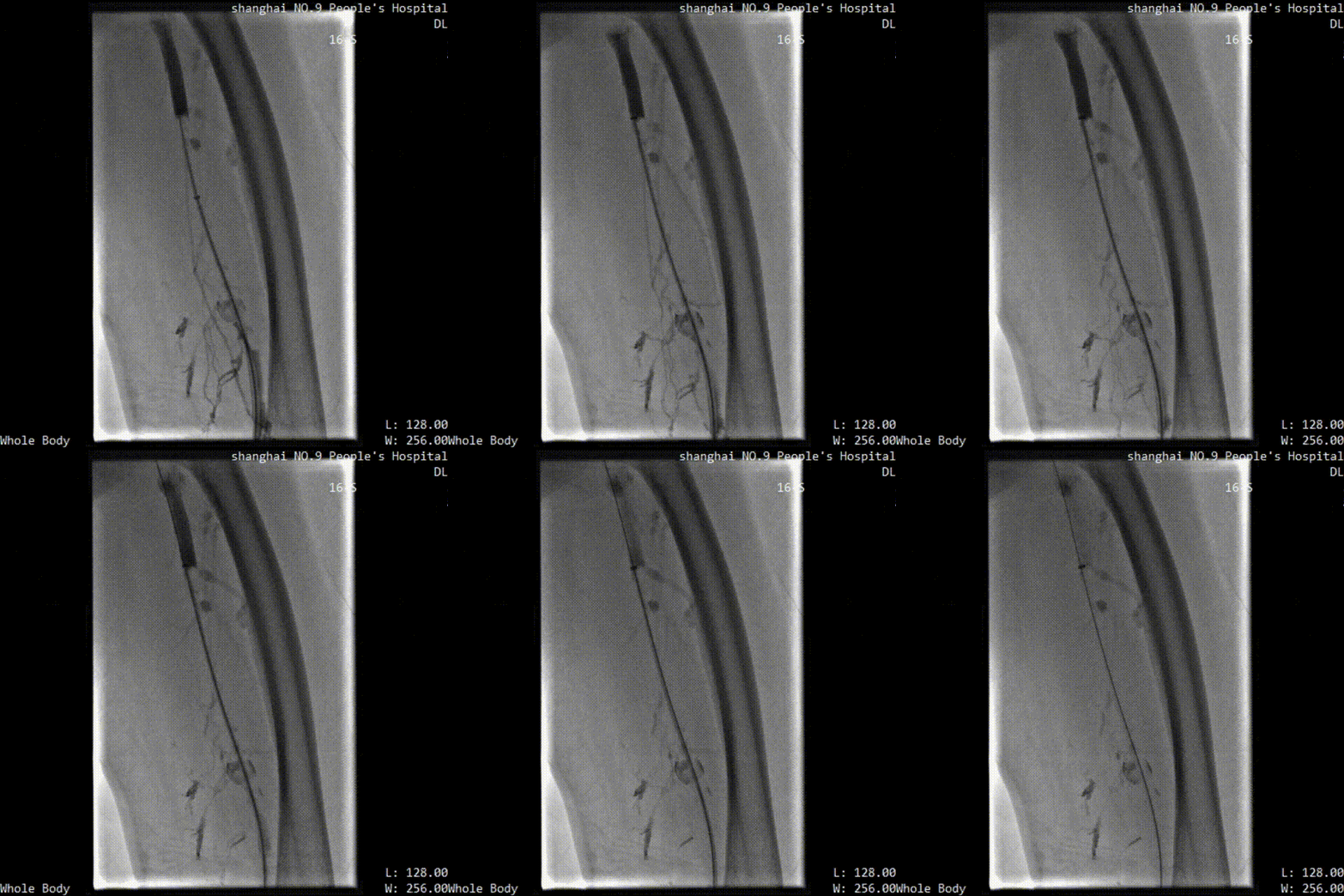
Pre-thrombectomy Angiography
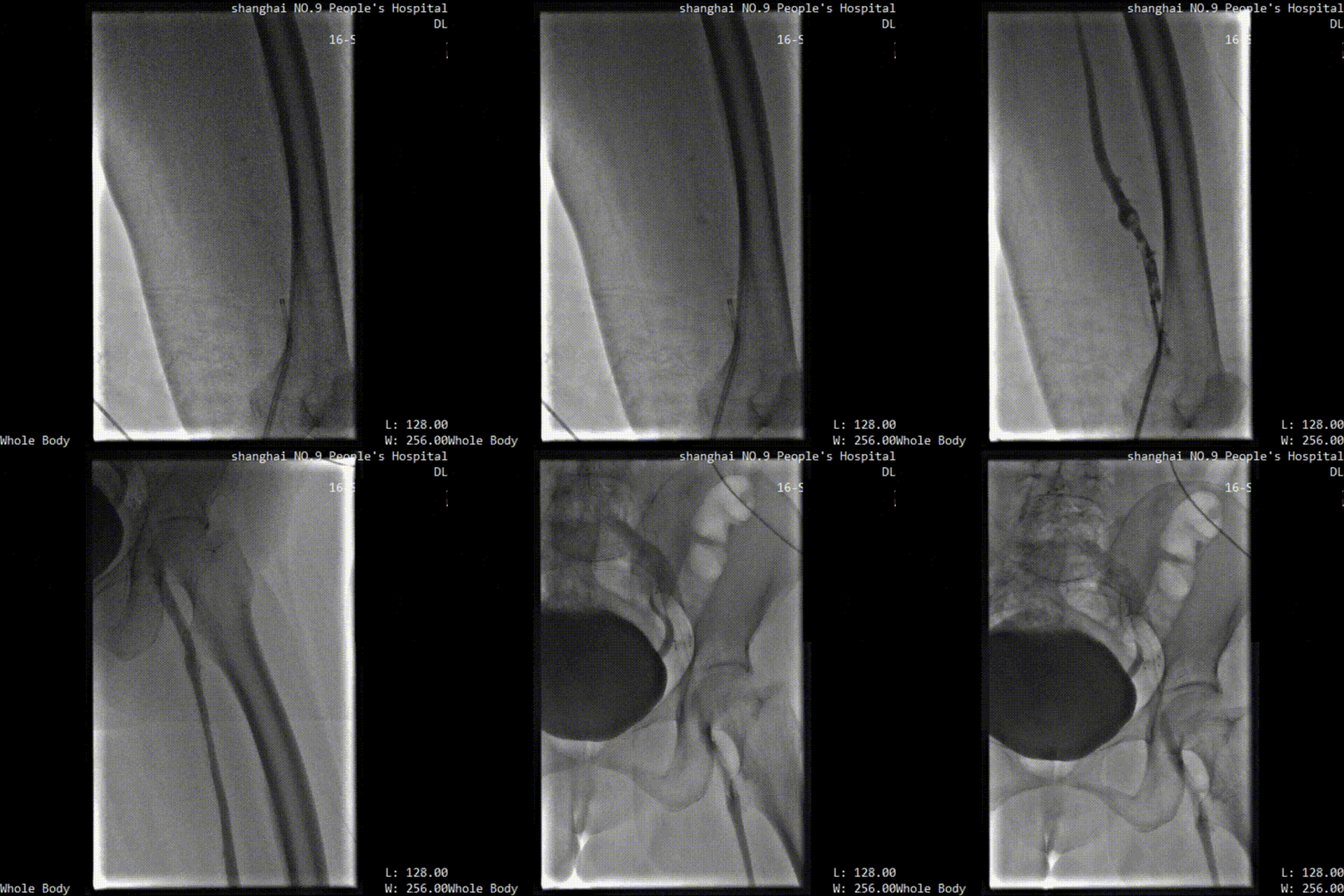
Post-Thrombectomy Angiography
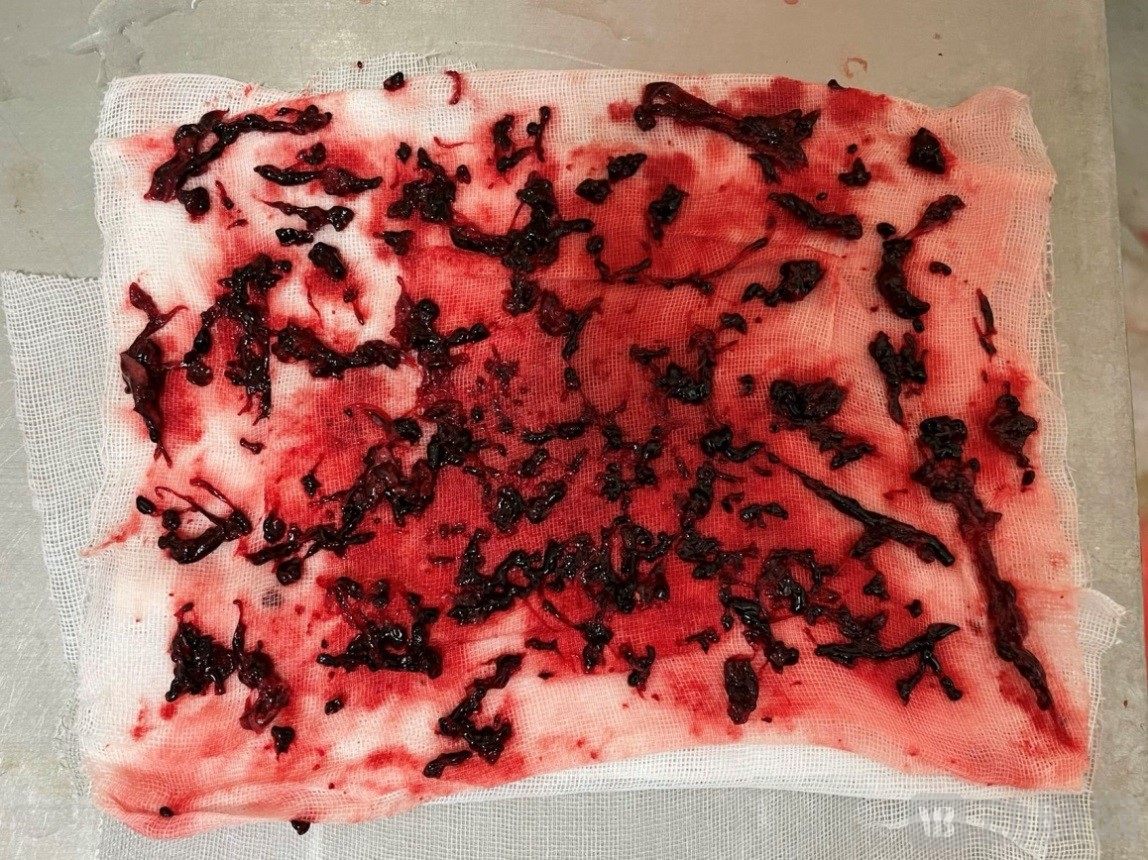
※ Thrombus removal status after thrombectomy:
※ Postoperative Follow-up Status:
Postoperatively, the patient reported no specific discomfort, exhibited good mental status, and showed significant resolution of swelling in the operative limb. Peripheral perfusion of the operative limb was satisfactory with palpable arterial pulses. The bilateral gastrocnemius muscles were soft, and sensory and motor functions in both lower extremities were normal. The patient underwent three follow-up visits, during which ultrasound and CT angiography (CTA) examinations were performed, all yielding favorable results.
※ Basic Information:
Patient, female, 61 years old, was admitted due to “swelling and pain in the left lower limb for 4 days.” The skin temperature of the left lower limb was slightly low. Swelling extended from the dorsum of the foot to the mid-thigh on the left side, presenting as non-pitting edema. Homans’ sign was positive. Deep vein thrombosis (DVT) of the left lower limb was diagnosed, and pharmacomechanical thrombectomy (PMT) was planned.
※ Surgical Procedure:
The patient was placed in the supine position. The right common femoral vein was punctured, and the inferior vena cava (IVC) and renal veins were localized under fluoroscopic guidance, followed by the placement of a retrievable IVC filter. The left popliteal vein was then punctured, and an introducer sheath was inserted. The LuVoCaptor thrombectomy catheter was applied to the target lesion. Immediate post-thrombectomy angiography demonstrated a thrombus clearance rate of >90%. Guidewires and catheters were used to traverse the stenotic and occluded segment of the left iliac vein, returning to the true lumen, followed by balloon angioplasty and implantation of a Wallstent stent. Repeat angiography revealed continuous opacification of the left superficial femoral vein, femoral vein, iliac vein, IVC, and within the filter, with no significant filling defects observed. Vessel wall morphology appeared normal, blood flow velocity was rapid, and there was no contrast extravasation.
※ LuVoCaptor: Angiographic Comparison of the Lumen Before and After Thrombectomy:
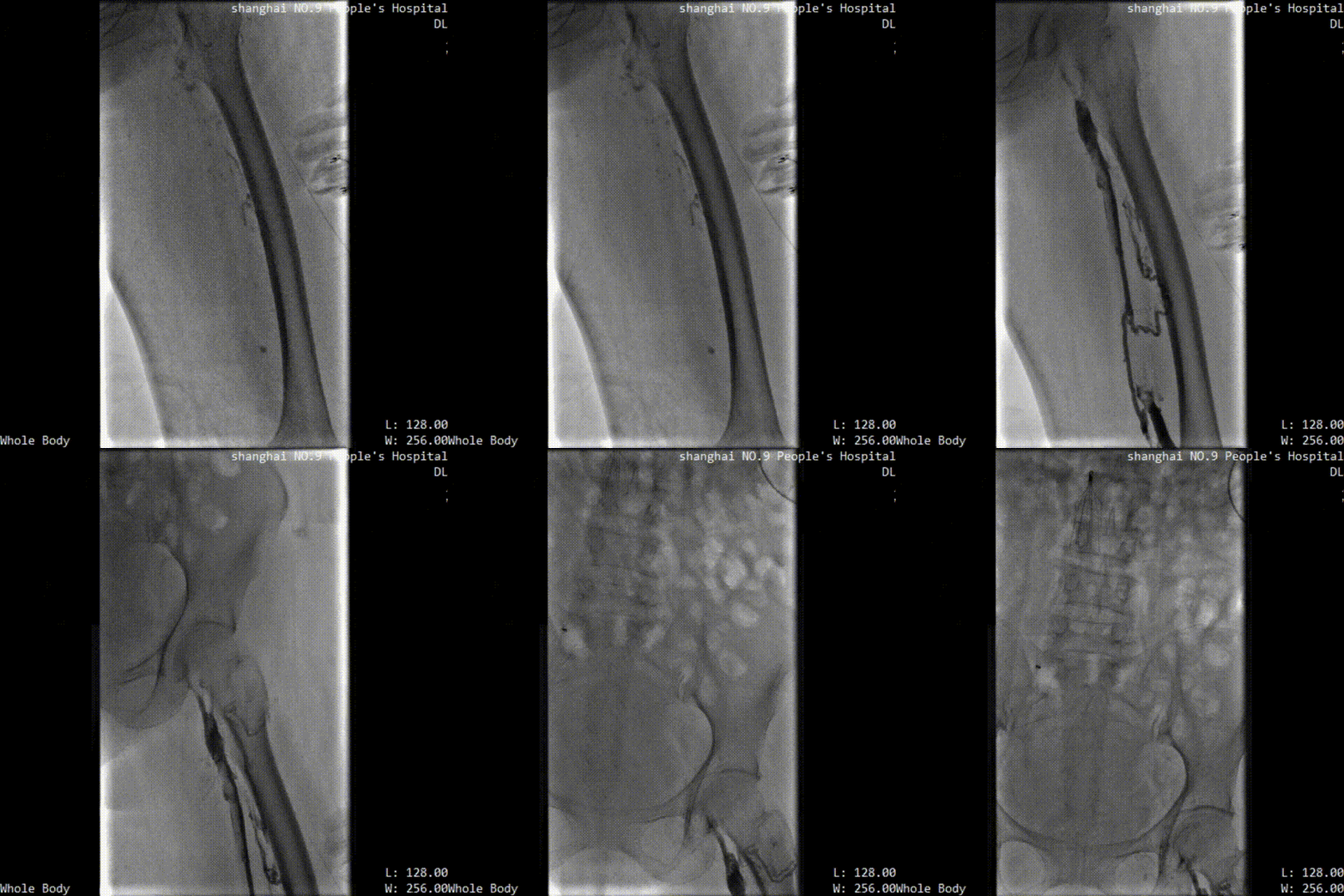
Pre-thrombectomy Lumen Angiography
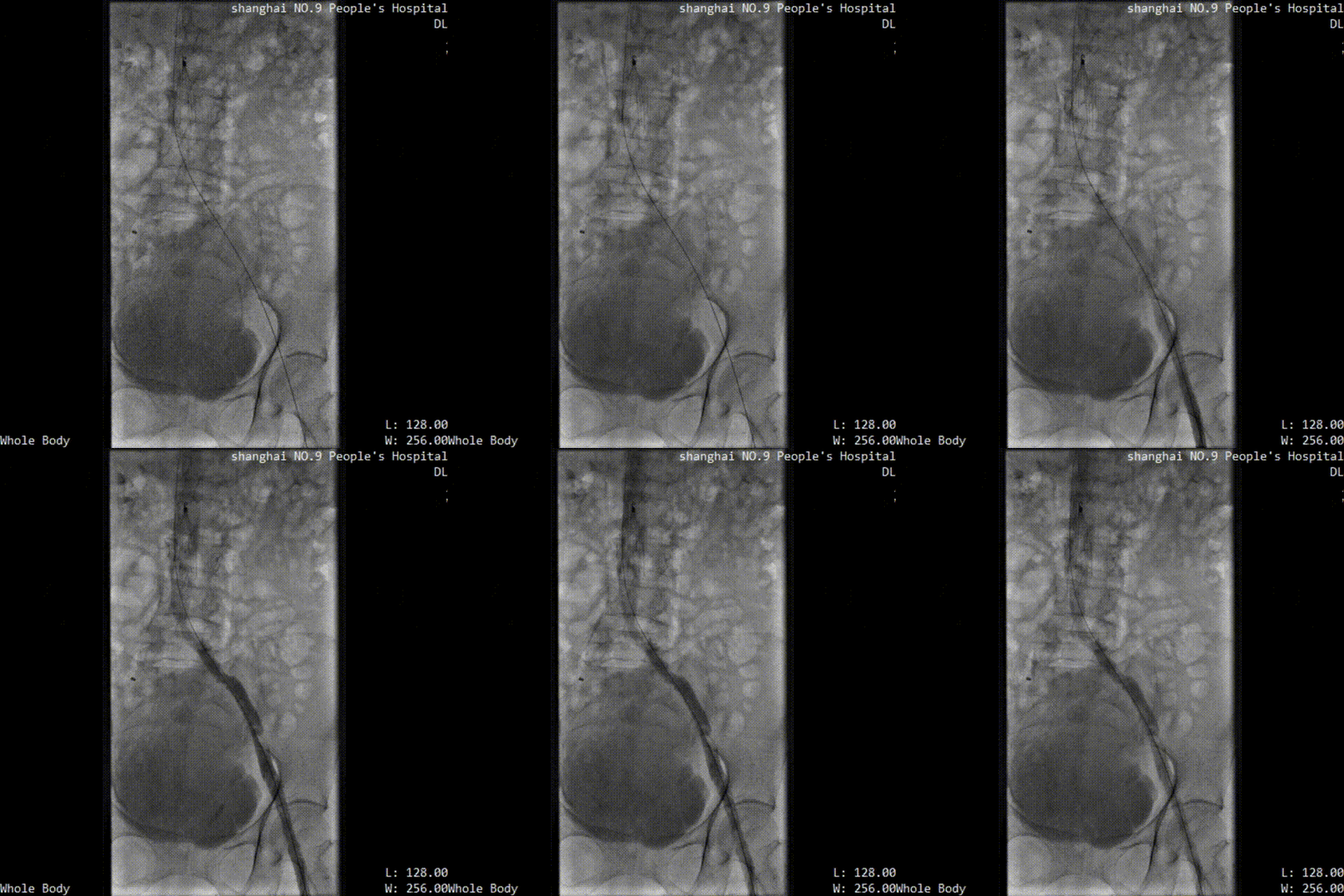
Post-thrombectomy Angiography
※ Thrombus clearance status of thrombectomy:
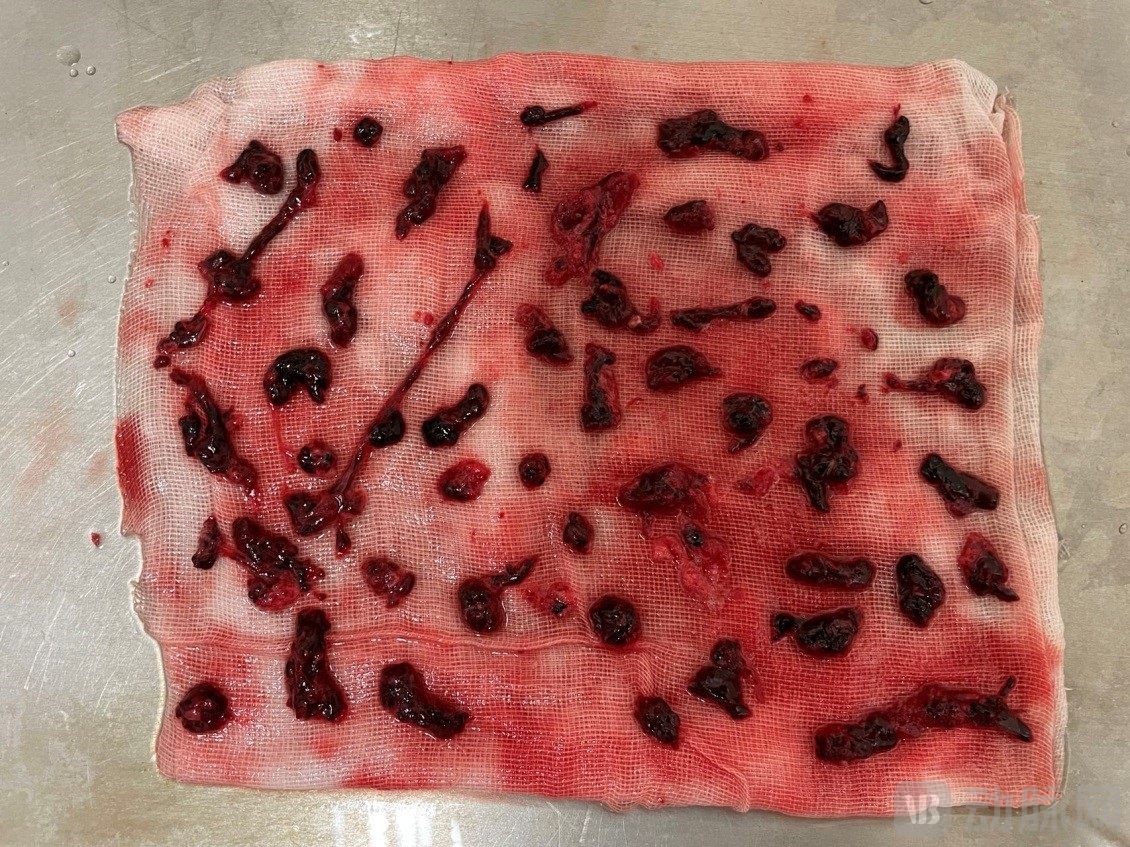
※ Postoperative follow-up status:
The patient was in good mental condition. The operated limb showed no pallor, cyanosis, or swelling. There was minor ecchymosis near the puncture site, with no hematoma or exudate. The gastrocnemius muscle was soft, and the dorsalis pedis artery pulse was palpable. Sensory and motor functions of both lower extremities were intact. The patient underwent three follow-up visits, during which ultrasound and CTA examinations were performed respectively; all results were favorable.
※ Basic Information:
Patient, female, 77 years old, was admitted due to “swelling and pain in the left lower limb for one week.” One week ago, she began to experience swelling in the left lower limb, difficulty walking, accompanied by pain. The pain and swelling were significantly aggravated after walking. The skin temperature of the left lower limb was slightly low. Swelling extended from the dorsum of the foot to the mid-thigh of the left leg, presenting as pitting edema. Homans’ sign was positive. Complete deep vein thrombosis (DVT) of the left lower limb was diagnosed, and pharmacomechanical thrombectomy (PMT) is planned.
※ Surgical Procedure:
The patient was placed in the supine position. The right common femoral vein was punctured, and the inferior vena cava (IVC) and renal veins were localized under angiographic guidance. The popliteal vein was then punctured, and a retrievable IVC filter was deployed. Subsequently, the left popliteal vein was punctured, and an introducer sheath was inserted. The LuVoCaptor thrombectomy catheter was applied to the target lesion. Post-thrombectomy angiography demonstrated a thrombus clearance rate of >90%, with 50% residual stenosis in the target vessel. Guidewires and catheters were used to traverse the stenotic and occluded segment of the left iliac vein, returning to the true lumen, followed by balloon angioplasty and implantation of a Wallstent. Repeat angiography revealed continuous opacification of the left superficial femoral vein, femoral vein, iliac vein, IVC, and within the filter, with no significant filling defects. The vessel wall morphology appeared normal, blood flow velocity was rapid, and there was no contrast extravasation. Residual stenosis at the target lesion after stent implantation was 10%.
※ Comparison of LuVoCaptor Angiography Before and After Thrombectomy:
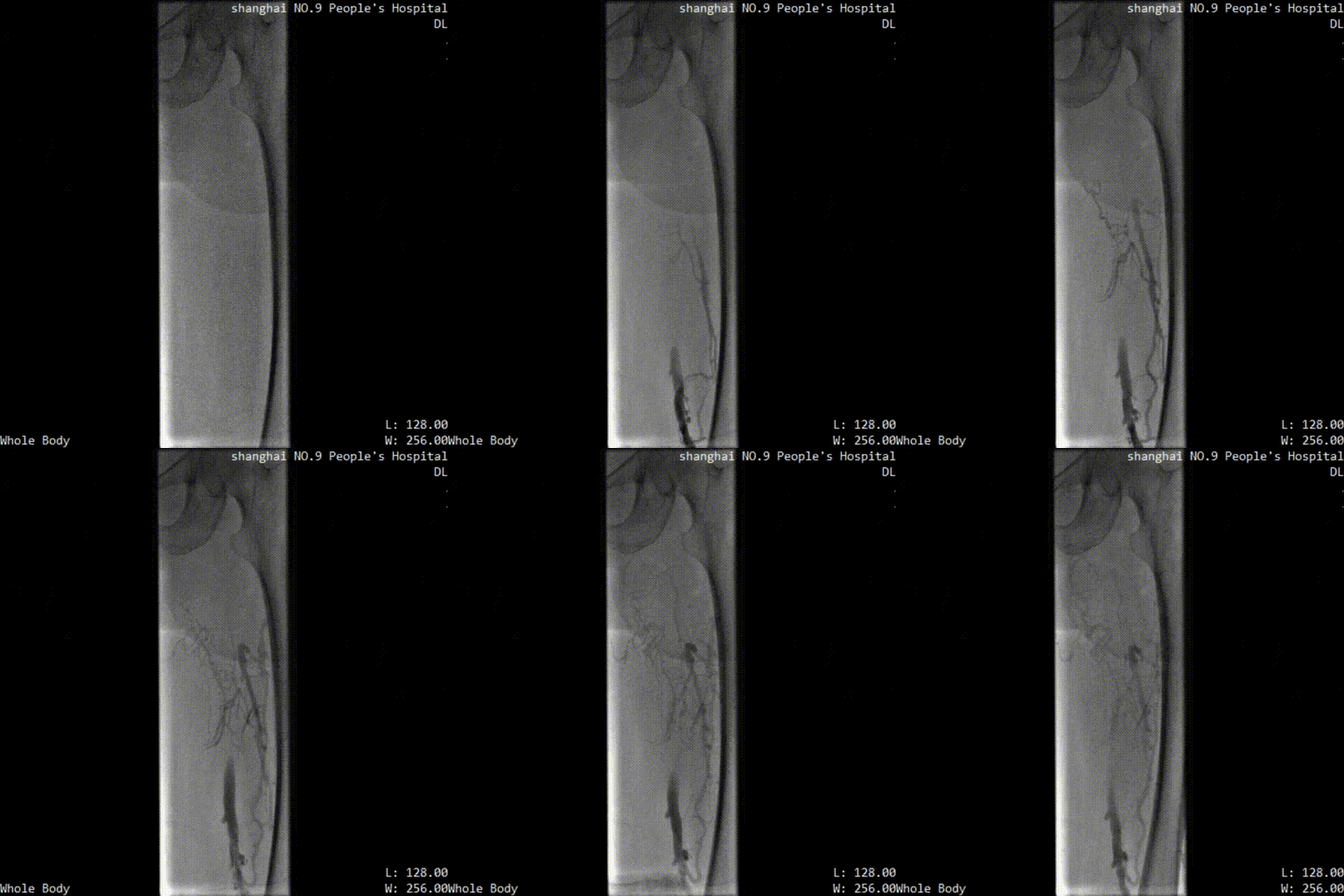
Pre-thrombectomy Angiography
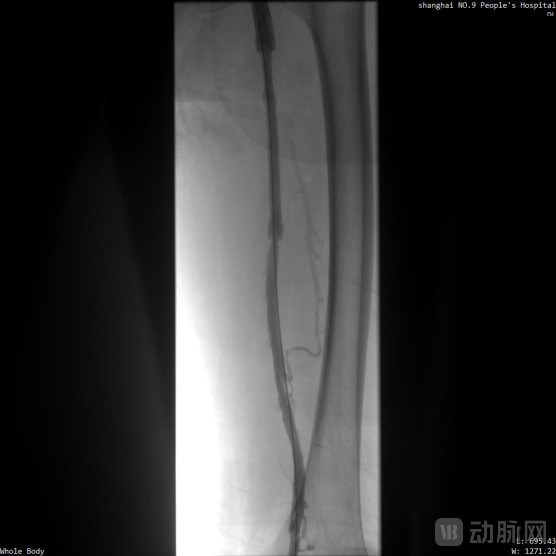
Post-Thrombectomy Angiography
※ Thrombus clearance status of thrombectomy:
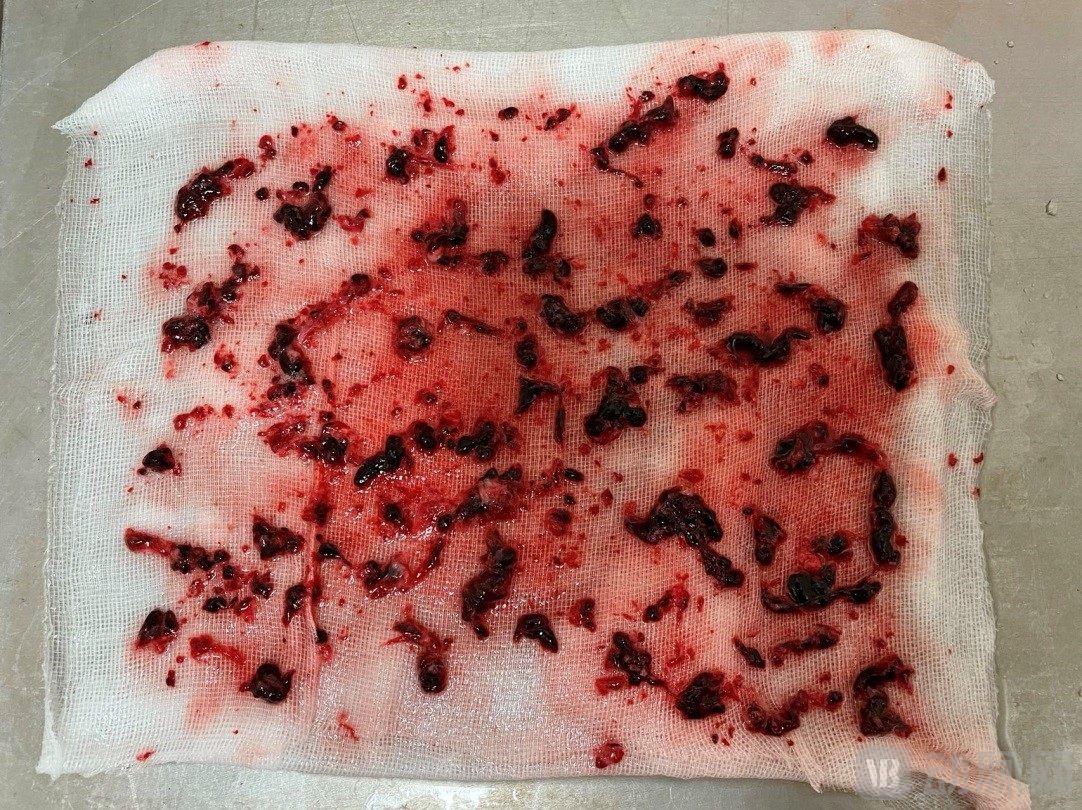
※ Postoperative Follow-up Status:
The patient was conscious and alert. There was mild swelling in the left lower limb, with soft gastrocnemius muscles. The dorsalis pedis pulse was palpable. Sensory and motor functions of both lower limbs were intact. The puncture site on the lower limb showed grade-A healing. The patient underwent three follow-up visits, during which ultrasound and CT angiography (CTA) examinations were performed; all results were satisfactory.
“Long-Overlooked” Peripheral Venous Disease Is Gaining Increasing Attention in China.
Deep vein thrombosis (DVT) is a common peripheral venous disease in clinical practice. According to Frost & Sullivan,In 2019, there were 1.5 million patients with deep vein thrombosis in China, and this number is projected to rise to 3.3 million by 2030.. Clinically, the majority of patients with deep vein thrombosis (DVT) are asymptomatic, leading to a high rate of early missed or misdiagnoses; only 20% of DVT cases are clinically diagnosed.
Deep vein thrombosis is a "dangerous" condition that can lead to complications such as pulmonary embolism (PE) and post-thrombotic syndrome (PTS), with severe cases resulting in shock or even death.Based on the time of onset, deep vein thrombosis (DVT) can be classified into the acute phase (within 14 days of onset), the subacute phase (15–30 days after onset), and the chronic phase (also known as old thrombus, more than 30 days after onset).。
In recent years, treatment technologies for deep vein thrombosis (DVT) have advanced rapidly; however, most therapeutic approaches target only acute thrombi. Given the progressive nature of thrombus development, a single diseased venous segment may concurrently contain acute, subacute, and even chronic thrombi.Subacute thrombi adhere to the vessel wall and are difficult to remove; forced thrombectomy may cause vascular wall injury.Uncleared thrombi ultimately evolve into fibrotic tissue, leading to post-thrombotic syndrome (PTS) and severely impairing patients' quality of life.
Due to the significant challenges in removal, subacute venous thrombosis has long remained a difficult clinical problem. Currently, common venous thrombectomy catheters on the market include Boston Scientific’s AngioJet and BD Medical’s Aspirex S, both of which are primarily used for the removal of acute venous thrombi.
In the three most recent clinical trials, the LuVoCaptor thrombectomy catheter demonstrated superior thrombus removal capability, leaving acute thrombi “with no escape,” while also effectively clearing subacute thrombi and achieving favorable clinical outcomes.
LuVoCaptor Thrombectomy CatheterNo reliance on specialized equipment or thrombolytic agents, to achieve optimal thrombectomy outcomes, the design addresses key clinical challengesInstantaneous Aspiration, enabling strong suction power to be achieved in a short time, ensuring the rapid aspiration of formed thrombi that are clumped or viscous. The procedure requires only the negative pressure pumps already available in hospitals, saving up to millions in equipment costs.
Therefore, this device is more easily deployed at the primary care level, reducing overall treatment costs for patients and meeting the need for timely, localized management of deep vein thrombosis.
Since initiating its first clinical enrollment at Shanghai Ninth People's Hospital in June 2021, LeoMed’s thrombectomy catheter has achieved favorable clinical outcomes, with an average thrombus removal rate exceeding 90%.Expected to be launched in 2024。
Ge Quanbo, Co-founder of LeoMed, Vice President of R&D, and General Manager of Weiyu Medical, stated, “As a global first-in-class product, the upcoming peripheral thrombectomy catheter will better meet the needs of primary-care physicians due to its high thrombus removal rate, short learning curve for physicians, and high treatment efficiency.”
This product is an original innovation by LeoMed, exemplifying how continuous trial-and-error iterations driven by clinical needs can transform innovative concepts into clinically viable products.
Since its establishment in 2011, LeoMed has weathered a decade of challenges, sowing the seeds of technology and products, and gradually buildingSix Core Technology Platforms—Metal stent platform, polymer catheter platform, active device platform, biodegradable material platform, visualization technology platform, and drug-eluting device platform, with over 50 technical patents.
Leveraging a highly competitive execution team and an innovative technology platform, LeoMed has established extensive operations in the three major fields of peripheral intervention, digestive intervention, and respiratory intervention, all aimed at addressing clinical needs.
In the field of peripheral interventions, the company has simultaneously established a portfolio of peripheral arterial and venous products, innovatively developing devices such as peripheral venous thrombectomy catheters and venous stents.The Company’s peripheral vascular balloon dilation catheter was approved in May 2019, and clinical enrollment for its peripheral artery stent was fully completed in March 2021. The stent is expected to receive regulatory approval and be launched in 2023, becoming the first domestically developed long peripheral arterial stent series (with a maximum length of 200 mm) in China.
According to the Guidelines for the Diagnosis and Treatment of Deep Vein Thrombosis (Third Edition) released in 2017, treatment options for this condition include thrombectomy, balloon angioplasty, and stent implantation. LeoMed’s thrombectomy catheters, PTA balloon catheters, and peripheral venous stents areComprehensive Solutions for Deep Vein Thrombosis Treatment。