

From Artificial Hearts to Stem Cell Therapies: Clinical Advances and Investment Opportunities in Heart Failure Treatment
Recently, the 3rd FTC China Frontier Technologies Forum in Cardiac Surgery was held online. The FTC China Frontier Technologies Forum in Cardiac Surgery focuses on basic research and the comprehensive application of devices and materials in the field of cardiac surgery, attracting numerous cardiac surgeons, enterprises, and investment institutions to participate.
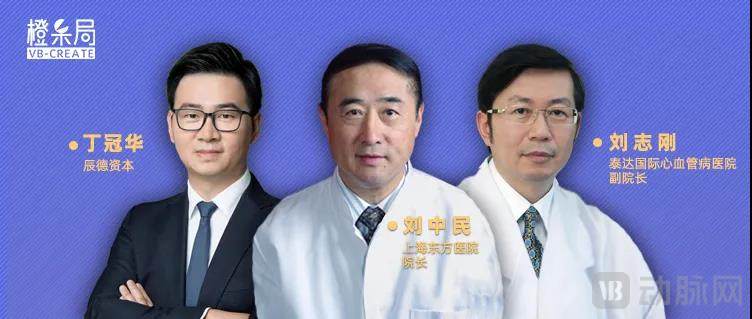
Heart failure treatment was a hot topic at this forum. Liu Zhongmin, President of Shanghai East Hospital; Liu Zhigang, Vice President of TEDA International Cardiovascular Hospital; and Ding Guanhua from Chende Capital shared their insights on the treatment of end-stage heart failure, the research and development of artificial hearts, and future investment directions for high-value consumables in the cardiovascular field, respectively. Below is the transcript of the forum. To facilitate reading, VCBeat’s Orange Fruit Bureau has made editorial adjustments to the text without altering its original meaning:
Liu Zhongmin, Oriental Hospital: Current Status and Future of End-Stage Heart Failure Treatment
End-stage heart failure is defined as heart failure in which patients exhibit severe symptoms and signs of heart failure during minimal exertion or at rest. Among patients with heart failure, approximately 5% progress to end-stage heart failure each year. End-stage heart failure is characterized by intolerance to guideline-directed medical therapy (GDMT), with persistent refractory symptoms despite maximal pharmacological treatment, with or without hospital readmission. Clinically, timely identification of end-stage heart failure is crucial.
Unlike the American Heart Association (AHA), the European Society of Cardiology (ESC) also includes isolated right heart failure, heart failure with preserved ejection fraction, and mid-range ejection fraction heart failure in the definition of end-stage heart failure. Typically, patients with end-stage heart failure respond poorly to medical therapy; among those requiring continuous infusion of inotropic agents, the annual mortality rate reaches or exceeds 50%. These patients often require continuous intravenous administration of high-dose diuretics (e.g., furosemide >160 mg/day) and are candidates for left ventricular assist devices (LVADs) as well as being on the waiting list for heart transplantation.
Over the past decade, the global use of ventricular assist devices (VADs) for heart failure treatment has increased year by year. As a bridge to heart transplantation and as adjunctive therapy for acute heart failure, VADs can reverse ventricular remodeling, significantly improve hemodynamics, increase cardiac output, and maintain adequate organ perfusion.
Left ventricular assist devices (LVADs) were introduced relatively late in China. The earliest product was the Luoye Pump, followed by a gradual transition to axial-flow pumps such as the FW-I and FW-II developed by Beijing Fuwai Hospital. Subsequently, other devices emerged, including the magnetically and hydrodynamically levitated centrifugal blood pump from Tianjin TEDA Cardiovascular Hospital, the Changzhi Jiuan artificial heart (levitation type), and the EPH flow pump independently developed by Shanghai East Hospital affiliated with Tongji University. The latest generation of ventricular assist devices is the Dongfang Heart (EVAD) from Shanghai East Hospital.
Oriental Heart has achieved breakthroughs in key technologies for magnetically levitated blood pumps, resolving issues of instability, stall, and hemolysis caused by high shear stress, while pioneering the miniaturization of complex pump designs. Compared with the three major international blood pumps, Oriental Heart is the lightest and most compact, requires no extracorporeal circulation support, and is particularly suitable for emergency implantation under harsh conditions such as disasters and warfare. Having reached an internationally advanced level, Oriental Heart received the sole Grand Prize at the National Clinical Innovation and Invention Competition and has been successfully licensed.
Stem cell therapy for end-stage heart failure is also under development.
As is well known, stem cells are a class of cells with unlimited or immortal self-renewal capacity, capable of generating at least one type of highly differentiated daughter cells. Most biologists and medical scientists believe that stem cells are a population of cells derived from embryos, fetuses, or adults, which possess the ability to undergo unrestricted self-renewal and proliferative differentiation under certain conditions. These cells can produce daughter cells that are identical to themselves in both phenotype and genotype, as well as specialized cells that constitute the body’s tissues and organs, while also being able to differentiate into progenitor cells.
Currently, based on the stage of research and development, stem cells mainly include first-generation myoblasts and mesenchymal stem cells (MSCs); second-generation pluripotent stem cells (PSCs); and next-generation high-purity stem cells, stem cells combined with biomaterial scaffolds, and 3D-cultured organoids. At present, first-generation stem cells have entered Phase I/II clinical trials, with some trial results demonstrating efficacy; second-generation stem cells have entered Phase I clinical trials, with some advancing to Phase II clinical trials; next-generation stem cells are currently primarily in the stages of basic and preclinical research, with clinical trials gradually being initiated.
Clinically commonly used stem cells include skeletal muscle myoblasts (SM), mesenchymal stem cells (MSC), embryonic stem cells (ESC), and induced pluripotent stem cells (iPSC). Skeletal muscle myoblasts are easy to obtain and can be rapidly expanded in vitro; however, their use in the treatment of heart failure carries a risk of arrhythmia. Mesenchymal stem cells are readily accessible from various tissues and can survive and differentiate in both syngeneic and allogeneic animal transplantation models without the risk of immune rejection, but they pose a carcinogenic risk. Embryonic stem cells exhibit strong genomic stability, differentiation, and proliferation capabilities, but they carry risks of teratoma formation, immune rejection, and induced arrhythmias, along with ethical concerns. Induced pluripotent stem cells are relatively easy to generate and avoid the issue of immune rejection; however, somatic cell reprogramming may lead to mutations, and variability exists among cell clones. In the future, induced pluripotent stem cells (iPSC) are considered a more ideal candidate stem cell type, although the mutational issues they induce remain a significant concern.
In previous understanding, the mechanism of first-generation mesenchymal stem cell differentiation was considered to be direct differentiation into cardiomyocytes. However, there is currently no evidence showing that human mesenchymal stem cells can directly differentiate into cardiomyocytes, nor has it been proven that mesenchymal stem cells can differentiate into new cardiomyocytes to repair damaged myocardium. Mainstream research suggests that mesenchymal stem cells primarily exert paracrine effects in damaged myocardium:
1. Modulate the inflammatory microenvironment of damaged myocardium
2. Promote Angiogenesis
3. Secrete cytokines to inhibit apoptosis
4. Activate endogenous myocardial repair
In a randomized, double-blind, placebo-controlled clinical trial (RCT) of mesenchymal stem cell therapy for heart failure, a total of 823 patients were enrolled, including 12 who received mesenchymal stem cell treatment. The study results showed that mesenchymal stem cell therapy for heart failure reduced mortality by 27%, decreased readmission rates by 47%, increased the 6-minute walk distance by 117 meters, and improved left ventricular ejection fraction (LVEF) by 5.66%.
Second-generation pluripotent stem cells (PSCs), which possess multilineage differentiation potential, specifically include embryonic stem cells (ESCs) and induced pluripotent stem cells (iPSCs). Both cell types have the capacity for directed differentiation into cardiomyocytes, making them a critical component of cell-based therapies for cardiovascular diseases.
Currently, Japan and Germany have launched a clinical study on induced pluripotent stem cell (iPSC) therapy for cardiovascular diseases. In 2019, Osaka University in Japan initiated a Phase I clinical trial enrolling 10 patients, with a follow-up period of 52 weeks. The primary inclusion criterion was a left ventricular ejection fraction of less than 35%. The study aimed to evaluate the efficacy and safety of human allogeneic iPSC-derived cardiomyocyte sheets combined with immunosuppressants in patients with ischemic cardiomyopathy.
Another study was initiated in Germany in March 2021. This trial enrolled 12 patients, with a follow-up period of 53 weeks. The primary inclusion criterion was heart failure patients with reduced ejection fraction (≤35%) and biventricular dysfunction who received implants of engineered heart muscle. The aim of this study was to implant engineered heart muscle (EHM) constructed from a specific mixture of induced pluripotent stem cell (iPSC)-derived cardiomyocytes and stromal cells embedded in a bovine type I collagen hydrogel. The experimental results have not yet been published.
Our hospital is also engaged in practical applications of stem cell therapy. We currently host two national-level stem cell platforms: the National Stem Cell Translational Resource Bank (one of only two such national stem cell banks in China) and the National Stem Cell Clinical Research Institution (among the first 30 designated nationwide). We are currently conducting three clinical studies on stem cell therapy for heart failure.
1. Intravenous infusion route: A clinical study on human umbilical cord mesenchymal stem cells for the treatment of heart failure with reduced ejection fraction. Registration on ClinicalTrials.gov has been completed. 2. Intramyocardial injection route: A clinical study on human umbilical cord mesenchymal stem cells for the treatment of heart failure. This study was filed with the national authorities in 2019 and is currently in clinical trials. 3. Induced pluripotent stem cell (iPSC) project: This trial is part of the National Key R&D Program and is currently undergoing national filing and approval.
Teda Hospital's Liu Zhigang: The Past, Present, and Future of Artificial Hearts
Ventricular assist devices are primarily used as bridge therapy for patients awaiting ventricular function recovery or remodeling, as bridge-to-transplant therapy prior to heart transplantation, and as destination therapy for patients with end-stage heart failure who have reached New York Heart Association (NYHA) Functional Class IV and are not candidates for heart transplantation. In comparison, ventricular assist device therapy yields significantly higher 1-year and 2-year survival rates than medical therapy alone in patients with end-stage heart failure.
As early as the 1930s, humanity began exploring mechanical circulatory support with artificial hearts. Regarding ventricular assist devices (VADs), our predecessor, Dr. DeBakey, successfully implanted a VAD in a patient with cardiac insufficiency in 1966, achieving a successful outcome. This marked the first successful case of VAD therapy in human history, with the device being successfully explanted after nine days.
After decades of development, ventricular assist devices (VADs) have undergone several iterations. Based on device size and implantability, VADs are classified into three generations:
1First-Generation Ventricular Assist Device
First-generation ventricular assist devices (VADs) were bulky, pulsatile-flow devices that could not be fully implanted. They were cumbersome, had high failure rates, carried a risk of infection, and required patients to remain hospitalized during use. The most widely used first-generation VAD was the Novacor, with over 1,500 implants worldwide, primarily intended for bridge-to-transplant therapy. Notably, first-generation VADs are still in clinical use today; the primary product is the Berlin Heart, which is indicated for children and infants.
2Second-Generation Artificial Heart
Second-generation artificial hearts are compact and implantable, with the Abbott HeartMate II as a representative model. Both durability and hemocompatibility have been significantly improved in this generation, making it the most widely implanted ventricular assist device (VAD) globally. The Abbott HeartMate II has been implanted in over 27,000 patients worldwide, including former U.S. Vice President Dick Cheney, who used it as a bridge to heart transplantation. To date, the longest-surviving recipient of a second-generation artificial heart has lived for more than 15 years post-implantation.
3Third-Generation Ventricular Assist Devices
Third-generation ventricular assist devices are more miniaturized and utilize non-contact magnetic levitation centrifugal blood pumps. Due to the absence of direct contact, these devices exhibit superior hemocompatibility. Theoretically, the lack of mechanical wear in such levitated pumps significantly enhances their durability. Currently, the predominant third-generation blood pumps in clinical use are HeartWare and the newly launched HeartMate III.
HeartWare was the earliest third-generation blood pump, capable of achieving a flow rate of up to 10 L/min. In addition to serving as a bridge to transplantation, HeartWare can also be used for long-term therapy and biventricular support. Results from the multicenter LATERAL trial demonstrated that 95% of patients using HeartWare remained free from disabling stroke within two years, and 87% survived without any adverse cardiac events. As of July 2019, more than 18,000 HeartWare implants had been performed across over 350 centers in 56 countries and regions.
The HeartMate III is currently the most promising and widely used device in clinical practice. It is a fully magnetically levitated blood pump capable of simulating "quasi-pulsatile flow" under physiological conditions and features an internal washout mechanism. The HeartMate III received FDA approval in 2017 for use as a bridge to transplantation and was approved for long-term destination therapy in 2018, demonstrating significantly improved outcomes compared with the HeartMate II.
In addition, there is a class of devices known as total artificial hearts (TAHs). Currently, only the SynCardia TAH has received U.S. approval for use as a bridge-to-transplant ventricular assist device. To date, more than 2,000 SynCardia devices have been implanted worldwide, with applications in approximately 70 hospitals across 15 countries and regions; however, there have been no reported cases of its use in Asia thus far.
Third-Generation Domestically Produced Ventricular Assist Device
Name | Features | Weight | Flow Rate |
Suzhou Tongxin | Active Magnetic Levitation Centrifugal Blood Pump | 186g | Maximum 10 L/min |
Chongqing Yongrenxin | Japanese Technology | 420g | - |
HeartCon | Taixin + China Academy of Rocket Technology | 185g | 1-10L/min |
Chende Capital’s Ding Guanhua: Future Investment Directions in High-Value Consumables for the Cardiovascular Field
Hello everyone, I am Ding Guanhua from Chende Capital. Let me first introduce Chende Capital. Founded in 2013, we are a venture capital firm dedicated to investing in medical technology. We focus exclusively on healthcare technologies. Over the past eight years, our portfolio has primarily comprised companies in minimally invasive therapeutic medical devices and in vitro diagnostics (IVD), and we are now also exploring emerging areas of biotechnology. Our team members mostly come from engineering or clinical backgrounds, and we hope to resonate with you all.
Next, I will present Chende Capital’s investment footprint and perspectives on the industry landscape of interventional devices for cardiovascular and cerebrovascular diseases.
Coronary artery disease, electrophysiological disorders, structural heart disease, and heart failure are the four major categories of cardiovascular diseases with large patient populations. Among these, therapeutic products and technological developments for coronary artery disease are highly advanced; in addition to conventional stents, bioresorbable stents and drug-coated balloons have been launched in the Chinese market. In the field of coronary artery disease treatment, certain medical devices have been included in centralized volume-based procurement and Diagnosis-Related Group (DRG) payment systems, indicating that domestic substitution has been largely achieved in China’s coronary artery disease treatment sector. We have invested in Bai Xin An, a company that recently listed on the Hong Kong Stock Exchange.
In addition to high-value consumables, diagnostic and imaging products related to coronary heart disease have also attracted significant industry attention in the past two years. Previously, focus was largely centered on therapeutic products such as stents, with little attention paid to adjunctive diagnostic tools like OCT, IVUS, and FFR, despite the high penetration rates of some of these products abroad.
However, over the past two years, driven by the added benefits of centralized volume-based procurement and breakthroughs in domestic technological development, niche segments such as domestic OCT, IVUS diagnostic imaging, and non-invasive FFR have begun to gain momentum, giving rise to a number of representative companies. MicroVision Medical and Pulse Medical Imaging are both companies in which I have personally participated as an investor, and they are leading players in this field.
Next, let us discuss the field of electrophysiology, which is best represented by radiofrequency ablation and cryoablation technologies. However, we have also observed that since last year, leading companies such as Medtronic, Johnson & Johnson, and Abbott have been focusing on a new technology known as PFA (Pulsed Field Ablation).
Pulsed Field Ablation (PFA) is a high-voltage pulsed electric field ablation technology that has been widely applied in the field of oncology. Since last year, numerous companies in China have made strategic moves in the electrophysiology sector. Among them, Jinjiang Electronics, a Chengdu-based company specializing in traditional electrophysiological ablation, has progressed rapidly and has already completed full clinical enrollment for its PFA system. In addition, our institution has engaged with no fewer than ten companies developing PFA technologies. This demonstrates that following the emergence of this new technology, the entire electrophysiology field—encompassing both established enterprises and innovative startups—is paying close attention.
It is also worth noting the growing attention paid to structural heart disease in recent years. When it comes to structural heart disease, most people tend to think of transcatheter valve products, which have become the “hot favorites” in the venture capital and private equity community over the past two years. Qiming Venture Partners, Peijia Medical, and MicroPort CardioFlow have all listed on the Hong Kong Stock Exchange. Chende Capital has invested in companies in this field, including Jian Shi Technology and Yingmai Medical.
Our topic this afternoon is “Heart Failure,” which is relatively unique compared to the previously discussed conditions. While those earlier diseases present with distinct pathological features and have targeted therapeutic approaches, heart failure is a progressive syndrome that can arise from various underlying conditions, such as coronary artery disease and arrhythmias. Apart from heart transplantation, there are currently no highly effective curative treatments available in clinical practice. We have conducted research on potential intervention strategies that can be employed prior to the need for heart transplantation or mechanical circulatory support (artificial heart).
For arrhythmias, pacemakers and implantable cardioverter-defibrillators (ICDs) can be utilized; for short-term life extension, atrial shunts may be employed; and for patients requiring mechanical circulatory support, artificial hearts and short-term left ventricular-to-aortic axial-flow assist devices such as Impella are used. Numerous companies, including Medtronic, MicroPort, Lepu Medical, and Abbott, have established a presence in this sector; however, currently, only Abiomed has commercialized the Impella device globally. The technological barriers in the heart failure field represent the crown jewel of cardiovascular therapy. In this domain, Chende Capital invested in Fengkai Medical in 2021.
Furthermore, we are also monitoring therapeutic products for large vessel diseases, peripheral vascular diseases, and intracranial vessels. Chende has invested in companies such as Huamai Taikang, Bestar Medical, Vobi Medical, and Shenchang Medical in these fields.
Finally, there are general-purpose consumables. While the product categories mentioned above target specific disease spectrums, their use inevitably involves certain general-purpose consumables. Therefore, we believe that general-purpose consumables in the field of cardiovascular and cerebrovascular interventions also hold significant market potential. However, the technical barriers in this segment are relatively lower compared to the aforementioned categories, and many companies have already entered the market. For investors, this sector may have already passed its prime investment window.
The above is a sharing of the industry map for cardiovascular and cerebrovascular interventions. Next, focusing on this afternoon's theme, we will share some investors' perspectives on the field of heart failure.
I will not elaborate on the definition and classification of heart failure. It is not a single disease entity; rather, therapeutic strategies vary according to the underlying etiologies, which has also led to the development of diverse medical devices for its treatment.
Whether in clinical practice, industry, or among investors, attention has been drawn to heart failure due to the large patient population and the rising incidence driven by population aging and lifestyle changes. We have a set of data here:
The total number of heart failure patients in China has exceeded 13 million, with a five-year survival rate of less than 50%. Furthermore, the readmission rate for heart failure is extremely high; in China, the average annual number of hospitalizations due to heart failure is approximately 1.7, the one-year readmission rate reaches as high as 69%, and the average cost per hospitalization amounts to RMB 39,000. This imposes a substantial burden on public health systems, hospitals, medical insurance schemes, and patients’ families. From the perspective of industry investors, we aim to identify or innovate curative medical devices in the field of heart failure that can improve patient survival rates, reduce readmission rates and treatment costs, and thereby alleviate the burden on society and patients’ families.
We have compiled treatment guidelines for heart failure, aiming to identify medical device products that align with China’s specific healthcare context based on the recommendations outlined in these guidelines.
Current heart failure treatment guidelines have already recommended several relevant devices, such as left ventricular assist devices (LVADs) and implantable cardioverter-defibrillators with cardiac resynchronization therapy (CRT-D). Currently, the market penetration of non-pharmacological heart failure products in China is low, leaving significant unmet medical needs. These devices have been largely validated abroad, with some even seeing application in real-world settings and commercial markets.
Taking cardiac resynchronization therapy (CRT) and implantable cardioverter-defibrillators (ICDs) as examples, there is a significant disparity in their utilization between foreign countries, particularly the United States, and China. For instance, there were 150,000 CRT procedures performed in the United States last year, compared to only 4,500 in China; similarly, there were 200,000 ICD implantations in the United States, whereas China recorded only 5,000.
China’s population is significantly larger than that of the United States, yet the adoption rates of domestic products differ markedly from those in the U.S. Therefore, we believe there are still substantial opportunities in these two sectors within China. However, the barriers to entry in these fields are extremely high. Taking implantable cardioverter-defibrillators (ICDs) as an example, their implantation into the human body requires electrical discharge and sensing capabilities. From an engineering perspective, this involves hardware, software, and algorithms, demanding multidisciplinary talent—a resource that is currently scarce in China.
Leading domestic companies such as MicroPort and Lepu Medical are currently still at the stage of pacemaker development, lagging behind in cardiac resynchronization therapy (CRT) and implantable cardioverter-defibrillators (ICD). This gap is likely attributable to a shortage of talent. Nevertheless, from an investment perspective, we remain optimistic about the future development of these product categories in China.
Over the past two years, we have also observed products positioned between implantable cardioverter-defibrillators (ICDs) and automated external defibrillators (AEDs). In our view, these products are similar to wearable cardioverter-defibrillators (WCDs). WCDs are primarily indicated for malignant arrhythmias. A representative company in this field is ZOLL Medical Corporation from the United States, which has conducted extensive clinical trials abroad. However, in China, we believe that adherence remains a significant challenge for WCD adoption. Additionally, there are cardiac contractility modulators (CCMs), for which clinical application data abroad remain limited, with insufficient clinical evidence. To date, we have not observed any companies in China actively developing or commercializing CCM devices.
Left ventricular assist devices (LVADs) have recently garnered significant attention. We have long been tracking key players in this space, including Suzhou Tongxin, Yongrenxin, Core Medical, and Teda’s “Rocket Heart.” However, we have not yet made any investments in this sector. In our view, if these devices are not covered by national medical insurance and require out-of-pocket payment, patients would face substantial financial burden, given that these products typically carry price tags in the millions of RMB. Although Yongrenxin was the first LVAD to be marketed in China, many current treatments are still provided through charitable programs.
The technical barriers for this product are also very high, and we greatly admire the technological breakthroughs achieved by domestic companies in this area. However, we still hope that the cost of such products can be further reduced to better align with China’s national conditions, thereby benefiting more patients.
Interventional left ventricular assist devices are also indispensable products in the short-term interventional treatment of heart failure. Abiomed, mentioned earlier, has been validated both clinically and commercially, with annual sales approaching $1 billion and a market capitalization reaching $15 billion. Numerous domestic companies are following suit; to my knowledge, there are at least ten companies in China developing such products.
Furthermore, atrial shunt devices have also become an area of focus for us. These products are primarily targeted at patients with preserved ejection fraction, aiming to balance left and right ventricular pressures and maintain cardiac shunting. We believe that while the technical barriers for this category of products are not excessively high, certain entry barriers still exist. Clinically, they can extend patient survival and alleviate symptoms in the short term. However, such devices do not represent a definitive therapeutic solution. If their costs can be kept relatively low, we consider this would yield substantial benefits for both patients and physicians, leading to a significant increase in implantation volumes.
The above represents our observations on interventional therapy products for heart failure. China has the world's largest population of heart failure patients, and this patient population is likely to continue growing due to population aging and the rising incidence of other diseases.
For a long time, clinical interventions for heart failure have been very limited, relying primarily on pharmacological therapy. Furthermore, due to the high technical barriers and consequently elevated prices of certain medical device products, there has been a chronic shortage in their supply during treatment. Regarding interventional therapies for heart failure, we strongly encourage manufacturers to reduce product costs, as this is the most effective way to truly benefit patients. While patients do not bear the cost of the devices during clinical trials, pricing becomes critically important after commercialization.
Overall, we believe that there are opportunities for these categories of products in the interventional heart failure treatment market, although it is still in its early stages. We hope to see safe, effective, easily promotable, and accessible products emerge in China. Thank you all!