

Global Top 20 Pharma Giants' Nearly 200 AI-Driven Drug Discovery Initiatives: Strategic Layouts and Pipeline Insights
The AI drug discovery sector is so hot that its fervor is palpable, even without the support of extensive statistical data.
At the start of 2022, new moves by three multinational pharmaceutical companies—Amgen, Sanofi, and Merck & Co.—in the field of AI-driven drug development once again captured our attention.
On January 6, Amgen announced a research collaboration agreement with the AI-driven drug discovery startup Generate Biomedicines. The two companies will leverage Generate’s AI-powered drug discovery platform to develop protein therapeutics targeting multiple clinical targets, with the aim of creating multispecific drugs.Under the agreement, Amgen will pay a $50 million upfront payment for the first five selected projects, along with milestone payments of up to $370 million per project and royalties on future products, bringing the total potential value of the collaboration to over $1.9 billion.In addition, Amgen has the option to nominate five additional projects.
On January 7, Sanofi announced a research collaboration agreement with AI-driven drug discovery pioneer Exscientia (NASDAQ: EXAI). The two companies will jointly develop up to 15 novel small-molecule candidate drugs in the fields of oncology and immunology, leveraging Exscientia’s end-to-end AI-powered personalized medicine platform.Under the collaboration agreement, Exscientia will receive a $100 million upfront payment from Sanofi, as well as potential research, translational, clinical development, regulatory, and commercial milestone payments totaling up to $5.2 billion, along with tiered royalties on future product sales.
On January 7, Merck & Co. announced a research collaboration with Absci (NASDAQ: ABSI), an AI-driven biotechnology platform company. The two companies will leverage Absci’s AI-driven drug innovation platform for drug development. Under the terms of the agreement, Absci will produce synthetically customized proteases tailored to Merck’s biomanufacturing applications using its Bionic Protein™ non-standard amino acid technology, and will receive upfront and milestone payments. Additionally, Merck has the option to select up to three targets and enter into drug discovery collaboration agreements.Absci will be eligible to receive up to $610 million in upfront and milestone payments across all three targets, as well as research funding and tiered sales royalties.
The potential value of the above three deals amounts to $7.81 billion. Yet this is not the pinnacle of such collaborations. In late 2021, pharmaceutical giant Roche officially announced an AI-driven drug discovery partnership, with a potential value of $12 billion—directly surpassing the combined total of the aforementioned three pharmaceutical companies’ deals.
On December 7, 2021, Roche’s Genentech announced a collaboration with Recursion, a digital-driven drug discovery company. Through Recursion’s operating system, Roche will empower its drug discovery efforts to more rapidly identify novel targets and advanced therapeutics in key areas of neuroscience and oncology indications.Under the terms of the agreement, Recursion will receive a $150 million upfront payment and is eligible for additional performance-based research milestone payments. If all nearly 40 projects initiated by both parties are successfully developed and commercialized, Recursion could potentially realize over $12 billion in revenue.
As the “elite of the elite” in the pharmaceutical industry, top-tier pharmaceutical companies ranked at the forefront of the TOP lists have always been at the cutting edge of human disease research. With the most robust financial resource systems and a strong pool of elite talent, their forward-looking strategic deployments across various fields have long been a focal point of intense interest for the entire pharmaceutical industry. Consequently, the frequent moves by numerous pharmaceutical industry leaders in the field of AI-driven drug development have further intensified the already heated competition in this sector.
So, how exactly are top pharmaceutical companies strategizing their AI-driven drug discovery efforts? What distinctive features characterize each leading pharma company’s approach to AI in drug development? VCBeat has comprehensively collected, organized, and analyzed the AI drug discovery strategies of the global top 20 pharmaceutical companies, presenting the following insights.
In June 2021, PharmExec (U.S. Pharmaceutical Executive Magazine) released its 2021 list of the Top 50 Global Pharmaceutical Companies. VCBeat compiled an overview of the AI drug discovery initiatives undertaken by the top 20 pharmaceutical companies on this list.
As Viatris was only formally established in late 2020 through the merger of Pfizer’s Upjohn division and the generic pharmaceutical giant Mylan, it has not yet announced any strategic initiatives in the field of AI-driven drug discovery. Consequently, most of the data presented in this article currently lacks information related to Viatris.
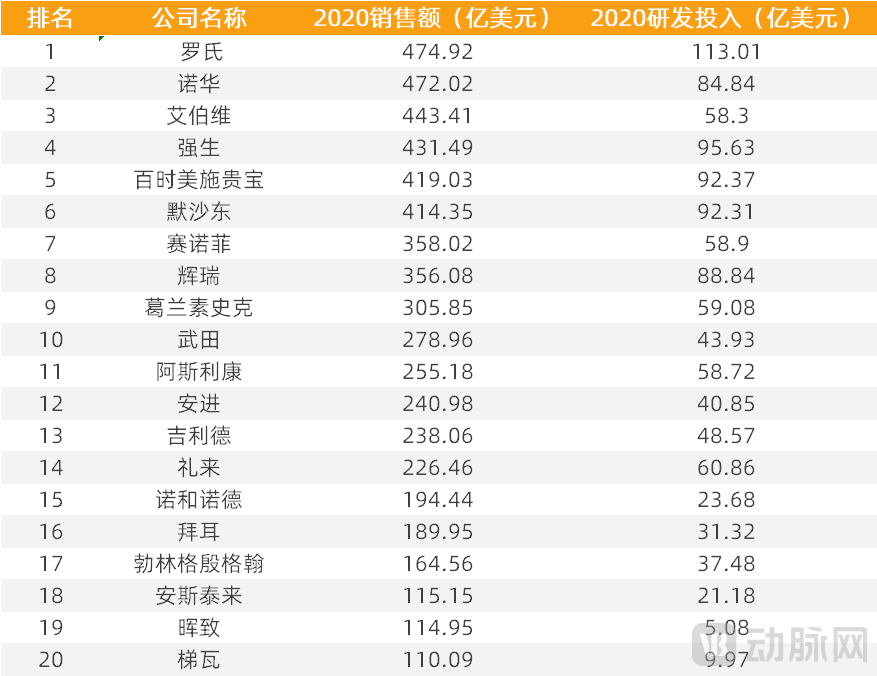
Top 20 Global Pharmaceutical Companies (Source: PharmExec; Table by VCBeat)
First, we analyze the number of AI drug discovery initiatives undertaken by the top 20 pharmaceutical companies over the years.
2014 is regarded as the nascent stage of global AI-driven drug development. The emergence of Generative Adversarial Networks (GANs) spurred the industry to explore their application in chemical molecule generation. Technologies such as image processing and speech recognition also began to be applied to small-molecule identification and target discovery. Most of the first wave of AI drug discovery companies, including Exscientia, Recursion, Insilico Medicine, and XtalPi, were established during this period.
Therefore, VCBeat has compiled year-by-year statistics on the AI drug discovery initiatives of the top 20 pharmaceutical companies since 2014. We can observe that, in tandem with the development of the AI drug discovery sector, these top 20 pharmaceutical companies have progressively increased their engagement in this field, reaching a peak in 2019.
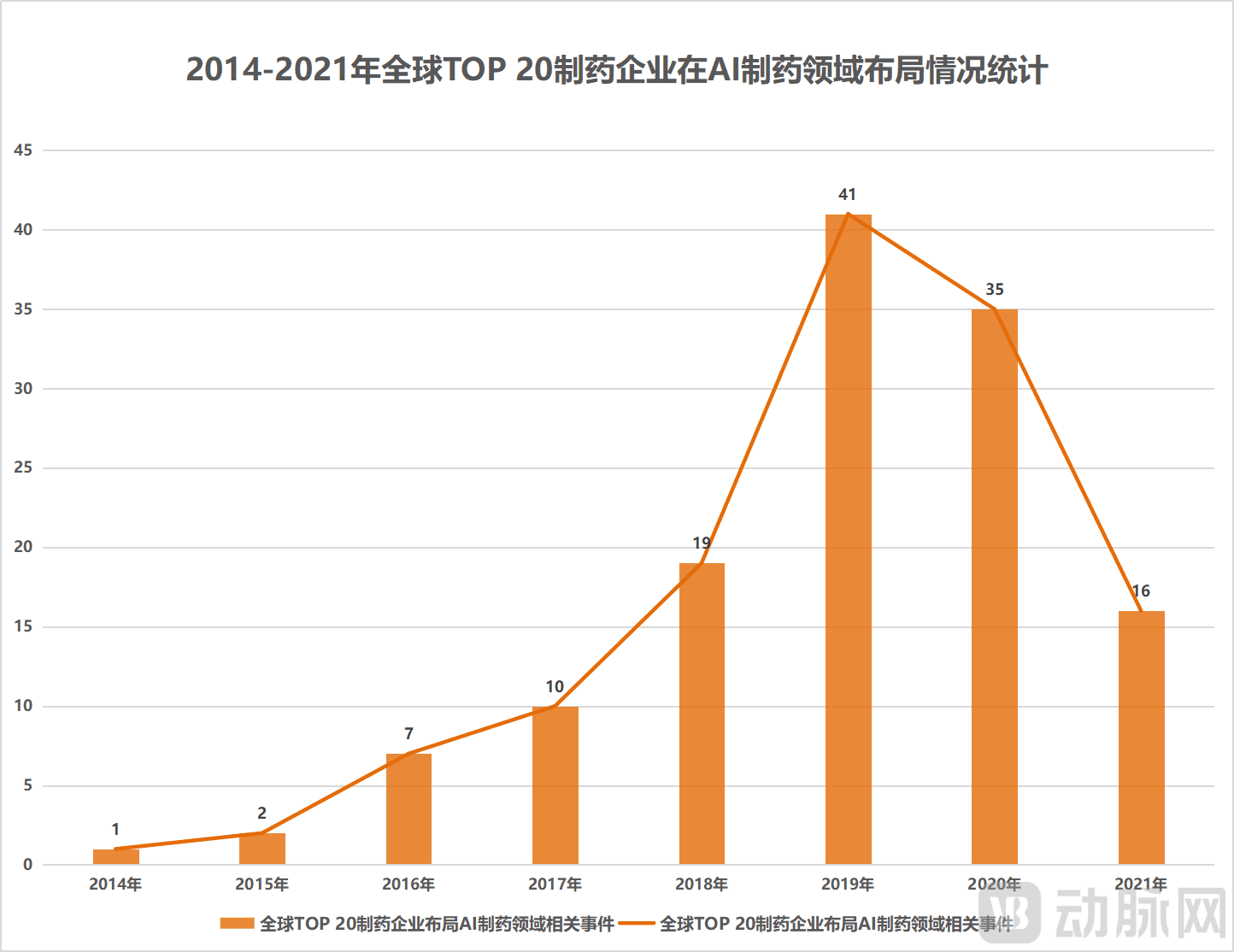
Overview of AI Drug Discovery Strategies Among the Top 20 Global Pharmaceutical Companies, 2014–2021
(Source: Official websites of respective companies and other public channels; data is incomplete. Data as of January 10, 2022)
Among them, from 2018 to 2019, the number of AI drug discovery initiatives undertaken by the top 20 pharmaceutical companies saw a significant increase.In 2019, there were 41 strategic moves in the AI drug discovery sector, more than double the 19 recorded in 2018, representing a 216% increase.
The primary reason for this phenomenon lies in the breakthrough progress demonstrated in the AI-driven drug discovery sector since 2018. Since then, a pioneering cohort of AI drug discovery companies—including Schrödinger, Relay, Recursion, Exscientia, and Insilico Medicine—has begun to achieve validation milestones such as the identification of clinical candidate molecules, thereby stimulating active strategic investments by the top 20 pharmaceutical companies in this field.
In 2020, the enthusiasm of the top 20 pharmaceutical companies in the field of AI-driven drug discovery remained strong, with 35 related strategic initiatives undertaken. In 2021, the number of such initiatives by these top 20 companies dropped to 16. While this may appear to reflect waning interest, it is primarily because most pharmaceutical companies had already established long-term partnerships with their preferred AI drug discovery collaborators. New strategic moves mainly involved forging new partnerships and making incubation investments in promising AI startups they favored. A detailed analysis of this aspect will be elaborated upon below.
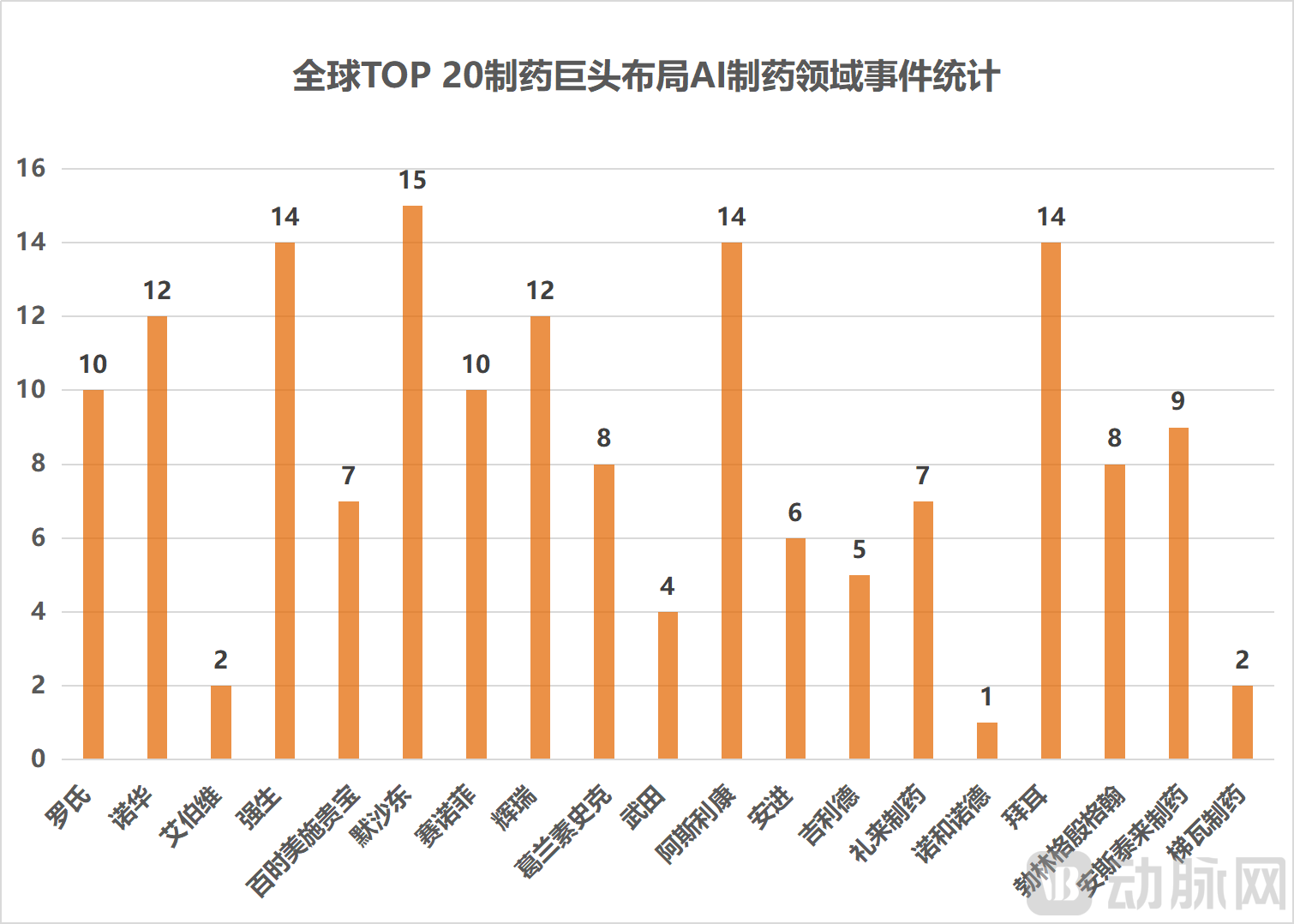
Statistics on AI Drug Discovery Initiatives by the Top 20 Global Pharmaceutical Companies
(Source: Official websites of respective companies and other public channels; incomplete statistics. Data as of January 10, 2022)
Based on the varying frequency of strategic initiatives undertaken by each of the Top 20 pharmaceutical companies in the field of AI-driven drug discovery, we have categorized these companies into three tiers:
First Tier(Items 11-15)Including Merck & Co. (15 items), Johnson & Johnson (14 items), AstraZeneca (14 items), Bayer (14 items), Novartis (12 items), and Pfizer (12 items); these pharmaceutical companies have been the most active in deploying AI-driven drug discovery.Six companies have undertaken a total of 81 strategic initiatives in the field of AI-driven drug discovery, averaging 13.5 actions per pharmaceutical company.
Second Tier(Items 6-10)including Roche (10 items), Sanofi (10 items), Astellas (9 items), GlaxoSmithKline (8 items), Boehringer Ingelheim (8 items), Bristol-Myers Squibb (7 items), Eli Lilly (7 items), and Amgen (6 items); these pharmaceutical companies are also heavily invested in the field of AI-driven drug discovery,A total of 65 initiatives in AI-driven drug discovery were undertaken by eight companies, averaging 8.1 actions per pharmaceutical company.
Third Tier (Items 1–5)including Gilead (5 items), Takeda (4 items), AbbVie (2 items), Teva (2 items), and Novo Nordisk (1 item); these pharmaceutical companies appear to have limited interest in the field of AI-driven drug discovery,Five companies have made a total of 14 strategic moves in the field of AI-driven drug discovery, averaging 2.8 actions per pharmaceutical company.
From the perspective of more granular application scenarios in AI-driven drug discovery adopted by various pharmaceutical companies:
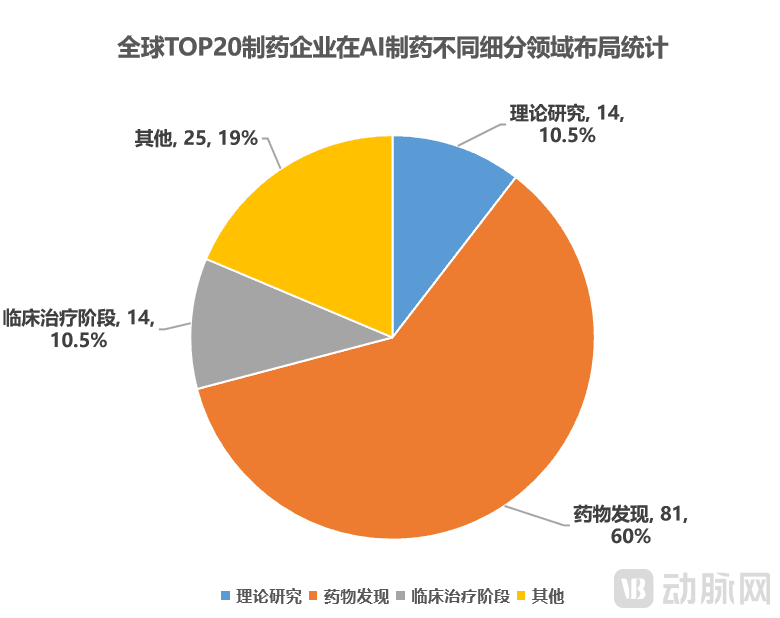
Statistical Chart of Strategic Moves by the Top 20 Global Pharmaceutical Companies in Various Subfields of AI Drug Discovery
(Source: Official websites of respective companies and other publicly available information; incomplete statistics. Data as of January 10, 2022)
Top 20 Pharmaceutical Companies81 items (accounting for 60%) of AI drug development-related initiatives are focused on drug discovery—Drug discovery specifically encompasses the identification, screening, and validation of targets and biomarkers; the screening, design, and optimization of lead compounds; studies on structure-activity relationships (SAR) and the screening of active compounds; as well as the screening, design, and optimization of drug candidates.
For instance, the R&D collaboration between Roche’s Genentech and the digital-driven drug discovery company Recursion, announced in late last year with a potential total value of up to $12 billion, falls into this category. Through Recursion’s operating system, Roche will empower its drug discovery efforts to more rapidly identify new targets and advanced therapeutics in key areas of neuroscience and oncology indications.
14 items (accounting for 10.5%) of AI drug discovery-related initiatives focus on theoretical research— Relevant initiatives in this field include pharmaceutical companies leveraging AI to deepen their understanding of molecular-level aspects such as genes and cells, thereby enhancing insights into diseases with complex mechanisms, as well as advancing the prediction, analysis, and research of patient responses to drug therapies.
For example, Sanofi entered into a collaboration with the AI-driven drug discovery company CytoReason in 2021, aiming to leverage CytoReason’s cell-centric algorithmic models and deconvolution technologies to provide detailed mechanistic insights into different asthma phenotypes, thereby deepening the understanding of disease heterogeneity in asthma.
14 items (accounting for 10.5%) of the relevant AI drug discovery initiatives are focused on applications in the clinical treatment phase—Relevant initiatives in this field include pharmaceutical companies leveraging AI to aggregate, transform, analyze, model, and predict clinical data, thereby enhancing the automation and efficiency of clinical research; utilizing patient data or anonymized electronic health record (EHR) information to support clinical trial planning; and applying AI technologies for clinical trial design, disease detection, integrated patient care, and the development of robust study protocols.
For example, in August 2021, Janssen Research & Development (Johnson & Johnson) and ConcertAI further expanded their partnership to leverage AI for improving clinical study design, enhancing the automation and efficiency of clinical research, and promoting diversity in clinical trials.
26 Items (Accounting for 19%) of Relevant Layouts in the AI Drug Discovery FieldIt also includes the establishment of AI-driven drug innovation laboratories by pharmaceutical companies, investment in and incubation of AI drug discovery startups, as well as the application of AI in other stages of drug development.In terms of leveraging AI applications in other stages of drug development, for example, Pfizer partnered in 2020 with Vyasa, a deep learning platform for life sciences, to help automate the classification of drug particle shapes.
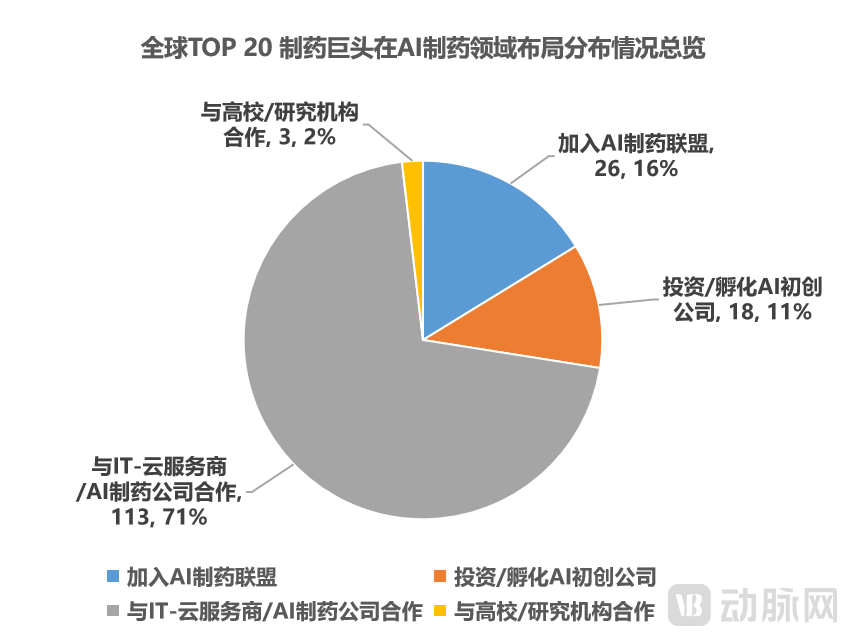
Overview of the AI Drug Discovery Layouts Among the Top 20 Global Pharmaceutical Companies
(Source: Official websites of respective companies and other public channels; data is incomplete. Data cutoff date: January 10, 2022)
By categorizing and analyzing the AI drug discovery initiatives of the top 20 pharmaceutical companies, we found that:
Among the top 20 pharmaceutical companies, strategic initiatives in AI-driven drug discovery are predominantly focused on collaborations with IT/cloud service providers or AI drug discovery firms, accounting for 113 events (71%). This is followed by joining AI drug discovery alliances, with 26 events (16%). Incubating or investing in AI drug discovery startups also represents a significant area of focus, comprising 18 events (11%). In contrast, collaborations with universities or research institutions to strengthen their presence in AI-driven drug discovery are less common, with only 3 such events (2%).
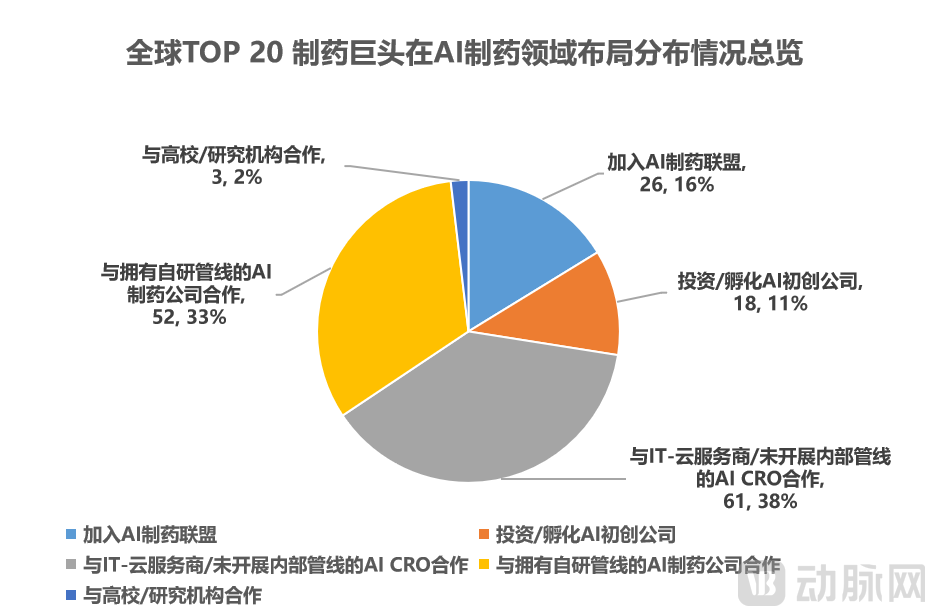
Overview of the AI Drug Discovery Layouts Among the Top 20 Global Pharmaceutical Companies
(Source: Official websites of respective companies and other publicly available information; incomplete statistics. Data as of January 10, 2022)
Upon further breaking down the collaborations between the top 20 pharmaceutical companies and IT/cloud service providers or AI-driven drug discovery firms, it can be observed thatTop 20 Pharmaceutical Companies Are More Inclined to Partner with IT Cloud Service Providers or AI CROs Without In-House PipelinesThere were 61 collaboration events, accounting for 38% of all AI drug discovery-related initiatives. Among these, 52 events involved collaborations between the top 20 pharmaceutical companies and AI drug discovery firms with proprietary pipelines, representing 33% of the total. The number of collaborations between the top 20 pharmaceutical companies and IT/cloud service providers or AI CROs without internal pipelines was nine higher than those with AI drug discovery firms possessing proprietary pipelines.
We also compiled statistics on the participation of the top 20 pharmaceutical companies in AI drug discovery alliances:Among the top 20 pharmaceutical companies, more than half (12) have joined the AI Drug Discovery Alliance.
Among them, Merck & Co., Pfizer, GlaxoSmithKline, AstraZeneca, and Bayer were the most active, each joining three different AI drug discovery alliances; Novartis, Johnson & Johnson (Janssen), and Amgen followed closely, each joining two different AI drug discovery alliances; while Eli Lilly, Boehringer Ingelheim, Astellas Pharma, and Teva each joined one AI drug discovery alliance.
The AI drug discovery consortium with the highest participation from Top 20 pharmaceutical companies is MELLODDY, which has attracted nine Top 20 pharmaceutical companies.MELLODDY, which stands for Machine Learning Ledger Orchestration for Drug Discovery, aims to establish a machine learning platform that enables learning from multiple sets of proprietary data while strictly maintaining their high confidentiality, allowing data and asset owners to retain control over their information throughout the project.
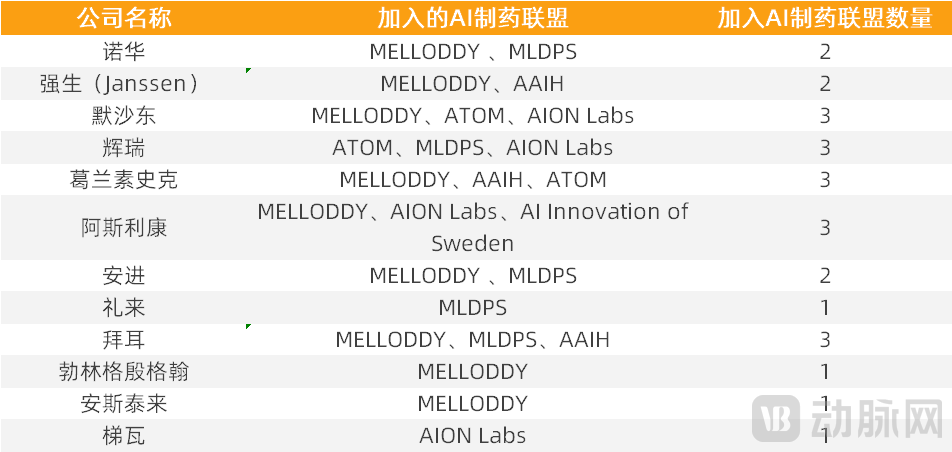
Overview of the Top 20 Global Pharmaceutical Companies Joining the AI Drug Discovery Alliance
(Source: Official websites of respective companies and other public channels; data is incomplete. Data cutoff date: January 10, 2022)
Joining an AI drug discovery alliance and partnering with IT cloud service providers means that pharmaceutical companies do not need to expose their drug R&D data externally; collaborating with AI CROs that do not operate internal pipelines implies that these AI CRO firms will not become competitors of pharmaceutical companies in the short term; incubating or investing in AI drug discovery startups signifies forming close kinship ties with these startups, effectively becoming “one family.”
The aforementioned four categories comprise 105 related layout events, accounting for 66% of the total AI drug discovery-related initiatives undertaken by the top 20 pharmaceutical companies. This to some extent reflectsThe Top 20 Pharmaceutical Companies Exhibit a Relatively Conservative and Cautious Stance Toward AI Drug Discovery Collaborations Involving Open Data
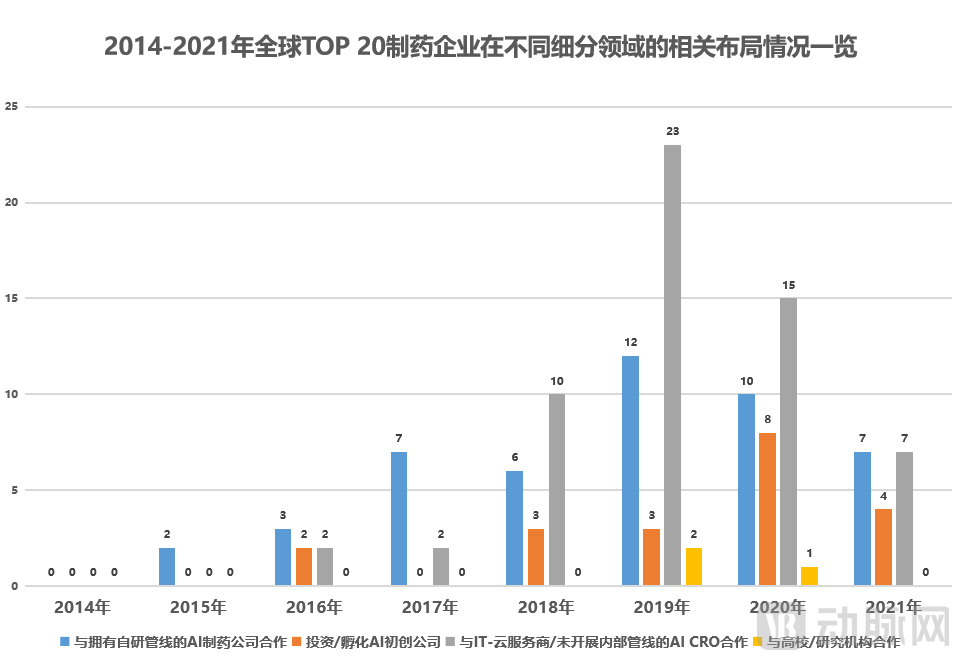
Global Top 20 Pharmaceutical Companies: Layout Across Different Sub-sectors by Year
(Note: As the exact dates on which all pharmaceutical companies joined the AI Drug Discovery Alliance could not be fully verified, this chart does not include data on the participation of the top 20 pharmaceutical companies in the AI Drug Discovery Alliance.)
(Source: Official websites of respective companies and other public channels; non-exhaustive statistics. Data as of December 31, 2021)
The strategic layouts of the Top 20 pharmaceutical companies across different years and various sub-sectors also, to some extent, validate our aforementioned viewpoints.
As shown in the charts above, from 2014 to 2017, the top 20 pharmaceutical companies were more inclined to collaborate with AI drug discovery companies that had proprietary R&D pipelines than with IT/cloud service providers or AI CROs without internal pipelines. Starting in 2018, however, their preference shifted, showing a greater tendency to partner with IT/cloud service providers or AI CROs lacking internal pipelines rather than with AI drug discovery companies possessing proprietary R&D pipelines.
Does this indicate that during the early stages of the AI-driven drug discovery industry, many pharmaceutical companies held a relatively open attitude toward sharing drug R&D data, only to gradually shift to a more conservative and cautious stance in later phases? Not at all. In the nascent stage of the AI-driven drug discovery sector, while such factors did play a role—namely, that without contributions of some drug R&D data from pharmaceutical firms, the industry would have struggled to gain traction—AI-driven drug discovery companies posed virtually no threat to top-tier pharmaceutical giants with their massive scale. Consequently, pharmaceutical companies were willing to share limited amounts of drug R&D data to achieve a win-win outcome with AI-driven drug discovery firms.
However, the more significant reason lies in the fact that AI-driven drug discovery companies at that time predominantly adopted business models centered on providing technical services—akin to IT cloud service providers—with virtually no AI-native startups developing internal drug pipelines. They neither possessed the capability nor had the intention to do so. Yet 2018 marked a pivotal milestone for the AI-driven drug discovery industry: starting from that year, the earliest-founded AI drug discovery companies, including Schrödinger, Relay, Recursion, Exscientia, and Insilico Medicine, began to sequentially achieve validation milestones such as identifying clinical candidate molecules. This ushered in a notable transformation within the AI-driven drug discovery sector.
Changes are reflected in two aspects:
On one hand, AI-driven pharmaceutical companies—some AI pharma startups are attempting to vertically extend their technology service chains. Rather than merely enhancing efficiency at a specific point or stage of new drug development, they are pursuing more end-to-end solutions, such as directly providing molecular compounds, and evolving toward AI CROs with internal pipelines or AI biotechs (AI pharmaceutical companies with proprietary pipelines).
(For the evolution and transformation of business models in AI-driven pharmaceutical companies, see another VCBeat article, “From Three Typical Models to Hybrid Business Models: Has This Round of AI-Driven Drug Discovery Finally Proven Its Business Model?”)
On one hand, among the top 20 pharmaceutical companies, there is a stronger preference in external collaborations for partnering with IT/cloud service providers or AI CROs that do not have internal pipelines. In contrast, their willingness to collaborate with AI drug discovery companies that possess proprietary R&D pipelines has decreased. Meanwhile, their inclination to incubate or invest in AI-driven drug discovery startups has increased. Overall, the top 20 pharmaceutical companies have demonstrated more frequent strategic moves in the field of AI drug discovery (the number of such initiatives by pharmaceutical companies in 2019 represented a 216% increase compared to 2018).
From the above statistics, we can see that incubating/investing in AI drug discovery startups is a very important strategic move for the TOP 20 pharmaceutical companies in the field of AI drug discovery, with 18 related events—50% of the top 20 pharmaceutical companies (Roche, Novartis, Bristol Myers Squibb, Merck & Co., Sanofi, Pfizer, AstraZeneca, Eli Lilly, Bayer, and Astellas) have engaged in incubating or investing in AI-driven drug discovery startups.
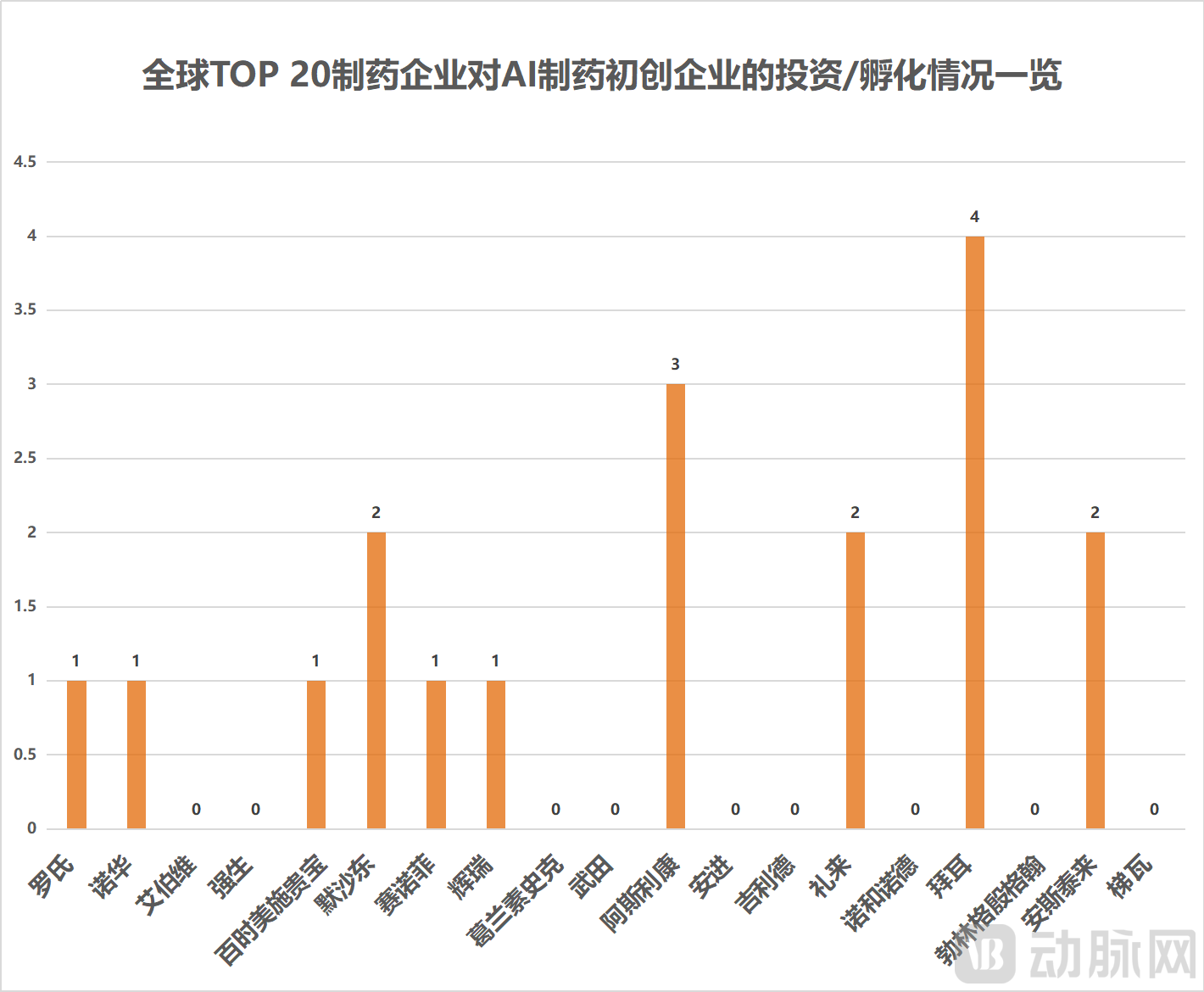
Overview of Investment and Incubation Activities by the Top 20 Global Pharmaceutical Companies in AI-Driven Drug Discovery Startups
(Source: Official websites of respective companies and other public channels; incomplete statistics. Data as of January 10, 2022)
A deeper analysis of the incubation and investment activities of pharmaceutical companies in the field of AI-driven drug discovery reveals a striking consistency among the top 20 pharmaceutical companies in their incubation and investment in AI drug discovery startups—Apart from companies incubated internally, the invested enterprises are predominantly in later stages, typically post-Series B. This reflects both the cautious risk appetite of the top 20 pharmaceutical companies toward AI-driven drug discovery and their substantial financial strength.
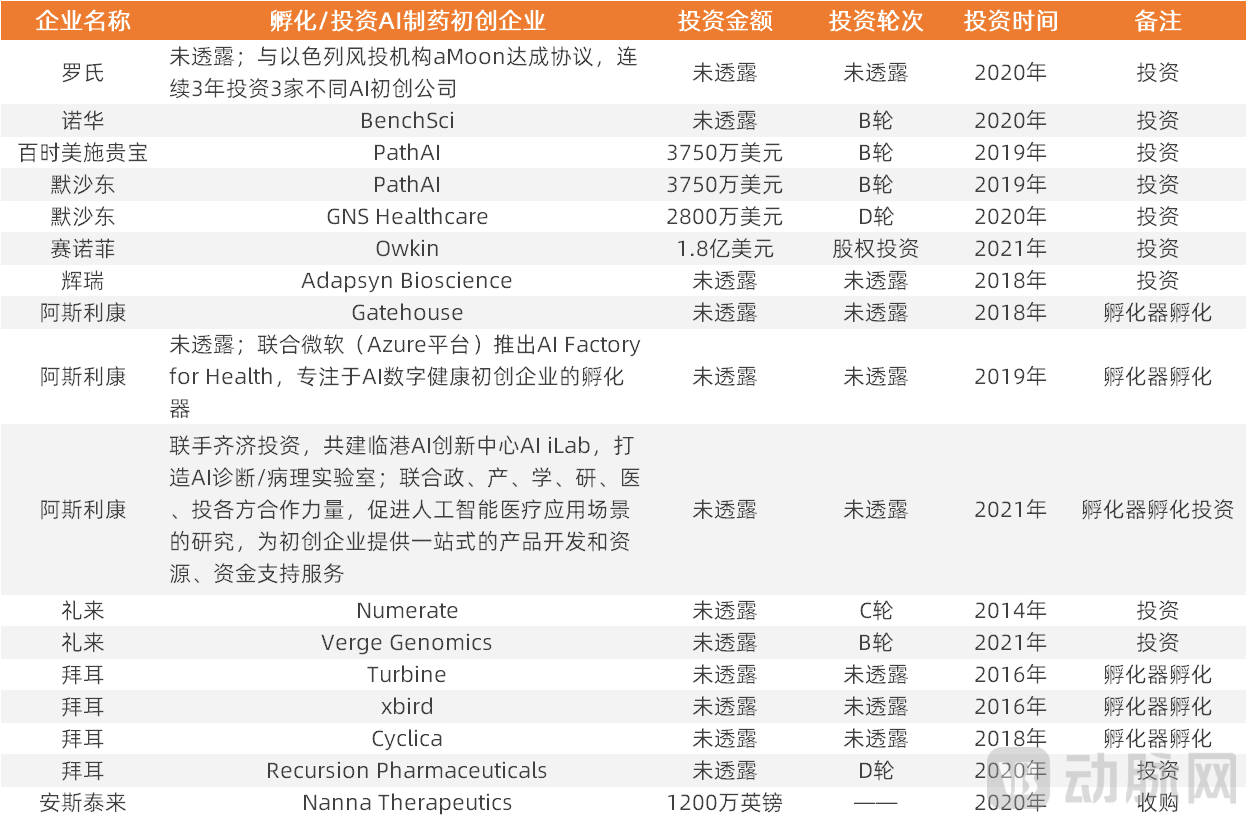
Incubation and Investment Strategies of the Top 20 Global Pharmaceutical Companies in AI Drug Discovery
(Source: Official websites of respective companies and other public channels; data is incomplete. Data as of January 10, 2022)
Furthermore, through the above tables, we have also identified distinct stylistic characteristics among different pharmaceutical companies in incubating and investing in AI drug discovery startups.
For instance, pharmaceutical giants such as Roche, Novartis, Bristol Myers Squibb, Merck & Co., Sanofi, Pfizer, Eli Lilly, and Astellas prefer to make substantial investments, forging close ties with AI-driven drug discovery startups through investment or acquisitions. In contrast, AstraZeneca and Bayer favor establishing closer connections with these startups by leveraging incubators to provide resource empowerment.Although incubating AI-driven drug discovery startups carries greater risk compared to later-stage investment, it enables the capture of greater dividends with fewer resources and less capital.
Whether examining the preferences revealed by the various types of external collaborations undertaken by the Top 20 pharmaceutical companies, or the consistent patterns observed in their incubation and investment activities related to AI-driven drug discovery startups, it is evident that these industry giants maintain a relatively conservative and cautious stance toward the field of AI-enabled drug development.
As the “lifeblood” of pharmaceutical companies, drug R&D data is not readily shared with external parties. The pharmaceutical giants’ staunch protection of data privacy underscores a critical pain point facing the AI-driven drug discovery sector: most AI-focused drug development firms lack access to large-scale, high-quality drug R&D datasets needed to train and optimize their algorithmic models.
This is also one of the main reasons for the current “proliferation” of diverse business models in the AI drug discovery industry: software platform-as-a-service providers, AI CROs, AI biotechs, and hybrid AI drug discovery companies that operate across these three typical business models. These AI drug discovery companies are making various attempts to address the data-related pain points facing the industry and to advance their AI-driven drug pipelines.
Although top-tier pharmaceutical companies have been actively positioning themselves in the field of AI-driven drug discovery, their deployment remains somewhat sluggish compared to the true protagonists of the current AI drug discovery industry. At present, most of the advanced product pipelines in the AI drug discovery sector are primarily being driven by AI-focused drug discovery companies themselves.
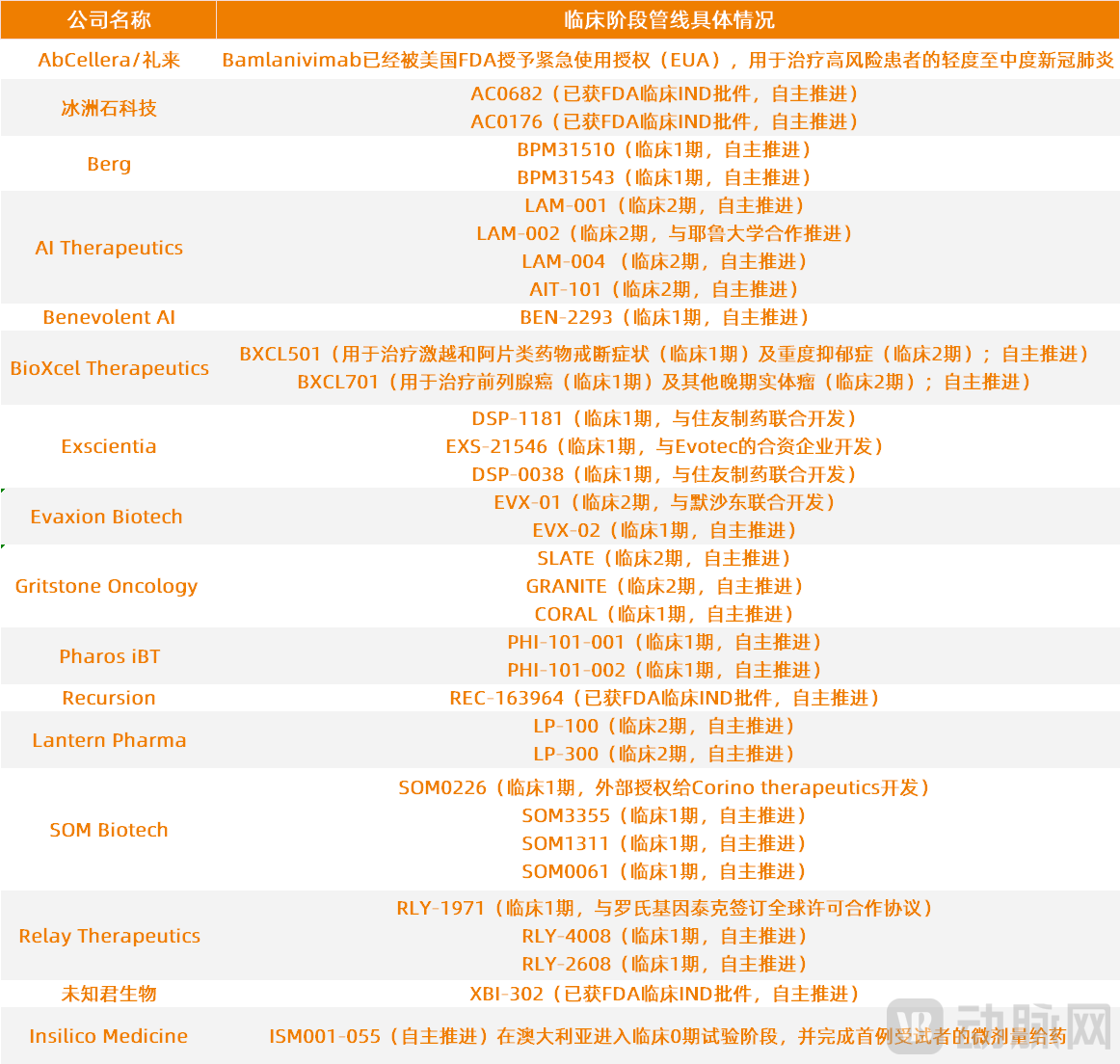
Global R&D Pipeline of AI-Driven Drug Discovery Products in Clinical Stages
(Source: Official websites of respective companies and other publicly available information; this is an incomplete statistical compilation. Data cutoff date: January 10, 2022)
The previous peak in strategic investments by pharmaceutical giants occurred in 2019, driven by the validation milestones—such as the identification of clinical candidate molecules—achieved by numerous early-stage AI drug discovery companies since 2018. Now, as these AI-driven drug pipelines advance into late-stage clinical trials or even reach market approval, it may well mark the onset of the next wave of strategic investment by pharmaceutical giants.
In the next wave of strategic positioning, pharmaceutical giants may shift into “acquisition mode” in the field of AI-driven drug discovery. Yet when exactly that day will arrive remains uncertain. It just feels like the air is growing slightly tense as we approach the next peak.
Although the AI drug discovery sector is currently red-hot, it has not yet reached the peak of industry-wide enthusiasm.