

Vigil Neuroscience Raises $120 Million in Half a Year to Advance CNS-Focused Small Molecule Therapies Targeting TREM2

Vigil Neuroscience
Neurodegenerative Disease Treatment New Drug Developer
On January 10, 2022, Vigil Neuroscience (“Vigil”), a Cambridge, Massachusetts-based company dedicated to the development of novel therapeutics for neurodegenerative diseases, officially made its debut on the Nasdaq Stock Market, raising $98 million through an initial public offering (IPO). Notably,This IPO comes less than six months after the company’s previous $90 million Series B financing round.

Vigil completed multiple rounds of financing within a year and a half and rapidly conducted an initial public offering (IPO) to raise capital, with the aim of aggressively advancing the research, development, and clinical progress of its candidate drugs leveraging microglia for the treatment of neurodegenerative diseases.
Microglia are the sentinel immune cells of the brain, playing a critical role in maintaining central nervous system health, homeostasis, and responding to disease-induced damage.
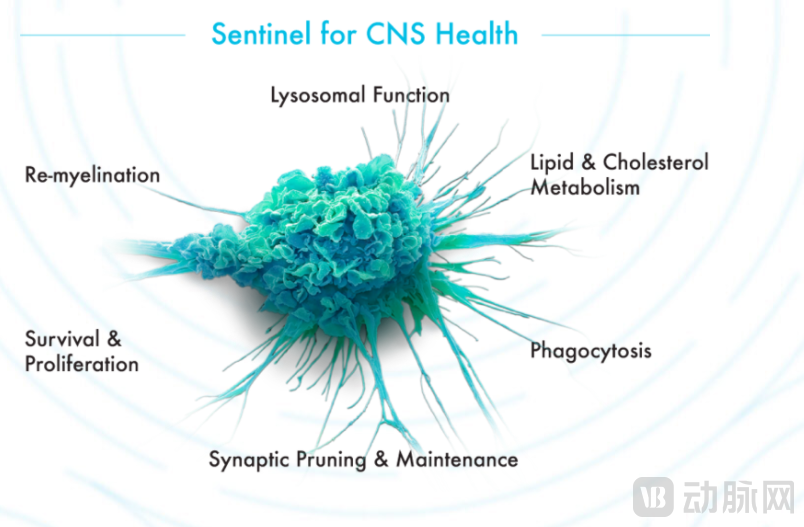
Microglia can sense and respond to various types of signals (including those generated by infection, cell death, and myelin defects), and coordinate downstream responses to specific signals, such as enhancing microglial survival and proliferation, activating microglial phagocytosis, removing unnecessary neural connections to maintain synaptic health, stimulating lysosomal function, and influencing lipid and cholesterol metabolism.
Research on microglia and microglia-targeted therapies both require linking microglia to rare and common neurodegenerative diseases, which are either caused by genetic mutations or associated with genetic variants. Such diseases include rare leukoencephalopathies and cerebral white matter dystrophies, which are primarily genetic disorders affecting neurons and white matter. Examples include adult-onset leukoencephalopathy with axonal spheroids and pigmented glia (ALSP), cerebral adrenoleukodystrophy (cALD), Krabbe disease, metachromatic leukodystrophy (MLD), as well as certain genetic subgroups of Alzheimer’s disease (AD) that involve impaired microglial function.
Vigil is committed to leveraging a precise medical approach to develop broad-spectrum therapies for neurodegenerative diseases. The company’s development strategy begins with rare diseases, where microglia serve as the key drivers of disease pathology across the various neurodegenerative conditions mentioned above. By capitalizing on its achievements in targeting microglia, Vigil aims to expand its therapeutic reach to larger and more common neurodegenerative diseases.
Microglia are multifunctional specialized cells that act as “sentinels” maintaining brain homeostasis. During infection, aging, and disease in the healthy brain, microglia play a role in optimally protecting the brain from neurodegenerative processes. However, frustratingly, microglial performance is suboptimal, with limited capacity to protect the brain from injury. Therefore, the company’s goal is to restore and enhance microglial function in disease contexts.
Therefore,As the world’s first company to develop therapies targeting microglia, Vigil Neuroscience has clearly defined its strategic direction since its inception, committing to improving the lives of patients affected by rare and common neurodegenerative diseases by restoring microglial function.
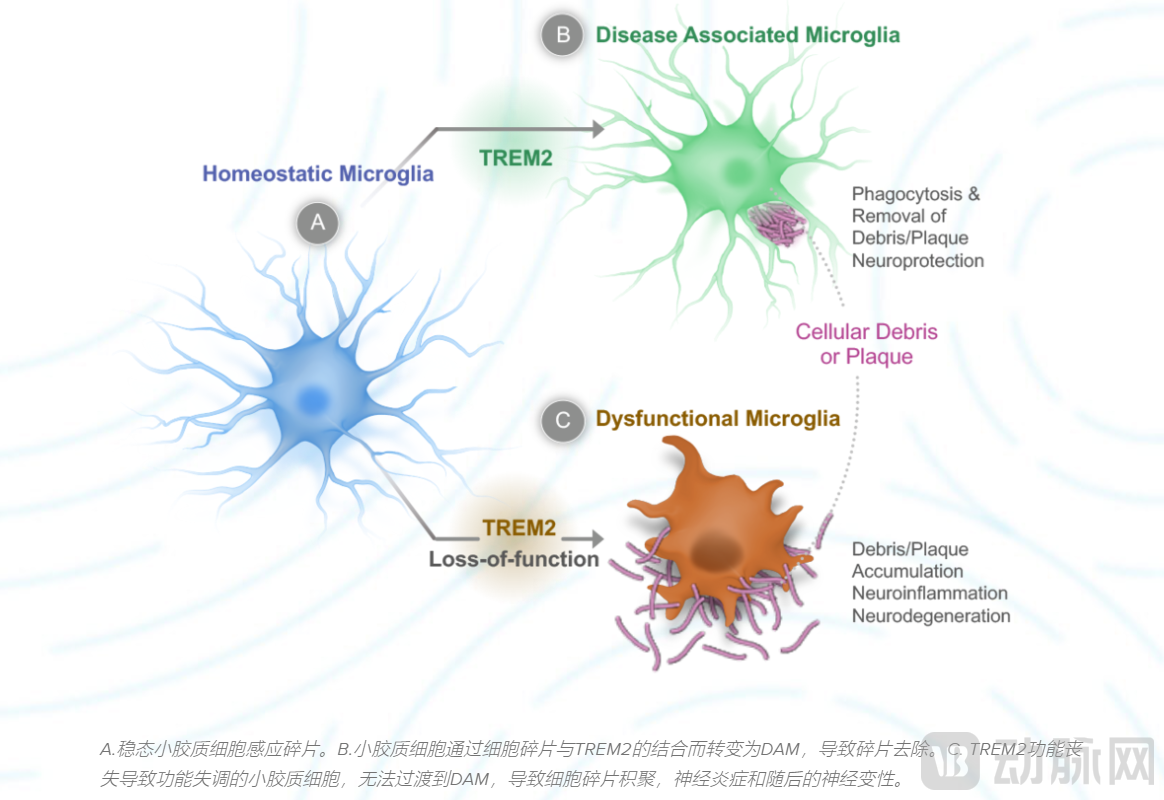
TREM2 has emerged as a star target in the field of neuroscience in recent years and is believed to play a critical role in the pathogenesis of Alzheimer’s disease (AD). Vigil Neuroscience’s most advanced therapeutic program aims to develop TREM2 agonists.
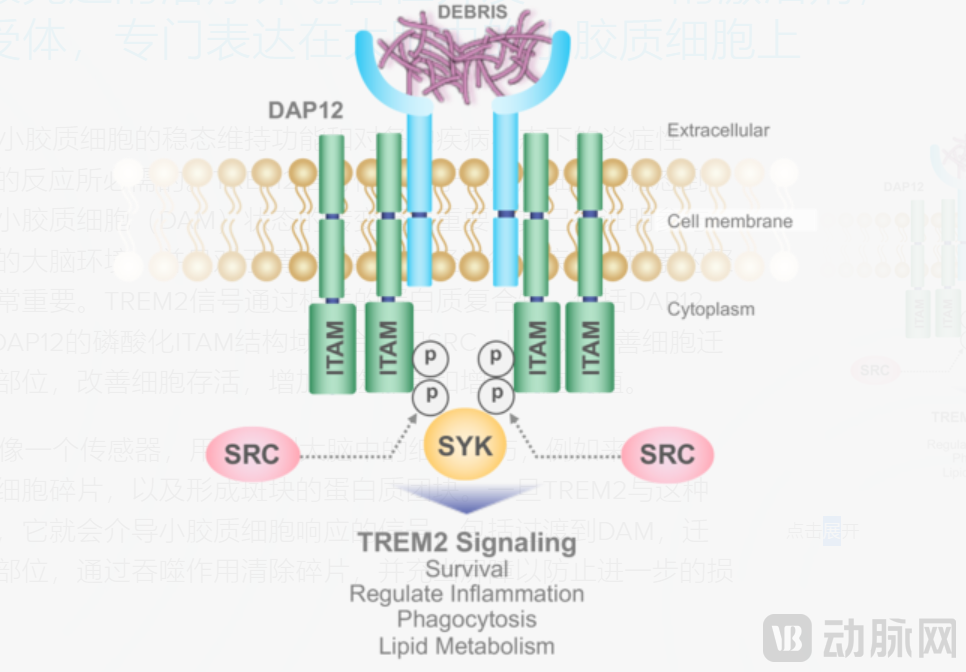
Based on extensive early-stage accumulation and research by Vigil Neuroscience, it is known that TREM2 is a transmembrane receptor protein specifically expressed on the surface of microglia in the brain. It mediates responses to environmental signals to maintain brain homeostasis, and its dysfunction is associated with various neurodegenerative diseases.Multiple clinical trials have demonstrated that TREM2 deficiency is a significant driver of neurodegeneration, providing the company with a strategic rationale to activate TREM2 signaling for the treatment of neurodegenerative diseases.
TREM2 signaling is critical for the transition of microglia from a homeostatic to a disease-associated state. It has been demonstrated that TREM2 signaling participates in maintaining a healthy brain environment and is essential for clearing aggregated proteins that accumulate in neurodegenerative diseases. TREM2 is a receptor protein required for microglia to maintain functional homeostasis and to respond to central nervous system injury under various pathological conditions. TREM2 signaling is transduced through associated protein complexes, including DAP12, SYK (which binds to the phosphorylated ITAM domain of DAP12), and SRC, thereby promoting cell migration to sites of injury, enhancing cell survival, increasing phagocytic activity, and stimulating cell proliferation.
Vigil Neuroscience’s small-molecule agonist targeting TREM2 is primarily developed for the treatment of Alzheimer’s disease (AD),This small-molecule agonist exhibits favorable solubility, oral bioavailability, and CNS penetration profiles.. Genome-wide association studies (GWAS) have demonstrated that the specific TREM2 variant (R47H) is strongly associated with the onset of Alzheimer’s disease (AD), second only to mutations associated with the apolipoprotein E4 (ApoE4) genotype. If subsequent studies support this finding, Vigil Neuroscience plans to expand the development of TREM2 agonists to a broader population of AD patients.
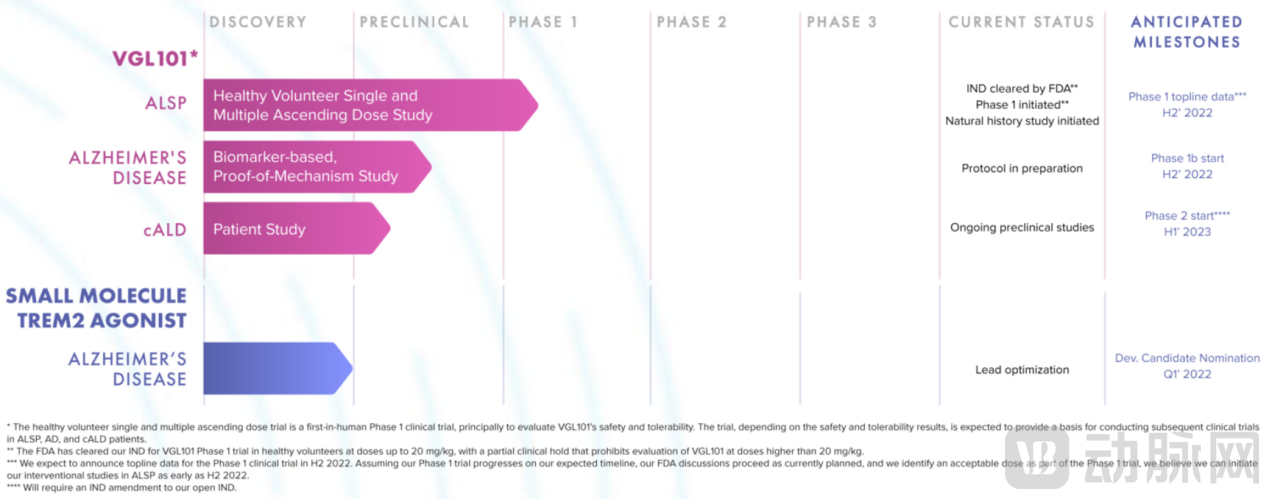
Following extensive research on microglia and TREM2,Vigil is currently developing two drug candidates for the treatment of neurodegenerative diseases. In addition to a small-molecule agonist targeting TREM2, its lead candidate, VGL101, is a fully human monoclonal antibody designed to activate receptor proteins that promote TREM2 expression.
VGL101 is being developed to treat rare microgliopathies, with its first indication being adult-onset leukoencephalopathy with axonal spheroids and pigmented glia (ALSP), a condition caused by mutations in the CSF1R gene for which there are currently no approved therapies. In multiple preclinical studies, VGL101 has demonstrated the ability to specifically activate TREM2, thereby targeting cells expressing human TREM2, initiating downstream signaling cascades, and modulating the neuroprotective and homeostatic functions of microglia. In November 2021, the U.S. FDA approved the Investigational New Drug (IND) application for VGL101. The drug is currently undergoing Phase 1 clinical trials, with final results expected to be announced in the second half of 2022.
Vigil also plans to expand the development of VGL101 for the treatment of other rare leukodystrophies and leukoencephalopathies in which microglia play a critical role, including cerebral adrenoleukodystrophy (cALD).
In addition, Vigil is also developing large-molecule (i.e., injectable) antibodies and small-molecule (i.e., oral) drugs. Oral small-molecule therapeutics offer significant clinical and commercial advantages in the treatment of major chronic indications, particularly in outpatient settings. They not only simplify administration but also entail lower manufacturing costs and relatively affordable pricing, thereby alleviating the financial burden on patients’ families to some extent.

Vigil is developing a series of new biologics and small-molecule therapies targeting microglia, which can be developed for use in multiple neurodegenerative diseases.
>>>>
Adult-onset Leukoencephalopathy with Axonal Spheroids and Pigmented Glia (ALSP)
In multiple preclinical studies, the binding capacity of VGL101 to TREM2 has been demonstrated. VGL101 can specifically activate TREM2 to initiate downstream signaling cascades, modulating the neuroprotective and homeostatic functions of microglia. Vigil Neuroscience initially developed VGL101 for the treatment of ALSP.
ALSP is a rare autosomal dominant neurological disorder with high penetrance, caused by microglial dysfunction. It is estimated to affect 10,000 individuals in the United States, with approximately 1,000–2,000 new cases annually. Similar epidemiological data have been reported in Europe and Asia.
This disease typically affects adults in their forties and is diagnosed through genetic testing and established clinical radiological imaging. It is characterized by cognitive impairment, neuropsychiatric symptoms, and motor disorders. These symptoms usually progress rapidly, with an average life expectancy of six to seven years after diagnosis. Currently, there are no approved therapies for ALSP, imposing a substantial burden on patients and caregivers.
Mechanism of Action of ALSP Treatment: ALSP is caused by loss-of-function mutations in the CSF1R gene, leading to microglial dysfunction. Both TREM2 and CSF1R transduce their biological effects, including cell survival and proliferation signals, through the same signaling pathway involving DAP12/SYK. VGL101 is designed to compensate for the loss of CSF1R function by enhancing signaling via DAP12/SYK, thereby alleviating microglial dysfunction. Research conducted by Vigil Neuroscience has generated robust evidence demonstrating that TREM2 agonists can rescue the loss of CSF1R signaling in preclinical models. Results with VGL101 have shown that it is an effective therapeutic approach in ALSP in vivo, compensating for reduced CSF1R signaling and correcting microglial dysfunction through TREM2 activation.
Cerebral Adrenoleukodystrophy (cALD)
X-linked Adrenoleukodystrophy (X-ALD) is a rare disorder caused by metabolic dysfunction in microglial cells. cALD is a more severe form of X-ALD. A 2017 study on newborn screening for X-ALD showed that approximately 1 in every 3,878 male newborns is affected by X-ALD. Among males diagnosed with adrenomyeloneuropathy, approximately 37–47% will progress to cALD, with the majority doing so during childhood and adolescence. It is estimated that 7,000–8,000 males in the United States and the European Union have cALD. A small number of adult males with adrenomyeloneuropathy (the slowly progressive adult form of X-ALD) also develop cALD.
Mechanism of Action in cALD: cALD is caused by loss-of-function mutations in the ABCD1 gene. The ABCD1 gene encodes a transporter for very-long-chain fatty acids (VLCFAs) and is involved in peroxisome biogenesis. Peroxisomes are organelles critical for lipid metabolism within cells. ABCD1 deficiency leads to toxic and inflammatory accumulation of VLCFAs, resulting in inflammation, increased myelin debris, axonal injury, and blood-brain barrier (BBB) disruption. ABCD1 is highly expressed in microglia, and its deficiency causes microglial dysfunction. VGL101, a TREM2 agonist, can reduce VLCFA accumulation.

Further Advancing Novel Oral Small-Molecule TREM2 Agonists for the Treatment of More Common Neurodegenerative Diseases
Small-molecule oral agents with high central nervous system (CNS) penetration offer numerous potential clinical and commercial advantages in large chronic indications such as Alzheimer’s disease (AD), including convenience and widespread applicability in outpatient settings. Compounds in the Vigil lead series have demonstrated high CNS penetration following oral administration and, similar to VGL101, are potent activators of TREM2.
Alzheimer’s disease (AD) is the most common type of dementia, a general term for memory loss and other cognitive impairments severe enough to interfere with daily life. AD accounts for 60–80% of dementia cases, and most patients with AD are aged 65 years or older. AD is a progressive disease that typically begins with mild memory loss and progresses to include disorientation, loss of initiative or judgment, difficulties in self-care, behavioral problems, and cognitive decline. According to the Alzheimer’s Association, AD affects approximately 6.2 million people in the United States. Based on a median estimate (70%), there are approximately 6 million AD patients in China. The report projects that by 2030, more than 16 million Chinese individuals will be affected by AD, a figure roughly equivalent to China’s total live births in 2017.
Therapeutic Mechanism in Alzheimer’s Disease: Microglia with normal function reduce the levels of toxic amyloid-beta plaques in the brain while increasing the number of dense-core plaques. Furthermore, normal TREM2 function is required to prevent the formation of Alzheimer’s disease-associated tau aggregates. Loss-of-function caused by TREM2 variants occurs in 7–8% of the Alzheimer’s disease population and is associated with accelerated disease progression and worsened patient prognosis. For example, the R47H variant, found in 2–3% of individuals with Alzheimer’s disease, triples the risk of developing the disease as identified in genome-wide association studies and increases the rate of dementia by 23% compared to non-carriers.
Dementia is a rapidly escalating global health crisis that silently afflicts families worldwide with the burden of disease. However, to date, there are no early biomarkers or effective treatments available. Current research indicates that microglia in the brain are not merely bystanders or amyloid-beta phagocytes; they also serve as regulators of neuronal function and homeostasis in the adult brain. How to assess and modulate microglia, which are crucial for brain health, will be key to developing effective therapeutic strategies for dementia.
Vigil’s strategy in Alzheimer’s disease (AD) is to first determine the role of TREM2-mediated microglial dysfunction in AD pathogenesis among certain genetically defined patient subgroups, including those with TREM2 and other variants. The company is planning early human translational studies using VGL101 in AD patients with or without relevant TREM2 variants, to inform subsequent clinical trials of its small-molecule agonist.
New Targets and New Indications
Vigil plans to expand its product pipeline by identifying and developing more critical novel targets through internal discovery and development, or through strategic collaborations and alliances with academic institutions, pharmaceutical companies, and biotechnology firms. With microglia as a key focus, Vigil aims to overcome current challenges and provide therapeutic solutions for both rare and common neurodegenerative diseases, offering insights and inspiration for the treatment of a broader range of neurodegenerative conditions. Although this step is still in the planning phase, we are confident that, given Vigil’s execution capability and strength, this vision will be realized in the near future.