

From National Expansion to Regional Deepening: How AstraZeneca's iCampus Empowers the Healthcare Innovation Ecosystem

AstraZeneca
Cancer Drug Developer
In recent years, driven by a combination of factors including technological advancements and supportive policies, China’s medical and health industry has achieved rapid breakthroughs in innovation. According to a report by PwC, the market size of China’s health industry has reached RMB 13 trillion. Having experienced high-speed growth over the past eight years with a compound annual growth rate (CAGR) of 13%, it has now become the second-largest market globally.
Against this backdrop, major cities are seizing opportunities to prioritize the medical and health industry in their economic planning. However,Medical innovation differs from the development of other industries, as it features significant professional barriers and unique characteristics.Therefore, whether from the perspective of innovative enterprise growth or that of industrial park cultivation and incubation, this remains a task fraught with considerable challenges:The healthcare sector comprises numerous intricate sub-sectors, each characterized by significant differences and high professional standards. Coupled with the complexity and substantial risks inherent in medical innovation, there is a strong demand for integrated resources from government, industry, academia, research institutions, and clinical practice.Currently, various regions are continuously exploring.
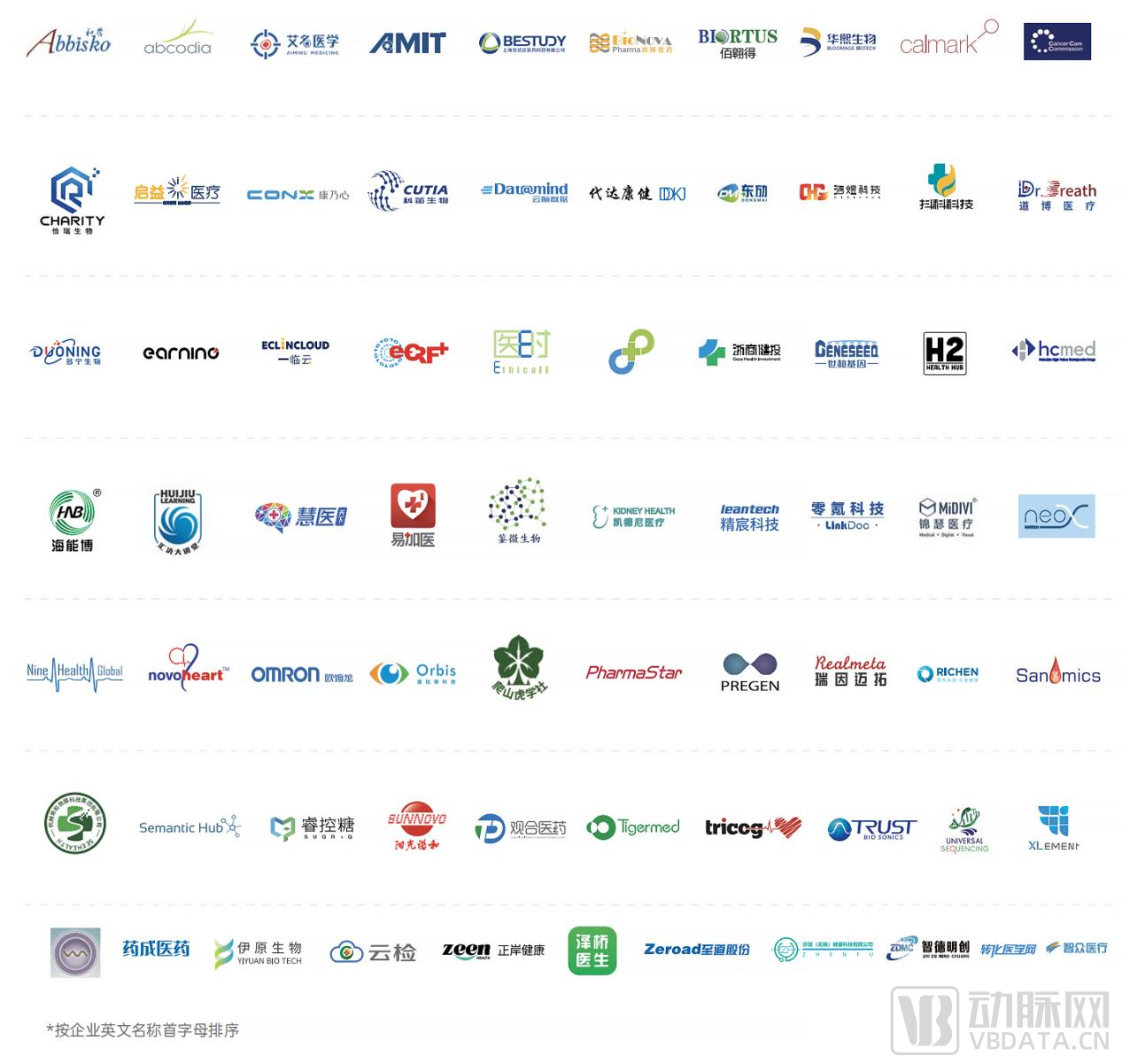
VCBeat has observed that the innovation park model supported by AstraZeneca (hereinafter referred to as “iCampus”) has been deployed in seven cities across China within two years. It has attracted more than 60 medical innovation enterprises to cooperate and settle in various locations, gradually expanding and improving the ecosystem from the transformation of scientific research achievements to the acceleration of industrial outcomes, thereby exploring a case of model innovation with a distinctive style.
What Drives iCampus’s Popularity Among Healthcare Innovation Startups? How Does It Foster Their Growth, and What Has It Done Right? What Are Its Future Strategic Considerations and Layout? To address these questions, VCBeat has conducted a review and interviews to offer insights and provide food for thought for healthcare innovation enterprises.
A wave of medical innovation is rising, with an increasing number of innovators joining this tidal wave of the era. In absolute terms,The number of market entrants is rising exponentially, yet the failure rate of medical innovations has remained virtually unchanged.Taking digital health innovation as an example, according to a report by Rock Health, 60–90% of digital health startups face failure, a rate consistent with levels seen two decades ago.
The core reason lies in the fact that medical innovation involves extremely high barriers and significant uncertainty. ThereforeFor medical innovation parks, whether they possess sufficient specialization has become a key indicator of their ability to effectively support the growth of innovative enterprises.
iCampus’s professionalism is built upon AstraZeneca’s robust medical innovation capabilities and international resources, as well as its extensive practical experience from nearly 30 years of deep engagement in the localized Chinese market. This enables resident enterprises to leverage iCampus’s resources and gain access to accumulated assets and established systems—including clinical insights, expert networks, and channel platforms from AstraZeneca and its ecosystem—thereby facilitating rich medical innovation and collaborative opportunities. Examples include consulting internal experts from leading medical innovation companies, conducting joint visits to healthcare institutions and clinical experts, integrating solutions, initiating commercial partnerships, and potentially securing fund investments.
ButConditions vary across different sub-sectors of healthcare, with differing resource requirements; therefore, innovation incubation must be tailored to local conditions. This presents another significant test of the park’s professionalism.In response, iCampus integrates local resources and amplifies its momentum advantages by aligning with regional characteristics during its city expansion. For instance, as digital economy reform is a key policy priority in Zhejiang Province, Hangzhou boasts substantial industrial accumulation in digital healthcare. The city has gathered established and emerging digital healthcare enterprises and talent, such as SinoMedi Health, WeDoctor, DXY, Zhuojian Technology, Weimai, and Jianhai. Accordingly, Hangzhou iCampus operates with digital healthcare as its distinctive theme, aiming to establish itself as a model and demonstration base for innovation and collaboration in the digital healthcare sector.
The clustering effect of themed industrial parks is significant, as the integration of specialized resources accelerates the connection and implementation of related projects. For instance, the first batch of enterprises to enter Hangzhou iCampus included companies such as Zeqiao Health and Yijiayi, which empower both physicians and patients, as well as specialized platform enterprises like Yaocheng Technology and Pashanhu Society, which provide support for corporate R&D and founders. The positive interaction and development between large corporations and innovative startups can further drive collaboration within the local ecosystem, fostering cross-sector integration with industry leaders such as Tigermed, Huadong Medicine, and Dian Diagnostics, thereby jointly building Hangzhou’s healthcare ecosystem.
In other words,Driven by leading medical innovation enterprises and its deep cultivation of resources across various sub-sectors, the Innovation Park provides professional support to medical innovation companies, thereby reducing the risks associated with innovation and entrepreneurship and effectively promoting corporate development.Leveraging its professionalism, iCampus is attracting an increasing number of enterprises to join. Under these circumstances, how is specific empowerment implemented?
Medical innovation is like a marathon: it is a long-term process, with challenges at every stage that impact the sustainable development of enterprises.
For instance, at the initial startup stage, innovative enterprises primarily require office space, factory construction, expert support, and policy guidance; as they enter an accelerated growth phase, their key needs shift to clinical validation, product launch, commercial promotion, financing, and brand building. Therefore,For industrial parks, the most critical factor is whether they can genuinely help innovative enterprises address their core pain points at key junctures.
This requires the industrial park to not only possess the ability to discern needs but also to build a multi-dimensional ecosystem support system tailored to these needs. iCampus’s strategy evolves precisely along this path.Specifically, as a core technology sector critical to human life and health, medical innovation is significantly influenced by policy.To this end, iCampus leverages its collaborations with local governments to actively cultivate an ecosystem conducive to innovation incubation, providing core elements including R&D support, policy application assistance, talent acquisition, intellectual property services, and policy incentives.
Taking Wuxi iCampus as an example, the Jiangsu Provincial Medical Products Administration and the Wuxi Municipal People’s Government established the “Wuxi High-Tech Zone Biopharmaceutical Industry Innovation Development Service Center” within Wuxi iCampus to provide specialized guidance on regulatory submission processes. The center has opened a “Green Channel for Drug and Medical Device Market Access,” creating a fast-track review and approval service that significantly enhances the efficiency of enterprise establishment. Meanwhile, iCampus actively participates in discussions on biopharmaceutical policies within the park, consolidating and relaying enterprises’ latest demands regarding industry development, talent acquisition, and regulatory approvals. This ensures that the most timely innovation needs of enterprises are aligned with the implementation pace of supportive policies. Through closed-door industry seminars, industry associations, alliances, and other forms of collaboration, iCampus works together with ecosystem partners to contribute insights and drive the development of industrial policies.
Not only that, medical innovation enterprises face tests from technology transformation to product validation and then to commercial promotion.iCampus goes beyond providing conventional support such as physical space and resource matchmaking. Leveraging AstraZeneca’s extensive experience and commercial network in the Chinese market, it offers scientific R&D and commercialization assistance to resident enterprises. These services cover market insights, product concept validation, commercial innovation collaborations, sales licensing, and agency promotion, helping to alleviate resource constraints. In this regard, iCampus facilitates two-way communication and collaboration both internally and externally through regular activities such as project roadshows and innovation challenges. It also implements innovative measures to further empower partner companies with in-depth support. One such initiative is the Entrepreneurship Accelerator Camp, launched under AstraZeneca’s external empowerment program with support from iCampus. This camp helps founders of rapidly growing companies engage in learning and industry matchmaking through a deep community-based approach, featuring lectures by experts from various sectors, including industry, hospitals, and capital markets, who share the latest insights.
In addition to business-level empowerment,For R&D-driven medical innovation enterprises, funding remains a significant hurdle during the early stages of development.In response, AstraZeneca and CICC Capital jointly established the AstraZeneca CICC Healthcare Industry Fund, while the iCampus park supporting fund plan is being advanced in parallel. This initiative involves in-depth evaluation of high-quality enterprises within the iCampus park and providing investment empowerment to strategic partners that meet the criteria. Furthermore, in its day-to-day park platform development, iCampus collaborates with leading healthcare-focused funds such as Hillhouse, Sequoia, Lilly Asia Ventures, Legend Capital, Qiming Venture Partners, and Sida Capital, thereby offering a financing and investment matchmaking platform for park-based enterprises.
Additionally,As a high-tech sector, medical innovation itself also requires internationalization.Leveraging its global network, iCampus not only introduces overseas innovative enterprises to China but also provides park-based innovators with opportunities for global expansion supported by AstraZeneca’s worldwide network. To date, the AstraZeneca International Innovation Network comprises nearly 20 hubs located in the United States, Brazil, Argentina, Sweden, the United Kingdom, France, Israel, Russia, South Korea, India, Singapore, and other countries. Over the past year, the park has hosted multiple online roadshows to facilitate connections between enterprises and AstraZeneca’s headquarters on clinical solutions, bringing more Chinese innovation collaboration cases to international markets.
As can be seen above, iCampus is continuously addressing the pain points of healthcare innovation enterprises at critical junctures by leveraging targeted support from multiple stakeholders within its ecosystem, thereby empowering these companies to persevere in their marathon-like journey of innovation.
The Wave of Medical Innovation Is Gradually Moving to the R&D Frontier.
From a policy perspective, China issued a total of 49 policies related to medical innovation and translation last year, further strengthening social guidance and support for scientific research.
However, we must also recognize the current reality: China’s domestic pharmaceutical innovation capacity still needs improvement, and the low conversion rate of medical innovations reflects a significant gap compared with international leading standards. After all,Innovation is not “low-hanging fruit” that can be easily harvested; it requires specialized talent, substantial resources, and a systematic ecosystem for support.
Against this broad trend, iCampus proactively explores collaborations with expert academicians and medical institutions, seeks government support for industrial projects, and collaborates with global innovative enterprises to empower healthcare innovation. It has established a comprehensive service and incubation system covering the entire lifecycle of innovative research projects—from selection and nurturing to technology transfer and scale-up.
Zhizhong Medical, which has settled into Wuxi iCampus, is a firsthand witness to this process.As a smart healthcare platform in the field of chronic disease management in China, Zhizhong Medical initially collaborated with AstraZeneca in the respiratory business area, and later expanded the partnership to the MMC (Metabolic Management Center) model for metabolic disease diagnosis and treatment, helping to promote standardized, one-stop solutions for diabetes management. Currently, MMC has been implemented in nearly 1,400 hospitals across China.
Building on the collaborative experience of the MMC project, multiple parties have further initiated efforts at the source of disciplinary research to support the development of an industrial park centered on disease treatment.In December 2021, at the launch ceremony of the Taihu Bay Innovation Base of the Wuxi International Life Science Innovation Park, the Metabolic Disease Industrial Park project, led by Ning Guang, an academician of the Chinese Academy of Engineering and President of Ruijin Hospital affiliated with Shanghai Jiao Tong University School of Medicine, was officially signed and will be established in Wuxi iCampus. This may be the first innovation park in China to focus on the therapeutic field of the metabolic industry.
As the academic leader of the Metabolic Disease Industrial Park project, Academician Ning Guang, together with AstraZeneca and Zhizhong Medical as industrial co-builders, will leverage the planned Wuxi Research Institute of Ruijin Hospital and its pool of expert scientific resources to establish a medical research achievement translation platform, an innovation talent aggregation platform, a technology enterprise incubation platform, and an international exchange and cooperation platform with industry-wide influence. This initiative aims to create a one-stop innovation empowerment platform in the field of metabolism, thereby promoting metabolic research and industrial development. At the signing ceremony, Academician Ning Guang stated: “The biopharmaceutical industry serves as a vital link between high-quality economic development and public well-being.Leveraging the Wuxi Branch of Ruijin Hospital located in the High-Tech Zone, we will conduct basic scientific research in the fields of endocrine and metabolic diseases and anti-infective drugs, while also introducing and nurturing related enterprises to settle in.Establish a complete, integrated industry chain spanning research, clinical practice, and translational outcomes to benefit public health.”
“The many years of collaboration with AstraZeneca have two particularly distinct characteristics,One is the full-chain approach, and the other is that AstraZeneca will support the actual implementation of the project.“Li Zhenjie, CEO of Zhizhong Medical, told VCBeat, ‘All parties are actively promoting the MMC project. The Metabolic Disease Industrial Park is a key initiative that deepens collaboration to the forefront of the industry, truly realizing the value of innovation.’”This model, on the one hand, starts from the research source and, under the professional guidance of academicians, integrates multi-party industrial resources to promote innovative translation and address clinical pain points in therapeutic areas; on the other hand, it also helps local governments drive the upgrading of the medical industry and build an innovative life science cluster centered on therapeutic areas.
This case demonstrates that iCampus, starting from the introduction and incubation of innovative enterprises, has extended its reach to external early-stage R&D platforms, gradually forming a complete industrial innovation collaboration chain encompassing scientific research, clinical development, and commercialization.
In an era of deepening technological innovation, there is a growing need for collaboration and communication across upstream and downstream segments of the industrial chain, as well as among global industries.
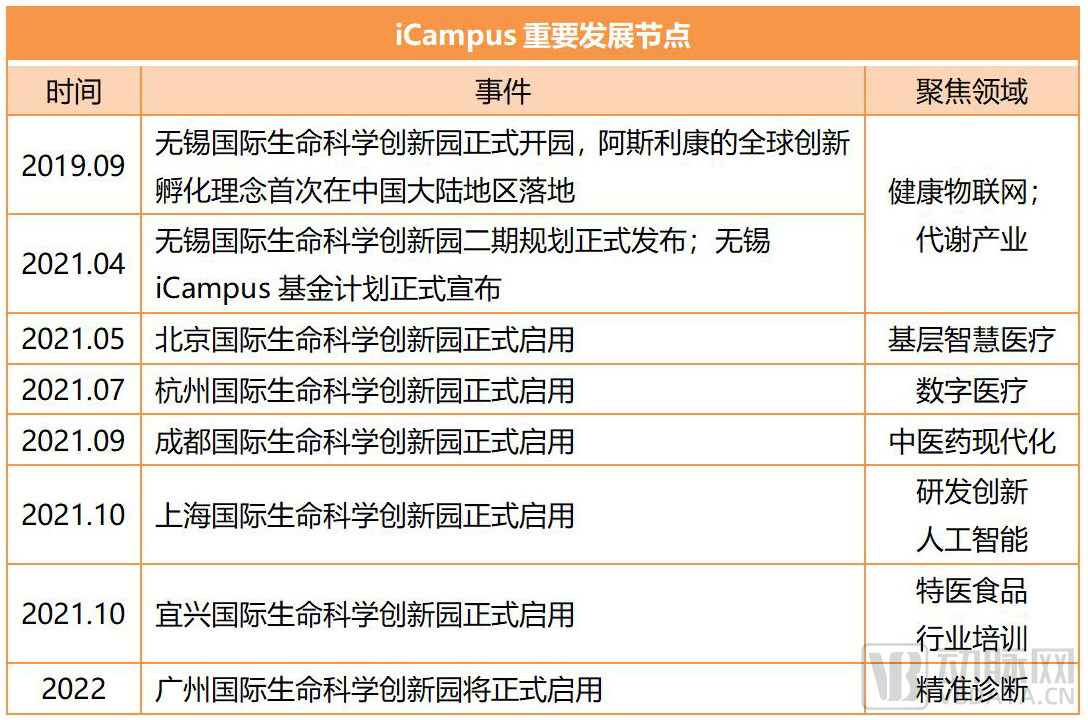
As iCampus expands from Wuxi to Beijing, Chengdu, Hangzhou, Shanghai, Yixing, and Guangzhou, it will drive the integration of the healthcare industry chain tailored to local conditions, thereby promoting regional economic development and international cooperation. For innovative enterprises and projects, this enables true “resonance” with global companies in technological R&D and commercialization.
From this perspective, innovators are not merely choosing a park; they are choosing an ecosystem.
This ecosystem is not static. The path taken by iCampus, from introducing and nurturing innovative enterprises to extending into early-stage R&D, demonstrates thatOnly by addressing the pain points and challenges faced by medical innovation enterprises at critical junctures can we effectively drive their growth., thereby attracting more enterprises to join this ecosystem and generating synergistic effects, while providing greater support to innovative companies to establish a sustained positive feedback loop.
At the start of 2022, iCampus will continue to iterate, leveraging the advantages of expert insights and regional policies to seize the era’s opportunities presented by the booming translation of medical achievements and the rapid growth of innovative enterprises. By empowering technological innovation and industrial development in therapeutic areas, iCampus is committed to supporting scientists and entrepreneurs in the healthcare sector to create greater value.
It is not difficult to see from the above analysis that medical innovation is by no means easy.
From an industrial perspective, achieving a “zero-to-one” breakthrough requires both full-chain assistance and support from innovation parks, as well as foundational support originating from scientific research to underpin long-term strategic goals, thereby maximizing the stimulation of innovative vitality.
Therefore,When selecting an industrial park, medical innovation enterprises must prioritize the park’s professionalism, resource empowerment capabilities, strategic alignment with their own development direction, and synergy within the overall ecosystem, so as to address the numerous challenges and pain points encountered during their growth.Only in this way can greater support and assistance be brought to its own development.
We believe that with the development and deepening of more and more innovation parks, a new medical innovation ecosystem is accelerating its construction.