

Sailing into the Gut Microbiome Blue Ocean: Thalys Medical Partners with Norway’s Genetic Analysis to Build an Authoritative, End-to-End Industrial Ecosystem through Advanced Diagnostic Innovation
Recently, Thalis Medical Technology Group Co., Ltd. (hereinafter referred to as “Thalis Medical”) announced its partnership with GeneticAnalysis (hereinafter referred to as “GA”), a high-tech molecular diagnostics company from Norway.Signing of Laboratory Developed Tests (LDTs) for the Chinese Market (LDT) Development and Evaluation Cooperation Agreement。
Both parties will jointly evaluate and develop innovative diagnostic solutions based on gut microbiota to meet the rapidly growing market demand for gut microbiota-related products in China.Thalys Medical will fully leverage its independent clinical laboratory based in Shanghai to further develop and distribute targeted multi-omicsGAmap®Analytical Techniques, for identifying and characterizing gut microbiota dysbiosis in East Asian patients with irritable bowel syndrome (IBS) and inflammatory bowel disease (IBD), to helpUnlocking and Establishing Gut Microbiota Assessment Standards Unique to Eastern Populations.

Adhering to its corporate mission of innovating for a Healthy China, Thalis Medical continuously explores cutting-edge technologies in the global high-end IVD sector. The intestinal microecology project launched in collaboration with GA represents a new and untapped segment within the molecular diagnostics market.Signifying Cell Medical's innovative leadership in China's entire gut microbiome industry.。
As the “second human genome,” the human gut microbiome plays a critical role in maintaining health and in the onset and progression of diseases. Major global challenges, including outbreaks of infectious diseases such as the COVID-19 pandemic, foodborne illnesses, and pathogenic drug-resistant “superbugs,” are becoming increasingly severe and pose significant threats to human health. In recent years, with the rising incidence of diabetes, the growing elderly population, and sustained attention from pharmaceutical companies and academia,China's Human Gut Microbiome Market Has Been Experiencing Significant Growth。

Microbiome Testing Market
The latest forecasts show that,Human Microbiome Testing Market in2022Aged2029during the year will be22.5%growth rate, to2029reached in the year9.65USD 100 million. Whether from the perspective of evidence-based medicine research or new drug launches, China is expected to become one of the major contributors, alongside the United States, to accelerating global market growth.
Meanwhile, demand for clinically validated microbiome testing is also on the rise. The overall prevalence of irritable bowel syndrome (IBS) in the Chinese population ranges from 1.4% to 11.5%, with a slightly higher rate in women than in men and a predominance among young and middle-aged adults. Although IBS is common in primary care and gastroenterology outpatient settings, the latest Chinese expert consensus on IBS indicates that only 25% of IBS patients seek medical attention, suggesting that the disease burden may be underestimated. Furthermore, the total number of inflammatory bowel disease (IBD) cases in China is projected to reach 1.5 million by 2025.
Furthermore, the development of drugs targeting the gut microbiome holds significant potential.The landscape of the gut microbiome pharmaceutical industry has taken shape, with upstream gut microbiome testing and downstream drug development complementing each other. The sector is currently in the early stages of translating scientific research into industrial applications., presenting an opportune moment for strategic positioning.
Traditional Microecological Preparations Market
Probiotics are the most widely used microbial preparations in clinical practice, and China's probiotic industry market is approaching a scale of nearly RMB 100 billion.In 2020, China's probiotics market reached RMB 85 billion, with a compound annual growth rate (CAGR) of 17.11% from 2012 to 2020. The probiotics market is experiencing strong growth momentum. The outbreak of the COVID-19 pandemic in 2020 has accelerated Chinese consumers' awareness and emphasis on immune-nutrition products. Probiotic products have gained significant popularity due to their benefits in improving gastrointestinal health and enhancing immunity. Key driving factors include sound regulatory frameworks and standards for probiotics in China, which facilitate the standardization and long-term, stable development of the probiotic category. Furthermore, the entry of leading enterprises and the proliferation of market brands have fostered continuous innovation in probiotic products, whose efficacy increasingly meets consumers' needs for gut health maintenance.
Currently, domestic probiotic manufacturers account for a small share of the overall market size. The two largest suppliers of probiotic raw materials in China are the U.S.-based DuPont (50%) and Denmark’s Chr. Hansen (35%), which together command 85% of the domestic raw material market, leaving approximately 15% to other manufacturers. There are relatively few Chinese companies with significant scale in the probiotic raw materials market. The main players with annual production capacity and output value exceeding RMB 10 million are Beijing KTU Hengtong, Jiangsu Weikang Biotech, Hebei Yiran Biotech, and Shanghai Runying Biotech.
China’s probiotics industry started relatively late, with lagging intellectual property and technology. Domestic companies account for 15% of the overall market size, and enterprises need to invest substantial capital to meet the requirements for the production and storage of probiotic products.
Innovative Microbiome Drug/Therapy Market
The Future Potential of the Novel Microbiome Therapeutics Industry Will Be Unprecedentedly Vast(Microbiome-based therapeutics refer to pharmaceutical preparations derived from normal microbiota or substances that regulate the normal growth of microbes, which modulate systemic immune responses through the gut-body axis and have a broad range of indications.) According to relevant reports, the market size in the United States is projected to reach tens of billions of U.S. dollars by 2025. Based on estimates of the market size for diseases currently in clinical trials, the current global addressable market for microbiome-based therapeutics is approximately USD 50–60 billion. Drawing on literature related to gut microbiota-associated diseases, and assuming a certain proportion of patients receive microbiome-based treatments, the penetrable market opportunity is estimated at approximately USD 100 billion, with gut microbiome therapeutics gradually entering the market. A significant number of microbiome-based therapeutics are expected to emerge over the next 3–5 years.
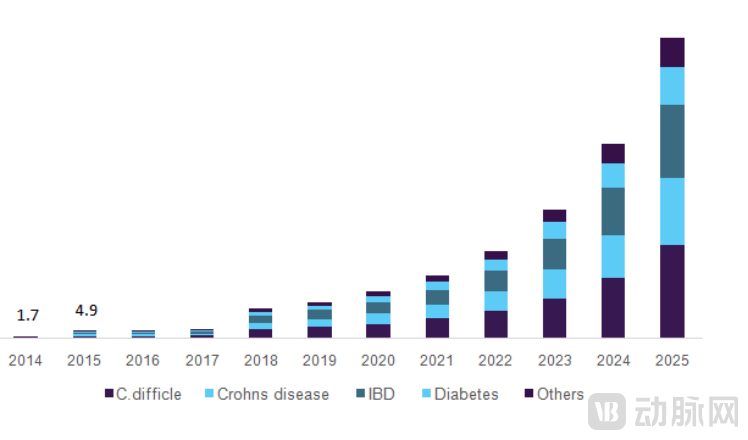
2016-2025U.S. Microbiome Drug/Therapy Market Forecast by Disease Area
Data Source:GroundView Research
The growing prevalence of diseases caused by gut microbiota dysbiosis, coupled with substantial funding for biopharmaceutical development research, has become a key driver affirming market growth.
Microbiome Therapies Have Broad Applications Across Various Fields, including Clostridioides difficile infection, Crohn's disease, inflammatory bowel disease (IBD), and diabetes. Among these, Clostridioides difficile accounted for the largest market share of over 40.0% in 2015, likely due to the FDA’s approval of fecal microbiota transplantation (FMT) for the treatment of C. difficile infection. On the other hand, Crohn's disease is expected to become the fastest-growing application in microbial therapy. More than 20% of drugs are used for the treatment of Crohn's disease. With the commercialization of drugs such as RP-G28 after 2019, applications for other conditions (such as lactose intolerance) are projected to experience rapid growth during the forecast period.
In recent years, the number of publications related to gut microbiota has grown rapidly, and research on the gut microecology has continued to gain momentum.10Growth in the Number of Research Papers Over the Years15VCBeat. Research on the human microbiome encompasses both basic scientific inquiry and investigations into disease relationships. Studies such as those on the treatment of inflammatory bowel disease and PD-1 immunotherapy have been published in top-tier journals including Nature, Science, and Cell, progressively confirming the impact and association of gut microbiota with human health and disease.
The gut microbiota has taken center stage in scientific research, and related literature is expected to grow rapidly in the future. Meanwhile, publications from global clinical studies continue to surge. The fervor for gut microbiota research will persist.
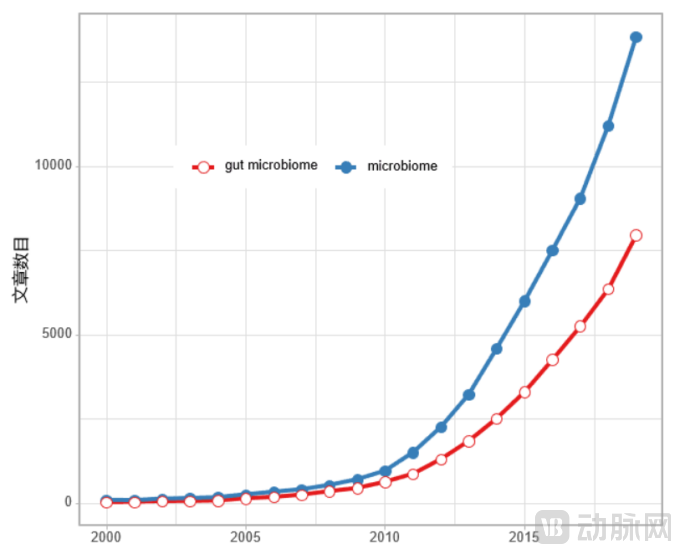

Growth Trend of Literature on Microbiota and Gut Microbiota in PubMed
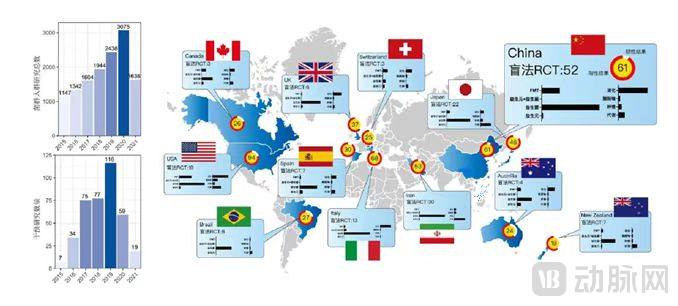
Global Overview of Clinical Research on the Microbiome
(Source: Gut Microbiota: From Causality to Multicenter Clinical Studies, by Zhou Hongwei)
Human microbiota, particularly gut microbiota dysbiosis, has been confirmed to be associated with includingDiseases of the tumor, immune system, metabolic system, nervous system, and digestive systemare directly or indirectly associated with more than 50 major and chronic diseases. Various factors, including genetics, mode of delivery, age, environmental influences (such as diet and feeding practices), and medication use, can directly or indirectly influence and shape our gut microbiota. Therefore, there is great hope that adjusting and intervening in the gut microbiota will improve human health and manage diseases. The microbiota consists of commensal bacteria and other microorganisms colonizing the host's epithelial barriers. Among these, the commensal microbiota plays a significant role in the health and survival of the organism. The impact of the microbiota on physiological functions includes:Maintains local barrier homeostasis and regulates systemic functions including metabolism, hematopoiesis, inflammation, and immunity.The following section will focus on elucidating the mechanisms of action in cancer, metabolic diseases, immune diseases, and endocrine system disorders:
Microecology and Cancer
According to relevant literature, microbiota also participate in the initiation, progression, and metastasis of cancer within epithelial barriers and sterile tissues; in particular, the gut microbiota modulate responses to cancer therapies and susceptibility to toxic side effects. Modulating the microbiota also plays a significant role in enhancing the efficacy of anticancer treatments, and novel therapies, including immunotherapy, have substantially improved prognoses for many cancer patients. Growing evidence indicates that other host factors, such as host genomics and the microbiome, can significantly influence treatment responses. More importantly, the microbiota can be modified through several different strategies to improve cancer treatment outcomes. Likewise, treating cancer with microbial agents or their products holds potential for tumor shrinkage. Future antitumor therapies may integrate immunotherapy with microbiota modulation and their products to more directly target malignant cells. Current evidence suggests that these microbes may confer susceptibility to certain cancers and may also affect responses to therapeutic interventions.
Microbiota and Metabolic Diseases such as Diabetes, Nephropathy, and Cardiovascular Disease
The gut microbiota has been recognized as a critical factor in the development of obesity and obesity-related metabolic dysfunction. Experiments conducted in animal models have provided evidence for the causal role of the gut microbiota in the etiology of obesity and insulin resistance. Infections are closely linked to the development of cardiovascular disease and atherosclerosis. Research over the past decade has revealed that microbial ecosystems at various sites in the human body contribute to metabolic and cardiovascular diseases.
Cardiometabolic diseases (CMDs) are associated with alterations in gut microbiota composition, and links between the host environment and the microbiome have been identified in preclinical models. Furthermore, gut microbiota can exert intergenerational effects on blood pressure regulation in the treatment of refractory hypertension, highlighting the therapeutic potential of microbiota modulation in improving health and preventing disease.
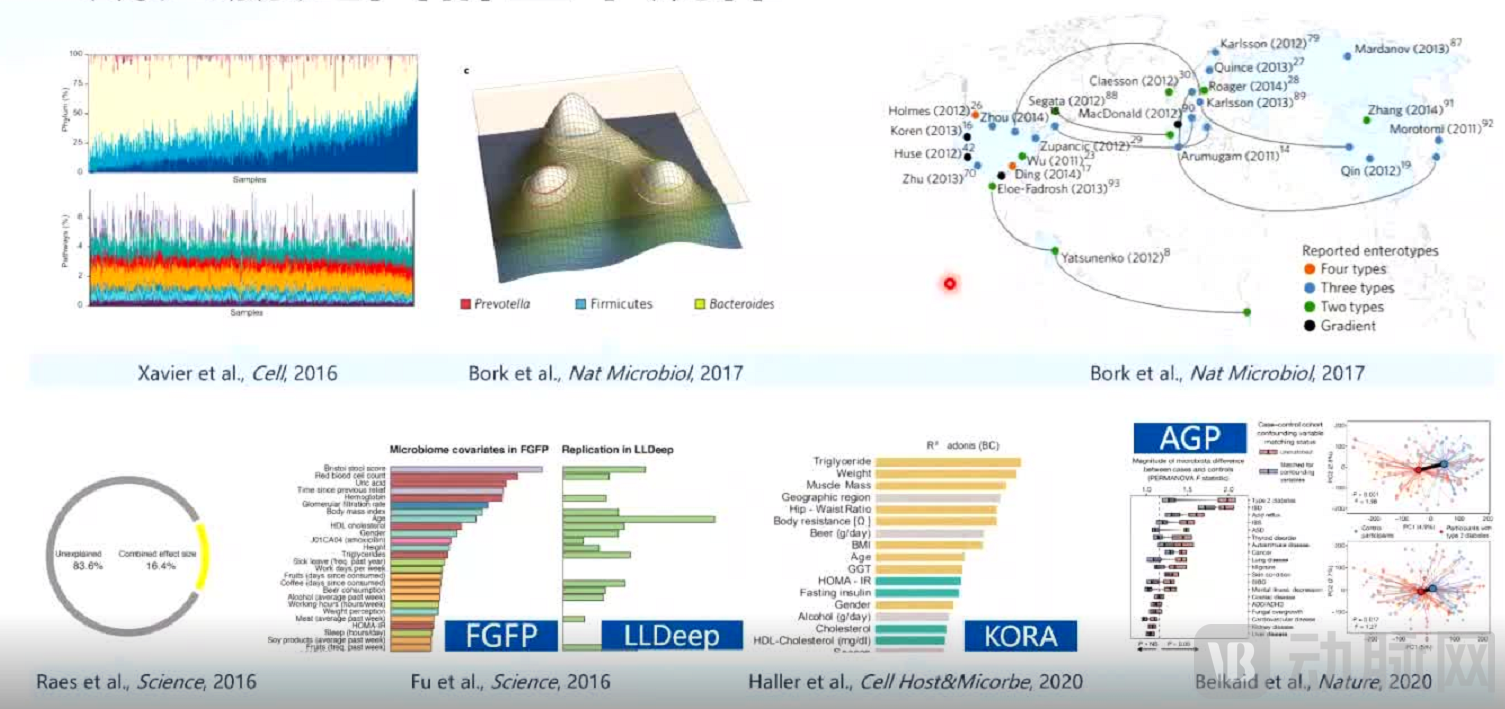
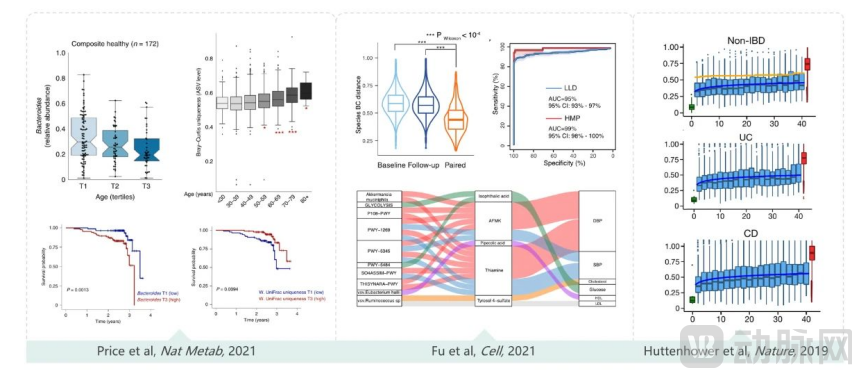
Disease Prediction: Fundamental Principles and Dynamic Changes of the Gut Microbiota
(Source: Gut Microbiota: From Causality to Multicenter Clinical Studies, by Zhou Hongwei)
Microecology and Immune Diseases
The microbiota provides critical signals for the development and function of the immune system. With the increasing prevalence of microbial community analysis techniques, many immunologists have been drawn into the evolving field of host-microbiome research. Gut dysbiosis is associated with a wide range of multifactorial diseases, including inflammatory, autoimmune, metabolic, neoplastic, and neurodegenerative disorders. Based on an overview of the interplay between immunology and microbial ecology, rational strategies for designing novel therapeutic approaches have been proposed. These insights suggest that understanding the origins of dysbiosis at the molecular level, along with its endogenous and environmental regulatory processes and downstream effects, may facilitate the development of microbiota-targeted therapies for various common immune-mediated diseases. Such efforts include elucidating the mechanisms underlying human microbiota-host interactions and identifying therapeutic targets for preventing or modulating inflammatory diseases and enhancing the efficacy of cancer immunotherapy.
Microecology and Digestive System Diseases
The gut microbiota plays a multifaceted role in the pathogenesis of inflammatory bowel disease (IBD). Molecular analyses have provided substantial evidence linking specific taxonomic members of the microbiota and microbial metabolites to IBD; however, their application as clinical biomarkers remains in its early stages. The development and validation of host serological microbial markers represent a significant advance in IBD diagnosis and prognosis research, serving as a template for identifying other types of microbial markers associated with IBD disease status and phenotypes. While it may take several years to establish targeted approaches for reconstructing the gut ecosystem—including clear indications, therapeutic strategies, and diagnostic methods—early trials have already demonstrated remarkable success in treating recurrent Clostridioides difficile infection through gut microbiota restoration.
The Human Gut Microbiota Is Significantly Associated with Human Health and Disease.The development of high-throughput sequencing technology has ushered in research on the human gut metagenome and its relationship with the human host.Previously, the U.S. National Institutes of Health (NIH) launched the Human Microbiome Project (HMP), and the European Union initiated the Metagenomics of the Human Intestinal Tract project (MetaHIT), providing abundant data resources for research on human gut microbiota. Existing studies have shown that human gut microbiota are associated with digestive system diseases, endocrine system disorders, neuropsychiatric conditions, autoimmune diseases, and certain infectious diseases. As research deepens, information related to gut microbiota may contribute to the diagnosis and treatment of various diseases.
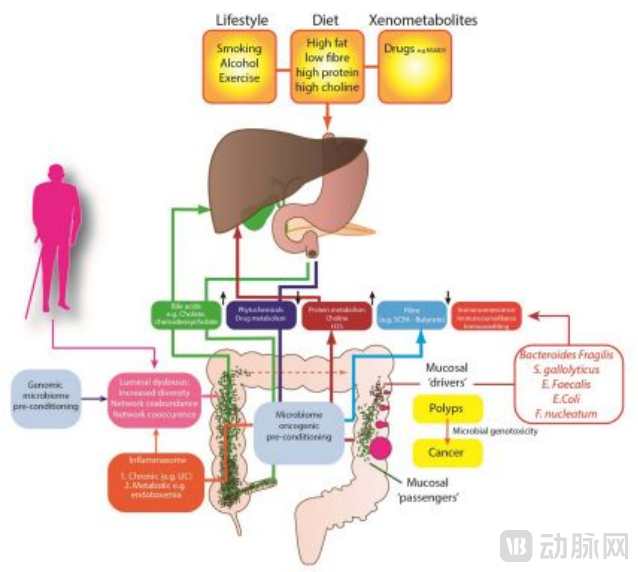
Schematic Diagram of Several Different Microbial Modulation Mechanisms
Gut Microbiome Testing Remains an Emerging Field, with Industry Standards Urgently Needed
Currently, the gut microbiome industry chain is primarily dominated by upstream testing, while downstream microbiome-based therapeutics remain in their early stages.Abroad, there are 36 human microbiome startups in the United States and 10 in Europe. Their business portfolios span microbiome-based therapeutics, microbiome-related technologies (such as databases, data analytics, and oral formulation technologies), probiotic health supplements, and microbiome diagnostics. In China, the development of the gut microbiome industry focuses on gut microbiome testing, disease diagnosis and treatment, health monitoring, as well as the research and development of health supplements and pharmaceuticals.
Molecular detection of the gut microbiome remains an emerging field; even in the U.S. market, there are no mature molecular diagnostic products available, and the domestic market in China is entirely blank. It is reported that existing methods for gut microecology testing primarily rely on bacterial culture, yet the majority of gut bacteria remain unculturable. This poses a significant obstacle to assessing health status and diagnosing diseases through gut microbiota testing.
When it comes to testing, sequencing is undoubtedly the first thing that comes to mind. However, by employing 16S rRNA sequencing or shotgun metagenomics via next-generation sequencing (NGS), we can more rapidly characterize the composition and functional profile of the entire microbiota. Furthermore, distinct microbial signatures observed across different disease states enable the identification of a series of biomarkers.
With advancements in science and technology, detection methods have become increasingly sophisticated. The emergence of the 16S rRNA gene library has ushered in a new era for gut microbiota testing. This method requires only a small fecal sample to determine the distribution of nearly all bacterial communities in the intestine. By comprehensively analyzing the gut environment, it enables assessment of microbial metabolic activity and human immune status, thereby predicting disease risks. This approach achieves faster, more convenient, and more accurate results with richer information content. Furthermore, it provides targeted health intervention recommendations, better supporting health maintenance and facilitating disease treatment.
While expanding their expertise in this technological domain, both parties have not overlooked the critical role of microbial components within the gut microbiome in the study of human diseases. Compared to population genomics research involving direct sequencing of the human genome, this remains a relatively emerging field. Currently, the primary research tools used to characterize gut microbial communities are far from ideal.
For example, according to expert surveys in the field, most studies still use NGS-based sequencing of partial 16S variable regions to investigate the gut microbiome. Some forward-thinking scientists have compared HiFi full-length 16S sequencing with NGS-based partial 16S variable region sequencing and found that the NGS methodology has significant limitations, leading to biased results.
As prices converge with those of NGS, the 16S rRNA gene library method provides easy market entry.Both parties have established goals for collaboration in the field of the Chinese microbiome, aiming to build a full-length 16S database intrinsic to the Chinese gut microbiota. Another area of application is shotgun metagenomics within genomic regions, where various indications suggest that HiFi sequencing holds overwhelming advantages. Collaborations with multiple key opinion leaders (KOLs) in this field have already demonstrated significant promise.
As a simple tool for describing the complex differences in gut microbial communities, the value of dysbiosis index criteria is significant., Furthermore, several dysbiosis indices have been successfully applied to characterize the gut microbiota in patients with various diseases or conditions, and they may hold significant potential for applications in specific disease contexts and therapeutic interventions.
Microbiome Research Opens New Pathways for Drug Development, Tapping into a Vast Blue Ocean Market Worth Hundreds of Billions
In recent years, the gut microbiota has emerged as a prominent area of research. The gut microbiome exerts a fundamental influence on the development and function of the host immune system and directly impacts diseases related to the intestine and other organs. Furthermore, extensive studies have demonstrated that the gut microbiota is closely associated with the onset and progression of various conditions, including cardiovascular, oncological, neurological, and gastrointestinal diseases. By assessing the gut microecology, it is possible to evaluate an individual’s health status, predict disease risks, and provide guidance for therapeutic interventions, thereby enhancing the precision and targeting of personalized treatment.
Given the close association between the microbiome ecosystem and latent human diseases, a rapidly emerging field—microbiome-based novel drug development—has been gaining significant momentum in recent years. The development of gut microbiota therapeutics is ushering drug discovery into a new era. Compared with traditional small-molecule and large-molecule drugs, gut microbiota therapeutics offer a range of distinct advantages:First, gut microbiota-based drugs have a higher safety profile; second, their development cycle is shorter. Furthermore, gut microbiota-based drugs can be applied to a broader range of indications.
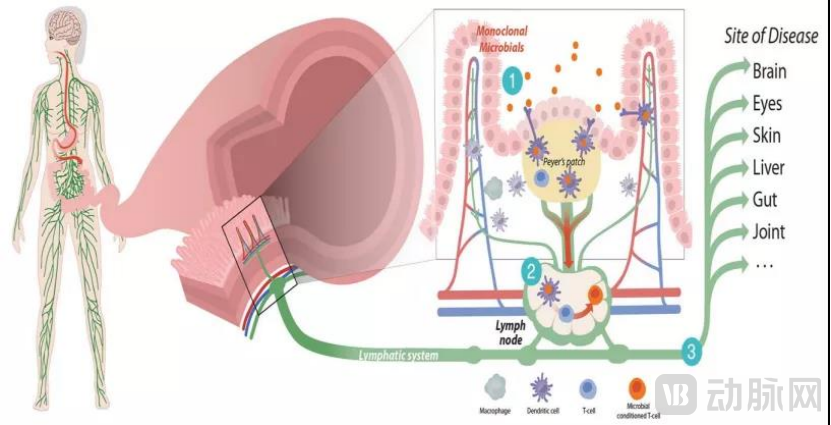
Mechanism of Action of Microbiome-Based Therapeutics. Image source: Evelo Biosciences official website
In the gut microbiota, the number of cells, genes, and druggable targets far exceeds that of the human body. These microorganisms are closely linked to various physiological functions, including immunity, metabolism, and neuromodulation. Furthermore, gut microbes play a key role in regulating the human microecology, offering broad prospects for drug development in this field.
From 2009 to 2018, the number of publications on gut microbiota research grew rapidly, as did the number of registered clinical trials investigating gut microbiota-based therapies. Against this backdrop, many international pharmaceutical companies have actively entered the field of gut microbiome therapeutics, forming partnerships with specialized firms to develop drugs for specific indications.
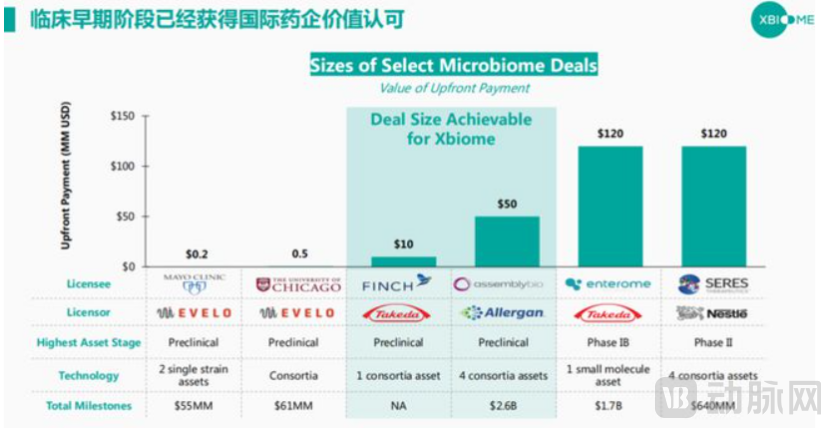
Current Status of Clinical Development in Gut Microbiome Pharmaceuticals (Source: Xbiome)
Gut microbiome therapeutics are primarily categorized into live biotherapeutic products (LBPs), fecal microbiota transplantation (FMT), and small-molecule microbiome modulators, with LBPs serving as the mainstay. Statistical data reveal diverse collaboration models, ranging from detailed partnerships involving single strains, defined consortia, and bacteria-derived small molecules, to broader cooperation in drug development and manufacturing. Technological advancements have further given rise to specific therapeutic modalities.First, fecal microbiota transplantation (FMT) technology,Clinically, whole bacteria are administered to patients for treatment via colonoscopy or oral enteric-coated capsules.Second, formulated bacterial drugs,When the composition of bacterial strains is clearly defined, specific probiotic formulations can be developed.Third, metabolite drugs.Once we have a clear understanding of the mechanisms underlying the interactions between specific bacterial strains and their hosts, we can achieve industrial-scale drug development targeting metabolic pathways.Fourth, genetically engineered bacterial therapeutics,Some pharmaceutical companies engineer existing microbial strains to achieve high-level expression of specific gene functions for application in targeted therapeutic scenarios.
Consequently, the research and development of microbiome-based therapeutics in China is still in its early stages, with significant potential for future growth. In terms of relatively mature clinical treatment modalities, fecal microbiota transplantation (FMT) and gut microbiome preparations have taken the lead in achieving research breakthroughs and are regarded as this year’s landmark medical advances.
By leveraging artificial intelligence and high-throughput screening technologies, the time and cost challenges associated with traditional microbiome drug development can be addressed. These approaches enable developers to identify drug candidates with limited efficacy earlier in the process, thereby reducing uncertainties arising from systemic changes during human application, and revolutionizing the speed of microbiome pharmaceutical development.
Unlike the traditional pharmaceutical R&D pathway of “cells–animal models–humans,” the microbiome-based drug development platform of emerging AI-driven companies is grounded in gut microbiota. By integrating “artificial intelligence + bioinformatics analysis” with gut microbiome technologies, and leveraging data accumulation and AI algorithm enhancement, these platforms continuously improve and evaluate their AI algorithms.By leveraging analytical tools to conduct in-depth analysis of key pathways, as well as gut microbiota sample libraries and sequencing datasets that make major contributions, the efficiency and success rate of new drug development have been significantly enhanced.It is predicted that future drug development models will gradually evolve from small-molecule drugs to large-molecule biologics and gene editing, ultimately advancing toward cell therapies and microbiome-based therapeutics driven by AI-powered bioinformatics analysis.
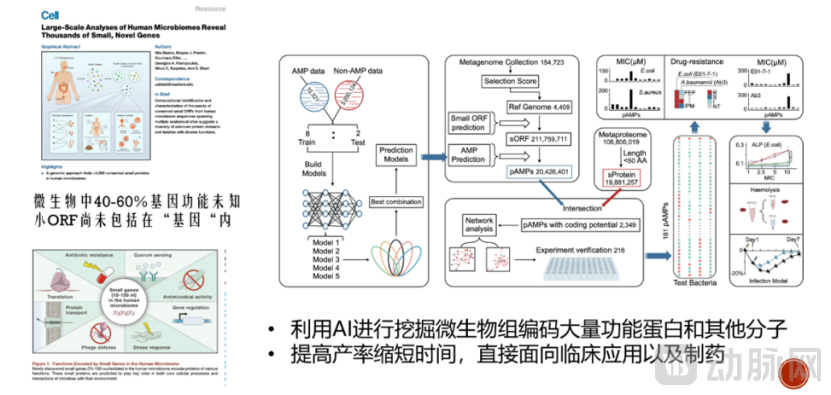 AIExploring Research Directions in Microbiome Molecular Studies (Source: Data- and Methodology-Driven Microbiome Research, Wang Jun)
Research on the gut microbiota has advanced by leaps and bounds since 2006, driven both by the scientific community’s deepening understanding of microbial functions and by strong national strategic support. Substantial investment has yielded prolific output: more than one-third of the literature indexed by The Daily Gut & Brain over the past four years originated from U.S. research institutions (Figure 5). Meanwhile, China (including Hong Kong, Macao, and Taiwan), the United Kingdom, Germany, Canada, France, and other countries and regions have continued to increase their investments. It is estimated that global funding for microbiota-related research over the past decade has exceeded US$1.7 billion.
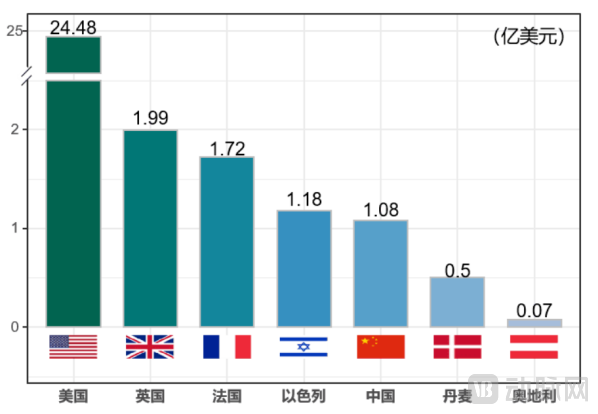
Financing Amounts of Gut Microbiota-Related Companies by Country
Meanwhile, the industrial translation of gut microbiota-related research has been continuously developing. The establishment of companies focused on microbiota and related biotechnologies has sprung up like mushrooms after rain, with increasing capital investment. By 2019, more than $3 billion had been invested globally in innovative companies related to gut microbiota (Figure 6). Similar to the situation in basic research, the United States led the way with over $2.4 billion in investments, while other countries are catching up rapidly.
Among these, the gut microbiota is increasingly being regarded as a novel drug target.Pharmaceutical giants and investors are gearing up and entering the fray. Within just a few years, major biotechnology and life sciences companies have secured substantial investment. For instance, Pfizer co-led Second Genome’s $42.6 million Series B financing, and Bristol-Myers Squibb participated in Vedanta Biosciences’ $45.5 million Series C round. Currently, microbiome-based therapeutics are under development in 17 countries/regions worldwide. Among these, seven countries/regions have five or more drugs in development. The research primarily covers gut, oral, reproductive tract, and skin microbiomes, with the gut microbiome remaining the primary focus.
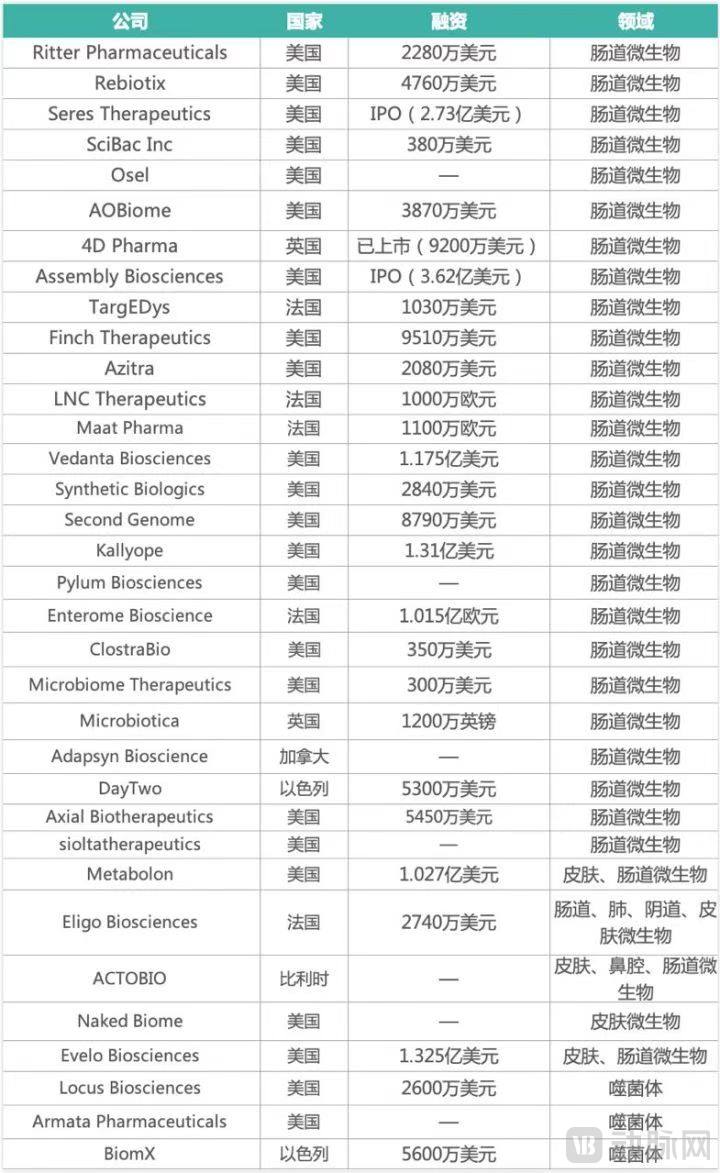
Regional Distribution of Microbiome Pharmaceutical Companies/Funding Status (Source: Zhiji Future Research Institute)
Furthermore, regarding the future direction of the microbiome field and the areas poised for significant breakthroughs within the industry, we have synthesized the opinions of seven industry experts based on Informa Connect’s five-year outlook for microbiome therapeutics:
Jack Gilbert:
Professor,University of California San Diego
Intervening in and regulating transcription and cellular activity through microbially synthesized, human-sensing small-molecule metabolites is key and will yield the greatest medium-term impact.
Of course, the key questions are: What metabolites are involved? Do they act independently or synergistically? And how can we apply them in medicine without relying on probiotics—which may or may not be effective?
Bacteria transport metabolites to the body in a manner significantly different from how we administer the same compounds—what are the implications for efficacy and dose dependency?
Mark Smith:
CEO, FinchTherapeutics
Over the next five years, I believe that whole microbiome transplantation therapy (fecal microbiota transplantation) will continue to dominate the field of microbial therapeutics. Similar to immunoglobulins and other blood products, these treatments are derived from healthy donors and can reset a patient’s entire microbiome with a single intervention.
Today, whole microbiome therapies derived from healthy donors have been widely adopted in clinical practice, with over 45,000 patients with Clostridioides difficile infection having received this treatment.
As our understanding of complex microbial ecosystems deepens, I believe this field will move toward simplification—specifically, the next step will be to narrow down from entire microbial communities to key biomes that can be cultured in pure form.
I believe that both full-spectrum microbiome therapy and curated combination approaches are critical to this field, with full-spectrum microbiome therapy being the most significant clinically and commercially over the next five years.
Martha Carlin:
CEO,The BioCollective
I believe that gut-brain axis therapy is one of the most promising fields.
Although IBS/IBD has led early microbiome investments, we have gained significant insights from these initial ventures. Rapid progress in research on the gut-brain axis suggests promising opportunities in this field.
We have observed that schizophrenia, autism, Parkinson’s disease, multiple sclerosis, amyotrophic lateral sclerosis, and even Alzheimer’s disease are associated with potential pathogens that affect compounds in the gut and brain.
Regina Au:
Principal,New Product Planning Consultant at BioMarketing Insight
As we gain a deeper understanding of the role of the microbiome in human physiology and disease, I believe this field will continue to evolve. Three areas are poised for the most rapid growth: 1) the gut, with sustained research focus and hotspots including irritable bowel syndrome, inflammatory bowel disease, and colorectal cancer; 2) the brain or central nervous system disorders, particularly in light of the gut-brain axis theory; and 3) the immune system.
From a research perspective, once these areas are better understood, the insights will rapidly extend to all other fields, as everything is interconnected.
From a therapeutic perspective, the industry has yet to determine how to achieve symbiosis or restore normal physiological function. Once researchers make this breakthrough, products in the market will experience explosive growth.
Dr Chengwei Luo:
CEO,DeepBiome Therapeutics
Over the past five years, we have accumulated substantial data and monitoring results regarding the relationship between microbes and human health; however, the mechanisms underlying microbe-host interactions remain elusive. These mechanisms may involve small molecules synthesized by microbes or antigens recognized by the host immune system.
I believe that understanding these aspects and deriving therapeutic approaches from these mechanisms holds great promise.
Gitte Pedersen:
CEOand Co-founder Genomic Expression
I am inclined toward this answer because I focus on cancer. It is evident that the microbiota plays a significant role in immunotherapy, particularly in the response to checkpoint inhibitors.
"I believe we will decipher this, enabling the use of probiotics as an adjuvant therapy for immunotherapy, and potentially for other cancer treatments. This is exciting because such therapy is highly effective."
Bharat Dixit:
VP of Bioprocess and Analytical Development,Finch Therapeutics
I believe that advancements in the gut-brain axis and drug metabolism regulation will be of paramount importance, playing a pivotal role in shaping the entire field of microbiomics.
Insights from industry experts reveal that, built upon the foundation of emerging technologies, research into the gut microbiome holds significant promise for elucidating its mechanistic roles in various human diseases and identifying novel potential intervention targets. Leveraging advanced technologies and big data, gut microbiome research is poised to provide deeper insights into the physiological functions underlying diverse disease mechanisms and progressively advance toward clinical application.
In microbiome research, the assessment of “dysbiosis” in the gut microbial community is increasingly regarded as a routine analysis, adding relevant information for the prediction and characterization of diseases and other adverse conditions. However, dysbiosis is not a clearly defined condition: although various dysbiosis indices have been proposed and applied, their underlying methodologies, study populations, and experimental conditions vary considerably.
Given the absence of a comprehensive overview and comparison of all different methods and applications of these indices, as well as the lack of health assessments for gut microbiota dysbiosis specifically tailored to Eastern populations, the proposal of this research protocol represents a key approach to obtaining significant results in this field and holds substantial research significance. Meanwhile, due to GA-map®Mature technical systems for assessing gut microbiota dysbiosis are already in place, providing critical support for strategies and technological solutions aimed at evaluating gut microbiota dysbiosis in Eastern populations.This has significant implications for the selection and application of the dysbiosis index in future related scientific research and clinical studies.
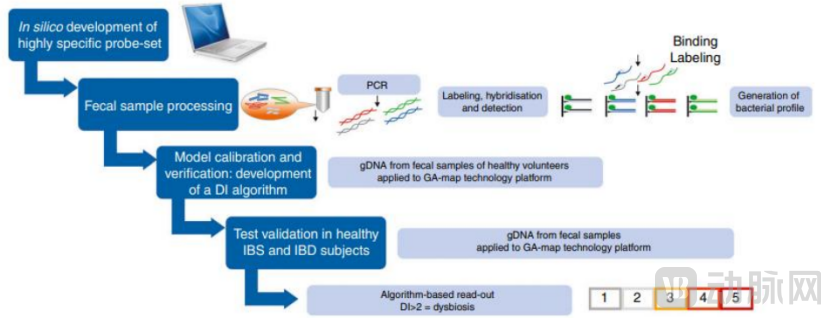
GA-map®Schematic of the Technical Development Process for the Dysbiosis Test
GA-map Developed by GA®This technical analysis platform is one of the few gut microbiota testing technologies worldwide that has achieved industrial-scale application at the current stage.GA is also an innovation pioneer in the field of the human microbiome and the first “diagnostic” member company of the global Microbiome Therapeutics Innovation Group (MTIG). It boasts over a decade of specialized scientific research foundation and technology translation experience in gut microecology research and product development. Its unique GA-map®Platform, based on the Preset Target (PDT) Multiplex Gene Array detection method, can simultaneously analyze the genes of 30–200 types of intestinal bacteria in a single reaction, and is based on GA-map®Software algorithms automatically generate and quickly obtain results. The company's GA-Map®Dysbiosis test can be used to identify and characterize gut microbiota dysbiosis in patients with IBS and IBD.
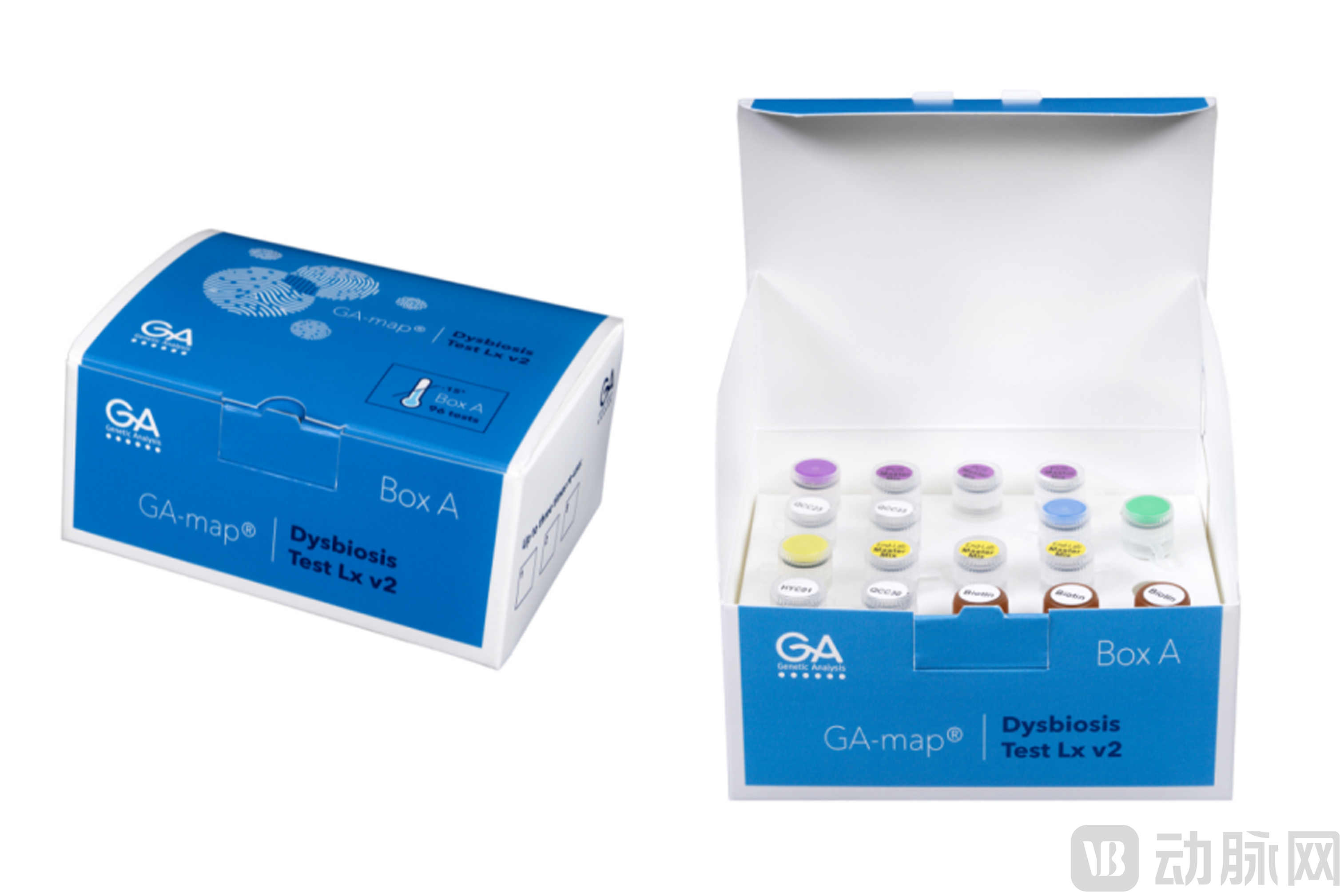
GA's Gut Dysbiosis Detection Reagent

Based on GA-map®Algorithmic Gut Dysbiosis Data Analysis Report
Thalys Medical has entered into a strategic deployment and technology transfer collaboration with GA, aiming to provide precise diagnostics and comprehensive quantitative disease management for potentially associated conditions. This partnership will support localized scientific research and the publication of clinical outcomes, while enhancing R&D efficiency through the discovery of novel drug targets in gut microbiota based on companion diagnostics, thereby achieving an integrated domestic industry chain encompassing gut microbiota diagnostics, R&D, and new drug development. Building on their close cooperation to unlock and establish global standards for gut microbiota testing, both parties will be committed to:
01Conduct microbiological testing with a focus on gut microbiome gene profiling, i.e., throughMultiplex Gene Probe Recognition Technology, detection and diagnosis of gut microbiota characteristics in patients with inflammatory bowel disease (IBD) and irritable bowel syndrome (IBS), as well as nutritional health assessment;
02Gene Database and Disease Biobank Based on Gut Microecology,Establishment of China’s First Dedicated Gut Microbiota Sample Bank;
03Provide precise diagnoses for potential comorbidities and implement comprehensive quantitative disease management;
04Facilitating the publication of localized research and clinical findings;
05Microbiome-Based Companion Diagnostics for Novel Drug Target Discovery to Boost R&D Efficiency,Achieving the Synergistic Development of an Integrated Industry Chain for Gut Microbiota Diagnostics, R&D, and New Drug Development。
Clearly, through this collaboration with GA, Thalys Medical is taking the lead in promoting GAmap in China.®Analytical technologies will greatly meet China’s urgent demand for emerging gut microbiota detection technologies. Leveraging Thalys Medical’s robust sales network covering more than 30 provinces and municipalities, over 2,000 cities, and more than 1,000 hospitals, as well as its stable relationships with over 3,990 domestic suppliers and manufacturers, GAmap®Analytical Technologies Will Greatly Facilitate In-Depth Exploration of the Gut Microbiome in China
While incubating this technology, Thallus Medical Laboratory will also fully leverage its parent company, Thallus Medical’s, systematic in-house R&D platforms across multiple sub-sectors of in vitro diagnostics. It aims to establish a medical laboratory with routine testing as the core, featuring specialized capabilities in cancer molecular diagnostics, immunology, cytology, hypertension, autoimmune diseases, and gut microbiome genomic profiling. Furthermore, it will deepen collaborative partnerships with renowned domestic and international research institutions, including the Wuhan Institute of Virology of the Chinese Academy of Sciences, the Department of Genetics at Stanford University, the Laboratory of Systems Pharmacology at Harvard University, the University of Vienna in Austria, and the University of Oslo in Norway.

Wang Zheng, Director and Group President of Thaly Medical, stated, “We are delighted to establish a deep collaboration with GA. Leveraging the LDT model and the unique R&D, translational, and testing capabilities of Thaly (Shanghai) Medical Laboratory Co., Ltd. (hereinafter referred to as ‘Thaly MedLab’), we aim to explore and seize new opportunities in molecular gut microbiome diagnostic testing in China. Established in Baoshan, Shanghai, in 2021, Thaly MedLab will enable Thaly Medical to become the first listed company in China to launch this innovative PDT technology through its subsidiary independent medical laboratory.”
“The rapidly expanding microbiome industry, along with the growing understanding of the links between the gut microbiome and various diseases and their clinical significance, has revealed other exciting opportunities with substantial potential. Gut microbiome genetic testing can play a pivotal role in drug development and clinical trials by identifying treatment responders and monitoring therapeutic efficacy. As microbiome companies strive to establish evidence-based therapies, we look forward to contributing our share to relevant research,” said Mr. Wang Zheng, Director and Group President of Thalys Medical.
“China’s gut microbiome market represents a new, untapped segment within the molecular diagnostics market, offering substantial growth potential and sustained expansion. GA has also partnered with global innovators in the diagnostics industry, such as Luminex Corporation (a wholly owned subsidiary of DiaSorin, headquartered in Italy), laying a solid foundation for our collaboration on gut gene analysis testing. Our partnership is part of a global strategic layout focused on developing an innovative portfolio of products in diagnostics and biotechnology—two fields that will provide significant commercial opportunities and robust application scenarios for disease research, diagnosis, and treatment.”

Ronnie Hessemann, CEO of GA, stated, “We are delighted to establish a deep strategic partnership with Thalys Medical. Thalys Medical has a global footprint in medical research and diagnostics, and its supply chain expertise and customer distribution channels are vital to maintaining our competitive edge in China’s vast and rapidly growing market. A key objective for GA is to prepare for global expansion, with China being a critical market. This partnership aligns perfectly with the goals articulated in GA’s IPO and represents one of the significant milestones in the company’s development.”

Thalys Medical is a company with a long history and extensive experience in the comprehensive operation and services of clinical laboratories within medical institutions. The company was listed on the Main Board of the Shanghai Stock Exchange (SSE) in 2016 (Stock Code: 603716.SH).
Leveraging its expertise, scale advantages, and leading technologies in product distribution, solutions, and services, Thallus Medical is committed to becoming the most innovative and trusted partner within China’s healthcare system. Thallus Medical focuses on the matters of greatest concern to patients, physicians, and partners. Its nationwide IVD distribution and service network covers more than 30 provinces (municipalities) and over 2,000 cities, providing products and services to more than 1,000 hospitals and over 300 hospital clinical laboratories, while maintaining stable strategic partnerships with more than 3,990 domestic suppliers and manufacturers. Headquartered in Wuhan and Shanghai, Thallus Medical had more than 50 sales and service subsidiaries and over 1,500 employees as of the end of 2021. By investing in several pioneering and innovative startup diagnostic companies in the fields of single-cell analysis and mRNA transcriptomics, Thallus Medical is also dedicated to deepening its strategic layout in the realms of innovative life sciences and diagnostic technologies.

Genetic Analysis (GA) is a Norwegian high-tech diagnostics company with an international leading position in the field of microbiome diagnostics. With over ten years of industry experience in human microbiome research and product development, the company is dedicated to utilizing its GA-map® platform to analyze human fecal samples, thereby characterizing gut microbiota dysbiosis in subjects. The company’s GA-map®DysbiosisTest is designed to identify and characterize dysbiosis in patients with irritable bowel syndrome (IBS) and inflammatory bowel disease (IBD). GA’s vision is to become the global leader in standardized gut microbiome testing, dedicated to unlocking and restoring the human microbiome through its cutting-edge technology.

Saili Medical Laboratory is an independent medical testing service company under the Saili Medical Group. Committed to providing clients with “comprehensive solutions for medical diagnostic services,” Saili Medical Laboratory actively promotes the expansion of its third-party independent medical diagnosis platform into multiple service areas. It currently operates a range of testing platforms, including mass spectrometry, high-throughput sequencing, biochemical and immunological techniques, microbial identification, and molecular diagnostics. Notably, in addition to routine testing items, Saili Medical Laboratory offers full-lifecycle health management services based on gut microbiome genetic profiling for chronic disease management, endocrine and metabolic diagnostics, tumor marker screening, precise CTC-based tumor diagnosis, and oncology pharmacogenomic testing. It also provides microbial culture and identification (including bacteria and fungi), antimicrobial susceptibility testing for conditions such as sepsis, blood culture identification, and comprehensive molecular biology and immunology testing.
References:
1.Microbiota: a key orchestrator of cancer therapy,Nat Rev Cancer,2017
2.Modulating the microbiome to improve therapeutic response in cancer,the LANCET ONCOLOGY,2019
3.Anticancer effects of the microbiome and its products,Nat Rev Microbiol,2017
4.Role of the Gut Microbiome in the Pathogenesis of Obesity and Obesity-Related Metabolic Dysfunction,Gastroenterology,2017
5.Role of gut microbiota in atherosclerosis,Nat Rev Cardiol,2017
6.The gut microbiome, diet, and links to cardiometabolic and chronic disorders,Nat Rev Cardiol,2015
7.Dysbiosis and the immune system,Nat Rev Immunol,2017
8.The microbiome and innate immunity,Nature,2016
9.From Hype to Hope: The Gut Microbiota in Enteric Infectious Disease,Cell,2015
10.Diagnostic and Prognostic Microbial Biomarkers in Inflammatory Bowel Disease,Gastroenterology,2015
11.7 predictions for how microbiome therapeutics will look in 5 years,Andrew Burrows, 2019