

Precision-Formulated Herbal Therapy for Hypertension Developed via High-Throughput Genomic Screening: A Multidisciplinary Approach
“Some cases of hypertension present with no obvious symptoms, but if left untreated for a prolonged period, they may lead to myocardial infarction, cerebral infarction, and multi-organ damage, which can even be life-threatening in severe cases,” stated a renowned cardiologist.
Hypertension has increasingly become an “invisible killer” threatening the health of residents in China and around the world.
The World Health Organization (WHO) pointed out in the "2020 World Health Statistics Report" that there were over 1 billion people with hypertension globally in 2020, and approximately 17.9 million deaths were caused by cardiovascular and cerebrovascular diseases. The situation among patients in China is even more severe. According to statistics from the "Report on Nutrition and Chronic Disease Status of Chinese Residents (2020)," there are 245 million hypertensive patients in China, with 435 million in the pre-hypertension stage. Among individuals aged 35-49, 26.2% suffer from hypertension. Additionally, there are 290 million patients with cardiovascular and cerebrovascular diseases, and approximately 4 million people die from cardiovascular diseases each year.
Controlling hypertension has become "common knowledge." However, current antihypertensive medications all carry some degree of side effects; for instance, angiotensin II receptor blockers (ARBs) can cause musculoskeletal pain and back pain, beta-blockers may lead to bradycardia and a slowed heart rate, and thiazide diuretics can result in hypokalemia, hyperuricemia, and other adverse effects.
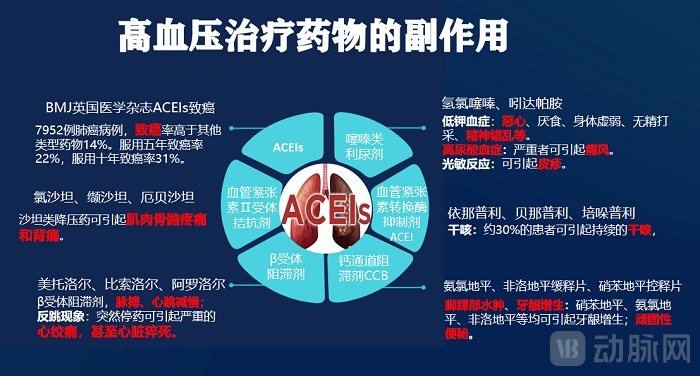 Photo provided by the interviewee
Is there a novel approach capable of addressing the limitations of current antihypertensive medications? A multidisciplinary R&D team comprising doctoral experts from Army Medical University, Chongqing University of Technology, and other institutions is conducting new explorations and trials.
Technical Principle: High-Throughput Precision Drug Screening Based on the Pathogenesis of Hypertension
When discussing the “technical principles” of the project, Dr. Wu—who studied under a Nobel Prize committee member and a pioneer in human genomics and precision medicine, and who is engaged in genomics and high-throughput drug research—began his presentation by elaborating on the pathogenesis of hypertension and its complications.
Due to factors such as diet, lifestyle habits, environmental influences, and chemical damage, the human body (particularly the blood vessels) remains in a state of chronic inflammation over prolonged periods. This gradually leads to damage and aging of vascular endothelial cells, thereby contributing to the development of hypertension. From this perspective, hypertension is not so much a disease as it is a marker of vascular dysfunction. Currently, most pharmacological interventions merely address the symptoms rather than the root cause, failing to effectively resolve the underlying issue.
He mentioned that the general process of the pathogenesis of diseases caused by hypertension is as follows—
Elevated blood pressure impacts blood vessels, causing abnormal vascular deformation. Under the long-term effects of hypertension, damage to the tunica intima leads to the formation of inflammatory plaques, which stimulate fibrous hyperplasia of the intima and thickening of the vessel wall. Continuous hyperplasia results in luminal narrowing and thrombus formation. The thrombus gradually enlarges, ultimately causing vascular occlusion.
According to Dr. Wu, the key to addressing hypertension lies in “repairing and activating vascular endothelial cell regeneration.”
Based on the pathogenesis of hypertension, they conducted research to develop an ethnic drug screening system for traditional Chinese medicinal materials using high-throughput genomic screening technology. To further validate the efficacy of these drugs, they also carried out studies on metabolic activation and anti-inflammatory effects, aiming to identify optimized formulations of traditional Chinese medicinal materials capable of “repairing and activating the regeneration of vascular endothelial cells.”
Dr. Wu pointed out that integrating high-throughput genomic technologies with drug screening techniques to screen traditional Chinese medicinal materials can achieve precise formulation of Traditional Chinese Medicine (TCM), reduce toxic side effects, and enhance clinical efficacy. In cases where the pathogenesis of a disease is clearly understood, targeting multiple key molecules involved in the disease mechanism allows for the identification of natural plant-based precise formulations with high content and high efficacy from tens of thousands of plant species. This approach can more precisely activate the metabolism and self-repair capabilities of cardiovascular endothelial cells.
So, what are the key challenges in project development?
The challenge lies not in the adoption of high-throughput genomic technologies or the procurement of instruments and consumables, but in the design of the system’s top-level architecture. “Drug screening based on precision medicine and big data processing make it possible to achieve precise screening and maximize therapeutic efficacy configuration, which requires decades of immersion in the professional field along with core top-level thinking and architectural expertise,” Dr. Wu told us.
Product development began in 2009, with partial clinical validation.
Currently, the founding team of this startup, led by Dr. Wu, comprises a multidisciplinary team of experts from prestigious institutions, including the Department of Pharmacy at the School of Pharmacy and Bioengineering, Chongqing University of Technology; Albany Medical College in the United States; and the Army Medical University.
Regarding the technical advantages of the project, Dr. Wu analyzed and highlighted three key points:
First, it is innovative. “We are essentially the only team globally that has precisely integrated all traditional Chinese medicinal plants into a drug screening platform. Currently, there are no similar teams either domestically or internationally,” mentioned Dr. Wu. He noted that related research progress began in 2009, when he was conducting anti-aging studies. Subsequently, he systematically applied high-throughput genomic screening technology to research in the field of hypertension, helping to improve patients’ circulatory systems and thereby enhancing their bodily functions, with adjunctive medications assisting patients in managing hypertension.
Second, it has accumulated profound expertise in the extraction of traditional Chinese medicinal (TCM) materials. It has established an extraction library comprising approximately 12,000 types of Chinese herbal medicines, 120 substances classified as both food and medicine, 50 types of mineral and shell-based materials, 160 animal-derived substances, and 200 varieties of Ganoderma lucidum.
Third, we have a unique pharmaceutical system design, such as drug screening for hypertension. “In the past, traditional Chinese medicine enterprises focused more on extraction technologies for single ingredients and used these isolated compounds in drug manufacturing. Our distinction lies in precise, quantitative phytomedicine. For instance, in formulating medications, if we identify three plants that are effective for hypertensive patients, with efficacy scores of 3, 5, and 9 respectively, we will enhance therapeutic effects through precise quantitative superposition, achieving results far superior to those of any single ingredient.”
He introduced that natural botanical combination formulations, developed from traditional Chinese medicinal materials screened using high-throughput genomic technologies, have already demonstrated significant clinical efficacy. For instance, they can rapidly and sustainably lower blood pressure; effectively clear inflammatory responses in the cardiovascular system and mitigate complications associated with hypertension; and offer unique therapeutic benefits for cerebral infarction caused by hypertension. Dr. Wu also pointed out that, as some patents are still under application, the relevant data cannot yet be disclosed. However, given the low toxicity and minimal side effects of traditional Chinese medicine, these formulations have been trialed by over one hundred patients through a “medicine-food homology” approach, with beneficial outcomes reported.
The team has currently developed a product for hypertension based on prior research and is undergoing certification and approval as a health food. Other products targeting conditions such as diabetes and functional insomnia have also been fully developed and will be further launched into the market in the future.
The decision to enter the market via health supplements rather than pharmaceuticals is primarily due to the low toxicity and side effects associated with traditional Chinese medicine (TCM) formulations. Additionally, the R&D costs for health supplements are lower. Developing products as pharmaceuticals would entail substantial expenses and prolonged timelines, thereby driving up product development costs and increasing investment risks. According to Zhou Xin, the company’s general manager, the company does not rule out the possibility of developing it into an antihypertensive drug in the future.
Regarding the current decision, Dr. Wu also pointed out that, on one hand, the vast number of hypertension patients means a rapid product launch can meet the most urgent needs. On the other hand, developing it into a pharmaceutical drug remains the company’s ultimate goal, while the revenue generated from initial health food products can help fund later-stage R&D for new drugs. This strategic layout, combining short-term and long-term objectives, can reduce the company’s investment risks.
Seeking RMB 5 million in financing to register a company and achieve rapid expansion
General Manager Zhou Xin stated that the company plans to continue leveraging its current research in the health supplement sector to develop three products targeting hypertension, diabetes, and insomnia. The project is currently seeking RMB 5 million in financing in exchange for a 10% equity stake. Approximately RMB 3 million will be allocated to securing health supplement approvals for claims related to auxiliary blood pressure reduction, auxiliary blood glucose reduction, and sleep support, a process expected to take 3–5 years. The remaining RMB 2 million is earmarked for expanding distribution channels and supplementing working capital.
Regarding the proposed company, Zhou Xin stated that its operations may not be geographically constrained at this stage, allowing for greater flexibility and agility within the team. In his vision, the company will adopt an asset-light operational model, with the internal team handling activities such as R&D and raw material procurement, while specific manufacturing processes will be outsourced to third-party contractors possessing the necessary production qualifications.
Regarding the company’s development plan, Zhou Xin pointed out that the company aims to obtain certification for health food qualifications within three years. Subsequently, it will promote the functional benefits of its health food products and expand its product portfolio into broader markets, striving to become a high-potential enterprise in the field of traditional Chinese medicine (TCM) health supplements.