

Five Young Founders Share Insights on Bridging the Gap from Scientist to Entrepreneur
Recently, at the “Welcoming Spring Scientist Forum” hosted by the Global Health Industry Innovation Center and jointly guided by the Beijing Municipal Science & Technology Commission, the Administrative Committee of Zhongguancun Science Park, and the Beijing Tsinghua Industrial Development Institute,Wang Yingqi, CEO of TopView Medical; Cai Bin, CEO of Weici Technology; Xia Chaoran, CEO of Huashi Nuowei; Kong Lingjie, CEO of Fubo Medical; Liang Jianlin, CEO of Huawei HengyuanFive individuals, together with Wu Yong, Managing Partner of Beijing Shuimu Guoding Investment Management Co., Ltd., discussed how to“Realizing the Cross-Disciplinary Transformation from Scientist to Entrepreneur”Engaged in intense discussions.
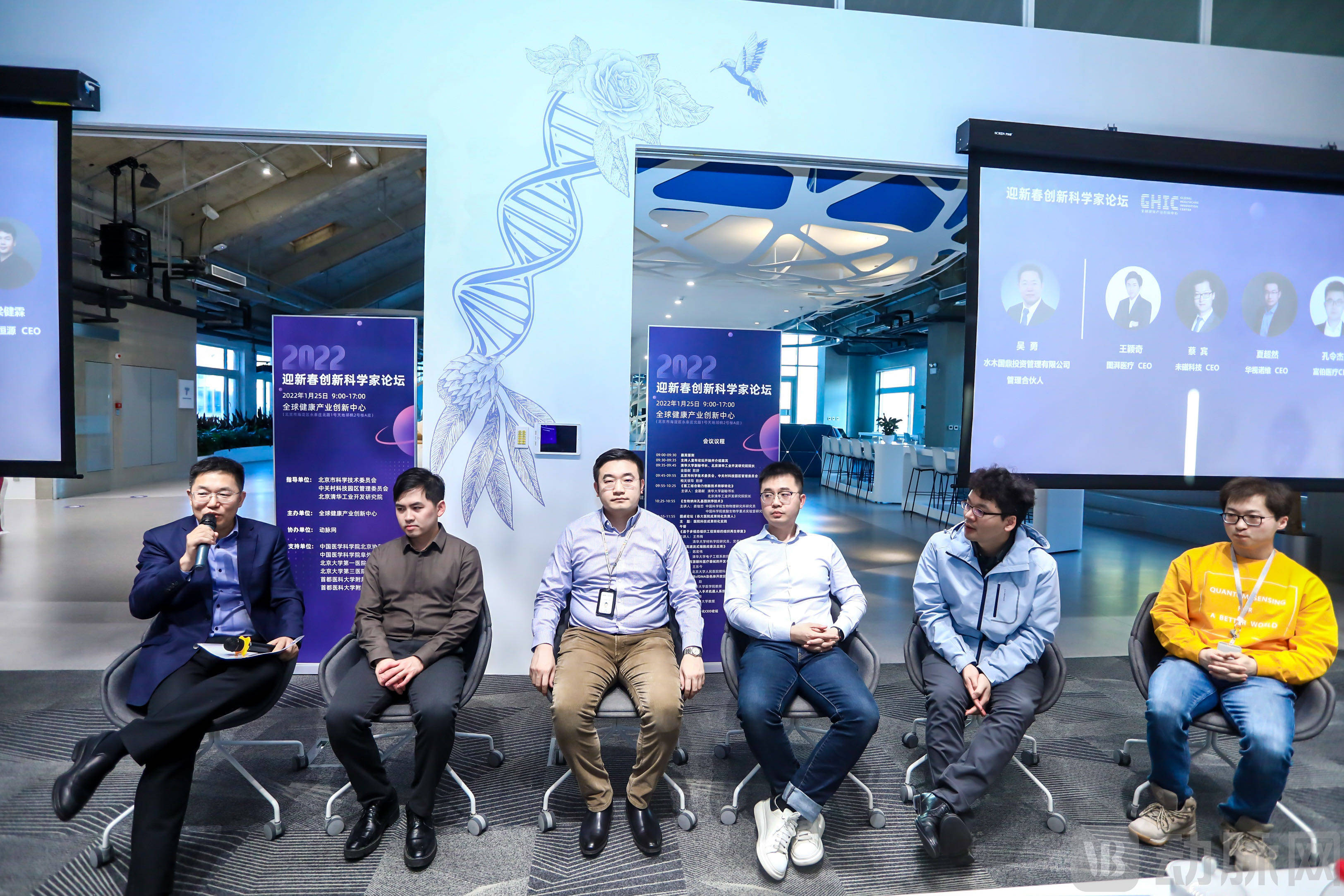
Below is the transcript of the forum, edited for readability.VCBeat Orange BureauEditorial changes were made to the text without altering its original meaning:
Five Young CEOs and Five Startups
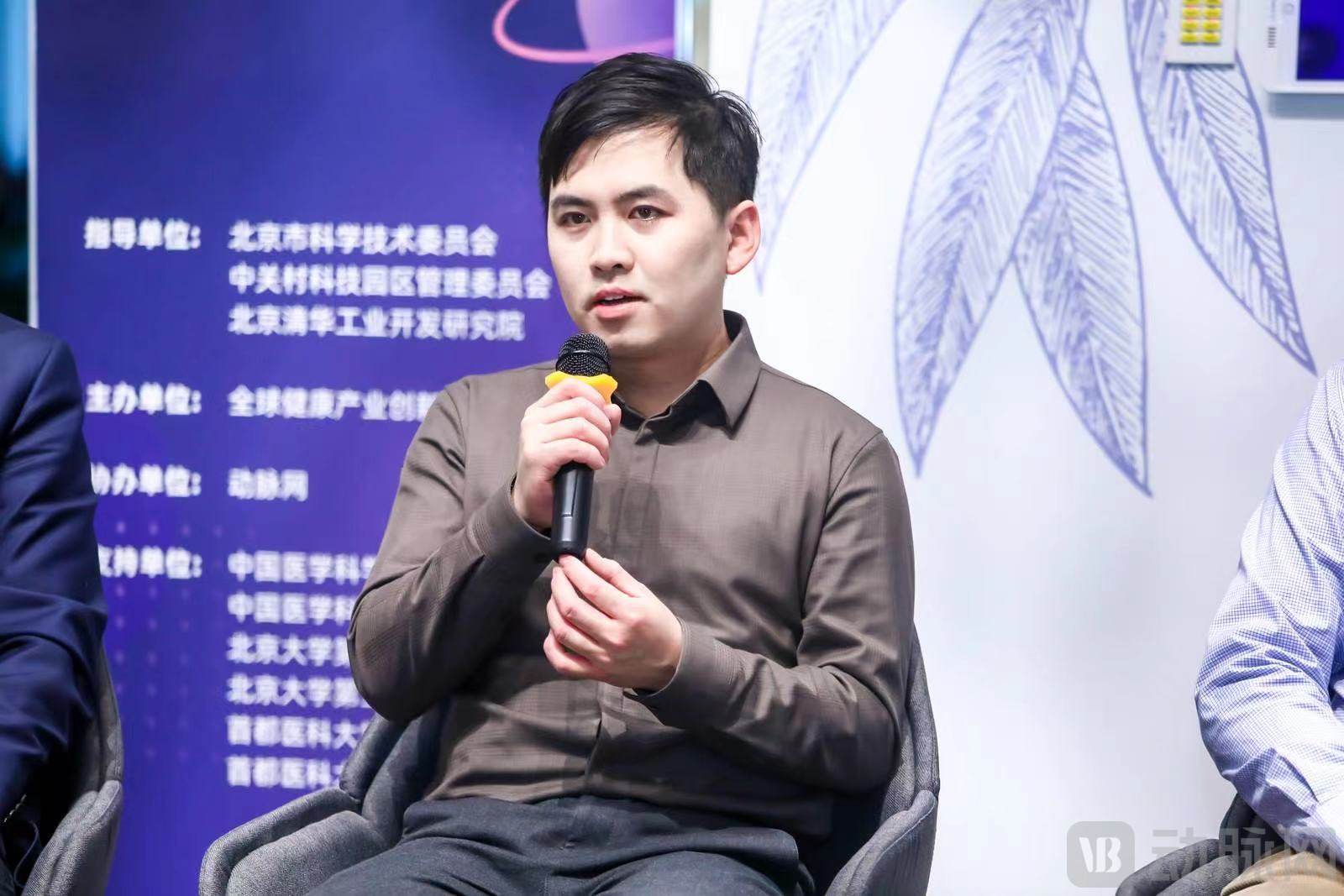 Wang Yingqi, CEO of Topray Medical
Wang Yingqi, CEO of TopEye Medical:Topview Medical primarily specializes in high-end ophthalmic equipment and instruments. This year marks the fifth anniversary of Topview’s founding. Our team has grown to 150 members, and we achieved RMB 20 million in sales revenue last year. Our flagship product currently on the market is an ophthalmic Optical Coherence Tomography (OCT) system. Products under development and slated for imminent launch include ophthalmic biometers, ophthalmic surgical microscopes, femtosecond laser surgery systems, and combined phacoemulsification and vitrectomy machines.
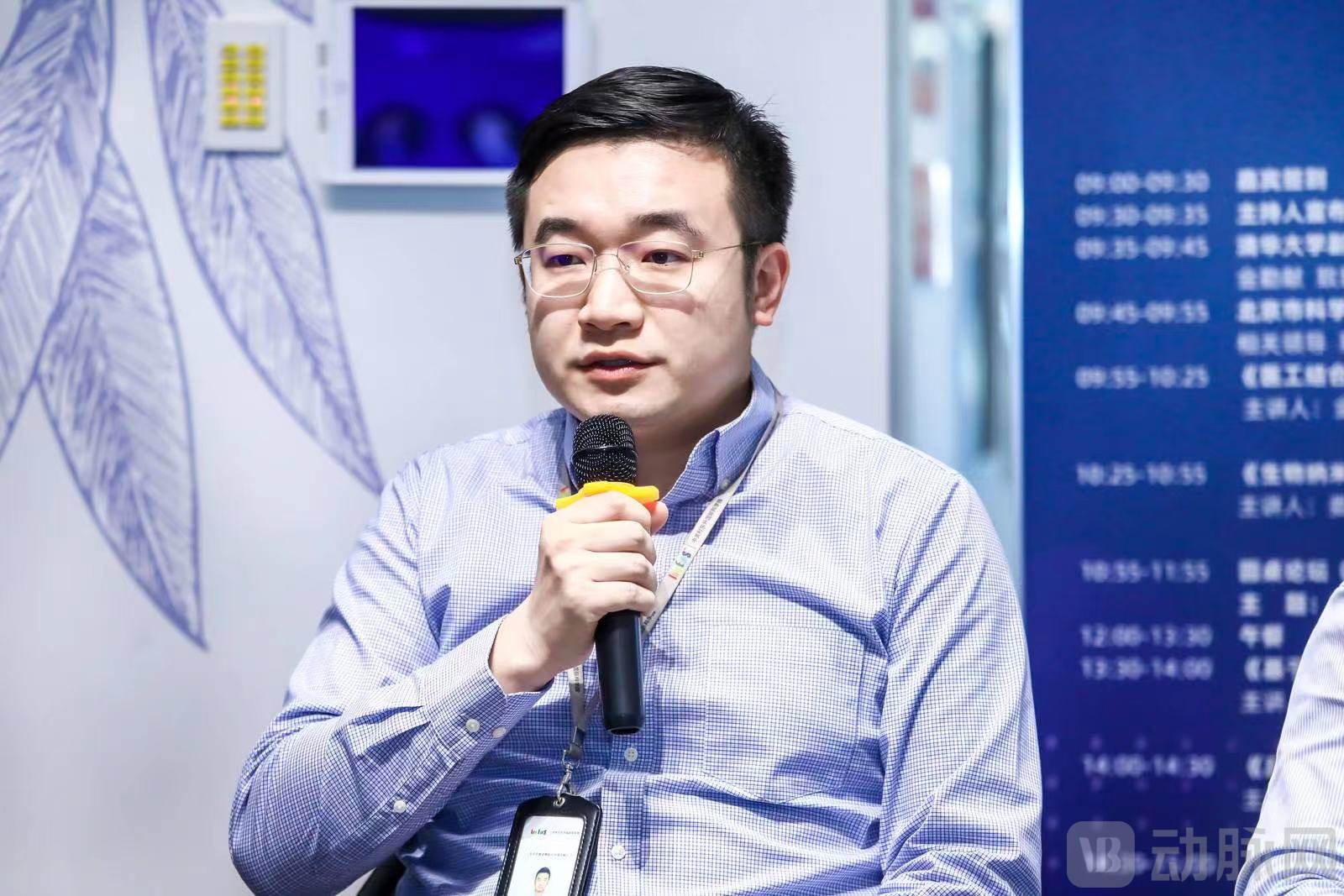 Xia Chaoran, CEO of Huashinuowei
Xia Chaoran, CEO of Huashi Nuowei:Huashinuowei specializes in products for precision diagnosis and treatment in ophthalmology, primarily including high-value consumables, in vitro diagnostic reagents, and corresponding active medical devices. This year, we expect two of our innovative medical device products to obtain medical device registration certificates.
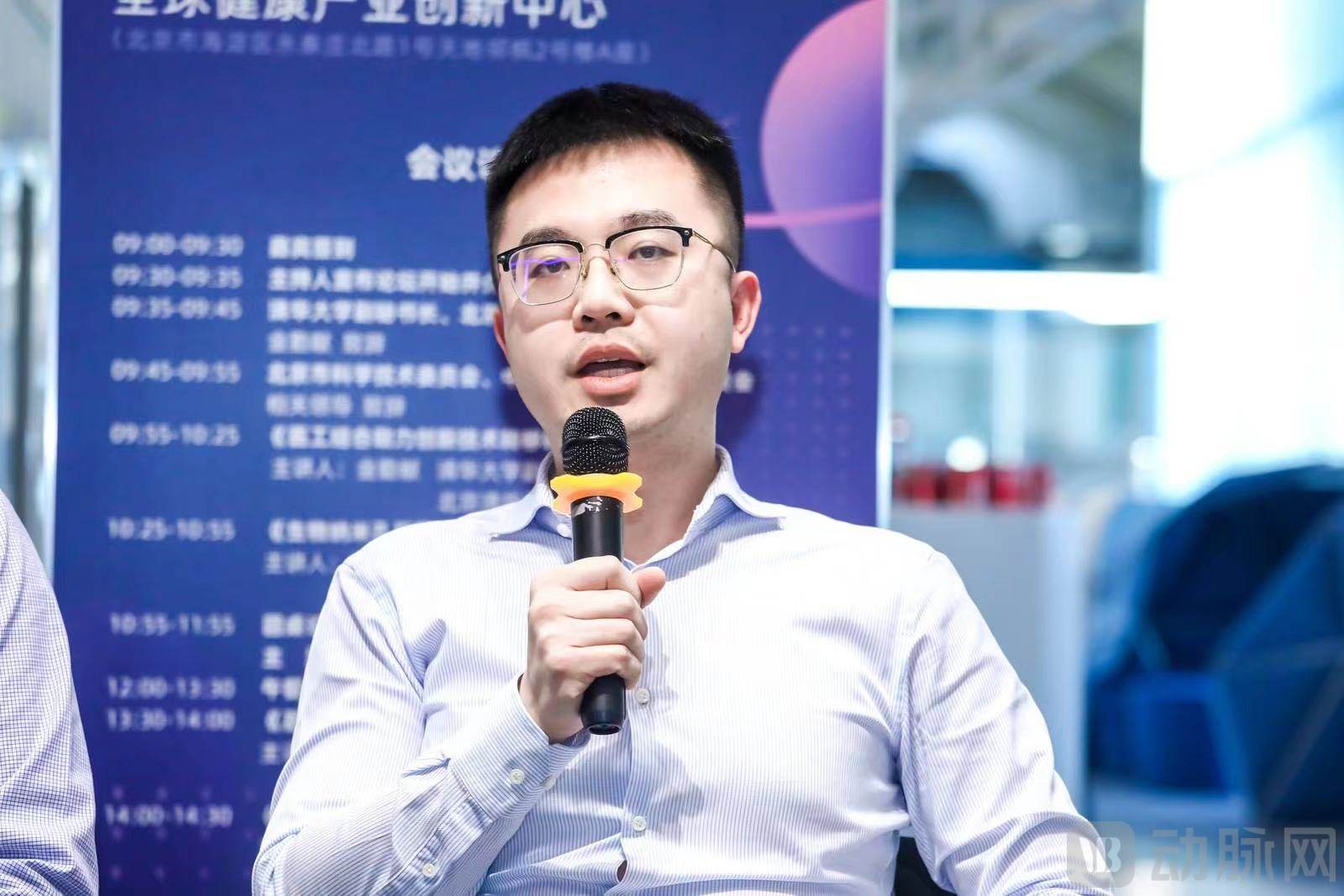 Kong Lingjie, CEO of Fubo Medical
Kong Lingjie, CEO of Fubo Medical:Fubo Medical primarily leverages exoskeleton technology to provide limb function rehabilitation for patients. Its flagship product is an exoskeleton rehabilitation robot for the hand, which obtained China’s Class II medical device registration certificate in 2021 and has already entered mass production in Suzhou. This product has also received U.S. FDA clearance. Currently, we are developing additional products focused on the hand, with two to three new models expected this year. Products targeting the hand as well as other limb segments will be launched sequentially.

Liang Jianlin, CEO of Huawei Hengyuan
Liang Jianlin, CEO of Huawei Hengyuan:In a nutshell, Huawei Hengyuan aims to leverage immune privilege technology to address immune rejection in cell transplantation and male infertility in assisted reproduction. We currently have three well-defined pipelines targeting rheumatoid arthritis, type 1 diabetes, and male azoospermia, all of which are advancing through the dual-track regulatory pathway under the National Health Commission and the National Medical Products Administration and are currently in the preclinical research stage.
 Cai Bin, CEO of Weici Technology
Cai Bin, CEO of Weici Technology:Weici Technology centers on quantum magnetic field sensing as its core technology and is currently expanding its application scenarios across various industries. One of the most significant areas, where we are taking a leading position, is the high-end medical device sector, primarily focusing on magnetocardiography (MCG) and magnetoencephalography (MEG) systems for the detection of cardiovascular diseases and brain disorders.
We are indeed operating in a highly cutting-edge field. What sets us apart is that our technology is the only one of its kind in China and one of only two globally, leaving us with just one foreign benchmark for reference. The company has been established for less than two years, and our current funding round values the company at approximately RMB 1.2 billion.
How Can Young CEOs Spark “Chemistry” with Scientists?
Liang Jianlin, CEO of Huawei Hengyuan:Our company’s Chief Scientist is Professor Ji Jiakui from the School of Medicine at Tsinghua University. Before founding the company, Professor Ji was my academic advisor, and we maintained a teacher-student relationship. This dynamic continues to this day, now augmented by a collegial relationship as coworkers. Throughout this transition, my identity has evolved from that of a student to an entrepreneur, a journey marked by profound reflection and mutual adaptation.
Initially, my career choice was not to become an entrepreneur but to pursue a path in politics. However, coinciding with my graduation, the technical patents were granted and required commercialization. I recall Professor Ji telling me, “As the inventor of this technology, if you can translate it into a product and ultimately apply it to patients, the sense of fulfillment will be unique. It is akin to giving birth to and raising your own child; the resulting satisfaction and experience are incomparable.”
This statement deeply resonated with me at the time. Like a tiny ant, it gradually occupied my entire career trajectory, leading me to forgo the selected graduate civil service track in favor of entrepreneurship. The initial startup phase was undoubtedly arduous, as both Professor Ji and I came from technical backgrounds and held rather vague notions about various aspects of company management.
I remember one experience vividly: at that time, the two of us rode bicycles to Tsinghua Science Park in search of office space. Our growth has been gradual, built step by step through steady accumulation. Throughout this process, we have received substantial support from various quarters, including universities and research institutions.
Kong Lingjie, CEO of Fubo Medical:Our company actually has two scientists. The first scientist, who is also my partner, is Dr. Huang from the Taiwan region of China. We met in 2019 at a medical device innovation event held right here at GHIC. At that time, I was working for a multinational corporation, having just returned from the United States to join a Chinese company, while Dr. Huang participated in the event as an entrepreneur.
It was quite a coincidence for the two of us, as if fate had destined us to collaborate on something. During this event, we were assigned to the same group and completed a research project within a single day. I still remember the topic clearly: it focused on single-port laparoscopy. Although neither of us specialized in this field, we managed to accomplish this task together with other group members over the course of that day.
It was precisely through this collaboration that Dr. Huang and I discovered our shared commitment to innovation in medical devices. Beginning in 2019, we actively explored opportunities together. In 2020, when the pandemic struck, we had just secured investment from Shuimu Ventures. Determined not to let the pandemic halt Fubo’s development, I accepted Dr. Huang’s invitation, left my position at the multinational corporation where I was then employed, and joined Fubo, thereby embarking on my entrepreneurial journey.
In fact, I also came from a technical background. After joining the company, I learned while executing tasks. It was not until 2021 that we gained new strength with the addition of Professor Shao Zhufeng from the Department of Mechanical Engineering at Tsinghua University. Starting this year, he has joined us as our Chief Scientist to conduct further exploration in the field of exoskeletons.
Xia Chaoran, CEO of Huashinowei:As we are engaged in medical innovation in the field of ophthalmology, our two core medical advisors are Dr. Chen Youxin, Director of the Department of Ophthalmology at Peking Union Medical College Hospital, and Professor Zhao Chan from Peking Union Medical College Hospital.
I first met these two professors in 2014. At that time, I was working on technology transfer at Tsinghua University, and I myself hold a Ph.D. in Engineering from Tsinghua. Initially, our exploration focused on certain clinical needs in ophthalmology. The starting point was quite simple: there was a need for updated diagnostic approaches in ophthalmology. Previously, diagnosis and treatment relied largely on imaging techniques. However, for some complex diseases and during the stratification of specific disease courses, laboratory testing methods are actually required. Clinically, however, there has been a lack of specialized devices capable of effectively performing sample collection and acquisition.
Therefore, these professors had many excellent ideas from a clinical perspective, but they lacked concrete technical solutions to implement them through engineering approaches. They approached me, and by integrating engineering with medicine, we continuously expanded our product line, ultimately establishing our company.
Building on this foundation, and guided by market demand and our projections for future commercialization, we have gradually expanded from diagnostics into therapeutics. This year, we are poised to launch high-value medical devices and drug delivery systems targeting ophthalmic conditions such as glaucoma. Rooted in the integration of medicine and engineering, and continuously incorporating clinical feedback, this strategy represents a step-by-step exploration of pathways toward corporate development and commercialization.
TopEye Medical CEO Wang Yingqi:Our Chief Scientist is Professor Huo Li from the Department of Electronic Engineering at Tsinghua University. I myself completed both my bachelor’s and master’s degrees in the Department of Biomedical Engineering at Tsinghua University. During my master’s studies, I made an initial foray into entrepreneurship by collaborating with my then-supervisor on a small-scale medical imaging project. This endeavor served as a valuable learning experience, but it was ultimately discontinued due to various factors.
Later, I joined PINS Medical, an outstanding enterprise affiliated with the Tsinghua University network. From November 2015 to the end of 2016, I spent over a year at PINS engaging in systematic training, learning how to manage and operate a company and how to advance new projects.
After leaving PINS Medical, I sought out more forward-looking and challenging innovative technologies for commercialization. In late 2016, I met Professor Huo Li from the Department of Electronic Engineering at Tsinghua University through the university’s X-Lab entrepreneurship exchange platform.
In fact, during TopEye’s five-year development journey, Professor Huo and I have had clearly defined roles. As TopEye is a company driven strongly by technology, our most fundamental engine for growth has always been the technology itself. However, beyond technological innovation, ensuring standardized operations and management, and making the right strategic choices at different stages of the company’s evolution, are responsibilities that fall to the CEO.
Over the past few years, the most important division of labor between Professor Huo and me has been that Professor Huo is responsible for forward-looking technologies and oversight of foundational technical directions, while I am responsible for identifying or assembling a team capable of transforming technologies into products, obtaining regulatory approvals for these products, and effectively promoting and selling them in the market. In essence, my core responsibilities lie in team building and company operations. Therefore, I believe that there should be both clear division of labor and close collaboration between the Chief Scientist and the CEO to jointly drive the development of the enterprise.
Achievements and Challenges in Entrepreneurship?
Wang Yingqi, CEO of Topcare Medical:During the five years since founding Tupai, the greatest joys and challenges I have encountered have all been people-related.
Let’s start with the most gratifying aspect: since individual capacity is inherently limited, building a truly successful enterprise requires recruiting numerous talented individuals to join the team and collectively drive the company forward. This process is akin to assembling a jigsaw puzzle—a metaphor I often use. The Chief Scientist oversees key technologies, the Technical Director manages the technical implementation of products, while the heads of Regulatory Affairs, Clinical Development, and Marketing and Sales each operate within their own specialized domains, focusing on their respective areas of expertise.
"As CEO, I see our work as essentially building the enterprise itself—the company is, in effect, the CEO’s own product. Over the past few years, what has brought me the greatest joy has been recruiting top talent one by one through persistent persuasion and thoughtful engagement. Each new hire fills me with immense excitement and satisfaction."
Of course, the most challenging aspect remains the same. When we encounter many outstanding professionals in the industry but, after discussions, they are unable to join our company for various reasons, I reflect on where our efforts may have fallen short. I examine whether we failed to adequately match their needs or whether we did not properly plan out their future career development paths within the company. Therefore, I find that both my greatest satisfaction and my most significant challenges lie in team building and talent acquisition.
Xia Chaoran, CEO of Huashinuowei:I would like to share two points with you. The first is a personal insight from my work: as the primary executive of a company, the three most critical responsibilities are setting direction, managing finances, and handling personnel.
As Yingqi just mentioned, a CEO is essentially a puzzle assembler. One’s personal capabilities are limited, requiring the continuous and effective integration of diverse resources, teams, and corresponding tasks. However, the greatest challenge for a CEO in this process is that you may not always know what your final puzzle looks like. Typically, we need to have a complete vision in mind and build the organization accordingly to match that vision.
However, as we develop innovative products, there is considerable uncertainty, and many strategic directions are determined through collaborative discussions with clinicians and relevant experts and scientists. The process of scientific exploration itself is inherently uncertain. Therefore, in terms of strategic direction, we have undergone extensive and iterative validation, including internal deliberations, discussions with scientists, and the verification of clinical practice data along with directional adjustments. Our current external product pipeline is well-defined and clear; however, identifying the correct path remains a process of scientific exploration.
The second point pertains to my personalized understanding of the healthcare sector. Given my engineering background, most of the projects I previously handled were characterized by high certainty and strong product attributes. However, within the healthcare system, I have observed several distinct features. The first is the extended timeline; transforming a promising idea into a commercialized product, and ultimately achieving cash flow recoupment through clinical application, is inherently a protracted process.
In such circumstances, you need to address numerous complex issues, including the registration of production quality systems, corresponding pricing strategies, and related bidding processes. These challenges cannot be resolved through linear thinking rooted in an engineering mindset. Effectively navigating this multidisciplinary integration process—which involves long cycles and requires coordination across diverse professional domains—demands continuous learning from the CEO.
"As the company's primary person in charge and a key participant, I will engage in discussions with our clinical registration specialists on how to validate clinical trial protocols. Additionally, I will collaborate with the management representative of our quality management system to address specific issues in the production process, such as quality system audits and environmental impact assessments."
Throughout these processes, we have received support from multiple innovation and commercialization platforms, including the Global Health Industry Innovation Center. I believe such support constitutes an invaluable resource for technology-driven entrepreneurs, particularly those in biopharmaceutical startups, during their development journey. The friends who have assisted us along the way are genuinely committed to our growth and continuous progress.
Kong Lingjie, CEO of Fubo Medical:As a company’s CEO, I believe our core responsibility is resource integration. First, we must clearly identify the types of resources we need; then, proactively seek out these resources based on our requirements; and finally, integrate them effectively.
"Although a CEO needs to understand all aspects of the business, they cannot be an expert in every field. Therefore, it is essential to identify individuals who are more skilled than you in each area and invite them to join your team. My challenge was that before taking this step, I had limited knowledge of the industry as a whole, particularly regarding the R&D, manufacturing, and regulatory registration of medical devices. In such a situation, leveraging a strong platform becomes crucial."
Therefore, what makes me particularly happy is that our company has chosen the right platform—the Global Health Industry Innovation Center (GHIC)—because this platform can help address your weaknesses and assist you in doing what you truly want to do.
Another source of satisfaction is the continuous influx of innovative capabilities. For a startup, innovation is its lifeblood; therefore, when new technologies emerge, it is essential to identify novel technological sources and facilitate connections through the GHIC platform. The onboarding of Professor Shao serves as an excellent example of this approach, and we intend to pursue more such initiatives in the future.
Liang Jianlin, CEO of Huawei Hengyuan:I believe there are three key elements: investors, the team, and project progress. Therefore, the first thing that brings me joy is undoubtedly the recognition from investors.
Then there is the team. My satisfaction mainly stems from two sources. First, I feel fulfilled when employees tell me that the positions I have assigned to them are a good fit, allowing them to gain valuable experience and realize their worth. Second, I am also very pleased when we successfully recruit top-tier talent.
Finally, regarding project progress, I consider this a core perspective for the company. I am always delighted whenever the company reaches a milestone.
In the entrepreneurial journey, challenges may arise from two main aspects. First, confronting unknown and unfamiliar situations can be particularly daunting. I often feel compelled to push forward despite my apprehensions. For instance, at each stage—such as how to initially register a company, how to operate it, or whether to secure overseas capital after receiving investment—these highly uncertain matters have left me feeling especially confused and adrift.
Another challenge I find particularly difficult is that while everyone claims to strongly support innovation when asked, you quickly realize that being too novel can actually be a drawback when trying to persuade someone to believe in your innovative project. For instance, when seeking investment, investors may perceive the concept as too new and raise numerous questions. Similarly, regulatory agencies tend to be cautious, imposing stricter requirements and demanding more comprehensive validation studies.
Therefore, I would like to call on all sectors and industries to support our exploration of these new technologies and industries with more inclusive and friendly attitudes and policies. Even if such efforts are proven wrong in the future, they will still constitute valuable attempts.
Cai Bin, CEO of Weici Technology:I find it particularly rewarding to work in the medical device sector, or what is often referred to as the life and health industry. One special scenario that brings me great joy is when a product based purely on hard-core technology detects a disease in a patient that current diagnostic methods cannot yet identify, and, leveraging our product, we truly save or extend that patient’s life. That is what genuinely makes me happy.
Because it makes you feel that what you are doing is highly valuable. Although we secured hundreds of millions in early-stage financing, there was initially limited recognition or confidence in the clinical applicability of such technology. However, when we truly witnessed our self-developed products delivering therapeutic benefits to patients, the sense of fulfillment even surpassed that of commercial success.
Another source of satisfaction is the state’s support for and demand toward high-quality development in recent years. In other words, our company’s rapid growth—from being poorly understood at its inception to now attracting strong interest from many investors—is largely attributable to the government’s proactive guidance and robust support for hard tech, high-quality development, and national health.
The challenges of starting a business are numerous. Throughout the entrepreneurial journey, 80% of the time is fraught with hardship, while only 20% brings genuine joy. Yet this also constitutes our unique advantage, as we must integrate highly disparate technologies—particularly cross-disciplinary ones—into our medical device products, ultimately applying them in high-tech specialties such as cardiology and neurology.
At that stage, given the business models in these fields and the inherent seriousness of healthcare matters, initial promotion was indeed challenging. However, as we conducted more experiments, accumulated more data, and gained endorsements from numerous clients, these concerns have gradually eased. Personally, I believe this is a common pain point for anyone working in healthcare, but the situation is now moving in a positive direction.