

Leading Chinese Hospitals Accelerate Medical Innovation: Strategies and Product Pipelines in Technology Transfer
Recently, the “Welcome Spring Innovation Scientist Forum,” jointly guided by the Beijing Municipal Science & Technology Commission, the Administrative Committee of Zhongguancun Science Park, and the Beijing Tsinghua Industrial R&D Institute, and hosted by the Global Health Industry Innovation Center, was held online. Jia Chunyan, Director of the Industry Division at the Chinese Academy of Medical Sciences and Peking Union Medical College; Ouyang Chenxi, Deputy Director of the Office for Transformation of Scientific and Technological Achievements at Fuwai Hospital, Chinese Academy of Medical Sciences; Li Li, Deputy Director of the Research Division at Peking University First Hospital; Zhang Lin, Director of the Hospital Office at Beijing Tiantan Hospital, Capital Medical University; Yu Yang, Director of the Science and Technology Division at Beijing Anzhen Hospital, Capital Medical University; and Wang Jingjing, Executive Director of the Global Health Industry Innovation Center, engaged in discussions on the practical innovation and translation of hospital-based scientific and technological achievements.
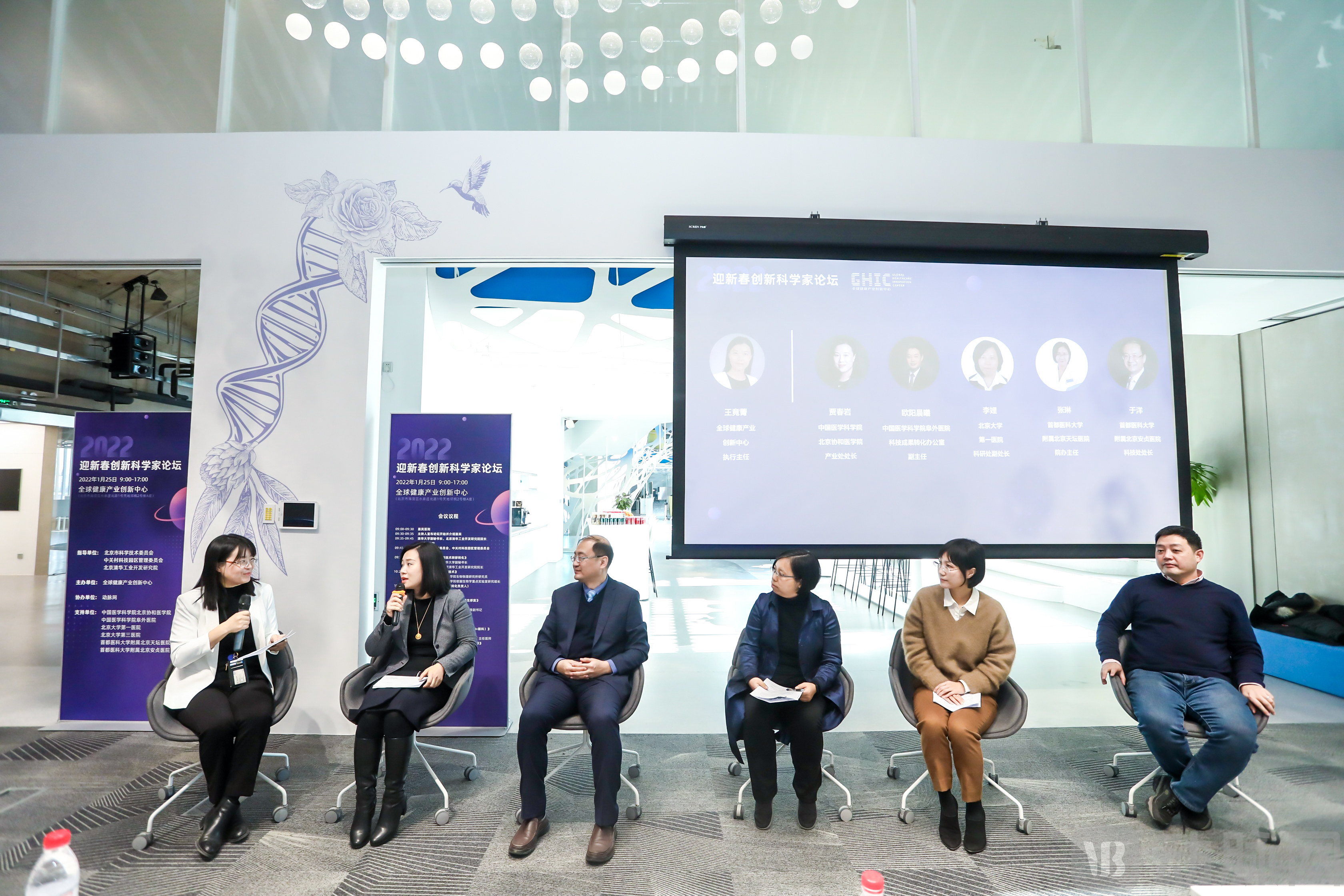
The following is a verbatim transcript of the forum. To facilitate reading, VCBeat has made editorial revisions to the text without altering its original meaning:
Wang Jingjing:Medical institutions across the board have been vigorously promoting the translation of scientific achievements into practical applications, implementing numerous measures to this end. As a leader in medical research, the Chinese Academy of Medical Sciences (CAMS) has set a high standard, while Peking Union Medical College Hospital (PUMCH) has achieved remarkable success in its industrial positioning and integrated model linking medical care, education, and research. We will begin by inviting Mr. Jia Chunyan, Director of the Industry Development Office at CAMS and Peking Union Medical College, to introduce PUMCH’s accomplishments and initiatives in facilitating the translation of scientific achievements.
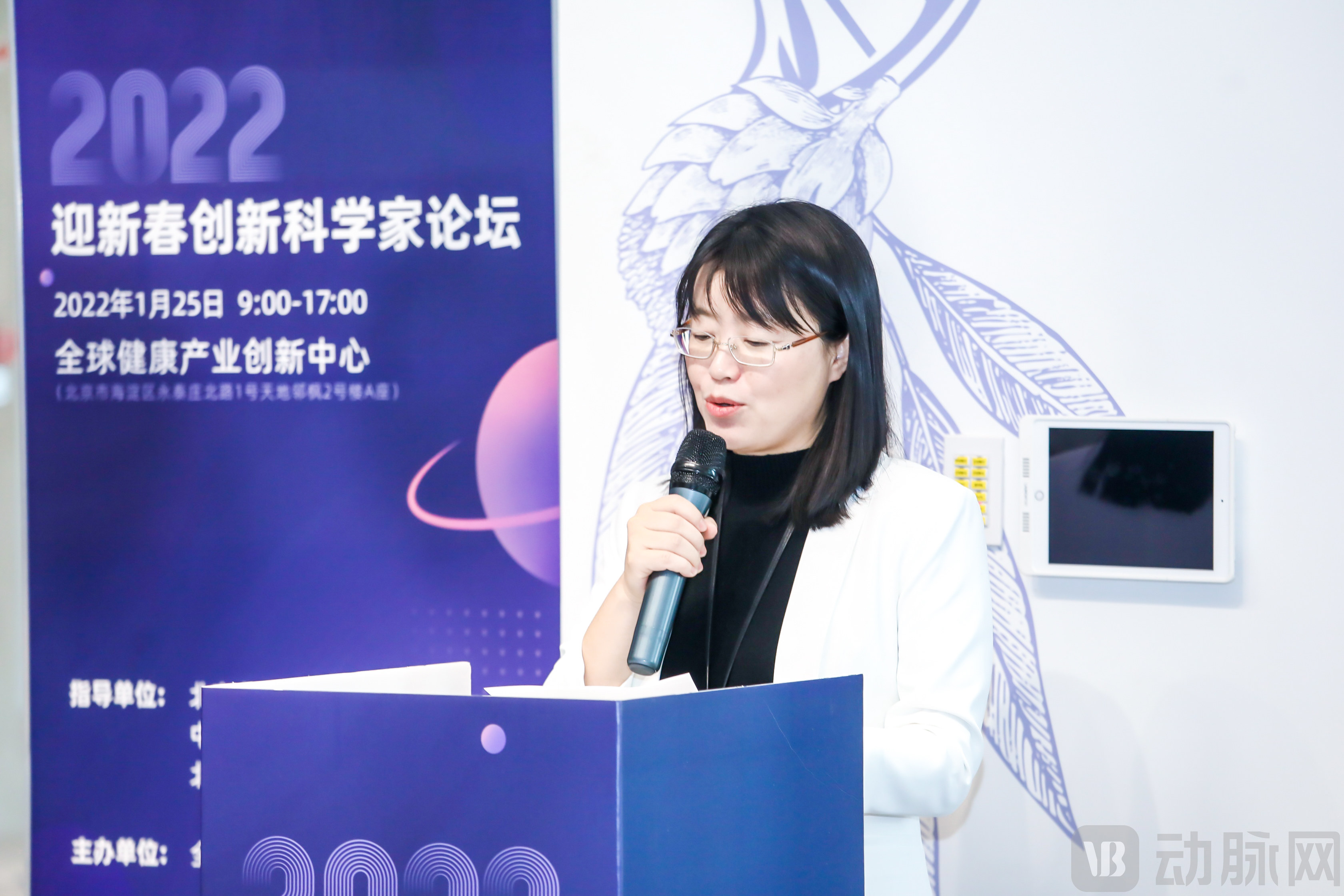
Figure 1 | Wang Jingjing, Executive Director of the Global Healthcare Industry Innovation Center
Jia Chunyan:Hello everyone, I am Jia Chunyan. Peking Union Medical College Hospital began constructing its medical science and technology innovation system and core base in 2016, playing a significant role as a leader in national medical education. Although our work on the translation of scientific and technological achievements started early, there are still areas that need strengthening and re-planning in light of current policy and environmental requirements.
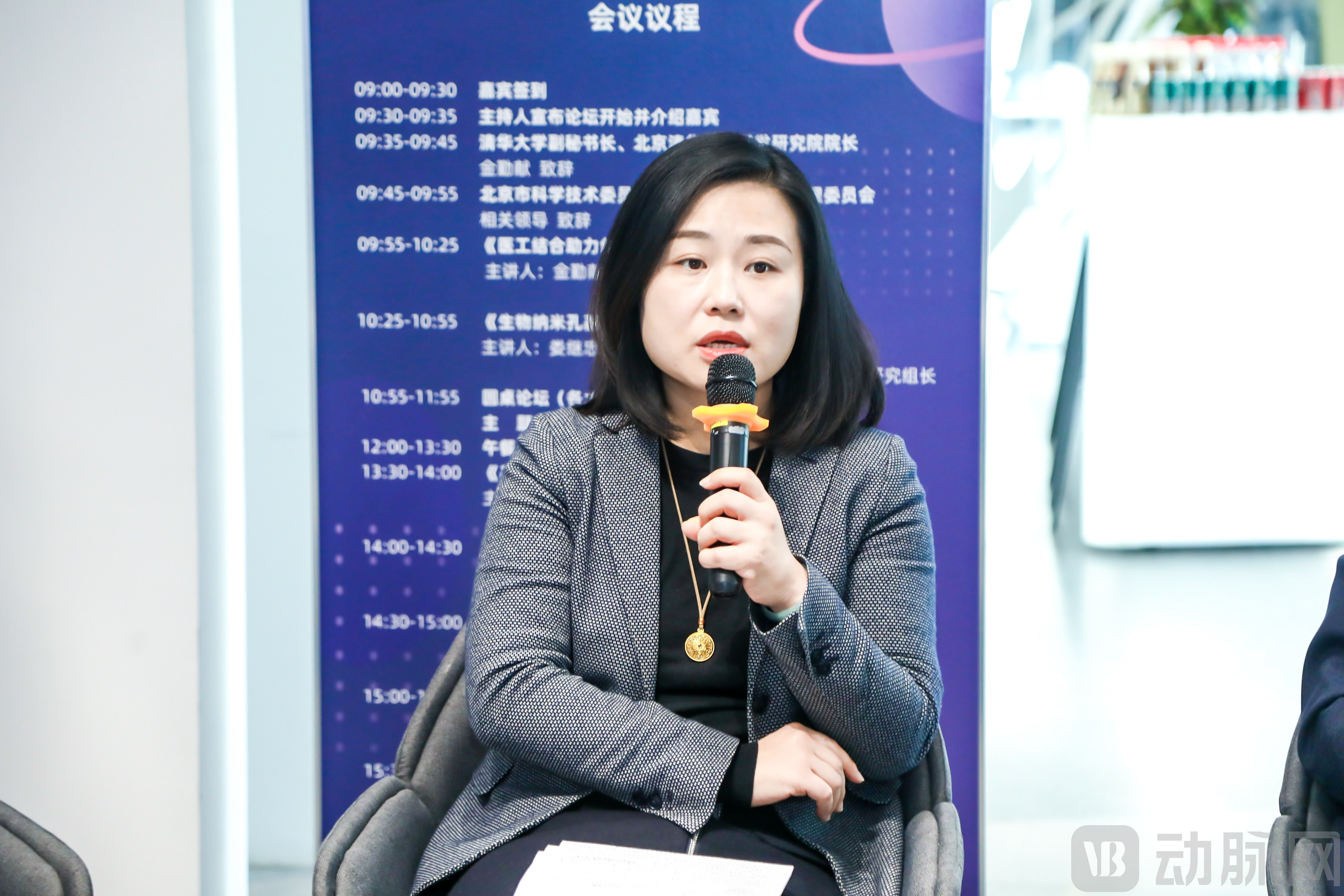
Figure 2 | Jia Chunyan, Director of the Industry Department at the Chinese Academy of Medical Sciences and Peking Union Medical College
Peking Union Medical College (PUMC) operates a comprehensive system that includes clinical hospitals, research institutes, and medical education programs. In terms of translating scientific and technological achievements into practical applications, we have undertaken extensive efforts at the institutional level to strengthen systemic frameworks, cultivate talent, expand innovation platforms, and foster an environment conducive to translation.
The second level involves the exploration by hospitals and research institutions in translating scientific research achievements. The primary focus here is on reshaping management logic. Taking Peking Union Medical College Hospital as an example, we have made significant advances in patent management, such as implementing classified and tiered management of hospital patents. Additionally, we established the Qinglan Medical Young Scientists Fund through a foundation model to foster and train translational thinking among young clinicians and facilitate the practical application of their translational outcomes.
In terms of medical translation, we established the National Major Science and Technology Infrastructure for Translational Medicine in 2021 to provide conditional guarantees for medical translation. This is one of the five national major science and technology infrastructures for translational medicine in China.
In addition, we operate a pharmaceutical research institute that has been exploring systems for the commercialization of drug R&D achievements since 1993. Over the past five years, the total value of technology transfer contracts has exceeded RMB 1 billion. The institute’s experience is highly exemplary; it began cultivating a specialized technology transfer team as early as 1993, assembling professionals with expertise in technology, scientific research, and economics to provide robust services and support for the commercialization of its research outcomes. There is a wealth of experience to share, and we look forward to more opportunities for further discussion with everyone in the future.
Wang Jingjing:We look forward to more opportunities in the future to discuss Peking Union Medical College Hospital’s experience in translating scientific research achievements into practical applications. Beijing Anzhen Hospital, Capital Medical University, focuses more on the translation of research outcomes during the pilot-scale (intermediate) stage of technological advancement. We now invite Mr. Yu Yang, Director of the Science and Technology Department at Beijing Anzhen Hospital, Capital Medical University, to share the measures and achievements your institution has made in this area.
Yu Yang:Having just attended two lectures, I feel deeply inspired as a participant in the translation of scientific research achievements into practical applications. I used to believe that nanopore sequencing technology, pioneered in the United States, was far removed from our reality. However, these innovations are actually unfolding right around us, and precision medicine is also becoming increasingly accessible.
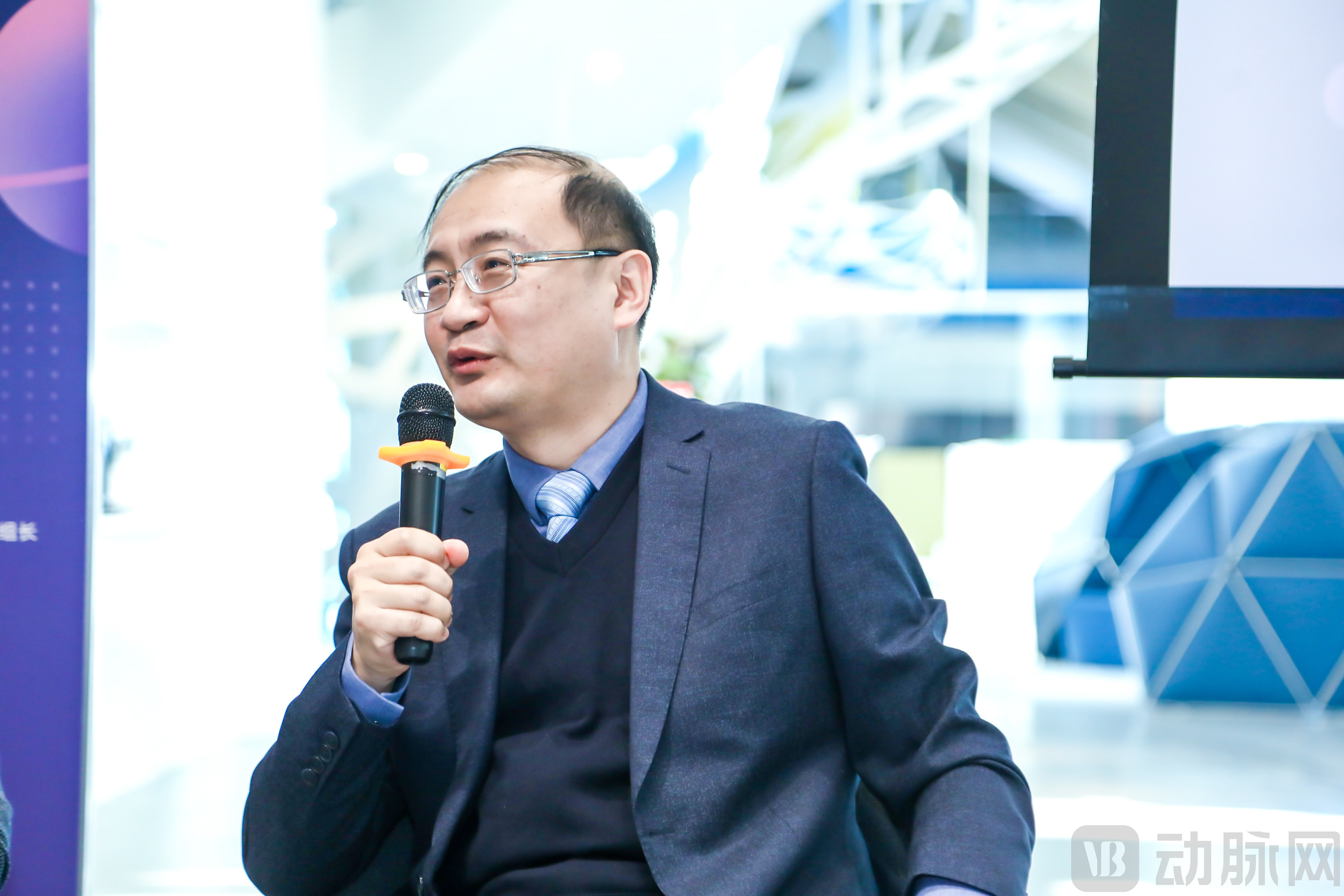
Figure 3 | Yu Yang, Director of the Science and Technology Department at Beijing Anzhen Hospital, Capital Medical University
Beijing Anzhen Hospital is a comprehensive hospital specializing in cardiovascular diseases. Centering on cardiovascular medicine and surgery, we have undertaken extensive clinical work. In recent years, in response to national policy shifts advocating for the translation of scientific research achievements into practical applications, our hospital, as a municipal-level institution, has implemented numerous internal regulations and measures.
The value of our technology transfer contracts has shown a year-on-year upward trend, with most transactions amounting to several million yuan. These transfers can be broadly categorized into three types: the first involves the assignment of usage rights, primarily for diagnostic kit products; the second entails patent licensing and assignment; and the third consists of bundled transfers of know-how (trade secrets), which currently accounts for one-third of all transfer arrangements, largely due to the inherent characteristics of the medical field. However, the number of high-value patent transfers remains relatively low.
We have summarized this phenomenon ourselves and believe it is related to the characteristics of physicians’ scientific research. Whether in medical devices or pharmaceuticals, these fields involve high investment, high risk, and long development cycles, with even the lowest level of funding starting at millions. For physicians, applying for research grants amidst their busy clinical schedules places exceptionally high demands on them. In response, our hospital has implemented numerous innovations and arrangements, such as establishing its own science and technology innovation fund to provide financial support for early-stage research projects. Additionally, we have set up three joint laboratories to support physicians’ scientific research and innovation efforts. However, these initiatives also have certain limitations. For instance, in the case of jointly funded laboratories sponsored by enterprises, sponsors naturally expect the research conducted to align with their own strategic directions. This imposes certain constraints on researchers. Consequently, the primary source of funding currently comes from government-sponsored research programs.
It is already a significant challenge for researchers to develop products up to the prototype stage; therefore, we hope to establish a new mechanism that enables them to sustain their efforts. Technology serves as the means, while funding acts as the catalyst. Innovative concepts are proposed by physicians and ultimately return to clinical practice. At the core of this process are people—management requires talent, and technological R&D likewise depends on human expertise.
On the other hand, scientific research should not pursue innovation for its own sake. The translation of physicians’ research achievements involves proof of concept (PoC) specific to the project itself, which includes two aspects: validation of market value and validation of technical feasibility through rapid early-stage product translation. Clinicians often perceive their research outcomes as directly related to life and health, potentially leading to insufficient consideration of commercial value. Therefore, we hope to provide a platform that offers these physicians more objective criteria to help them evaluate and translate their research findings.
Wang Jingjing:Let me give you a sneak peek: In 2022, the Global Health Industry Innovation Center will launch its proof-of-concept initiative on a large scale. Technologies from various medical specialties will enter the Proof-of-Concept Center to address the issues you just mentioned. Just two days ago, we saw major news from Peking University First Hospital regarding a landmark contract for a new drug in the treatment of kidney diseases. We look forward to Professor Li Li sharing with us the achievements and measures taken by Peking University First Hospital in translating scientific research outcomes into practical applications.
Li Li:It is a great honor to represent the hospital in presenting our achievements in the translation and commercialization of scientific and technological innovations. First, allow me to introduce Peking University First Hospital. We are the earliest hospital established in New China and one of the first medical schools founded in the country. Established in 1915, we celebrated our 107th anniversary in 2022. Over the past century, we have pioneered numerous technologies and specialized departments, many of which have grown into leaders in their respective specialties within the Chinese medical community.
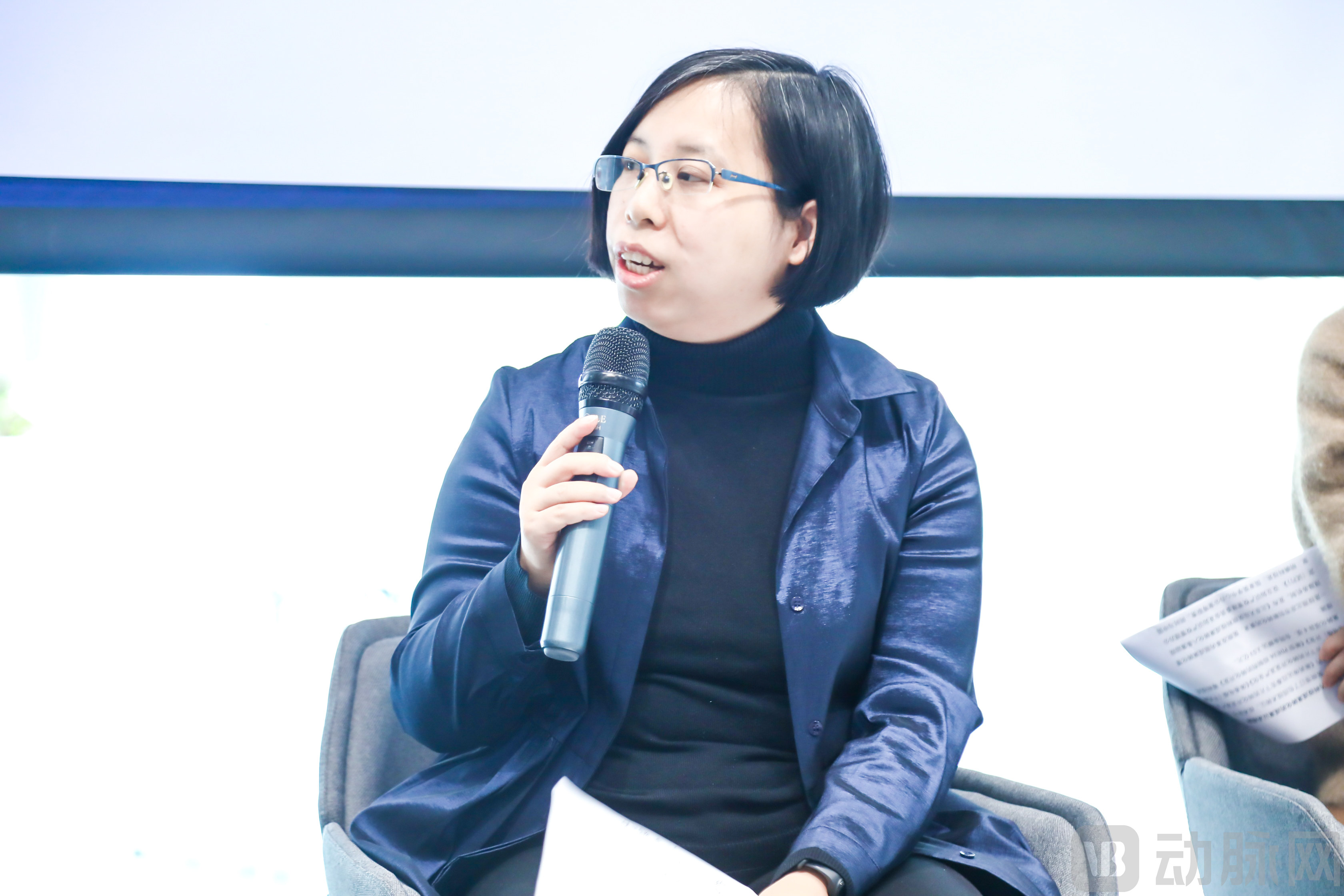
Figure 4 | Li Li, Deputy Director of the Scientific Research Department at Peking University First Hospital
Peking University First Hospital has consistently remained at the forefront in scientific research and medical technology. Since 2015, we have focused on innovating our layout for the translation of research achievements into practical applications, primarily undertaking the following initiatives:
First, strategic patent layout: the hospital inspires and cultivates the innovative thinking of medical staff. Second, full financial support is provided for patent application agency fees and official charges. Third, a hospital technology transfer fund has been established to streamline channels, with annual technology transfer competitions and promotion events held. Fourth, strategic deployment is carried out in areas leveraging the hospital’s specialty strengths, such as nephrology, urology, dermatology and venereology, pediatrics, and cardiology.
We have not yet conducted extensive promotion of our new kidney drug, which was introduced a couple of days ago. The population affected by kidney diseases is substantial, and the onset is often insidious. Many patients require renal replacement therapy upon diagnosis, incurring significant costs. This field has long lacked effective pharmacological treatments, relying primarily on hormone therapy. Our drug is an original innovation, developed based on decades of clinical exploration by the founder of our hospital’s Department of Nephrology. As a national leader in nephrology, our department includes six recipients of the National Science Foundation for Distinguished Young Scholars. The achievements we see today are the culmination of decades of work by this department and would not have been possible without the hospital’s steadfast support. Having just reviewed President Jin’s report, which highlighted that clinical trials represent the “valley of death” in drug development, we hope that with the hospital’s support, we can help them successfully navigate this critical phase to the end.
Peking University First Hospital has another distinctive feature. While Peking Union Medical College Hospital has an Institute of Materia Medica, Peking University First Hospital is one of the few medical institutions in China with a Clinical Pharmacology Research Institute. In the future, we will continue to produce ongoing achievements in drug research and development.
Regarding bottlenecks and challenges, we are highly enthusiastic about the Outcome Validation Center you just mentioned. Outcome validation represents one of the most significant bottlenecks in technological innovation. Although we currently hold hundreds of patents, it remains unclear which ones can be practically applied in clinical settings. We look forward to discussing the operational and collaboration models in this regard and are eager to learn more about the specific details.
Finally, Peking University First Hospital needs to learn from institutions such as Peking Union Medical College Hospital, Beijing Jishuitan Hospital, and Beijing Tiantan Hospital in terms of institutional innovation for scientific and technological achievements. Considerable effort has been devoted to inviting today’s guests, including representatives from municipal hospitals, Peking University Health Science Center-affiliated hospitals, the Chinese Academy of Medical Sciences, and universities. Sustained translation of scientific and technological achievements requires institutional innovation, including reforms to delegate rights and the establishment of physical research entities—issues that require consideration and decision-making at the hospital leadership level.
Jingjing Wang:We have always been committed to providing a platform that integrates medicine and engineering, thereby promoting the translation of hospital research achievements. Beijing Tiantan Hospital has also implemented many innovative practices and measures in this area. We are honored to invite Director Zhang Lin, Director of the Hospital Office at Beijing Tiantan Hospital, to share her insights.
Zhang Lin:Thank you, Director Wang. Our hospital designated 2021 as the year for building momentum and embarking on a new journey, while 2022 marked a comprehensive transformation and development.
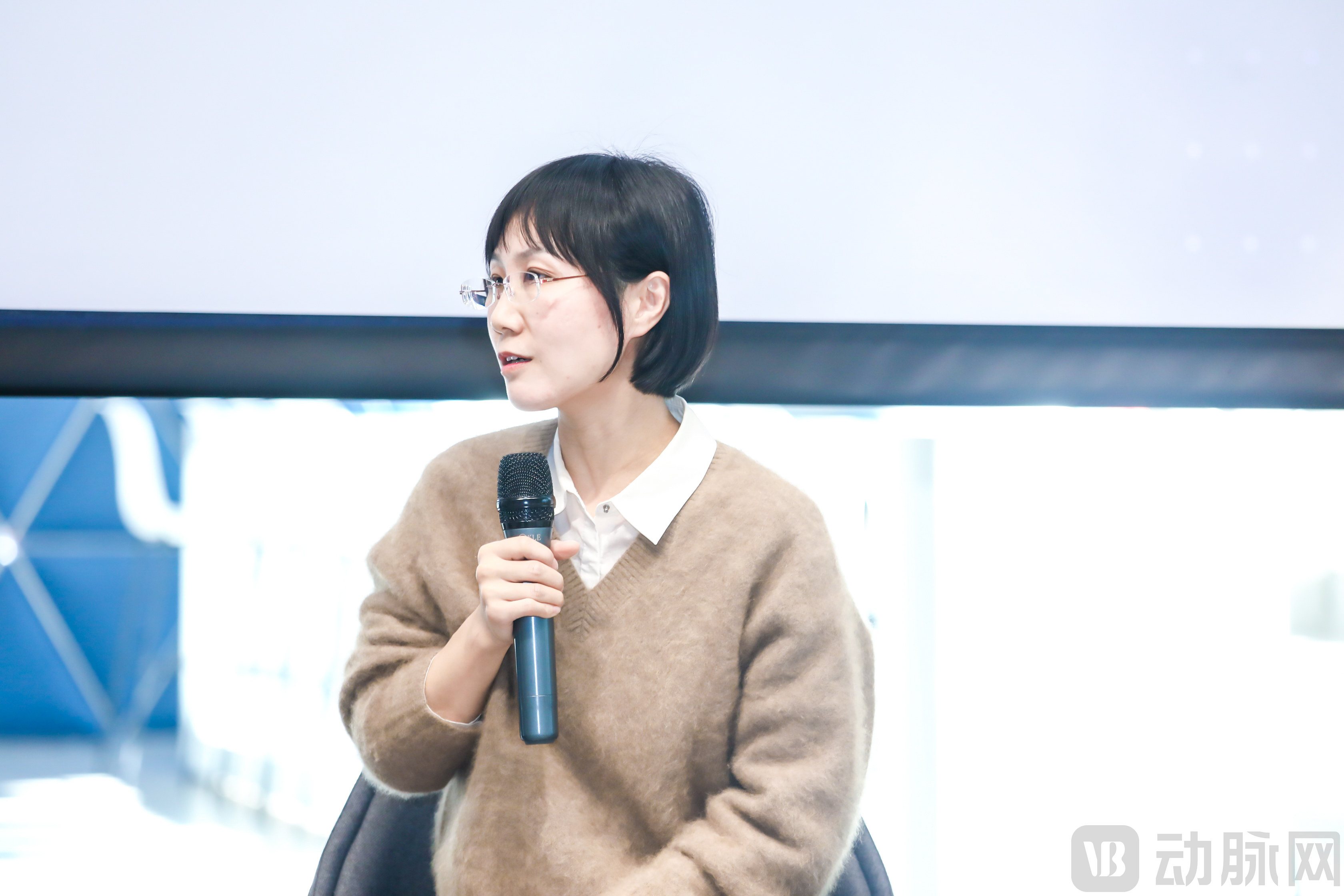
Figure 5 | Zhang Lin, Director of the Hospital Office at Beijing Tiantan Hospital, Capital Medical University
In 2021, our hospital was selected for numerous national and Beijing municipal pilot programs, including the State Council’s Pilot Program for High-Quality Development of Public Hospitals, and the first batch of mentoring pilot programs for the National Center for Neurological Diseases designated by the National Development and Reform Commission. We were also selected for the Beijing Municipal Pilot Program for Scientific and Technological Innovation and Achievement Transformation. In alignment with the development requirements of these pilot programs, we restructured our internal hospital management and established both an Intellectual Property Management Committee and an Intellectual Property Management Office. Following the establishment of these two bodies, we reaffirmed that, in addition to its traditional scientific and technological management functions, the Department of Science and Technology is now also entrusted with the management of industry-sponsored research projects to support future industrialization efforts, in our capacity as a National Medical Center.
This represents a reshaping of our hospital’s internal management processes. Concurrently, we have established a collaborative translation platform and founded a wholly-owned medical limited liability company, which serves as an equity management platform to facilitate the capitalization of the hospital’s independent intellectual property rights. Furthermore, to strengthen and guide the direction of translational efforts, we initiated the establishment of the Beijing Tianqi International Institute of Translational Medicine, a new-type R&D institution. With the implementation of the first batch of support platforms, we have developed a translational medicine chain with distinct Tiantan characteristics, spanning from basic research to industrial promotion. We look forward to collaborating with industry partners.
Jingjing Wang:Fuwai Hospital is one of the earliest hospitals to carry out work on the transformation of scientific and technological achievements. Director Ouyang is a clinician and also the person in charge of the hospital's transformation efforts. Let us listen to the insights shared by Director Ouyang Chenxi.
Ouyang Chenxi:Fuwai Hospital began its technology transfer initiatives early on, which can be broadly divided into several phases. During the tenure of President Zhu Xiaodong, many surgical experts sought to independently develop heart valves; however, initial regulations prohibited such activities. In 2015, the State Council introduced new regulations permitting physicians to engage in entrepreneurial ventures. In response, Fuwai Hospital adjusted its policies in 2017 by promulgating its own regulations on the translation of medical achievements, allowing physicians to receive 80% of the benefits derived from such translations. By 2021, it became evident that these regulations had become outdated, prompting the hospital to issue a revised version to further streamline the translation process.
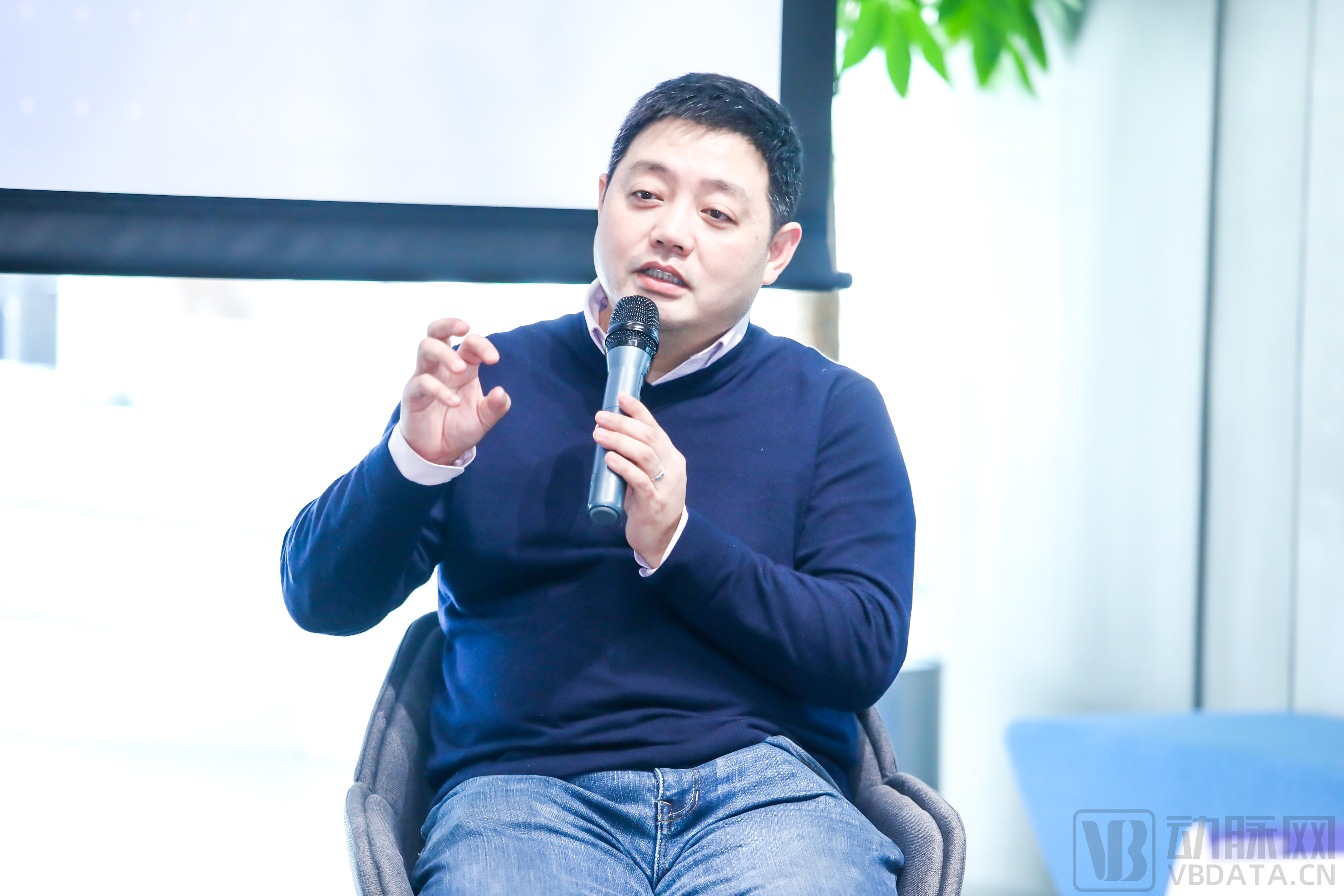
Figure 6 | Ouyang Chenxi, Deputy Director of the Office for Transformation of Scientific and Technological Achievements at Fuwai Hospital, Chinese Academy of Medical Sciences
From 2017 to the end of 2020, a period of more than three years, we saw minimal benefits from the commercialization of our research achievements. However, following the introduction of new regulations in 2021, there has been a significant impact, with benefits amounting to tens of millions of yuan, indicating a very positive development trend.
In our hospital, there were only regulations in place in 2017, but no formally established management structure. In 2021, we established the Office of Scientific and Technological Achievement Transformation to manage the hospital’s technology transfer activities, marking the creation of a formalized administrative body. Meanwhile, we organized at least eight in-house training sessions on translational innovation, providing education and guidance to physicians on how to carry out achievement transformation work.
Tiantan Hospital, Peking Union Medical College Hospital, and Fuwai Hospital are all national medical center incubation units. We serve as the National Medical Incubation Center in the field of cardiovascular medicine. We are also collaborating with major central state-owned enterprises to establish a technology innovation center. Furthermore, we aim to set up a proof-of-concept center, and even take a more forward-looking approach by conducting pilot-scale trials and regulatory submission processes entirely within the innovation center.
We began establishing the nation’s first cardiovascular disease center in 2013. Phase I construction has been completed, and Phase II is about to commence. The Phase II project includes a medical translation center, primarily focused on pilot-scale production and regulatory submission, as well as a hospital dedicated to conducting clinical trials. We aim to achieve comprehensive coverage across the entire product lifecycle, from research and development through pilot-scale production to clinical trials.
Wang Jingjing:In our communications and collaborations with hospitals, we have also found that the translation of scientific research achievements is a long-cycle, complex process. As the frontline leaders responsible for achievement translation in your respective hospitals, could you please share the biggest challenges you have encountered and the most pressing issues that need to be addressed? Let’s start with Fuwai Hospital.
Ouyang Chenxi:For hospitals to drive innovation and develop products, the biggest challenge is finding suitable engineering partners. Only through the collaboration of physicians and engineers can viable products be created. For instance, we developed China’s first magnetically levitated artificial heart. Nevertheless, we still lag behind; internationally, both interventional devices and bioengineered animal hearts are already in development. To catch up, we need to identify engineering teams capable of turning concepts into reality, which is currently a pressing issue. Their design philosophy must be fully aligned with the clinical team through thorough communication, yet it remains difficult for us to find an appropriate engineering partner.
We are deeply committed to building a platform that integrates medicine and engineering, bringing together physicians and engineering expertise from leading institutions such as Tsinghua University and Beihang University. On this platform, physicians can connect with capable engineering teams to develop products and facilitate the translation of their innovations into practical applications.
Wang Jingjing:Doctors have excellent ideas, but how can they be effectively implemented? The purpose of our gathering today is to promote interdisciplinary collaboration between medicine and engineering. What you need is seamless cooperation among all parties, which is also one of our key objectives for 2022. We look forward to engaging in discussions with physicians who have innovative ideas. Could Tiantan Hospital share any bottlenecks it has encountered in the translation of research achievements into practical applications?
Zhang Lin:To begin with, I would like to share my personal understanding. Dean Jin’s speech aptly elucidated the bottlenecks in translating scientific achievements into practical applications, namely the integration of innovation elements. In the process of achievement translation, both scientists and administrators lack the ability to effectively integrate these innovation elements. Over the past three years, our contract value from technology transfers and licensing has exceeded RMB 250 million. The greatest contributions came from several high-value patents, while the rest were results of “micro-innovations,” “minor innovations,” and “re-innovations.” What is lacking is a systematic identification of interdisciplinary innovation opportunities between medicine and engineering, as well as a structured process for generating high-value intellectual property.
Wang Jingjing:Director Li, do you have any thoughts on this?
Li Li:As a grassroots manager for the commercialization of scientific research achievements, I do not hold the title of scientist, but I interact with them frequently. The challenges I encounter in my work are manifested in several aspects, most notably the prevalence of “micro-innovations” and “minor innovations,” while the majority of revenue from major commercialization contracts is derived from a few high-value patents.
In an environment where “micro-innovations” and “small-scale innovations” are abundant, how should hospital administrators allocate their energy? Project workflows and progress follow their own scientific principles and must be advanced step by step. However, hospitals typically manage a large number of projects, with high levels of enthusiasm among staff. As administrators, how can they ensure that projects are advanced according to schedule? There is a pressing need for managers who understand both the scientific rigor of projects and project execution policies—often referred to as a project CRO (Contract Research Organization) team—which is crucial for the translation of scientific and technological achievements into practical applications.
We are currently addressing this issue primarily through third-party collaborations. Our hospital has contracted with a third-party intermediary agency that assigns professional project managers to oversee key initiatives. I have also devised various strategies, such as creating progress schedules for “small-scale innovations” and “micro-innovations.” In my own work, the main challenges fall into two categories: one is proof of concept, and the other is the training and follow-up of specialized personnel involved in project execution and advancement. Addressing these areas can resolve significant issues.
Wang Jingjing:Thank you, Director Li, for not only raising the issues but also proposing solutions. Next, we have Director Yu Yang, and everyone is eagerly looking forward to his insights.
Yu Yang:Everyone has made excellent points earlier. From a clinical perspective, “micro-innovations” and “minor innovations” also hold clinical value, albeit with lower investment requirements for translation.
Clinical work is highly complex, and interdisciplinary collaboration between medicine and engineering represents a critical pathway for progress. However, identifying suitable partners in this cross-disciplinary field is challenging. For instance, a physician may initially connect with “Zhang San” based on existing advantages, yet “Li Si” might be better suited for the specific domain. The challenge lies in how to discover such optimal partners like “Li Si.” As translation efforts deepen, we aim to establish a platform that facilitates regular communication and information dissemination, helping physicians identify appropriate collaborators and even secure financing. We hope that, through this medicine-engineering interdisciplinary platform, more hospitals with translational needs will be supported in their future development.
Wang Jingjing:Your words have given me even greater confidence. We are committed to building a global innovation platform at the intersection of medicine and engineering, and we look forward to engaging in more in-depth exchanges with everyone. What are Peking Union Medical College Hospital’s perspectives on translational work, and what challenges have you encountered?
Jia Chunyan:The previous panelists have all highlighted existing real-world issues based on their own professional experiences. From my perspective, we have identified that the primary reason for low translation efficiency is the insufficient effective supply of original innovation and scientific research outputs among enterprises, government agencies, and universities. This is an area we need to jointly advance in the next phase.
The second aspect is professional technology transfer services. Currently, there is a widespread promotion of innovative platforms such as Technology Transfer and Commercialization Centers. After the establishment of such platforms, the extent and speed at which the level of professional services can be enhanced are direct factors influencing the effectiveness of technology commercialization, thereby enabling individuals from various industries with the willingness to leverage their expertise in driving the translation process.
Furthermore, as a public institution, our internal coordination mechanisms remain inadequate, and we should learn from Tsinghua University in this regard. Meanwhile, our financial investment is also insufficient. Internationally, investments have been growing exponentially, whereas most domestic entities still rely primarily on fiscal funding, which is far from adequate. In the next step, we need to focus on exploring multi-channel, diversified models for capital investment.
"From a practical standpoint, whether it is school-enterprise collaboration or medical-engineering integration, the ultimate outcome of commercialization is the formation of enterprises; therefore, risk management must also be prioritized."
Wang Jingjing:Everyone has provided a comprehensive summary of policy risks and the challenges encountered in daily work. As today is Xiao Nian (the Little New Year), I hope you can share your work plans and outlook for 2022.
Jia Chunyan:At the beginning of the year, we convened the Conference on the Development of Biomedical Engineering in China. The Chinese Academy of Medical Sciences and Peking Union Medical College have played a pivotal role in advancing the discipline of biomedical engineering. Through this conference, we aim to foster the integration of medicine and engineering, as well as high-quality development, among universities and research institutions. We hope that our efforts in fundamental principles, applications, products, services, and regulation will contribute to the advancement of biomedical engineering in China and to the cultivation of talent in this field.
Yu Yang:In 2021, we established numerous regulations. As participants in the “Exploration Program,” we identified new platforms and strategic levers through our studies. In 2022, we aim to generate more valuable patents through platform collaborations, enabling more experts to experience the satisfaction of translating research outcomes into practical applications.
Li Li:In 2021, Peking University First Hospital achieved new milestones, with researchers demonstrating strong enthusiasm for translational work and supportive hospital policies effectively in place. In 2022, we are poised to seize the opportunity and make significant strides. Thank you all!
Zhang Lin:In 17 words: Rooted in Engineering, Oriented to Medicine, Integrating Medicine and Engineering, Together Towards the Future!
Ouyang Chenxi:Best wishes to all the experts, hospital representatives, and academic institution representatives present. May 2022 mark a year of innovation and entrepreneurship for Chinese medicine.
Wang Jingjing:Today’s discussion centers on innovation and scientists. We hope this forum will better promote integration and interdisciplinary collaboration between medicine and engineering, and that it will help realize these ideals and objectives. Thank you all!