

The Ultimate Question for Digital Therapeutics: How to Monetize?
Over the past year, a large number of digital therapeutics (DTx) innovators have emerged in China. However, innovation is exceptionally challenging, involving the search for “certainty” on the edge of “chaos.”
As digital therapeutics companies struggle to achieve sustainable product, business model, and service innovation, it may be helpful to return to the fundamentals and examine the basic definition and underlying business logic of digital therapeutics. Thinking from first principles may help clear some of the fog.
As a witness to the development of mobile health in China, a participant in the digital therapeutics sector, and the founder and CEO of Bingpian Technology, a digital therapeutics platform specializing in allergy care, what are Jiang Haibo’s views on the essence of digital therapeutics? What insights does he offer into the business models of China’s digital therapeutics industry?
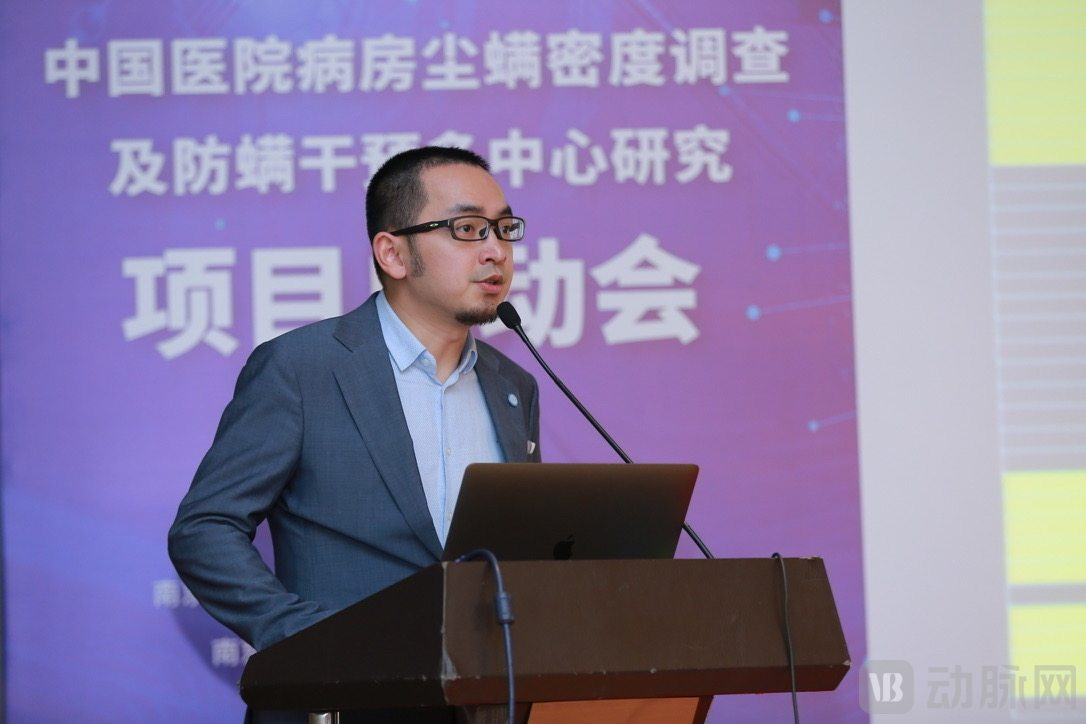
Jiang Haibo, Founder and CEO of Bingpian Technology. Photo courtesy of Bingpian Technology
During the first week of work after the Lunar New Year, Jiang Haibo opened up to VCBeat, sharing his decisions, moments of uncertainty, and reflections over sixteen years of entrepreneurship, as well as his insights on the aforementioned issues.
Allergy (also known as hypersensitivity) has become the sixth most prevalent chronic disease globally. Genetic and environmental factors are the two primary triggers for allergic diseases. With economic development, the incidence of allergic diseases in China remains persistently high, with 38 million patients suffering from allergic asthma and 238 million from allergic rhinitis, alongside an unquantifiable number of individuals affected by food allergies and eczema, a situation that cannot be overlooked.
Internationally, the updated four-pronged treatment guidelines presented in the 2013 White Paper by the World Allergy Organization (WAO) introduced environmental therapy (etiological treatment) for the first time, prioritizing it ahead of pharmacotherapy and desensitization therapy. However, due to the recent update of the guidelines, the multitude of factors influencing environmental therapy, and the high costs associated with its detection and intervention, clinical studies on this approach remain scarce. Consequently, physicians both in China and abroad continue to adhere to treatment regimens primarily based on medication.
The Third National Epidemiological Survey of Asthma in Urban Children in China revealed that 58.7% of pediatric asthma patients had used inhaled corticosteroids, 71.4% had used bronchodilators, and 75.1% had used antibiotics. Despite such high rates of medication use, the rate of effective symptom control was only 3%, with partial control achieved in just 44% of cases, a situation that is far from optimistic. This further underscores the necessity and urgency of incorporating environmental therapy into the management of allergic diseases.
After successfully developing environmental therapy and filling the practical gap in the World Allergy Organization’s treatment guidelines, Bingpian Technology is aligning with international guidelines to create a comprehensive “four-in-one” digital diagnosis and treatment solution for allergy patients, integrating precision diagnostics, pharmacotherapy, and desensitization therapy. Providing better diagnostic and therapeutic services for allergy patients remains the original mission behind Bingpian Technology’s entry into the allergy sector.
Dr. Qi Lu, Founder and CEO of MiraclePlus, pointed out in a speech that the development of human science has already entered"Fourth Paradigm", i.e., “Data-Driven: Exploring the Frontiers Through Data and Computing Power”。
Jiang Haibo expressed his agreement and added, “Our understanding of digital therapeutics is not merely the digital upgrade of the healthcare sector, but rather the reconstruction and redefinition of healthcare through data and computing power, thereby potentially fundamentally transforming the effectiveness, efficiency, and form of medical services. This is primarily a digital (data) issue, and secondarily a medical (clinical) one.”
“It is inaccurate to assert that digital therapeutics must be software-driven. Software serves merely as a carrier of data and represents one product form at the application layer. Furthermore, sensors and various wearable devices are not necessarily required; these address the efficiency of data collection and transmission, constituting an upgrade at the application tool layer. Digital therapeutics should be accountable for the ultimate therapeutic outcomes of specific diseases, representing a combination of various treatment regimens rather than an exclusive, single-modality treatment,” added Jiang Haibo.
Bingpian Technology's Understanding of Digital Therapeutics: Leveraging Data to Address Medical Challenges:
1. Whether therapeutic efficacy is based (and solely based) on data and computing power;
2. Can therapeutic efficacy be continuously improved based on data and computing power;
3. Can diagnostic and treatment efficiency be continuously improved based on data and computing power?
When it comes to efficacy, real-world studies (RWS) must be mentioned.
Jiang Haibo believes that the foundation of digital therapeutics must be grounded in real-world research. Much like another application scenario of digital technology—autonomous driving, which must operate within the regulatory framework of road traffic laws and in real-world road environments—the term “therapeutics” serves to regulate and constrain the application of “digital” technologies within the healthcare industry. Ultimately, efficacy testing and practical implementation must be completed using large-sample real-world data.
At the level of underlying logic,Digital therapeutics companies are, first and foremost, data and algorithm companies, and only secondarily healthcare companies.. In this dimension, digital therapeutics and autonomous driving belong to the same category of companies.
“Disruptive digital figures meet the most traditional and conservative healthcare sector, and this clash has posed significant challenges to the current development of digital therapeutics.“This is a combination brimming with imaginative possibilities. With the opportunities that the COVID-19 pandemic has brought to digital health, and the government’s gradually increasing openness and tolerance toward digital solutions, we are highly optimistic about the future of digital therapeutics—indeed, this is what the future of healthcare should look like,” added Jiang Haibo.
“When we discuss whether a business model is B2B or B2C, we are essentially answering where the core value of that business lies.”Jiang Haibo always strips away the layers to reveal the essence of things.“While digital therapeutics are inherently B2C in nature, as patients are the ultimate users and beneficiaries of the treatment regimen, the professionalism and unique characteristics of the healthcare industry, coupled with the need to accumulate evidence and validate clinical efficacy, make a B2B approach (targeting hospitals and physicians) an inevitable interim strategy.”
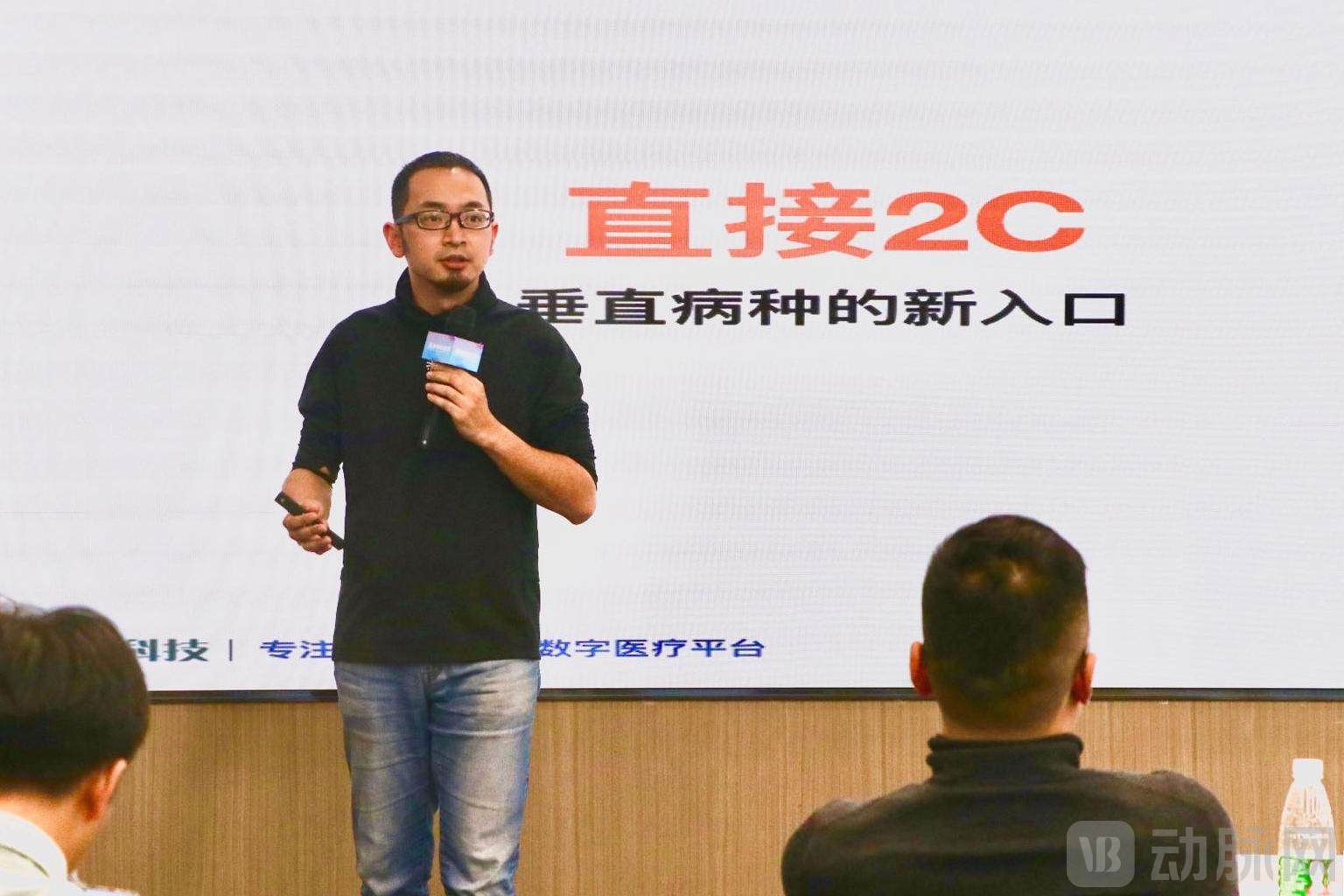
Jiang Haibo, Founder and CEO of Bingpian Technology. Photo provided by Bingpian Technology.
He explained that the transition process between B2B and B2C models actually depends on the efficacy, convenience, and safety of the digital therapeutic itself. It is similar to medications in pharmacies, where there are prescription drugs that require medical advice and over-the-counter drugs that can be purchased freely. Ideally, the ultimate goal for digital therapeutics is necessarily a B2C model, and only when this stage is truly reached can digital therapeutics be considered true to their name.
“Many digital therapeutics companies are currently focusing on disease prevention, patient management, post-illness care, and assisting pharmaceutical companies in providing clinical data. These are all highly valuable entry points, but they do not address the most critical pain points. Patients’ needs are fundamentally simple: to be cured. More specifically, to achieve a cure as quickly and cost-effectively as possible. Once this core issue is resolved, the ‘payment’ challenge will be easily addressed. Digital therapeutics companies must return to their core value proposition; helping patients achieve cures is the foundation of all commercial viability,” Jiang Haibo stated with utmost conviction.
It has been said that if digital therapeutics products can maintain patient adherence in real-world settings at levels consistent with those observed in clinical trials, their value would be immeasurable. For Bingpian Technology, however, user stickiness appears to be a “pseudo-proposition.”
Jiang Haibo explained, “Unlike in the consumer sector, user stickiness in the healthcare industry cannot be designed and cultivated by product managers; rather, it should stem from patients’ autonomous behaviors driven by therapeutic efficacy. Clinical trials represent a special, compensated application scenario with strict requirements for patient enrollment, selection, and conduct. Apart from therapeutic efficacy, patient behaviors observed in this context are not representative of those in the real world.”
According to Jiang Haibo, Bingpian Technology’s approach to user stickiness does not start from metrics such as click-through rates, inquiry volumes, or monthly active users. With 38 million allergy and asthma patients and 238 million rhinitis patients in China, how can the diagnostic and treatment needs of such a vast patient population be met? It is only through minimal process design, minimizing time commitment for patients, offering the simplest product experience, and coupling these with a highly flexible and agile operational system that large-scale replication of standardized diagnostic and treatment services can be achieved.
Does this mean that user stickiness is unimportant? The answer is no. It is just that Bingpian Technology’s approach to considering user stickiness is closely centered around“How to Improve Treatment Efficacy”Expand.
In the field of allergy, physicians can advise patients on treatment; however, in real-world settings, allergic patients are exposed to diverse environments—which also explains the frequent recurrence of allergies—and these environmental factors lie beyond the control and intervention of physicians.
Addressing this pain point, Bingpian Technology has developed a standardized scenario system tailored exclusively for allergy patients, encompassing their entire lifestyle., including homes, hospital wards, hotels, postpartum care centers, and kindergartens. This standardized scenario framework not only effectively extends the therapeutic space for allergic diseases but also serves as the first line of defense in their effective prevention and control.
Through this standardized scenario system, Bingpian Technology has established for patientsIntegrated In-Hospital and Out-of-Hospital Prevention and Treatment...adhere to standardized clinical diagnosis and treatment protocols, thereby enhancing therapeutic efficacy while achieving the dual goal of disease prevention. This approach fosters genuine user stickiness, which is of true value.
Regarding the issue of payers, Jiang Haibo stated that the most discussed aspect of digital therapeutics is currently how to incentivize hospitals, physicians, insurers, and pharmaceutical companies to cover the costs; in contrast, having patients pay out-of-pocket is rarely addressed and remains difficult to achieve.
In fact, whether through basic medical insurance, commercial insurance, or out-of-pocket payments, these are merely different payment pathways corresponding to patient populations with varying spending capacities and habits. What is often overlooked is the most fundamental prerequisite for payment: patients must be satisfied with the therapeutic efficacy and willing to pay for it. If digital therapeutics can deliver rapid and effective results and dare to guarantee their efficacy, there will be no shortage of paying customers and positive word-of-mouth.
“Therefore, if we find ourselves in a payment dilemma, it is worth taking a step back to reflect: Is the issue truly with payment mechanisms, or is our product’s value proposition insufficient? We firmly believe that as long as a product can deliver rapid therapeutic efficacy, patients will be willing to pay for it. This is another reason why we believe digital therapeutics should adopt a direct-to-consumer (DTC) model,” shared Jiang Haibo.
Bingpian Technology’s core strengths lie in its deep-rooted expertise in basic scientific research and robust execution capabilities. Currently, the company is steadily advancing the establishment of an integrated industry-academia-research platform. Its environmental therapy has obtained regional evidence-based medicine certification, and this year it has launched two large-scale, nationwide multicenter studies to validate efficacy and collect data. Products for both detection and prevention/control have already received Class I medical device registration certificates from the National Medical Products Administration (NMPA).
It is reported that Bingpian Technology has established extensive and in-depth collaborations with more than 30 public Grade-A tertiary hospitals across 14 provinces and municipalities in China, including Peking Union Medical College Hospital, Beijing Children’s Hospital, The First Affiliated Hospital of Guangzhou Medical University, Guangzhou Women and Children’s Medical Center, Union Hospital Affiliated to Tongji Medical College of Huazhong University of Science and Technology, The First Affiliated Hospital of Kunming Medical University, Kunming Children’s Hospital, The Affiliated Hospital of Qingdao University, and The Affiliated Women and Children’s Hospital of Qingdao University.
On February 16, Bingpian Technology’s Guangzhou Operations Center will officially be established at the AstraZeneca Co-Working Office within the Guangzhou International Life Science and Technology Innovation Park on Guangzhou Bio Island.
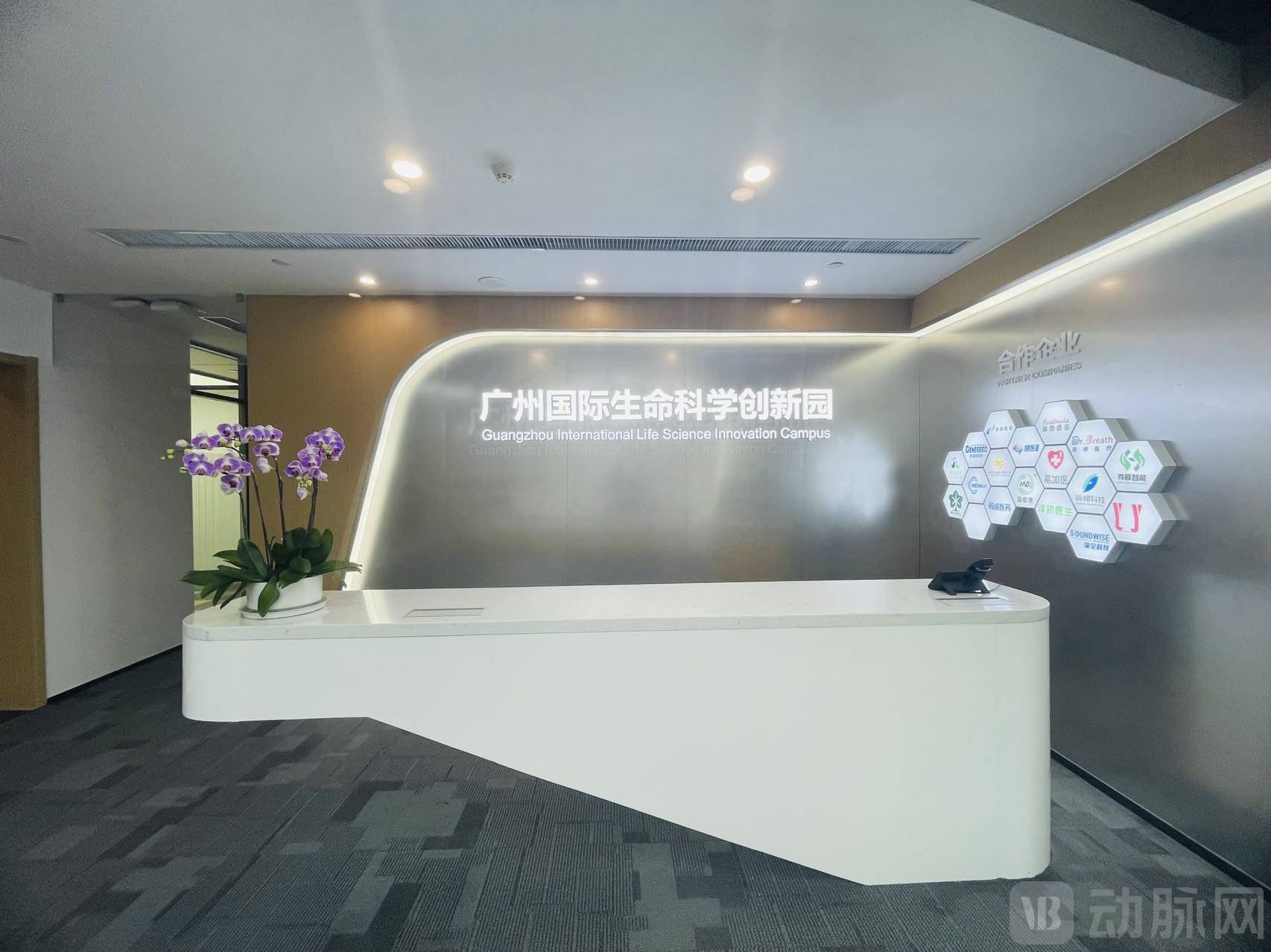
Photo courtesy of Bingpian Technology
This is the final functional segment established by Bingpian Technology, following its setup of a medical center at the “China CBP Pharmaceutical Valley” in the Daxing Biomedical Industry Base of the Zhongguancun National Independent Innovation Demonstration Zone in Beijing; an independent R&D laboratory at the Wuhan Institute of Biotechnology in the “Optics Valley of China” within the East Lake High-Tech Development Zone in Wuhan; an IT and data operations center in Zhangjiang, Shanghai; and a central intelligent warehousing center in Huangshan, China.
With this, Bingpian Technology has completed its full-chain layout for digital therapeutics, covering data, healthcare, research and development, production, operations, and warehousing.
In the future, Bingpian Technology will also open its underlying database to embrace partners across the upstream and downstream of the industry, leveraging digital therapeutics to achieve comprehensive coverage of all life scenarios for individuals with allergies. This includes implementing hypoallergenic environment configurations in settings such as hospital wards, hotels, and postpartum care centers. Meanwhile, Bingpian Technology aims to collaborate with peers in the digital therapeutics sector across various disease areas to jointly build a comprehensive digital therapeutics ecosystem encompassing all disease types.
On January 30, the “14th Five-Year Plan for Digital Health Development in Hainan Province” included “exploring pilot trials of digital therapeutics” as one of the key tasks for Hainan Province’s digital health development during the 14th Five-Year Plan period. This marks the first time that digital therapeutics have been incorporated into a provincial-level plan, garnering attention and promotion at the provincial level.
In the course of healthcare entrepreneurship, the issuance of a policy or the occurrence of an event can potentially shift the tide of the industry. In this regard, Jiang Haibo stated, “I believe that, in general, the state will encourage industrial development. The introduction of regulations is also intended to remind everyone to maintain a sense of reverence. Regulatory policies, instead, can help us filter out many so-called ‘counterfeits’ and retain the genuine players.”
“Therefore, I have no concerns regarding policy. Our understanding and insights into digital therapeutics, combined with over five years of scientific research foundation and data accumulation in the field of allergy, will constitute the core competitiveness of Bingpian Technology,” added Jiang Haibo.