

ZhuoKai Biotech Secures Series B+ Financing from Legend Capital to Advance First-in-Class Alzheimer’s Drug Targeting 'Active Forgetting Mechanism' into Phase I Clinical Trials
VCBeat has learned that Zhuokai Bio, a developer of drugs for neurological and psychiatric disorders, announced the completion of its tens-of-millions-of-yuan Series B+ financing round. This round of financingExclusively invested by Legend Capital, the company had previously completed its Series B financing round, which was co-led by Hetang Fund and MSA Capital, with participation from Daoyuan Capital, Dongpingheng, and other institutions.
From reducing amyloid-beta (Aβ) deposition and tau protein aggregation to ameliorating neuroinflammation, mitigating microvascular dysfunction, and enhancing neuronal function, the scientific community has explored numerous therapeutic targets for Alzheimer’s disease (AD). Since the beginning of the 21st century, although dozens of clinical trials have failed in Phase II or III, more than twenty drug candidates are still undergoing Phase III clinical trials. Overcoming the challenges encountered in the traditional development pathways of existing AD drugs has become a critical hurdle in addressing the unmet clinical need for effective AD treatments.
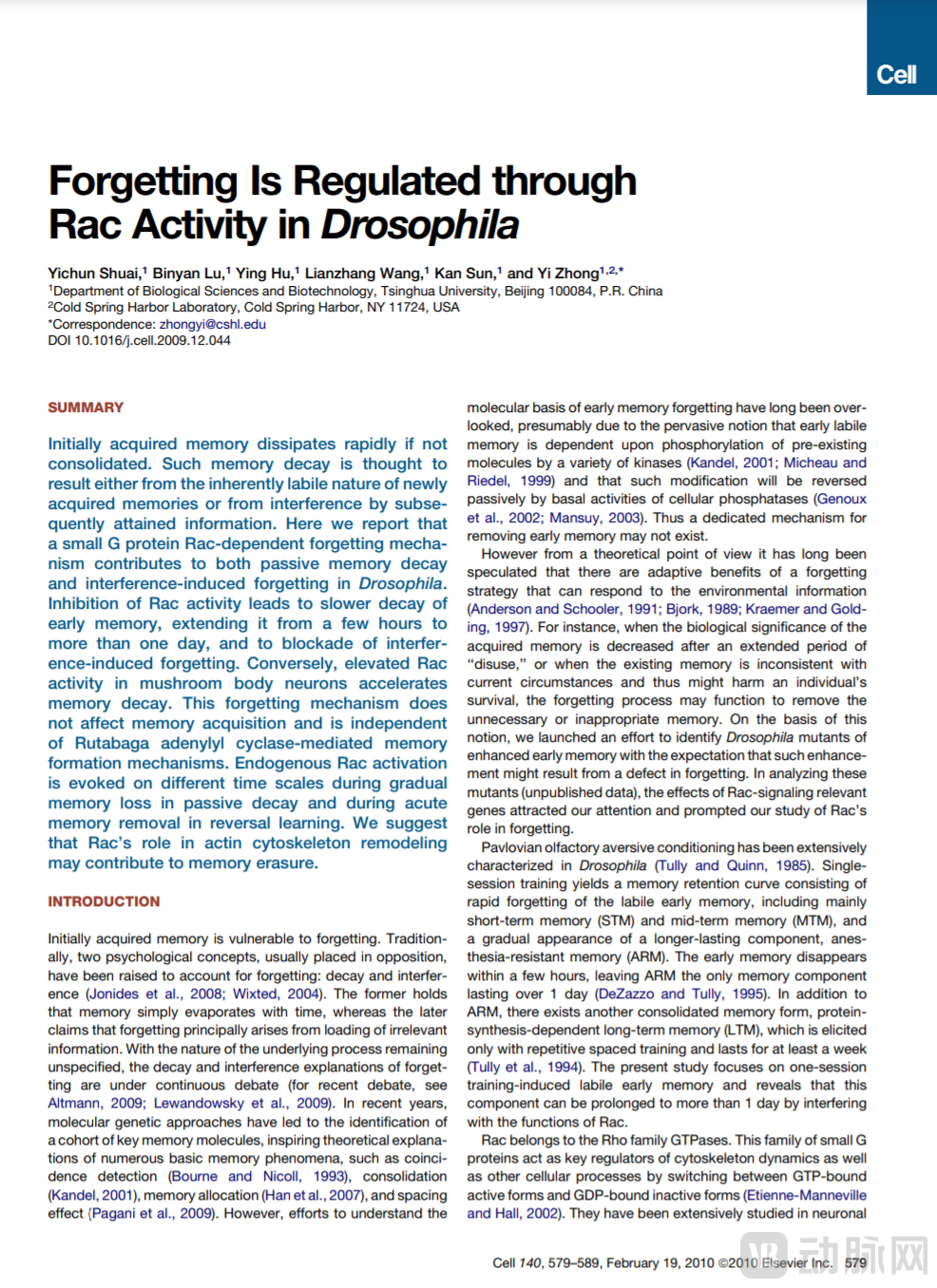
To address the challenges posed by the complex mechanisms of Alzheimer’s disease (AD), the distant relationship between traditional therapeutic targets and disease symptoms, and the suboptimal efficacy of existing treatments, Professor Zhong Yi’s research group at the School of Life Sciences, Tsinghua University,Established a Drosophila phenotypic screening platform to explore therapeutic paradigms for Alzheimer's disease through phenotypic screeningBased on this platform, Professor Zhong Yi first discovered the “biological mechanism of active forgetting” that affects memory in 2010, and published his research findings in the prestigious academic journal Cell. With deepening research into this mechanism within the field and the continuous efforts of Professor Zhong Yi’s team, the “biological mechanism of active forgetting” has emerged as a potential new avenue for treating Alzheimer’s disease.
Professor Zhong Yi is a renowned expert in the field of neurobiology. He currently serves as a Professor at the School of Life Sciences, Tsinghua University, and was the inaugural Director of the Tsinghua-McGovern Institute for Brain Research. In 1992, upon completing his Ph.D., he was exceptionally appointed to the faculty of the Neurobiology Division at Cold Spring Harbor Laboratory (CSHL) in the United States, where he led an independent laboratory. He was promoted to Professor at Cold Spring Harbor Laboratory in 2004. Professor Zhong has over 30 years of research and development experience in the field of neurobiology.Leveraging a leading Drosophila phenotypic screening platform followed by murine validation, we have published dozens of high-impact papers on complex neurological and psychiatric disorders with intricate disease mechanisms, including Alzheimer’s disease, autism spectrum disorder, schizophrenia, and depression, and have spearheaded the discovery and investigation of active forgetting mechanisms.。
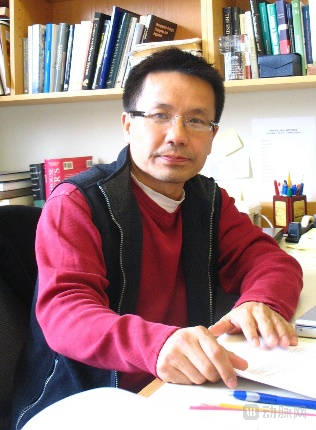
Professor Zhong Yi
Active forgetting mechanisms in organisms refer to the process whereby learning itself activates signaling pathways for forgetting molecules, thereby actively erasing formed memories. This active forgetting mechanism does not affect the efficacy of learning per se, but specifically modulates the rate at which acquired memories are forgotten.
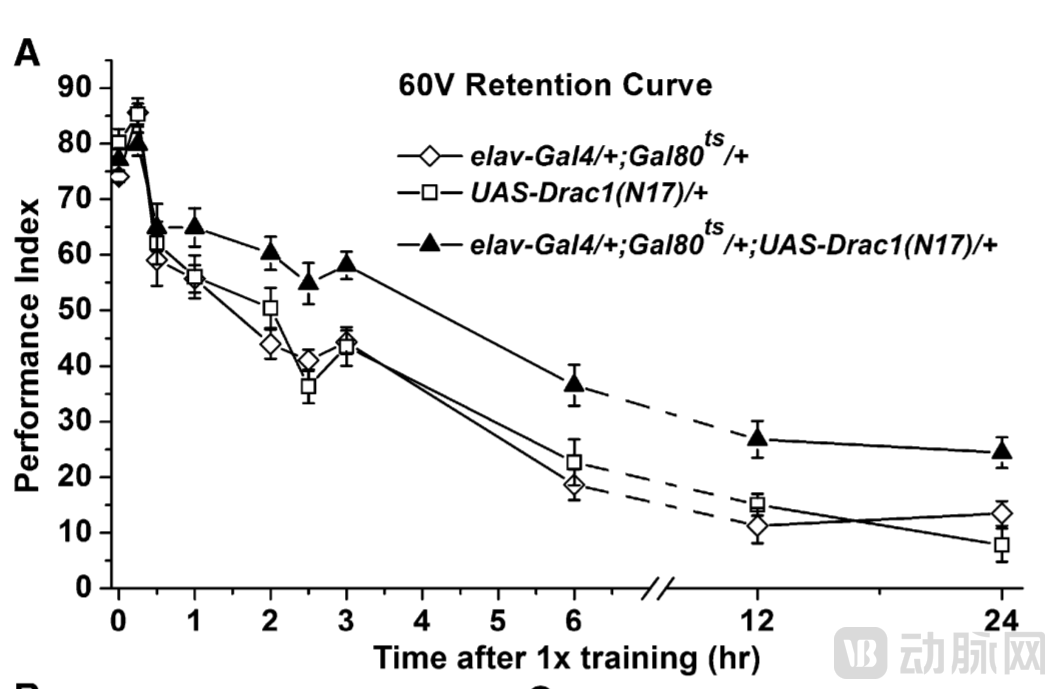
To investigate the theory of active forgetting in the brain, Professor Zhong Yi’s team used Drosophila and mice as experimental models to systematically compare and elucidate the molecular mechanisms underlying active memory forgetting. According to their findings, distinct memory components are governed by dedicated active forgetting mechanisms. In the Drosophila model, the Rac1/WAVE complex/Dia pathway mediates the active forgetting of short-term memory components (unstable memories lasting several hours), whereas the Cdc42/WASp/Arp2/3 complex pathway mediates the active forgetting of long-term memory components (memories lasting more than one day).
The memory engram cell theory, proposed by Nobel laureate Professor Susumu Tonegawa of MIT, posits that memory encoding in the brain can be stored in different states. Specifically, memories formed through normal learning are stored in a latent state that can be retrieved via natural recall, whereas memories encoded under artificial intervention or pathological conditions (such as in patients with Alzheimer’s disease) may be stored in a silent state that is inaccessible to retrieval. Research conducted by Professor Yi Zhong’s team has elucidated the physiological significance of these multiple storage states and the mechanisms governing transitions between encoding states. Their findings demonstrate that negative emotions activate the Rac1-mediated active forgetting mechanism, thereby silencing normal memories and rendering them inaccessible; conversely, positive emotions inhibit Rac1, converting silent memories back into the latent state and enabling memory recovery (see figure below). This discovery opens up new avenues for restoring lost memories in patients with Alzheimer’s disease.
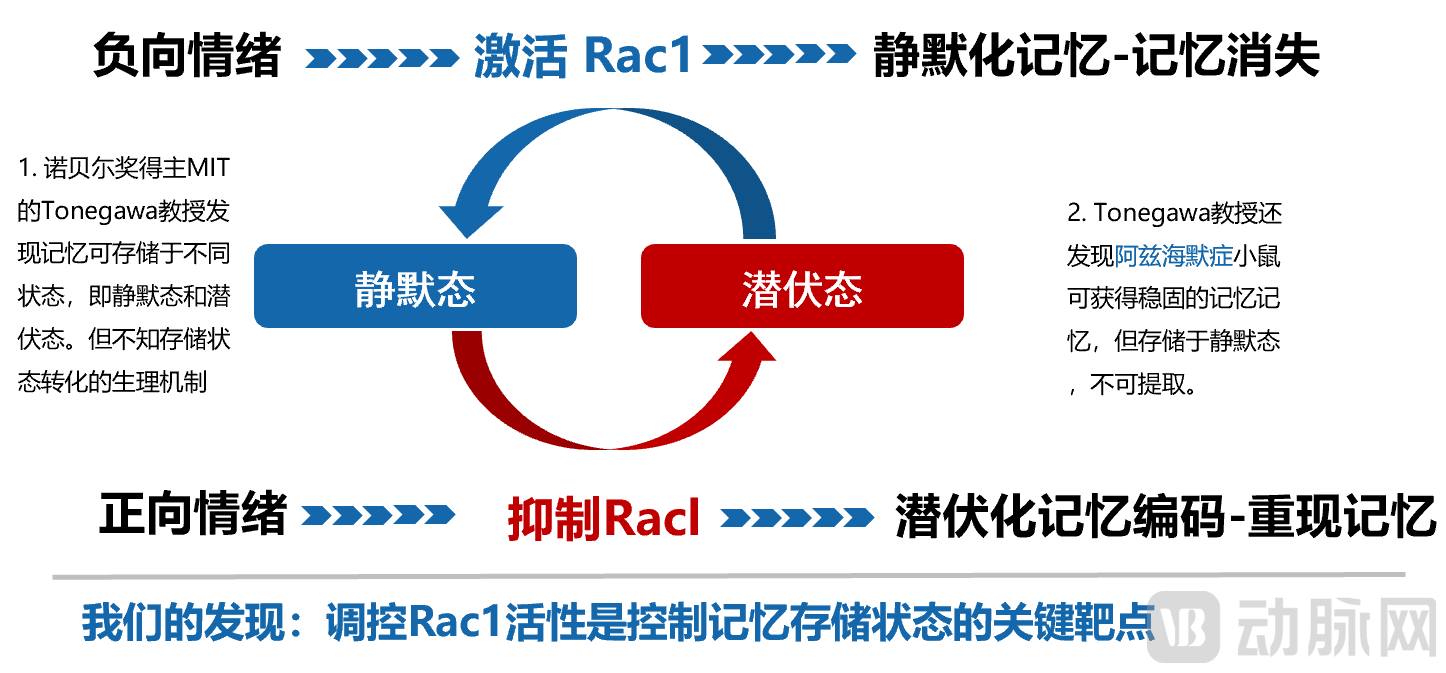
Excessive activation of the Rac1 protein in Alzheimer’s disease (AD) patients leads to hyperactive forgetting, also known as memory silencing, which manifests as rapid memory loss. Inhibiting the excessive activation of Rac1 in AD patients holds promise for addressing abnormal forgetting and thereby rescuing memory impairment. Furthermore, as Rac1 is a critical synaptic protein, maintaining its normal activity helps enhance neuronal function, reduce toxic amyloid-beta (Aβ) levels, inhibit tau protein hyperphosphorylation, and lower inflammation levels. Consequently, Rac1, an active forgetting protein, has emerged as a novel therapeutic target for Alzheimer’s disease.Specific inhibition of Rac1 protein in the hippocampal region of the brain is expected to improve patients' memory, thereby achieving the goal of treating Alzheimer's disease.。
From AD to Autism: The World’s First Rac1-Targeted Drug Enters Clinical Trials
To explore whether this innovative mechanism can redirect the development trajectory of Alzheimer’s disease (AD) therapeutics, Professor Zhong Yi established Beijing Zhuokai Biotechnology Co., Ltd. (hereinafter referred to as “Zhuokai Biotech”), focusing on novel drug development targeting Rac1. Rac1 is a challenging drug target: as a member of the Ras superfamily of GTPases, its structure is considered undruggable; furthermore, while Rac1 plays critical roles in tissues throughout the body, effective AD therapy requires specific modulation of Rac1 activity within the brain.
“Therapies targeting memory and forgetting in the brain differ from other treatments, as memory processes require ultra-rapid responses. If such functions were still regulated by controlling protein levels, the brain’s response speed would be too slow,” said Ma Weiwei, General Manager of Zhuokai Biotech. “In our brain, Rac1 protein primarily achieves rapid responsiveness through a ‘phosphorylation switch’: it becomes active upon phosphorylation and inactive upon dephosphorylation, thereby enabling fast neural responses.” This also explains why direct development of degraders to modulate Rac1 protein activity is not feasible.
Zhuokai Bio leverages its core competitive advantages, namelyA Drosophila-based phenotypic screening platform that employs high-throughput phenotypic screening methods to precisely identify candidate molecules with potent inhibitory activity against the Rac1 target, in a results-oriented manner.。
Perseverance pays off. In 2017, Zhuokai Bio completed the molecular screening for Rac1-targeting compounds, which were subsequently optimized by Professor Wang Jian, the company’s co-founder with extensive experience in medicinal chemistry optimization, thereby establishing the JK-50561 development pipeline.Studies in animal models have shown that, in addition to its efficacy in various Alzheimer’s disease (AD) models, JK-50561 also demonstrates significant memory-improving effects in other models, such as those for vascular dementia and aging. Cross-validation across multiple animal models further corroborates the mechanism involving Rac1 and the pharmacological actions of JK-50561.. The pipeline received implicit IND approval from China’s CDE in March 2021, and the first patient was enrolled in September. CurrentlyThe Phase Ia clinical trial of 50561 is nearing completion, with results demonstrating favorable pharmacokinetic (PK) profiles and an excellent safety profile.. JK-50561 is the world’s first novel drug (first in concept) for treating Alzheimer’s disease from the perspective of memory loss, and it is expected to enter Phase II clinical trials in the second half of 2022.
Meanwhile, the company also makes full use ofPhenotypic Screening Technology PlatformToClinical Drug Translational Developmentof rich experience, forming a unique set ofDrug R&D Platform, and expand its presence in other CNS disease areas.
In the Field of AutismCommon animal models of autism fail to activate Rac1 properly, thereby unable to initiate the active forgetting mechanism, which leads to impairments in social interaction and cognitive flexibility. In advancing its autism pipeline, Zhuokai Biopharma is currently conducting preclinical studies and has achieved exciting progress, with investigator-initiated clinical trials expected to commence by the end of 2022.
In addition, the company is actively advancing a Class 1.1 new drug for amyotrophic lateral sclerosis (ALS) in the field of motor neuron degenerative diseases, while simultaneously developing novel therapies for depression, with clinical trial applications expected to be submitted within two years.
With the advancement of product R&D, after completing its first round of financing in 2016, which was invested by Zhongshan Beisen Capital, Zhuokai Biology completed a Series B financing round in mid-2021, led by Hetang Fund and participated by Daoyuan Capital, MSA Capital (Heyu Capital), and Dongpingheng, with a total amount of tens of millions of RMB; at the end of 2021, it further completed a Series B+ financing round exclusively invested by Legend Capital.
Dr. Qi Fei, Executive Director at Legend Capitalstating: “Neuropsychiatric disorders such as Alzheimer’s disease (AD) represent a major unmet clinical need globally and constitute one of the most challenging frontiers in new drug development. Starting from basic research on its phenotypic screening platform, Professor Zhong Yi’s team at Zhuokai has pioneered research into the mechanisms of ‘active forgetting’ and the molecular role of Rac1. By circumventing traditional approaches to AD drug development, they have advanced a product with global first-in-class (FIC) potential into clinical trials, holding promise for a major breakthrough in the entire field of AD treatment. We believe that China’s innovative pharmaceutical sector will produce globally original blockbuster drugs that translate basic research into clinical applications, and we look forward to working with Professor Zhong and the Zhuokai team to make history together.”
Legend Capital has consistently maintained a systematic investment strategy in the field of innovative drugs, adhering to the investment philosophy of “global vision, Chinese perspective.” It seeks out technologies and teams with genuine international competitiveness to address unmet clinical needs. Several portfolio companies, including Kaiyin Technology (688687.SH), Innovent Biologics (01801.HK), Harbour BioMed (02142.HK), and Recombinex Biologics (02179.HK), have already been listed on the A-share and Hong Kong stock exchanges. Additionally, Legend Capital has invested in leading enterprises in niche sectors, such as Gebio Therapeutics, Suzhou Ribo Life Science, PegBio, Jiayin Biopharma, Linko Pharmaceuticals, Langxin Biotech, and RayzeGen.