

Domestic Players Leverage Yttrium-90 to Combat Liver Cancer: The Rivalry Between Grand Pharmaceutical and Boston Scientific
Liver cancer is known as the “king of cancers,” and half of the world’s liver cancer patients are in China.
In China, there are 400,000 new cases of liver cancer annually. Most patients are diagnosed at an intermediate or advanced stage. Only 20%–30% of liver cancer patients are eligible for surgical resection, and the five-year recurrence rate remains as high as 60%–70%. This represents the severe reality facing liver cancer treatment in China.
To shed the label of being a “major country for liver cancer,” generations of Chinese scientists have relentlessly pursued solutions, and among numerous attempts, the radiopharmaceutical Yttrium-90 has offered a new approach to liver cancer treatment.
On September 28, 2021, an expert team led by Academician Dong Jiahong, an academician of the Chinese Academy of Engineering and President of Beijing Tsinghua Changgung Hospital, performed China’s first precision interventional surgery using yttrium-90 (Y-90) resin microspheres at Boao Super Hospital in Hainan. Follow-up examinations conducted more than two months postoperatively showed a significant reduction in the patient’s liver tumor, which shrank from 10.81 cm preoperatively to 1.8 cm. Additionally, alpha-fetoprotein (AFP), a specific biomarker for primary liver cancer, decreased from 180,446 ng/ml before surgery to 1,469 ng/ml.
“This marks the advent of a new, internationally aligned precision interventional radioembolization regimen for the treatment of malignant liver tumors in China,” said Academician Dong Jiahong.
In February 2022, the official website of China’s National Medical Products Administration (NMPA) announced that the Yttrium [Y-90] resin microspheres (SIR-Spheres) submitted by Grand Pharma had been approved in China. The product is primarily indicated for the treatment of patients with unresectable colorectal cancer liver metastases who have failed standard therapy.
With this, a new chapter in liver cancer treatment has begun, and the curtain is slowly rising on the “Yttrium” era. The strategic landscape of the radiopharmaceutical sector has entered a new age.
This article reviews the development history of Yttrium-90 (Y-90) as a cancer therapeutic agent, highlights the key individuals and companies that have driven medical advancements in this field, and outlines the future prospects for Y-90-based drugs. Through this article, you will gain insights into:
Yttrium-90: A Hard-Won Ideal Radionuclide
Yttrium-90 Resin Microspheres: Grand Pharma’s Unrivaled Dominance
Yttrium-90 Glass Microspheres: Led by Boston Scientific, Multiple Domestic and International Companies Are Entering the Market
Yttrium-90 EDTMP: A “Potent Weapon” for Treating Bone Metastases
Prudent Regulatory Principles: Grand Pharma Introduces via the “Special Zone”
“Yttrium”-Based Radiopharmaceuticals: Future Outlook
In 1794, Finnish chemist Johan Gadolin first isolated a new oxide from Ytterby ore and named it ytterbia, which is yttria.
The rare earth element yttrium has extensive applications, including in superconductors, the aerospace industry, the iron and steel industry, and medicine.
Yttrium-90 is a radioactive isotope of metallic yttrium, with a half-life of 64 hours and emitting pure beta radiation (0.9 MeV). It can be obtained from a ⁹⁰Sr-⁹⁰Y generator and is primarily used for the preparation of therapeutic radiopharmaceuticals.
Yttrium-90 is an isotopic atom that emits high-energy beta rays.The relatively high energy emission of Yttrium-90 results in a maximum tissue penetration depth of approximately 11 millimeters. Its ability to be conjugated with microspheres makes it particularly suitable for clinical applications.Therefore, yttrium-90 is currently a relatively ideal therapeutic radionuclide.
Research on yttrium as a therapeutic agent began early. In 1965, American surgeon Ariel and other researchers used interventional techniques to administer yttrium-90 radioactive microspheres, smaller in diameter than a human hair, to ten patients with unresectable primary liver cancer and pancreatic cancer. Delivered via the hepatic artery, the microspheres became embedded in the tumor’s vascular bed, providing continuous brachytherapy without damaging normal hepatocytes. Ultimately, most of these patients experienced tumor shrinkage and pain relief.
Chinese scientists have also made relevant attempts. In the 1990s, the Second Department of Glass at Shanghai Institute of Building Materials Industry, the Institute of Isotopes at China Institute of Atomic Energy, and Zhongshan Hospital of Shanghai Medical University collaborated to develop yttrium-90 (Y-90) glass microspheres. However, due to immature manufacturing processes at the time, commercial translation was not feasible, and subsequent research and development efforts were ultimately abandoned.
In the field of medicine, Yttrium-90 is commonly used in anticancer drugs such as Edotreotide and Ibritumomab tiuxetan. It is attached to these pharmaceutical agents to bind with cancer cells, where its beta radiation induces DNA mutations in the cancer cells, thereby halting their proliferation.
Currently, yttrium-90 (Y-90) products on the market are mainly categorized into three types: Y-90 glass microspheres, Y-90 resin microspheres (20–30 μm), and Y-90-EDTMP.Among them, Yttrium-90 microspheres are primarily used for the treatment of liver cancer (via intra-arterial injection), while Yttrium-90 EDTMP can be used to treat leukemia, myeloma, and other conditions.
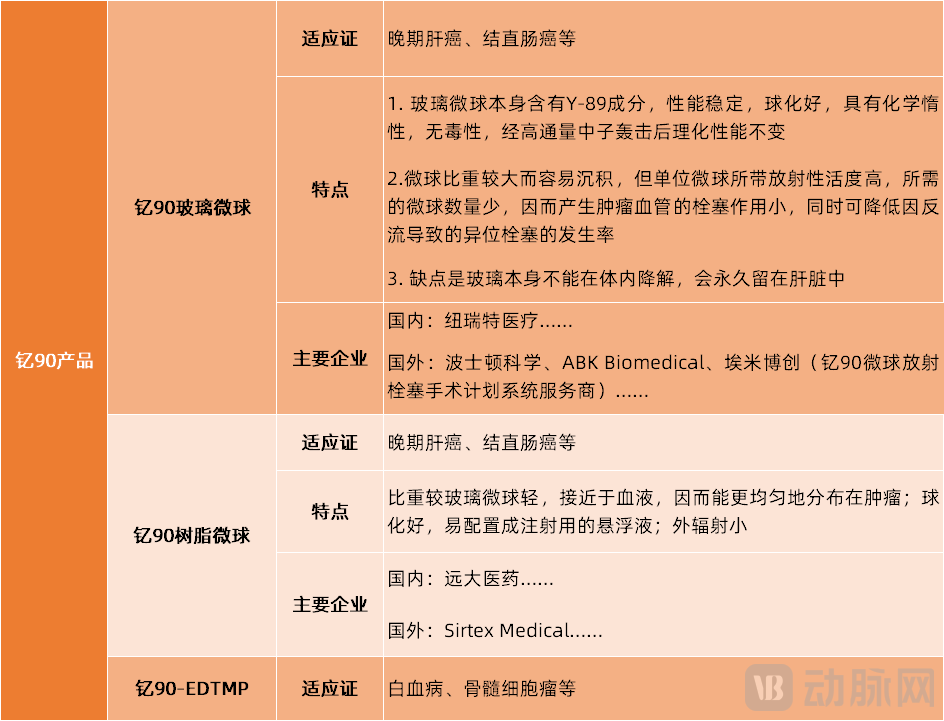
Yttrium is bound to biocompatible resin microspheres (20–60 μm) to form radioactive yttrium-90 resin microspheres.
Resin microspheres have a lower specific gravity than glass microspheres,close to blood, thus enablingMore evenly distributed within the tumor. It also exhibits good sphericity and is easily formulated into an injectable suspension., easy to use, therefore currentlyYttrium-90 resin microspheres have more clinical evidence.
Yttrium-90 resin microspheres are a radionuclide drug used for selective internal radiation therapy (SIRT) of malignant liver tumors, widely applied inLiver Tumors, Including Primary Liver Cancer and Colorectal Liver Metastases...treatment, and it can also be used in combination with other medications or therapeutic modalities to achieve better treatment outcomes.
When using yttrium-90 (Y-90) resin microspheres for treatment, a catheter must be advanced via the femoral or radial artery into the hepatic artery supplying the liver tumor under interventional guidance. The Y-90 resin microspheres (particle size < 100 μm) are then delivered through this catheter and become lodged in the tumor’s microvasculature. Leveraging the fact that liver tumors are predominantly supplied by arterial blood flow, the radiation dose distributed within the tumor tissue can reach 5–6 times that of normal liver tissue. By utilizing the continuous local brachytherapy provided by the Y-90 radionuclide at the lesion site, it is possible to achieveInhibition of tumor cell growth, induction of apoptosis, and necrosis.
Clinical evidence has demonstrated that Yttrium-90 (Y-90) resin microspheres can significantly improve tumor response rates, leading to tumor shrinkage and downstaging, thereby enabling patients to regain eligibility for hepatectomy. Furthermore, they significantly prolong liver-specific progression-free survival, control the progression of hepatic tumors, and extend the window of opportunity for patients awaiting liver transplantation.
Meanwhile, Yttrium-90 resin microspheresLow External Radiation, the radiation exposure to others within one meter of the patient is even lower than that received during air travel. No special protective measures are required for individuals around the patient, allowing for a high quality of life.
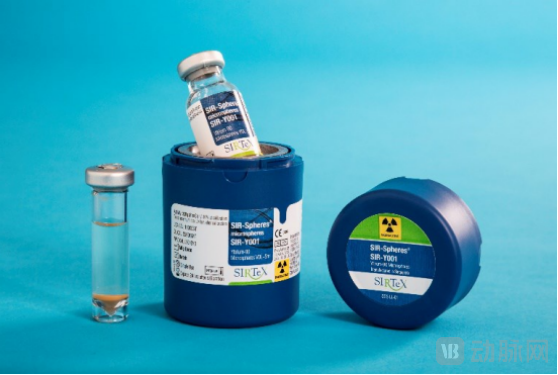
SIR-Spheres®Product Image of Yttrium [90Y] Resin Microspheres Injection
Grand Pharma's SIR-Spheres®Yttrium-90 [⁹⁰Y] resin microspheres are a medical device used for selective internal radiation therapy (SIRT) of liver tumors.
2002, SIR-Spheres®Yttrium-90 (⁹⁰Y) Microsphere Injection has been approved for marketing by the U.S. Food and Drug Administration (FDA) and the European Medicines Agency (EMA), making it the only product worldwide indicated for selective internal radiation therapy (SIRT) of liver metastases from colorectal cancer.
Over the 20 years since its market launch, this product has treated more than 120,000 patients in over 50 countries and regions worldwide. Its safety and efficacy have gained broad clinical recognition, and it is recommended by guidelines issued by organizations such as the European Society for Medical Oncology (ESMO), the National Comprehensive Cancer Network (NCCN), and the UK’s National Institute for Health and Care Excellence (NICE) for the treatment of colorectal cancer liver metastases.
Grand Pharma, in partnership with CDH Genetech Limited, invested billions to acquire Sirtex in 2018, introducing SIR-Spheres.®Yttrium [90Y] Microsphere Injection.
“We pursue acquisitions with a deep industry focus, prioritizing synergy and complementary strengths. Most of our acquisitions are within the existing indications, leveraging our extensive experience to facilitate faster localization in China. Over the next one to two years, you will see the integration and implementation following our acquisition of Sirtex,” said Shao Yan, CEO of Grand Pharma, in a post-acquisition interview.
As stated, SIR-Spheres® Yttrium [90Y] Microspheres for Injection was approved in China in August 2020 for marketing application based on clinical trial data obtained overseas, and the NMPA formally accepted the SIR-Spheres application in November of the same year.®New Drug Application (NDA) for the indication of colorectal cancer liver metastases for Yttrium [90Y] Microspheres Injection. In September 2021, with the assistance of Grand Pharma, Sirtex successfully completed the first special access case in China for SIR-Spheres® Yttrium [90Y] Microspheres Injection for the indication of primary liver cancer, leveraging the policy that allows prior trial use of overseas-marketed medical devices in the Boao Lecheng International Medical Tourism Pilot Zone of the Hainan Free Trade Port.
This SIR-Spheres®The approval of Yttrium-90 (⁹⁰Y) microsphere injection for marketing in China will provide a novel and effective treatment option for patients with malignant liver tumors, offer potential opportunities for surgical resection, and address the gap in local therapies for colorectal cancer liver metastases. Meanwhile, Grand Pharma has achieved prominent recognition with this product, entering a period of commercial harvest.
Compared with resin microspheres, glass microspheres inherently containY-89 Composition: Stable performance, excellent sphericity, chemically inert, non-toxic, and maintains its physicochemical properties after high-flux neutron irradiation.. The microspheres have a relatively high specific gravity and are prone to sedimentation; however, each microsphere carries a high level of radioactivity, thereby requiring a smaller number of microspheres. This results in a reduced embolic effect on tumor vasculature and simultaneously lowers the incidence of ectopic embolism caused by reflux.The drawback is that the glass itself cannot degrade in vivo and will remain permanently in the liver.
Currently, the yttrium-90 (Y-90) glass microspheres available on the market are predominantly Boston Scientific’s TheraSphere Y-90 Glass Microspheres.
In March 2021, the FDA approved Boston Scientific’s TheraSphere Y90 glass microspheres for the treatment of patients with unresectable hepatocellular carcinoma (HCC).
TheraSphere Y-90 is the world’s first radioactive glass microsphere, specifically designed for the treatment of liver cancer, pioneering innovative internal radiation therapy for patients with advanced-stage disease. It works by implanting radioactive particles directly into the tumor, delivering continuous low-dose radiation to destroy cancer cells. This product integrates conventional radiation therapy with vascular interventional techniques. Furthermore, due to the limited range of radiation emission, it effectively minimizes damage to healthy hepatocytes and other organs.
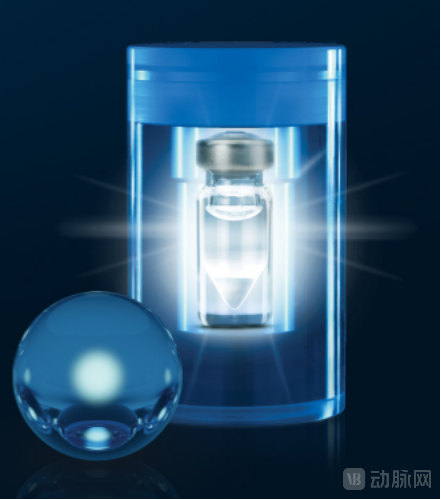
TheraSphere Y-90 Glass Microspheres
Currently,Boston Scientific Transfers Yttrium-90 Radioactive Glass Microsphere Technology to Domestic NuRuiTe Medical, to facilitate the approval and manufacturing of yttrium-90 microspheres in China.
In addition to the companies mentioned above, there areABK Biomedical, BEBIG, Neuray Medical, and Embo Innovation, among others—also exploring this field—
ABK Biomedical: Eye90 Microspheres™ Launch First-in-Human Clinical Study for the Treatment of Liver Tumors
Founded in 2012, the company is a medical device manufacturer headquartered in Nova Scotia, Canada. Since its inception, it has been dedicated to innovating embolization therapies for the treatment of uterine fibroids, hypervascular tumors, arteriovenous malformations, and related conditions, striving to provide better therapeutic options for patients with vascular anomalies.
ABK Biomedical offers two products: Eye90 Microspheres™ and Easi-Vue™ Embolization Microspheres.
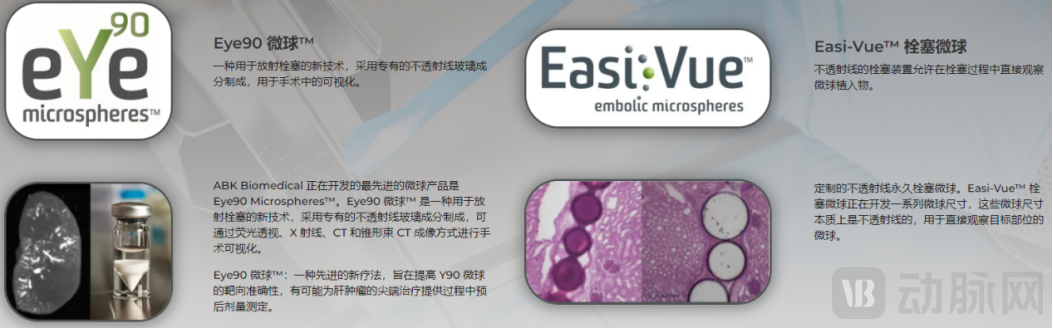
ABK Biomedical Product Introduction; Images from the Official Website
The Eye90 Microspheres™, co-developed in collaboration with the Research Department of Auckland Hospital in New Zealand, are the flagship product of ABK Biomedical. This is a Yttrium-90 radioembolization device. Yttrium-90 radioembolization is a form of localized brachytherapy currently used to treat malignant liver tumors.
Eye90 Microspheres™ utilize a proprietary radiopaque glass composition to enable surgical visualization via fluoroscopy, X-ray, CT, and cone-beam CT imaging modalities.Furthermore, this product can also provide prognostic dosimetry for the treatment of liver tumors.
Currently,Eye90 Microspheres™ Initiate First-in-Human Clinical Study for the Treatment of Liver Tumors.
It is worth mentioning that the company also collaborates with the University of Missouri Veterinary Health Center,Recruiting canine patients for a clinical trial to evaluate the efficacy of Yttrium-90 radioembolization in the treatment of canine liver cancer.
The company secured a $30 million Series B financing round in April 2019, co-led by F-Prime Capital and Varian Medical Systems.
BEBIG: Advancing Yttrium-90 Nanostructured Microspheres
BEBIG, established in 2004, is Russia’s first manufacturer of microsources for low-dose-rate brachytherapy in cancer treatment. In December 2020, it obtained Russian registration certification for the production and sale of yttrium-90-based nanostructured microspheres for the treatment of primary and metastatic liver lesions. Prior to obtaining this certification, the company was acquired by Rafarma Pharmaceuticals, a U.S.-listed biopharmaceutical company.
Neurite Medical: Founded by Scientists from the Nuclear Industry System, Challenging Boston Scientific
Chengdu Newreat Medical Technology Co., Ltd., established in 2016, was founded by a group of scientists from the nuclear industry system, including Researcher Qian Jihui, former President of the Nuclear Power Institute of China and former Deputy Director General of the International Atomic Energy Agency; Researcher Li Maoliang, former Director of the Chengdu Isotope Application Institute under the Nuclear Power Institute of China; and Researcher Cai Jiming, former Vice President of the Sichuan Academy of Atomic Energy.
It is an integrated enterprise specializing in the research and development, innovation, and industrialization of radiopharmaceuticals. The company is primarily engaged in the development, manufacturing, and sales of diagnostic and therapeutic medical isotopes; provides innovative technical services and scientific consulting for radiopharmaceuticals; and conducts foreign trade and technical cooperation in the field of radiopharmaceuticals.
Its main products areRadioactive Glass MicrospheresandNovel Radioembolization MicrospheresThe former employs a proprietary bead manufacturing process to produce glass microspheres with specific sizes (20 µm–30 µm) and compositions. After irradiation in a nuclear reactor, radionuclides with specific energy levels are generated in situ, transforming them into radioactive embolic microspheres for the treatment of malignant tumors such as liver cancer and tongue cancer. The latter utilizes an independently developed process to manufacture novel, lightweight, non-toxic embolic microspheres of specified sizes. These microspheres efficiently adsorb various radionuclides, forming radioactive embolic microsphere drugs for targeted therapy of malignant tumors.
In July 2019, the company secured RMB 116 million in Series B financing from BTG (a subsidiary of Boston Scientific), Hangzhou Ruizhao Investment, and Ningbo Zhongchao Investment.
Amibochuang: Service Provider for Yttrium-90 Microsphere Radioembolization Surgical Planning Systems
Qingdao Aimibo Chuang Medical Technology Co., Ltd., established in April 2021, is dedicated to reducing the complexity of interventional embolization procedures and advancing precision treatment for patients with liver cancer. The system provides physicians with preoperative interventional embolization plans, offers real-time navigation during surgery, performs real-time quantitative analysis of potential procedural risks, and issues pre-operative warnings.
Furthermore, domestic enterprises in ChinaYunke Pharmaceutical, KeraichiAlso actively developing Yttrium-90 microsphere products.
Advanced malignant tumors are often complicated by bone metastases. Although bone metastases rarely pose a direct threat to patients' lives, the intractable cancer-related bone pain can be unbearable for patients. The use of radionuclide interventional therapy to alleviate pain caused by bone metastases is currently a hot topic in nuclear medicine and oncology both domestically and internationally.
The primary objective of radionuclide therapy for severe multiple bone metastases is to alleviate bone pain, reduce patients' dependence on and requirement for narcotic analgesics, and improve quality of life.
The use of radionuclides for the treatment of bone metastases dates back to the early 1950s, when compounds labeled with 32P, 131I, and other isotopes were recommended. However, due to complex preparation processes or the long half-lives and high background radiation of these compounds, their clinical application remained challenging.
In 1990, Meng Zhaoxin and other scientists reported significant therapeutic efficacy of high-dose 99mTc-MDP (diphosphonate) in the treatment of bone metastases after years of exploration. On this basis, 90Y-EDTMP was introduced into clinical practice. Compared with high-dose 99mTc-MDP therapy, it demonstrated higher response and imaging effectiveness rates, as well as a prolonged remission period.
90Y-labeled EDTMP is selectively taken up by bone, features rapid blood clearance and high accumulation in target tissues, with uptake in bone lesions typically several times higher than that in normal bone tissue, making it an ideal agent for clinical internal radiotherapy of bone metastases.
It must be acknowledged that overseas companies have taken the lead in the research and application of yttrium. However, Chinese companies have embarked on bold initiatives through capital mergers and acquisitions and by leveraging “special zones” as conduits, thereby enabling both sides to advance their applications on a comparable footing.
China’s drug regulatory authorities impose stringent oversight on radioactive pharmaceutical products.
Under the existing classification framework, Yttrium-90 microspheres must be registered as radiopharmaceuticals to enter the Chinese market. However, in countries such as the United States, Australia, and Canada, they are approved and marketed as medical devices. The incompatibility between regulatory and classification systems prevents medical institutions from providing the pharmacokinetic and pharmacodynamic studies required for drug registration during import applications, thereby precluding the acquisition of compliant approval documents.
However, a turning point emerged in June 2018. Grand Pharma, in partnership with CDH Investments, acquired the owner of SIR-Spheres for the astronomical sum of nearly RMB 10 billion.®The manufacturer of the Australian resin microspheres for Yttrium-90 [90Y] resin microsphere injection is Sirtex. Two years later, Grand Pharma announced that the product had completed its regulatory submission, and in the same year, it was included in the “Standardized Diagnosis and Treatment of Primary Liver Cancer (2019 Edition)” issued by the National Health Commission. Regulatory hurdles were addressed in Hainan Province through a “special access” mechanism. After 2018, the Boao Lecheng International Medical Tourism Pilot Zone in Hainan successively obtained approval authority for the import of urgently needed clinical medical devices and pharmaceuticals, thereby laying the foundational conditions for the subsequent introduction of Yttrium-90.
The development of emerging industries and new technologies relies on policy support and promotion. In June 2021, eight departments—including the China Atomic Energy Authority, the Ministry of Science and Technology, the Ministry of Public Security, the Ministry of Ecology and Environment, the Ministry of Transport, the National Health Commission, the National Healthcare Security Administration, and the National Medical Products Administration—jointly issued the Medium- and Long-Term Development Plan for Medical Isotopes (2021–2035). This is China’s first programmatic document specifically targeting the application of nuclear technology in healthcare, fully affirming the unique role of nuclear medicine in the early diagnosis of major diseases, precise eradication of small lesions, and rational diagnosis and treatment.
On January 8, 2022, the National Health Commission of China officially released the “Guidelines for the Diagnosis and Treatment of Primary Liver Cancer (2022 Edition),” with the full text published on its official website on January 17. Building upon the 2019 edition, these guidelines were updated to incorporate the latest evidence and recommendations from leading experts. Regarding Yttrium-90 (Y-90) microsphere therapy, the guidelines have added recommendations for its use in bridging and downstaging treatments, reflecting further recognition by Chinese experts of the clinical value of Y-90 microspheres.
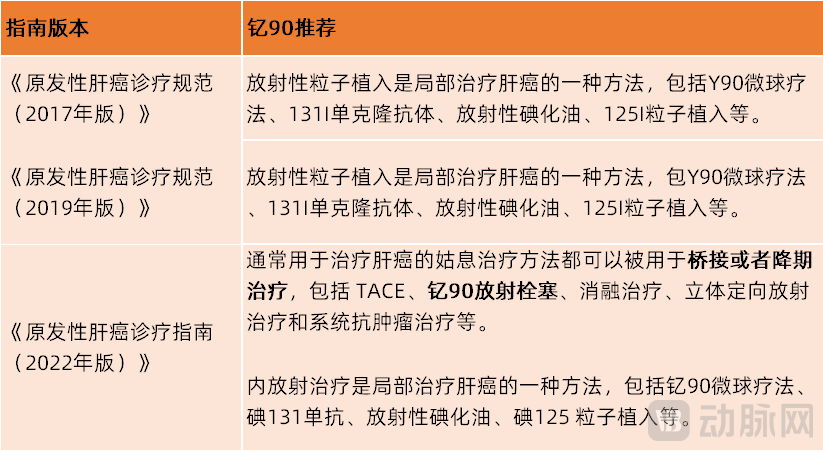
Revisions to the Yttrium Section in the Three Editions of the Guidelines
Grand Pharma SIR-Spheres®The approval of Yttrium [90Y] microsphere injection is encouraging, but we must also recognize the underlying issues.
China's nuclear medicine regulatory system is not fully aligned with international standards.
Since the inclusion of radiopharmaceuticals in drug regulations in 1974, policy support for the radiopharmaceutical industry has increased year by year. However, China’s regulatory framework for radiopharmaceuticals is not fully aligned with international standards, and requirements for research and development, registration, and other aspects differ from those overseas.
Guo Lili, Secretary-General of the China Isotope and Radiation Association, stated in an interview: “Under Chinese regulations, radioimmunoassay diagnostic reagents are classified as radiopharmaceuticals, whereas they are not categorized as such in some European and American countries. Differences in product classification lead to varying documentation requirements from R&D through to regulatory submission, as well as different experimental protocols and evaluation criteria, which to some extent hinder import/export registration and clinical use. For instance, sealed iodine-125 seeds are regulated as pharmaceuticals in China, while the United States classifies them as medical devices. Regardless of which approach is more stringent, the two regulatory frameworks differ. No matter how high-quality a product may be, if it aims to align with international standards and be exported abroad, it must comply with the regulatory system of the target market.”
With technological advancements, diagnostic and therapeutic services related to radiopharmaceuticals have become increasingly complex, involving a growing variety of products and expanding usage volumes. There is an urgent need to improve relevant laws and regulations to better align with the requirements of radiopharmaceutical production, distribution, and application. Only by establishing a regulatory framework that ensures effective oversight of radioactive pharmaceuticals while accommodating the practical realities of production and use can the rapid development of the radiopharmaceutical industry be promoted.
Domestic radiopharmaceutical business remains relatively traditional, with market growth potential yet to be tapped
In contrast to the bustling scene of companies crowding into sectors such as medical devices and biopharmaceuticals, China’s radiopharmaceutical industry appears somewhat subdued.
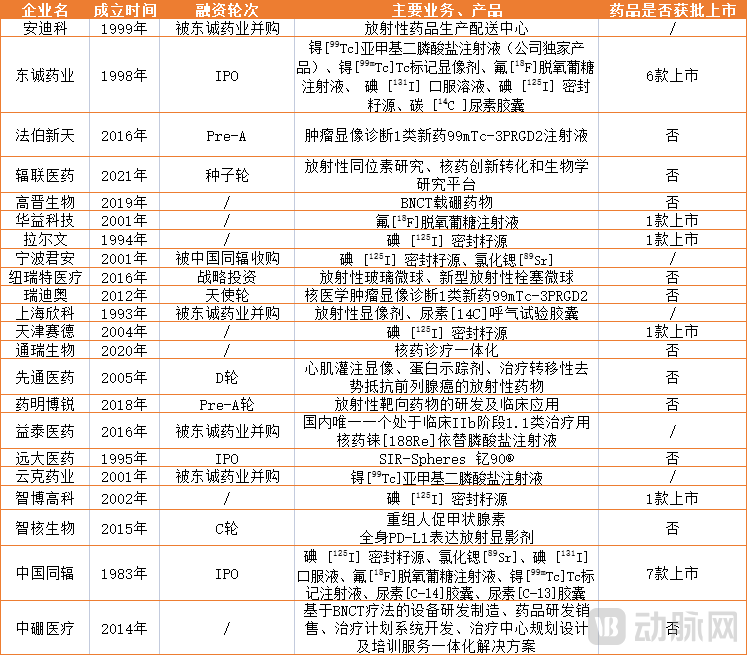
Overview of Chinese Radiopharmaceutical Companies (Compiled from Public Information)
Despite the emergence of new players in the radiopharmaceutical sector, such as Farber New Sky, Fulian Pharmaceutical, Gaojin Biologics, and Huayi Technology, these innovative enterprises are generally small in scale, with limited R&D capabilities and financial support. As a capital-intensive industry with high entry barriers, radiopharmaceuticals require well-defined development strategies and the introduction of capital investment.
Most companies offer relatively traditional business products, suffering from severe homogenization and a lack of differentiated, competitive offerings. The majority of these enterprises are still vying for shares in the existing market, which has led to insufficient R&D momentum and left incremental market potential untapped. Concerted efforts supported by policy, technology, capital, and talent are needed to narrow the gap with international frontiers.
Currently, the pharmaceutical industry as a whole is on an upward trajectory, which will inevitably drive the vigorous growth of the niche market for radiopharmaceuticals. Furthermore, with policy relaxation, increased capital investment, a growing talent pool, accelerated substitution with domestically produced alternatives, and rising installation rates of PET-CT scanners, the development landscape of nuclear medicine in China will continue to improve.
We sincerely hope that technologies like Yttrium-90 will continue to emerge, igniting the torch of life for every patient and exploring the unknown frontiers of human health.
References:
1. “China’s First Case of Yttrium-90 Resin Microsphere Internal Radiation Therapy for Liver Cancer Shows Breakthrough Results, Adding a New Tool to the Domestic Liver Cancer Treatment Field”
2. “Grand Pharma’s Globally Innovative Radiopharmaceutical SIR-Spheres”®Yttrium [90Y] Microsphere Injection Approved for Marketing by the National Medical Products Administration》
3.<Clinical History of the Theranostic Radionuclide Approach to Neuroendocrine Tumors and Other Types of Cancer: Historical Review Based on an Interview of Eric P. Krenning by Rachel Levine>
4.https://www.sciencedirect.com/topics/medicine-and-dentistry/yttrium-90
5. Sanlian Life Week: “Behind the ‘Myth of Curing Liver Cancer,’ How Much Help Can Yttrium-90 ([Y-90]) Actually Provide?”
6. “Grand Pharma’s Globally Innovative Radiopharmaceutical SIR-Spheres”®Yttrium [90Y] Microsphere Injection Approved for Marketing by the National Medical Products Administration
7. “Experimental and Clinical Report on 99Y-EDTMP in the Treatment of Bone Metastases”