

How Five Academicians and Over 100 Top-Tier Hospital Directors Are Transforming Chronic Disease Management in the Era of Smart Healthcare
With the economic development in China, rapid improvements in nutrition and lifestyle have led to a surge in the prevalence of chronic metabolic diseases such as obesity, diabetes, and chronic kidney disease, with a noticeable trend toward affecting younger populations. Therefore, within the macro context of the “Healthy China 2030” Planning Outline, some innovators are beginning to break free from rigid mindsets to seek optimal medical solutions for metabolic diseases.
In 2016, initiated by Academician Ning Guang of the Chinese Academy of Engineering and managed by the National Clinical Research Center for Metabolic Diseases / Shanghai Institute of Endocrinology and Metabolism, the Standardized Management Center for Metabolic Diseases (MMC) began to be established nationwide to promote a standardized management system for metabolic diseases.
As the MMC project is implemented across multiple locations in China, this innovative chronic disease management model is benefiting a growing number of patients with metabolic chronic diseases. To better serve the public and support the Healthy China initiative,On February 26, 2022, the First MMC Smart Chronic Disease Management Hospital Directors’ Summit, co-hosted by the National Metabolic Management Center (MMC) and the Shanghai Medical and Health Development Foundation, was successfully held in Shanghai.This conference also received strong support from CEIBS, Novo Nordisk, Omron, and ZhiZhong Medical.
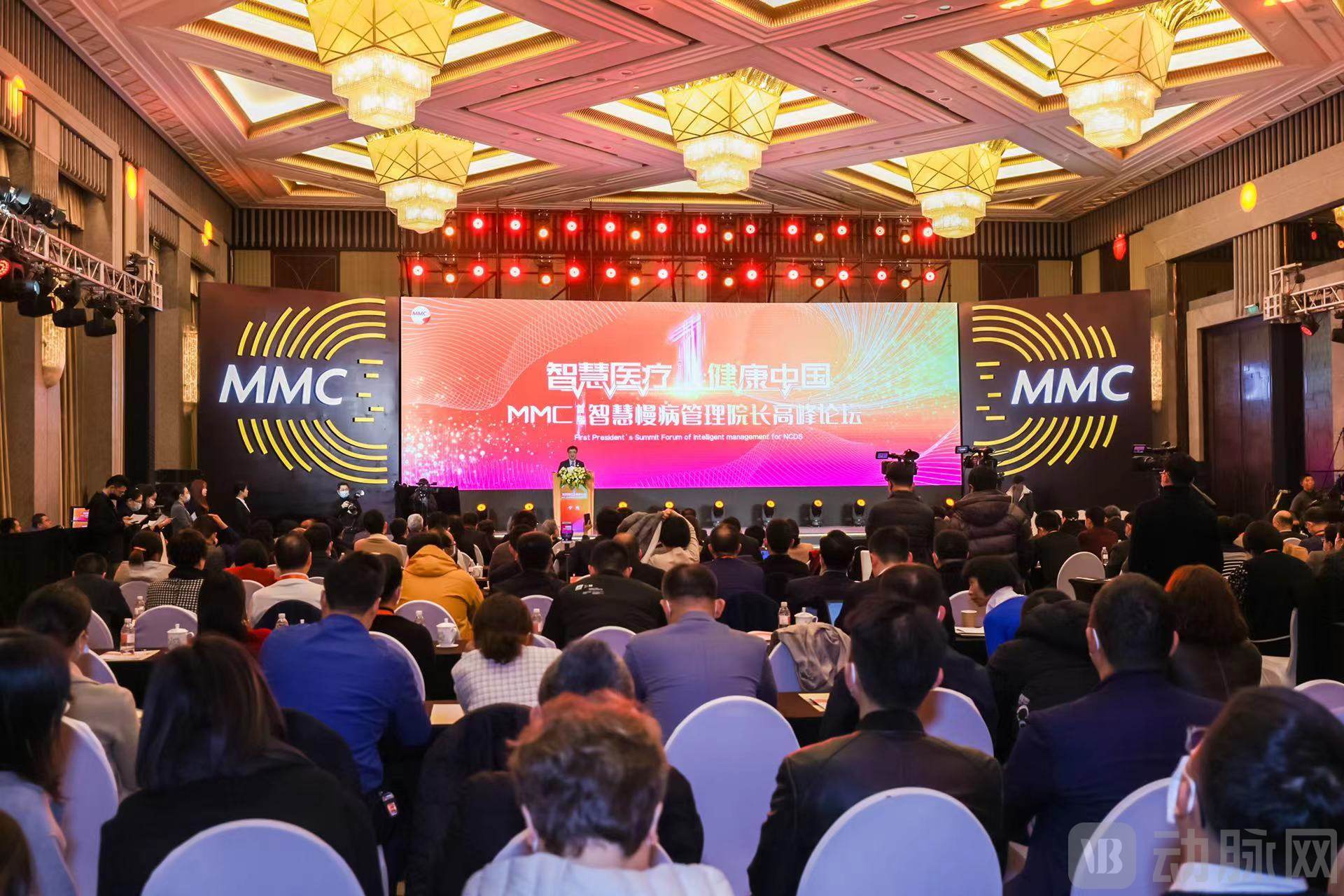
The forum, themed “Smart Healthcare, Healthy China,” joins hands withAcademician Wang Weiqi of the Chinese Academy of Engineering, Academician Fan Xianqun of the Chinese Academy of Engineering, Academician Huang Hefeng of the Chinese Academy of Sciences, Academician Teng Gaojun of the Chinese Academy of Sciences, and Academician Ning Guang of the Chinese Academy of EngineeringFive academicians and leaders from CEIBS attracted over 100 presidents of Grade-A tertiary hospitals across China to jointly explore new models for chronic disease management in the country.
Mr. Wang Xingpeng, Secretary of the Party Committee and Director of the Shanghai Shenkang Hospital Development Center, delivered the opening address. He stated, “Chronic diseases, represented by diabetes, have exerted a significant impact on China’s socio-economic landscape. However, from a statistical perspective, timely intervention for patients with chronic diseases can lead to a qualitative improvement in their quality of life. The innovative chronic disease management model exemplified by the Metabolic Management Center (MMC) integrates advanced diagnostic and therapeutic technologies with digital technologies such as the Internet of Things (IoT) and big data,”It is an effective tool for intervening in metabolic chronic diseases such as diabetes. For public hospitals, the MMC can also serve as an important vehicle for refined and standardized internal governance.”
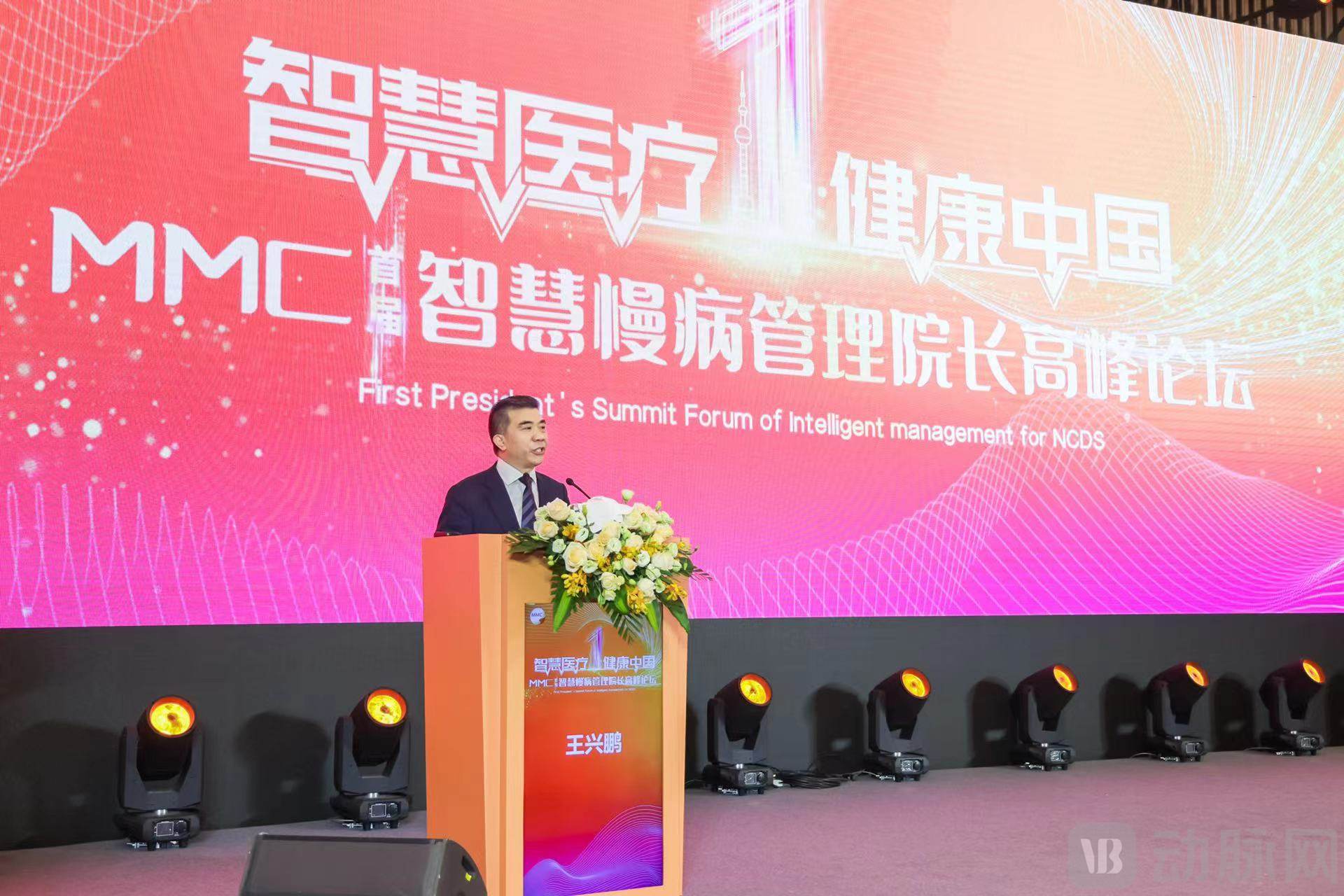
Mr. Wang Xingpeng, Secretary of the Party Committee of Shanghai Shenkang Hospital Development Center
Dean Wang Hong of CEIBS stated that, having cultivated the field of smart healthcare for many years, CEIBS bears the responsibility to support experts and professors from medical schools in advancing the development of smart healthcare. Furthermore, as China’s aging trend intensifies, the necessity and urgency of health management have become increasingly evident.Chronic disease management truly centers on human health, achieving effective disease control through precise monitoring and tracking, thereby improving people’s quality of life.“We sincerely hope that an increasing number of healthcare professionals will contribute their insights and expertise to improve the health and quality of life of people in China, thereby scaling new heights in advancing the ‘Healthy China’ initiative.”
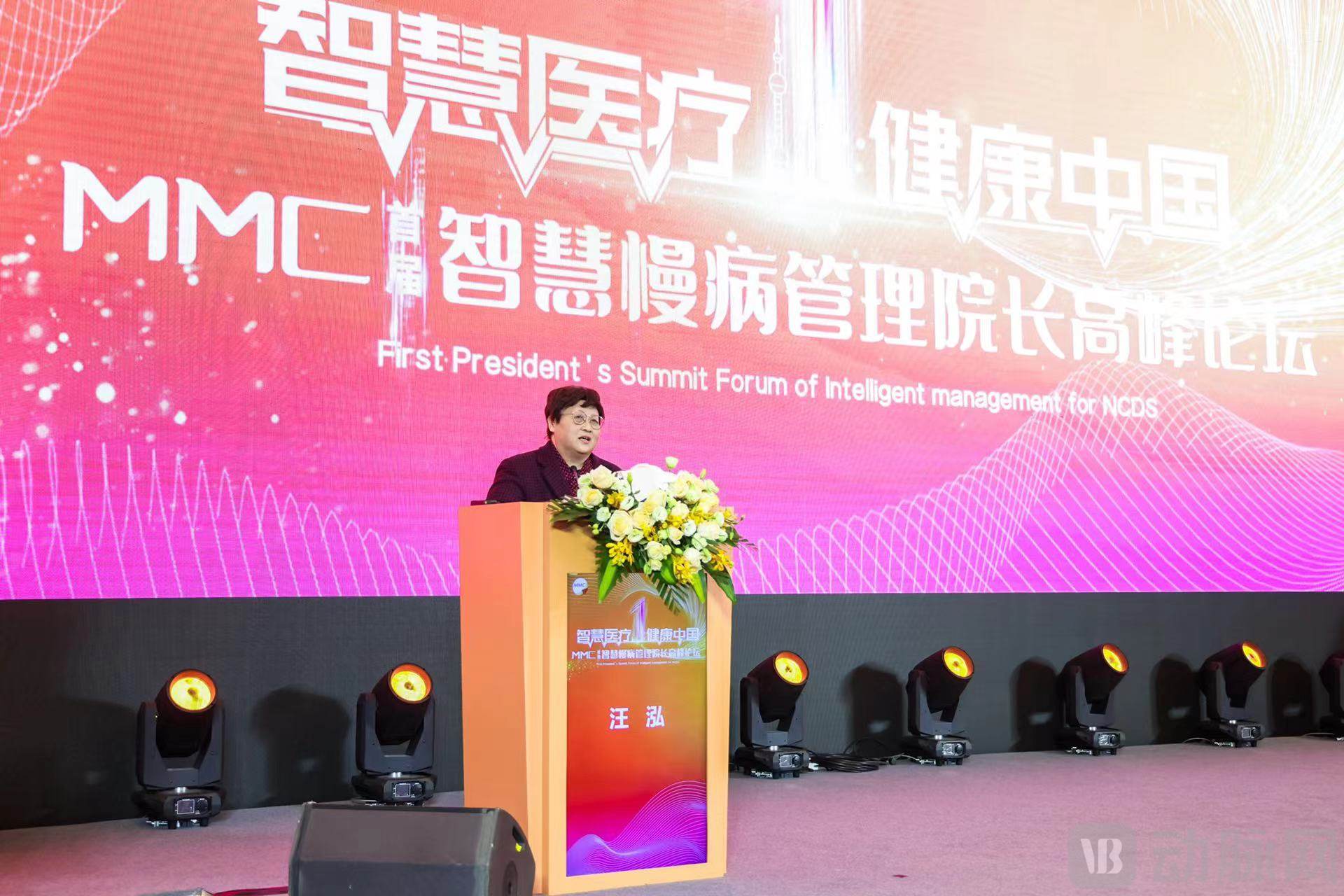
Wang Hong, Dean of CEIBS
Academician Ning Guang of the Chinese Academy of Engineering believes that technologies such as artificial intelligence, the Internet of Things, and data algorithms have been effectively integrated into the healthcare sector, serving as a significant force in driving hospitals’ digital transformation and the development of smart hospitals.In his view, the purpose of building smart hospitals is to satisfy three “dimensions”: first, patient experience, ensuring that patients receive satisfactory and comfortable medical services; second, physician satisfaction, helping doctors improve their clinical proficiency; and third, hospital control, enabling hospital administrators to manage potential risks.
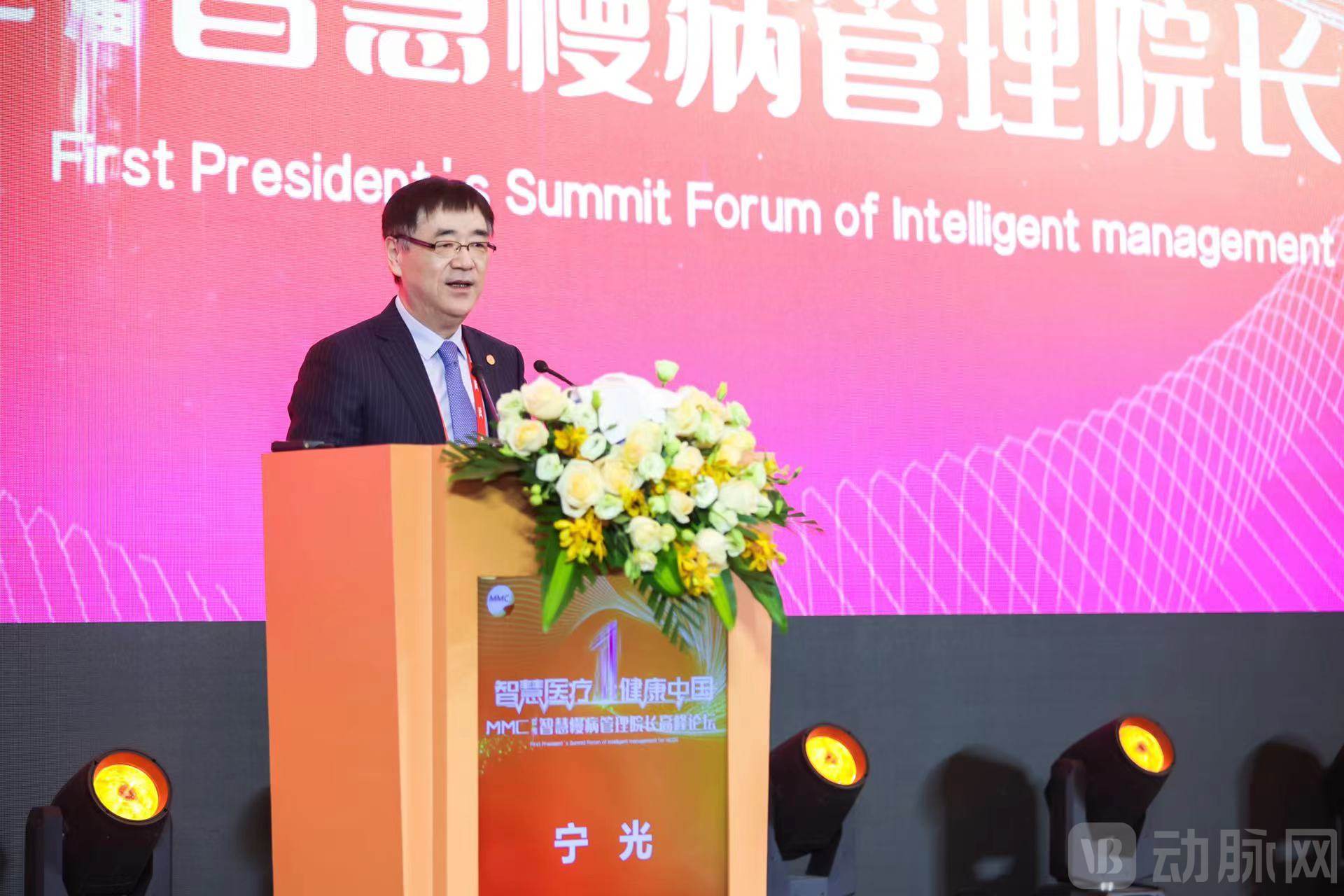
Academician Ning Guang of the Chinese Academy of Engineering
“In the MMC model, physicians leverage authentic and comprehensive continuous data from both in-hospital and out-of-hospital settings to achieve precise follow-up and management of patients, effectively establishing a nationwide, tiered, and coordinated network for chronic disease prevention and control in the field of endocrinology and metabolism.”Professor Wang Weiqing, Director of the Department of Endocrinology and Metabolism at Ruijin Hospital, Shanghai Jiao Tong University School of Medicine, provided a detailed introduction to the MMC project.
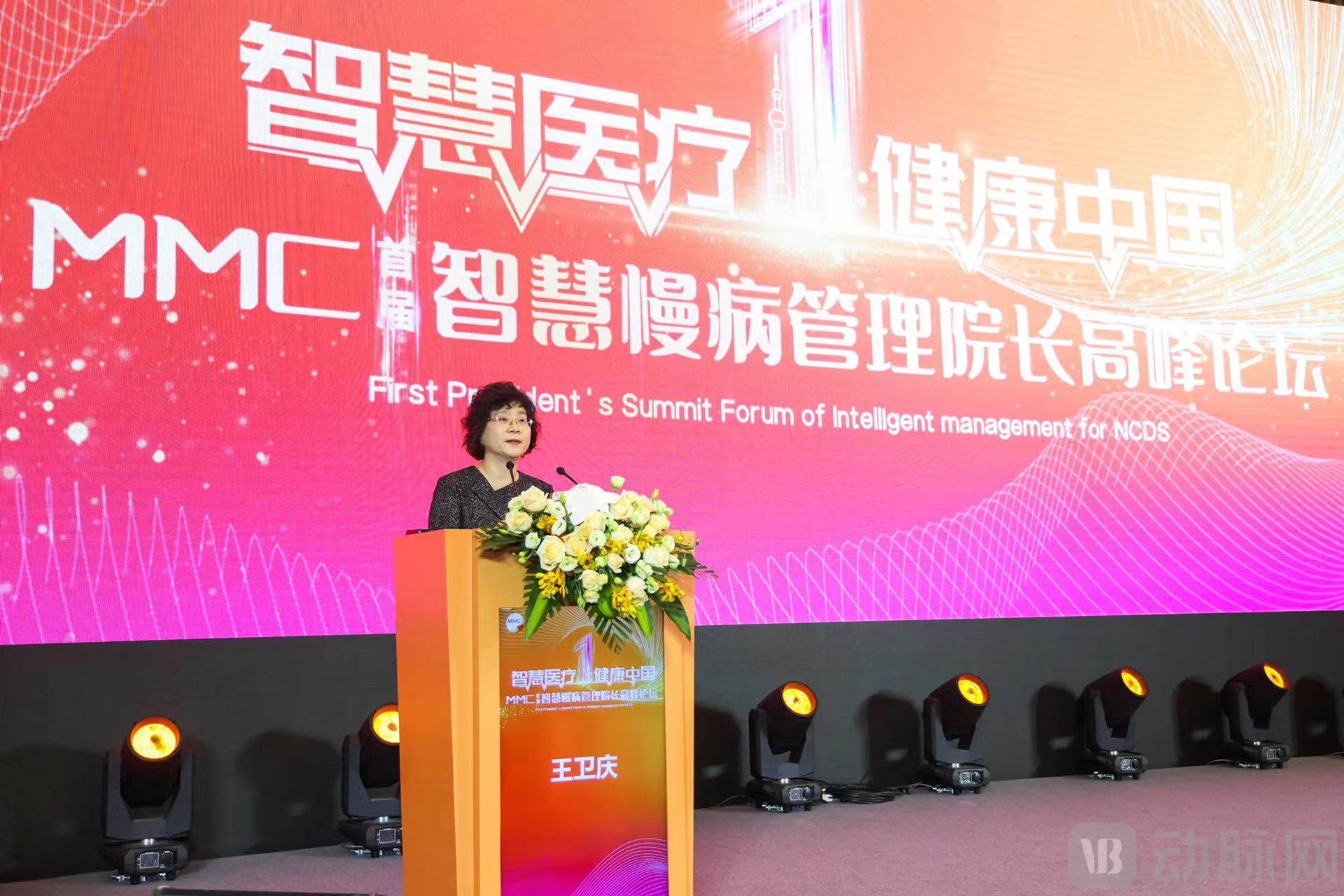
Professor Wang Weiqing, Director of the Department of Endocrinology and Metabolism, Ruijin Hospital Affiliated to Shanghai Jiao Tong University School of Medicine
To truly understand MMC, we must first grasp its core connotation, namely“One Center, One-Stop Service, One Standard.”
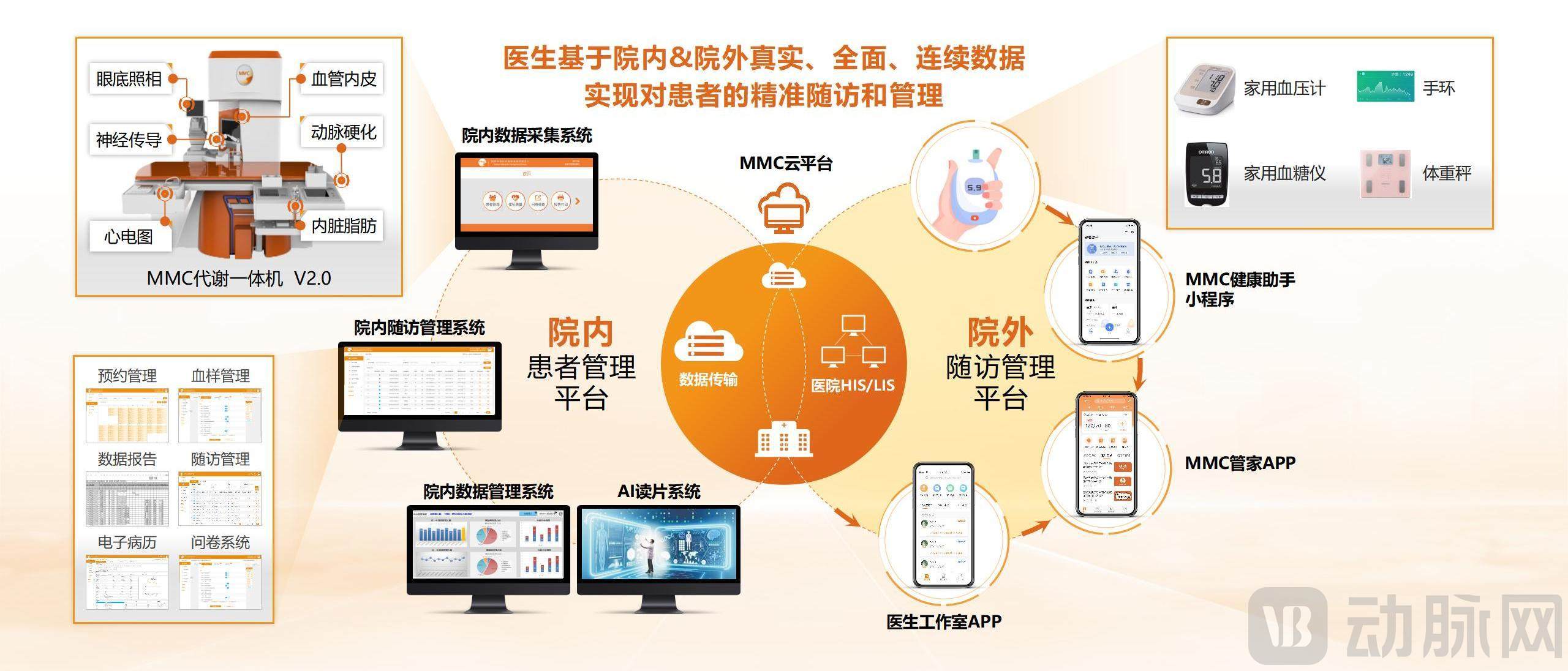
MMC In-Hospital and Out-of-Hospital Closed-Loop
Specifically,“One Center”It refers to the establishment of an integrated center in hospitals for the screening, diagnosis, treatment, and management of metabolic diseases and their complications. “By leveraging IoT and internet technologies, it provides intelligent solutions across various patient care scenarios, ultimately enabling patients to complete the entire process—from chronic disease detection to treatment and management—within a single physical space.”
"One-Stop Service"is to provide MDT patient management services. Through intelligent in-hospital collaboration, patients identified with severe complications or comorbidities are referred via consultations and transfers to relevant departments, enabling integrated diagnostic and therapeutic cooperation and truly achieving comprehensive disease management for patients.
“One Standard”, refers to unified management through detailed Standard Operating Procedures (SOPs), such as standardized construction of MMC centers and standardized medical quality control, thereby ensuring medical quality and improving healthcare management efficiency. Currently, MMC has established 492 SOPs and 19 core technologies.
After years of development, MMC has now expanded to all 31 provinces, autonomous regions, and municipalities across China.More than 1,500 hospitals have officially joined, with over 900 having formally begun admitting patients, collectively managing more than 800,000 diabetic patients across China.
“As the MMC model has been promoted across China, it has achieved significant results. For instance, the HbA1c target attainment rate (HbA1c <7%) increased significantly from a baseline of 18.65% to 45.46%, and the composite metabolic target attainment rate rose markedly from a baseline of 6.2% to 17.94%, surpassing the 14% reported in Europe and the United States. This has substantially reduced the rates of disability and mortality due to diabetes complications in China,” said Professor Wang Weiqing.
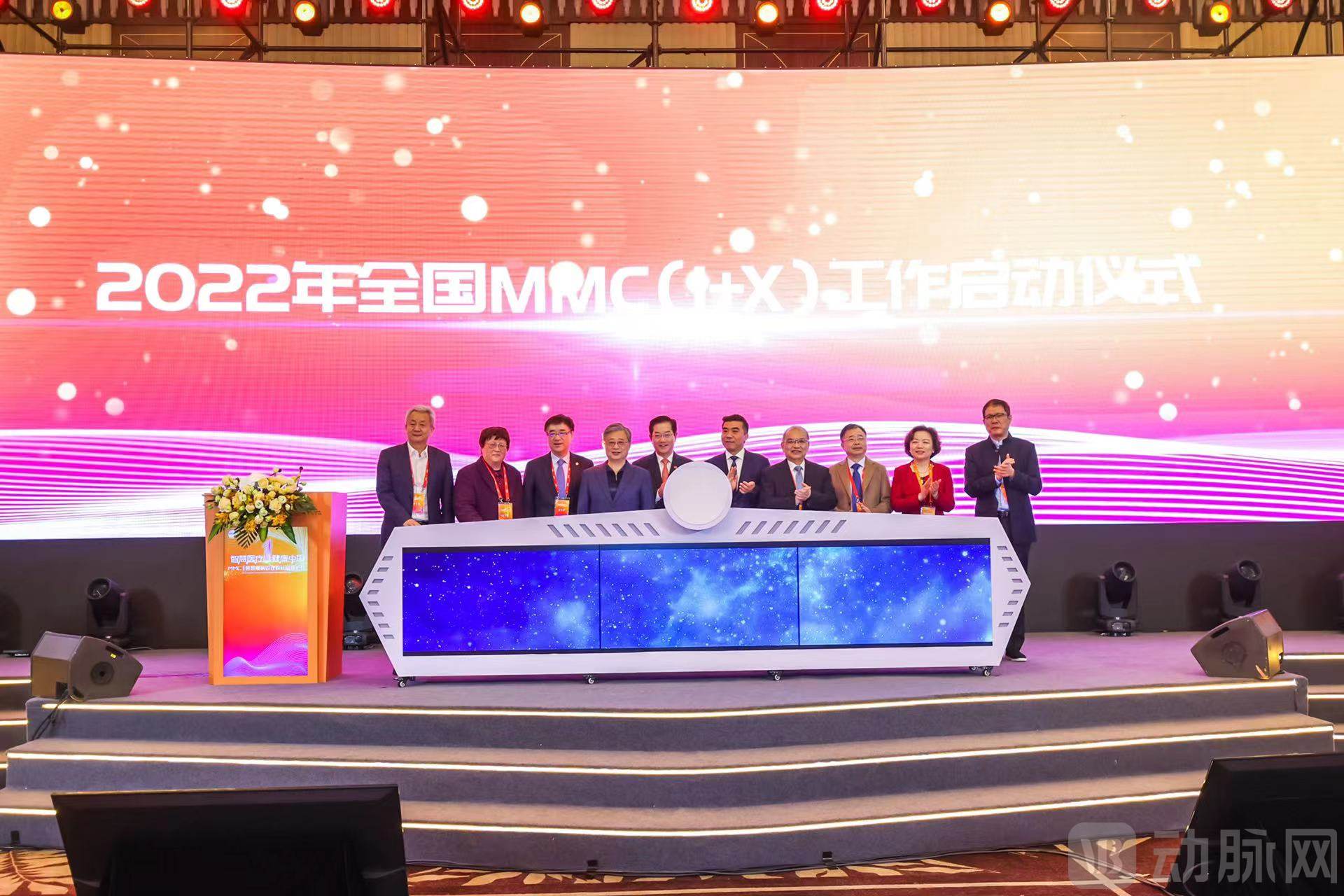
As a key component of this forum,In 2022, the national MMC “1+X” model was officially launched in the presence of all attendees, aiming to expand MMC coverage to every county and township and extend its reach to more community health centers.
The MMC “1+X” model is a key component of the overall MMC framework, referring to a regional center coordinating with three or more primary care hospitals.The advantage of this model lies in its ability to facilitate voluntary partnerships between tertiary and primary care hospitals, or to be government-led, thereby establishing a standardized tiered diagnosis and treatment system with bidirectional referrals for common diseases. This approach enables an integrated in-hospital and community-based chronic disease management model, which reduces complications and enhances the cost-effectiveness of residents' basic medical insurance.
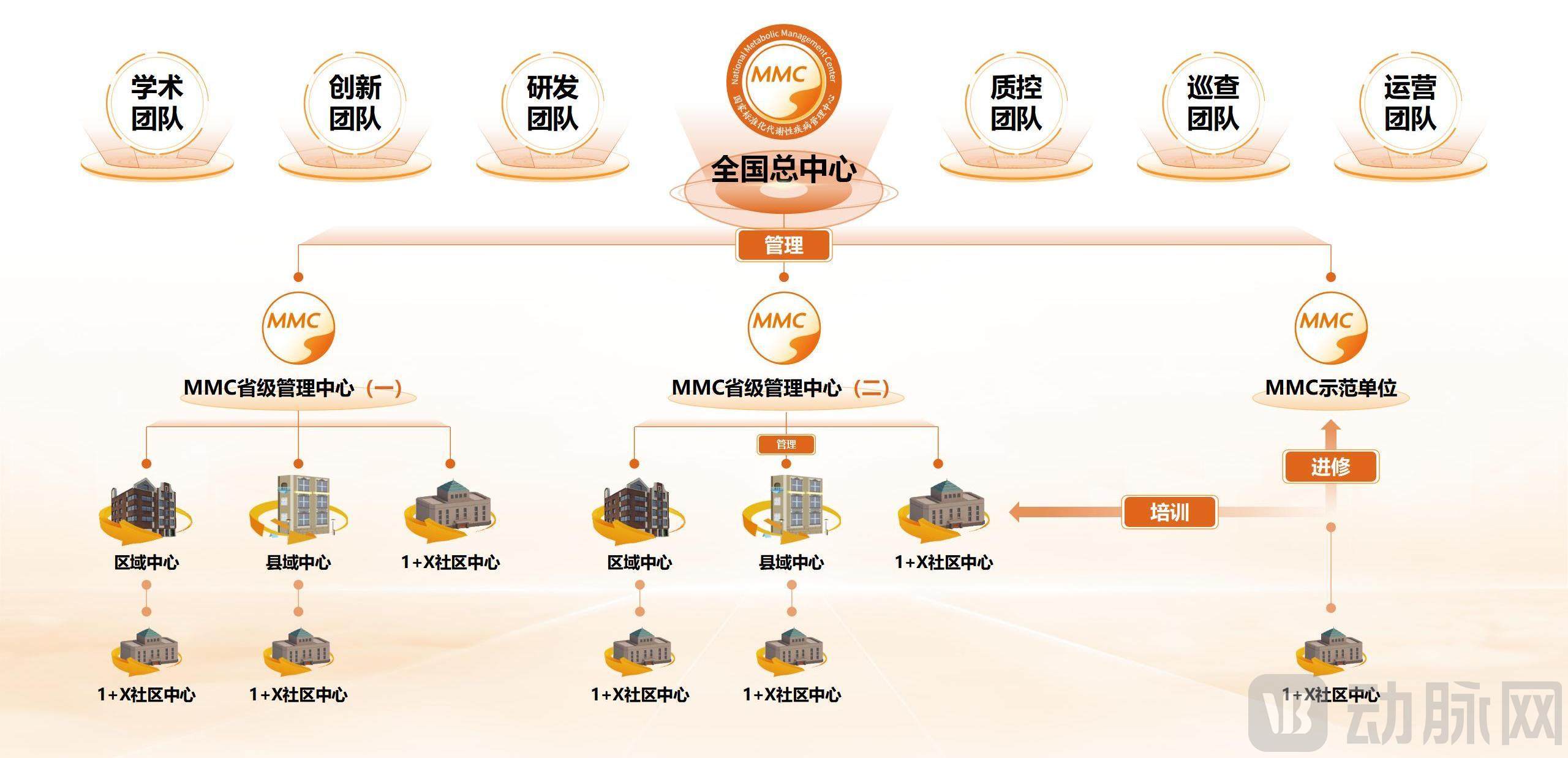
MMC Four-Tier Architecture
To date, the national MMC “1+X” model has been piloted in more than 20 cities, including Shanghai’s Songjiang, Jiading, and Chongming districts; Yuhuan in Zhejiang Province; Qidong in Jiangsu Province; and Beijing’s Tongzhou District. “MMC aims to achieve the ambitious goal of reducing the incidence of diabetes in China by 1% and lowering complication rates by 10% within ten years,” said Professor Wang Weiqing.
During the morning “Academician Forum” session, Academician Wang Weiqi and Academician Ning Guang of the Chinese Academy of Engineering served as moderators, while Academician Fan Xianqun of the Chinese Academy of Engineering, Academician Huang Hefeng of the Chinese Academy of Sciences, Academician Teng Gaojun of the Chinese Academy of Sciences, and Academician Ning Guang of the Chinese Academy of Engineering participated as invited guests., delivered an excellent report from the perspective of their medical expertise.
Academician Fan Xianqun: Artificial Intelligence Has Unique Application Advantages in the Field of Ophthalmology
Academician Fan Xianqun of the Chinese Academy of Engineering has long been dedicated to the clinical treatment and basic research of orbital diseases and ocular tumors. At the forum, he conducted an in-depth analysis of the holistic nature, interconnections, and distinctions between endocrine disorders and ophthalmic diseases. Academician Fan stated,By establishing a multidisciplinary diagnostic and treatment model involving ophthalmology, endocrinology, and other specialties, the diagnosis, treatment, and management of endocrine-related eye diseases can be further improved. Meanwhile, artificial intelligence has demonstrated significant potential in the field of ophthalmology; with the dual support of AI technology and internet-based remote management, the screening process for endocrine-related eye diseases can be further optimized.。”
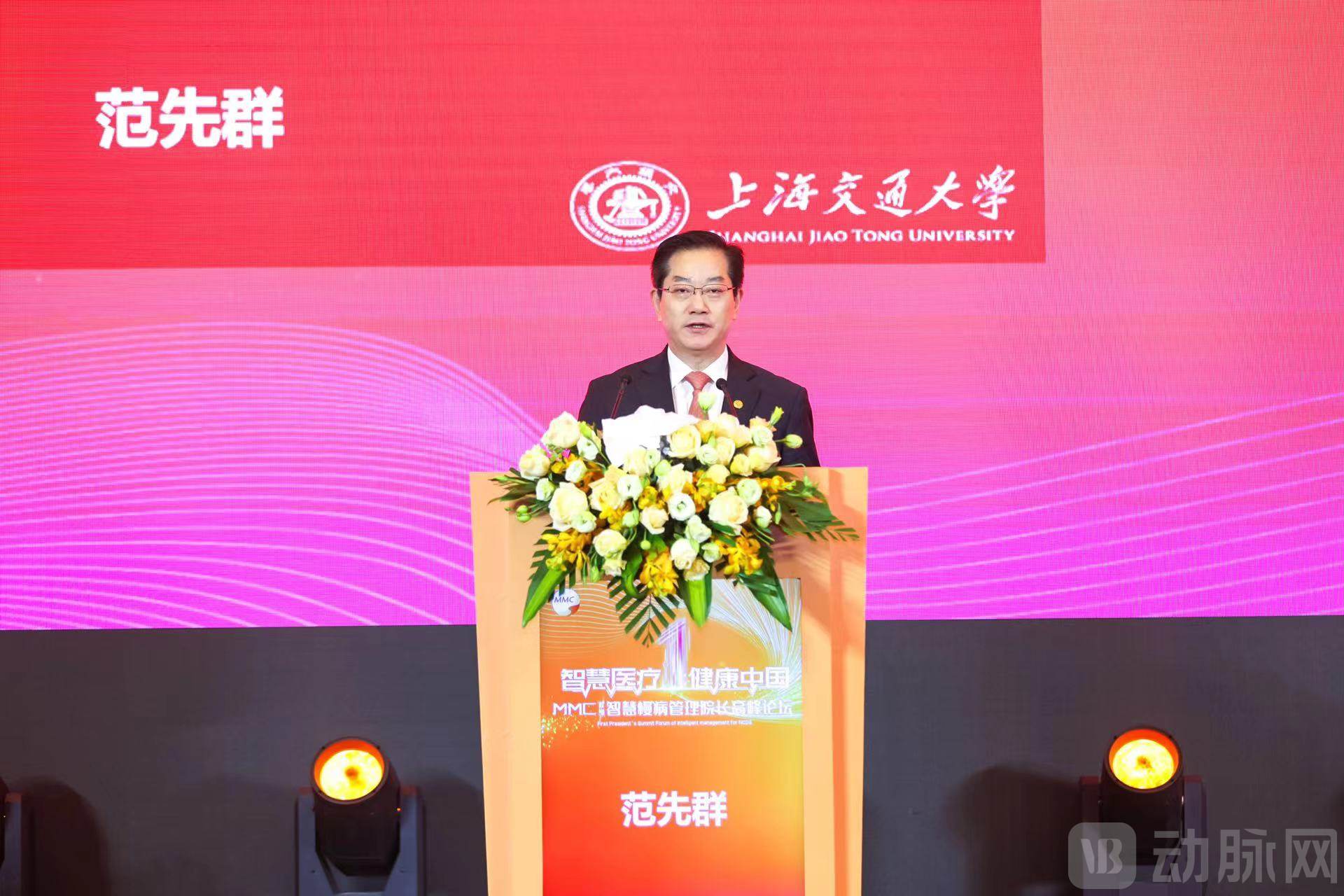
Academician Fan Xianqun, Chinese Academy of Engineering
Academician Huang Hefeng: Clinical Screening and Intervention for Gestational Diabetes Should Be Initiated Earlier
Academician Huang Hefeng is engaged in clinical and basic research in obstetrics, gynecology, and reproductive medicine, exploring the pathogenesis of diabetes from the perspectives of developmental origins and epigenetics.Academician Huang emphasized that early warning for gestational diabetes is more important than diagnosis, and clinical screening and intervention should be initiated earlier.Currently, Academician Huang Hefeng has implemented gamete-embryo stage management in clinical practice, innovatively incorporating periconceptional care, screening, and interventions into clinical pathways, which has significantly reduced the incidence of gestational diabetes mellitus (GDM) and macrosomia. Furthermore, under the leadership and support of the World Health Organization (WHO), the “Healthy Trajectories of Life” research initiative, based on the theory of gamete-embryo origin diseases proposed by Academician Huang’s team, has been launched globally.
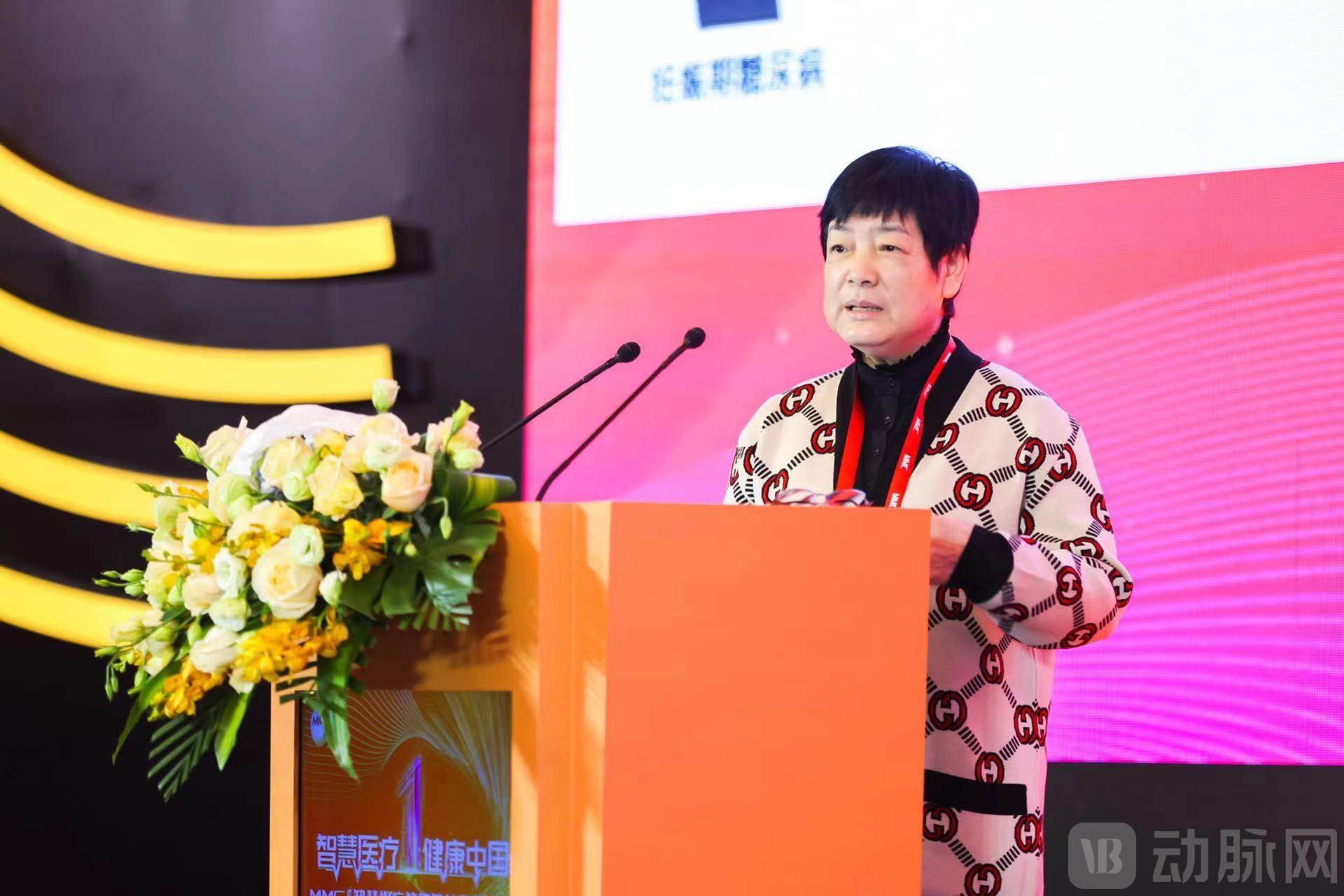
Academician Huang Hefeng, Chinese Academy of Sciences
Academician Teng Gaojun: Integration Between Interventional Radiology and Endocrinology Is Achievable
As a leading expert in interventional procedures in China, Academician Teng Gaojun of the Chinese Academy of Sciences innovatively applied left gastric artery embolization for the treatment of simple obesity, achieving goals such as weight reduction, improvement of insulin resistance, and regulation of glucose metabolism disorders. Always embracing an innovative spirit, Academician Teng believes thatInterventional procedures also have broad applications in the management of diabetes, thyroid disorders, and other conditions. “I will continue to advance the interdisciplinary integration of interventional medicine and endocrinology, fostering a close synergy between clinical practice and translational research.”
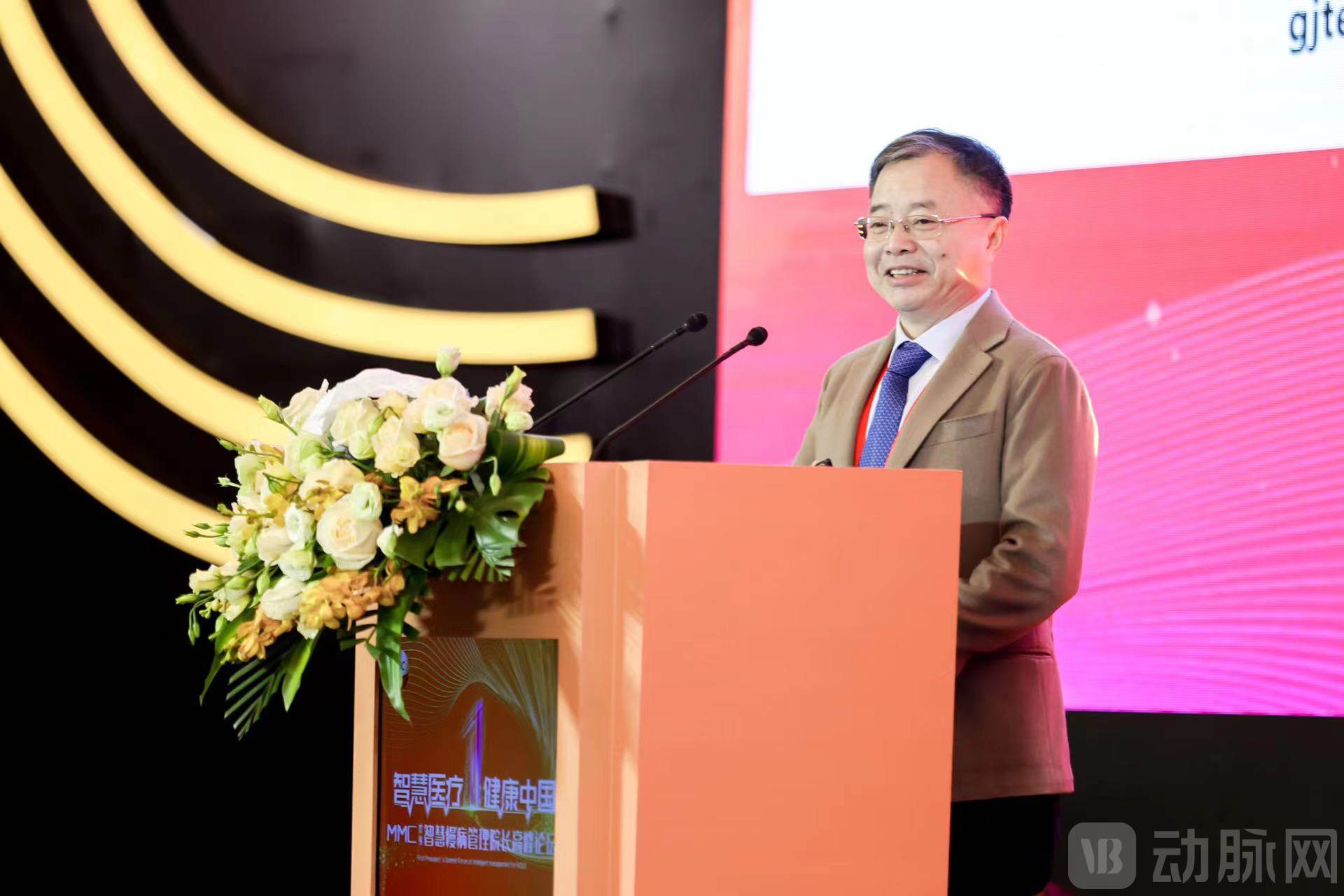
Academician Teng Gaojun, Chinese Academy of Sciences
Academician Ning Guang: Digital Medicine Grants Hospital Administrators Significant Control
Academician Ning Guang of the Chinese Academy of Engineering first introduced how Ruijin Hospital has achieved remarkable digital accomplishments in recent years through the integration of advanced technologies such as artificial intelligence and the Internet of Things. By leveraging digital medical services, digital medical technologies, and digital hospital management, the hospital has become a national benchmark for smart hospital development in China. Academician Ning candidly stated, “Digital medicine empowers hospital administrators with a high degree of control.”Currently, applications in the field of digital medicine, such as artificial intelligence, 5G, and medical 3D printing, have been widely adopted at Ruijin Hospital. Moreover, empowered by digital medicine, Ruijin Hospital is steadily advancing toward its goal of becoming a premier demonstration hospital in Asia.
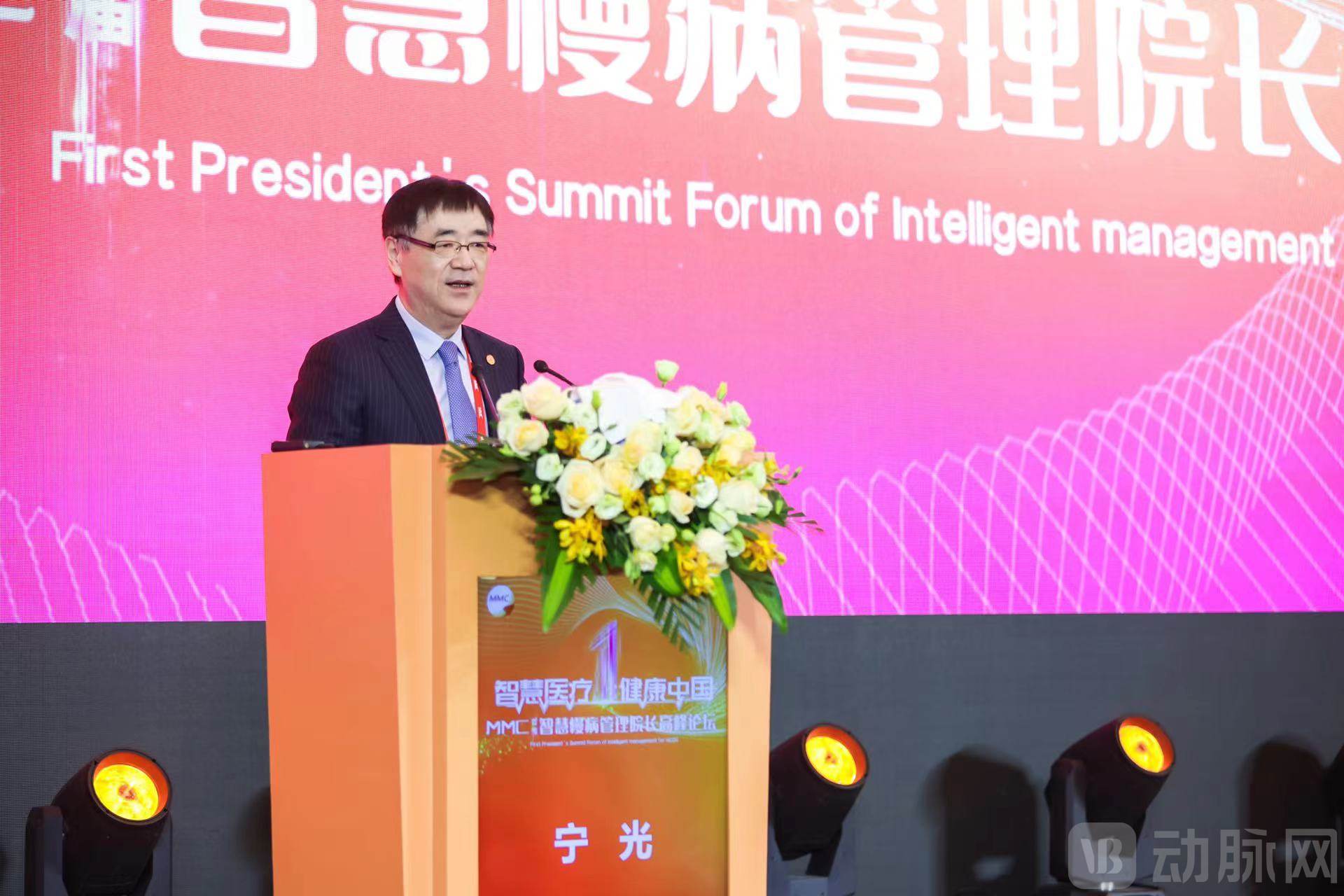
Academician Ning Guang, Chinese Academy of Engineering
To maximize the depth, breadth, cutting-edge nature, and richness of resources in our discussions, the afternoon session of this forum has specially established three major segments, each focusing on“Technological Innovation,” “Smart Hospitals,” “China-Europe Lecture Series”Three major sectors engaged in lively discussions on key issues, including the precision management of chronic diseases, smart healthcare, and high-quality hospital management.
Technological Innovation: The Power of Technology Is Becoming a Driving Force for Hospital Administrators
Professor Zheng Xingdong from Shanghai General Hospital shared the “11531” framework for smart hospital development and the “Nine-Sharing” model to enhance regional medical service capabilities. Professor Wang Jian’an from the Second Affiliated Hospital of Zhejiang University School of Medicine presented the operational experience of integrating the Health Management Center with the MMC (Metabolic Management Center) through innovative collaboration. Professor Wang emphasized that diabetes prevention is more important and yields greater benefits than treatment.Health management centers have access to a large volume of health examination patients, enabling the early detection and intervention of potential diabetes cases. Therefore, integrating health examinations with the MMC (Metabolic Management Center) model can shift disease management upstream, expand patient coverage, and deliver more efficient services to patients.
Chronic Disease Management: A Long and Arduous Journey. Hospital directors from Shanghai, Gansu Province, and Yunnan Province shared insights from a hospital management perspective on the innovative challenges and solutions in chronic disease management, as well as how tertiary Grade-A hospitals can collaborate with primary care institutions to establish a closed-loop system for chronic disease management.
Smart Hospitals: The Development of Smart Hospitals Should Be Adapted to Local Conditions
Professor Xiao Haipeng from Sun Yat-sen University discussed the cultivation of medical talent, emphasizing the need to explore an innovative model for nurturing top-tier “Medicine + X” professionals through the interdisciplinary integration of medicine with humanities, sciences, and engineering, thereby infusing multidisciplinary elements into medical education. Meanwhile, Zhao Zhigang, President of Zhengzhou Yihe Hospital, has established a “One Zone, Three Hospitals” system that integrates medical care, health management, and rehabilitative eldercare, based on differentiated interpretations of medical diagnosis and treatment.
Driven by national policies, market demand, and technological advancements, a wave of smart hospital construction has swept across China, yielding numerous exemplary cases. In this session, the presidents of the First Affiliated Hospital of Fujian Medical University, Yuhuan First People’s Hospital, Karamay People’s Hospital, and Sheyang Diabetes Hospital shared their insights on smart hospitals and their construction experiences, tailored to their respective regional characteristics.
CEIBS Lecture Hall: Finding Innovation Opportunities by Upholding Fundamental Principles
Former President Zhu Xiaoming emphasized that the prerequisite for innovation is “upholding integrity,” noting that while hospitals should value the positive effects of innovation, they must also prevent the emergence of negative consequences. Dean Wang Hong of CEIBS (China Europe International Business School) elaborated on her research into the development of public hospitals by highlighting the role of soft power in their high-quality development.
At the conclusion of the forum, Academician Ning Guang delivered a concise yet profound summary. The forum’s guests included hospital presidents, physicians, investors, and innovators whose work spans both within and outside healthcare institutions, yet all share a unified commitment to finding the best solutions for patients. We firmly believe that the efforts of today’s innovators in the healthcare industry will pave new paths toward more numerous and superior medical solutions, thereby transforming the life trajectories of individuals.
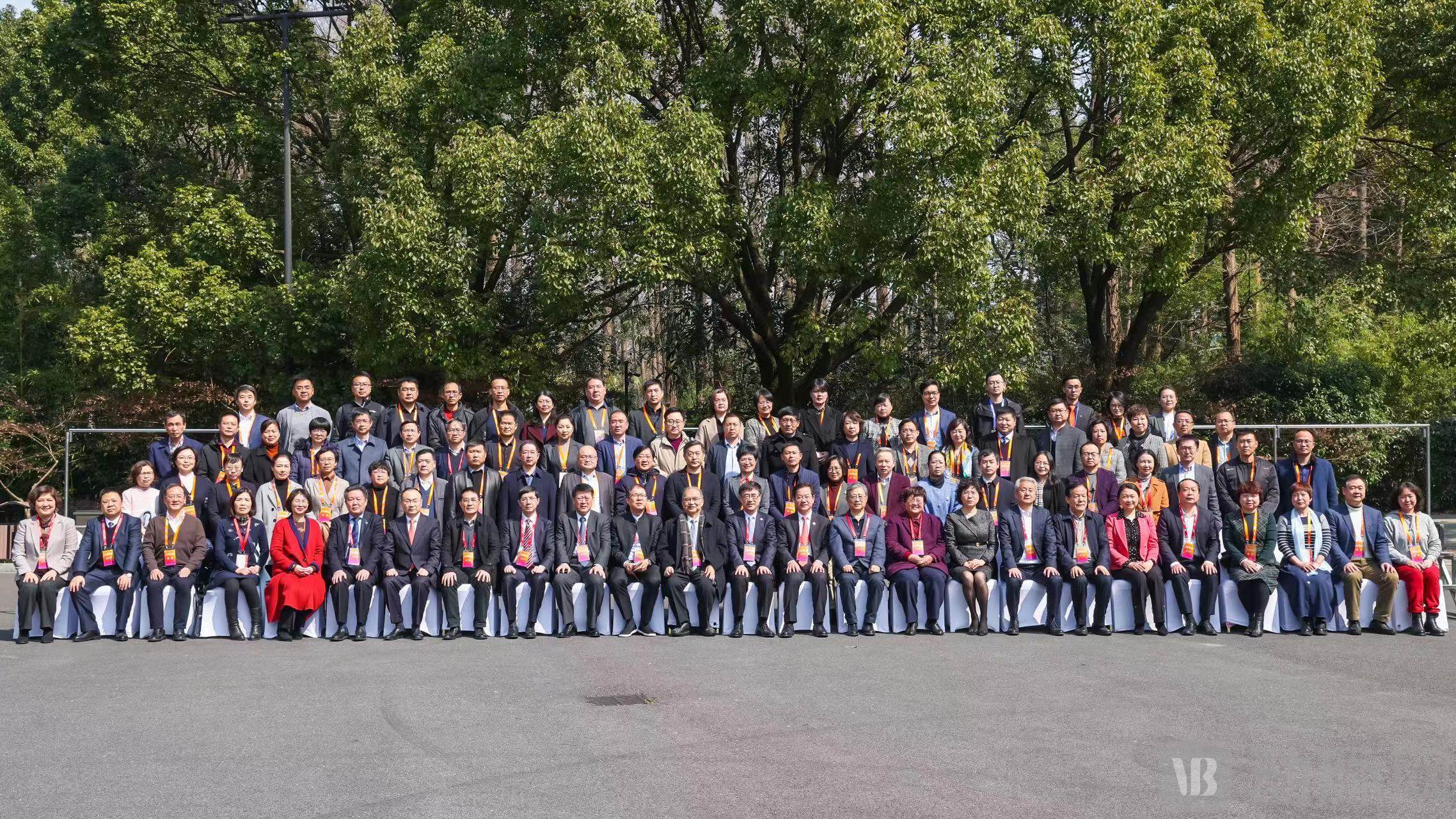
Group Photo of Attendees
About Shanghai Zhizhong Medical Technology Co., Ltd.
Zhizhong Medical is a healthcare internet company specializing in chronic disease management. By providing healthcare institutions at all levels with an integrated solution comprising a “patient management platform + data management system + medical testing devices,” it has pioneered a new model for the diagnosis, treatment, and management of chronic diseases. The company is committed to building China’s largest one-stop, standardized comprehensive management platform for chronic disease diagnosis and treatment, leveraging the Internet of Things (IoT) and big data.
Currently, Zhizhong Medical is primarily involved in projects such as the MMC (Standardized Metabolic Disease Management Center) and the Smart Hypertension Diagnosis and Treatment Center. Driven by leading experts, Zhizhong Medical, and its partners, the MMC project has attracted more than 1,500 hospitals to join, with successful implementation and operation in over 900 hospitals.