

Behind 300 Million Insomniacs in China: A Booming Lifestyle Medicine Sub-sector in Health Tech Takes Flight
It Is Becoming Increasingly Difficult for People Today to Get a Good Night's Sleep.
According to the "2021 White Paper on Exercise and Sleep" released by the Chinese Sleep Research Society,Nearly 300 million people in China suffer from poor sleep.Among individuals with insomnia, young people—particularly those born in the 1990s and 2000s—exhibit the most pronounced sleep problems. Globally, the prevalence of sleep disorders reaches as high as 27% (according to World Health Organization statistics). Behind these figures lie the individual struggles of restless nights and psychological distress.
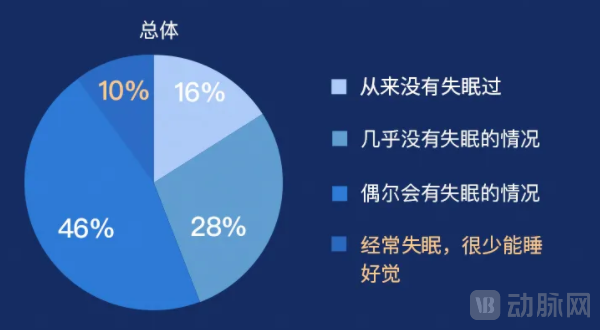
(Sleep Status of Chinese Residents | Image Source: "2021 White Paper on Exercise and Sleep")
It is important to recognize that chronic sleep deprivation can induce or increase the risk of cardiovascular and cerebrovascular diseases, depression, diabetes, and obesity, while impairing the cognitive, memory, metabolic, and immune systems.Sleep disorders not only trigger and exacerbate various chronic diseases, but are themselves a significant and highly detrimental chronic condition.
To improve sleep quality, people have been sparing no effort to seek methods that can help them sleep better, such as maintaining a regular schedule, adjusting their diet, engaging in physical exercise, practicing relaxation techniques, and trying various technological products designed to aid and enhance sleep. This has given rise to a significant market opportunity.
Faced with challenges commonly encountered by people worldwide, the “battle” against sleep disorders has undoubtedly begun.
300 Million Chinese Suffer from Poor Sleep, Becoming an Urgent Issue for the Healthcare Industry
According to the “Latest Survey Data on Global Sleep Status and Sleep Awareness, and Recent Advances in Sleep Medicine” released by the Sleep Medicine Professional Committee of the Chinese Medical Doctor Association, 30.9% of individuals require more than 30 minutes to fall asleep, and 0.9% need medication to aid sleep, indicating that sleep disorders afflict a large segment of the population.
However, sleep disorders are difficult to treat.The reason is that sleep disorders are a composite symptomatic manifestation of many diseases., these conditions include depression, anxiety disorders, phobias, schizophrenia, which may result from metabolic disturbances and immune dysfunction, as well as certain somatic diseases and even unhealthy lifestyles; the medical specialties involved and their classifications differ accordingly,Extremely high standards are required for physicians' professionalism.
It is precisely for the aforementioned reasons that three major dilemmas exist in the diagnosis and treatment of sleep disorders.
· First, specialized treatment clinics are scarce and predominantly located in major cities, making it difficult to reach a broader population.
·Second, there is a scarcity of specialized professionals in sleep medicine, with the majority concentrated in the psychiatric and psychological departments of public hospitals, resulting in difficult access to care and low efficiency for patients.
· Third, most clinical consultations lack data integration and efficient one-stop sleep management platforms, resulting in the absence of nighttime data monitoring systems and remote closed-loop ecosystem management, which leads to relatively low treatment efficiency.
How can this issue be addressed? There have been numerous attempts within the industry. Among them, lifestyle medicine, an emerging field, is gradually gaining greater understanding and recognition.
Specifically,Lifestyle medicine is an emerging medical model that treats and manages diseases through lifestyle interventions., which refers to controlling diseases through diet, exercise, stress management, smoking cessation, and various other non-pharmacological interventions. These changes are neither complex, time-consuming, nor expensive. Long-term measures—such as increasing physical activity, minimizing sedentary time, maintaining a balanced and healthy diet, achieving a healthy weight, abstaining from smoking, consuming alcohol in moderation, and sustaining social connections—can significantly improve health outcomes. This approach to healthcare, known as Lifestyle Medicine, has recently gained widespread popularity globally.Unlike traditional medicine, which is disease-centered, lifestyle medicine is centered on individuals' lifestyles and the root causes of disease.
This can be understood as follows: previously, patients with chronic diseases primarily relied on medications to manage their conditions, whereas lifestyle medicine requires individuals with chronic diseases to modify their lifestyles to delay and control the progressive development of their conditions. Addressing the underlying causes of chronic diseases, lifestyle medicine advocates for evidence-based improvements in lifestyle to achieve disease prevention, treatment, and rehabilitation through non-pharmacological and non-surgical approaches.
As the World Health Organization has pointed out, lifestyle factors account for 60% of the determinants of human health. Currently, most chronic diseases are lifestyle-related; improving lifestyle can significantly reduce the likelihood of developing such conditions. Clinical studies have demonstrated that intensive lifestyle intervention therapy achieves an overall efficacy rate (in terms of prevention, reversal, and rehabilitation) exceeding 80% for cardiovascular, cerebrovascular, and metabolic diseases. Furthermore, it can alter the expression levels of more than 500 human genes, suppress the expression of oncogenes, exert clear inhibitory and reversive effects on tumor initiation and progression, and effectively improve the five-year survival rate among cancer patients.Sleep Disorders as a Comprehensive Symptom of Chronic Diseases: Lifestyle Improvements Will Help Resolve the Issue.
“When addressing sleep disorders as a chronic condition, we have found that traditional pharmacological therapies alone often fail to achieve optimal outcomes. However, by combining psychological and physical interventions with scientifically grounded, long-term lifestyle guidance and incorporating artificial intelligence, big data, cloud computing, and internet technologies, it is possible to reverse and facilitate recovery from sleep disorders,” stated Han Zhenya, founder of Sumian Technology. He added that with the widespread adoption of lifestyle medicine concepts and technologies, significant transformations in chronic disease treatment and health management are foreseeable.
It is worth noting that lifestyle medicine places greater emphasis on the upstream aspect of disease prevention, which aligns with national policy trends.In recent years, national policies have begun to shift the focus of disease prevention and control upstream, mandating a transition from treatment to prevention, including for chronic diseases. For instance, the Outline of the Healthy China 2030 Plan explicitly identifies reducing premature mortality from major chronic diseases as one of its key indicators, requiring the implementation of comprehensive strategies for chronic disease prevention and control, with the goal of achieving health management for chronic diseases across the entire population and throughout the entire life cycle by 2030.
Moreover, China’s health-preservation theories align closely with the principles of lifestyle medicine. In ancient China, Traditional Chinese Medicine (TCM) proposed the concept of “treating disease before it arises,” emphasizing the importance of preventive measures for maintaining health. The story of “Bian Que Meets Duke Huan of Cai” has been widely circulated as a classic illustration of this principle.
Furthermore, Western medical philosophies also corroborate the feasibility of lifestyle medicine. According to the latest research published in the British Journal of Sports Medicine, an exercise-based lifestyle centered on jogging has significant benefits for disease prevention. For instance, jogging for 50 minutes per week can effectively reduce the risk of premature death by 27%. Additionally, running is closely associated with a 30% reduction in the risk of heart disease and a 23% reduction in the risk of cancer.
As can be seen, bolstered by policy support and the theoretical frameworks of both Traditional Chinese Medicine (TCM) and Western medicine, the emerging field of lifestyle medicine is gradually coming into prominence.: It has brought new solutions to the market primarily focused on the treatment of sleep disorders and chronic disease management, thereby creating immense potential for commercial growth. According to an industry report by Frost & Sullivan,In 2020, the overall market size for chronic disease management reached RMB 4.1 trillion and continues to grow, offering significant growth potential for the lifestyle medicine sector.
Following the overarching framework of lifestyle medicine, industry participants have already begun to take action.
Faced with a market of immense potential, numerous companies are entering the lifestyle medicine sector.
It is worth noting, however, that despite the promising market outlook, lifestyle medicine still faces significant challenges. It should be recognized thatPreventive health management has been discussed for decades, yet it had not become mainstream in the market until recently.Beyond the need to enhance public awareness of health management, another challenge lies in effectively improving people’s daily lifestyles, as implementing such interventions proves highly difficult. This has long been validated in the field of out-of-hospital management of chronic diseases.
So,Amidst immense challenges, how is the industry currently breaking through?
Major Chinese internet companies have leveraged their inherent “internet DNA” to enter the field of preventive health management. For instance, Baidu Health has launched products such as an online consultation service platform, a Diabetes Center, and the Baidu Health Medical Encyclopedia, thereby building an internet healthcare ecosystem; Alibaba Health has continuously refined its pharmaceutical e-commerce model and introduced self-operated initiatives like the “Chronic Disease Welfare Plan”; Tencent has rolled out products such as the Tangdaifu smart blood glucose monitor in the area of chronic disease management. These tech giants have all achieved varying degrees of success.
In addition to internet healthcare’s involvement in preventive health management, many enterprises are also taking further steps by delving deeper into the medical sector.For instance, MAHA Beijing and LinkCare Medical have jointly launched the MAHA Beijing LinkCare Lifestyle Medicine Center, positioned to provide high-end medical services. Meanwhile, LifeShuo delivers lifestyle medicine services to users through an E2B2C (Education-to-Business-to-Customer) model and has established 21 health management centers worldwide...
Sumian Technology pioneered the use of lifestyle medicine to address sleep issues, stating that “the first step in resolving sleep problems is learning how to get a good night’s sleep.”"Lifestyle primarily revolves around diet, physical activity, and sleep. Addressing these three areas can effectively manage chronic diseases. By intervening in patients' dietary habits, exercise levels, and sleep patterns, and providing them with scientific education and training, we can help them acquire the knowledge, confidence, and skills to adopt healthy lifestyle practices, thereby restoring their health," said Han Zhenya, founder of Sumian Technology.
Taking the prevention and management of sleep disorders, a chronic condition, as an example, Sumian has jointly established the JD Health Youmian Center with the Chinese Sleep Research Society and JD Health. This center promotes healthy sleep lifestyles to the general public and provides online free clinical consultations, enabling users to access sleep health solutions from home. Furthermore, leveraging the online JD Health Youmian Center, offline sleep centers at Grade A tertiary hospitals, and the Youmian outpatient clinic network, Sumian has established national bases for sleep medicine experts across China. This initiative aims to advance tiered diagnosis and treatment for sleep disorders, thereby alleviating the imbalance between supply and demand in physician-patient interactions for sleep-related conditions.
In practical terms,By integrating high-quality industry resources, Youmian has connected patients, physicians, hospitals, and data to implement multidisciplinary diagnosis and treatment, thereby delivering a superior medical experience for patients, which is primarily reflected in four key aspects.
First, at the hospital level: Youmian has established collaborative partnerships with several Grade 3A hospitals, including Peking University Sixth Hospital, West China Hospital of Sichuan University, Nanfang Hospital of Southern Medical University, Guangdong Provincial People’s Hospital, The Third Affiliated Hospital of Guangzhou Medical University, and The First Affiliated Hospital of Jinan University, focusing on the clinical diagnosis and treatment of sleep disorders.
·Second, at the physician level: Youmian Outpatient Center brings together hundreds of top-tier experts from China and abroad, as well as thousands of outstanding medical specialists across China. By implementing interdisciplinary diagnosis and treatment models and multidisciplinary joint consultations, the center provides professional and precise diagnostic and therapeutic plans to meet patients’ healthcare needs.
· Third, at the data level: Youmian leverages cloud-based medical data, AI-driven diagnosis and treatment, and the Internet of Everything to achieve comprehensive, full-lifecycle management for patients. Clinical treatment data is made accessible, visualized, and shareable, thereby meeting patients’ needs for both outpatient care and home-based treatment, while providing clear therapeutic plans. Meanwhile, Youmian has partnered with the JD Health APP to establish the “Youmian Center,” a demonstration specialty center for internet-based sleep medicine.
· Fourth, at the patient level: Adhering to its brand philosophy of prioritizing patient needs, Youmian’s competitive advantage lies in its establishment of a one-stop comprehensive medical solution integrating in-hospital and out-of-hospital care, as well as software and hardware services. It is one of the few research-oriented clinical sleep-specialized general practice outpatient clinics in China, integrating psychiatry/psychology, internal medicine, and Traditional Chinese Medicine (TCM).
However, as is well known,In the prevention and control of chronic diseases, patients’ self-management awareness and capabilities are often critical factors influencing final outcomes. Moreover, given the need for long-term, close monitoring and management among chronic disease patients, centralized hospital-based care is not well-suited.These are the challenges in chronic disease management.
The etiology of sleep disorders is complex. As an emerging interdisciplinary field, sleep medicine encompasses a wide range of specialties. To provide users with a comprehensive one-stop solution and effectively address their sleep issues, Sumian has innovatively integrated interdisciplinary diagnostics with multidisciplinary joint consultations. By incorporating brain science research findings from renowned universities worldwide, Sumian has successfully developed the Sumian Pulsed Magnetic Therapy System, which utilizes targeted pulsed magnetic technology to treat insomnia in patients with chronic insomnia disorder.
Reportedly, the Sumian Pulsed Magnetic Therapy System has obtained 32 authoritative patent certifications. As an industry-leading “black technology” for sleep aid that integrates real-time monitoring and treatment and is certified by the National Medical Products Administration (NMPA), it offers a non-pharmacological, safe, and effective solution with proven efficacy in improving sleep quality and shortening sleep onset latency. The system pioneers a closed-loop health sleep management service encompassing the entire process of “data acquisition–dynamic analysis–intelligent intervention–doctor-patient interaction.” It organically combines internationally leading Cognitive Behavioral Therapy for Insomnia (CBTI) strategies with sleep science education, music therapy, mindfulness meditation, and relaxation training. By integrating resources from the internet and sleep health industries, the system focuses on providing users with professional and precise healthy sleep services, helping them reclaim lost healthy sleep lifestyles and achieve restorative sleep at home.
Establish proactive pre-consultation sleep management (wearable devices, sleep environment optimization), precise diagnosis and intervention for insomnia during consultation (scale assessments, medical monitoring), and post-consultation sleep management and services (solutions, out-of-hospital health management). This provides a full-process healthy sleep management system for both patients and hospitals, further integrating online and offline services as well as in-hospital and out-of-hospital management. The resulting benefit is the true realization of multi-scenario medical integration, offering more precise, considerate, and convenient solutions to address the sleep disorder needs of millions of users.
Data offers a glimpse into the actual effectiveness.Since 2014, Sumian has cumulatively helped patients reduce their medication intake by a total of 3 million pills.
In summary, lifestyle medicine has demonstrated significant efficacy in addressing sleep disorders, a chronic condition affecting 300 million people in China. Starting from sleep disorders, lifestyle medicine holds even greater potential for the prevention and treatment of other chronic diseases.
Since lifestyle medicine was proposed in the 1990s, it has gradually taken root in China and shown a trend of significant development.
From the current landscape of China’s health and wellness industry, the entire market is still dominated by medical services provided by hospitals, butHigh-quality medical resources are always limited., and there are issues such as unequal resource distribution caused by regional and hospital-level disparities. Therefore, the current medical conditions cannot effectively meet the diversified and personalized health needs of the 1.4 billion population.
Not only that,Preventive health management has long been overlooked by both the market and the public., but amid public health emergencies such as the COVID-19 pandemic, public awareness of health management has begun to improve, and the surge in health-related consumption is showing potential for explosive growth.
More importantly, with the accelerated arrival of an aging society in China, the demand for chronic disease management will continue to rise.Data from the Seventh National Population Census shows that China’s population aged 60 and above reached 264 million, accounting for 18.70%. According to projections in the “China Urban Population Health Report,” by 2050, the proportion of people aged 60 and above in China will exceed 30%, further intensifying the pressure on chronic disease prevention and control.
In response to this challenge, both the “Outline of the 13th Five-Year Plan” and the “Healthy China 2030 Planning Outline” have proposed the “implementation of a comprehensive prevention and control strategy for chronic diseases” and clearly defined the development goal of “reducing premature mortality from major chronic diseases.” Furthermore, the introduction of the “Medium- and Long-Term Plan for Chronic Disease Prevention and Control in China (2017–2025),” along with the “2020 Work Plan for Advancing the Implementation of Healthy China Actions” led by the National Health Commission, advocates “integrating traditional Chinese medicine with Western medicine, promoting traditional Chinese medicine, and seeking solutions for public health through non-pharmacological therapies.”All of this underscores that the prevention and control of chronic diseases has become a top priority in China's public health agenda.
In this process, the concept of lifestyle medicine, characterized by its “non-pharmacological” nature, is playing an increasingly important role in the prevention and control of chronic diseases. It has become a key practice in current chronic disease management, offering immense industry opportunities.
Of course, any industry must adhere to long-termism. As an emerging sector, lifestyle medicine still faces numerous challenges and therefore requires time for validation and consolidation.
In this process, industry participants must remain true to their original aspirations, continuously deepen their expertise, and achieve breakthroughs in order to reach a more promising future.