

From Oncology Exit to First Approval: Agios Pharmaceuticals Files IPO Prospectus as a Genetic Disease-Focused Innovator

Agios
Biological New Drug Research and Development, Manufacturer
Hemolytic anemia is a severe disease primarily caused by the massive destruction of red blood cells. Patients with hemolytic anemia are at risk of acute symptoms and long-term complications, which significantly affect their quality of life and daily functioning. In recent years, research on serious genetic disorders such as thalassemia and sickle cell anemia has become one of the hottest topics in the pharmaceutical field. The significant unmet needs have not only attracted large pharmaceutical companies focusing on rare diseases but also gathered a series of innovative enterprises.
In April 2021, biotechnology company Agios Pharmaceuticals divested its entire oncology pipeline for a total consideration of $2 billion, shifting its focus entirely to its rare disease portfolio, particularly its flagship product, mitapivat. Mitapivat did not disappoint; in February 2022, the U.S. FDA officially approved mitapivat (brand name: PYRUKYND) for marketing, making it the first disease-modifying therapy approved in the United States for hemolytic anemia in adults with pyruvate kinase deficiency.
Strategically abandoning the widely recognized largest market is a highly risky move, but Agios has demonstrated through its own choices that bigger is not always better when it comes to the “cake,” and that staying true to one’s convictions is more important.

A Bold Enterprise Optimizing Its Pipeline Configuration
At Agios, building “connections” is central to our mission of creating life-changing therapies for patients with genetic diseases. The Agios team fosters strong relationships with patients, healthcare professionals, partners, and colleagues to discover, develop, and deliver treatments for genetically defined diseases.
The founding team of Agios is “connected” by their shared background in cancer-related fields. Having all previously dedicated themselves to cancer research, they were bound together by a pressing desire to pioneer precision therapies in oncology, ultimately co-founding Agios.
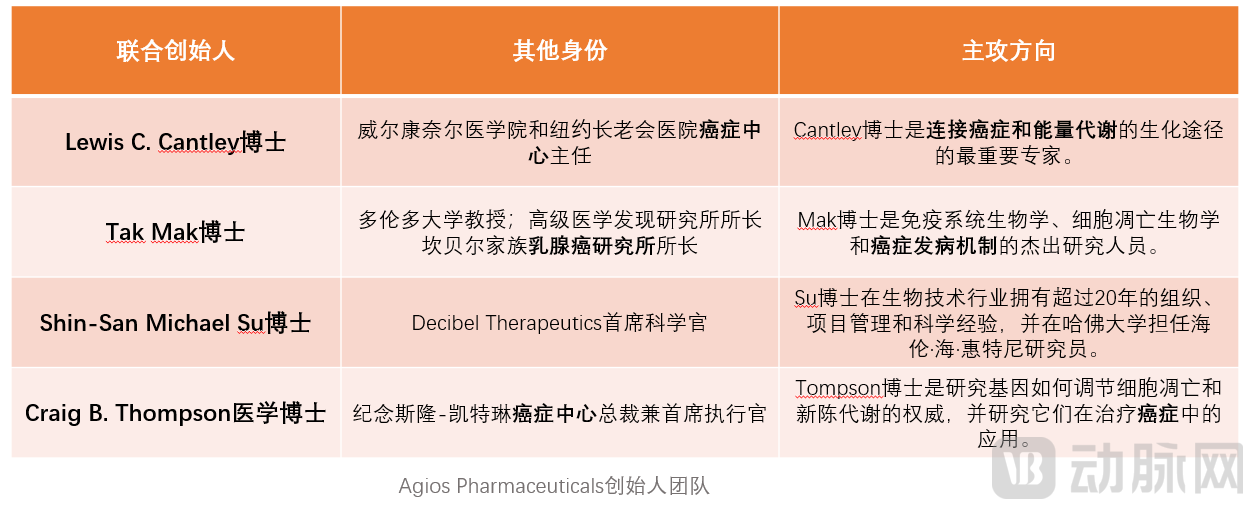
Agios aims to maximize its research capabilities to benefit patients by internally advancing programs aligned with its core therapeutic areas. The implementation of this portfolio inevitably requires substantial capital infusion. Fortunately, Agios has demonstrated strong financial strength, securing smooth financing rounds and completing its initial public offering on the Nasdaq (ticker symbol: AGIO) five years after its founding.
For nearly 15 years, Agios has been committed to further advancing the science of cellular metabolism, driving continuous innovation in the field to deliver therapeutic solutions for patients.
At its inception, Agios, like most companies, prioritized entering the oncology field, where its founding team had the deepest expertise. However, as time went on, Agios recognized greater opportunities in genetic diseases. By 2021, after achieving pivotal progress with its core product mitapivat, Agios ultimately abandoned its oncology pipeline, to which it had devoted many years of effort.
April 1, 2021: Agios announced the sale of its commercial-, clinical-, and research-stage oncology portfolio to Servier Pharmaceuticals, LLC.The transaction includes $1.8 billion in upfront cash and up to $200 million in potential future milestone payments for the development of vorasidenib, a brain cancer treatment, as well as a 5% royalty on U.S. net sales of TIBSOVO (vorasidenib tablets).
The transaction also covers Agios’s clinical candidates, including vorasidenib, a dual inhibitor of mutant IDH1 and IDH2 proteins currently in Phase 3 for the treatment of IDH-mutant low-grade glioma, as well as AG-270, AG-636, and early-stage oncology research programs.
With the sale of its oncology portfolio, Agios will focus on programs such as mitapivat, which is being developed for the treatment of non-cancerous blood disorders including thalassemia and pyruvate kinase (PK) deficiency.
“With last week’s FDA approval of PYRUKYND for the treatment of hemolytic anemia in adults with PK deficiency, we have delivered the first therapy for this rare, lifelong disease and laid the foundation for Agios’ future as a leader in genetically defined diseases,” said Dr. Jackie Fouse, Chief Executive Officer of Agios. “Over the past year, we have made proud progress following our transformative decision to divest our oncology business to accelerate and expand our genetic disease portfolio. We are now poised to broaden our research and clinical trials in thalassemia, sickle cell disease, and myelodysplastic syndromes.”
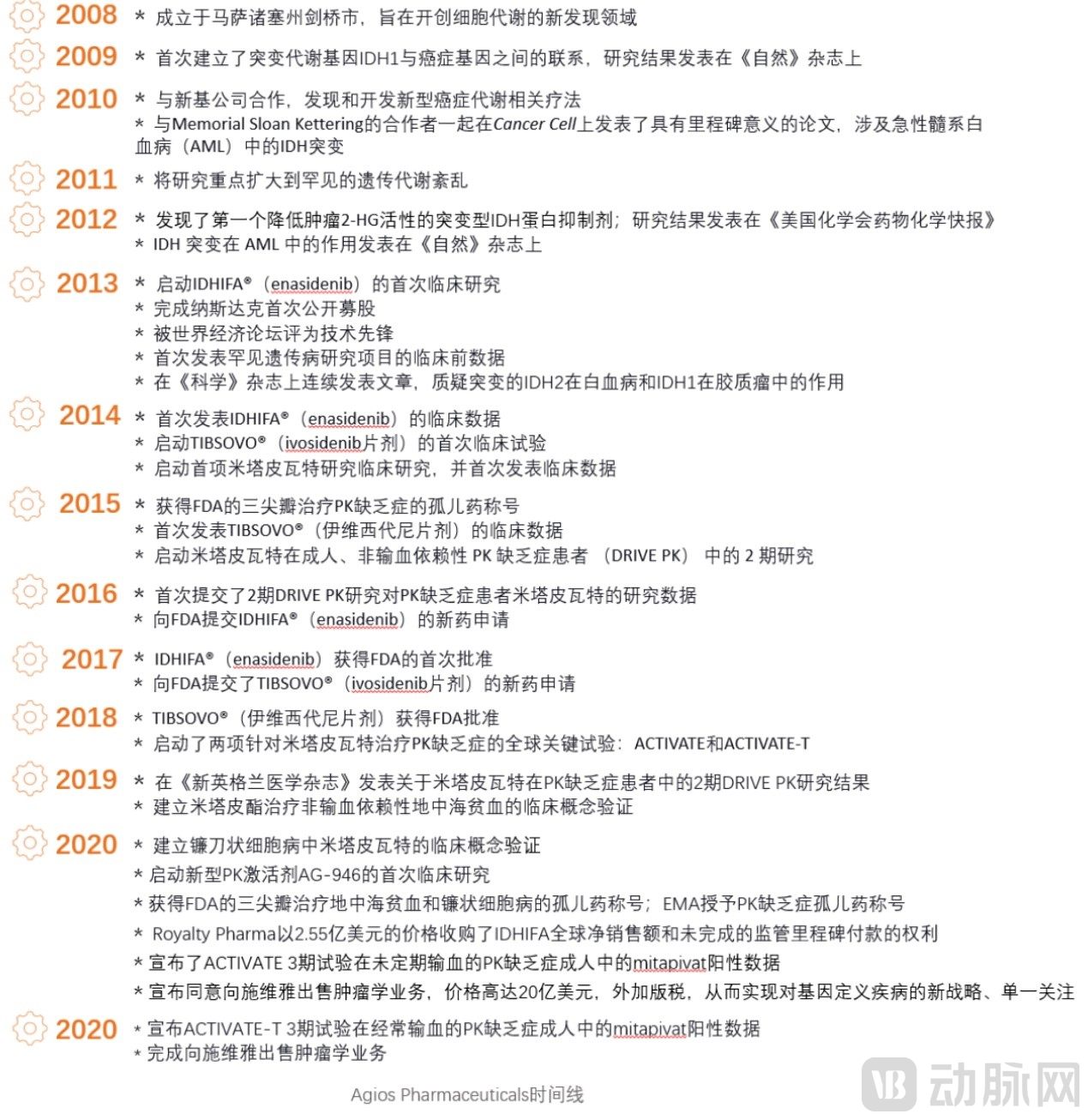
As reflected in Agios’s development trajectory, and as Agios CEO Jackie Foos stated, “Agios’s history is deeply rooted in cellular metabolism. As we collectively shape the future of Agios, we are building upon our core values and pioneering leadership in cellular metabolism to expand and accelerate our work focused on patients with genetic diseases.”
After focusing on genetic diseases, Agios finally launched its first product onto the market
Leveraging Agios’ core expertise in cellular metabolism, the company is advancing a robust pipeline for genetic diseases. In addition to its active late-stage clinical portfolio, Agios has multiple novel investigational therapies in clinical and preclinical development.
Through years of focused research on cellular metabolism, Agios has developed a profound and mature understanding of the biology underlying cellular metabolic processes. Agios is currently focused on applying this science to the treatment of genetic diseases, particularly hemolytic anemias. Its focus has gradually narrowed, ultimately converging on a core key target—pyruvate kinase.
Pyruvate kinase (PK) is an enzyme that plays a critical role in regulating cellular metabolism. It catalyzes the final step of glycolysis in red blood cells and is essential for maintaining their energy supply and structural integrity. In patients with hemolytic anemia, reduced PK activity leads to decreased adenosine triphosphate (ATP) levels and elevated levels of the metabolite 2,3-diphosphoglycerate (2,3-DPG), resulting in shortened red blood cell lifespan.
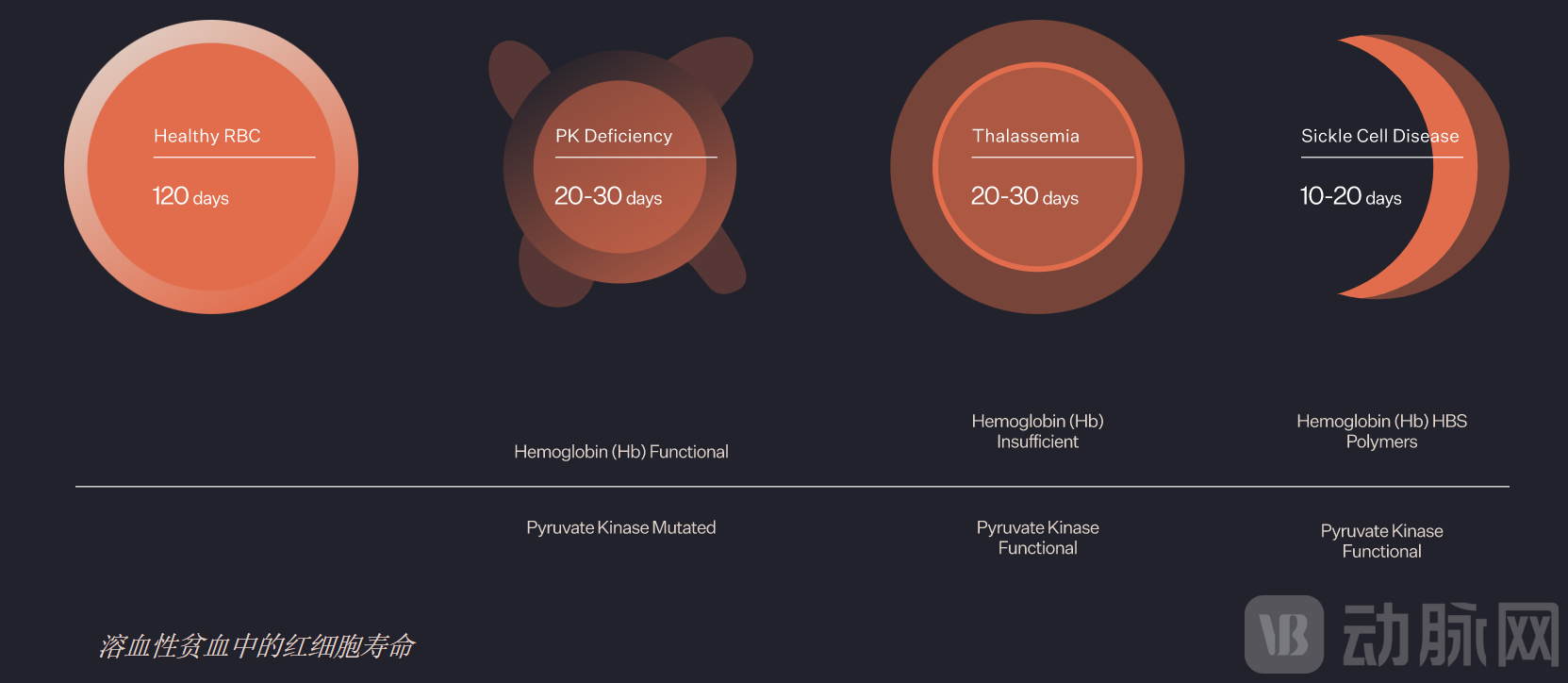
There are three distinct mechanisms by which PK activation exerts its effects: increasing ATP production to meet the energy demands of red blood cells; reversibly increasing hemoglobin’s oxygen affinity through the reduction of 2,3-DPG levels, thereby decreasing sickling; and maintaining antioxidant levels to mitigate cellular damage. These mechanisms improve red blood cell health and extend red blood cell survival in patients with hemolytic anemia by activating PK.
Agios has also identified multiple PK activator-related compounds with complementary properties, including brain-penetrant molecules and agents that activate PK within mitochondria. These compounds are known as PKM2 activators. They open up exciting possibilities for exploring their potential therapeutic value in neurological, renal, and mitochondrial diseases.
Mitapivat is the culmination of a series of insights from Agios, an activator of pyruvate kinase PKM2.
On February 17, 2022, Agios announced that the FDA had approved PYRUKYND (mitapivat) as the first disease-modifying therapy for hemolytic anemia in adults with pyruvate kinase deficiency.
PYRUKYND is the first and only treatment for hemolytic anemia in adults with pyruvate kinase (PK) deficiency, targeting the root cause of the disease by helping to activate the defective enzyme. The active pharmaceutical ingredient in PYRUKYND is mitapivat, a small-molecule allosteric activator that works by binding allosterically to the PK tetramer and increasing PK activity. PYRUKYND addresses defects in the PK enzyme to help prevent the premature breakdown of red blood cells, which can increase hemoglobin levels and improve anemia.
The FDA’s approval of PYRUKYND for the treatment of hemolytic anemia in adults with pyruvate kinase deficiency is based on data from two pivotal Phase 3 clinical trials, ACTIVATE and ACTIVATE-T, which demonstrated that PYRUKYND significantly improves hemolysis and anemia in patients with PK deficiency. In the first trial, statistical analysis showed that PYRUKYND significantly increased hemoglobin levels in patients who were not receiving regular transfusions. In the second trial, the therapy significantly reduced the transfusion burden in patients requiring regular transfusions, with results achieving statistical significance.
PYRUKYND is expected to launch in the United States approximately two weeks after approval. The drug underwent FDA priority review and had previously been granted orphan drug designation. PYRUKYND is also under review by the European Medicines Agency (EMA) as a potential treatment for adults with pyruvate kinase (PK) deficiency, with a regulatory decision in the European Union anticipated by the end of 2022.
“For more than a decade, we have been pioneering PK activation science to bring PYRUKYND to patients with PK deficiency, providing them with the first therapy specifically approved to treat this rare blood disorder,” said Dr. Jackie Fouse, Chief Executive Officer of Agios. “Everyone at Agios is committed to making a difference for patients with PK deficiency and expanding access to PYRUKYND, as well as our clinical and research programs, to reach more patients with genetic diseases around the world.”
In addition, Agios is also evaluating mitapivat for the treatment of three different hemolytic anemias: pyruvate kinase deficiency, α- and β-thalassemia, and sickle cell disease.
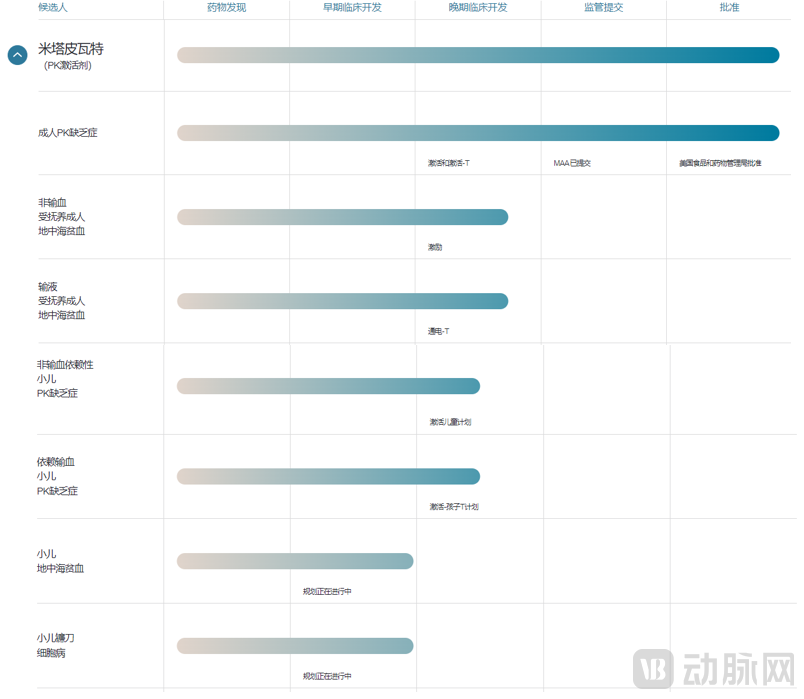
For pyruvate kinase (PK) deficiency, Agios expects to initiate the Phase 3 ACTIVATE-kids and ACTIVATE-kidsT studies in mid-2022 in pediatric patients with PK deficiency who are not on regular transfusions and those on regular transfusions, respectively. The company also anticipates receiving a regulatory decision from the European Medicines Agency (EMA) on PYRUKYND for adults with PK deficiency by the end of 2022.
Thalassemia is a blood disorder caused by inherited mutations in the α- or β-globin genes. Currently, there are no approved therapies for α-thalassemia, and treatment options for β-thalassemia remain limited. Agios plans to enroll a subset of patients in its Phase 3 ENERGIZE and ENERGIZE-T studies of PYRUKYND by the end of 2022, evaluating PYRUKYND in adult patients with thalassemia who receive either intermittent or regular blood transfusions.
Sickle cell disease is caused by inherited mutations in the β-globin gene. Historically, patients with sickle cell disease have lacked access to effective therapeutic services, and innovative research in this area remained scarce until recent years. Current treatment strategies for sickle cell disease include red blood cell transfusions, stem cell transplantation, and analgesics. Although sickle cell disease is classified as a rare disease in the United States and the European Union, it is one of the most common genetic disorders worldwide.

Agios plans to complete the Phase 2 trial of the RISE UP study, which evaluates PYRUKYND for the treatment of sickle cell disease, by the end of 2022. In the first half of 2022, it will initiate the Phase 1 study cohort for the novel PK activator AG-946 in patients with sickle cell disease.
In addition to mitapivat, Agios is also developing AG-946, a next-generation oral activator of pyruvate kinase R (PKR), which is currently in the early clinical stage.
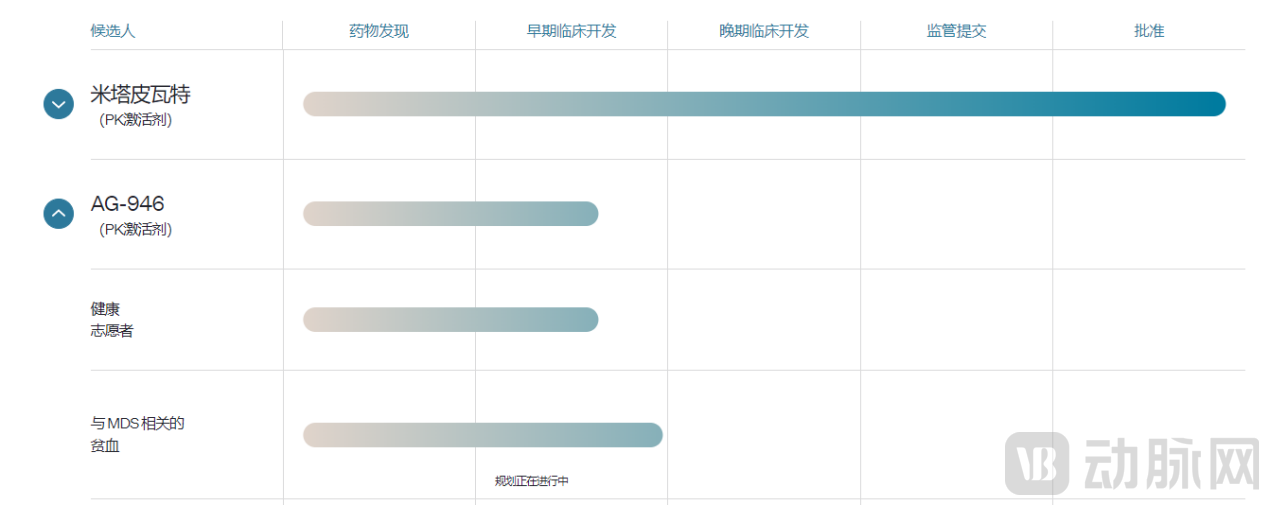
Agios plans to accelerate and expand its PK activator portfolio, initiating a Phase 2a study of AG-946 in adults with lower- to intermediate-risk myelodysplastic syndromes (MDS) by year-end. The company will continue to publish clinical and translational data supporting the utility of PK activators in key disease areas and elucidating the disease burden of pyruvate kinase deficiency, thalassemia, and sickle cell disease.
Leveraging expertise in cellular metabolism to discover new targets across a range of therapeutic areas
Agios’s research pipeline extends far beyond PK activation, with its most cutting-edge research projects includingPhenylalanine hydroxylase (PAH) stabilizers for the treatment of phenylketonuria (PKU) and branched-chain amino acid transferase-2 (BCAT2) inhibitors for the treatment of propionic and methylmalonic acidemias.
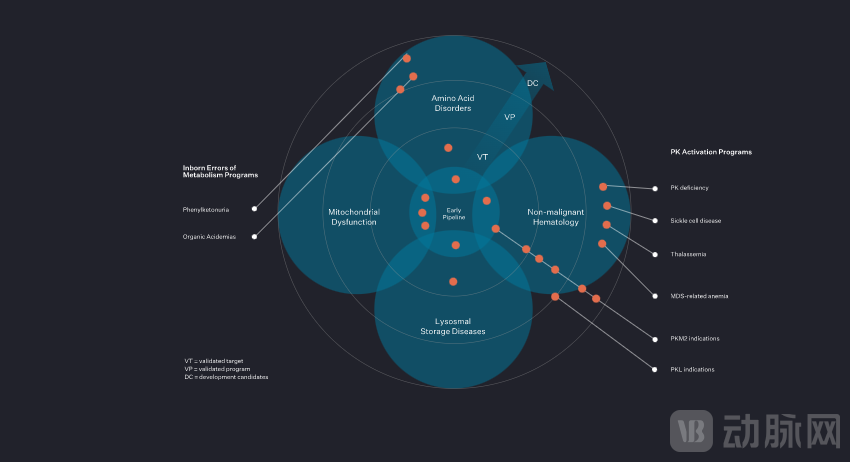
Phenylalanine Hydroxylase (PAH) Stabilizers for the Treatment of Phenylketonuria (PKU). PKU is a rare genetic disorder affecting individuals across all age groups, from infancy to adulthood, and leads to the accumulation of phenylalanine. The primary current treatment for this condition is a low-phenylalanine diet; however, despite the availability of approved medications, there remains significant unmet need in the PKU market.
The advantage of Agios’s PAH stabilizer lies in its convenient oral administration, which normalizes plasma phenylalanine levels, thereby allowing patients to increase their intake of natural protein, enabling them to lead normal lives and improving their quality of life from childhood through old age.
Branched-Chain Aminotransferase 2 (BCAT2) Inhibitors for the Treatment of Propionic and Methylmalonic Acidemias. Propionic and methylmalonic acidemias are a group of inherited inborn errors of metabolism characterized by the inability to catabolize branched-chain amino acids, leading to the accumulation of toxic metabolites.
Agios’s BCAT2 inhibitor is also designed for oral administration, employing a substrate reduction therapy approach: BCAT2 inhibition reduces the formation of toxic metabolites, methylmalonic acid (MMA) and propionic acid (PA). Furthermore, BCAT2 inhibition may also reduce toxic substrates in several other inherited disorders.
“Throughout our journey, Agios has built tremendous depth across all areas of drug discovery centered on cellular metabolism, including biology, chemistry and biochemistry, pharmacology, data science, and translational medicine. We are now focusing these strengths on genetically defined diseases,” said Bruce Carlin, Chief Scientific Officer at Agios.