

AVEO Pharmaceuticals: Perseverance Through Rejection – The Eight-Year Journey to FDA Approval of FOTIVDA (tivozanib)

AVEO
Cancer Treatment Drug Developer
We often hear news of clinical trial failures, or even abandonment, of drug pipelines in some challenging therapeutic areas.
Abandoning a pipeline that has already consumed substantial resources is a difficult decision for any pharmaceutical company. Yet setbacks are sometimes an inevitable part of the path to success. There are always those who, driven by conviction, resubmit their applications time and again after repeated rejections by regulatory authorities.
In March 2021, the U.S. Food and Drug Administration (FDA) approved AVEO Pharmaceuticals’ new drug, FOTIVDA (tivozanib). Prior to this approval, AVEO had submitted marketing applications for tivozanib twice—in 2013 and 2019—both of which were rejected by the FDA, echoing the Chinese idiom of “three visits to the thatched cottage” in its perseverance.
AVEO is headquartered in Cambridge, Massachusetts, USA. Formerly known as GenPath Pharmaceuticals, the company was renamed Aveo Oncology in 2005. As a biopharmaceutical company focused on oncology, it is committed to providing medications that improve the quality of life for cancer patients.
AVEO, a biopharmaceutical company founded in 2001, completed its initial public offering on March 18, 2010. To date, AVEO has raised a total of $553.6 million to support the research, development, and commercialization of its product pipeline.
Chinese-American female scientist Lynda Chin is a co-founder of AVEO. Dr. Chin immigrated to the United States from China with her family at the age of 15. After earning her bachelor’s degree with honors from Brown University, she attended Albert Einstein College of Medicine, where she obtained her M.D. She possesses extensive industry experience and a wealth of knowledge in the field of oncology.
Dr. Qin has made numerous scientific discoveries in the fields of cancer genomics and personalized cancer medicine. In 2011, Dr. Qin joined The University of Texas MD Anderson Cancer Center as the inaugural Chair of the Department of Genomic Medicine. Prior to this appointment, she served as Scientific Director of Applied Cancer Science Research at the Dana-Farber Cancer Institute. She is also a Co-Principal Investigator of the TCGA Genome Data Analysis Network. The TCGA project focuses on mining and translating complex genomic data to identify novel cancer targets and diagnostic biomarkers.
In addition to being an accomplished scientist, Dr. Qin is also a successful entrepreneur. Beyond AVEO, she founded Metamark Genetics, a cancer diagnostics company that guides the management of patients with early-stage cancers, including melanoma and prostate cancer.
Renal cell carcinoma is a highly malignant tumor in the urinary system and one of the most common tumors, accounting for approximately 2%–3% of adult malignancies and 80%–90% of adult renal malignancies. AVEO has been dedicated to the field of renal cell carcinoma for over a decade.
Vascular Endothelial Growth Factor (VEGF) is a key regulator of human vascular development and the function of blood and lymphatic vessels. It is currently recognized as the most significant factor promoting tumor angiogenesis. Inhibiting this marker can reduce tumor blood supply, thereby suppressing tumor growth.
Currently, there are five known VEGF ligands (A, B, C, D, and PlGF) and three VEGF receptors (1, 2, and 3), with each ligand exhibiting distinct but overlapping binding profiles for the three VEGF receptors.
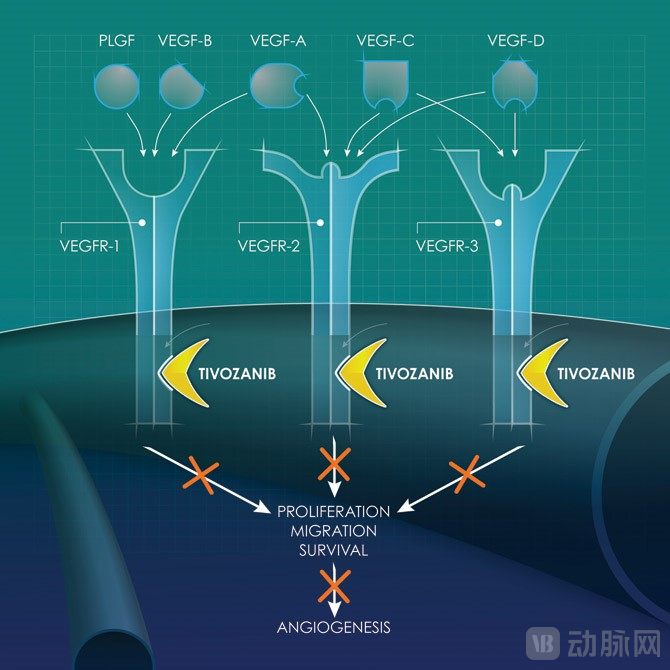
Each receptor plays a critical role in cancer angiogenesis: VEGF receptor 1 is essential for regulating endothelial cell survival and vasculogenesis; VEGF receptor 2 is the primary mediator of endothelial cell proliferation and migration; and VEGF receptor 3 promotes endothelial sprouting and vascular network formation. Therefore, to optimally inhibit the VEGF signaling pathway, all three VEGF receptors must be effectively blocked.
AVEO’s lead drug candidate, tivozanib, is a differentiated vascular endothelial growth factor receptor (VEGFR) tyrosine kinase inhibitor (TKI) that inhibits VEGFRs 1, 2, and 3. With its long half-life, tivozanib offers improved efficacy and tolerability. By inhibiting VEGFR tyrosine kinases, tivozanib suppresses VEGFR function, thereby blocking angiogenesis and inducing tumor cell death through deprivation of blood supply.
FOTIVDA is the first and only treatment approved for advanced renal cell carcinoma (RCC).FOTIVDA is indicated for adult patients with relapsed or refractory advanced renal cell carcinoma (RCC) after two or more prior systemic therapies. Preclinical studies have demonstrated that tivozanib minimizes off-target toxicity while blocking the VEGF signaling pathway.
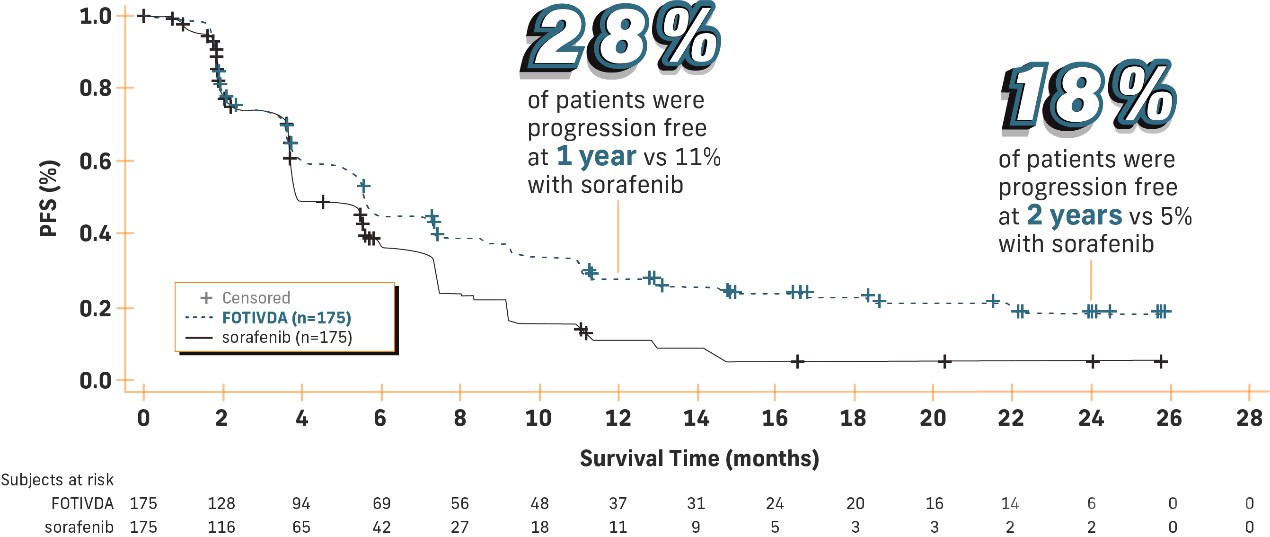
The efficacy and safety of tivozanib were confirmed in a clinical study involving 350 patients with relapsed or refractory advanced renal cell carcinoma. During the trial, 175 participants were randomized to receive tivozanib, while 175 received sorafenib; these treatment arms included immunotherapy and other therapeutic modalities.
The results showed that 44% of patients taking tivozanib experienced no tumor growth or spread within the specified time frame, compared with only 28% of those taking sorafenib. The proportion of patients whose tumors shrank was twice as high in the tivozanib group (18%) as in the sorafenib group (8%). Cancer was effectively controlled in 73% of patients receiving tivozanib, compared with 65% of those receiving sorafenib.
In March 2021, AVEO’s new drug, FOTIVDA, received approval from the U.S. Food and Drug Administration (FDA) for the treatment of adult patients with advanced renal cell carcinoma (RCC) that is recurrent or refractory following two or more prior systemic therapies. Prior to this, FOTIVDA had already been approved in August 2017 in the European Union, Norway, New Zealand, Iceland, and other regions for the treatment of adult patients with advanced RCC.
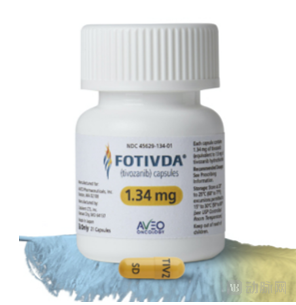
Although tivozanib has been successfully approved and launched in many countries and regions around the world, including Europe and the United States (under the brand name FOTIVDA), its path to market has been highly tortuous. AVEO spent nearly a decade on this journey, during which its marketing applications were frequently rejected by the FDA.
AVEO submitted an application to the FDA in 2013 for the VEGF receptor inhibitor tivozanib for the treatment of renal cancer. However, the FDA advisory panel raised concerns about AVEO’s clinical trials, as patients treated with sorafenib demonstrated longer overall survival than those receiving tivozanib, ultimately leading to the rejection of AVEO’s application. This outcome even triggered a sharp plunge in AVEO’s stock price and resulted in the loss of its key partner, Astellas.
However, after being rejected by the FDA, AVEO did not abandon its research and trials on tivozanib. AVEO subsequently conducted TIVO-3, an open-label Phase III study comparing the efficacy of tivozanib versus sorafenib in renal cell carcinoma (RCC), and announced that the study had met its primary endpoint, demonstrating a significant improvement in progression-free survival (PFS). Unfortunately, in November 2019, after reviewing the data submitted by AVEO, the FDA once again rejected AVEO’s application for the VEGF receptor inhibitor tivozanib.
Although tivozanib faced repeated setbacks at the FDA, it gained recognition in the European Union and was approved by the EMA in 2017 under the brand name FOTIVDA. It was not until February 22, 2021, that AVEO announced the final approval of FOTIVDA by the U.S. FDA, marking the fruition of all prior efforts and perseverance.
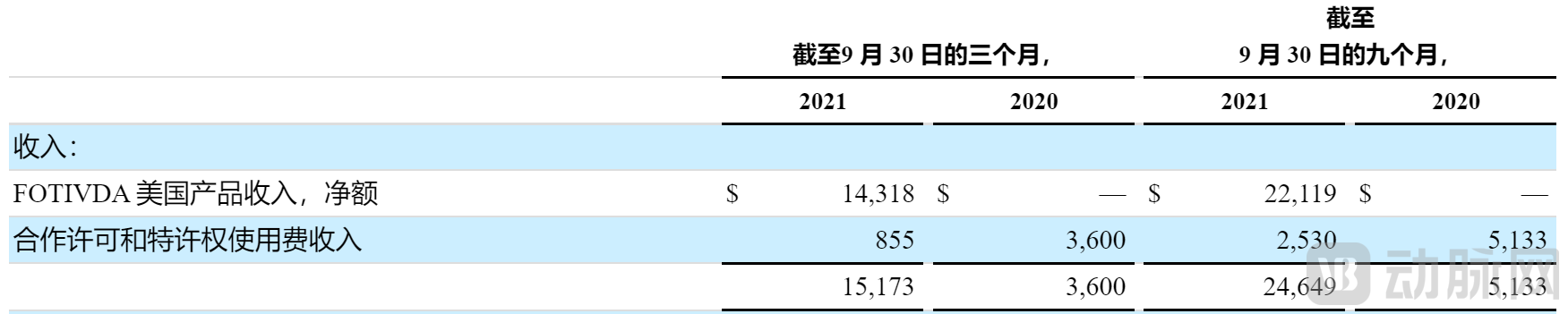
Since FOTIVDA’s launch in the U.S. market, it has generated substantial revenue for AVEO in just the first three quarters of 2021, and is poised to become a major contributor to AVEO’s future cash inflows.
Although FOTIVDA (tivozanib) has received FDA approval for marketing in the United States for the treatment of adult patients with advanced renal cell carcinoma (RCC), AVEO continues to develop FOTIVDA in immuno-oncology combinations for RCC and other indications, with several additional research programs currently in clinical development.
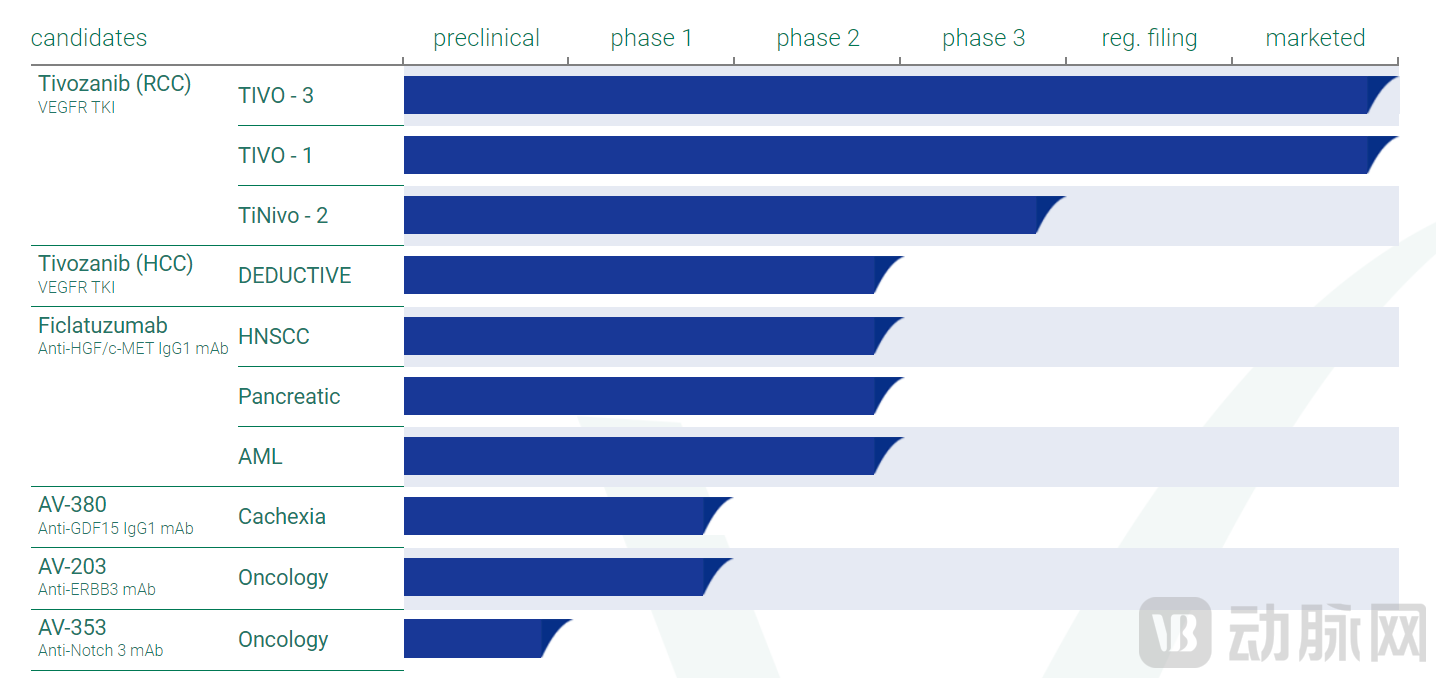
Ficlatuzumab (formerly known as AV-299) is a potent inhibitory immunoglobulin G1 (IgG1) antibody against hepatocyte growth factor (HGF),In September 2021, AVEO announced that the U.S. Food and Drug Administration (FDA) had granted Fast Track Designation (FTD) to ficlatuzumab for the treatment of patients with recurrent or refractory head and neck squamous cell carcinoma (R/R HNSCC).
AVEO’s candidate product pipeline also includesAV-380 (Anti-GDF15 IgG1 mAb)AVEO previously disclosed that the FDA had accepted its Investigational New Drug (IND) application for AV-380 and initiated a Phase 1 clinical trial for the potential treatment of cancer cachexia. AV-380 is AVEO’s first highly potent humanized inhibitory IgG1 antibody targeting GDF15 (growth differentiation factor 15). Preclinical data showed that inhibition of GDF15 shifts metabolism from catabolic to anabolic states, suggesting that AV-380-mediated GDF15 inhibition may reverse the effects of cachexia.
In addition,AVEO’s early portfolio also included AV-203 (an anti-ErbB3 monoclonal antibody) and AV-353 (an anti-Notch 3 monoclonal antibody), both of which are monoclonal antibodies for oncology therapy.
AV-203 is a clinical-stage ErbB3-inhibitory antibody candidate designed to suppress ligand-dependent ErbB3 signaling. ErbB3 is a receptor commonly expressed in many human cancers. AVEO previously completed a Phase 1 open-label dose-escalation study of AV-203 in patients with advanced solid tumors. The study found that AV-203 was generally safe and well-tolerated, with early signals of activity consistent with preclinical data, suggesting that heregulin or neuregulin (the only known ErbB3 ligand) may serve as a biomarker for predicting the antitumor activity of AV-203.
AV-353 is a potent, selective, high-affinity inhibitory antibody targeting Notch 3, developed by AVEO. The Notch 3 signaling pathway plays a critical role in intercellular communication and involves gene regulatory mechanisms that control multiple cell differentiation processes throughout the lifespan. Scientific literature has linked the Notch 3 receptor pathway to various diseases, including cancer, cardiovascular diseases, and neurodegenerative disorders.
AVEO is dedicated to the discovery, development, and commercialization of targeted cancer therapies. To support these efforts, the company has maintained collaborations with other pharmaceutical and biotechnology companies that share AVEO’s vision for oncology drug development.
In December 2015, AVEO entered into an exclusive licensing agreement granting EUSA Pharma, a European company, the rights to use tivozanib for the treatment of advanced renal cell carcinoma (RCC). Through the joint efforts of both companies, FOTIVDA was approved in Europe in 2017 for the treatment of adult patients with RCC.
January 2022NiKang Therapeutics and AVEO Oncology Announce Clinical Trial Collaboration and Supply Agreement to Evaluate the Combination of HIF-2α Inhibitor NKT2152 and FOTIVDA for the Treatment of Advanced Renal Cell CarcinomaUnder the terms of the agreement, NiKang will sponsor the trial, and AVEO will co-fund it. Both companies will provide their respective drugs free of charge. The two companies will establish a Joint Development Committee to oversee the collaboration.
February 2022: AVEO Announces Collaboration with Actinium Pharmaceuticals, a Leader in Targeted Radiopharmaceutical Development, to Develop and Research a Best-in-Class Antibody Radioconjugate (ARC) Targeting ErbB3.Actinium will leverage its AWE technology platform and extensive radiopharmaceutical expertise to conjugate one of AVEO’s ErbB3-targeting antibodies with the potent alpha-emitting radioisotope Actinium-225 (Ac-225).
AVEO’s strategy is to concentrate its resources on the development and commercialization of candidate products in North America, while leveraging partnerships to support development and commercialization in other regions, thereby integrating its own product R&D with commercialization efforts.