

Merck's $11.5B Acquisition of Acceleron Pharma: A Strategic Move into Rare Diseases and Cardiovascular Innovation

Acceleron Pharma
Developer and Producer of Novel Biologic Therapeutics
Nowadays, “snatching” a dose of the nine-valent HPV vaccine seems to have become the most worthwhile thing to “show off” on WeChat Moments.
The nine-valent HPV vaccine is in such high demand that it is extremely difficult to obtain; even as private hospitals have driven up the price from over RMB 4,000 to RMB 6,000–7,000, the supply shortage persists. In recent years, the HPV vaccine has swept across China with remarkable speed, once again drawing attention to its developer, Merck & Co., known as the “King of Vaccines.” With more than a century of experience in the vaccine industry, Merck has developed numerous globally recognized vaccines, including those for measles, mumps, and hepatitis B.
However, in addition to its widely recognized vaccines, Merck has been expanding its R&D efforts in other areas in recent years, with cardiometabolic disorders and oncology serving as key priorities in its pipeline. It is for this reason that Merck set its sights on Acceleron Pharma, a company specializing in the development of anticancer drugs and orphan drugs for rare diseases.
On November 22, 2021, global healthcare giant Merck & Co. announced the completion of its acquisition of pharmaceutical company Acceleron Pharma.Merck’s acquisition of Acceleron Pharma is the second-largest in the company’s history, following its $41.1 billion purchase of Schering-Plough in 2009, and stands as the largest global M&A deal of 2021. With a total transaction value of $11.5 billion (approximately RMB 73.1 billion), it far surpassed all other mergers and acquisitions worldwide that year.
While Merck’s multi-billion-dollar acquisition of Acceleron to bolster its pipeline certainly grabs headlines, it also sparks curiosity about the other key player in this deal—Acceleron. What exactly makes its capabilities and value so irresistible?
When it comes to rare diseases, their market potential is not viewed favorably by many; in fact, this is a misconception.
Due to the small patient population, limited market demand, and high R&D costs, rare diseases have received little attention from pharmaceutical companies in terms of therapeutic drug development. As a result, they are vividly referred to as “orphan diseases,” and their corresponding treatments are known as “orphan drugs.”
Orphan drugs must meet the fundamental clinical requirements for new drug development during their R&D process. However, their characteristic small target population significantly increases the difficulty of conducting clinical trials. Due to these challenges in orphan drug development, pharmaceuticals for rare diseases are extremely scarce, leaving the field nearly devoid of treatment options.

According to incomplete statistics, there are more than 20 million patients with rare diseases in China. Approximately 7,000 types of rare diseases have been identified worldwide, 80% of which are genetic disorders. Children account for about half of all rare disease patients, and approximately 35% of infant deaths under the age of one are caused by rare diseases. To date, fewer than 1% of rare diseases have approved medications available for treatment.
In recent years, with encouragement and funding from governments worldwide, rare diseases have received greater attention. An increasing number of companies are joining the ranks of orphan drug research and development, and the patient community for rare diseases is drawing growing societal concern.
According to Frost & Sullivan data, the global market size for rare disease drugs is projected to increase from $135.1 billion in 2020 to $383.3 billion in 2030, with a compound annual growth rate (CAGR) of 11%.
Thus, it is evident that the orphan drug research market in the field of rare diseases holds immense potential and urgently requires development.
Acceleron’s research focus is on discovering and developing innovative medicines for patients with rare diseases by harnessing the power of the TGF-β protein superfamily.
The TGF-β superfamily consists of secreted proteins involved in development and a series of critical cellular processes, including signal transduction, differentiation, metabolism, protein synthesis, motility, and microenvironment-dependent invasion. Imbalances in the human body can lead to increased or decreased protein levels, which may contribute to the pathogenesis of various diseases.
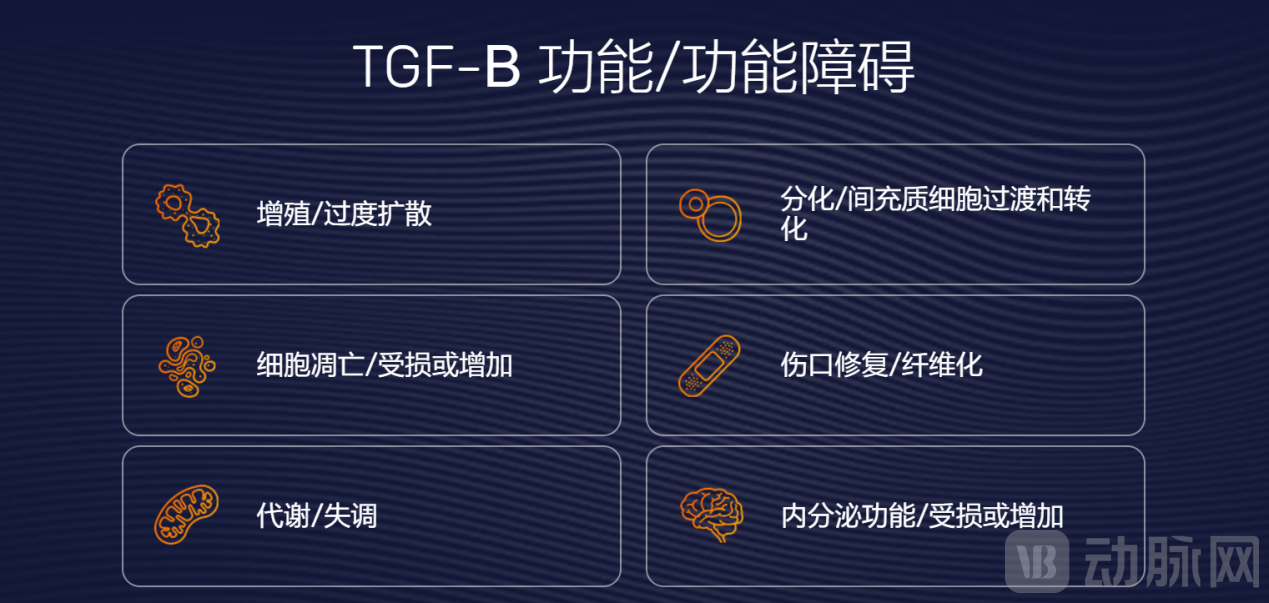
Therefore, modulating the TGF-β superfamily is critically important for disease control. Over the nearly two decades since its inception, the company has been dedicated to harnessing the power of the TGF-β superfamily to develop and test therapies for rare diseases, continuously seeking breakthroughs and progressing step by step to where it stands today.
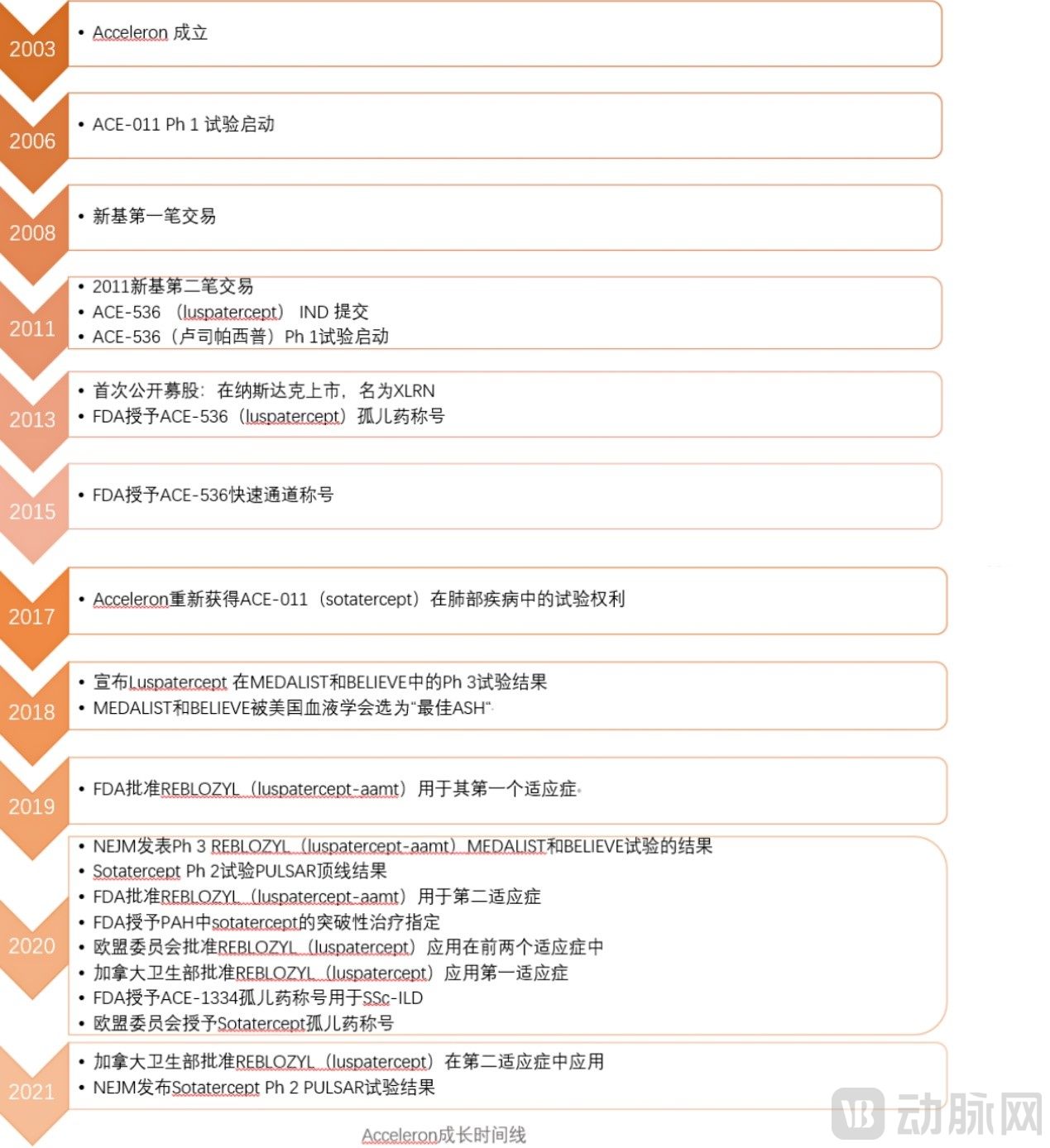
However, the company’s development has not been entirely smooth; it has continuously encountered challenges and setbacks along the way, and even suffered major failures.
Acceleron Pharma’s myostatin inhibitor ACE-031, developed in collaboration with Shire, failed in trials for Duchenne muscular dystrophy (DMD). Its successor, ACE-083, also failed to meet expectations in facioscapulohumeral muscular dystrophy and Charcot-Marie-Tooth (CMT) disease, leading to its discontinuation in 2020. Additionally, ACE-041 failed in Phase II clinical trials for renal cell carcinoma, resulting in the termination of its further development and related clinical trials in 2017.
Fortunately, Acceleron Pharma made timely adjustments and trade-offs to its development strategy, successfully navigating these “crises.” Leveraging years of research and clinical trials focused on the TGF-β protein superfamily, Acceleron currently has Reblozyl, an approved therapy for anemia associated with beta-thalassemia, in the hematology space. In the area of pulmonary vascular diseases, its candidate drugs sotatercept and ACE-1334 are both in clinical trials.
Acceleron is a clinical-stage biopharmaceutical company whose current pipeline is divided into two major segments, one of which focuses on hematologic diseases and already has a marketed novel drug. Notably, the hematology product Reblozyl in its pipeline has been approved for marketing in the United States, Europe, and Canada.
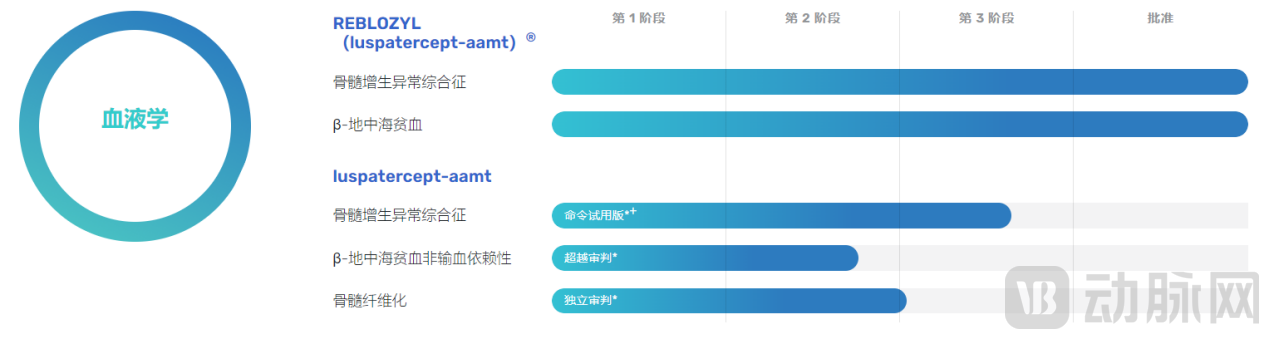
Reblozyl is the first FDA-approved drug for treating anemia associated with beta-thalassemia, and it is also the first new treatment regimen approved by the FDA in over a decade for patients with myelodysplastic syndromes (MDS) who require red blood cell (RBC) transfusions and have failed treatment with an erythropoiesis-stimulating agent.
The active pharmaceutical ingredient in Reblozyl is luspatercept, a first-in-class erythroid maturation agent (EMA),Reblozyl is the first and only FDA-approved erythroid maturation agent, representing a new class of therapies that help patients reduce their red blood cell transfusion burden by modulating the late stages of erythroid maturation.This drug is a soluble fusion protein composed of the Fc domain of human IgG1 fused to the extracellular domain of the activin receptor type IIB (ActRIIB). Acting as a ligand trap, it specifically targets and binds certain ligands of the TGF-β superfamily that regulate late-stage erythrocyte maturation, thereby reducing activation of the Smad2/3 signaling pathway, ameliorating ineffective erythropoiesis, promoting late-stage erythroid maturation, increasing hemoglobin levels, and alleviating anemia in patients.
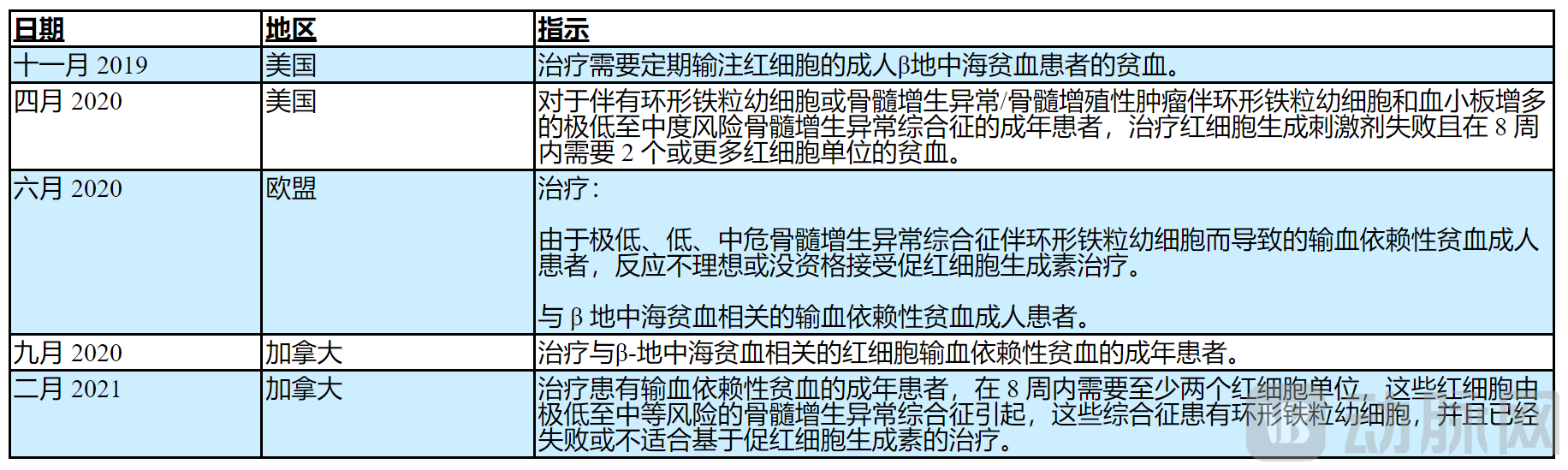
Reblozyl, as a prescription medication, is indicated for the treatment of anemia in patients with very low- to intermediate-risk myelodysplastic syndromes with ring sideroblasts (MDS-RS) or myelodysplastic/myeloproliferative neoplasms with ring sideroblasts and thrombocytosis (MDS/MPN-RS-T), who require regular red blood cell transfusions but have an inadequate response to or are ineligible for erythropoiesis-stimulating agents (ESAs). Although Reblozyl can serve as an alternative to red blood cell transfusions, it is not a substitute for red blood cell transfusions in patients requiring immediate correction of anemia.
To date, Reblozyl has received regulatory approval for the following indications in the following regions:
In the U.S. market, commercialization is handled by Bristol-Myers Squibb (BMS), which holds an 11.5% stake in the company. Sales exceeded $300 million in the first three quarters of 2021 alone, and Acceleron also received over $48 million in licensing revenue.According to estimates by BMS and Acceleron, annual sales of Reblozyl could exceed $4 billion in the future for all currently approved indications as well as those under development.
In addition to its currently approved indications, scientists at Acceleron have discovered that luspatercept-aamt can also bind to several ligands of the TGF-β superfamily, thereby reducing Smad2/3 signaling. Consequently, luspatercept-aamt is being developed for the treatment of anemia in patients with non-transfusion-dependent β-thalassemia and myelofibrosis, as well as for use as a first-line therapy in patients with low-risk MDS.
Acceleron’s primary research in pulmonary diseases aims to address the signaling interactions between pro-proliferative and anti-proliferative proteins of the TGF-β superfamily, thereby reducing or reversing pathological remodeling of the pulmonary vasculature.
The company is developing drugs for the treatment of pulmonary arterial hypertension (PAH). Its lead therapeutic candidate, sotatercept (ACE-011), features a novel mechanism of action that has the potential to improve short-term and/or long-term clinical outcomes in patients with PAH.
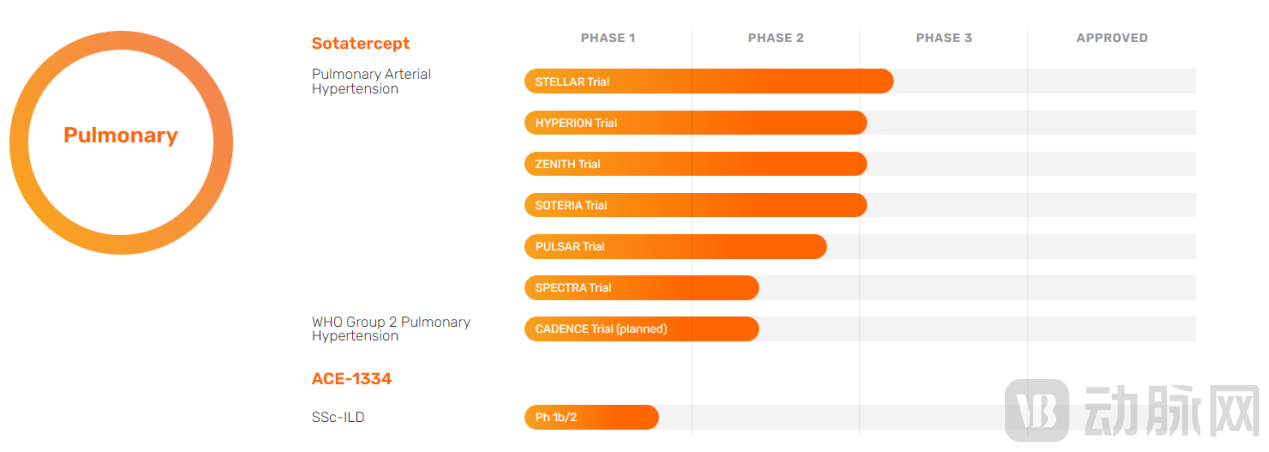
Sotatercept is a reverse-remodeling agent designed to rebalance transforming growth factor-beta (TGF-β) superfamily signaling in patients with pulmonary arterial hypertension (PAH) by restoring the equilibrium between bone morphogenetic protein (BMP) and activin signaling pathways. Sotatercept has the capacity to block TGF-β superfamily ligands known to be upregulated in PAH. Based on preclinical data published in *Science Translational Medicine*, sotatercept can promote the rebalancing of proliferative activin signaling and anti-proliferative BMP signaling, thereby potentially reversing disease-induced pathological remodeling and restoring vascular homeostasis.
Currently, treatment options for patients with pulmonary arterial hypertension (PAH) remain limited to vasodilator therapies, which do not address the underlying pathophysiology of the disease. Sotatercept, a novel ligand trap developed by Acceleron Pharma, is currently in Phase 3 clinical trials. Recent data suggest that sotatercept will become the first disease-modifying agent available for patients with PAH.
In September 2019, the FDA granted sotatercept Orphan Drug Designation (ODD). In April 2020, the FDA further granted sotatercept Breakthrough Therapy Designation (BTD) for the treatment of patients with pulmonary arterial hypertension (PAH).
Pulmonary arterial hypertension is a multi-billion-dollar market, and Acceleron’s investigational drug for pulmonary arterial hypertension will undoubtedly enable the company to enter this market and capture significant resources.In the future, sotatercept is expected to become the first drug that not only alleviates symptoms and slows disease progression but also has the potential to directly cure pulmonary arterial hypertension.
In its pulmonary pipeline, in addition to sotatercept, Acceleron is also exploring the potential of its early-stage pulmonary candidate ACE-1334, with plans to advance it into clinical trials for systemic sclerosis-associated interstitial lung disease (SSc-ILD). Systemic sclerosis-associated interstitial lung disease (SSc-ILD) is a rare, progressive autoimmune connective tissue disease characterized by immune dysregulation.
ACE-1334 is a TGF-β superfamily ligand trap designed to bind and inhibit the TGF-β1 and TGF-β3 ligands. ACE-1334 has demonstrated potent anti-fibrotic activity in multiple preclinical models of fibrosis. The company has completed a Phase 1 clinical trial of ACE-1334 with escalating doses in healthy volunteers.The FDA has granted Fast Track designation to ACE-1334 for patients with systemic sclerosis-associated interstitial lung disease (SSc-ILD), as well as Orphan Drug designation for the treatment of systemic sclerosis.
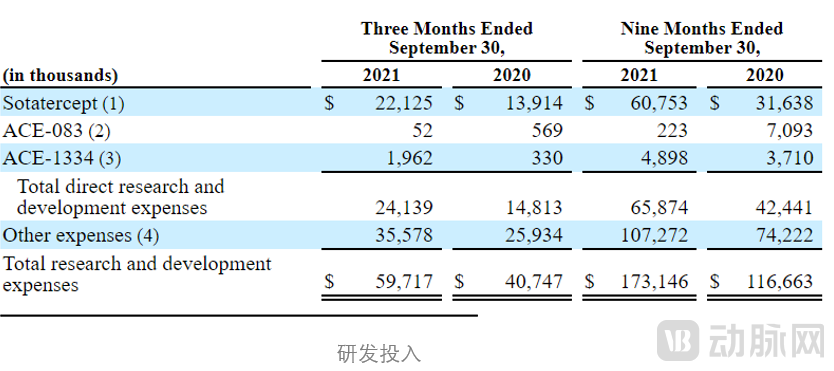
Acceleron’s R&D spending in 2020 and 2021 also demonstrates the company’s continued increase in investment in drug development and clinical trials, as it seeks to capitalize on the market for lung-related diseases and capture a share of this high-potential sector.
Acceleron’s proprietary discovery platform, exclusive intellectual property, and world-class in-house scientific team sparked Merck’s acquisition interest; however, what ultimately drove Merck to acquire Acceleron was not only its inherent strengths but also the substantial value it could deliver to Merck.
Whether it is Reblozyl, already approved for the treatment of anemia associated with beta-thalassemia, or Sotatercept, currently in clinical development for pulmonary arterial hypertension, and ACE-1334, under investigation for systemic sclerosis-associated interstitial lung disease (SSc-ILD), all align precisely with a key strategic direction of Merck & Co. The acquisition of Acceleron Pharma will strengthen Merck’s research and development capabilities in its cardiovascular disease portfolio.
“Strategic business development is a top priority for Merck, as we aim to drive sustainable growth and further support and balance our pipeline through breakthrough scientific research,” said Rob Davis, CEO and President of Merck. “Acceleron’s innovative research has yielded impressive late-stage candidates, which complement and strengthen our growing cardiovascular portfolio and pipeline, with the potential to build upon Merck’s established strengths in the field of cardiovascular disease.”
The application prospects of the TGF-β signaling pathway in tumor immunity serve as a significant boost to Merck & Co.’s development of novel oncology drugs.
Moreover, the current global orphan drug market is almost entirely dominated by international pharmaceutical giants such as Novartis, Roche, and Celgene. Among them, Novartis holds a relatively leading position with a distinct advantage, capturing 11.3% of the market share; it is closely followed by Roche and Celgene, which hold 8.8% and 8.0% of the market share, respectively. Further behind are Bristol-Myers Squibb (5.8%), Shire (4.7%), Pfizer (4.6%), Sanofi (3.2%), and Bayer (3.1%).
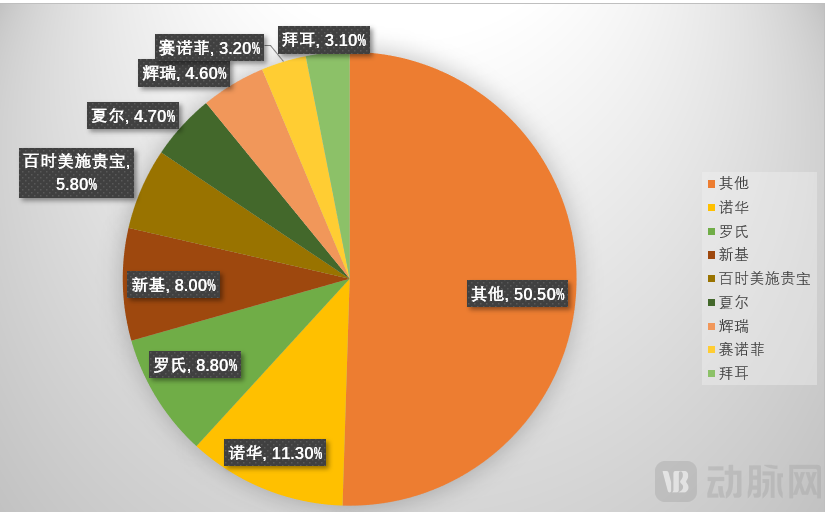
Regrettably, Merck & Co., one of the world’s pharmaceutical giants, appears to have had limited presence in the field of rare diseases and orphan drugs. In contrast, Acceleron Pharma has not only dedicated itself to drug research in the rare disease space but also already has approved orphan drug products. This acquisition will significantly bolster Merck’s portfolio in rare diseases and orphan drugs, helping the company further capture global market share.
In addition to the immense potential value of Acceleron’s drug candidates, the company’s own financial strength is equally formidable. Since its inception, Acceleron has raised a total of $987 million (approximately RMB 6.27 billion) through multiple rounds of financing. Its newly launched drug, Reblozyl, continues to generate substantial revenue for the company, which has also reaped significant rewards from various collaborations over the years.
Acceleron Pharma entered into a collaboration with Celgene on ACE-011 in 2008. Celgene paid a $50 million upfront fee and purchased $5 million worth of stock, agreed to purchase an additional $7 million in stock upon Acceleron’s initial public offering, and committed to potential milestone payments totaling up to $510 million.
In 2012, Acceleron once again partnered with Celgene. Celgene obtained the global rights to ACE-536, paying Acceleron $25 million upfront and committing to milestone payments of up to $217 million.
While onlookers marvel at Acceleron’s “phoenix-like rise” driven by such a high acquisition price, they fail to recognize that the company was never an “underdog” to begin with. Acceleron’s value will only continue to grow as more clinical trial data are released. We have every reason to believe that Acceleron’s pipeline will continue to perform strongly, further demonstrating the company’s worth.
Therefore, whether it is Acceleron’s reinforcement of Merck’s existing cardiovascular pipeline, its prominent strength in the field of rare diseases, or its own robust financial performance, all of these are indispensable to Merck’s development and expansion as it seeks to broaden its cardiovascular portfolio and aggressively expand its global orphan drug market.