

Digital Therapeutics Innovation Spotlight: Top 3 U.S. Hospitals Lead Clinical Exploration in Sleep, Addiction, and Chronic Disease Management
When IBM’s Watson project, launched in collaboration with the world-renowned cancer research institution, the MD Anderson Cancer Center (hereinafter referred to as “MD Anderson”), entered the field of oncology care in 2013, it unlocked the vast potential of artificial intelligence (AI) in healthcare. From tech giants such as Microsoft, Google, and GE to countless startups, AI has permeated multiple domains, including medical imaging analysis, computer-aided diagnosis, drug discovery, and health management. Although Watson’s ultimate trajectory fell short of expectations, MD Anderson’s efforts as a leading global cancer center to facilitate the clinical implementation of emerging technologies are commendable. Indeed, various new technologies must undergo clinical trials at frontline hospitals to demonstrate their true value.
The United States is home to numerous top-tier hospitals that prioritize the translation of research findings into clinical practice. For instance, the Mayo Clinic, which has consistently ranked at the top of U.S. News & World Report’s hospital rankings, reported over $1 billion in research expenditures in 2021, conducted 2,889 active clinical trials, and published 13,697 articles in peer-reviewed journals. Similarly, the Cleveland Clinic, which secures thousands of patent approvals annually and has witnessed numerous major breakthroughs in human medicine, had nearly 100 products derived from research commercialization in 2019 alone.
It is fair to say that the rapid advancement of medical standards has been driven by the exploration of new technologies and innovations in clinical practice at these top-tier hospitals. Today, against the backdrop of the Internet of Everything (IoE), digital therapeutics—empowered by various digital information technologies—have become a hot trend. So, what clinical trials have these three leading U.S. hospitals conducted in this area? VCBeat has mined relevant information from the U.S. Clinical Trials Registry to seek answers.
ClinicalTrials is a clinical trial database operated by the U.S. National Library of Medicine (NLM), under the National Institutes of Health (NIH), in collaboration with the U.S. Food and Drug Administration (FDA). It is currently the largest global registry for clinical trials. All clinical trial projects mentioned in this article were selected from this database. Notably, as the FDA does not define phases for trials involving device- or behavior-based interventions, such clinical trials lack phase designations for reference.
The core element of digital therapeutics is software. The therapeutic process can be conducted using software alone or in combination with medical devices (including monitoring and therapeutic devices) and pharmaceuticals. Software-driven pharmaceutical or device-based therapies offer superior efficacy and lower costs compared to the use of pharmaceuticals or devices alone. In essence, software represents the greatest value proposition of digital therapeutics.
The software is designed based on Cognitive Behavioral Therapy (CBT). In simple terms, CBT is a short-term therapeutic approach that aims to alleviate psychological issues by modifying irrational thought and behavioral patterns, thereby reducing the occurrence of negative emotions and maladaptive behaviors.
Cognitive Behavioral Therapy for Insomnia (CBT-i) aligns perfectly with the design logic of digital therapeutic software. Recommended by the American College of Physicians and the European Sleep Research Society as the first-line treatment for insomnia, CBT-i is the most effective non-pharmacological intervention for this condition. It improves sleep by correcting inappropriate beliefs and attitudes about sleep, as well as maladaptive behavioral habits. Key components include sleep hygiene education, relaxation therapy, cognitive therapy, stimulus control, and sleep restriction therapy.

Compared with pharmacotherapy, CBT-I holds advantages; however, its prolonged treatment duration, limited availability of clinicians, patient resistance to psychological counseling, and accessibility barriers result in low adherence and suboptimal patient experience. These limitations can be addressed and improved through digital therapeutics. To this end, Cleveland Clinic has developed the GoToSleep software to help patients with moderate-to-severe insomnia avoid thoughts and behaviors that disrupt deep sleep.
GoToSleep establishes a six-week treatment plan comprising tutorials made up of graphics, animations, and audio-visual materials. The content covers sleep hygiene, sleep restriction, stimulus control, cognitive restructuring, and relaxation training. Furthermore, given the prevalence of insomnia among patients with epilepsy and the known association between seizures and sleep disorders, this trial will also serve to investigate improvements in insomnia symptoms and seizure control in patients with epilepsy.
Of course, for certain conditions such as sleep apnea syndrome, software alone is insufficient; device-based therapy is also required. Patients with this condition experience recurrent intermittent hypoxia during sleep, which significantly increases the risk of hypertension, cardiovascular and cerebrovascular diseases, and diabetes, and is also associated with Alzheimer’s disease, arrhythmias, and other chronic respiratory disorders. This imposes a substantial social and health-economic burden.
Cleveland Clinic conducts long-term follow-up on the effectiveness of home-based Auto-CPAP therapy among high-risk patients with sleep apnea syndrome who have a body mass index (BMI) greater than 30, utilizing solutions from Philips Respironics or ResMed ventilators. Participants will receive medical follow-up to enhance adherence and evaluate treatment outcomes. This study assesses the efficacy of software-enabled device intervention by measuring patient readmission rates at six months.
Adults generally exhibit strong adherence, making their sleep disorders merely common challenges. The truly troublesome issue is sleep disorders in children with autism, which can undoubtedly be classified as an extremely difficult problem. Sleep issues in autistic children mainly manifest as sleep anxiety, hypersomnia, and disrupted circadian rhythms. For instance, these children often have difficulty falling asleep and frequently experience irritability before bedtime, requiring parental companionship to calm down. In such cases, doctors are not the primary recourse; rather, the appropriateness of parental responses is the key determining factor.
The participants in the Cleveland trial were parents of children aged 2 to 7 years with autism spectrum disorder and sleep disturbances. This study provides a tested parent training program specifically designed to address bedtime routines and sleep problems, delivering real-time guidance to parents via a mobile app for use before their child’s bedtime. The trial divided participants into two groups, both utilizing the app: one group received only standardized educational content, while the other received comprehensive intervention, including training in core concepts and practical skills, plus three HIPAA-compliant video home visits. These one-on-one sessions aimed to monitor treatment progress, address specific issues, and flexibly adjust the treatment plan. The primary outcome measure was the children’s sleep status after a 10-week course of treatment; the secondary outcome measure was the parents’ stress levels.
Sleep medicine was included in the training catalog of the “Specialty Physician Standardized Training Specialty Catalog (2019 Edition),” released by the Chinese Medical Doctor Association in 2019, becoming a standalone secondary discipline alongside well-established specialties such as neurology, cardiology, and gastroenterology.
Domestic companies such as Sumian address sleep issues by advocating lifestyle medicine. They have developed a pulsed magnetic therapy system utilizing pulsed magnetic targeting technology, an NMPA-certified “cutting-edge” sleep aid that integrates real-time monitoring with treatment. Additionally, Mumin and Huishui offer digital therapeutic products based on Cognitive Behavioral Therapy for Insomnia (CBT-i). Xiangshui, meanwhile, analyzes sleep conditions by monitoring indicators such as heart rate variability, respiration, and body movements through its intelligent healthy sleep products, and provides improvement recommendations.
From a medical classification perspective, sleep disorders are categorized as psychiatric conditions, which represent the largest application domain for digital therapeutics both in China and abroad. Consequently, psychiatric disorders such as addiction and depression have become prominent focuses in clinical applications of digital therapeutics. All three top-tier hospitals have conducted corresponding addiction cessation trials, yet each exhibits distinctly different areas of emphasis.

Taking the most common example of nicotine addiction, it comprises two aspects: “physical dependence” and “psychological dependence.” Although smoking cessation medications can effectively treat physical dependence and associated withdrawal symptoms, managing psychological dependence remains challenging, particularly when patients are outside the clinical setting.
For addiction treatment, the distance between patients and healthcare providers is a critical factor to consider. Mayo Clinic specifically recruited participants from remote areas for a 12-week, evidence-based behavioral health smoking cessation program. The primary approach involved lifestyle interventions delivered via a mobile app, complemented by remote coaching and motivational interviewing to enhance engagement and help participants learn how to use digital devices.
In comparison, Anderson’s trial was relatively conventional, featuring an app-based intervention for the general population of smokers and a smoking cessation program tailored to a specific group: pregnant women. Both approaches delivered basic lifestyle interventions through app-based positive psychology training and breathing relaxation exercises. For pregnant women, Anderson provided a specialized remote coaching program called “Baby Steps for Health.”
The application of digital therapeutics in smoking cessation is not a novel topic; previously, Clickotine in the United States and CureApp SC in Japan were digital therapeutic applications targeting this scenario. However, the focus of the Mayo Clinic clinical trial is on the consistency and stability of the effectiveness of digital therapeutics for residents in remote areas. All participants recruited for this trial are rural residents living in remote regions. The trial protocol specifically includes tutorials on the use of digital devices, and the evaluation metrics have been expanded to include digital access, digital literacy, and patient experience. This holds practical significance for China, given its vast territory. It raises the question of whether the same digital therapeutics possess universal applicability across populations with significant disparities in education levels between economically developed and underdeveloped regions.
In addition to nicotine addiction, substance use disorders also include opioid dependence. Opioids are derivatives extracted from the opium poppy or synthetically produced substances with similar effects. While they serve as analgesics in medical settings, long-term excessive use can easily lead to drug dependence, addiction, and even death. Data from the U.S. Centers for Disease Control and Prevention (CDC) shows that between 1999 and 2019, more than 500,000 Americans died from opioid overdoses, and over 2 million Americans developed severe dependence on opioids.
For patients undergoing tumor surgery, postoperative analgesia is inseparable from opioids, but how to avoid addiction is what Anderson aims to study. Anderson uses Lucid Lane’s protocol to adjust emotions and maintain mental health through CBT, combined with mind-body therapies (MBTs) that reduce pain and the need for painkillers, to achieve the goal of an opioid reduction plan. Researchers hope to understand how these techniques improve patients’ ability to reduce or avoid dependence on opioids after surgery, and whether behavioral therapy can improve quality of life, emotional health, and functional status around the time of surgery.
“The Twelve-Step” recovery program is a widely popular and effective spiritual therapeutic support group intervention in Western countries. For patients, the greatest challenge lies in maintaining consistent participation. The Cleveland trial leverages a mobile app to prompt and encourage patient engagement, conducts status assessments after each participation session, and provides positive reinforcement to sustain ongoing involvement.
Furthermore, regarding the impact on postoperative analgesia and opioid consumption, Cleveland has introduced VR technology to alleviate patients’ pain and reduce opioid use. Finally, statistics were compiled on the frequency of pain episodes among participants and their assessments of the VR system’s usability. Of course, the widespread adoption of VR technology is yet to come.
Software alone cannot fully realize the advantages of digital therapeutics. Clinical trials conducted at three top-tier hospitals have involved a substantial number of digital therapeutic interventions that combine software with medical devices. For instance, there has been considerable exploration into the integration of virtual reality (VR) technology for various applications, including the management of postoperative opioid dependence mentioned earlier, as well as intraoperative anesthesia assistance and anxiety relief.

Anesthesia is an essential component of surgical procedures. It aims not only to manage perioperative pain but also to ensure patient safety throughout the perioperative period. While regional anesthesia provides effective analgesia at the surgical site, it alone cannot adequately address patients’ anxiety and fear. Therefore, it is often necessary to adjunctively administer sedative-hypnotic medications or employ non-pharmacological methods to distract patients.
In the past, for patients undergoing regional anesthesia, healthcare providers would employ "conversational therapy," which involved chatting with patients during surgery to distract them. This approach required strong communication skills from medical staff, and there were instances where they were unable to perform effectively. Therefore, the introduction of VR technology aims to provide patients with an immersive experience, thereby achieving the goals of distraction and alleviating anxiety.
At Mayo Clinic, VR technology is being tested as an adjunct to anesthesia during orthopedic surgeries, electrophysiological studies, and radiofrequency ablation procedures. Key outcome measures include patient satisfaction with the use of VR to reduce intraoperative anxiety, the impact of VR on the dosage of analgesic and anxiolytic medications, and the beneficial effects of VR on intraoperative and postoperative hypothermia.
In addition to such short-term intraoperative use, Mayo Clinic has also conducted trials on long-term applications. For instance, a sham-controlled VR trial was designed for patients with gastric spasms. The true VR group used interactive games, meditation, and deep-breathing exercises specifically developed for the treatment of acute and chronic pain. The sham VR group merely viewed natural landscape videos via the VR headset. Both groups were required to use the intervention for 15 minutes before each of the three daily meals and at bedtime, over a period of four weeks. Participants were required to report adverse events daily through questionnaires.
VR technology is also employed by Cleveland Clinic to recreate scenarios that trigger freezing of gait in patients with Parkinson’s disease. Individuals with Parkinson’s disease who have undergone deep brain stimulation (DBS) surgery use VR devices combined with an omnidirectional treadmill to walk in a virtual reality environment, while brain signals are recorded from the DBS device to gain insights into neural activity during episodes of freezing of gait.

In addition to VR, the Cleveland trial also involved augmented reality (AR) technology. Also targeting patients with Parkinson’s disease, the study used traditional physical therapy with multimodal training as a control, while the experimental group underwent intervention using the Microsoft HoloLens 2 augmented reality headset. This device allows users to see the real world while overlaying holographic images into their environment. For example, users can see boxes on the ground that they need to avoid while walking. These boxes are not real but are holographic projections visible only to the user. The AR device guides participants through motor and cognitive tasks. The primary outcome measures of the trial were gait speed during the completion of designed tasks and the frequency of falls.
It is worth highlighting Microsoft, as a technology platform company. In the face of digital therapeutics—an interdisciplinary industry—Microsoft can integrate its advanced technologies, such as IoT and Mixed Reality (MR), into digital therapeutic scenarios. By empowering partner companies from multiple perspectives, Microsoft helps them overcome the barriers to building technical capabilities from scratch, allowing them to focus on expanding the boundaries of digital therapeutics. For startups in the digital therapeutics space, Microsoft’s comprehensive ecosystem offers a highly attractive development environment.
VR-based digital therapeutics are not only beneficial for patients but also applicable to healthcare professionals. Cleveland Clinic conducted a clinical trial targeting nurses. Nursing staff typically learn how to manage patients at risk of falling during onboarding training, usually through educational modules on an online platform. By introducing VR technology, Cleveland Clinic enabled nurses to encounter numerous scenarios filled with fall hazards within the virtual environment, where they could move around and identify all potential fall risks. The trial lasted for three months, after which competency assessments were conducted and compared with a control group that used only standard educational modules.
Digital therapeutics leveraging VR technology are also being pursued by Chinese companies such as Xuzhishi and Xinjing. For instance, Xuzhishi focuses on VR+AI digital therapeutics for mental and psychological health, specifically for the treatment of mild cognitive impairment (MCI) and Alzheimer’s disease (AD). In addition to applying VR+AI digital therapeutics to the rehabilitation of psychiatric disorders, Xinjing Technology has expanded its therapeutic scope to include attention training for children, cognitive rehabilitation, and assessment and rehabilitation for substance abuse (drug and alcohol addiction).

VCBeat retrieved data from the Chinese Clinical Trial Registry on domestic clinical trials utilizing virtual reality (VR) technology over the past two years. The findings indicate that the focus of VR-based clinical trials is largely consistent between China and other countries, primarily centering on pain management, gait training, and motor rehabilitation.
Furthermore, Ningdong Medical in China has made breakthroughs in the application boundaries of VR technology. It announced that its “Specific Phobia Psychological Rehabilitation Training Software,” developed in collaboration with the Shanghai Engineering Research Center for Intelligent Psychological Assessment and Intervention and based on technologies from the Shanghai Mental Health Center, was officially approved as a standalone medical device software in Wuhan, Hubei Province, in 2022. This makes it the first VR-based specific phobia psychological rehabilitation training software approved for use in professional psychotherapy institutions and medical facilities in China. Meanwhile, this product is also the world’s first Class II medical device indicated for specific phobias (acrophobia).
In addition to VR, wearable smart devices are also commonly used instruments in digital therapeutics. Represented by smartwatches, these devices do not cause discomfort to patients during daily use, while simultaneously monitoring their physical activity levels and certain physiological indicators, thereby providing important reference data for app-based interventions.
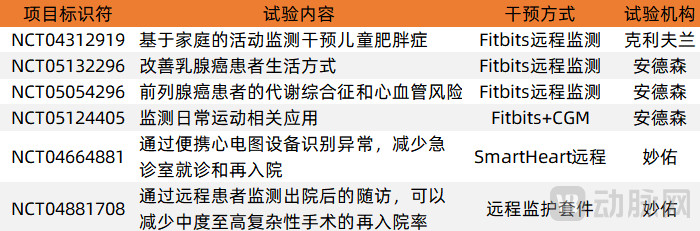
For instance, the Fitbit Sense smartwatch has received FDA approval for use of its electrocardiogram (ECG) application in the United States. Accordingly, Cleveland Clinic conducted an intervention study among adolescents aged 8 to 18 years who were at risk of exceeding the healthy range for body mass index (BMI). By leveraging activity data collected from Fitbit smartwatches, the study provided personalized nutrition education and exercise recommendations to help these adolescents adopt healthier lifestyles.
Anderson has applied Fitbit devices to guide the postoperative lifestyle of cancer patients. Taking breast cancer as an example, current research indicates that patients achieve better recovery outcomes through healthy eating, regular exercise, and effective stress management. However, paper-based lifestyle guides are insufficient to constrain and motivate patients. The trial utilizes Fitbit devices to monitor patients’ physiological data and provides recommendations on healthy eating, physical activity, stress management, and sleep hygiene, along with mindfulness training and remote counseling. The trial aims to assess the feasibility of this lifestyle intervention over a 26-week period.
A subset of patients discharged after surgery are readmitted within 30 days for various reasons. In addition to imposing financial burdens and diminishing quality of life for the patients themselves, unplanned readmissions further strain healthcare resources. Therefore, reducing 30-day postoperative readmission rates is important for both patients and hospitals. Compared with general hospital admissions, postoperative readmissions are associated with higher risks of complications, which make the treatment course more complex.
For example, in patients with heart disease, preventing myocardial infarction remains a perennial concern. Although symptoms during an attack typically include chest discomfort, shortness of breath, and upper-body discomfort, as well as nausea, vomiting, and dizziness, patients often find it difficult to accurately recognize these signs.
Mayo Clinic’s trial utilized the SmartHeart, a portable 12-lead hospital-grade electrocardiogram (ECG) device, enabling patients to undergo comprehensive ECG testing anytime and anywhere while maintaining high standards of medical care. The ECG data acquired by the device is HIPAA-compliant and can be viewed on smartphones or tablets, with synchronization to a telemedicine monitoring center operating 24/7. The monitoring center performs assessments and issues alerts based on real-time data. Trial outcomes were ultimately evaluated using metrics including emergency department visits, readmissions, mortality, and adverse cardiovascular events within 90 days post-discharge.
Furthermore, there are remote care trials targeting patients undergoing moderately to highly complex surgical procedures, such as abdominal wall reconstruction, bariatric surgery, hepatectomy, pancreatectomy, aortic surgery, lower extremity bypass, esophagectomy, and colectomy. Participants will use a remote patient monitoring kit equipped with a tablet, blood pressure cuff, thermometer, pulse oximeter, and scale to report physiological data to the hospital as required, enabling healthcare providers to adjust care plans based on these physiological indicators.
Chronic disease management is an indispensable domain for digital therapeutics, with diabetes representing the largest patient population within this field. Cleveland Clinic has introduced Twin Health’s AI- and IoT-driven Whole Body Digital Twin platform for patients with type 2 diabetes. This platform captures physiological metrics through smart scales, continuous glucose monitors (CGMs), blood pressure monitors, ketone meters, and fitness trackers, providing patients with precise guidance on physical activity and sleep.
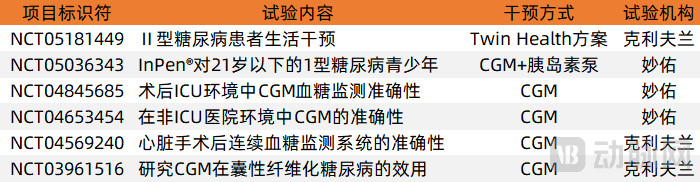
Cleveland Clinic adopted this platform not only because it captures data on 174 health markers, generating up to 3,000 data points daily, but also because the company’s digital therapeutics incorporate the concept of a “digital twin.” The platform creates a virtual model of each patient based on measured data and predicts the future health trajectory of this virtual counterpart. Patients can visually monitor their health trends; to improve the health status of their digital twin, they must follow the platform’s recommendations across five domains: nutrition, medication, sleep, physical activity, and breathing. This digital therapeutic approach successfully transforms the treatment process from merely adjusting lifestyle habits based on test results into a gamified experience akin to a simulation game, thereby enhancing user adherence.
Clinical trials have shown that the devices used in digital therapeutics for diabetes have evolved from blood glucose meters (BGM), which required patients to actively perform multiple finger-prick tests, to continuous glucose monitors (CGM). Unlike BGM, which typically involves four measurements per day, CGM enables convenient continuous monitoring for 7–14 days after a single application. This not only enhances user experience but also yields more comprehensive data.
Although the primary application scenario for continuous glucose monitoring (CGM) has historically been patient use in home settings, two top-tier hospitals—Mayo Clinic and Cleveland Clinic—have independently adopted CGM in intensive care units (ICUs) and other in-hospital environments to evaluate whether CGM can completely replace bedside capillary blood glucose meters. Cleveland Clinic has also conducted clinical trials in specific contexts, such as assessing the utility of CGM after cardiac surgery and in screening for cystic fibrosis-related diabetes. The CGM devices used in these studies primarily include the Dexcom G6 PRO and the Abbott FreeStyle Libre Pro.
The domestic CGM market share is primarily dominated by Abbott and Medtronic. However, over the past six months, CGM products from Chinese companies have been successively approved for marketing, with seven products currently available on the market, including those from Sinocare, Kailite, Yiyu Technology, Princeton, Meiqi, Silicon Based Bionics, MicroTech Medical, and Jiunuo. Currently, domestic brands are actively expanding their distribution channels both within and outside hospitals.
The Medtronic insulin pen used in the Mayo Clinic trial features seamless integration with Medtronic’s own continuous glucose monitoring (CGM) system via a mobile app. It recommends insulin dose adjustments based on real-time glucose readings, eliminating the need to switch between applications and helping patients make informed dosing decisions. The integration of CGM with insulin pumps represents a future trend, and Chinese companies such as MicroTech Medical and Yuyue Medical are actively pursuing developments in this direction.
Certainly, in addition to the aforementioned relatively rigid therapies, there are also trials aimed at regulating physical and mental states. For instance, Cleveland Clinic conducted a trial based on art appreciation to improve individuals’ physical and mental health; Mayo Clinic aims to promote health education among African Americans from a cultural perspective; and there are interventions for multiple sclerosis that provide rhythmic auditory cues to help patients improve their walking ability.

Arts-based therapies, represented by music therapy, are currently a hot trend in the field of digital therapeutics. For instance, the Maternal and Child Health Hospital of Heze City in Shandong Province, China, has applied visual music therapy to the rehabilitation training of children with autism. In simple terms, arts-based therapy is a music therapy method that leverages digital signal processing technology to deliver comprehensive interventions through music, animation, lighting, and other modalities. By providing multisensory stimulation involving vision, hearing, and movement, and through interaction between therapists and children with special needs, it aims to ameliorate their adverse physiological and psychological conditions. This approach is suitable for special populations including those with autism spectrum disorder, attention-deficit/hyperactivity disorder (ADHD), intellectual disabilities, cerebral palsy, behavioral disorders, language development delays, and hearing impairments.
Post-discharge lifestyle guidance for patients is also a critical component of the treatment process. In the past, hospitals would distribute handbooks such as lifestyle guides, but patient adherence to them was extremely low. Currently, both Mayo Clinic and MD Anderson are attempting to deliver these types of post-operative out-of-hospital interventions via mobile apps and are evaluating their effectiveness.

Shukang is among the first digital therapeutics products in China to receive approval from the National Medical Products Administration (NMPA). Centered on remote intelligent assessment of cardiopulmonary, musculoskeletal, and nutritional status, it combines wearable devices with scientifically formulated prepackaged medical foods. Prescribed by physicians, this solution enables patients to undergo remote exercise rehabilitation and nutritional interventions at home, effectively reducing incidence rates, hospitalization rates, and readmission rates.
Digital therapeutics have witnessed rapid growth in recent years, with the FDA having approved seven De Novo digital therapeutics in the past few years. How to creatively leverage digital technologies is a critical question that every company engaged in digital therapeutics research must address.
An analysis of clinical trials on digital therapeutics conducted by three top U.S. hospitals reveals that digital therapeutics do not necessarily require the creation of new care scenarios. Instead, they leverage technology to address pain points and alleviate patient suffering within existing settings, thereby supplementing unmet needs in traditional treatment. Among the eight types of digital therapeutics evaluated in these clinical trials, the three leading U.S. hospitals demonstrated significantly greater research volume and emphasis on solutions based on virtual reality (VR) technology, continuous glucose monitoring (CGM), and wearable devices. The commonality among these three technologies lies in their ability to effectively bridge gaps in traditional medical processes that were previously unaddressed.
Certainly, this requires not only policy and technical support but also the indispensable participation and assistance of frontline clinical experts—a key factor driving the rapid development of the digital therapeutics industry in the United States. If domestic digital therapeutics companies can collaborate with experts from frontline medical institutions and technology platform enterprises such as Microsoft to co-develop solutions, it will significantly enhance the efficiency of implementing digital therapeutics and advance the growth of the industry.