

From Billion to Trillion: Which of the Three Sleep Industry Tracks Will Emerge as the Ultimate Leader?
Currently, over 300 million people in China suffer from sleep disorders.
More alarmingly, the incidence of sleep disorders is rising year by year. The prevalence of sleep disorders associated with anxiety, depression, and other somatic diseases has approached 20%.
Achieving quality sleep has become a widespread demand among the general public, including patients suffering from sleep disorders. This demand has also spurred the emergence of a vast market. According to a research report by China Galaxy Securities, the market size of China’s sleep industry reached over RMB 400 billion in 2020 and is expected to exceed RMB 1 trillion by 2030.
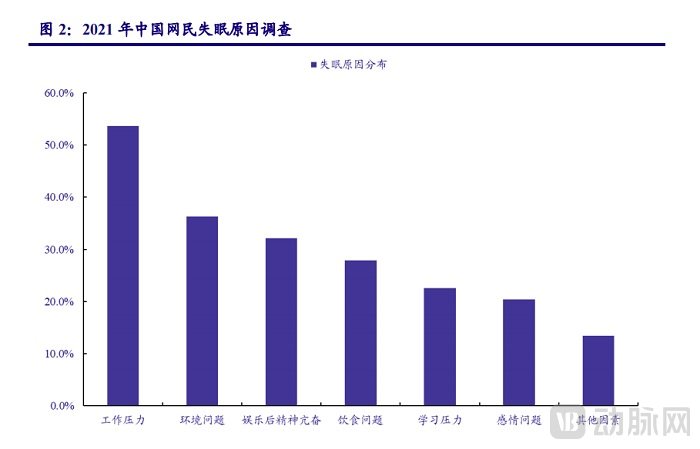 Source: Galaxy Securities, “Rising Awareness of Sleep Health and the Broad Market for Sleep-Aid Economy”
In fact, the reasons why individuals fail to obtain high-quality sleep are often multifactorial, involving numerous factors such as work-related stress and dietary habits. The multidisciplinary, cross-disciplinary, and systemic nature of sleep problems means that single-point interventions are insufficient to effectively address them. Behind patients with sleep disorders lies the disease management demand of hundreds of millions of individuals with chronic conditions.
In recent years, driven by pharmaceutical policy reforms and the wave of new digital infrastructure, information technologies such as cloud computing, mobile internet, and the Internet of Things (IoT) have gradually permeated and begun to reshape healthcare scenarios, spearheading industry-wide transformation across the entire healthcare sector.
Against this backdrop, internet giants leveraging their technological advantages, smart hardware and software manufacturers, and lifestyle medicine companies grounded in medical principles have all launched their own explorations. Behind the treatment and management of patients with sleep disorders lie three relatively major tracks, which correspond to the aforementioned industry participants: digital health, sleep management, and lifestyle medicine.
Certainly, digital health and lifestyle medicine are not limited to sleep disorders as a chronic condition; they can also provide medical diagnosis and treatment as well as health management services for patients with other chronic diseases or healthy individuals. In this article, we attempt to delineate the distinctions among three key sectors by focusing on the management of sleep disorders as a representative chronic condition, and explore the potential logic for future development.
From Digital Connectivity to Medicine-Based Patient Pre-Treatment
Divergence is emerging within the industry regarding the management of chronic sleep disorders. By analyzing the distinctions among various industry participants, we can broadly categorize the sector into three tracks: digital health, sleep management, and lifestyle medicine. To some extent, these three tracks may overlap; for instance, companies in the digital health space may adopt solutions provided by lifestyle medicine vendors to manage patients. However, this overlap is not the focus of our discussion.
Digital Health
The digital healthcare sector is primarily represented by internet companies that have conducted extensive explorations in the field of internet-based medical services. Leveraging their inherent resource advantages, these enterprises mainly integrate online and offline medical resources, as well as those within and outside hospitals, to reshape healthcare service delivery processes—including standardizing online medical service protocols—thereby enabling patients to access medical services more conveniently.
For instance, Alibaba Health has enhanced its pharmaceutical e-commerce platform by expanding its offerings to include medications and health supplements for sleep disorders, thereby strengthening its healthcare services; Dingxiang Doctor leverages a network of professional physicians to provide one-stop diagnostic and treatment services, offering expert guidance and answers to patients with sleep disorders; Baidu Health utilizes its health knowledge search portal to raise user awareness of sleep disorders during the initial stages of health management and subsequently delivers targeted services to patients.
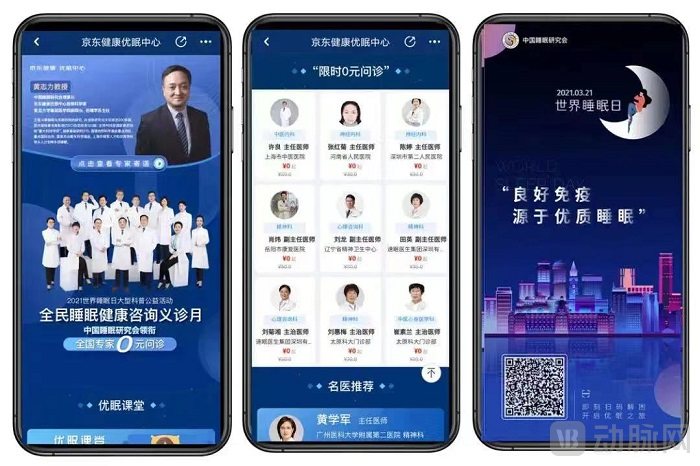
Companies operating in the digital healthcare sector leverage digital technologies to connect patients with physicians. Influenced by the trend toward specialization, more internet healthcare enterprises are partnering with third parties to establish specialized centers, thereby providing patients with more convenient medical services. For instance, JD Health has collaborated with the Chinese Sleep Research Society and Bestcare&Sumian Biotech to jointly create the JD Health Youmian Center, offering chronic disease management services to patients with sleep disorders.
Notably, amid the surge in digital therapeutics (DTx), some innovative enterprises have begun to pivot toward DTx research. For instance, Wangli Technology’s digital therapeutic for sleep disorders was selected as part of the National Key R&D Program during China’s 14th Five-Year Plan period. This may indicate that digital health companies are increasingly recognizing that merely leveraging digital technologies for connectivity is insufficient; instead, they need to increase R&D investment and adhere to medical logic to develop comprehensive solutions. However, another challenge they face is that the multifactorial nature of sleep disorders necessitates systematic medical solutions.
Sleep Management
Patients with sleep disorders, particularly those with severe conditions, often require professional medical devices in hospital settings to record relevant sleep data. The continuity and accuracy of this data form the basis for subsequent diagnosis and treatment. Leveraging their inherent advantages, smart hardware manufacturers have increasingly entered the sleep monitoring sector. Currently, these manufacturers primarily use devices such as smart bands and smartwatches to collect and organize user data, including metrics related to exercise, health, and sleep. They present patients’ sleep status in a digital and intuitive manner, providing partial reference information for users (or certain groups of physicians).
The biggest challenge may stem from data. Medical device certification often requires lengthy clinical trials and is subject to stringent regulatory oversight. For instance, although optical sensors capable of monitoring pulse oximetry were already embedded in the first-generation Apple Watch, making blood oxygen monitoring technically feasible, the feature was not enabled until the Apple Watch Series 6. Ensuring that the accuracy of data collected by smart devices matches that of medical-grade equipment remains a critical challenge for most smart hardware manufacturers.
On the other hand, even though monitoring devices such as smart bands and smartwatches can accurately track sleep patterns in individuals with sleep disorders, this is often merely the first step. Data monitoring serves only as the foundation; the core challenge remains how to provide patients with continuous medical care and address their true needs—namely, helping them achieve quality sleep. Currently, some sleep management software vendors are exploring similar approaches, but these products often rely on environmental adjustments like white noise or techniques akin to psychological suggestion to aid sleep, which may be effective only for a subset of users. Furthermore, how to deliver additional medical services remains a common challenge faced by these companies.
Lifestyle Medicine
Lifestyle medicine is an emerging medical model that treats and manages diseases through lifestyle interventions, referring to the control of diseases through diet, exercise, stress management, smoking cessation, and other various non-pharmacological therapies. In contrast to traditional disease-centered approaches, lifestyle medicine places greater emphasis on individuals' lifestyles and the root causes of disease, ultimately improving patients' health conditions by modifying their lifestyle habits.
Currently, enterprises operating in this field include the semi-official “Center for Lifestyle Medicine” and the “Shark Institute of Lifestyle Medicine.” The former was established by the National Center for Cardiovascular Diseases in September 2020. The latter was co-founded by Professor Chen Zhiheng, Executive Director of the Health Management Research Center at Central South University and Discipline Leader of the Health Management Center at the Third Xiangya Hospital of Central South University, together with Yihe Cloud Health Technology. It aims to leverage clinical rehabilitation services, build a technical system for lifestyle interventions, and utilize internet-plus wearable technologies to explore remote home-based lifestyle intervention and health management models. Other participants in the lifestyle medicine sector include Lingchuang, OPPO, and Sumian, which has already achieved notable success in managing chronic patients with sleep disorders.
Unlike digital health and sleep management sectors, which rely on digital technologies for connectivity and data monitoring, the lifestyle medicine sector places greater emphasis on the fundamental logic of medical practice. Lifestyle medicine does not foster patients’ reliance on medications; rather, it seeks to manage diseases by improving patient adherence and modifying behavioral habits, thereby enhancing patients’ quality of life and creating opportunities for recovery.
Currently, there are few players in this sector. Different underlying development logics, coupled with a relatively blue-ocean market, have endowed it with broader growth potential.
Lifestyle Medicine: Rooted in Medicine, Rooted in Life
For patients with sleep disorders, non-pharmacological interventions in lifestyle medicine primarily target dietary habits, physical activity levels, and sleep-wake rhythms. Through long-term training in emotional regulation and sleep management, these interventions aim to modify patients’ lifestyles, ultimately improving their sleep quality.
How exactly is this achieved? Let us take Sumian, a company that has established itself in the lifestyle medicine sector and accumulated considerable development experience in managing chronic conditions—exemplified by its focus on sleep disorders—as an example.
Treatment for patients with sleep disorders is often highly complex, a reality dictated by the multifaceted etiology of these conditions. Since its inception, Sumian has been dedicated to developing solutions that facilitate recovery for sleep disorder patients by addressing root causes. Ultimately, the company adopted lifestyle medicine—an approach grounded in medical science and integrated into daily living—centering on patients’ genuine needs to deliver effective interventions. By deeply integrating resources across the sleep industry, Sumian offers patients a comprehensive, one-stop solution called the “Youmian Center,” which spans both online and offline platforms as well as in-hospital and out-of-hospital care settings.
Online, Sumian has partnered with JD Health to establish the JD Health Premium Sleep Center. Leveraging this exclusive collaboration, the center provides online sleep disorder management services to JD Health’s user base of over 100 million, enabling users to conveniently manage their sleep disorders from home.

Offline, Sumian has established the Youmian Outpatient Medical Center. The offline Youmian Outpatient Medical Center brings together hundreds of top-tier experts and over a thousand medical specialists from across China, helping patients address sleep disorders through interdisciplinary treatment models and multidisciplinary joint consultations. As a comprehensive specialized outpatient network with a national footprint in clinical psychology and sleep medicine, Youmian Outpatient Medical Center works alongside sleep centers at Grade-A tertiary hospitals nationwide to further advance the tiered diagnosis and treatment system for sleep disorders.
Leveraging high-quality physician resources and the “Youmian Centers” with integrated online and offline coverage, Sumian provides patients with comprehensive chronic disease management solutions for sleep disorders, grounded in lifestyle medicine principles and encompassing a wide range of products.
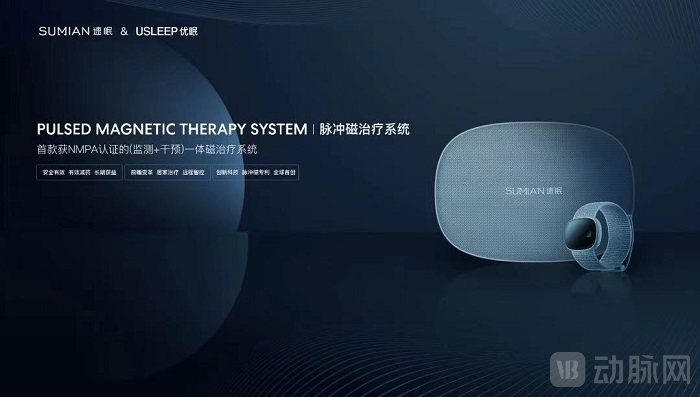
For instance, the Pulsed Magnetic Therapy System, a novel home-based physical therapy solution for physicians, is an industry-leading “black tech” sleep aid featuring integrated real-time monitoring and treatment capabilities. It holds 32 authoritative patents and has obtained NMPA certification, helping patients avoid the drawbacks of monotherapy. Additionally, CBT-I software enables physicians to implement digital management by providing online cognitive behavioral therapy programs for patients with sleep disorders. Currently adopted by over 200 hospitals, this software can be combined with music therapy, mindfulness meditation, and relaxation training to deliver precise solutions. Furthermore, DTx (Digital Therapeutics) solutions designed for sleep disorder patients comorbid with anxiety and depression can also support their disease management.
Lifestyle medicine is rooted not only in clinical practice but also in daily life. Through lifestyle medicine, Sumian has further enhanced its interventions for patients with sleep disorders. On one hand, this approach has improved the quality and efficiency of medical services while expanding the scope of managed populations. On the other hand, patients can effectively manage their sleep disorders at home without disrupting their normal daily routines. It is reported that since 2014, Sumian’s innovative non-pharmacological interventions for sleep disorders have helped patients reduce their medication usage by a cumulative total of 3 million pills.
Preventive Medicine and Serious Medical Care Equally Emphasized, Lifestyle Medicine Poised for Takeoff
In the “Reply to Suggestion No. 2926 of the Fourth Session of the 13th National People’s Congress” (“Suggestion on Accelerating the Development of Sleep Medicine”) released this February, the National Health Commission stated that “sleep medicine, as an emerging discipline, has witnessed rapid development in recent years. Medical institutions have also increasingly prioritized the diagnosis and treatment of sleep disorders, with many tertiary hospitals across China now establishing specialized centers or outpatient clinics for sleep disorder management.”
To better advance the development of sleep medicine, the state is making various efforts. While strengthening the training of professionals in sleep medicine and actively promoting innovative diagnosis and treatment models, such as the development of internet-based medical services and telemedicine, the country is further improving sleep medicine research and encouraging translational medicine studies. These initiatives aim to identify, study, and achieve breakthroughs in key clinical issues within the field of sleep medicine, thereby facilitating the translation and development of sleep-related research outcomes.
The emphasis on sleep health is also reflected in policy. In 2019, the “Healthy China Action (2019–2030)” incorporated the prevalence rate of insomnia and the average daily sleep duration (in hours) among adults into its key indicators, making the promotion of sleep health an important component of the Healthy China Action.
Against the backdrop of promoting the concept of “preventive treatment before disease onset” and integrating prevention with treatment, as well as building a Healthy China, and with medical enterprises deepening their understanding of “serious medicine,” lifestyle medicine—which is grounded in medical science, emphasizes the integration of prevention and treatment, and intervenes in patients’ lives through lifestyle modifications—will undoubtedly gain greater recognition in the future.
Furthermore, as the new digital healthcare infrastructure continues to deepen its penetration across medical scenarios and specialization trends become increasingly pronounced, the industry is moving beyond merely connecting patients and providers through digital technologies. A major emerging trend is the realization of true industrial interconnectivity, enabling patient management grounded in the fundamental logic of medical science.
Under such circumstances, companies rooted in the lifestyle medicine sector will undoubtedly enjoy significant development prospects and growth potential. Meanwhile, patients with chronic diseases, particularly those suffering from sleep disorders, will also benefit from this trend.