

How This Post-85s Founder Won Over Pharma Giants Like AstraZeneca and Roche
Unlike many entrepreneurs who prefer to engage in unrestrained and eloquent banter, Lai Gangbin, the founder of Jingli Technology, can be considered an “atypical” entrepreneur.
Terms such as “empowerment,” “room for imagination,” and “ecosystem strategy,” which circulate frequently in the venture capital and investment community, were hardly heard in an interview he conducted with VCBeat in early spring. When the interview transcript was analyzed using a word frequency tool, the most frequently used words were “service,” “patients,” and “efficiency.”
Behind these three words lies Lai Gangbin’s pursuit of the value of patient services:Over the course of six years, he led Jingli Technology in achieving a business transition from maternal and infant care to medical services, thereby building a patient-centric digital health service platform.
Specifically, leveraging its years of experience in private-domain operations within the maternal and child health and consumer healthcare sectors, Jingli Technology entered the out-of-hospital patient services field in the second half of 2020. It successfully developed an innovative and effective solution for out-of-hospital patient management, achieving low-cost, high-efficiency, and large-scale patient management.
In the current report card,Jingli Technology has cumulatively served over 1.5 million patients, attracting collaborations with top pharmaceutical companies such as AstraZeneca and Roche Diagnostics, while also securing investments from leading firms including Focus Media, Matrix Partners China, Shunwei Capital, and Trustbridge Partners.
However, these data points do not offer the most comprehensive perspective on Jingli Technology. If a founder’s temperament shapes a company’s culture, then their thoughts and vision often determine the enterprise’s strategic direction and its ultimate potential. This interview is structured around this premise.
Certainly, beyond personal experiences, what we also wish to explore is,Why Did a Tech Company Previously Focused on Consumer Health Win the Favor of Top Pharmaceutical Companies Within Just Over a Year of Expanding into Serious Medical Care?What Exactly Did It Do Right? What Inspiration Does It Offer to the Industry?
More importantly, where will this helmsman steer Jingli Technology next?
“I have a particular fondness for a saying in the medical community: ‘Major surgery, minimal incision.’” The post-85s founder, dressed in a casual gray jacket and holding a water cup, sat across the desk with a gaze that was both gentle and resolute. He said, “Jing Li has been repeatedly contemplating how to identify the most appropriate entry point to systematically and substantively realize the value of health services, a seemingly broad endeavor.。”
This is the scene of our meeting with Lai Gangbin at the “Ju Ge Lizi” Conference Room on the second floor of Building 61, No. 709 Lingshi Road, Shanghai, which serves as the headquarters of Jingli Technology. This location marks the company’s third office since its inception. Following the completion of its Series B financing round last year, Jingli Technology has entered a new phase of rapid expansion, with its workforce growing from over 200 to more than 400 employees.
Behind Lai Gangbin was a large cartoon painting with a blue background, which served as the conference room decor during Jingli Technology’s push into the maternal and infant healthcare business.From maternal and infant care to serious medical conditions, we are considering how to provide more health services to a broader population in China, encompassing both healthy individuals and patients.“Lai Gangbin told VCBeat, ‘Last year, we established a major theme for the company’s development over the next 20 years: we aim to spend the next two decades becoming a globally leading health and wellness technology service platform. This is Jingli Technology’s core strategic positioning for the foreseeable future.’”
Against this positioning, what path should enterprises take, and how should they proceed? These are strategic implementation issues that must be addressed as a priority.
Unlike some founders who prefer to enter sectors with larger market spaces,Rather than scanning the hottest sectors in the industry, Lai Gangbin focused on gaining insights into emerging trends and assessing whether Jingli Technology’s inherent “DNA” was well-suited to align with these trends.
This may be attributed to Lai Gangbin’s years of accumulated experience in the consulting industry prior to his entrepreneurial venture: he previously served as a Partner in the Consumer Retail and Big Data practices at Jiuqian Consulting. It was precisely this in-depth industry research experience that enabled Lai Gangbin to remain committed to deepening Jingli Technology’s industry expertise during its early years of development, operating on the principle that only through thorough research can effective private-domain traffic solutions be constructed. This is one of the key reasons behind his notable achievements in the maternal and infant care sector.
“Out-of-hospital patient management may present an opportunity.”
This is because, from an industry perspective, there is substantial patient demand for continuous out-of-hospital management. In addition, influenced by factors such as the volume-based procurement policy and technological innovation and upgrades,Society is continuously increasing its investment in out-of-hospital patient management; providing more precise and comprehensive products and health services to achieve growth in the out-of-hospital retail market has also become a concern and urgent need for pharmaceutical and medical device manufacturers.
However, the market for out-of-hospital patient management is not a new concept. In terms of market landscape, both domestic and international pharmaceutical companies as well as digital health enterprises have established their presence, albeit with different areas of focus. Some prioritize proactive patient management, others concentrate on traditional post-discharge follow-up, while some are making significant efforts in specialized chronic disease management...
However, from the perspective of industry progress,The entire out-of-hospital patient management market remains in its early stages of development, with further room for deepening in terms of technological innovation and strategic deployment.The core focus revolves around two key aspects: first, how to standardize patient treatment, which pertains to the professionalism of out-of-hospital management; and second, how to improve patient adherence to treatment, reaching areas that traditional healthcare cannot access, thereby making treatment more effective.
Based on this logic,How to build a precise and efficient out-of-hospital patient management solution has become the focus of attention for all parties in the industry, and it is also an unmet need that has existed for a long time.
Taking the management of diabetes patients as an example, China has the largest number of diabetes patients in the world, with 116 million patients in 2019. Out-of-hospital follow-up management is key to ensuring the quality of life for diabetes patients. It is reported that patients with type 2 diabetes need to monitor their blood glucose levels about 400 times a year, but in reality, patients only undergo less than 50 monitoring sessions on average per year.
It is evident that efficient and precise solutions for out-of-hospital patient management remain a scarce resource within the industry.Addressing this pain point, Jingli Technology has decided to dive in personally.
“Transitioning from consumer health to serious medical care, Lai Gangbin believes that Jingli Technology’s strategic direction remains unchanged, maintaining its steadfast user-service perspective.”
“Service is the connection between people.“In Lai Gangbin’s view, traditional patient management approaches often place excessive emphasis on compliance while neglecting the human aspect of patients.”
It is important to recognize that patients are, first and foremost, human beings with corresponding psychological and social needs, and only secondarily patients. Therefore,Patients should be served as “people,” rather than simply managed as “patients.”“Therefore, Jingli is determined to become the out-of-hospital digital health service platform that understands patients best. This is what we believe holds the greatest value.”
Guided by patient value, Jingli Technology has launched GemCare, a patient-centric digital healthcare solution in the medical field, andBuild and deepen capabilities in three key areas: patient service capacity, medical expertise, and intelligent product solutions.。
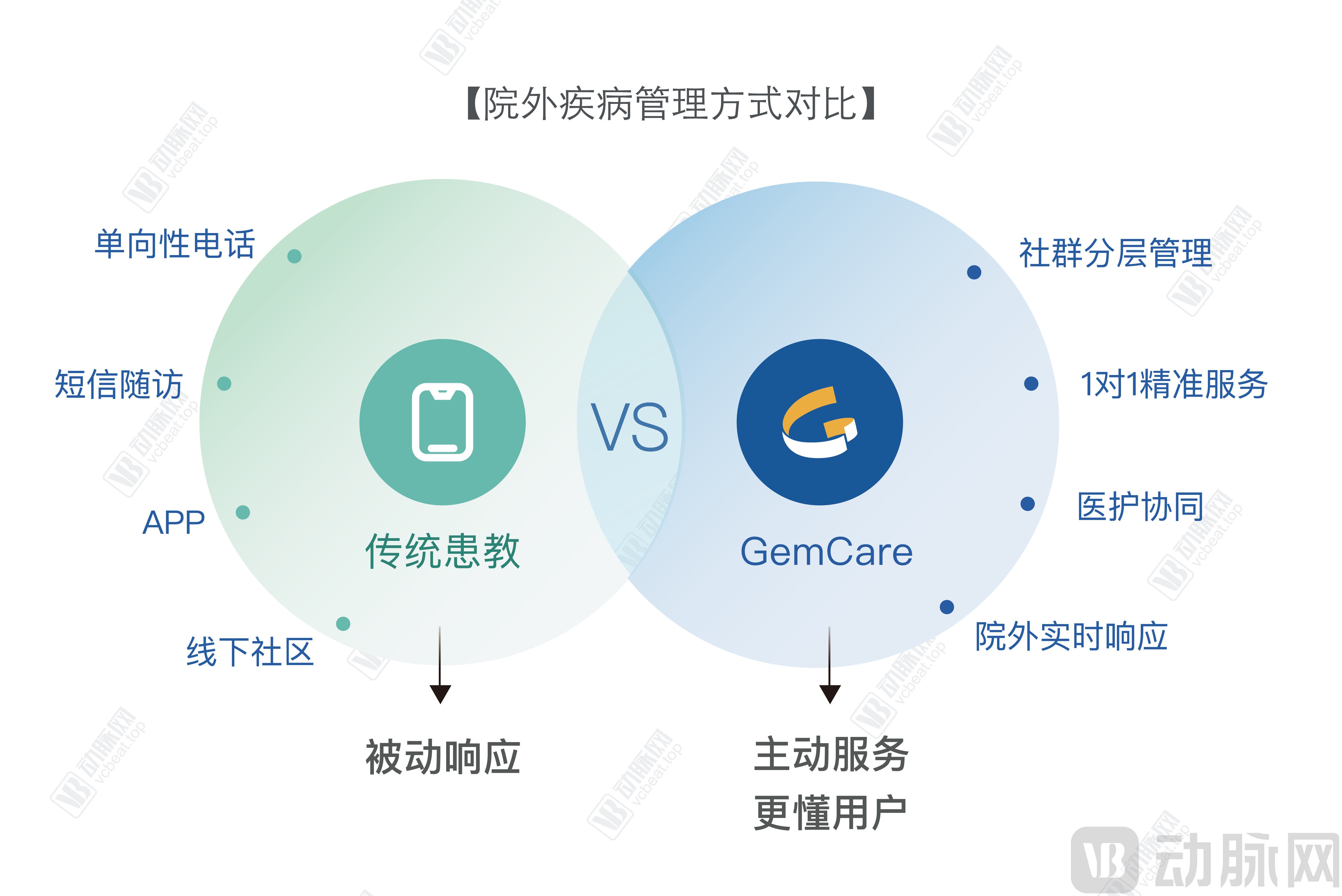
In terms of building the framework for patient management services, to address the long-standing challenge of poor patient engagement and motivation in out-of-hospital patient management, Jingli Technology has established an evidence-based “proactive” health service system. By capturing patients’ real needs through data on their disease conditions, health status, lifestyles, and behavioral habits, the company designs its services around patients’ physiological and psychological needs.
According to insiders at Roche Diagnostics, in the management of chronic diseases, patient compliance is relatively low when using standalone apps directly, particularly among older patients, whereas WeChat represents a more effective approach. Therefore,Roche Diagnostics conducted extensive research in the user services sector, evaluating numerous service providers before ultimately selecting Jingli Technology for its years of accumulated expertise and industry leadership.
During the collaboration, to achieve precise user management, Jingli Technology conducted comprehensive user profiling research in the early stages of the project. Through in-depth research and market analysis, it was found that users of certain blood glucose meters were distributed across the age groups of 30–40, 40–50, and 50–60 years. Nearly 50% of users had been diagnosed with diabetes for less than one year, and approximately 40% monitored their blood glucose levels 1–2 times per week. Users expressed a desire for more knowledge on blood glucose management and comprehensive blood glucose management solutions.
Based on this research, Jingli Technology’s operations team continuously optimized community content and created engaging initiatives such as the “28-Day Light Sugar Mutual Support Training Camp,” encouraging individuals with diabetes (“sugar friends”) to actively participate in blood glucose monitoring.
“Proactive management of out-of-hospital patients is a complex systematic engineering endeavor; only by possessing in-depth research and cross-sector service experience across multiple fields, such as healthcare and the internet, can bottlenecks be resolved and tangible results achieved.“To achieve this, it is essential to integrate three core capabilities: evidence-based medicine, intelligent products, and patient services. By establishing a five-party collaborative patient management mechanism involving physicians, physician assistants, nurses, patients and their families, health managers augmented by AI robots, and patient key opinion consumers (KOCs), and leveraging digital tools, we have realized precise and effective patient management,” explained Lai Gangbin.
In the realm of out-of-hospital glycemic management, various operational activities are employed to motivate patients to actively monitor their blood glucose levels. Patients perform self-monitoring using glucometers, and the collected data is used by an AI bot to generate automated reports, providing patients with positive feedback. Within the "Training Camp," Key Opinion Consumers (KOCs) in glycemic control share and exchange experiences related to blood sugar management, diet, and exercise within community groups. For newly diagnosed diabetic patients facing confusion about their condition, dedicated 1-on-1 glycemic control consultants are available to answer questions and provide guidance. Under the familiar doctor-patient model, attending physicians help patients manage their blood glucose actively and effectively through regular science popularization Q&A sessions and live video streams in the Training Camp.
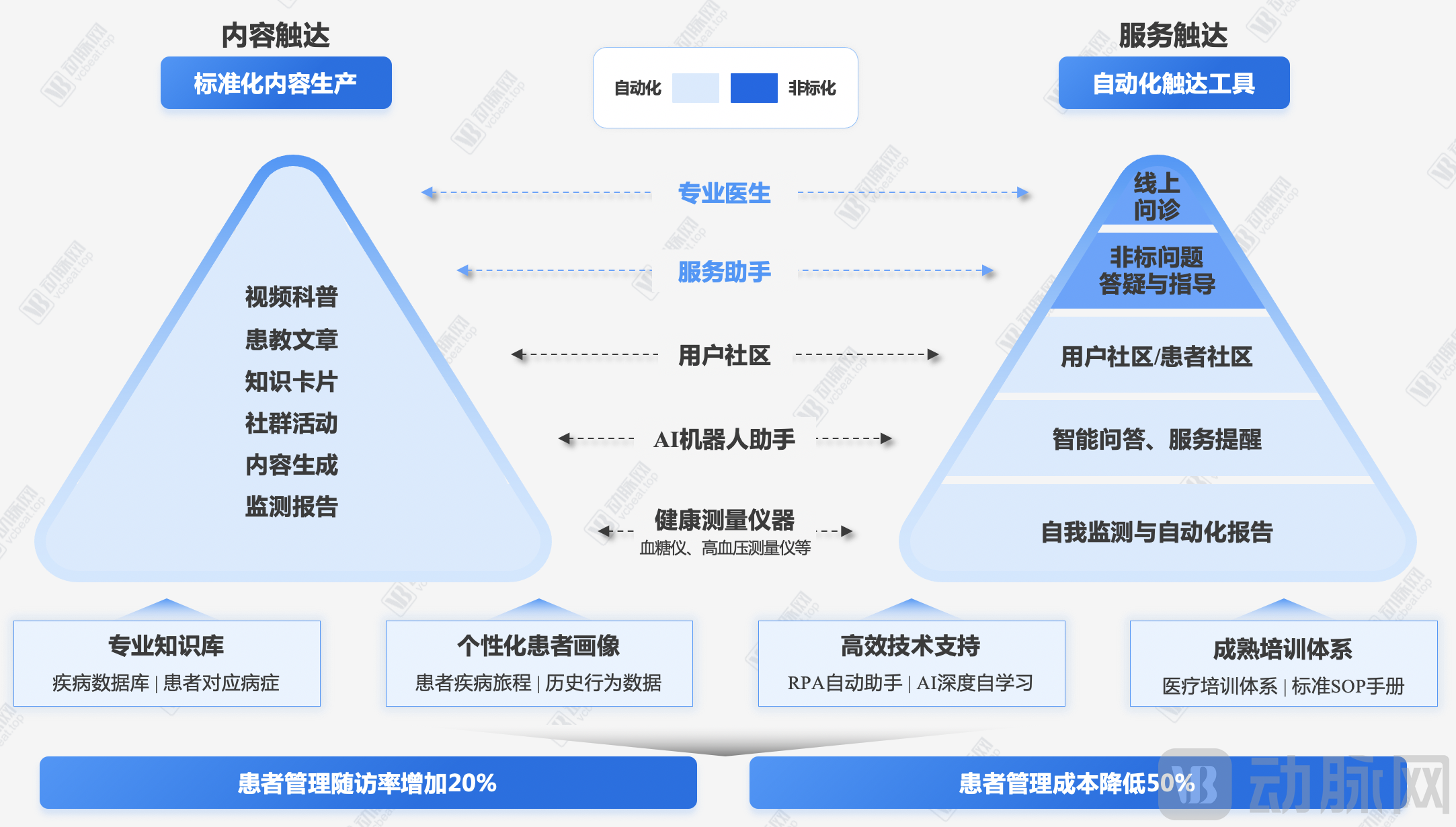
The training camp has currently served over 20,000 patients with diabetes, with a check-in participation rate among “diabetes friends” exceeding 90% and a check-in completion rate surpassing 80%. These patients have recognized the importance of meals in blood glucose control and have developed the good habit of checking in with their meals. Through more than one year of continuous operation, patients have tangibly experienced being surrounded by professionalism and care even outside the hospital setting, thereby enhancing their adherence to health management, as well as their sense of gain and engagement.
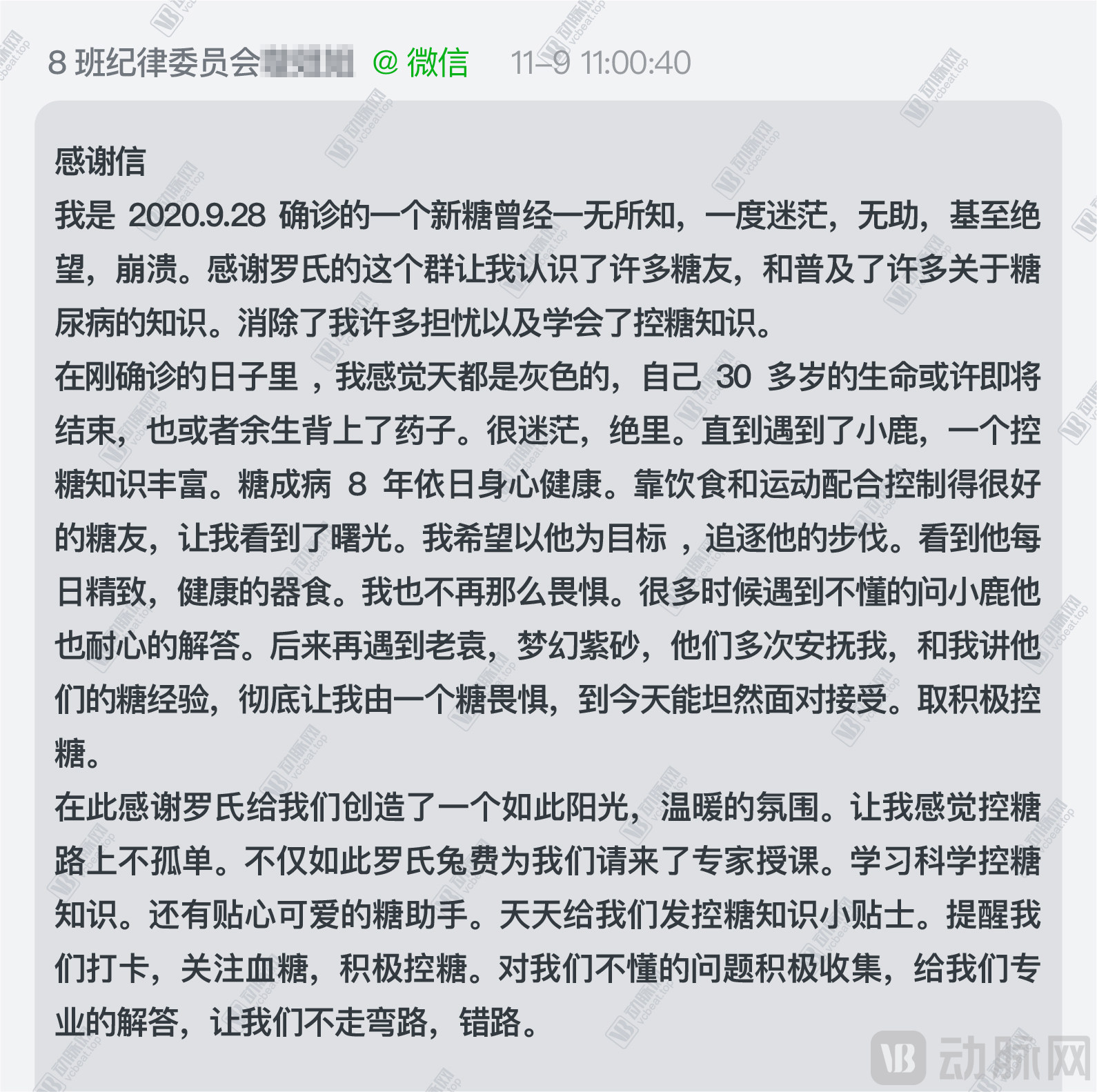
(Patient's Thank-You Letter)
In terms of the intelligent upgrade of management tools, Jingli Technology has developed the MagicFlow series of intelligent technology tools based on WeChat’s private domain traffic, for applications such as community management and automated service engines.
The MagicFlow series of intelligent technology tools enables the creation of patient data tags, intelligent user relationship management, connectivity between in-hospital and out-of-hospital data, and comprehensive medical record analysis, thereby enhancing timely feedback for services both within and outside the hospital. The Gemcare platform efficiently and compliantly connects physicians, patients, and service teams.

It is worth noting that WeChat boasts 1 billion daily active users and has a low barrier to entry. In particular, WeCom (Enterprise WeChat), which accelerated its development in late 2019, offers robust underlying APIs and integrates effectively with tools such as Mini Programs, Official Accounts, and Channels. This enables health education, consultations, and medication purchases to be completed entirely within the WeChat ecosystem, facilitating efficient and cost-effective out-of-hospital patient management.
“Patient management costs within WeChat’s private domain are 5–10 times lower than those of traditional apps,” said Lai Gangbin.
It was precisely due to Jingli Technology’s advantages in technical capabilities, operational expertise, and professional medical background that AstraZeneca, after conducting extensive research, ultimately finalized its partnership with Jingli Technology.“AstraZeneca hopes to conduct popular science education in community settings. Jingli Technology is highly professional in this area, so we quickly finalized our collaboration,” said a representative from AstraZeneca.
For every enterprise entering the serious healthcare sector, the development of medical capabilities is particularly crucial.In response, Jingli Technology has built a team of over 100 health managers by establishing an in-house medical team and fostering extensive collaborations with experts, associations, enterprises, and hospitals. Leveraging a professional medical assistant team, it provides patients with timely and specialized medical services. Proactive engagement and a “responsive to every inquiry” approach within patient communities have effectively enhanced the patient service experience.
Certainly, a significant factor behind this success lies in Jingli Technology’s years of accumulated service processes and quality control systems in the consumer health sector. Meanwhile, to address the massive volume of patient inquiries, AI-powered intelligent products are leveraged to effectively identify and route questions. This enables doctors, medical assistants, and AI health managers to promptly receive and respond to queries within their respective areas of responsibility, thereby greatly enhancing efficiency. Furthermore, by reviewing and distilling insights from large-scale Q&A data, the disease knowledge base is continuously strengthened, significantly improving the professionalism of medical services.
Currently, Jingli Technology achieves a personnel efficiency ratio of nearly 10,000 customers served per employee through its “human + management tools” model.
But these achievements are far from sufficient in the eyes of Lai Gangbin. “It is crucial to validate the economic model in the out-of-hospital patient management market.“For instance, although the habit of blood glucose monitoring can be sustained through one-on-one interventions, the high costs render the economic model unviable. Therefore, cost reduction is also a critical issue.”
Thus, last year, Jingli Technology continuously refined the economic model of its overall solution to achieve better cost reduction and efficiency improvement:In addition to its deep cultivation on the tooling side, Jingli Technology is also continuously optimizing its operations.
For example, Jingli Technology’s current operations team comprises over 200 employees, located in Shanghai and Nantong. This structure aims to stratify business operations: the Nantong team, together with the technical middle platform, handles relatively standardized health consumer-oriented services, while the Shanghai team primarily manages serious medical services requiring personalized one-on-one care. This approach achieves comparable outcomes at a lower cost.
“We initially operated many projects on a one-on-one basis, gradually refining the entire SOP workflow to serve more clients. Serving more clients allowed us to accumulate greater experience and enrich our knowledge base, which we then fed back to the Nantong team, creating a self-reinforcing cycle of business growth,” said Lai Gangbin.
Not only that,Data security and compliance assurance are also the lifeline of out-of-hospital patient management.Jingli Technology places great emphasis on underlying data security. It has obtained the Level 3 Filing Certificate for Information System Security Protection and the CMMI Level 3 certification, effectively safeguarding patient privacy and data security. Furthermore, the company secured an Internet Hospital License and a Medical Device Sales Permit at the end of last year, continuously strengthening its compliance infrastructure.
Under this comprehensive strategy, Jingli Technology has now deeply penetrated multiple disease areas, including diabetes, cardiovascular diseases, and oncology, partnering with leading pharmaceutical companies such as AstraZeneca, Roche Diagnostics, and BeiGene.
Of course, what is the business synergy involved in expanding from consumer health to serious medical care? How is the future business mix being considered?
“This must be viewed from the underlying logic; Jingli is, in essence, a technology-enabled services company,” said Lai Gangbin.Consumer health and serious medical care engage in positive interaction.“In the consumer health sector, industries such as maternal and infant care, personal care, pet care, and nutritional supplements have established comprehensive user-centric service and value growth systems over the past decade. These service frameworks, which were relatively lacking in the traditional serious medical field, are now being transferred by Jingli Technology to serious healthcare with a mission to professionalize user-value-centered capabilities. This includes service system and process design, user insights, and brand synergy. In turn, serious healthcare will help Jingli continuously break through in professional health expertise and build deep competitive barriers, while supporting the consumer health industry in developing products and services that deliver higher user value.”
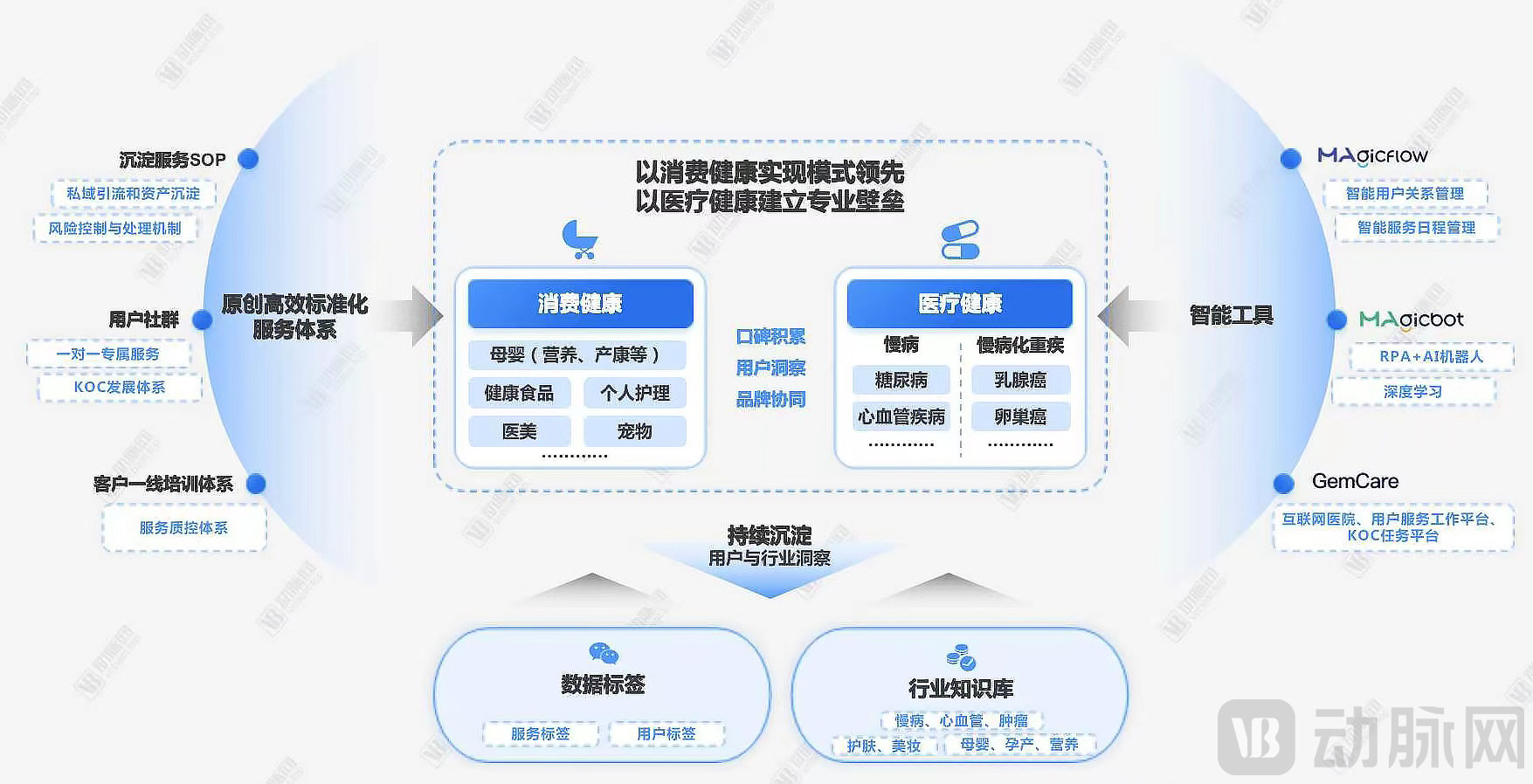
From a global perspective, international giants such as Johnson & Johnson, Abbott, and Danone have established business presences in both consumer health and serious medical care, achieving strong business synergies that drive their growth flywheels. These companies are also brand partners with whom Jingli is deeply collaborating.
“User value always comes first.” Lai Gangbin stated that Jingli must deliver tangible value, whether in patient management or in business collaborations with other enterprises. “Guided by this principle, our selection of many partners is not driven solely by revenue considerations; Jingli aims to achieve growth alongside brands that are genuinely committed to user value.”
From the results, it is evident that Jingli has established certain barriers in the field of out-of-hospital patient management, encompassing various aspects such as patient service capabilities, medical expertise, and intelligent product capabilities.
More importantly,Jingli Technology has adopted a “capital-intensive” approach centered on medical services in the out-of-hospital patient management market. By continuously optimizing both its technological tools and operational processes, the company has achieved genuine cost reduction and efficiency improvement, thereby validating its economic model. This is the key to sustainable commercialization.
To many internal employees at Jingli Technology, Lai Gangbin is an undisputed “master of time management.”
“Kevin (Lai Gangbin’s English name) packs his schedule extremely tight, often holding meetings and discussions with the team at the company late into the evening. He then has business trips the next day, always taking the earliest flight, waking up at 4 a.m., and flying back that same night. Sometimes he even prefers to sacrifice his weekend rest for business travel, as he does not want to encroach on his Monday-to-Friday workdays, which he is determined to devote entirely to the company.”
Consistent with the philosophy of utilizing one’s time more efficiently, Lai Gangbin’s expectations for the development of Jingli Technology are much the same. “Health, technology, and service are the three keywords for Jingli Technology. It can be understood in this way: we willContinuously DeepeningDigJingli Technology focuses exclusively on one core mission: leveraging technology to enhance the efficiency and effectiveness of health services by delivering them through the most efficient service channels, tailored to the specific healthcare needs of diverse user segments.”
Therefore, in its future development, Jingli Technology will not only leverage high-quality service platforms such as WeCom and private-domain operations but also focus on or strategically deploy smart hardware and other emerging devices and technologies.
“Continuously enhancing the value of our services for users and patients is a top priority for us. For instance, by accumulating extensive resources from professional physicians, partnering with providers of advanced intelligent diagnostic and monitoring equipment, and collaborating with insurance companies and third-party health management firms, we aim to broaden the scope of benefits available to patients,” said Lai Gangbin.
However, it must be acknowledged that as Jingli Technology continues to undergo business transformation, scalable service capabilities and efficiency will become increasingly critical, posing greater challenges to the company’s internal management and operational competitiveness in the market.
To this end, Jingli Technology has upgraded its internal organizational effectiveness over the past year or so. For example, it has recruited senior management personnel from companies with mature management service systems, such as Meituan-Dianping and Alibaba, and has significantly optimized its process efficiency and organizational management.
From the perspective of market competition, the number of players in the out-of-hospital patient management market is increasing. For instance, product-driven enterprises may offer greater scalability in their business models. “Jingli Technology leans more toward ‘asset-heavy’ services because we believe that service is an indispensable component within the broader health and serious medical care sectors. Many are reluctant to undertake such heavy operations, but this is what users need, and it is something we must steadfastly commit to,” stated Lai Gangbin.
The rewards of deepening our services are evident: Jingli Technology now boasts a network of over 10,000 professional physicians, achieving coverage of more than 50% of China’s chronic disease specialists and over 60% of China’s Grade A tertiary hospitals. Additionally, the company has established more than 30,000 active community groups and served over 1.5 million patients.What this means for the healthcare and wellness sector goes without saying.
“One of the shareholders of Jingli Technology is Shunwei Capital, founded by Mr. Lei Jun. We strongly identify with the four-character phrase ‘Go with the Flow.’ As long as you consistently pursue valuable endeavors in the right direction, it is only natural to endure some hardships,” said Lai Gangbin.The entrepreneurial journey is fraught with twists and turns, so it is essential to adhere to long-termism.“For instance, since the company’s inception, I have felt a deep sense of reassurance whenever I witness Jingli Technology delivering tangible value to Chinese households and patients with chronic diseases.”
In summarizing his entrepreneurial experience, Lai Gangbin revealed to VCBeat that it is essential to continuously set challenging hypotheses internally and drive the organization to validate them in a concise, scientific, and efficient manner. Regardless of whether the outcome is success or failure, this approach accelerates internal feedback loops, which is critically important for the company’s ultimate success, failure, and iterative development.
“Given the overarching goal of becoming a globally leading health and wellness technology service platform, what are your expectations for Jingli Technology in the short to medium term?” VCBeat asked at the end of the interview.
Lai Gangbin paused and responded firmly, “We hope to serve 400 million people with a team of 10,000 in the coming years.”