

Osprey Medical Files IPO Prospectus: Developer of FDA-Approved Contrast Minimization Device for Acute Kidney Injury

Osprey Medical
Developer of Medical Devices for Contrast-Induced Nephropathy
Acute Kidney Injury (AKI) is a critical illness. Specifically, AKI refers to a clinical syndrome characterized by a rapid decline in renal function over a short period (hours to days) due to various causes, with severe cases leading to complications in multiple organ systems.
This disease has a high incidence and mortality rate globally. According to relevant data, the incidence of AKI in East Asia is 19.4%, and the mortality rate among AKI patients reaches 36.9%. Meanwhile, domestic data indicate that the incidence of AKI ranges from 3% to 10% in general hospitals and from 30% to 60% in intensive care units.
In the treatment of this condition, eliminating the underlying cause is a crucial component. The etiologies of acute kidney injury (AKI) are diverse and complex; among them, contrast-induced acute kidney injury (CI-AKI) is a common complication associated with the use of contrast media during diagnostic cardiac catheterization and percutaneous coronary intervention (PCI).
Data show that approximately 30% of patients undergoing coronary angiography are at risk of developing acute kidney injury (AKI). This is attributed to the use of contrast agents during angiographic imaging, which increases the risk of contrast-associated kidney injury. It is reported that among patients with chronic kidney disease (CKD), those who develop AKI have a 61% higher mortality rate after cardiac stent implantation compared to those who do not develop AKI.
Patients with normal renal function can generally tolerate the use of contrast media, as their kidneys can rapidly “flush out” the potentially nephrotoxic dye. However, in patients with impaired renal function, the slower clearance rate predisposes them to additional harm, including irreversible kidney damage, prolonged hospital stays, increased risk of cardiac events, long-term dialysis dependence, and elevated mortality risk.
Osprey Medical is a publicly traded company dedicated to the research and development of medical devices for contrast-induced nephropathy. Founded in 2005 and headquartered in Minnesota, USA, it improves treatment outcomes for patients with chronic kidney disease (CKD) by reducing contrast-induced acute kidney injury and lowering hospital costs.
It is reported that the company’s patented technology, DyeVert, is the only FDA-approved product for reducing contrast media usage., it is possible to reduce the dose of contrast agent injected into the patient's body during cardiac catheterization procedures without compromising the quality of physicians' X-ray images.
With the intensification of population aging, the incidence rates of cardiovascular disease and chronic kidney disease (CKD) are gradually rising, leading to an increased risk of contrast-induced acute kidney injury (CI-AKI). On the other hand, clinical understanding of CI-AKI has deepened in recent years, emphasizing early diagnosis to enable interventions at the initial stages of the disease course, thereby improving patient survival rates.
If a patient is at risk of kidney disease, physicians must take appropriate measures during surgical procedures to protect the patient’s kidneys and minimize the risk of contrast-induced acute kidney injury (CI-AKI). International medical societies recommend a three-step approach: Step 1, screen for chronic kidney disease (CKD) in patients who may have undiagnosed CKD; Step 2, administer hydration to help protect renal function during the procedure; and Step 3, reduce the volume of contrast media administered to the patient, which can significantly lower the risk of AKI.
Osprey Medical’s vision is to enable patients with impaired kidney function to undergo cardiac interventional procedures more safely. Its flagship product, the DyeVert System, helps physicians minimize contrast media usage by providing real-time monitoring of contrast dosage during cardiac surgeries.
This core technology stems from research conducted by Dr. David Kaye at the Baker Heart and Diabetes Institute in Melbourne. In the winter of 2016, the DyeVert PLUS system, based on DyeVert technology, received CE marking; subsequently, in March 2017, it obtained FDA clearance for contrast media management during coronary interventions; and in 2021, it received a Medical Device License (MDL) in Canada.
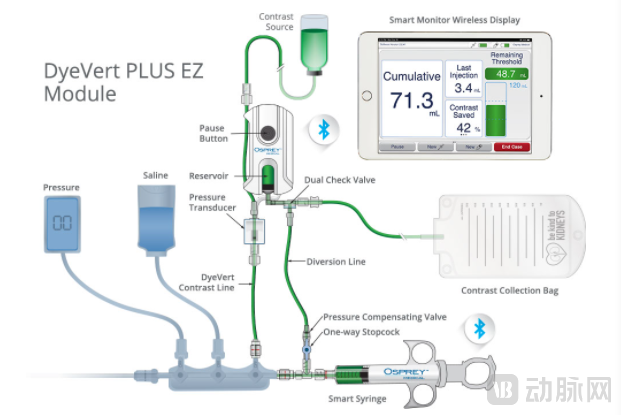
The DyeVert system, by connecting to a syringe, can record in real time all contrast media delivered to the patient during the procedure., including the cumulative dose delivered and the dose per injection. Additionally, it can calculate the percentage of contrast agent saved per injection, the remaining contrast agent level before reaching the maximum threshold, and set the maximum limit for contrast agent injection.
Source: Osprey Medical Official Website
DyeVert is also equipped with a proprietary pressure compensation valve system that automatically adjusts to accommodate different catheter configurations, contrast media types, and injection rates. During use, the maximum allowable volume of contrast media is set based on the patient’s varying levels of renal function, and threshold management is implemented throughout the procedure to minimize the amount of contrast media administered to the patient.
In clinical studies, the DyeVert system has been shown to significantly reduce the incidence of AKI in high-risk patients.Among these, real-world study results indicate that the use of the DyeVert System reduces the incidence of acute kidney injury (AKI) by an average of 55%. In comparative analyses, patients treated with the DyeVert System experienced a 51% greater reduction in AKI compared to those who did not use the system.
Contrast agents are used to help physicians visualize human tissue structures more clearly, thereby enabling accurate identification of the sites requiring treatment. If the DyeVert system reduces the volume of contrast agent used, how is image clarity ensured?
On one hand, physicians determine the maximum contrast media dose based on the patient’s renal function prior to surgery. While ensuring clear imaging, the DyeVert system is used to monitor the contrast media dose in real time, allowing for timely cessation or reduction of contrast injection.The DyeVert system provides physicians with an objective reference, similar to monitoring radiation levels.
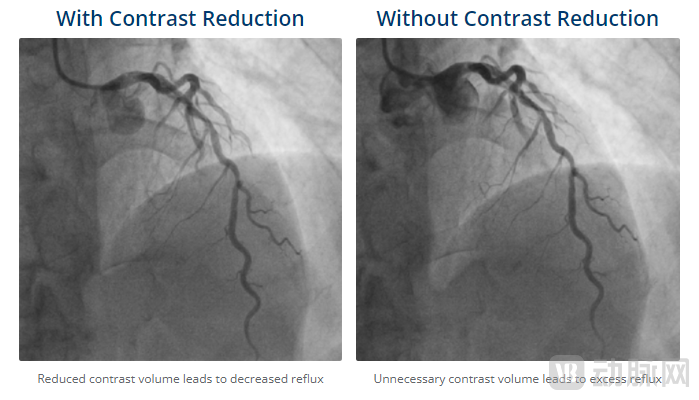
On the other hand, excessive contrast media can cause reflux, thereby compromising the imaging quality of human tissues. Therefore, controlling the injection dose of contrast media can ensure image clarity by reducing reflux. It is reported that the DyeVert system can reduce contrast media usage by an average of 40%.
Source: Osprey Medical Official Website
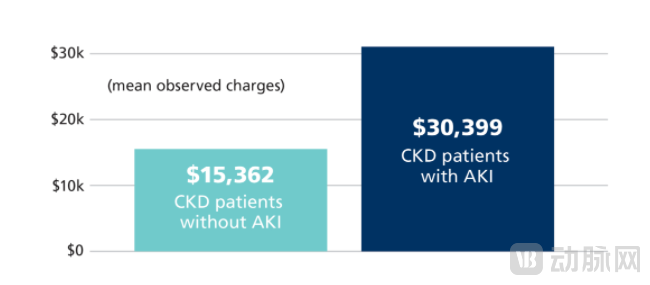
In addition to reducing the incidence of AKI, the DyeVert system can also significantly alleviate patients' financial burden and improve hospitals' cost control.Typically, the occurrence of acute kidney injury (AKI) prolongs patients' hospital stays and increases the 30-day readmission rate. Furthermore, patients with AKI frequently present with symptoms of heart failure and acute myocardial infarction upon readmission, which significantly increases costs for hospitals.
It is reported that the occurrence of AKI extends patients' hospital stays by 30 days, with each AKI event increasing hospital costs by more than $15,000. By preventing AKI in high-risk patients using the DyeVert system, healthcare costs can be reduced by $2,000 per patient.
Source: Osprey Medical Official Website
Currently, Osprey Medical has launched the second-generation DyeVert Power XT system based on its DyeVert technology and obtained CE certification.Compared to the first-generation product, the second-generation product offers greater ease of use. It is compatible with power injectors used in angiographic procedures and provides adjustable fluid path resistance.
Specifically, the DyeVert Power XT is a single-use sterile device consisting of a shunt line and two shunt valves. The device is positioned between the proximal connector of the power injector and the angiographic catheter. Each shunt valve responds to contrast injection pressure and regulates the volume of diverted contrast media. The diverted contrast is collected in a smart bag, which displays real-time digital readings corresponding to the volume of diverted contrast.
In 2012, Osprey Medical completed the initial public offering (IPO) of its CHESS Depositary Interests (CDIs) and commenced trading on the Australian Securities Exchange on May 2, 2012, under the ticker symbol “OSP”.
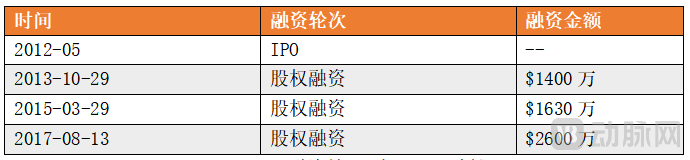
Financing Status Source: Artery Orange
In July 2020, Osprey Medical received the Supplier Horizon Award from Premier, becoming the only cardiovascular supplier to receive this award in 2020. The award recognizes suppliers that have a positive impact on patient care and reduce healthcare costs.
According to Osprey Medical, its DyeVert technology has a market potential of approximately $1.1 billion.At the end of February this year, Osprey Medical announced its financial results for fiscal year 2021. The report showed that,In 2021, Osprey Medical achieved total annual sales of 6,685 units, representing an increase of approximately 27% compared to 2020; sales revenue reached USD 2 million, a 17% increase from 2020.
The 2020 pandemic led to a decline in hospital surgical volumes, significantly impacting Osprey Medical’s business. In 2021, as hospital surgical volumes gradually recovered, Osprey Medical’s performance showed an upward trend.
From a business data perspective, Osprey Medical has expanded its sales coverage in the U.S. market by increasing strategic Independent Sales Agent (ISA) agreements with BioCore Inc., currently reaching 42 states. The advantage of the ISA model lies in the fact that each ISA operates as an independent sales team with over ten years of experience. When representing Osprey Medical, they not only increase per-unit sales but also enhance brand awareness.
On the other hand, the strategic distribution agreement between Osprey Medical and GE Healthcare has driven sales of the DyeVert System in regions outside the United States.
In September 2018, Osprey Medical announced a collaboration with GE Healthcare to launch the “Be Kind to Kidneys” campaign. The initiative aims to raise awareness about acute kidney injury (AKI) in patients with chronic kidney disease (CKD), particularly focusing on strategies for managing AKI following angiography-related procedures.
This event laid the foundation for subsequent strategic cooperation between the two companies. In July 2020, Osprey Medical announced a four-year strategic alliance with GE Healthcare, under which GE Healthcare would exclusively distribute Osprey Medical’s product portfolio in Europe, Russia, the Middle East, Africa, and Central Asia.Osprey Medical’s DyeVert system will be combined with GE Healthcare’s portfolio of iodinated X-ray contrast agents to provide physicians with a technological platform addressing the growing concern of acute kidney injury following interventional coronary angiography in patients with chronic kidney disease (CKD).
In addition, Osprey Medical has partnered with Regional Health Care Group Pty Ltd (RHCG), which will exclusively distribute Osprey’s products in Australia and New Zealand.
In other areas, Osprey Medical has published additional clinical and economic data detailing the impact of using the DyeVert System on preventing CI-AKI and reducing healthcare costs. For example, in the United Kingdom, the DyeVert System was selected by the National Institute for Health and Care Excellence (NICE) for its Medical Technologies Guidance Programme. This programme promotes the updating of equipment and technologies within the National Health Service by evaluating innovative medical devices. Approximately 15 technologies are selected for this review each year, after which NICE may issue usage recommendations for the selected devices.
Osprey Medical has been in operation for 17 years, maintaining a steadfast focus on the treatment of renal impairment. Looking ahead, Osprey Medical plans to further strengthen the global commercialization of its products while leveraging its DyeVert technology to continuously expand and deepen its product portfolio, with a dedicated commitment to advancing therapies for acute kidney injury.