

Abo Medical Robotics Secures RMB 120 Million in Pre-A Financing to Accelerate Clinical Registration of Its Vascular Interventional Robotic System

abrobo
Developer of Vascular Interventional Surgical Robots
Shenzhen Aibo Medical Robot Co., Ltd. (hereinafter referred to as “Aibo Medical Robot”), a company dedicated to the research and development of vascular interventional surgical robots, has recently completed a Pre-A financing round of RMB 120 million.This round of financing was co-led by CDH VGC (Venture & Growth Capital) and Yahui Investment, with Chang’an Private Capital participating as a follow-on investor. Changling Capital, the lead investor in the angel round, continued to make an oversubscribed additional investment.
The funds raised will be used to advance the clinical registration of the company’s vascular interventional surgical robot, strengthen team building, and accelerate product R&D.
In less than a year, Shenzhen Aibo Medical Robot Co., Ltd. completed two rounds of financing totaling nearly RMB 200 million, securing investments from multiple renowned institutions. Established in Shenzhen in June 2020, the company has positioned itself in the market for vascular interventional surgical robots. Behind this “new” enterprise lies nearly three decades of accumulated scientific and technological expertise, with its team bringing seasoned experience and technical proficiency as a pioneer in the field of pan-vascular interventional surgical robotics.
Continuous innovation and refinement of minimally invasive techniques have made vascular intervention a powerful tool for treating cardiovascular and cerebrovascular diseases.
In 2019, the number of coronary intervention procedures in China exceeded 1 million, with approximately 4 million coronary angiography procedures performed. Meanwhile, the volume of neurointerventional procedures in China increased from 42,000 cases in 2015 to 124,000 cases in 2019, representing a compound annual growth rate (CAGR) of 30.4%. Driven by deepening population aging, this figure is projected to further rise to 2.1 million cases by 2030, with an estimated CAGR of 29.4% from 2019 to 2030. In addition, the volume of peripheral vascular intervention procedures in China has reached 200,000 cases and continues to experience rapid growth.
However, behind the rising volume of vascular interventional procedures lies China’s increasingly exposed challenges, including strained medical resources and an uneven distribution of healthcare providers and patients.
Taking neurointervention as an example, it is hailed as the “crown jewel” of interventional procedures, characterized by high technical difficulty, elevated risk, and prolonged operative time.Cerebral blood vessels are tortuous and fragile, requiring high precision in interventional procedures. These procedures are heavily dependent on the physician’s individual experience and expertise, with a single neurointerventional surgery often taking more than twice as long as a coronary intervention.
However, the training period for neurosurgeons is exceptionally long; becoming an expert in neurointervention requires no less than a decade of dedicated practice. In China, where medical resources are unevenly distributed, a large number of patients cannot access high-quality neurointerventional treatment at primary care hospitals and are forced to seek care at renowned hospitals in first-tier cities. Cerebrovascular diseases have an acute onset and impose a heavy disease burden; delays caused by hospital transfers may adversely affect patient prognosis. Meanwhile, experts at these prestigious hospitals often face excessive workloads and prolonged exposure to radiation.
Meanwhile, interventional physicians are required to wear heavy protective gear while performing procedures in the catheterization laboratory. With surgical durations often extending from several hours to over ten hours a day, they not only suffer cervical and lumbar spine injuries but also incur significant physical damage due to long-term radiation exposure.
A study published in a Circulation subjournal indicates that, compared with physicians in other specialties, healthcare workers in the catheterization laboratory have more than a fourfold higher prevalence of skin damage, nearly a sixfold increase in neck, back, and knee disorders, and nearly a fivefold increase in cataracts. Working in the catheterization laboratory for more than 16 years significantly further increases these risks.
The emergence of surgical robots has made the intelligent and automated execution of vascular interventional procedures possible, serving as the eyes, hands, and brain of physicians. A representative from Shenzhen Aibo Medical Robot Co., Ltd. stated, “Compared with laparoscopic or orthopedic surgery, vascular intervention is a surgical scenario that is both more amenable to and in greater need of automation. Vascular interventional surgical robots operate within blood vessels, much like autonomous vehicles driving on highways.”
By adopting a master-slave separation mode with precise force feedback, medical personnel can utilize Shenzhen Aibo Medical Robot Co., Ltd.’s vascular interventional surgical robot to perform procedures outside the catheterization laboratory. This approach not only enhances the precision and efficiency of interventional surgeries, thereby reducing the incidence of postoperative complications, but also keeps physicians away from the catheterization lab, significantly minimizing radiation exposure.
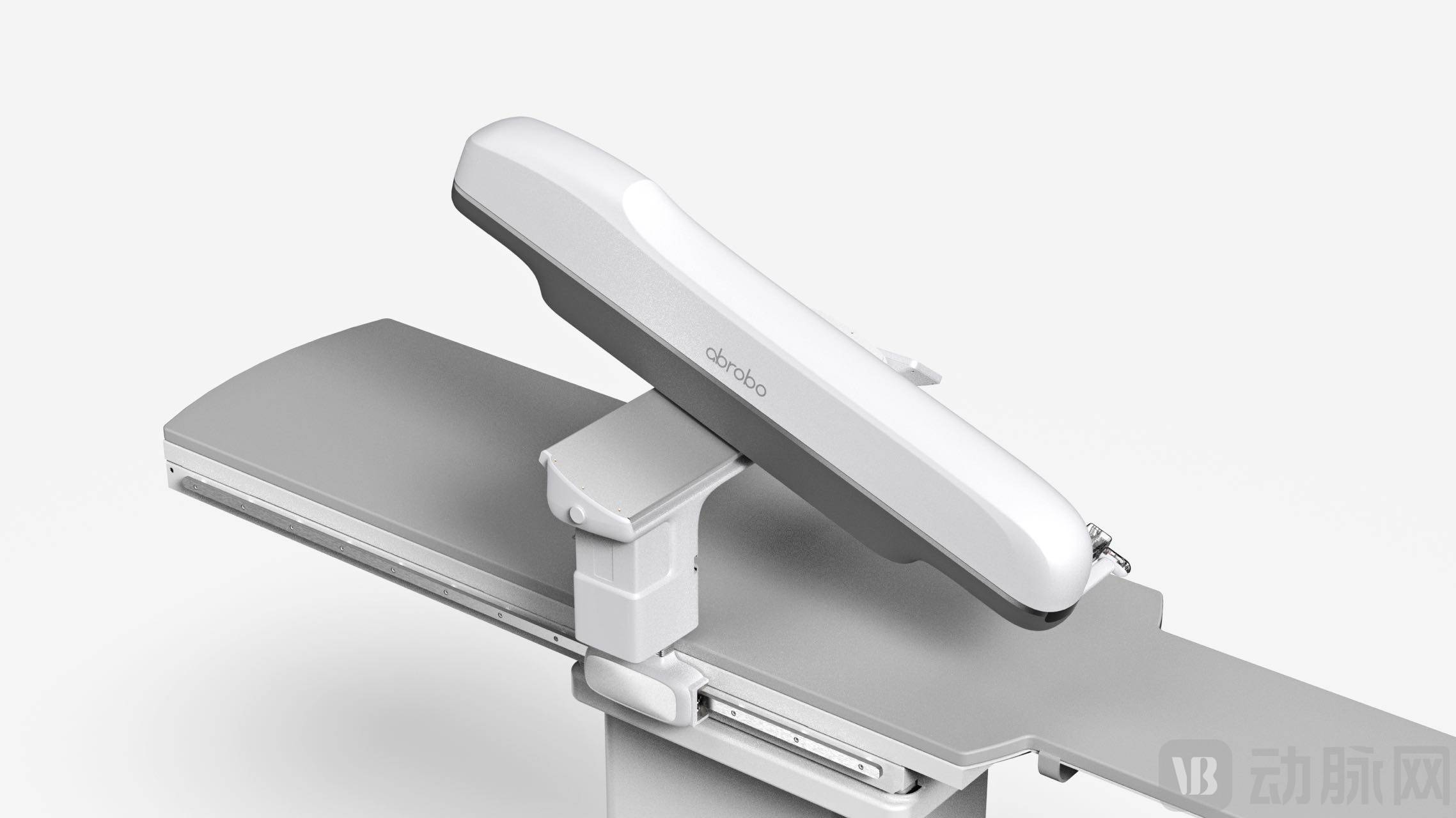 Aibo Medical Vascular Interventional Surgical Robot System
Currently, most vascular interventional surgical robots on the market have relatively limited functionality, capable only of advancing guidewires. However,In vascular interventional procedures, particularly in neurointerventions, physicians typically need to coordinate the use of multiple guidewires and catheters to perform the surgery. Additionally, repeated angiographic injections via the catheter are required during the procedure to visualize device positioning and assess vascular conditions.。
Due to the inability to achieve multi-device coordinated operation, existing vascular interventional surgical robots cannot broadly accommodate various types of vascular interventions, including angiography and therapeutic procedures. Their intraoperative utility time is limited, and they still require bedside team collaboration, preventing physicians from truly avoiding radiation exposure.
Adhering to the “user-centric” design philosophy,Shenzhen Aibo Medical Robot Co., Ltd. has designed a vascular interventional surgical robot based on a modular concept, which enables coordinated control of multiple catheters and guidewires to perform complex maneuvers such as advancement, rotation, and combined advancement-rotation, thereby accommodating various procedures including neurointerventional, coronary interventional, and peripheral interventional surgeries., is a true pan-vascular interventional surgical robot.
Meanwhile, the surgical robot is built on the concept of natural interaction,Does not alter physicians' existing habits in vascular interventional procedures., shortening the learning curve for physicians. Moreover, this surgical robotEasy to Assemble and Disassemble, which can effectively shorten preoperative preparation time and meet the high-volume surgical demands in China.
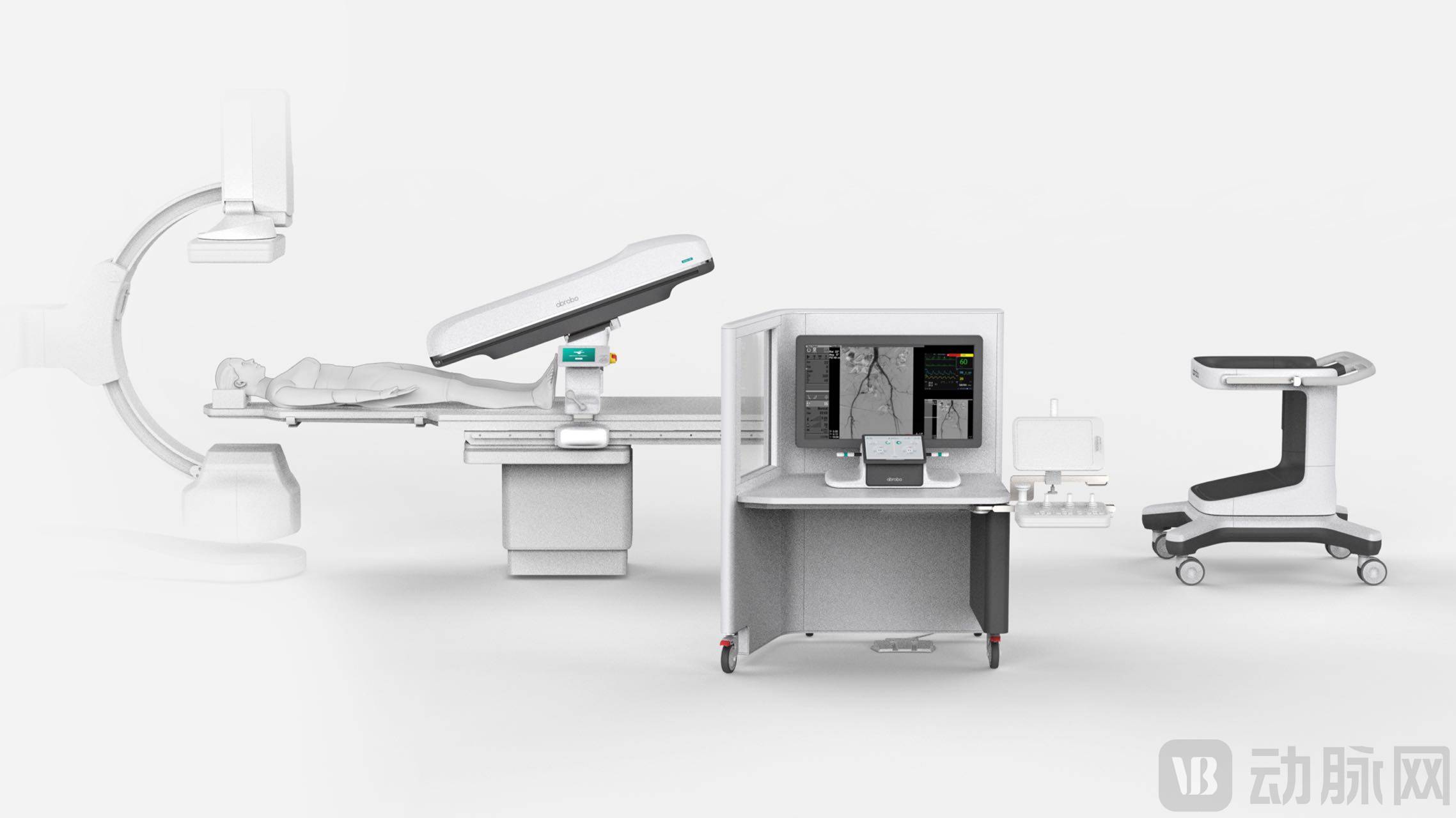
Aibo Medical Vascular Interventional Surgical Robot System
Leveraging nearly three decades of R&D expertise accumulated by its founding team, led by Academician Guo Shuxiang and Dr. Guo Jian, Shenzhen Aibo Medical Robot Co., Ltd. has established a comprehensive patent portfolio, with over 100 intellectual property applications filed and approved both domestically and internationally.
As early as 2008, Academician Guo Shuxiang, the company’s founder, pioneered the development of the world’s first pan-vascular interventional surgical robot in Japan, capable of performing angiography and therapeutic procedures for neurological, coronary, and peripheral vascular applications.In 2017, the prototype of the vascular interventional surgical robot developed by the company’s team completed China’s first human clinical trial for neurointervention at Beijing Tiantan Hospital.
To date, Shenzhen Aibo Medical Robot Co., Ltd.’s vascular interventional surgical robot has been iterated to its third generation. Leveraging a comprehensive patent portfolio, the company is continuously refining its vascular interventional technology and enhancing procedural precision, while simultaneously controlling costs and optimizing its supply chain. Furthermore, by engaging deeply in clinical settings to identify unmet needs, the company has reduced the preparation time for its surgical robot systems, ensuring that its products align more closely with the workflow and preferences of clinicians.
According to the person in charge of Shenzhen Aibo Medical Robot Co., Ltd.,The company's vascular interventional surgical robot is being improved in terms of miniaturization, lightweight design, and cost reduction.This year, the vascular interventional surgical robot from Shenzhen Aibo Medical Robot Co., Ltd. is expected to enter the registration clinical trial phase.
Vascular intervention is a highly specialized discipline, and vascular interventional surgical robots are high-end medical devices that integrate multiple disciplines, including medicine, mechatronics, biomechanics, and computer science. Shenzhen Aibo Medical Robot Co., Ltd.’s ability to develop vascular interventional robotic products and achieve technological and scheduling leadership is attributable to its internal multidisciplinary team collaboration and external medical-engineering cooperation strategy.
Academician Guo Shuxiang, founder of Shenzhen Aibo Medical Robot Co., Ltd., studied under Foreign Member of the Chinese Academy of Sciences and Member of the Japanese Academy of Engineering Toshio Fukuda. With nearly 30 years of research experience and technical expertise in vascular interventional surgical robotics, he specializes in microrobotics, microsystems for vascular examination, and teleoperated microsurgical systems for medical and biological applications. He has pioneered globally innovative technologies, including linear traction-based push delivery and teleoperation based on multi-source force information fusion.
For his pioneering research in the field of pan-vascular interventional surgical robots, Academician Guo Shuxiang was successfully elected as a Foreign Member of the Engineering Academy of Japan and an IEEE Fellow.
Dr. Guo Jian, Co-Founder, brings years of R&D experience in robotic-assisted systems for cardiovascular and cerebrovascular surgery. Furthermore, the company’s core internal team comprises experts across multiple disciplines—including medical devices, finance, design, intellectual property, and clinical medicine—forming a comprehensive talent matrix.
Meanwhile, Shenzhen Aibo Medical Robot Co., Ltd. provides a fertile ground for the development of multidisciplinary talent. The company has established departments for R&D, engineering, design, intellectual property, and quality and regulatory affairs. It implements an employee stock ownership incentive scheme and conducts irregular employee training sessions to foster the exchange of ideas on emerging technologies and strategic directions.
In terms of external cooperation,Shenzhen Aibo Medical Robot Co., Ltd. has established close collaborations with renowned hospitals, including Shanghai Changhai Hospital, Shanghai Zhongshan Hospital, and Huazhong University of Science and Technology Union Shenzhen Hospital.Identify genuine clinical pain points and needs through a model integrating medicine and engineering.
Gao Jieliang, Senior Partner at CDH VGC (Venture & Growth Capital), noted, “Currently, most vascular interventional surgical robots have not yet been commercialized. At this stage, competition still hinges on R&D and clinical execution capabilities.”Thanks to the scientific research and exploration by three generations of scientists—Toshio Fukuda, Shuxiang Guo, and Jian Guo—Shenzhen Aibo Medical Robot Co., Ltd. has focused on the development of vascular interventional surgical robots since its inception and has already secured hundreds of patents.“In addition to the internal transformation of scientific research achievements, Shenzhen Aibo Medical Robot Co., Ltd. has been continuously improving its products based on clinical needs through strong external collaboration between medicine and engineering, gaining recognition from renowned experts in China.”
Despite being established less than two years ago, Shenzhen Aibo Medical Robot Co., Ltd. has built upon nearly 30 years of internal technological accumulation, secured over RMB 50 million in cumulative research funding, and leveraged support from top-tier external clinical experts, enabling the company to achieve rapid growth.
In 2020, the company secured second place in the biopharmaceutical sector of the Shenzhen Innovation and Entrepreneurship Competition, was selected for the national finals of the China Innovation and Entrepreneurship Competition, and received the title of “Outstanding Enterprise.” In 2021, the company was included among the top 100 enterprises at the National Top 100 List of the “Science and Technology Innovation China” Entrepreneurship and Innovation Investment Conference.
Anchoring in Blue Ocean Markets: From the Pioneer of Pan-Vascular Interventional Robotics to a World-Leading Enterprise in Pan-Vascular Interventional Surgical Robots
The digitalization, precision, and intelligence of vascular intervention represent a major trend, with surgical robots serving as an ideal platform.
The global market for vascular interventional surgical robots remains in its early stages of development, with only three products approved to date, while no such robots have yet received approval in China. Nevertheless, clinical demand is clear, and there is an urgent need for surgical robots to advance interventional therapy for cardiovascular and cerebrovascular diseases toward higher precision and intelligence.
The market size of vascular interventional surgical robots in China is expected to reach RMB 34 million in 2022 and further grow to RMB 5.824 billion by 2030, with a compound annual growth rate (CAGR) of 90.3% from 2022 to 2030.
A wave of innovative enterprises, both domestic and international, has surged into the vascular interventional surgical robotics sector, engaging in fierce competition over technology, teams, and products. Unlike the laparoscopic surgical robotics market, where the da Vinci Surgical System dominates half the share, the competitive landscape for vascular interventional surgical robots remains unsettled, instilling confidence in Chinese companies to take off.
In the field of vascular interventional surgical robots, Chinese companies are competing globally with world-class R&D teams and technological innovation capabilities. Rooted in the world’s largest market for cardiovascular and cerebrovascular diseases, the industry’s future is promising.
In the burgeoning blue ocean of vascular interventional surgical robots, Shenzhen Aibo Medical Robot Co., Ltd. offers products with fully independent intellectual property rights. These systems cover a more comprehensive workflow of vascular interventional procedures and significantly reduce radiation exposure. Furthermore, the surgical robot is compatible with various standardized guidewires and catheters available on the market, adapting to multiple procedural techniques. Its target markets include neurointerventional, coronary interventional, and peripheral interventional procedures.
Next, in terms of business layout, Shenzhen Aibo Medical Robot Co., Ltd. will root itself in the field of vascular interventional surgical robots, developing towards intelligence, platformization, and remote operation.
In terms of team building, the company places great emphasis on talent development, providing ample opportunities and space for professionals to fully demonstrate their expertise. It will continue to recruit multidisciplinary talent to expand its workforce. Regarding external collaborations, the company has partnered with leading clinical expert teams in the field of vascular intervention in China, continuously validating the efficacy and safety of its vascular interventional surgical robot products, and advancing them toward clinical registration.
In the blue ocean of vascular interventional surgical robots, Shenzhen Aibo Medical Robot Co., Ltd. is poised for takeoff, empowered by scientific expertise, proprietary technologies, and innovative products.
The success of this funding round not only affirms the R&D capabilities of Shenzhen Aibo Medical Robot Co., Ltd., but will also propel the company toward becoming a globally leading enterprise in vascular interventional surgical robots.
Academician Guo Shuxiang, founder of Shenzhen Aibo Medical Robot Co., Ltd., stated: We extend our sincere gratitude to CDH VGC (Venture & Growth Capital), Yahui Investment, Changling Capital, and Changan Private Capital for their recognition and support of Shenzhen Aibo Medical Robot Co., Ltd. Currently, interventional procedures have become the preferred treatment modality for cardiovascular and cerebrovascular diseases; however, critical challenges such as intraoperative radiation exposure, physical burden on physicians, and surgical precision remain to be addressed. With advancements in robotics, sensors, and artificial intelligence (AI), interventional surgery is trending toward robotic automation. This evolution will enable physicians to perform high-precision interventional procedures using vascular intervention surgical robots in a radiation-free and ergonomically optimized environment. Grounded in independent innovation and the integration of medicine and engineering, Shenzhen Aibo Medical Robot Co., Ltd. is committed to becoming a global leader in vascular intervention surgical robotics. Following the completion of this financing round, the company will accelerate the clinical registration process for its surgical robots, thereby benefiting a broad population of patients and healthcare providers.
Gao Jieliang, Senior Partner at CDH VGC (Innovation and Growth Fund), stated: Aibo’s vascular interventional robot covers multiple disease areas, including neurointerventional, coronary interventional, and peripheral interventional procedures, addressing a domestic annual surgical volume of over 5 million cases and serving a large patient population. This product enhances surgical precision and safety while reducing or even eliminating occupational risks for physicians, such as radiation exposure and chronic spinal and joint injuries. It holds the potential to benefit a vast number of patients and doctors, simultaneously addressing critical clinical pain points for both parties, thereby delivering substantial social value. The team led by Academician Guo Shuxiang and Dr. Guo Jian has been deeply engaged in the field of vascular surgical robotics for nearly 30 years. We are highly optimistic about the team’s globally leading R&D and commercialization capabilities in vascular robotics and hope to support the company in accelerating its R&D and clinical trial processes, so as to benefit patients at an earlier stage.
Liu Jiayun, Partner at Yahui Investment, stated: As the most critical diagnostic and interventional approach for cardiovascular diseases, vascular interventional procedures involve a substantial volume that continues to rise year by year. Meanwhile, significant challenges remain in enhancing procedural standardization and precision, as well as reducing radiation exposure to physicians. The application of surgical robots is key to systematically addressing these clinical pain points. Led by prominent scientists in the field and supported by a comprehensive R&D team, Shenzhen Aibo Medical Robot Co., Ltd. has demonstrated exceptional integration of medicine and engineering, along with strong product development capabilities. We look forward to the imminent completion of R&D and market launch of Aibo’s globally innovative vascular intervention robot, setting a new industry benchmark.
Jiang Xiaodong, Managing Partner of Changling Capital, stated: As China’s population ages at an accelerating pace, the volume of vascular interventional procedures has surged. However, existing vascular interventional techniques remain heavily dependent on physicians’ skills, making it difficult to meet the rapidly growing clinical demand. Shenzhen Aibo Medical Robot Co., Ltd.’s interventional robot, developed through the efforts of three generations of Chinese and international scientists, holds the potential to transform current surgical practices through intelligence and miniaturization, delivering unprecedented benefits to both physicians and patients. Against the backdrop of China’s pursuit of common prosperity, the Aibo Robotics team has adopted value-based healthcare as its guiding principle in R&D, striving for ultimate cost-effectiveness. This approach aligns perfectly with Changling Capital’s commitment to enhancing healthcare accessibility in China. We will continue to firmly support the development of Shenzhen Aibo Medical Robot Co., Ltd., helping the company build a domestically developed vascular robot that serves a broad population and remains affordable for hundreds of millions of ordinary patients.
Chang'an Private Capital statedAs cardiovascular and cerebrovascular diseases have become the leading cause of disease burden in China, minimally invasive and convenient interventional therapies offer broad prospects for development, with surgical volumes rising rapidly in recent years. In the field of interventional therapy, surgical robots, as a key precursor to the industry’s intelligent transformation, possess platform attributes and represent a market with immense potential. Building on over 30 years of technological accumulation, the team at Shenzhen Aibo Medical Robot Co., Ltd. has deeply integrated its innovations with clinical needs, achieving differentiated breakthroughs in traditional challenges such as the number of operating channels, instrument compatibility, and force feedback, thereby demonstrating promising market potential. We firmly support this team and are committed to accompanying the company in continuing to advance the development of interventional medicine, benefiting patients worldwide.
About CDH Investments VGC
CDH Investments, established in 2002, is one of the most influential alternative asset management firms in China. To date, its assets under management exceed RMB 172.6 billion. CDH VGC is a fund under CDH Investments focused on innovation and growth-stage investments, primarily covering four key sectors: healthcare, consumer-facing (ToC) consumption, business-facing (ToB) enterprise services, and technological innovation. The core philosophy of CDH Investments is to partner with strivers to create long-term value. Over the past decade, CDH has collaborated with numerous outstanding enterprises in the fields of biopharmaceuticals, medical devices, healthcare services, and digital health. CDH firmly believes that allocating resources to exceptional healthcare companies will inevitably drive progress within the industry and society at large.
About Yahui Investment
Yahui Capital is a venture capital fund focused on the frontier of China’s life sciences sector. Driven by professional research and anchored in clinical needs, Yahui Capital concentrates on cutting-edge innovative technologies within life sciences, investing in genuine medical translation opportunities. By adhering to a systematic mapping of scientific disciplines and combining it with mature portfolio management, Yahui Capital has established a highly forward-looking and systematic investment layout in China’s life sciences field in recent years, nurturing significant industry leaders across multiple innovation-driven subsectors. Furthermore, Yahui Capital has built a robust corporate ecosystem in the frontier areas of life sciences. From vertical integration along the upstream and downstream value chains to the cross-disciplinary extension of multi-platform technologies, Yahui Capital has developed comprehensive and profound competitive advantages in deal sourcing, portfolio construction, and post-investment value creation.
About Changling Capital
Changling Capital, established in 2016, is a new generation of theme-driven venture capital fund. The founding partners of Changling come from NEA (New Enterprise Associates), one of the largest venture capital funds in the United States, and were responsible for NEA’s investments in China from 2005 to 2015. In the fields of healthcare and aging, Changling Capital is committed to investing in technology-driven business model innovations, making longevity a gift of life for everyone in China’s rapidly aging society. Changling Capital has offices in Shanghai and Beijing, with total assets under management reaching RMB 6 billion. Its investors include endowments from globally renowned universities and hospitals, foundations, pension funds, top-tier fund-of-funds, and other leading institutional investors. Our investment teams in Shanghai and Beijing collectively possess over 50 years of venture capital experience, dedicated to continuously creating value for the growth and development of companies in emerging sectors.
About Chang'an Private Capital
Chang’an Private Capital boasts a 24-year history in equity investment, with partners committing their own capital to ultra-long-cycle technology investments. Positioned as “loyal investors sharing common interests,” Chang’an focuses on investing in value-creating enterprises at the “0 to 1” stage that possess the potential to become industry leaders. The firm primarily covers niche sectors such as innovative drugs and medical devices, semiconductors, automotive and aerospace technologies, and cybersecurity. Adhering to the investment principle of “few but excellent,” Chang’an has invested in 80 companies, 17 of which have gone public. Notably, Walvax Biotechnology set historical records on the ChiNext board for both its IPO price and P/E ratio; while Chipscreen Biosciences became the first innovative drug company listed on the STAR Market, achieving a record-high IPO P/E ratio.