

The Foundry Files IPO Prospectus: 70%+ of Its MedTech Startups Acquired or Listed
The Foundry
--
“Anything worth doing is worth doing well.” This is the guiding principle of The Foundry.
Who is The Foundry? Many in China may be unfamiliar with it. This is an incubator based in California, USA, focused on the medical device sector, aiming toRapidly Transforming Early Concepts into Successful Medical Device Companies。
Since its establishment in 1998, The Foundry hasOver 23 healthcare companies have been incubated and founded over the past 23 years,It can be said that, on average, one company is incubated and established each year. Excluding the three early-stage healthcare startups founded in the past three years, among the 20 companies established by The Foundry from 1998 to 2018,More than 70% of the companies have been acquired or gone public.
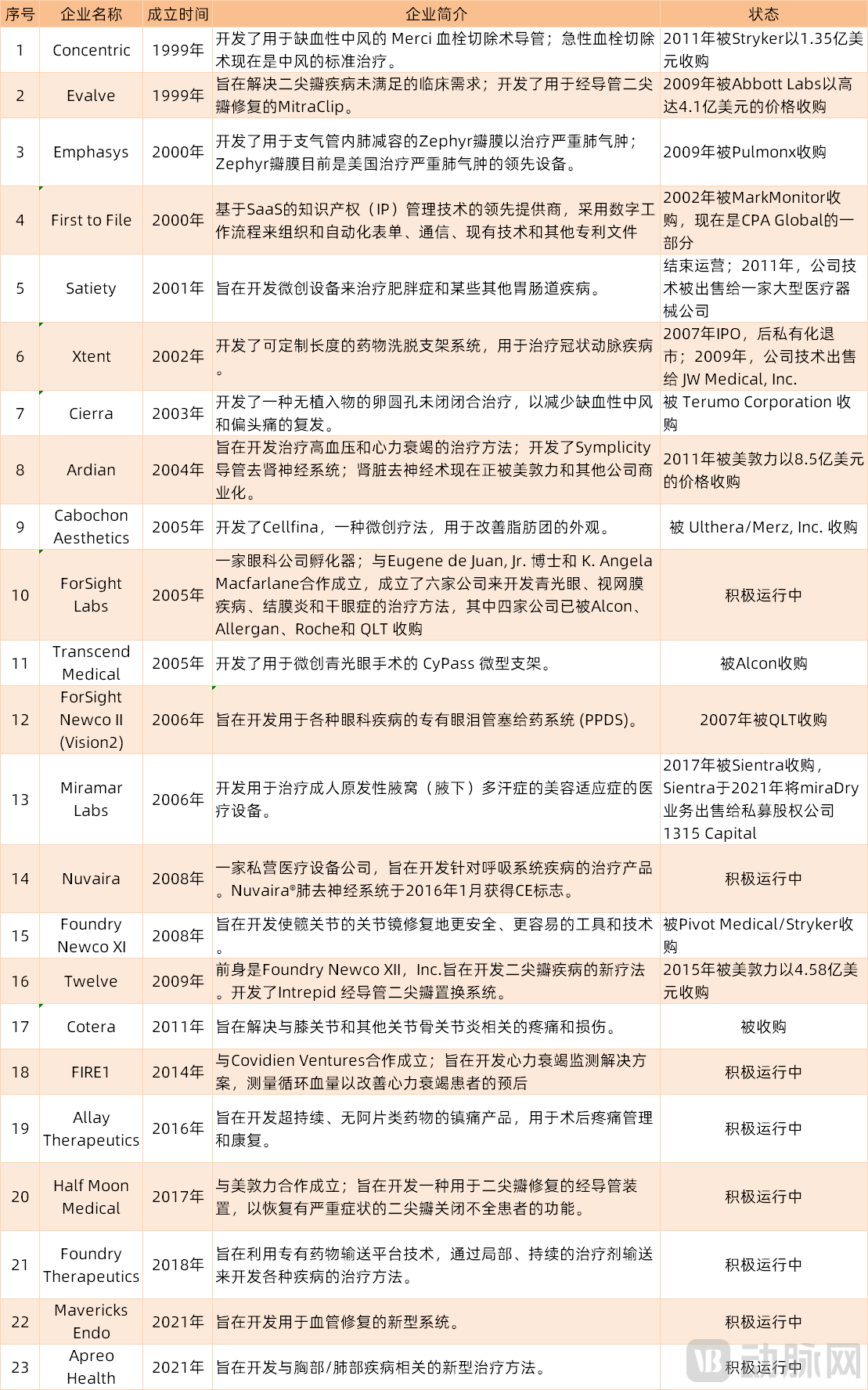
Figure 1. List of The Foundry’s 23 Incubated Companies
This is truly a remarkable achievement, considering thatThe general failure rate of startups in the U.S. healthcare sector exceeds 90%.In addition, VCBeat observed that among the acquirers of companies in The Foundry’s incubation portfolio, such asMedtronic, AbbottGlobal medical device giants still seem to be its "regulars."
Many are undoubtedly curious: What “secret sauce” has The Foundry mastered to achieve such a high startup success rate? How exactly does this incubator nurture early-stage companies, and what key lessons can be drawn from its track record? Can we glean valuable insights from its proven strategies? Join VCBeat’s Orange Fruit Bureau as we lift the veil on The Foundry.
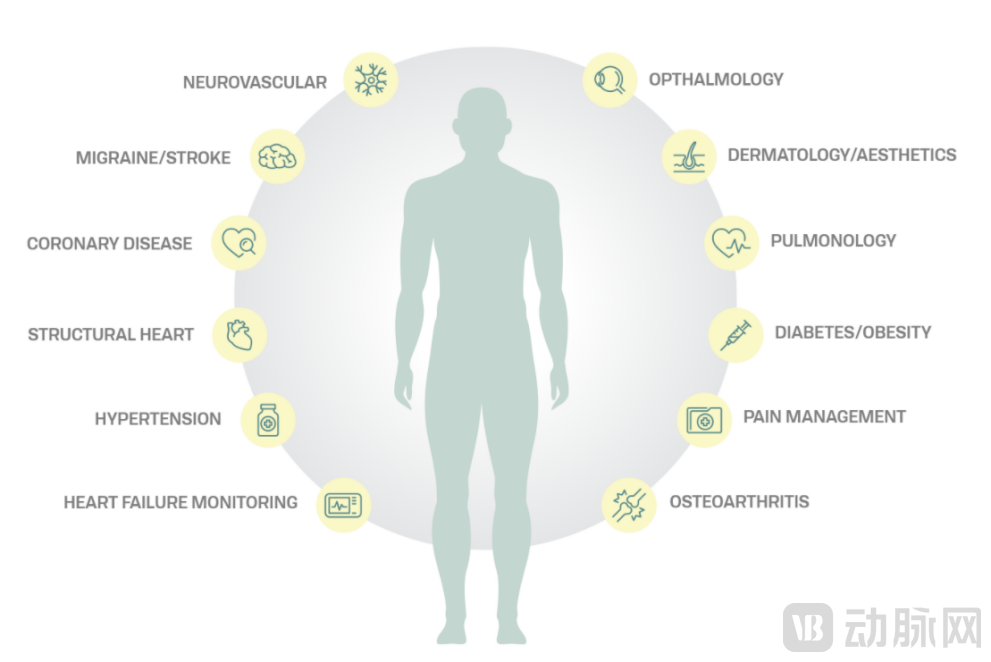
Figure 2. The diverse fields covered by products developed by companies in The Foundry’s incubation portfolio
From novel therapeutic approaches for hypertension to proprietary ocular drug delivery systems, the portfolio of companies incubated and created by The Foundry has produced multiple influential products in the medical device sector, boasting a long-standing track record of success in developing cutting-edge medical devices.
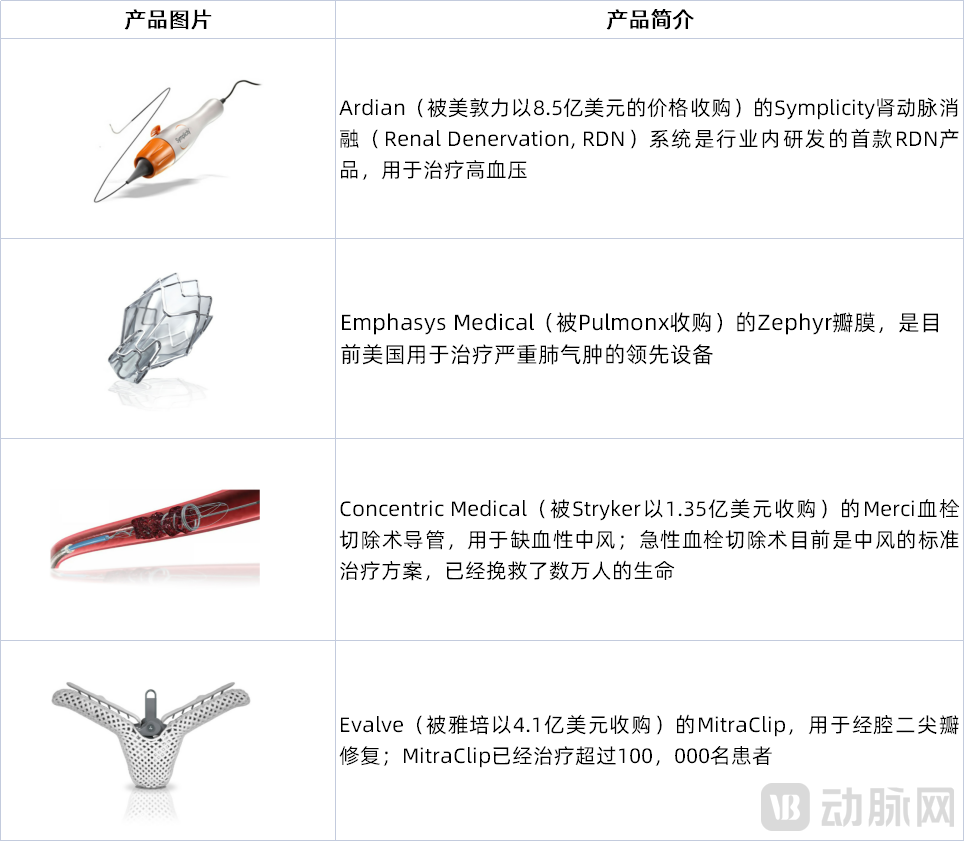
Figure 3. Several products with profound impact in the medical device field, developed by The Foundry’s incubated portfolio companies
Developed by Ardian (acquired by Medtronic for $850 million)SymplicityTaking the Renal Denervation (RDN) system as an example, Symplicity is the first RDN product developed in the industry for the treatment of hypertension.
Prior to 2012, Ardian published the results of two clinical trials on renal denervation (RDN) for the treatment of hypertension (Symplicity I and II). The results showed that at six months, office systolic blood pressure decreased by 22 mmHg and 32 mmHg, respectively, in the enrolled patients—a clinically encouraging outcome that significantly boosted industry confidence. Meanwhile, more than 60 companies worldwide began engaging in the research and development of RDN technology.
As the first startup in the industry to develop RDN devices, and given the excellent clinical data demonstrated by its products, in November 2020, the global leader in medical device R&DMedtronic acquired Ardian for $800 million in cash and $550 million in milestone payments.This set a new record for acquisition deal value, where the target product had not yet received U.S. FDA approval for market launch at the time of the company’s acquisition.
Although the Symplicity III clinical trial results released in late 2012 failed to meet their primary endpoints, Medtronic did not lose confidence. Instead, it continued to investigate the efficacy of renal denervation (RDN) technology in hypertensive patients by redesigning the approach and launching a series of clinical trials, namely the Spyral HTN-OFF MED and Spyral HTN-ON MED studies.
Facts have proven that Medtronic’s confidence in Symplicity was well placed.In 2020, Medtronic’s Symplicity Spyral™ Renal Denervation System received the “Breakthrough Device” designation from the FDA.(RDN products from two other companies have also received this honor), and it is claimed that approval for market launch in the United States is expected this year.
Currently, many RDN therapy products feature improved designs, but Symplicity is undoubtedly the “pioneer” in the field of RDN devices and has played a significant role in advancing the development of renal denervation.
Additionally, I would like to share a brief anecdote about The Foundry’s early incubation and investment in Ardian. Before Ardian was officially established, its core team—armed with preliminary experimental results and pending patent applications—sought support from venture capital firms but encountered rejection at every turn. During pitch meetings, many investors would excuse themselves by claiming they needed to “take a phone call” or “catch a flight,” leaving only a few young individuals to ask questions—who, upon inquiry, turned out to be interns at the venture capital firms.
At the time, most venture capital firms focused on medical devices failed to grasp the concept of using a device to block renal sympathetic nerves and modulate disease treatment via neural pathways—a mechanism analogous to that of pharmaceuticals—and thus showed little interest in investing in the project. The Foundry, however, responded differently.
Upon learning about this project and conducting a thorough review of the underlying principles of its product concept, Hanson Gilford (now Managing Partner) and Mark Deems, the two leaders of The Foundry, took an overnight flight from the Bay Area on the West Coast to New York on the East Coast. At Coridea’s office in the Audubon Building on Broadway, directly across from Columbia University Vagelos College of Physicians and Surgeons, they promptly decided to invest in the project.
After investing in the project, The Foundry immediately established a company to operate it—Ardian Inc., derived from the term “arterial denervation.”
From this, we can also appreciate The Foundry’s acumen in identifying high-potential projects and its courage to make independent decisions without being swayed by others.From being “ignored by all” to becoming a “hot commodity” in high demand, The Foundry has witnessed this transformation more than once in the projects it has incubated.
In addition to the Symplicity renal denervation system developed by Ardian, several other products developed by companies incubated by The Foundry have also made significant impacts. For instance, the Zephyr valve developed by Emphasys Medical (acquired by Pulmonx) is currently the leading device in the United States for treating severe emphysema; the Merci thrombectomy catheter from Concentric Medical (acquired by Stryker for $135 million) is used for ischemic stroke—acute thrombectomy, as the current standard of care for stroke, has saved tens of thousands of lives; and the MitraClip, developed by Evalve (acquired by Abbott for $410 million) for transcatheter mitral valve repair, has treated over 100,000 patients. These are all cutting-edge medical devices that have exerted widespread influence within the industry.
We can also observe that among these medical device companies incubated and created by The Foundry,Most are focused on the research and development of Class III medical devices.—Among all categories of medical devices, this category carries the highest risk, involves the greatest technological sophistication, and presents the most significant challenges in research and development, requiring the longest development timelines.
Therefore, compared to other incubators, The Foundry, despite its modest size, is undoubtedly a force to be reckoned with in the U.S. venture capital landscape and even on the global stage.
According to the official website, The Foundry team currently hasOver 500 itemsIssued U.S. Patents,The more than 20 companies incubated and established by it have secured investments from over 50 venture capital firms.These companies raised funds from venture capital firms.Nearly $1 billionof financing funds, and created for shareholdersOver $3 billionvalue.
So, how exactly does The Foundry incubate startups?
First, it is about generating strong conceptual ideas. The Foundry draws on a wide range of sources for its innovative medical device concepts,It encompasses both independent research and external innovations, ensuring that intriguing frontier studies from universities and colleges are not overlooked.However, judging from the projects it has incubated, The Foundry leans more toward external inventions. At The Foundry, approximately half of the incubated projects originate from external inventions.
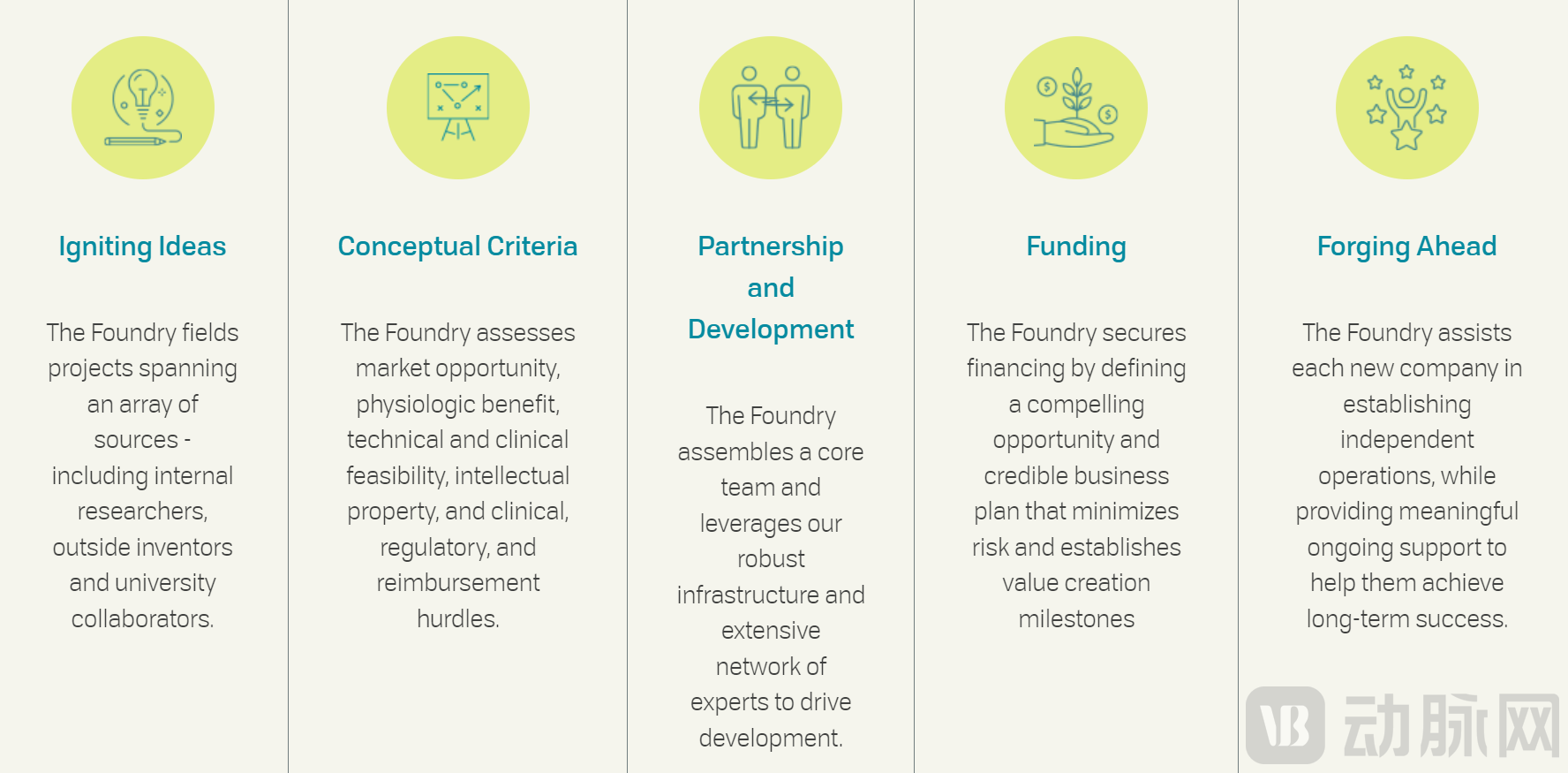
Figure 4. The Foundry Incubation Process
When interested in a particular project, The Foundry conducts highly detailed analytical research:Evaluate project feasibility and identify optimal solutions by examining the technical feasibility of clinical implementation, future commercialization prospects, and factors such as technological barriers, intellectual property, and legal and regulatory compliance.
One point we need to emphasize is that The Foundry team has always maintained close ties with clinicians. The Foundry believes that many breakthrough innovations and inventions actually originate from the clinical frontline—these are the “serendipitous discoveries” and “flashes of insight” made by clinicians who have an absolute understanding of clinical needs and pain points. Furthermore, close engagement with clinicians helps them maintain insight into real-world clinical needs, which The Foundry considers particularly important.They believe that only genuine clinical needs are the decisive factor in determining a product’s success or failure.
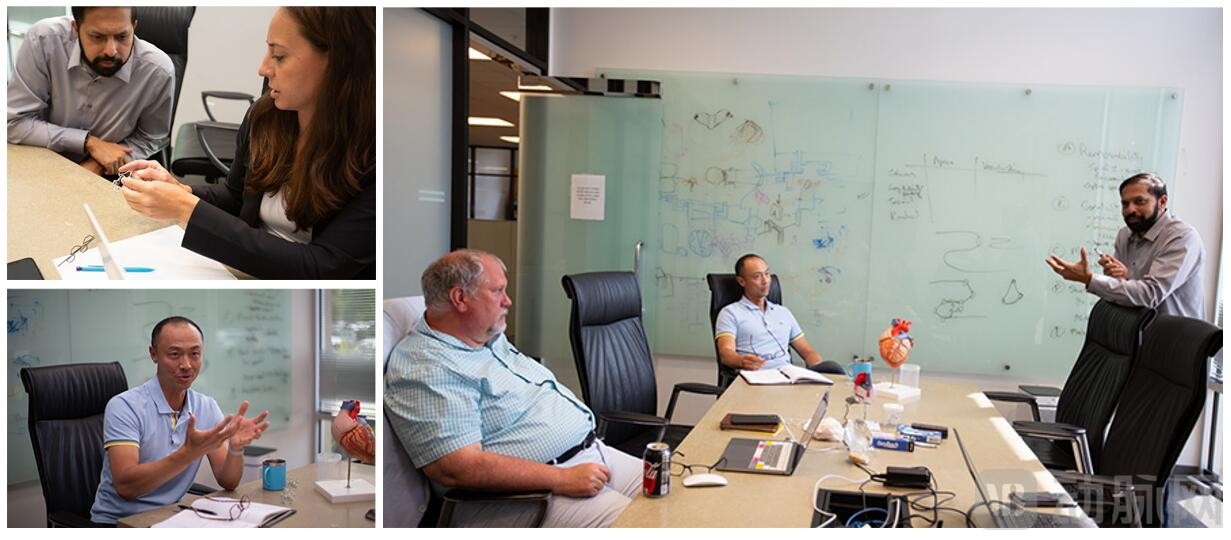
Figure 5. Members of The Foundry are discussing the feasibility of a project
After determining that a project is truly worth pursuing and has the potential to grow into a highly promising startup, The Foundry will provide the company with extensive industry experience and resources—including conductingIntellectual Property Analysis, Patent Application, Proof of Concept, Sourcing Technical Partners and Suppliers, Registration Consulting, Market Development Planetc.Ensure smooth product conversion.
In the early stages of a company’s development, The Foundry leverages its extensive network of experts to assist the enterprise.Assemble a core team with relevant scientific and operational backgrounds,including external scientific advisors to formulate the company’s business strategy and product plans.
At times, members of The Foundry also join its invested and incubated companies as executives. Many Foundry members have experience working across multiple portfolio companies of The Foundry.
At the same time, The Foundry will provide enterprises with services including“Hardware facilities and equipment,” including office spaces, infrastructure for product development, R&D laboratories, wet labs, and cleanroom production workshops.Incubated enterprises may use the space and equipment provided by The Foundry until they are required to operate using their own independent facilities.
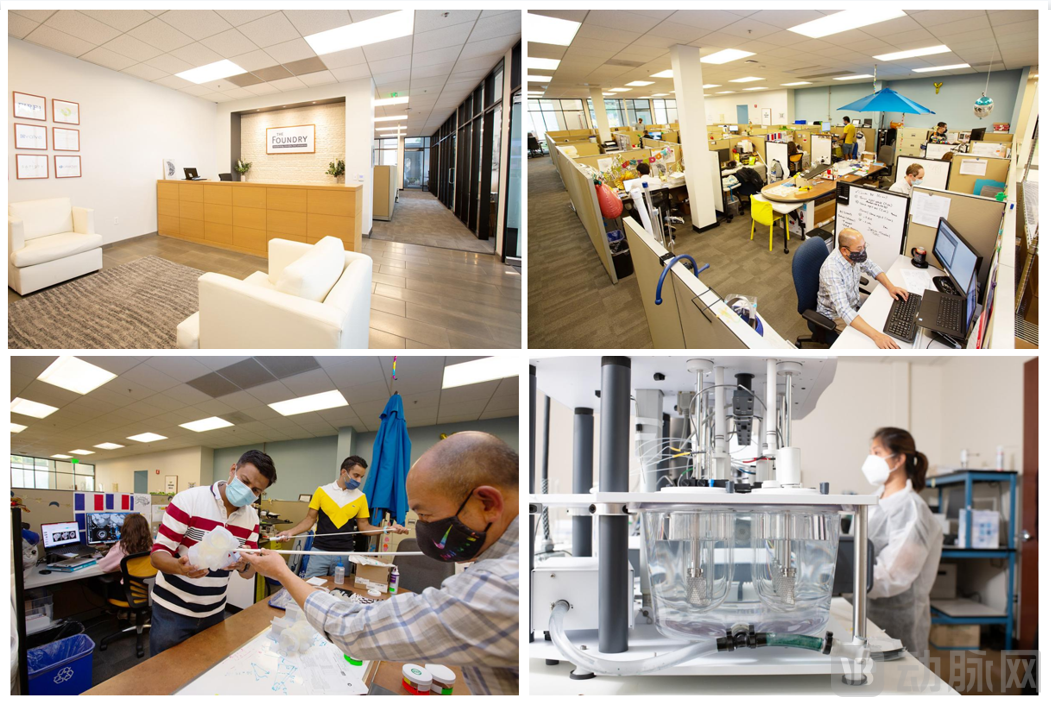
Figure 6. The Foundry provides incubated companies with office space, as well as supporting laboratories and cleanroom production workshops.
When incubated companies grow to the point where they require independent space and equipment to commence operations, The Foundry leverages its industry resources to efficiently connect them with venture capital firms, attract substantial external funding, and facilitate partnerships with strategic collaborators, thereby driving further corporate growth.
Even after enterprises begin operating independently, The Foundry will continue to provide meaningful support—Leverage corporate operational expertise and industry resources to drive the company’s long-term success.This is one aspect that sets The Foundry apart from most other incubators, and it once again echoes The Foundry’s guiding principle: “Anything worth doing, is worth doing right.”
Overall, the team members’ extensive industry experience and accumulated broad industry resources are key factors contributing to the success of The Foundry incubator. Most importantly, The Foundry demonstrates forward-looking and accurate judgment in selecting incubated projects. This capability stems from two main aspects: first, the core team members are seasoned veterans with many years of deep engagement in the medical device sector, possessing profound understanding, insights, and keen, distinctive judgment; second, The Foundry consistently maintains close ties and collaboration with clinicians, which helps the team identify and assess genuine clinical needs and promptly recognize innovative breakthroughs emerging from the clinical frontline.
Moreover, maintaining focus is a key characteristic of The Foundry. As can be seen from the previously disclosed list of companies incubated by The Foundry, its incubation targets have largely remained within the medical device sector. For areas outside its core expertise, such as biologics, The Foundry rarely engages, even if they hold significant market potential.
Whether it is extensive industry experience or broad sector resources, the core underlying them is always “people.” Undoubtedly, behind The Foundry is aAn Elite Force with Exceptional Comprehensive Business Capabilities, they are mostly rare multi-talented individuals in cross-disciplinary fields.
Here, we primarily introduce the key partners of The Foundry, all of whom are well-established figures with many years of experience in the medical device industry. Some have long been at the forefront of investment, boasting extensive industry resources and a broad perspective; others have held senior management positions, bringing mature expertise in corporate operations; still others hold hundreds of patented technologies, demonstrating exceptional acumen for technological innovation; while some have achieved remarkable success across all these domains.
Overall, the core members of The Foundry each bring unique strengths that complement one another, forming a well-rounded and formidable team.
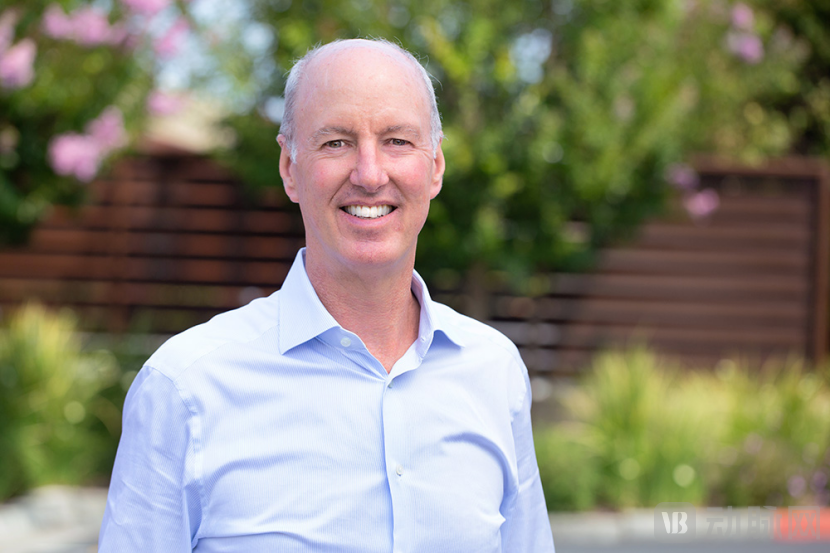
Figure 7. Hanson S. Gifford, III, Managing Partner at The Foundry
As the backbone of The Foundry, since the incubator’s establishment in 1998,Hanson S. Gifford, IIIHas consistently led The FoundryWork in the discovery and invention of new technologies, as well as in team building and fundraising for newly incubated companies.
The aforementioned Ardian, which was acquired by Medtronic for $850 million—setting a new record at the time for the highest acquisition price of a company whose product had not yet received U.S. FDA approval—was incubated and invested in under the leadership of Hanson and Mark Deems, another member of The Foundry.
In the field of investment incubation,In addition to being the Managing Partner at The Foundry, Hanson is also a Partner at Lightstone Ventures. Lightstone Ventures is an early-stage venture capital fund focused on investing in scientific breakthroughs that are translated into therapies and technologies with clinical and commercial significance.
In terms of enterprise management,Hanson previously served as an engineer at Oximetrix (acquired by Abbott) and General Dynamics, and also worked at DVI (acquired by Eli Lilly). In 1992, Hanson co-founded Bavaria Medizin Technologie GmbH and served as its Managing Director. Later, he held the position of Vice President of Research and Development at Heartport (NASDAQ: HPRT). At Forsight Labs, an ophthalmology incubator established by The Foundry, Hanson participated in the incubation and creation of five ophthalmology companies, four of which were acquired.
In addition, Hanson has served as a mentor to Stanford Biodesign Fellows, and isNamed inventor on more than 370 issued U.S. patents.

Figure 8. Karun D. Naga, Partner at The Foundry
Another PartnerKarun D. Naga’s greatest strength lies in corporate operations management.
At The Foundry, Karun spearheaded the establishment and incubation of several new ventures, including Foundry Therapeutics, Foundry Therapeutics 2, and Allay Therapeutics.
Karun served on the founding team of Miramar Labs, a portfolio company of The Foundry. Following Medtronic’s acquisition of Miramar Labs, Karun joined Medtronic as Director of Corporate Development for its Cardiovascular Business, where he was primarily responsible for business development, external strategic partnerships, and corporate investments.
Later, Karun joined Altura Medical as a member of its executive team. The company developed a breakthrough endograft for the treatment of abdominal aortic aneurysms and was subsequently acquired by Lombard Medical. Karun later returned to The Foundry team, where he remains to this day.
Additionally, Karun specializes in intellectual property and previously served as the first in-house IP counsel at Mentor Corporation and Jones Day, a leading international law firm. Karun is also a registered patent agent with the United States Patent and Trademark Office for The Foundry’s portfolio companies: Foundry Therapeutics, Allay Therapeutics, Foundry Therapeutics 2, and Foundry Endovascular.
Karun holds a Bachelor of Science in Mechanical Engineering from Michigan State University, a Juris Doctor from the University of Michigan Law School, and an MBA from the Wharton School of the University of Pennsylvania.
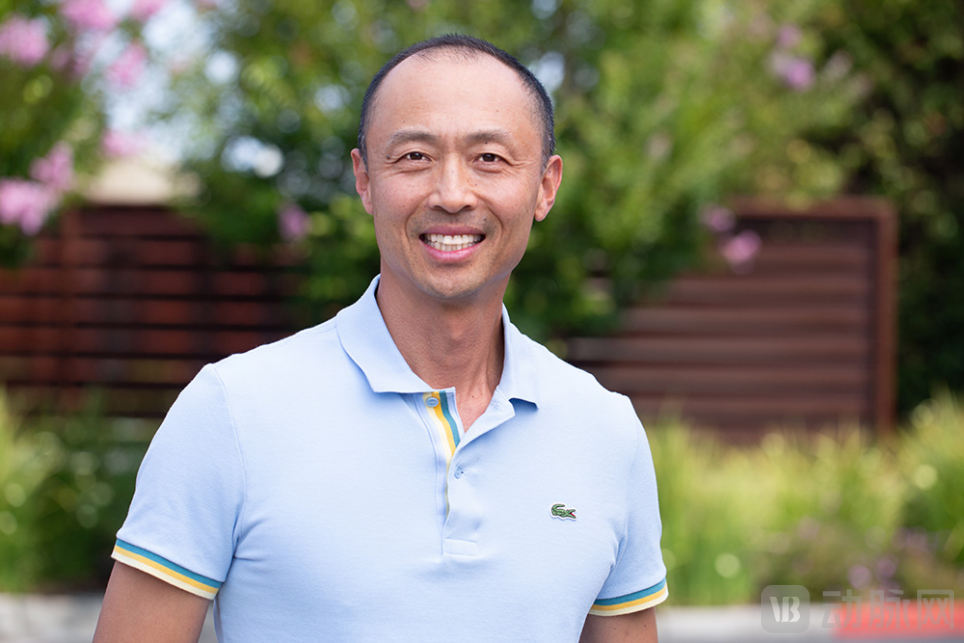
Figure 9. Steve Kim, Partner at The Foundry
At The Foundry,Steve Kim is primarily responsible for driving the formation and incubation of new projects, as well as providing early-stage operational support to portfolio companies.He is a co-founder of three portfolio companies under The Foundry: Miramar Labs, Foundry Therapeutics 2, and Foundry Endovascular.
He is not only experienced in corporate operations and management, but also, together with Hanson, serves as The Foundry’s subject-matter expert for evaluating innovative technologies. Steve is the inventor of more than 150 issued patents, holding a Bachelor of Science degree in Mechanical Engineering from the California Institute of Technology and a Master of Science degree in Mechanical Engineering from Stanford University.
We have also reviewed Steve’s impressive professional career: Initially, Steve began his career at AnueRx (acquired by Medtronic), where he was a key member of the founding team developing groundbreaking endovascular stent grafts for the treatment of abdominal aortic aneurysms. Later, Steve joined TransVascular (also acquired by Medtronic) as the company’s R&D Project Manager, where he contributed to the development of catheter-based tools and implants designed to create in situ vascular bypasses for addressing various vascular conditions.
Later, Steve joined Vivant Medical (acquired by Tyco Healthcare in 2005 and now part of Medtronic), where he rose from Vice President of R&D to General Manager. During his tenure, he participated in the development of the company’s first microwave ablation device for the treatment of solid tumors.
In 2006, Steve co-founded Miramar Labs (a portfolio company of The Foundry, later acquired by Sientra) and served as its Chief Technology Officer. He was the primary inventor of miraDry, Miramar Labs’ flagship product—the world’s first and only non-invasive device-based treatment for axillary hyperhidrosis and bromhidrosis. Prior to the acquisition of Miramar Labs, Steve led the development of miraDry from proof-of-concept through multiple clinical trials and supported the product’s global regulatory approval process. Steve is also a co-founder of Claria Medical and serves on its board of directors.
It is evident that the partners at The Foundry boast impressive backgrounds and have each achieved excellence in their respective fields. It is precisely this professionalism, combined with the complementary expertise of its members, that enables The Foundry team to deliver peak performance.
It is hoped that this brief analysis of The Foundry will offer some insights to friends in China’s venture capital and startup community.
The content related to the Symplicity renal denervation system in this article is derived from Professor Wang Jie’s previous interviews.