

Selecta Biosciences Files for IPO: Pioneering ImmTOR Platform to Overcome Immunogenicity in Biologic and Gene Therapies

Selecta Biosciences
First-Generation Nanoparticle Immune Modulation Drug Developer
Immunogenicity is the ability of a substance to elicit an antigen-specific immune response, enabling the immune system to protect the body from pathogenic pathogens and other harmful substances. However, immunogenicity can also lead to undesirable immune responses. During biologic therapy, the formation of anti-drug antibodies (ADA) can neutralize the activity of biologic drugs, alter their pharmacokinetics and biodistribution, trigger hypersensitivity reactions, and even pose life-threatening risks.
Combining biologic therapy with ImmTOR allows for the direct benefits of biologics—namely, avoiding unwanted immune responses—while also extending the duration of patient treatment.
A physician-scientist, serial entrepreneur, company founder, organization builder, executive, and board director, with a career spanning multiple companies and sectors, he has authored more than 160 papers (>46,500 citations) and is the inventor on more than 200 issued and pending patents. This legendary figure is Omid Farokhzad, founder of Selecta Biosciences.
Previously, Dr. Farokhzad was a professor at Harvard Medical School and led the Center for Nanomedicine at Brigham and Women’s Hospital. In 2018, he was elected as a Fellow of the National Academy of Inventors. He is also a recipient of the 2016 Ellis Island Medal of Honor and the 2014 Golden Door Award from the New England International Institute, in recognition of his scientific, social, and economic contributions to the United States as an immigrant.
Dr. Farokhzad is also the founder of five different companies, having established Selecta Biosciences, Bind Biosciences (whose assets were sold after bankruptcy), BIND Therapeutics (acquired by Pfizer), Tarveda Therapeutics, and Seer.
Dr. Farokhzad’s career has been extensive and far-reaching, allowing him to accumulate substantial business experience. Yet he has not abandoned scientific research; although he continues to serve as a core scientific advisor to these companies, he has chosen to remain at the forefront of scientific inquiry.
Dr. Farokhzad and his team of scientists have developed countless nanotechnologies for medical applications. During the nine years since the establishment of the Laboratory for Nanomedicine and Biomaterials at Harvard Medical School, Dr. Farokhzad’s research has laid the foundation for three biotechnology startups, including Selecta Biosciences, all of which are exploring ways to commercialize the latest advances in nanomaterials and nanoscience achieved at the Farokhzad Lab at Harvard Medical School.
Selecta Biosciences (hereinafter referred to as “Selecta”), founded in 2008 and headquartered in Massachusetts, is a biopharmaceutical company developing nanoparticle-based immunomodulatory therapeutics for the treatment and prevention of human diseases. The company’s proprietary product platform technology integrates recent advances in immunobiology with cutting-edge nanotechnology to develop targeted immunomodulatory nanoparticles.
It is reported that Selecta has raised $281.6 million across multiple financing rounds, boasts over a decade of pioneering experience in immune tolerance, and has successfully overcome immunogenicity through its groundbreaking ImmTOR platform.
Selecta is leveraging ImmTOR’s ability to induce tolerance to highly immunogenic molecules to enhance the efficacy of biologics.
Selecta’s proprietary ImmTOR immune tolerance platform combines nanoparticle technology with FDA-approved anti-inflammatory and immunomodulatory drugs, aiming to induce antigen-specific immune tolerance when the drug is co-administered with an antigen, thereby mitigating unwanted immune responses.

ImmTOR aims to target rapamycin to immune cells via nanoparticle technology, thereby inducing antigen-specific immune tolerance. This technology has been clinically proven as an effective delivery system. Upon administration to patients, ImmTOR nanoparticles are filtered by the lymph nodes, spleen, and liver, allowing the remaining rapamycin to be taken up by antigen-presenting cells (APCs), such as dendritic cells (DCs)—a type of APC capable of triggering both immunogenic and tolerogenic T-cell responses. ImmTOR promotes the induction of tolerogenic DCs, which in turn activate antigen-specific regulatory T cells to suppress immune responses against the antigen.
We can understand it more concisely as “ImmTOR + antigen = tolerance.”
Selecta is leveraging this approach to induce immune tolerance to enzymes, viral vectors, and self-antigens, thereby allowing these enzymes, viral vectors, and self-antigens to evade being “wanted” by the immune system.
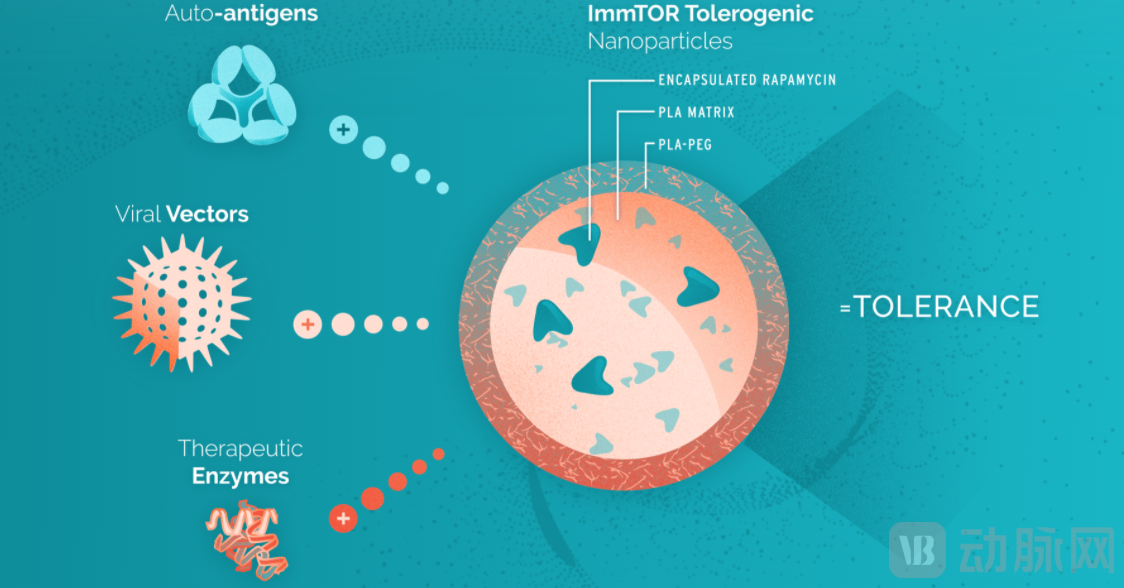
ImmTOR’s induction of drug tolerance has been successfully replicated across multiple independent laboratories using a range of biologics and immunogenic antigens, validating the platform’s ability to mitigate anti-drug antibodies. This research has been published in several high-impact, peer-reviewed journals, including Nature Nanotechnology, Nature Communications, and Proceedings of the National Academy of Sciences (PNAS).
The ImmTOR platform can specifically reduce unwanted immunogenicity and enhance the efficacy of biologic therapies.
Enzyme Therapy Powered by ImmTOR
Enzyme therapy involves the targeted supplementation of various enzymes, leveraging their specific properties to restore patients' immune function and to prevent and treat diseases.ImmTOR-Powered Enzyme Therapy: Unleashing the Full Potential of Enzyme Replacement by Mitigating Unwanted Immune Responses
For many patients requiring biologic or enzyme therapies, the development of an immune response to the drug concurrently leads to drug resistance, often forcing patients to discontinue treatment.When ImmTOR is used in combination with enzyme therapy, it improves patients' immune response to the treatment, enabling them to maintain therapeutic responsiveness and sustain treatment for a longer duration.
Chronic refractory gout is a severe form of inflammatory arthritis, characterized by intense inflammation, debilitating pain, and the formation of tophi. The vast majority of patients develop an immune response to current standard treatments, necessitating discontinuation of therapy after a period of time. There is an urgent need for these patients to have access to novel, more sustainable treatment options.
SEL-212 is Selecta’s Phase 3 clinical candidate for the treatment of chronic refractory gout. SEL-212 consists of co-administration of ImmTOR and pegadricase (a highly immunogenic enzyme). When administered alone, pegadricase can lower serum uric acid levels in patients with chronic refractory gout but triggers an immune response that counteracts therapy. Co-administration of ImmTOR with pegadricase mitigates this immune response. Most importantly, ImmTOR significantly reduces the formation of anti-drug antibodies (ADA), demonstrating its potential to induce tolerance to therapeutic highly immunogenic enzymes.
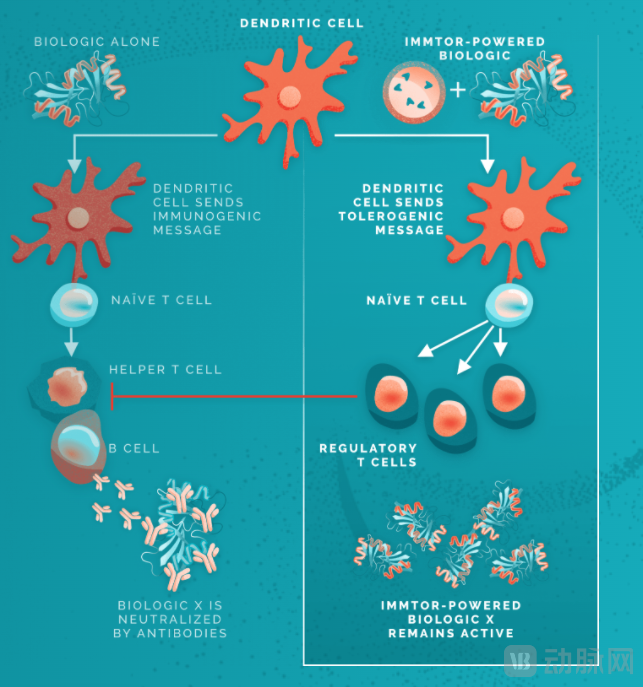
Clinical trials have also demonstrated that SEL-212 is not only effective but also well-tolerated. Results from a Phase 2 trial indicated that ImmTOR mitigated the immune response to pegadricase, enabling monthly dosing and sustained reduction of serum uric acid (SUA) levels, with 66% of patients completing the 20-week trial while maintaining SUA levels below 6 mg/dL.
Building on the success of SEL-212, it is evident that ImmTOR holds significant potential to reduce the immune response to immunogenic compounds when co-administered with enzyme therapies.
The clinical success of SEL-212 has laid a solid foundation for Selecta’s pipeline of ImmTOR-driven tolerance therapies.
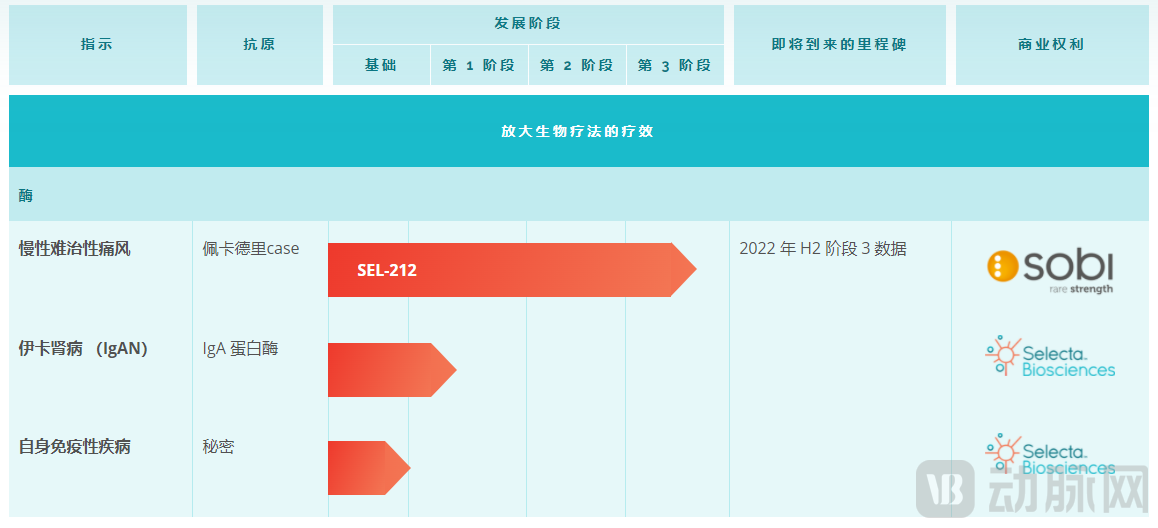
SEL-212 is currently being evaluated for efficacy and safety in a Phase 3 clinical trial conducted by Sobi under license from Selecta. The trial comprises two double-blind, placebo-controlled studies: DISSOLVE I and DISSOLVE II. DISSOLVE I will assess serum uric acid levels at 6 months of treatment, with a 6-month extension period to evaluate safety. DISSOLVE II will assess serum uric acid levels at 6 months.
In addition, Selecta is developing a candidate drug for the treatment of IgA nephropathy by combining ImmTOR with immunoglobulin A (IgA) protease to remove IgA deposits in the kidneys and improve markers of renal insufficiency. Preclinical studies have shown that treatment with IgA protease can clear glomerular IgA1 deposits as well as associated inflammation and hematuria. The IND for IgA nephropathy is expected to be submitted by the end of 2021.
Combining ImmTOR with Gene Therapy to Overcome the Challenge of Repeated Dosing
Although gene therapy has become relatively mature, Selecta is still striving to make gene therapies safer and more durable. Gene therapy has traditionally been conceptualized as a one-time, curative treatment. However, studies suggest that follow-up booster treatments may be necessary several years after the initial therapy.
In gene therapy, adeno-associated virus (AAV) vectors are commonly used to deliver functional genes into patients. However, as AAV vectors are non-replicating, transgene expression wanes over time. This is particularly relevant in pediatric patients, who are likely to require re-dosing. Furthermore, the administration of AAV vectors induces the formation of neutralizing antibodies (NABs) in the body, leading to potentially dangerous immune responses upon second or third administrations, thereby posing a significant challenge to repeat dosing.
Surprisingly, Selecta discovered that the combination of AAV vectors and ImmTOR can enhance the expression levels of the target gene, thereby allowing for a reduced dosage while maintaining therapeutic efficacy.
In addition, Selecta has been dedicated to researching therapies that enable repeated dosing. Preclinical data demonstrate that co-administration of ImmTOR with AAV8 induces AAV-specific immune tolerance. Mice receiving ImmTOR in combination with AAV8 did not produce anti-AAV8 specific antibodies; in contrast, mice administered empty nanoparticles alongside AAV8 exhibited a significant immune response upon re-exposure to AAV8.
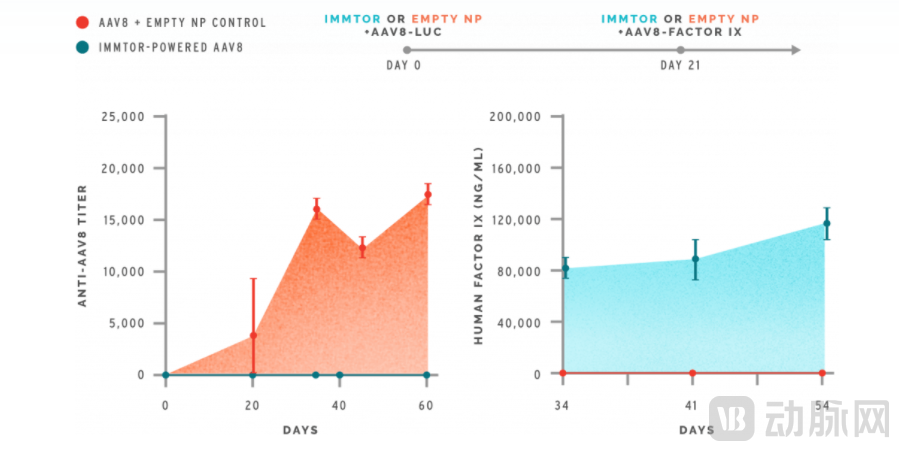
When challenged with a different AAV vector (AAV5), mice treated with AAV8 + ImmTOR did indeed generate AAV-specific neutralizing antibodies in their immune response, indicating that ImmTOR induces antigen-specific immune tolerance rather than broad immunosuppression.
This indicates that ImmTOR can induce adeno-associated virus (AAV) vector-specific immune tolerance, reduce the severity of the body’s immune response to AAV gene therapy, and potentially enable repeated dosing.
Currently, although Selecta’s approach of combining ImmTOR with gene therapy is still in the exploratory stage, multiple drug candidates have already entered or are planned to enter clinical trials for the treatment of various conditions.
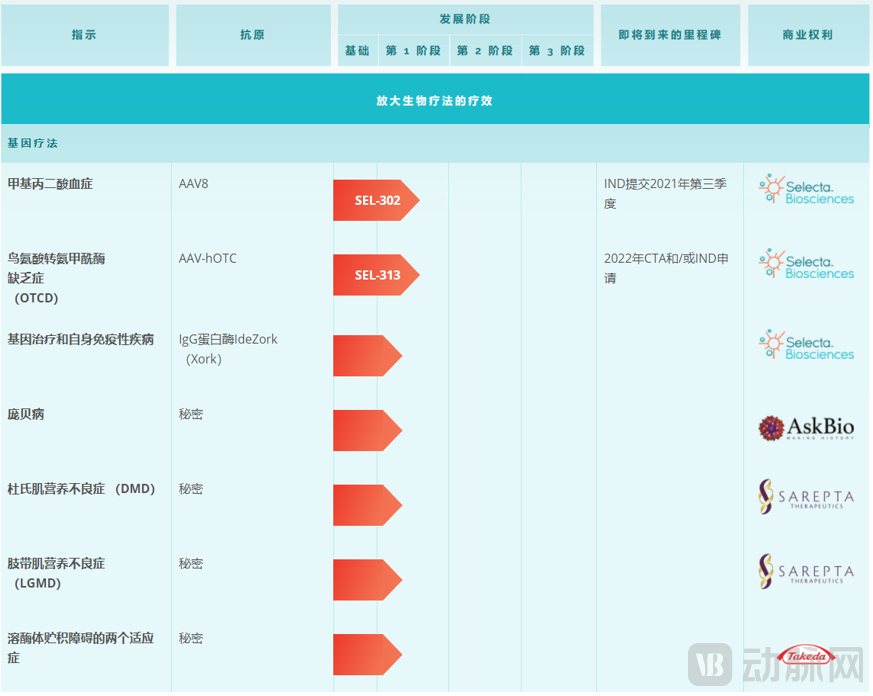
SEL-313, a wholly owned asset of Selecta for the treatment of ornithine transcarbamylase deficiency (OTCD), was expected to enter clinical trials in 2022. MMA-101, Selecta’s first ImmTOR+ gene therapy candidate for methylmalonic acidemia (MMA), is currently under development and is poised to enter clinical trials.
Selecta’s preclinical development pipeline also includes Pompe disease (in collaboration with AskBio), Duchenne muscular dystrophy (DMD), and limb-girdle muscular dystrophy (both in collaboration with Sarepta). Throughout the drug development process, Selecta has partnered with leading gene therapy companies, including AskBio and Sarepta Therapeutics, to evaluate the potential of combining ImmTOR with AAV gene therapies.
ImmTOR Combined with Nanoparticles for Autoimmune Therapy
The current standard of care for autoimmune diseases is broad systemic immunosuppression, which carries certain side effects that predispose patients to severe infections or malignancies. There is a significant unmet need in the market for antigen-specific therapies that can induce immune tolerance without requiring systemic immunosuppression.
Selecta’s approach to treating autoimmune diseases involves the co-administration of ImmTOR with nanoparticles encapsulating self-antigens, aiming to restore the body’s natural self-tolerance and avoid the need for systemic immunosuppression.
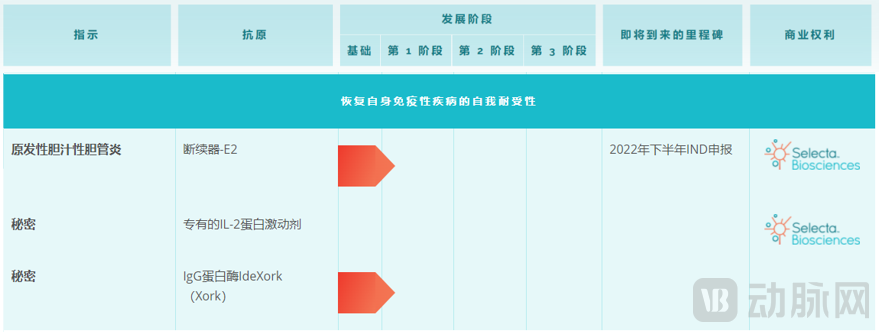
Primary Biliary Cholangitis (PBC) is an autoimmune disease classified as an antigen-driven T-cell-mediated liver disorder, in which the immune system mistakenly attacks tissues within the liver, damaging the bile ductules. Conventional pharmacotherapies can only slow the progression of PBC and prevent its complications; patients ultimately require liver transplantation when the disease becomes refractory to medical management.
To address this autoimmune disease, Selecta combines ImmTOR with PDC-E2 (an autoantigen associated with PBC). The PDC-E2 antigen is encapsulated in nanoparticles to minimize its impact on the patient’s systemic immune system. Co-administration of ImmTOR and PDC-E2 restores immune tolerance in the liver, directly targeting the underlying cause of the disease. Furthermore, ImmTOR has demonstrated hepatoprotective properties in liver injury models, underscoring its unique potential for treating liver-specific conditions such as PBC.
To maximize the value of its ImmTOR platform, Selecta has entered into strategic transactions with multiple leading biopharmaceutical companies.
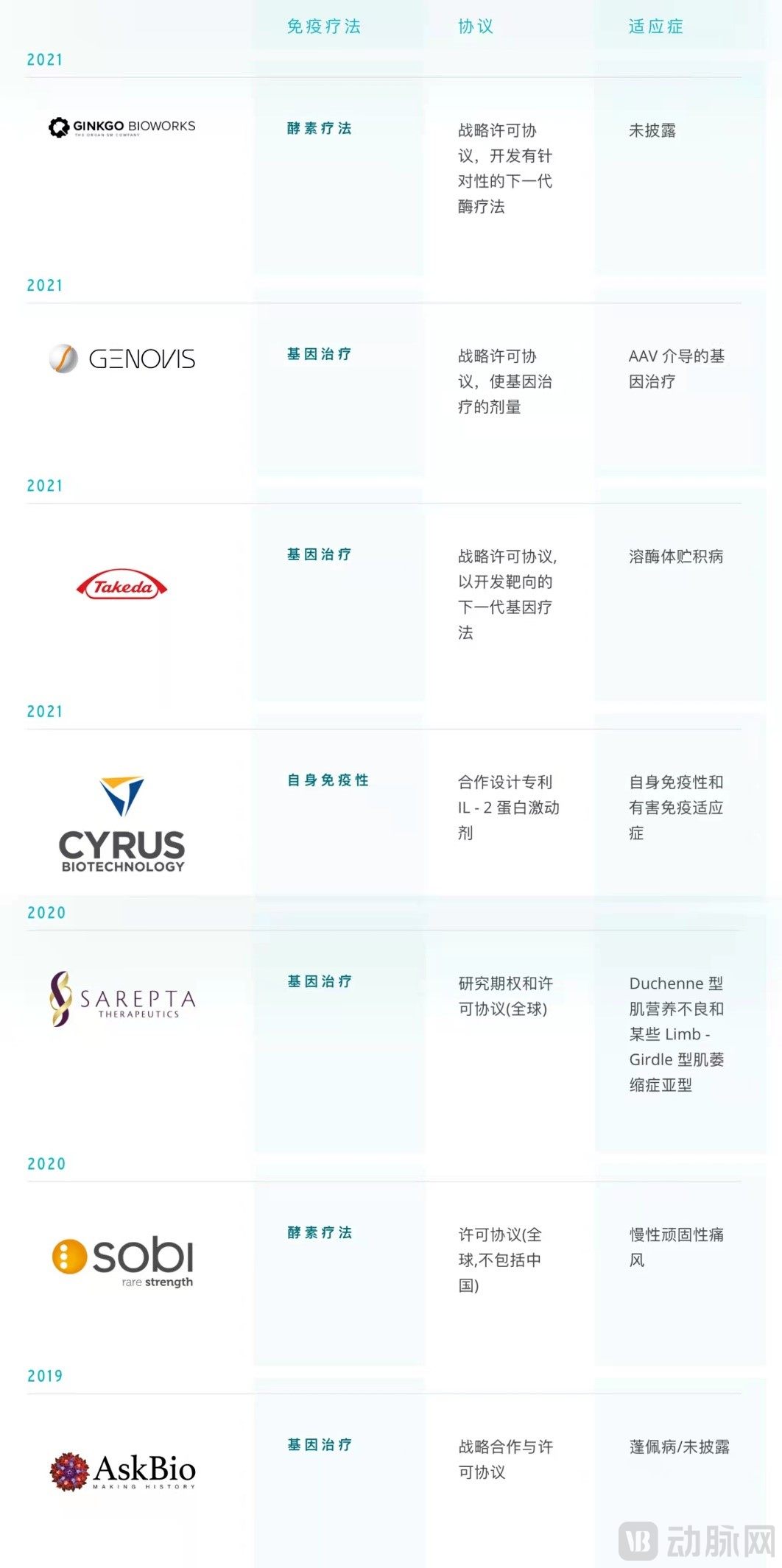
While advancing its corporate projects, the broad applicability of the ImmTOR platform enables Selecta to address immunogenicity issues across a range of indications and in combination with various therapeutic modalities. Therefore, Selecta believes that the optimal approach to leveraging the ImmTOR platform to benefit the greatest number of patients is through strategic partnerships, research collaborations, and licensing arrangements.
Selecta Biosciences’ candidate drug for chronic refractory gout, SEL-212, was out-licensed to Sobi in mid-2020 and is currently being developed and commercialized through this out-licensing partnership. Under the terms of the license agreement, Sobi is responsible for the development, regulatory, and commercial activities for SEL-212 in all markets outside of China.
In January 2022, Selecta and Ginkgo Bioworks announced a collaboration to develop next-generation gene therapy viral capsids, leveraging Ginkgo’s high-throughput screening and cell engineering capabilities alongside Selecta’s ImmTOR platform to advance gene therapy delivery by improving transduction, enhancing tissue tropism, and reducing immunogenicity. This partnership capitalizes on the unique platforms of both companies. Ginkgo will design the capsids, while Selecta will conduct all subsequent preclinical and clinical studies.
Selecta Announces Strategic License Agreement with Takeda to Develop Next-Generation Gene Therapies for Two Indications in Lysosomal Storage Disorders, Leveraging Selecta’s Proprietary ImmTOR Immune Tolerance Platform to Enable Repeat Dosing. Under the terms of the agreement, Selecta is entitled to an undisclosed upfront payment during the collaboration period and up to $1.124 billion in future additional payments, as well as tiered royalties on future commercial sales.