

Cygnal Therapeutics IPO Prospectus: Pioneering Exoneural Therapies to Transform Cancer and Inflammatory Disease Treatment

Cygnal Therapeutics
Pharmaceutical R&D Developer
Although scientists have been aware of the existence of the peripheral nervous system for nearly 200 years, its role in disease has long remained an unsolved mystery. It was not until recent years, with the advent of advanced imaging technologies, that researchers were able to investigate how the peripheral nervous system interacts with malignant tumors, truly ushering in a new era of research into the peripheral nervous system.
Previous studies have shown that the peripheral nervous system is active in both health and disease. Thus, new questions arise:
Are peripheral nerves independent biological agents, rather than merely signal transmission conduits for the central nervous system? Do critical neural signals in disease originate from the peripheral nervous system rather than the brain? What if peripheral nerves are not just conduits for relaying commands from the central nervous system, but independent biological participants, or even decision-makers?
Dr. Noubar Afeyan, CEO of Flagship Pioneering and co-founder of Cygnal, stated that various questions have forged a “profound and powerful connection” between nerves and their role in disease, highlighting the immense potential behind this field. This was a key factor motivating Noubar Afeyan, Avak Kahvejian, and Jordi Mata Fink of Flagship to launch Cygnal Therapeutics.
Incubated by Flagship Pioneering in 2017, Cygnal Therapeutics is a company that has established a platform for the research and development of drugs in specialized biological fields. Since its inception, it has focused on developing therapies for cancer and inflammatory diseases based on peripheral neurobiology and the peripheral nervous system (PNS).
It is reported that after appointing Dr. Pearl Huang as CEO in 2019, Cygnal Therapeutics secured $65 million in financing that October, emerging from “stealth mode” into the public eye and being named by C&EN, a publication of the American Chemical Society, as one of the “10 Startups to Watch in 2020.”
Noubar Afeyan, the founding chair of Cygnal Therapeutics, was also the founder of Flagship Pioneering prior to establishing Cygnal. Flagship Pioneering is a venture capital firm that has launched more than 100 science-based companies over the past two decades, with a combined value exceeding $30 billion; Cygnal Therapeutics is one of these ventures.
In addition to Noubar Afeyan, the other two co-founders also hold positions at Flagship Pioneering, and Cygnal’s $65 million financing round was primarily sourced from Flagship Pioneering. It can be said that Cygnal was born out of Flagship Pioneering and has grown along the trajectory of neuroscience.
The functions of the peripheral nervous system extend far beyond the passive transmission of information.
From cancer to intestinal inflammation and other disease areas, the functions of nerves extend far beyond common understanding. Tissues rich in nerve fibers utilize biochemical neural pathways and signals to enable many non-neuronal cells to communicate with or mimic neurons within the disease microenvironment.
The interaction between neurons and cancer cells is bidirectional: cancer cells (in vitro) and tumors (in vivo) have the capacity to promote neuronal sprouting or axonogenesis, while nerves can drive cancer proliferation. Cancer cells can also migrate distally along neural processes. Communication between neurons and immune cells is a key regulator of the immune response, with neurons modulating cytokine expression in macrophages.
Currently, Cygnal has developed multiple detection methods capable of qualitative or quantitative assessment of cancer cell metastasis along neural processes, neuronal sprouting or axonogenesis, neuron contact-dependent factors, and immunomodulatory factors. These methods are used to monitor the occurrence and metastasis of cancer cells or tumors under the influence of the peripheral nervous system, laying the foundation for further development of cancer therapies.
Cygnal Therapeutics’ Extracellular Matrix Platform (EMP) is designed to develop novel therapies for a variety of diseases.EMP has six core components: neuroimaging, co-culture technology, neural cell control, neurofunctional genomics, bioinformatics of neural pathways, and customized neuropharmacology.
Neuroimaging:Cygnal employs a combination of imaging techniques, including light-sheet microscopy, confocal microscopy, and electron microscopy combined with tissue clearing and immunofluorescence, to characterize interactions between neuronal and non-neuronal cells across various disease states, enabling screening through qualitative and quantitative analysis of these morphological features.
Co-culture Technology:Cygnal Therapeutics has refined its co-culture system to investigate interactions between neurons and cancer cells, as well as between neurons and immune cells. By leveraging this co-culture platform to monitor changes in cell growth, migration, and cytokine profiles in target cells, Cygnal is guiding the development of novel therapeutics.
Neural Cell Control:Cygnal Therapeutics has developed and optimized neuroscience tools, applying them to neurons in vitro and in vivo for the manipulation of neuronal function, while investigating these functions in disease models.
Neurofunctional Genomics:Cygnal Therapeutics employs CRISPR screening on a subset of the genome (the “neurogenome”) to identify targets for drug development. By integrating multiple in vitro and in vivo model systems, Cygnal has elucidated the roles of exogenous genes in disease.
Neural Pathway Bioinformatics:Cygnal is investigating neural pathways in human tumor models. By measuring tumor volume and sequencing cellular RNA, Cygnal is developing novel neural signatures. These signatures are being used to probe human tumor samples and model systems, thereby further elucidating the interactions between neurons and the tumor microenvironment.
Customized Neuropsychopharmacology:To date, neuroscience drug discovery efforts have yielded hundreds of small-molecule and macromolecular compounds. Cygnal leverages these compounds to explore neuronal protein function in the context of disease. Cygnal strategically applies these tool molecules to target identification, validation, and research and development processes.
By leveraging these components, Cygnal Therapeutics is able to develop drugs by rapidly identifying key neural pathways associated with a wide range of diseases.
Cygnal Therapeutics utilized EMP to identify multiple targets with unique exonic functions and also discovered several classes of previously uncharacterized peripheral nerve targets, whose associated functions include axon guidance, synaptogenesis, neurotransmission, and membrane potential regulation.
Cygnal Therapeutics has also assembled an interdisciplinary team for EMP.The team comprises seasoned drug researchers who excel in identifying and developing novel therapies, with distinctive expertise in the design and development of both small-molecule and large-molecule therapeutics. Their extensive experience in protein engineering and medicinal chemistry, combined with established capabilities in neuropharmacology, enables Cygnal’s innovative and precise drug design.
Since its spin-out from Flagship Pioneering in late 2019, Cygnal has developed two candidate molecules. One is a small molecule that modulates a target involved in neuronal synapses and plays a role in cancer development; the other is a large molecule that modulates a protein facilitating the migration of neurons into and out of tumors.
By integrating CRISPR screening, bioinformatics, and cell culture technologies, Cygnal Therapeutics has identified potential small-molecule drugs capable of disrupting communication between diseased cells and neurons. The company’s pipeline currently includes three candidate therapies targeting immuno-oncology, oncology, and inflammation.
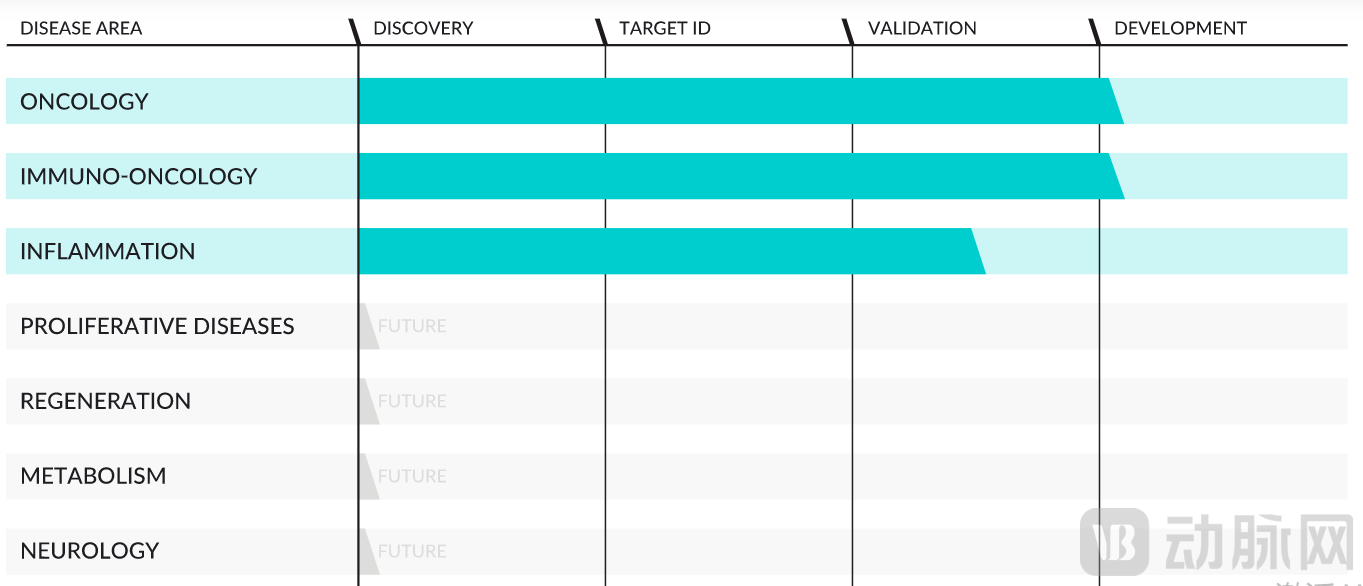
In the tumor microenvironment, neuroimmune signaling serves as the language between immune cells, the nervous system, and cancer cells. Cygnal’s pioneering platform deciphers this language, enabling the development of effective and differentiated cancer immunotherapies that target previously unknown neuroimmune checkpoints and costimulatory pathways.
Cygnal Therapeutics leverages functional genomics, bioinformatics, innovative co-culture systems, and imaging technologies to explore the interactions between tumor cells and the nervous system, thereby developing novel therapeutic approaches.
Chronic inflammation is a state of tissue homeostatic imbalance caused by dysregulated interactions between the nervous and immune systems. Cygnal’s unique insights into the cells and molecules within this neuro-immune axis pave the way for novel therapies.
To date, Cygnal Therapeutics has filed over 40 patents in the fields of cancer and inflammation. Coupled with its robust pipeline of targets, Cygnal is poised to develop a diverse portfolio of exoneural therapeutics across various disease indications.