

How to Address Insomnia Among 300 Million Chinese? Insights from Seven Leading Experts in Beijing, Shanghai, Guangzhou, and Chengdu
How long has it been since you last had a good night's sleep?
In recent years, issues such as difficulty falling asleep, poor sleep quality, and insufficient sleep have become a growing source of psychological distress for an increasing number of people in China. Data showsNearly 300 million people in China currently suffer from poor sleep.
According to the newly released "2022 White Paper on Healthy Sleep of Chinese Citizens," 44% of young people aged 19-25 stay up past midnight, 42% of elderly individuals take more than half an hour to fall asleep, and the insomnia rate reaches as high as 21%. Young adults aged 19-35 are the age group with a high prevalence of sleep problems.Poor Sleep Is Becoming a Common Pain Point Across All Age Groups.
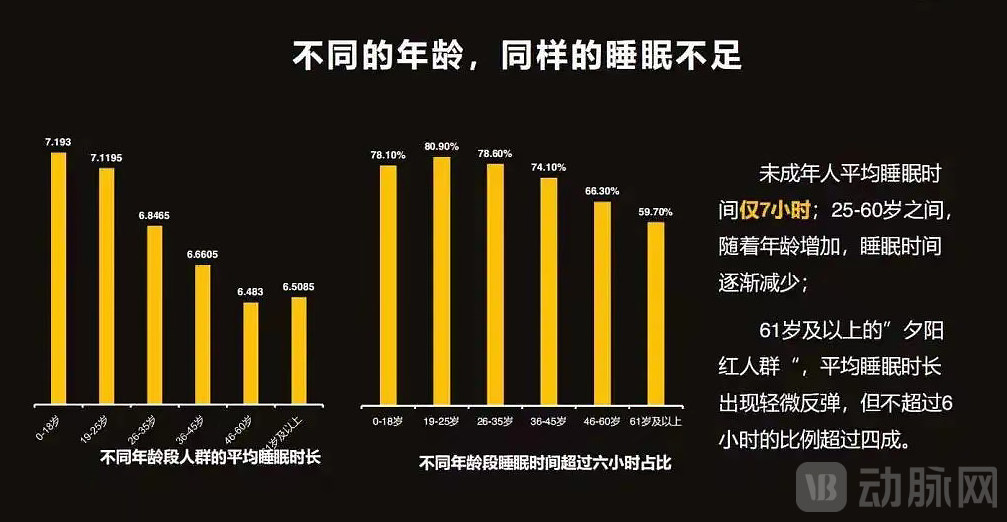
(Image source: "2022 White Paper on Healthy Sleep of Chinese Citizens")
It is important to note that chronic sleep deprivation can induce or increase the risk of cardiovascular and cerebrovascular diseases, depression, diabetes, and obesity, while impairing cognitive, memory, metabolic, and immune functions.Sleep disorders not only trigger and exacerbate various chronic diseases, but are themselves a significant and highly detrimental chronic condition.
What exactly causes sleep disorders? What solutions are currently available in the industry? What are their respective advantages and disadvantages? What is the future evolution trend of the industry? What are the insights and judgments of frontline medical experts? In response to these questions,On the occasion of the 22nd World Sleep Day (March 21), VCBeat held in-depth discussions with seven renowned experts from Beijing, Shanghai, Guangzhou, and Chengdu.
They are as follows:
·Zhang Jihui (Researcher at Guangdong Provincial People's Hospital, Deputy Director of the Sleep Medicine Department, Guangdong Mental Health Center)
· Zhan Shuqin (Director of the Sleep Disorders Clinic and Chief Physician at Xuanwu Hospital, Capital Medical University)
· Lu Zheng (Chief Physician, Professor Level 2, Doctoral/Postdoctoral Supervisor, Department of Psychiatry, Tongji Hospital Affiliated to Tongji University)
· Tang Xiangdong (Level 1 Expert Physician, Sleep Medicine Center, West China Hospital of Sichuan University; Director, Center for Sleep Medicine and Neurobiological Testing)
·Le Weidong (Deputy Director of the Academic Committee, Sichuan Provincial People's Hospital; Director of the Institute of Neurology; Deputy Dean of the School of Medicine, University of Electronic Science and Technology of China)
·Jia Fujun (Director, Institute of Mental Health, Guangdong Provincial People's Hospital)
· Huang Zhili (Chairman of the Chinese Sleep Research Society, Professor at Fudan University)
Zhang Jihui: Clinical Trials for Digital Therapeutics Urgently Need Strengthening
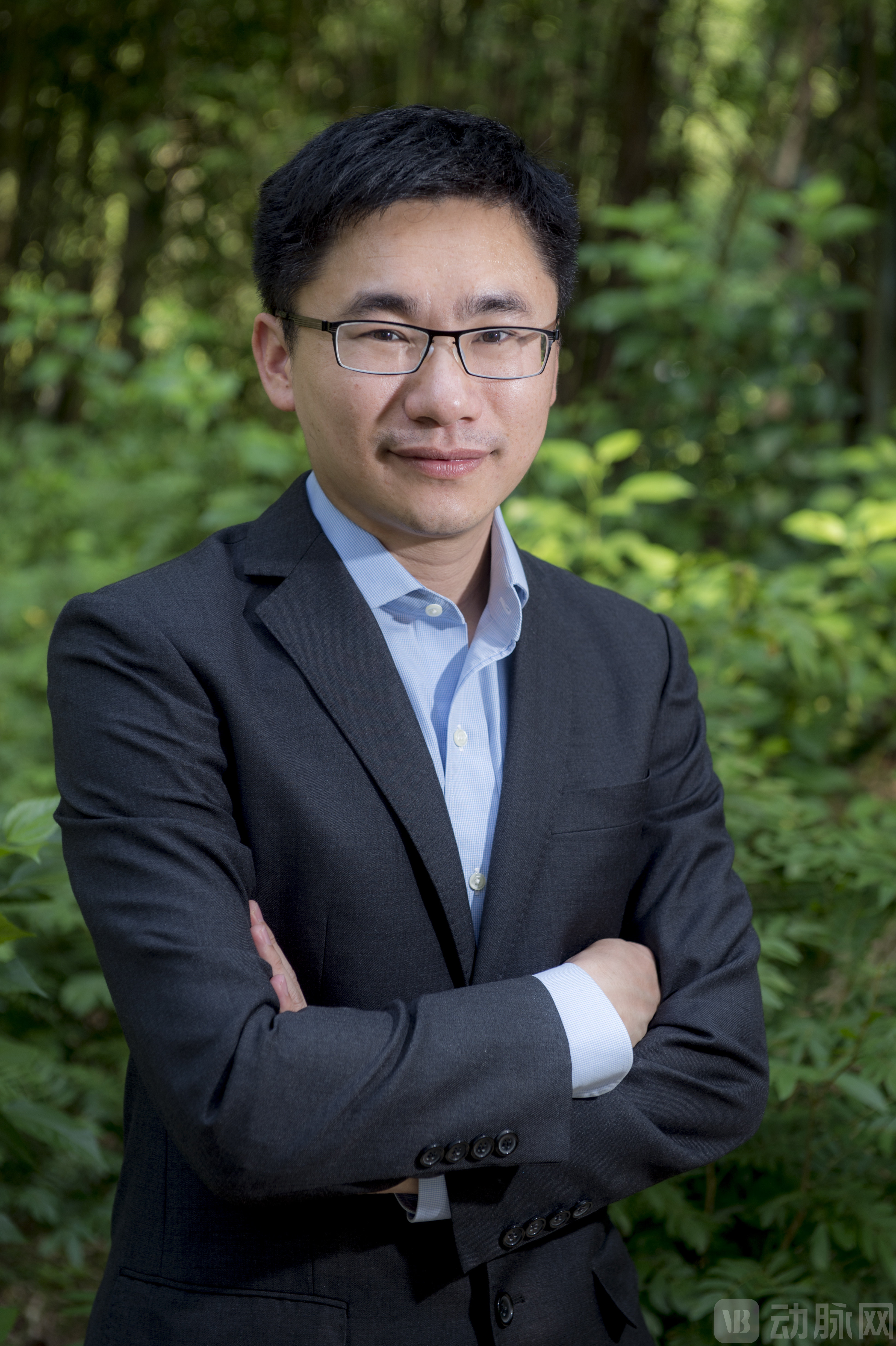
Zhang Jihui, Researcher at Guangdong Provincial People's Hospital and Deputy Director of the Department of Sleep Medicine, Guangdong Mental Health Center
Professor Zhang Jihui, a researcher at Guangdong Provincial People's Hospital, told VCBeat that sleep medicine is flourishing against the backdrop of sleep disorders afflicting a large number of Chinese people.As an emerging interdisciplinary field, sleep medicine represents not only the intersection of various medical disciplines but also the convergence of medicine with engineering, psychology, and big data science.
With the advancement of sleep medicine, researchers have progressively deepened their understanding of sleep regulation in basic research, thereby facilitating progress in the development of diagnostic and therapeutic approaches for various sleep disorders.
Professor Zhang believes that current assessments primarily rely on patients’ subjective experiences, as well as metrics measuring the severity of insomnia or indicators of underlying conditions causing it. For instance, clinicians may use the Insomnia Severity Index (ISI), inquire about sleep efficiency (i.e., the percentage of time spent in bed actually asleep), or assess the patient’s subjective perception of sleep quality.
In the long term, dimensions such as improvement in patients’ mood, restoration of energy, and reduction in fatigue warrant attention. Throughout this process, cognitive behavioral therapy is gaining increasing awareness and attention.
However, at the same time,Since the outbreak of the pandemic, digital therapeutics, represented by cognitive behavioral therapy (CBT), have gained immense popularity within the industry. A surge of enterprises and products has flooded the market, resulting in a highly crowded sector with particularly pronounced homogenization.Therefore, Professor Zhang advises that companies should focus on differentiation.
How is it done? From the perspective of industry evolution, cognitive behavioral therapy (CBT) was initially delivered primarily online, relying mostly on text or audio. Currently, some solutions incorporate animation or combine different modules such as text and audio, with several successful examples already available on the market.
Additionally, some companies are also experimenting with chatbots to improve patient conditions and enhance interactivity, which reflects their efforts at differentiation. Of course, the underlying logic of digital therapeutics is the same across the board, with little significant difference among providers.
It is important to note that most digital therapeutics face the challenge of gaining physician acceptance.
For instance, physicians can prescribe medications without any concerns, because all compliant drugs approved for market have undergone Phase III clinical trials, which have verified their safety, efficacy, and side effect profiles; most drugs are supported by clear data.
Therefore, for digital therapeutics to gain physicians’ confidence in their use, clinical trials must be conducted to demonstrate the product’s safety and efficacy., and provide such data on which patients would benefit more.
Another key objective is to enhance convenience by ensuring the software delivers a superior user experience and is easy for patients to use. After all, clinicians encounter a diverse range of patients, including those who are elderly or have lower levels of education; such users are more likely to accept interfaces that are minimalist and operations that are straightforward.
Next is improving patient adherence, a challenge faced by the vast majority of digital therapeutics interventions. This can be addressed, for example, by enhancing interactivity to engage patients and encourage long-term use.
Professor Zhang concluded with a reminder,The more urgent task for the industry at present is to subtype the clinical manifestations of insomnia to guide precise prevention and treatment, such as using subtypes to direct physicians in selecting appropriate therapeutic interventions and to facilitate the development of more novel treatment regimens.
Zhan Shuqin: Internet Healthcare Brings Significant Opportunities to the Development of Sleep Medicine

Zhan Shuqin, Chief Physician and Director of the Sleep Specialty Department, Xuanwu Hospital, Capital Medical University
According to Zhan Shuqin, Chief Physician of the Department of Neurology at Xuanwu Hospital of Capital Medical University,The development of the Internet has had a significant impact on the entire medical field, creating numerous opportunities for disciplines including sleep medicine.For instance, it enables physicians to transcend geographical barriers and serve a broader patient base, while also facilitating continuous communication between patients and their doctors.
Furthermore, internet healthcare platforms can conduct online condition assessments for patients with insomnia and other groups, eliminating the need for in-person visits and saving time costs.
More significantly,The Internet can, to a certain extent, alleviate the imbalance in medical resource distribution.Because nearly all hospital-based physicians can provide services to their patients via internet healthcare platforms.
Taking the Sleep Center at Xuanwu Hospital of Capital Medical University, where Director Zhan practices, as an example, it has opened its services to patients across China through an internet hospital platform, enabling patients from various regions to conveniently access Director Zhan’s team online and benefit from high-quality medical resources.
Internet healthcare can also assist physicians in academic discipline development.For instance, limited time during in-person consultations may prevent doctors from engaging in sufficiently in-depth discussions with patients. Through internet healthcare platforms, doctors can communicate with patients in detail at any time, facilitating a deeper understanding of the patients’ conditions.
For individuals with sleep disorders, strengthening doctor-patient interaction through internet healthcare platforms can also enhance patient adherence.For example, in internet hospitals, patients actively communicate with Director Zhan through this center for treatment and follow-up. In practice, patient engagement has been high.
According to Director Zhan, when renowned expert teams from various fields engage in real-time online communication with patients and promptly address their questions and concerns, it significantly enhances patient adherence, ultimately improves diagnostic and therapeutic outcomes, and fosters a high level of trust.
On internet platforms, doctors can also provide disease-related knowledge and information on the diagnosis and treatment processes that patients need to understand when seeking medical care., and informing patients of the latest correct diagnostic and treatment guidelines, to prevent patients from being misled by false information provided by criminals, which could lead to financial losses.
Healthcare delivery is a knowledge-intensive and complex endeavor. Physicians, who see a large volume of patients daily, often lack the time to engage in thorough communication with each individual. By leveraging internet platforms, they can systematically organize and standardize common issues encountered in routine clinical practice, transforming them into popular science articles or videos for public education. This approach has significantly enhanced their overall work efficiency.For physicians,With the platform’s technical services and operational support, healthcare providers need only deliver medical services or expertise to offer patients more continuous and high-quality care.
Additionally, the platform can monitor actual therapeutic efficacy. This is because online regular scale assessments and patient feedback enable continuous documentation of patients’ conditions and changes. In cases of suboptimal treatment outcomes, patients can communicate directly with physicians in real time to obtain recommendations for improvement.
Finally, through internet-based healthcare, physicians can also accumulate extensive clinical big data to support scientific research, thereby achieving a win-win-win outcome for doctors, patients, and platforms.
Lu Zheng: There Is an Urgent Need for New Concepts, Technologies, and Therapies in the Prevention and Treatment of Sleep Disorders

Lu Zheng, Chief Physician, Grade II Professor, and Doctoral/Postdoctoral Supervisor, Department of Psychiatry, Tongji Hospital Affiliated to Tongji University
Amid the growing trend of sleep disorders affecting an increasing number of people, there remain many misconceptions among the general public regarding insomnia. In response to this, Professor Lu Zheng, a Tier-2 Professor at Tongji University and Director of the Teaching and Research Section, told VCBeat thatWhenThe prevention and treatment of sleep disorders should focus on three aspects.
First, high-quality science communication is needed to disseminate professional knowledge to the public, identify the causes of insomnia, correct misconceptions, and standardize sleep hygiene practices. For severe insomnia and refractory sleep disorders, scientific assessments should be conducted and effective interventions proposed.
Second, it is essential to identify the underlying causes of insomnia. Specifically, factors affecting sleep can be understood and explored from three dimensions: biological, psychological, and social. In particular, negative emotions, stress, and somatic diseases can all lead to insomnia.
Third, select appropriate intervention methods. Comprehensive interventions can be implemented through psychological, behavioral, and cognitive approaches, as well as pharmacological, physical, and rehabilitative therapies, a strategy emphasized in both domestic and international guidelines.
Director Lu stated that national-level and provincial/municipal professional organizations, including the Chinese Medical Association, the Chinese Medical Doctor Association, and the Chinese Sleep Research Society, are allActively promoting the development of sleep medicine has brought significant opportunities to the industry.For instance, many hospitals are preparing to launch specialized clinics for sleep disorders, and some even plan to establish departments (or centers) of sleep medicine.
Many Issues Remain in the Development of Sleep Medicine. For instance, the number of specialized sleep clinics remains relatively low, with most concentrated in major cities such as Beijing, Shanghai, and Guangzhou. There is a need to increase the number of professionals, strengthen training efforts, and expand the number of participating institutions. Therefore, it is essential to conduct proactive public awareness campaigns and guidance across society during key periods such as World Sleep Day, with particular emphasis on engaging leadership within healthcare institutions.
Additionally,Currently, research in sleep medicine within the industry remains insufficient, with only a handful of institutions in China adhering to standardized practices, which constitutes a significant challenge facing the sector.
Talent development is crucial to the advancement of sleep medicine. In this regard, Professor Lu believes that efforts must begin within healthcare institutions, with particular emphasis on strengthening the role of university-affiliated hospitals in talent cultivation by expanding and deepening initiatives across medical practice, education, research, disease prevention, and rehabilitation.
Regarding the current solutions for insomnia in the treatment landscape, Director Lu expressed optimism about certain new therapies and approaches.For instance, in addition to pharmacological and psychological interventions, the Suimian system, which is centered on magnetic field-based physical interference technology, represents a relatively novel and practical solution that serves as an excellent complement to traditional approaches involving medication and psychotherapy.
First, pharmacotherapy remains the primary clinical treatment for insomnia; however, medications fall far short of meeting the actual demand. The Sumian System effectively addresses this gap by offering a non-pharmacological, non-invasive intervention with minimal side effects and higher patient compliance.
Second, research data indicate that the Sumian system, empowered by artificial intelligence and telemedicine, delivers high overall efficiency and strong convenience.
Third, it features personalization and precision. Specifically, patient status within the Sumian system can be monitored via the backend platform, enabling targeted guidance and data-driven surveillance. From the perspective of clinical treatment guidelines, the Sumian system serves as an important adjunct to comprehensive and individualized therapeutic principles.
However, it is important to note that sleep medicine still faces many pain points in clinical assessment, diagnosis, and treatment.
For instance, regarding assessment-based interventions, many medical institutions and clinics still exhibit significant deficiencies in their implementation of clinical practice guidelines. Although the "Chinese Guidelines for the Prevention and Treatment of Insomnia" have been issued, there remain shortcomings in the interpretation of these guidelines and their promotion and application in clinical practice.
Regarding the future development of sleep medicine, Professor Lu put forward three expectations:
First, we hope to establish relatively standardized clinical pathways and updated guidelines that can be continuously revised in the future, thereby enabling healthcare professionals (primarily those in psychiatry and psychology) to gain a comprehensive and scientific understanding of the developments in sleep medicine and their clinical applications.
Second, there should be targeted assessment systems and diagnostic and treatment guidelines for different populations, such as the general public, individuals with mental disorders, children and adolescents, women, and the elderly.
Third, in the realm of industry-academia-research collaboration, we hope to see more extensive and closer partnerships. For instance, university R&D institutions, hospital patient populations (databases), and corporate support can all be thoroughly discussed, collaborated on, and exchanged across this value chain.
Tang Xiangdong: CBTI Achieves a 70–80% Success Rate, Warranting Continued Industry Exploration
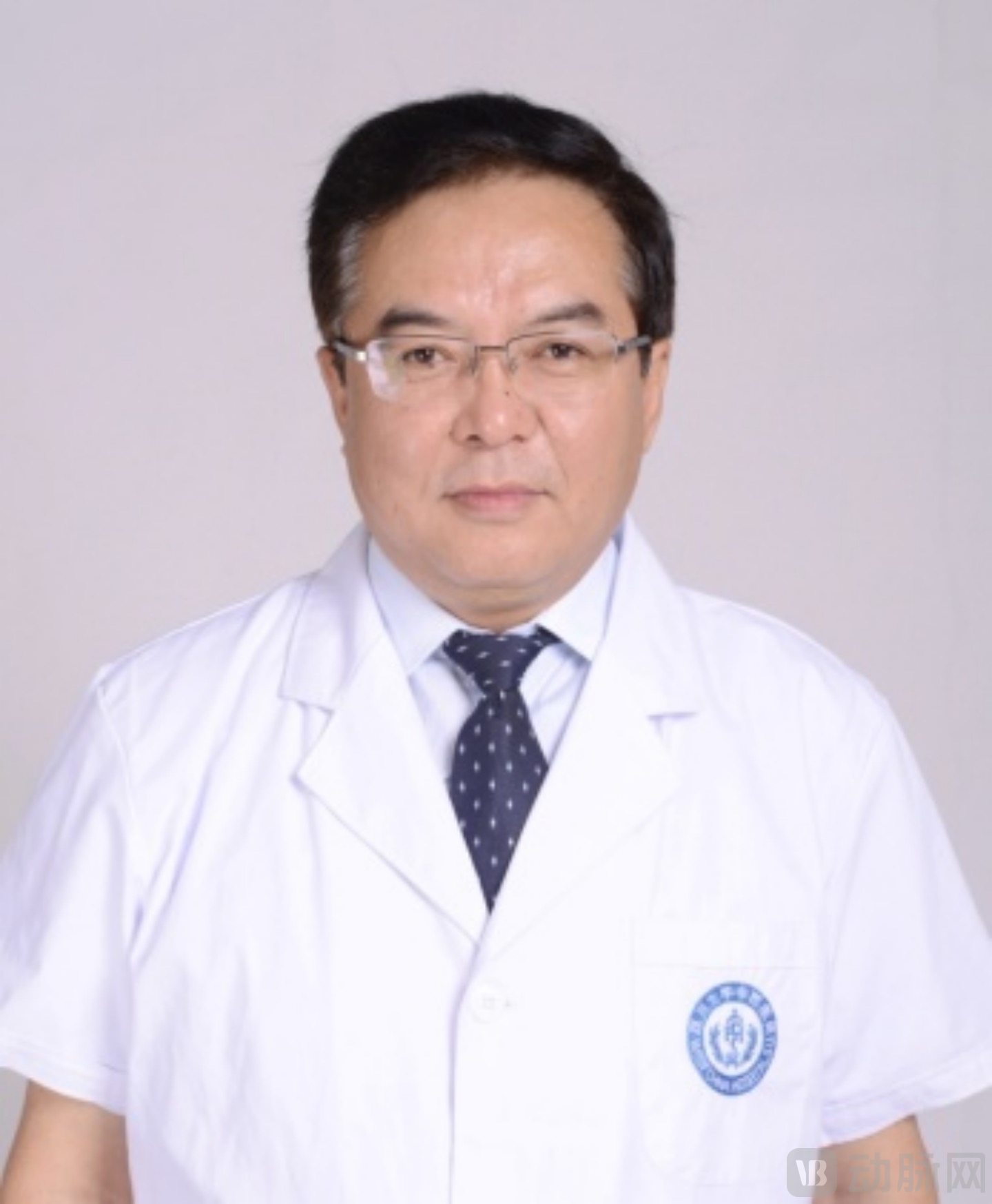
Tang Xiangdong, First-Class Expert Physician at the Sleep Medicine Center, West China Hospital, Sichuan University; Director of the Center for Sleep Medicine and Neurobiological Detection
Tang Xiangdong, a Tier-1 expert physician at the Sleep Medicine Center of West China Hospital, Sichuan University, and Director of the Center for Sleep Medicine and Neurobiological Testing, has made numerous observations regarding new technologies and therapies for sleep disorders. He noted that CBT-I treatment is gradually becoming more widespread.
Based on surveys of diverse populations worldwide,CBT-I demonstrates long-term efficacy lasting more than two years, with a treatment success rate of 70–80%.However, the drawback of CBTI is that it requires face-to-face consultations, necessitating weekly hospital visits by patients. Furthermore, the limited availability of physicians results in low overall efficiency of offline diagnosis and treatment.
The emergence of digital CBT-I, coupled with the widespread adoption of WeChat, has made it easy for nearly everyone under the age of 70 to access these services by downloading mobile apps. Therefore, Professor Tang stated,Digital behavioral therapy has become one of the most suitable treatment options for sleep disorders and should be actively explored.
Taking the Sumian CBTI management system as an example, this platform is highly convenient and offers patients a comprehensive range of features and content. In terms of efficiency, it takes approximately 15 minutes to complete the basic management process for one patient, enabling a single physician to serve 15 new patients each morning.
Certainly,Any single treatment modality has its limitations in medicine, so it is necessary to make judgments based on the patient's specific condition.. For instance, careful consideration is required when selecting more accurate and targeted treatment plans for different patients.
"Especially during online consultations, efforts should be made to identify potential patients with severe depression."For instance, in patients with severe depression, pharmacotherapy generally yields favorable outcomes, and electroconvulsive therapy is also an available option. If CBT-I is used exclusively to address sleep disturbances in this patient population without identifying the underlying severe mood disorders, the patient’s best interests may be compromised.
Furthermore, how to educate the vast population of individuals with sleep disorders about existing treatment options, enhance the effectiveness of public awareness campaigns, and enable more people to benefit from these treatments is another key area requiring breakthroughs.
Le Weidong: The Development of Brain Science Holds Significant Importance for the Treatment of Sleep Disorders

Le Weidong, Deputy Director of the Academic Committee of Sichuan Provincial People's Hospital, Director of the Institute of Neurology, and Vice Dean of the School of Medicine, University of Electronic Science and Technology of China
Professor Le Weidong, Deputy Director of the Academic Committee of Sichuan Provincial People’s Hospital, Director of the Institute of Neurology, and Deputy Dean of the School of Medicine at the University of Electronic Science and Technology of China, stated that,In the field of brain science, new technologies targeting insomnia are emerging, such as electrical brain stimulation and magnetic therapy.This progress is underpinned by advances in brain science research.
Previously, it was only known that electroencephalographic (EEG) activity changes during sleep; it has now been discovered that these changes are regulated by the sleep center. These findings are beneficial for developing more precise targeted therapies and modulating the sleep center in the future. Furthermore, non-pharmacological approaches to sleep regulation, including physical, chemical, optical, and dry brain cell-based methods, have also proven helpful.
Professor Le introduced,Research on Improving Sleep Disorders Through Sleep Modulation Is One of the Key Topics in Brain Science.Within this framework, the integration of neurobiology, neuropharmacology, psychology, pathology, physiology, and neurology holds broad prospects for research into the treatment of sleep disorders.
Regarding the application of new technologies, Professor Le stated that high-quality products should have broader usage scenarios. For instance, the Sumian Pulsed Magnetic Therapy System, developed by Sumian using pulsed magnetic targeting technology, features a high level of technical sophistication and notable innovation. It is suitable for both home and hospital use, offering a wide range of applications.
In addition, the Sumian Pulsed Magnetic Therapy System can modulate brain activity through pulsed magnetic targeting technology. It not only improves sleep but may also regulate certain brain functions, offering relatively long-lasting therapeutic effects with comparatively mild side effects. Professor Le hopes to conduct follow-up studies using this device to observe its long-term efficacy.
Faced with the growing number of new products and technologies on the market, Professor Le believesFrom a physician’s perspective, the quality of a product is judged by its therapeutic efficacy, with an emphasis on long-term outcomes rather than short-term effects.For the treatment of sleep disorders, medication is undoubtedly the most rapid-acting option; however, long-term use can have adverse effects on the brain, and some drugs carry a risk of dependence. Therefore, for new patients, physicians typically recommend non-pharmacological interventions as the first-line approach, while conducting follow-up assessments using standardized scales and electroencephalogram (EEG) data to monitor therapeutic efficacy.
Jia Fujun: Diagnosis and Treatment of Sleep Disorders Also Require a Tiered Healthcare System
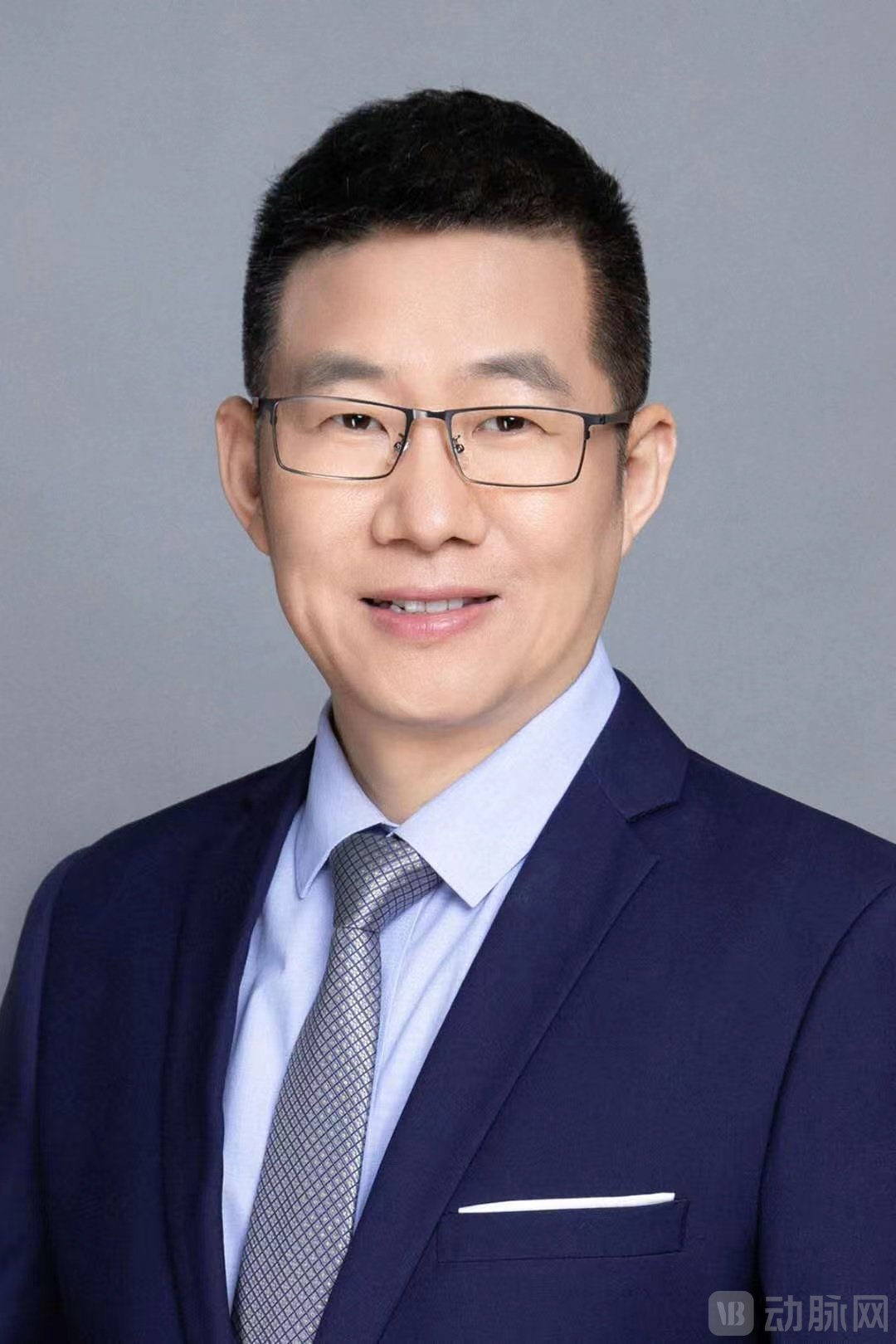
Jia Fujun, Director of the Institute of Mental Health, Guangdong Provincial People's Hospital
Jia Fujun, Director of the Mental Health Institute at Guangdong Provincial People's Hospital, told VCBeat,The diagnosis and treatment of sleep disorders also require a tiered healthcare system.
This is because tertiary hospitals possess excellent multidisciplinary medical resources and a high level of clinical expertise; however, their resources remain limited relative to societal demand. The excessive patient volume makes it difficult for individuals to receive personalized treatment and interventions at these institutions.
Please note that,Individuals exhibit distinct psychological states; therefore, even with identical insomnia symptoms, clinical presentations vary among patients, necessitating personalized intervention strategies and measures.
Director Jia stated that under the tiered diagnosis and treatment model for sleep disorders, tertiary hospitals should primarily focus on complex and refractory cases, providing patients with optimal treatment plans. For common, mild conditions, general clinics can manage these cases and implement the treatment protocols prescribed by tertiary hospitals. This approach establishes a rational division of labor, thereby enhancing overall healthcare efficiency.
Moreover, compared with the long queues at tertiary hospitals, patients can receive relatively higher-quality services in specialized outpatient clinics. For instance, at Youmian Lifestyle Medicine Center, personalized services are provided: physicians analyze patients’ sleep-related physiological and psychological data obtained from wearable devices, along with their individual characteristics, to formulate tailored treatment plans. This approach also enhances continuous follow-up care, thereby improving therapeutic outcomes.
Overall, tiered diagnosis and treatment can be viewed from two dimensions: one is the level of complexity, and the other is the standard of care.
It is important to note that the etiology of sleep disorders is complex, involving biological, psychological, and social factors. Therefore, psychiatrists must place significant emphasis on evaluating other potential causes. For instance, a child with a sleep disorder may have symptoms secondary to tonsillar pathology or other otolaryngological conditions, necessitating multidisciplinary collaboration between psychiatrists and specialists from other departments for accurate diagnosis and treatment.
Regarding the latest clinical advances in sleep disorders, Director Jia stated that research methodologies are continuously being updated.From a biological perspective, the understanding of sleep has undergone a progressive deepening, evolving from the organ level to tissues, and further to cells, molecules, and genes.
Furthermore, research into wearable devices, neuromorphic computing, artificial intelligence, and big data has significantly advanced our understanding of sleep. As these technologies continue to evolve, awareness of sleep disorders will increase, leading to the continuous emergence of an increasingly diverse array of novel therapeutic approaches.
Huang Zhili: Sleep Science Education Supports the “Healthy China” Strategy
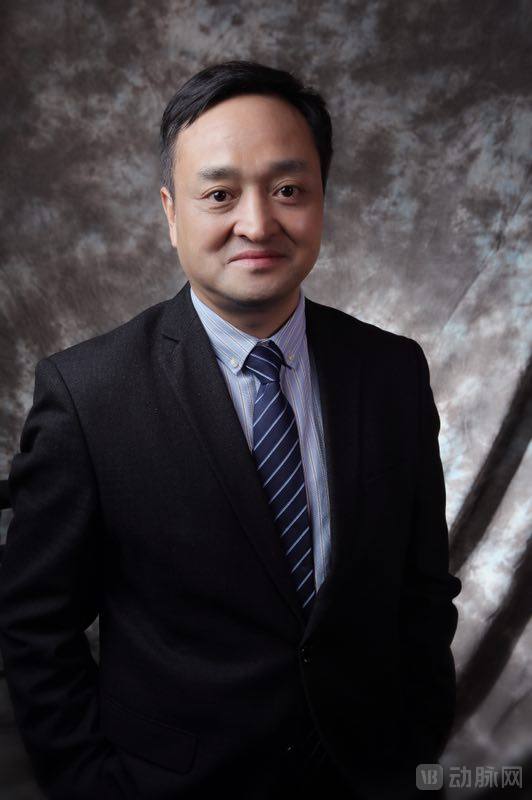
Huang Zhili, Chairman of the Chinese Sleep Research Society and Professor at Fudan University
Sleep is a highly conserved behavior, with one-third of our precious lives spent sleeping. According to Huang Zhili, Chairman of the Chinese Sleep Research Society, Distinguished Professor at Fudan University, and Doctoral Supervisor,Good sleep restores physical energy, accelerates the clearance of metabolic waste from the brain, enhances immunity, and promotes growth and development. It is a crucial guarantee for the storage and consolidation of learning and memory, as well as for mental agility., and is also the best “skincare product” for preserving one’s complexion.
Today, with the rapid pace of industrialization, increasing work pressure, and an aging population, particularly coupled with numerous unhealthy lifestyles emerging in the information age, a growing number of people are experiencing sleep problems. Chronic sleep disorders lead to severe physical and mental health conditions, including chronic somatic diseases such as diabetes, impaired glucose tolerance, hypertension, reduced immune function, and cancer, while also increasing the risk of psychiatric disorders such as anxiety and depression.
Interestingly, there are significant regional differences in sleep patterns, and sleep duration also varies by occupation.
One-third of the global population suffers from insomnia, and China is no exception. The latest survey in China reveals that nearly 75% of respondents experienced sleep disturbances within the past year. The proportion of individuals sleeping less than seven hours has increased by 25%, while the prevalence of sleep disorders remains high, with a noticeable trend toward affecting younger demographics. Mobile phones have become a major culprit behind poor sleep, with nearly 70% of late-night sleepers attributing their delayed bedtimes to mobile phone use.
China’s vast territory features significant regional disparities: Tibetans have the longest sleep duration, while Sichuan residents enjoy the most restful sleep. Napping is prevalent in Shanxi, Chongqing, Anhui, and Guangdong. Age-related differences are evident: primary and secondary school students lack time for sleep; young adults often stay up late due to demanding work schedules; and although older adults have ample time, they frequently suffer from insomnia. Gender differences also exist: women tend to wake up earlier and have shorter sleep durations than men; men are more prone to snoring, whereas women are more easily awakened. Occupational factors significantly impact sleep: police officers experience the most severe sleep deprivation, and frontline epidemic prevention personnel get insufficient sleep. Teachers and doctors report the poorest sleep quality. In contrast, despite their strenuous work, food delivery riders fall asleep quickly and enjoy sound sleep.
Sleep disorders encompass nearly 100 distinct conditions, with insomnia having the highest prevalence, followed by sleep apnea syndrome, restless legs syndrome, REM sleep behavior disorder, bruxism, and others.
Taking the treatment of insomnia as an example, the first step is to establish healthy sleep lifestyles through public science education and promotion, appropriately combined with other non-pharmacological interventions, such as cognitive behavioral therapy, exercise therapy, light therapy, aromatherapy, music therapy, electrical stimulation, and pulsed electromagnetic field therapy.
Pharmacological treatment is generally effective and safe, encompassing both conventional chemical drugs and traditional Chinese medicine. However, long-term medication use may lead to side effects and drug resistance. Many patients hold the belief that "all medicines carry some degree of toxicity," leading to significant fear of pharmacotherapy, which can adversely affect the efficacy of insomnia treatment. Nevertheless, if insomnia is severe and substantially impairs next-day work performance, quality of life, and emotional well-being, necessary pharmacological intervention is recommended.In short, insomnia is nothing to fear. The first step is to overcome willful habits and establish a healthy sleep lifestyle. Through comprehensive measures and approaches, you will surely regain restful sleep.
Therefore, the importance of public health education becomes evident: only by ensuring that individuals with sleep disorders have a correct understanding can they choose appropriate and effective interventions.
Science popularization disseminates the advanced achievements of human civilization, guiding the less developed with the advanced, replacing ignorance and backwardness with civilizational progress, curbing falsehood, evil, and ugliness with truth, goodness, and beauty, and helping the public enhance their scientific and cultural literacy. Since its launch in 2021, the Youmian Science Popularization Initiative has focused on, cared for, and shown compassion toward the general public. It continuously innovates communication models to disseminate cutting-edge research findings in sleep science, aiming to improve public understanding of sleep science. By aligning closely with public needs and promoting effective strategies for achieving high-quality sleep, the initiative strives to ensure that the people benefit, gain advantages, and feel satisfied.
Through public education on sleep science, national awareness of healthy sleep is rising significantly, while expectations for quality sleep are also growing increasingly higher.On March 17 this year, the Chinese Sleep Research Society announced the Chinese theme for World Sleep Day 2022: “Good Sleep, Healthy Journey.” The Society also looks forward to greater participation from experts, scholars, news media, and business leaders in promoting this theme. Achieving healthy sleep first requires the public to translate scientific sleep practices into action. A series of science popularization activities will enhance public understanding of sleep science and healthy sleep, improve the scientific literacy of Chinese citizens regarding healthy sleep, and boost their sense of well-being in leading healthy lives. High-quality sleep education supports the Healthy China strategy.
Healthy China has been elevated to the level of national strategy. Without universal health, there can be no comprehensive well-being society. The key to Healthy China lies in firmly grasping the humanistic essence of medicine and adhering to the correct direction of prevention-first, shifting medical practice from “treating existing diseases” to “preventing diseases before they occur.”
Among the elements of human health,“Good Sleep” Is the Cornerstone: Everyone Is the Primary Person Responsible for Their Own Good Sleep. Sleep Health Is Key to a Healthy China.