

Exclusive Interview with Associate Professor Zhang Rong of Peking University: Innovation Translation Requires Specialization, Autism Research Outcomes Entering Market Phase
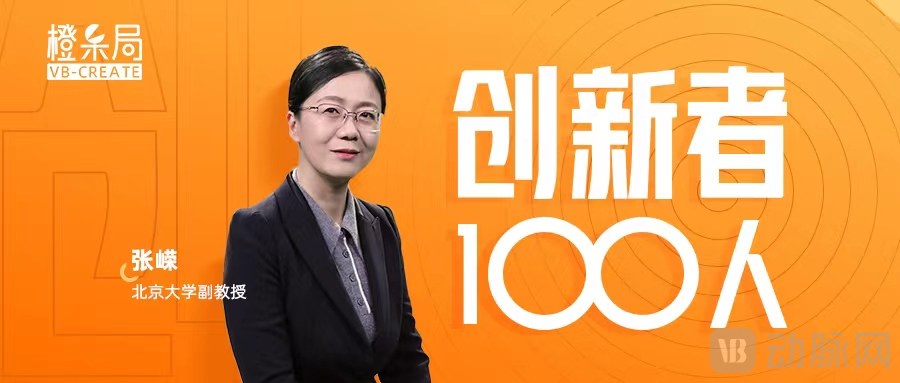
Personal Profile:Associate Professor and Doctoral Supervisor, School of Basic Medical Sciences, Peking University; Executive Vice Chairman, Beijing Neuroscience Society; Member of the 9th Committee, Beijing Association for Science and Technology; Co-founder, Autism Professional Committee, Beijing Neuroscience Society; Co-founder, Autism Research Center, Health Science Center, Peking University.
Research Direction:Research on the Pathogenesis and Treatment Mechanisms of Autism; Research on the Translational Medicine and Mechanisms of Acupuncture.
Research Findings:To explore high-risk factors and potential mother-child links from the perspectives of biological and social environmental determinants of autism spectrum disorder (ASD); to propose novel identification methods for subtyping social interaction behaviors in children with ASD, and to develop assessment scales as well as magnetic resonance imaging (MRI) data analysis techniques; to investigate the mechanisms underlying acupuncture-related therapies for ASD using animal models and human studies, thereby conducting applied and basic research on the prevention, diagnosis, and treatment of ASD; and to verify the efficacy and safety of acupuncture-related interventions in conditions such as infertility and ASD through multicenter, randomized, double-blind, controlled trials, while publishing expert consensus statements and advancing the research, development, and industrialization of related products.
A distinct group has emerged within China’s healthcare industry: academically trained, deeply focused, and pure in character. Their professionalism enables them to pinpoint the core of medical challenges; their compassion empowers them to resist the allure of financial incentives and return to the fundamental mission of serving patients; their relentless pursuit of knowledge allows them to break through conventional thinking and pioneer innovative healthcare solutions.
They are university faculty members who impart knowledge, teach skills, and resolve doubts, and they also constitute a vital force in China’s technological innovation. VCBeat Chengguo Bureau aims to serve as a “deeply engaged partner” in healthcare innovation, seeking to collaborate with these academic innovators to translate laboratory achievements into mature commercial products and facilitate their industrial implementation. This time, we spoke withZhang Rong, Associate Professor and Doctoral Supervisor at Peking University。
The Peking University Health Science Center autism research and development team, led by Professor Zhang Rong, in collaboration with the University of Electronic Science and Technology of China and Chongqing University, has launched an innovative integrated platform for intelligent diagnosis of autism spectrum disorder (ASD) and precise transcutaneous electrical acupoint stimulation (TEAS) therapy, leveraging over a decade of specialized expertise.and completed product development, and is currently preparing to apply for approval of the domestic medical device registration certificate. In addition to assisting in the diagnosis and treatment of children with autism, Professor Zhang Rong is also conducting research on high-risk biological and social environmental factors during maternal pregnancy and childbirth, aiming to contribute more meaningful scientific achievements to the primary prevention of autism, improving women’s reproductive health, and promoting eugenics and better child-rearing practices.
In Professor Zhang Rong’s view, meeting market and clinical needs is the original intention behind her scientific and technological research and development; therefore, she believes that transforming scientific achievements into mature market products is a natural progression. So, how has Professor Zhang pursued the commercialization of her research? And what are her perspectives on the domestic medical innovation landscape? This article will provide answers to these questions.
The following is a verbatim transcript of the dialogue between VCBeat Orange Bureau and Professor Zhang Rong. To facilitate smooth reading, VCBeat Orange Bureau has made editorial adjustments to the article without altering its original meaning.
VCBeat: The commercialization of scientific and technological achievements is a prevailing trend in the current era, yet every endeavor requires a catalyst. In your case, what motivated you to engage in scientific research? What are your current research achievements?
Professor Zhang Rong:My undergraduate major was Pediatrics, and my graduate studies focused on Medical Neurobiology. In 2008, while on maternity leave, I inadvertently watched a documentary on autism that deeply moved me. It made me realize that the true significance of my scientific research in medical school lay in leveraging my background in clinical medicine and basic research to address the practical needs of individuals with autism and tackle the bottlenecks in China’s medical practice.
Later, we had the opportunity to engage in and conduct research related to autism spectrum disorder (ASD). After more than a decade of basic and clinical research, our team proposed an ASD-assisted diagnostic method based on brain imaging (Chinese invention patent). Laboratory data demonstrated an accuracy of 91.62% in distinguishing children with ASD from typically developing children, while independent sample validation achieved an accuracy of 90.48%, showing high consistency with the gold standards for ASD diagnosis, namely the Autism Diagnostic Observation Schedule (ADOS) and the Childhood Autism Rating Scale (CARS). Using the "Beijing Autism Subtyping Questionnaire" (Chinese copyright), we categorized diagnosed children into social subtypes and selected suitable candidates for Transcutaneous Electrical Acupoint Stimulation (TEAS) treatment. This intervention showed significant efficacy in improving sensory processing, social interaction, anxiety, and picky eating, with high safety and good acceptance. This series of achievements contributes to the establishment of brain biomarkers for children with ASD, reduces missed and misdiagnoses, facilitates subtype diagnosis, and provides localized, personalized solutions. Furthermore, by identifying the biological feature spectrum of ASD, we have uncovered patterns of changes in elements, metabolites, neurotransmitters, and hormones in the bodily fluids of children with ASD and their mothers. These findings provide new evidence for the bio-social environmental etiology of ASD and propose novel screening methods and technical approaches for ASD prevention.
Currently, we have achieved a series of outcomes in the field of autism, including publications, patents, and books. The classification algorithms for brain structure and functional networks, electronic questionnaires, and therapeutic devices have been successfully developed. These innovations have garnered attention from both academic and social circles and are now entering the market phase.
VCBeat: What is the most significant social benefit of this project? I noticed that your lead article was published in UNESCO’s flagship magazine, The Courier. Does this imply that the achievement also contributes to the global community?
Professor Zhang Rong:As a neuropsychiatric developmental disorder that emerges in early childhood, autism spectrum disorder (ASD) remains confined to behavioral diagnosis and intervention due to its rising prevalence and the lack of advanced medical diagnostic and therapeutic tools. China has only approximately 300 child psychiatrists, with a severe imbalance in the geographic distribution of both clinicians and rehabilitation institutions. The promotion and implementation of this project will facilitate the establishment of an effective outpatient early screening and assisted diagnosis system across China’s maternal and child health care system, leveraging artificial intelligence-based brain imaging and cloud technology. It will also enable maternal and child health workers to provide networked services for local children with ASD, facilitating regular assessments, treatment monitoring, and consultative support. This approach holds significant importance for achieving early diagnosis and early intervention for autism.
Autism spectrum disorder (ASD) is not only a medical challenge in China but also a significant social concern worldwide. In 2022, UNESCO focused on neuroscience as its thematic priority, with ASD emerging as a research hotspot within this field. It is therefore an honor to have been invited to author an article published in the first issue of The Courier in 2022, which was subsequently disseminated in 11 languages across 194 countries. Currently, nearly all screening and diagnostic tools, as well as behavioral intervention methods for ASD, originate from the United States and other developed countries. The presentation of our team’s achievements marks not only the beginning of Chinese researchers’ participation in the international discourse system but also serves as a prelude to the global adoption of diagnosis and treatment approaches and technologies developed in China.
VCBeat Orange Bureau: Many scientists may habitually believe that their innovative projects must lead to entrepreneurship. May I ask which approach you have adopted, and how you would determine the optimal path for translating innovation into practice?
Professor Zhang Rong: In terms of technology transfer, we primarily adopt the “technology transfer + project company” model.In technology transfer, third-party institutions conduct due diligence and commission asset valuations to determine the preliminary plan for project commercialization. Based on the findings from due diligence and valuation, a detailed plan for outcome conversion is formulated. Upon obtaining consent from all relevant parties involved in the conversion of outcomes, a written agreement can be executed.
In the distribution of intellectual property benefits, Peking University adopts a model where the university retains 30% and the inventor team receives 70%, granting inventors substantial autonomy over funding.Furthermore,Peking University has also established awards for the commercialization of scientific research achievements to stimulate professors' innovative vitality.The technology transfer model not only helps enterprises alleviate the pressure of early-stage R&D but also effectively translates scientists’ laboratory achievements into practical applications. As a result, Peking University boasts a remarkably high technology transfer rate, which is particularly evident in the biopharmaceutical sector.
Peking University also offers a variety of university-industry collaboration models.For instance, collaboration models include enterprises funding projects while Peking University provides technical services; joint development of solutions tailored to market demands, with enterprises offering commercialization platforms and funding, and universities providing research infrastructure and technology; and the establishment of joint laboratories or research institutes by universities and enterprises.
Meanwhile,"Entrepreneurship is also one of my choices for technology transfer.". I will personally oversee project directions in which I have deep expertise, a strong research interest, and a firm commitment to pursuing throughout my career.
VCBeat Orange Fruit Bureau: The translation of scientific research achievements may seem like a solitary endeavor, but it actually places great emphasis on teamwork. What roles would you play in this process?
Professor Zhang Rong:I think,Technology transfer should be handled by professionals. Everyone has their strengths and weaknesses.My specialized background in pediatrics and medical neurobiology, combined with over a decade of experience in basic and clinical research as well as product development, enables me to establish a comprehensive theoretical framework for understanding disease pathogenesis, designing solutions, and predicting application scenarios. Therefore, I personally oversee all medical aspects from product development through to the acquisition of market approval credentials.
What I can do is to ensure that the research achievements gain recognition from peers, service recipients, and government regulatory authorities both domestically and internationally, thereby minimizing obstacles before and after market launch. As for matters regarding marketing strategies and sales targets, these should be planned and executed by more specialized professionals.Only when everyone performs their respective duties and leverages synergies can the smooth translation of achievements into practical outcomes be realized.
VBInsight Orange Bureau: The commercialization of scientific and technological achievements involves numerous stages, requiring specialized talent from various fields. What kind of partners do you hope to work with?
Professor Zhang Rong:First and foremost, character is the most critical consideration, taking precedence over intelligence and competence.In my scientific research career, my goals have always been clear—they must align with market and clinical needs, address societal pain points, and generate social benefits. Commercial benefits are also considered but will not be the primary deciding factor. I hope my partners share this mindset; they should not be driven solely by profit but rather by the belief that fulfilling people's healthcare needs can also lead to financial success.
Secondly, the partners possess unwavering determination.The path to translating scientific and technological achievements into practical applications is fraught with challenges and long-term commitments. I hope our partners will treat this endeavor as a lifelong career, remaining steadfast despite external temptations. They should maintain a broad and strategic perspective throughout the entrepreneurial journey, not being blinded by immediate, marginal gains. We must be prepared to endure significant hardships, persevere through relentless difficulties, and ultimately attract more resource providers through our resilient spirit of struggle and personal charisma.
In my view, we have a strong foundation for basic research. Leveraging the upstream technological resources of our partners, including Peking University, the University of Electronic Science and Technology of China, and Chongqing University, it is not difficult to achieve excellence in our endeavors. Therefore, let us not allow cluttered thoughts to disturb our inner focus; instead, we should concentrate our energy on the project and minimize internal friction within the team.
I once learned that before partnering, the two founders of an autism-focused enterprise arranged meetings with each other’s parents, childhood friends, and classmates, much like a traditional blind date, to gain third-party insights into each other’s character and values. This approach deeply inspired me. I believe that when selecting a co-founder, it is essential to consider whether their professional background and personal growth trajectory align with your own. Individuals with significant cognitive discrepancies are fundamentally unsuited for entrepreneurial partnerships.
VCBeat Orange Bureau: Translating scientific research achievements into practical applications has never been an easy task. Once you embark on this journey, challenges and difficulties emerge one after another. So, during your many years in the field of technology transfer, what obstacles and hurdles have you encountered?
Professor Zhang Rong:First, there are limited opportunities for alignment between academic institutions and industry demands.University professors devote most of their time to laboratory work and teaching, leaving them with limited opportunities to engage with industry. Recognizing this, universities have begun organizing innovation and entrepreneurship competitions as well as industry forums to help professors step out of the lab.
For instance, in January 2021, our integrated innovation platform for intelligent diagnosis and precision treatment of autism won the first prize in the medical device category of the inaugural “Future Star” Competition for the Transformation of Biopharmaceutical Innovation Achievements. Through this event, I connected with numerous enterprises, investment institutions, and leaders from government regulatory authorities, significantly broadening the channels for information flow.
Faced with the severe challenge of technological bottlenecks, the nation is vigorously promoting the rise of domestic innovation. Under policy guidance, Peking University’s industrial sector is actively strengthening collaboration between academia and industry, aiming to closely integrate academic innovation capabilities with market demands. We can also clearly perceive that the university’s strategic approach to government-industry-academia-research cooperation is becoming increasingly well-defined.
Secondly, they are unsure how to select appropriate investment institutions.The translation cycle for medical research achievements is long, and the demand for funding is substantial. However, scientists who have long been immersed in scientific research environments may struggle to distinguish between investment institutions that are genuinely committed to supporting innovation and those merely seeking quick profits.
To my knowledge, some of my friends in scientific research startups have found it difficult to steer their companies’ development according to their own vision after bringing in institutional investors. Some capital partners demand rapid profitability, which deviates from the original intentions of scientists-turned-entrepreneurs. Honestly, I do not have extensive experience in this area and am unsure how to mitigate such risks.
VBInsight: How to View the Current Development of Scientific and Technological Achievement Transformation in Chinese Universities, and What Are the Expectations for the Future of Medical Innovation?
Professor Zhang Rong:I believe it is critically important for university professors to engage in the commercialization of scientific and technological achievements.Universities serve as vital platforms for uncovering original scientific and technological innovations. University professors have access to the most cutting-edge technical directions and advancements, enabling them to understand the stages of technological development, differences, and gaps both domestically and internationally, as well as how to creatively address bottleneck issues. I hope to see more professors step out of pure laboratory settings and serve the general public within broader societal contexts.
To promote the commercialization of scientific and technological achievements, breakthroughs are also needed in China’s professional title and talent evaluation systems. For instance, regarding professional title assessments, multi-dimensional recognition criteria should be introduced: applied-science professors should be evaluated based on their products, while basic-research professors should be assessed by their cutting-edge publications. At the level of talent evaluation, alleviating professors’ concerns will enable them to fully unleash their potential and drive an explosion of innovative outcomes.
VCBeat: As a university faculty member, apart from scientific research and technology transfer, what other meaningful endeavors do you consider valuable?
Professor Rong Zhang:Cultivating talent is the most important mission of higher education institutions. In training graduate students, I require my students to visit clinics and outpatient departments to observe children with autism and their families shortly after enrollment. This allows them to understand the significance of their work through practical experience and develop a profound sense of mission. Consequently, whether they engage in laboratory research or clinical practice in the future, they will possess sustained intrinsic motivation and perform their duties with diligence and dedication. I am pleased to note that the vast majority of our research group’s graduates have remained in this field, continuing to provide diagnostic, therapeutic, and basic clinical research services for autism at their new institutions. A significant portion of my academic publications has been co-authored with these graduates. Our legacy and continuity serve as the foundation and guarantee for the ongoing generation of research outcomes.
Beyond my research endeavors, I have actively authored professional monographs on autism, taught an elective course titled “Autism Spectrum Disorders” to undergraduate and graduate students at the university, organized international forums, and coordinated free clinical consultations as well as public welfare science popularization lectures. My aim is twofold: first, to enable medical students to gain early insight into this unique population with social communication challenges, thereby encouraging them to pursue clinical services and research in this field; and second, to build a bridge between Chinese scholars, leading international experts, and the general public, ensuring that our scientific research aligns with global standards while remaining accessible to the broader community, thus uniting more individuals in this noble cause.