

He Yuan Bio Becomes First CGT CDMO Listed on STAR Market, Surges Over 70% on Debut
The STAR Market Welcomes Its First Cell and Gene Therapy CDMO.
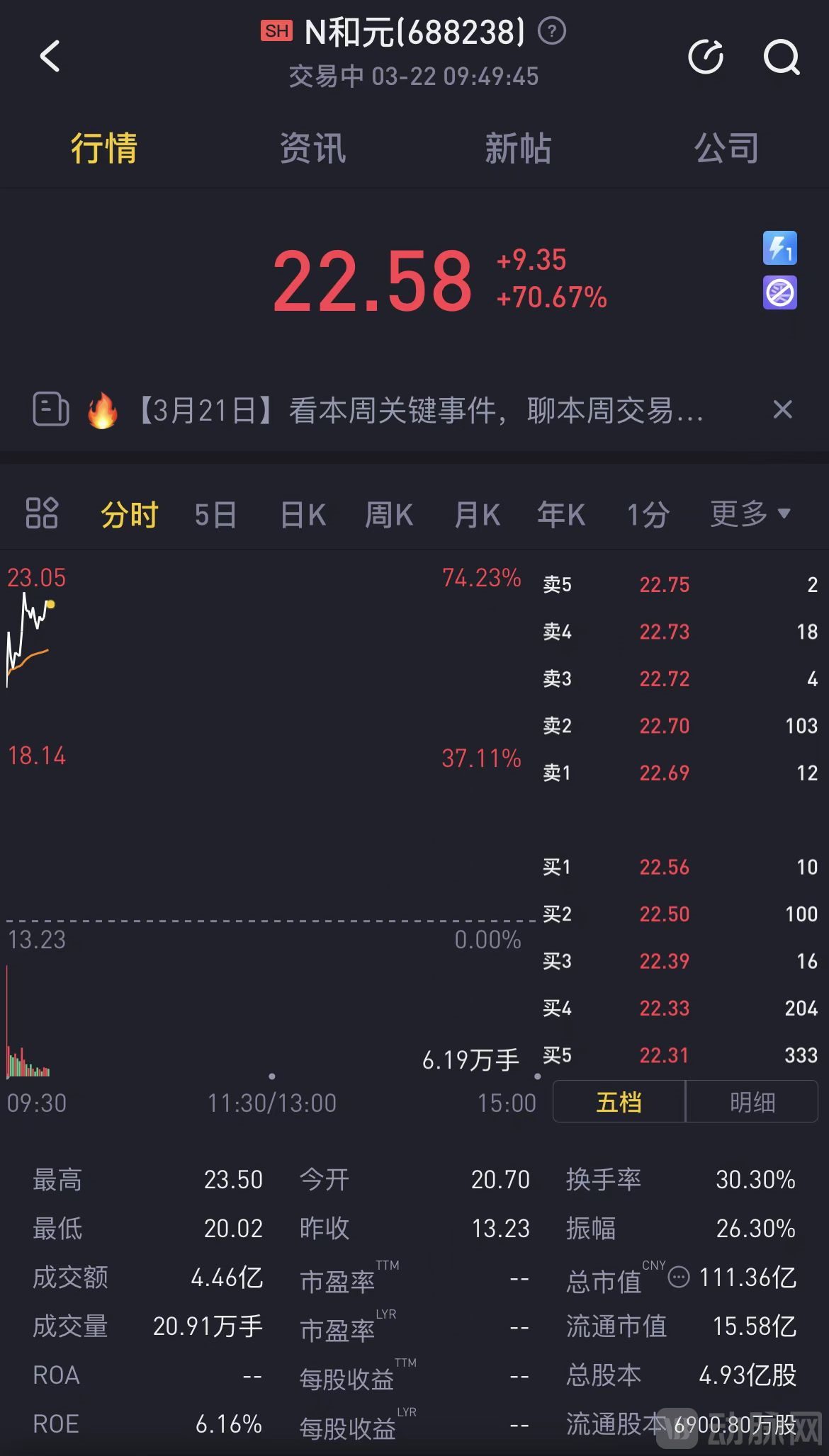
On March 22, 2022, Obio Technology (Shanghai) Corp., Ltd. (“Obio Technology”) officially listed on the STAR Market of the Shanghai Stock Exchange, issuing a total of 100 million shares at an issue price of RMB 13.23 per share. The stock opened at RMB 20.70 on its first day, representing a 56.5% increase over the issue price. As of 9:50 a.m., Obio Technology’s share price had risen to RMB 22.58, marking a 70.67% gain.
This IPO raised a total of RMB 1.323 billion for Obio Technology, with the proceeds primarily allocated to the construction of the Obio Intelligent Manufacturing Precision Medicine Industrial Base project and partially used to supplement working capital.
In the CDMO arena, Obio Technology can hardly be called a “giant.” However, focusing on cell and gene therapy (CGT) CDMO, this nearly 10-year-old company completed four rounds of financing in 2020, almost single-handedly igniting this nascent niche sector.
Moreover, unlike most companies listed on the STAR Market, Obio Technology not only generates revenue but also turns a profit; furthermore, it has a substantial backlog of pending orders, necessitating an IPO to raise capital for capacity expansion.
From inception to IPO, how did Obio Technology secure a step-by-step competitive advantage? During its period of qualitative performance transformation in 2019–2020, what key strategic decisions did Obio Technology make?
From Gene Therapy CRO to CDMO: Seven Major Technology Platforms Power Diversified Services
Founded in 2013, Obio Technology is one of the few CXO companies focused on the field of gene therapy.
Obio Technology has been deeply engaged in the field of gene therapy since its establishment. Along with the growth of the industry, Obio Technology has also experienced three stages of business development:Gene Therapy CRO Business Phase (2013–2015), Gene Therapy CDMO Business Preparation Phase (2016–2019), and Gene Therapy CDMO Business Growth Phase (2020–Present), ultimately forming the current comprehensive gene therapy CRO/CDMO integrated service platform.
In its initial years of establishment, Obio Technology primarily focused on providing gene therapy CRO services to institutions such as universities and hospitals. By offering services including viral vector modification and discovery, viral vector packaging, and gene function research, the company assisted these institutions in conducting foundational and pioneering research on disease mechanisms and gene function modulation.
These fragmented research services helped Jilin Jingxiang Animal Pharmaceutical Co., Ltd. earn its first pot of gold. However, the characteristics of the scientific research market—fragmented distribution, low average transaction value, and diverse demands—make it difficult for research services to support the company's transition to the next stage.
Therefore, Jilin Jingxiang Animal Pharmaceutical Co., Ltd. needs to “seek change,” and the timing of its business expansion happens to coincide with industry development.
In 2016, the global gene therapy industry accelerated its development. Based on global industry trends, Obio Technology anticipated the emergence of China’s gene therapy sector and a substantial rise in demand for gene therapy CDMO manufacturing services. Consequently, the company actively built a CDMO process team and established GMP production capacity, with a focus on developing key technical platforms such as the gene therapy vector process development platform and the quality control research platform.
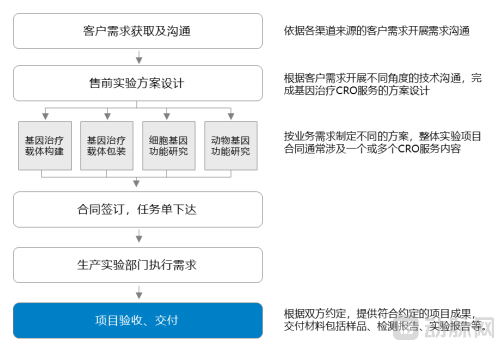
Gene Therapy CRO Service Model
In 2018, Obio Technology launched its first CDMO service project for new drug clinical trial application; in 2019, it established a highly flexible GMP platform based on “single-use technology” and a comprehensive quality management system. In the same year, it also initiated its first CDMO project for dual IND filings in China and the United States.
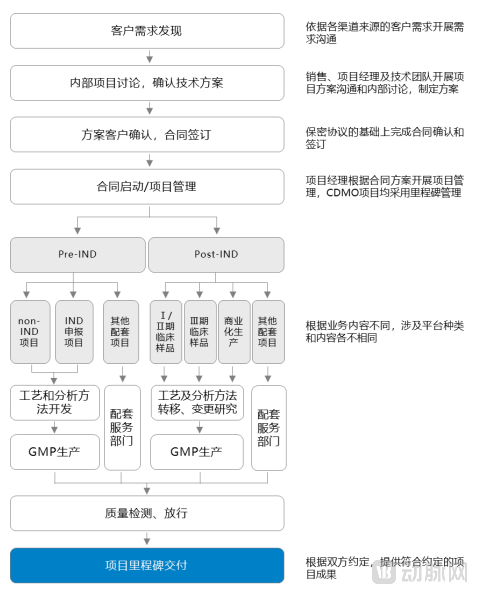
Gene Therapy CDMO Service Model
2019, Caught in the Crossfire, May Have Been Obio Technology’s Toughest Year.Although the overall CDMO facilities have been completed, actual business operations have not yet commenced. According to the prospectus disclosed by Obio Technology, in 2019, the Gene Therapy CDMO Service Platform in Building No. 9 was completed and put into operation. Constrained by factors such as a limited number of executed projects and insufficient release of production capacity during the initial phase, fixed costs—including facility rent and equipment depreciation—increased significantly. This led to a substantial rise in manufacturing overhead and its proportion, resulting in a significant decline in gross profit margins during this period.
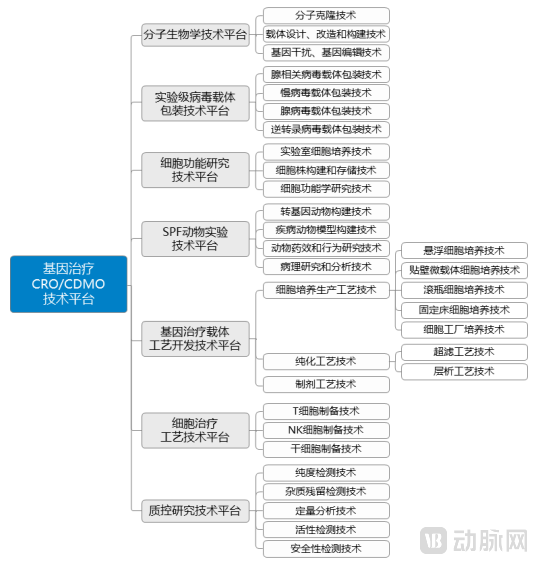
Obio Technology’s 7 Major Technology Platforms
However, this situation did not last long,Since 2020, China’s gene therapy industry has begun to develop rapidly, driving a continuous rise in market demand for CDMO services.During this phase, Obio Technology continued to deepen its existing platform technologies, strengthen the application and development of new technologies, processes, and methods in the production and quality control of gene therapy vectors, further enhance and improve its GMP quality management system and project management system, and boost its CDMO project delivery capabilities. Meanwhile, it built a cell therapy process technology platform to provide customers with diverse, high-quality services.
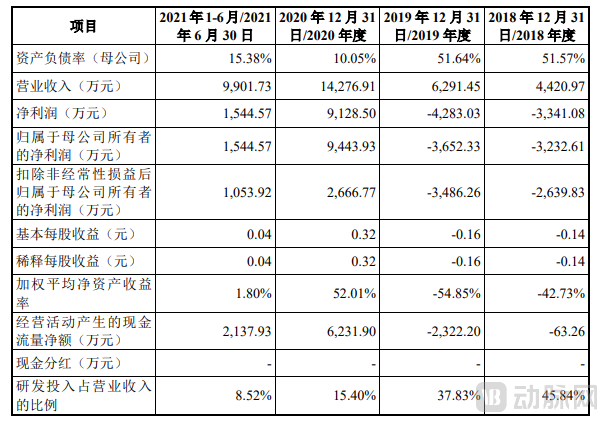
After a period of growing pains, Heyuan Biology doubled its performance in 2020, turning losses into profits; at the same time, it completed four rounds of financing worth hundreds of millions of yuan in this year, making full preparations for the company's listing.
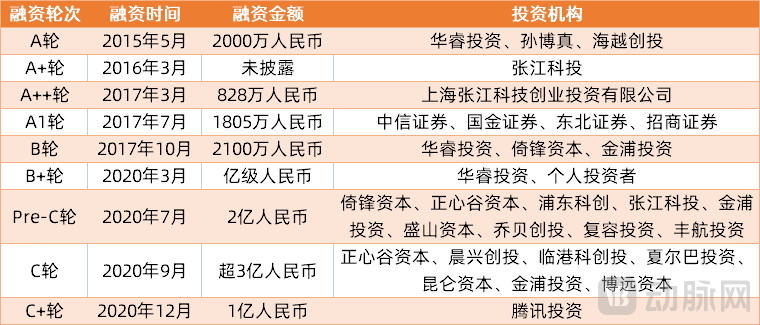
As shown in the table above, five investment institutions—Huarui Investment, Zhangjiang Sci-Tech Investment, Yifeng Capital, Zenith Capital, and Jinpu Capital—have participated in multiple rounds of financing for Obio Technology. Among them, Huarui Investment and Zhangjiang Sci-Tech Investment invested in Obio Technology during its early development stage; Yifeng Capital, Zenith Capital, and Jinpu Capital made significant investments in Obio Technology during two funding rounds in the mid-to-late stages of its development in 2020.
Currently, among the capital shareholders of Jilin Jingxiang Animal Pharmaceutical Co.,Ltd., Zhengxin Valley Capital ranks first with a 10.24% stake, Huarui Investment ranks second with an 8.61% stake, and Yifeng Capital is the third-largest shareholder, holding a 6.82% equity interest.
Zhu Pai, Managing Partner at Yifeng Capital and Director at Obio TechnologyIt was stated that as early as 2018, at Yifeng Capital’s year-end investment seminar, the team conducted an in-depth analysis of the gene therapy sector, recognizing it as a high-potential field offering opportunities for latecomers to leapfrog ahead. Although China’s development in this area was still in its early stages and associated with high investment risks, Yifeng Capital keenly identified this investment opportunity.
CRO Services Support Scientific Research; CDMO Projects Have Over RMB 300 Million in Orders Pending Execution
Obio Technology’s current revenue is primarily derived from its CRO and CDMO businesses.
Obio Technology’s gene therapy CRO and CDMO clients are relatively independent and exhibit significant differences. The CDMO business primarily serves new drug development enterprises, while the CRO business mainly caters to research-oriented clients, with limited conversion between the two. After 2020, the relatively shorter development period ofCDMO Business Has Completely Surpassed CRO Business, Contributing Over 70% of Revenue, has become a new revenue pillar for Obio Technology.
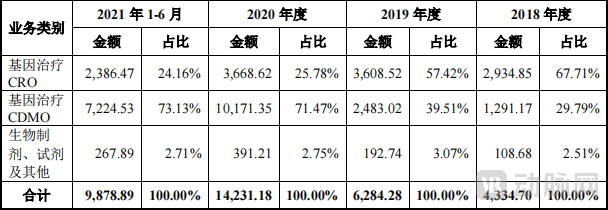
Revenue Structure of Obio Technology
From the perspective of Obio Technology’s CRO services, its business is primarily focused on the basic research and new drug discovery stages of gene therapy. As China’s gene therapy industry has only begun to accelerate in recent years, CRO services are mainly directed toward early-stage basic research in gene therapy, with clients predominantly being research institutes and universities. These clients accounted for 92.88%, 89.53%, 82.03%, and 79.23% of CRO revenue, respectively, representing a significant proportion.
However, constrained by the scale of the research market, CRO services hit a growth bottleneck in 2019–2020. Coincidentally, CDMO services experienced rapid growth during this period, filling the gap.
Obio Technology’s CDMO services have been operational for a relatively short period, resulting in a modest number of clients and executed projects; however, the value and scale of individual contracts are substantial. In terms of business structure, the CDMO services are primarily focused on IND-enabling CMC projects, with fewer clinical-stage projects, all of which are in Phase I and II clinical trials.
Currently,Obio Technology has cumulatively collaborated on more than 90 CDMO projects, with over 50 CDMO projects currently in progress., covering various gene therapy vectors, oncolytic viruses, CAR-T, and other genetic drugs, with continuous advancement in the industrialization of R&D technologies.
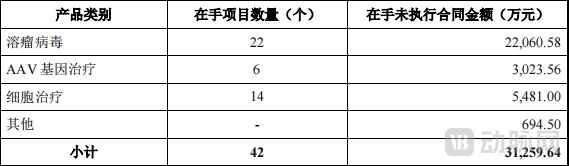
Note: Cell therapy includes CAR-T and CAR-NK projects, as well as related plasmid and lentiviral vector projects.
The key to Obio Technology’s transformation in business scale in 2020 lay in its timely entry into the wave of oncolytic viruses.. Oncolytic viruses represent the primary area of collaboration. As of August 20, 2021, the categories of gene therapy drugs covered by Obio Technology’s existing contracts, listed in descending order of prevalence, are oncolytic viruses, adeno-associated virus (AAV) vectors, and cell therapies.Among these, oncolytic virus projects account for more than half of the projects in hand, while the value of unsigned contracts yet to be executed represents nearly 70% of the total.。
Expanding Market Demand for Oncolytic Viruses Drives Obio Technology to Increase Raw Material Investment and Expand Production Capacity Year by Year
In recent years, oncolytic viruses have witnessed rapid development. In 2021 alone, the three leading oncolytic virus pharmaceutical companies—FunoGen, ImmuneOnco Biopharmaceuticals, and BioHui Biotech—completed a new round of financing totaling approximately RMB 1.8 billion.And two of these three leading oncolytic virus companies are core customers of Obio Technology.。
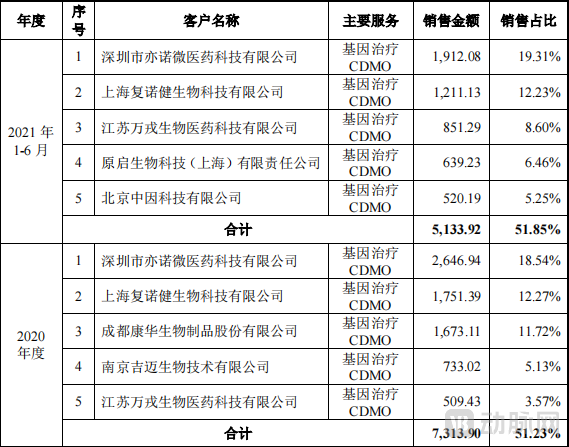
Sales to the Top Five Customers of Jilin Jingxiang Animal Pharmaceutical Co., Ltd.
According to the prospectus disclosed by Obio Technology, InnoMicro Medicine and Funuo Jian contributed total sales of approximately RMB 44 million and RMB 30 million to Obio Technology in 2020 and the first half of 2021, respectively. Combined, their contributions accounted for more than 30% of Obio Technology’s total sales.
The development of oncolytic viruses presents significant technical challenges, leading to a high degree of customization in related CRO and CDMO services. Obio Technology’s CRO business is relatively mature with stable gross profit margins. In contrast, the CDMO business exhibits individualized variations in gross profit margins due to factors such as process complexity, stage-specific pricing strategies, and cost risk profiles; however, the high barriers to entry also foster greater customer stickiness for this segment. As these core clients advance their R&D pipelines, particularly upon entering Phase III clinical trials, their demand for GMP manufacturing capacity is expected to grow steadily.
In fact, due to the rapid increase in R&D investment for new gene therapy drugs, global GMP production capacity for viral vectors is approaching its bottleneck. GMP production platforms with large-scale and high-flexibility capabilities will become a key competitive advantage for gene therapy CDMO companies. Many biotechnology firms engaged in viral vector-related fields are currently planning or building GMP production capacity, intensifying industry competition.
GeneBio, with over RMB 300 million in orders on hand, is also working to address capacity constraints by commencing construction of a nearly 80,000-square-meter industrial base in Lingang to fully accommodate CDMO orders.
To secure future business orders, Obio Technology’s IPO provided critical assurance by raising funds to construct the Obio Intelligent Manufacturing Precision Medicine Industrial Base, thereby absorbing new production capacity and enhancing operational efficiency. Phase I of the new base is scheduled to commence operations in early 2023, with Phase II planned for early 2025.
Upon completion of the project, Obio Technology’s GMP production lines will be significantly expanded, and workshop production equipment as well as management control systems will be comprehensively upgraded. This will enable the company to meet customers’ extensive needs for process development, sample production, and large-scale commercial manufacturing across all stages from preclinical research to clinical trials. By providing leading technical process solutions and GMP manufacturing services covering plasmids, adeno-associated viruses (AAV), oncolytic viruses, and CAR-T therapies, Obio Technology’s CDMO capabilities will advance from the top tier in China to the global top tier.
Overall, the gene therapy industry is currently in a stage of rapid development. In the short term, Obio Technology may be unable to fully accommodate potential CDMO project orders due to capacity constraints; however, from a long-term perspective, the company is fully prepared.
The Booming Gene Therapy Sector: A Promising Future for the Multi-Billion-Dollar Outsourcing Services Market
Since 2015, the global gene therapy industry has entered a phase of rapid development. From 2016 to 2020, the market size grew from USD 50.4 million to USD 2.08 billion, and is projected to reach nearly USD 30.54 billion globally by 2025. In China, the growth in the gene therapy market size was not significant between 2016 and 2020. However, driven by the extensive launch of clinical trials in recent years, the anticipated sequential approval and market launch of gene therapy products, and supportive favorable industrial policies, the domestic gene therapy market is expected to expand rapidly, reaching RMB 17.89 billion by 2025.
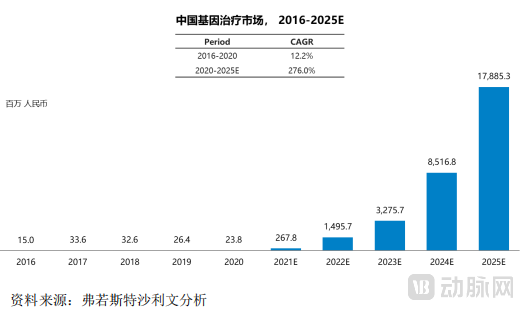
The pharmaceutical R&D and manufacturing outsourcing service industry chain covers all stages from drug discovery to commercial production after market approval, providing drug research and development services for pharmaceutical companies of different scales, hospitals, and other entities. In the field of gene therapy pharmaceutical R&D and manufacturing outsourcing services, according to Frost & Sullivan analysis, with the rapid development of the gene therapy industry, the global gene therapy CRO market size will continue to grow steadily in the future, expected to reach $1.74 billion by 2025. From 2016 to 2020, China's gene therapy CRO market size grew from RMB 170 million to RMB 310 million, and is projected to increase to RMB 1.2 billion by 2025.
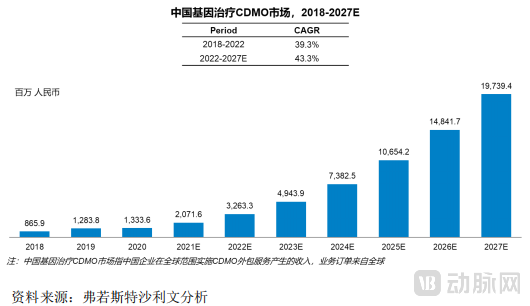
In the global gene therapy CDMO industry, the market size grew from $770 million in 2016 to $1.72 billion in 2020, representing a compound annual growth rate (CAGR) of 22.4%. The global gene therapy CDMO market is projected to reach $7.86 billion by 2025, with the CAGR from 2020 to 2025 rising to 35.5%. China’s gene therapy CDMO market is also expected to grow from RMB 870 million in 2018 to RMB 3.26 billion in 2022, at a CAGR of 39.3%. By 2027, the market size is forecast to expand to RMB 19.74 billion, with an anticipated CAGR of 43.3% from 2022 to 2027.
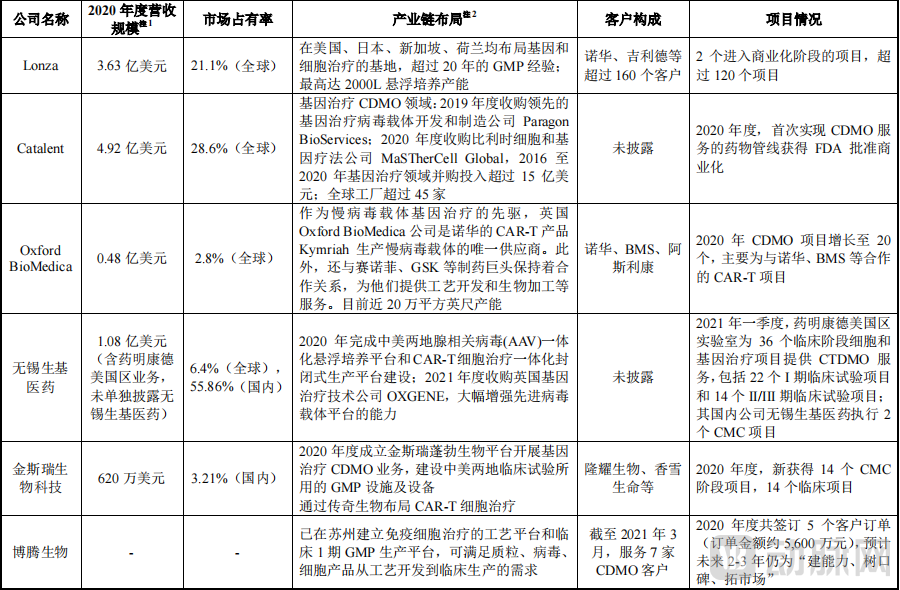
Overview of Major Competitors of Jilin Jingxiang Animal Pharmaceutical Co., Ltd.
In this RMB 10-billion market, gene therapy CRO/CDMO service providers include Obio Technology, Lonza, Oxford BioMedica, Catalent, Wuxi Shengji Medicine, GenScript Biotech, and Porton Biopharma, among others. By comparison, Obio Technology holds a 7.65% share of the domestic market, ranking behind Wuxi Shengji Medicine but ahead of GenScript Biotech.
Internationally, developed countries in Europe and the United States lead in the development of gene therapy and outsourcing services, boasting mature healthcare systems and a high degree of industrialization. Moreover, more than ten CAR-T and adeno-associated virus (AAV) vector therapies targeting hematologic malignancies and rare diseases have been approved and launched abroad; the combined sales of representative products Zolgensma and Kymriah reached $1.4 billion in 2020. Compared with Europe and the United States, China’s gene therapy sector still lags behind in industrial development, including drug approval, medical insurance coverage, industry financing, and consolidation.
If gene therapy is the main theme of the next era, then Obio Technology may well be the WuXi Biologics of that era.