

Kr Pharmtech Advances in Liver Cancer IVD Strategy with Focus on Early Detection and Recurrence Risk Assessment
Primary hepatocellular carcinoma (hereinafter referred to as liver cancer) is a common malignant digestive system tumor worldwide. According to the data released by GLOBOCAN 2020, there are approximately 906,000 new cases of liver cancer globally each year, ranking sixth among all malignant tumors, with 830,000 deaths, ranking third among all malignant tumors.[1]。
Liver cancer is particularly prevalent in China, with new annual cases and deaths each accounting for more than 50% of the global total.[2]Although the incidence and mortality rates of liver cancer in China have shown a downward trend in recent years, the burden of liver cancer remains substantial due to factors such as the large population base and aging. Screening and surveillance for high-risk populations are essential for the early detection, diagnosis, and treatment of liver cancer, which are key to improving therapeutic outcomes; therefore, such measures are both necessary and urgent.[3]。
Hepatectomy is currently a crucial approach for achieving long-term survival in patients with liver cancer; however, the postoperative 5-year recurrence rate reported in the literature exceeds 60%, which has become the primary factor limiting further extension of patient survival.[4]. Accurate prediction and assessment of the risk of metastasis and recurrence, along with timely and precise intervention, currently rely primarily on clinicopathological features (including tumor size, stage and grade, and the presence or absence of vascular invasion), which have limited accuracy and fail to meet clinical needs.[5]。
Because patients with the same clinical stage may have vastly different prognoses, and even small tumors can metastasize and recur at an early stage, developing products that can accurately predict and assess postoperative metastasis and recurrence enables further interventional treatment for patients at high risk of recurrence and metastasis, thereby reducing the risk of postoperative recurrence and extending survival, while avoiding unnecessary postoperative interventions (overtreatment) for patients at low risk of recurrence.[5]. Effective prevention and timely, appropriate treatment of recurrence are of great significance for reducing mortality and improving overall survival rates.[6]。
Kuoran Gene’s IVD and LDT product series, focused on precision diagnosis and treatment in the fields of early screening and diagnosis of liver cancer as well as postoperative monitoring of metastasis and recurrence, are under systematic development.
Centered on the exploration of novel screening, diagnosis, and treatment strategies for liver cancer, Kuoran Biomedical Technology (Shanghai) Co., Ltd. has collaborated with Professor Zhuang Shimei from the School of Life Sciences at Sun Yat-sen University to develop a project for early screening and auxiliary diagnosis of liver cancer.HCC7S "7-microRNA Detection Kit (PCR Fluorescent Probe Method)"", identified a multimolecular prediction model composed of 7 serum microRNAs, which can provide earlier and more accurate warning of hepatocellular carcinoma onset than alpha-fetoprotein (AFP)."
A multi-molecular prediction model composed of seven serum microRNAs was established through three phases (discovery, training, and validation) and four independent cohort studies. This model can effectively differentiate hepatocellular carcinoma from healthy individuals, hepatitis B virus carriers, patients with chronic hepatitis B, and patients with liver cirrhosis. ItsThe accuracy and sensitivity for detecting liver cancer are significantly higher than those of serum AFP and B-mode ultrasound, with particularly pronounced advantages in the detection of small liver cancers (tumor size ≤ 3 cm) and early-stage liver cancers (BCLC stage 0 and A).Meanwhile,Effective detection is also achievable for AFP-negative (AFP ≤ 20 ng/mL) liver cancer.[7]。
Serum miRNAs exhibit high stability, and their detection is convenient and non-invasive, facilitating continuous dynamic monitoring and large-scale screening. The application of HCC7S, a project for early screening and auxiliary diagnosis of liver cancer featuring the “Kit for Detection of 7 microRNAs (PCR Fluorescent Probe Method),” aids in the early screening of hepatocellular carcinoma (HCC). This contributes to increased opportunities for surgical resection among HCC patients, reduced recurrence and mortality rates, and ultimately benefits a broad population of patients with liver disease.
To enable a deeper understanding of the project details and its potential clinical benefits, Kuoran Genomics has specially invited Professor Zhuang Shimei from the School of Life Sciences at Sun Yat-sen University for an exclusive interview.
Kuoran Genomics:As we all know, primary hepatocellular carcinoma is one of the most common malignant tumors worldwide, and China is also a country with a high burden of liver cancer. In your opinion, what are the main clinical significances of early screening and early diagnosis of liver cancer?
Professor Zhuang:As you mentioned, liver cancer has a high global incidence, with new cases and deaths in China accounting for approximately half of the global total. Hepatitis B virus (HBV) infection and aflatoxin exposure are the primary etiological factors for liver cancer in China, while chronic heavy alcohol consumption and a high-fat diet are also significant risk factors. Patients with chronic hepatitis and liver cirrhosis constitute a high-risk population for liver cancer.
Due to the insidious onset and rapid progression of liver cancer, there is currently a lack of effective early screening methods. As a result, 60–70% of patients are already at an intermediate or advanced stage when they seek medical attention, missing the window for effective treatment. The five-year overall survival rate for liver cancer patients is only around 10%.
However, if liver cancer is detected and resected at an early stage, the five-year survival rate for patients can be increased to over 50%. Therefore, early screening, diagnosis, and treatment represent the most effective approaches to improving patients’ quality of life and survival time, reducing mortality, and significantly alleviating the economic burden on families and society.
Kuoran Gene:Could you discuss the unique considerations your team took into account during the R&D of the “Serum microRNA Diagnostic Biomarkers and Kit for Liver Cancer”?
Professor Zhuang:In addition to securing three granted invention patents, our R&D efforts were published via the Fast Track channel in the prestigious international journal The Lancet Oncology (16:804-15, 2015). Furthermore, the editors of the international liver cancer guidelines authored a concurrent commentary, affirming that the molecular combination Cmi we identified offers promising diagnostic accuracy and highlighting that our work has opened the door to microRNA-based screening for early-stage liver cancer (The Lancet Oncology 16:743-45).
Our work has garnered significant attention from international peers, largely due to our unique research cohort and our distinctive considerations regarding clinical applicability, stability, and generalizability. Several key points are outlined below:
1、Selecting serum microRNAs with high stability as detection indicators: microRNA is resistant to acid, alkali, and high temperatures, making it an excellent biomarker for disease screening. Furthermore, we use serum (cell-free) rather than plasma to avoid potential interference from the abundant cellular components present in plasma.
2、Select biomarkers with strong clinical operability:We selected microRNAs that are significantly elevated in the serum of patients with liver cancer as candidate molecules, rather than those that are downregulated. Furthermore, we excluded molecules with extremely high abundance in hepatocytes (such as miR-122) to prevent their release into the bloodstream upon cell injury induced by chronic hepatitis, which could lead to false-positive results.
3. Rigorous multi-model, multi-center validation:Our R&D process underwent three phases: discovery, training and modeling, and validation. The selected combination, Cmi, achieved diagnostic accuracy exceeding 80% across all four models during the training phase, and was subsequently validated in three population cohorts from different medical centers.
4. Special attention to the detection of early-stage liver cancer/subclinical micro-liver cancer:During regular follow-up of patients with chronic hepatitis, we identified 27 cases of small hepatocellular carcinoma (tumors <3 cm at diagnosis) and validated the diagnostic performance of Cmi by analyzing serial serum samples collected at 12, 9, 6, and 3 months prior to clinical diagnosis.
5. Easy to promote, with universal applicability: Requires a small volume of serum, features a simple testing procedure, and the instruments can be deployed in primary care hospitals.
Kuoran Genomics:Having heard your introduction, this study indeed demonstrates strong operational feasibility, stability, and generalizability in clinical applications. Compared with current mainstream clinical screening methods, such as serum biomarkers and imaging techniques, what are the advantages of the “Serum microRNA Diagnostic Biomarkers and Kit for Liver Cancer” technology system developed by your team in the early screening and diagnosis of liver cancer?
Professor Zhuang:Currently, serum alpha-fetoprotein (AFP) testing and ultrasonography are the primary methods used for liver cancer screening; however, their accuracy and sensitivity in detecting early-stage liver cancer are suboptimal. Literature reports indicate that among patients clinically diagnosed with liver cancer, approximately 40–60% still have AFP levels below the threshold of 20 ng/mL. The sensitivity of AFP testing for early-stage liver cancer is only 7–23%. The detection rate of liver cancer by ultrasonography depends on tumor size and the operator’s experience.
The Cmi developed by us can effectively distinguish patients with liver cancer from various non-cancerous populations, including healthy individuals, hepatitis B virus carriers, patients with chronic hepatitis B, and patients with cirrhosis due to hepatitis B virus infection. Its sensitivity and accuracy are significantly superior to those of AFP (using AFP >20 ng/mL or 400 ng/mL as the threshold), andIt can detect nearly 80% of AFP-negative liver cancer patients. The advantages of Cmi testing are particularly prominent for small liver cancers (<), early-stage liver cancers (BCLC stage 0+A), and subclinical micro-liver cancers.
For instance, data from 12 months prior to the clinical diagnosis of small hepatocellular carcinoma (HCC) (with sensitivities for HCC detection by Cmi and AFP20 being 30% and 7%, respectively) and from 9 months prior to diagnosis (with sensitivities of 48% for Cmi and 11% for AFP20) demonstrate that Cmi exhibits significantly higher sensitivity and accuracy than AFP in detecting subclinical micro-HCC. More detailed data are described in our published paper (Lancet Oncol 16:804-15, 2015).
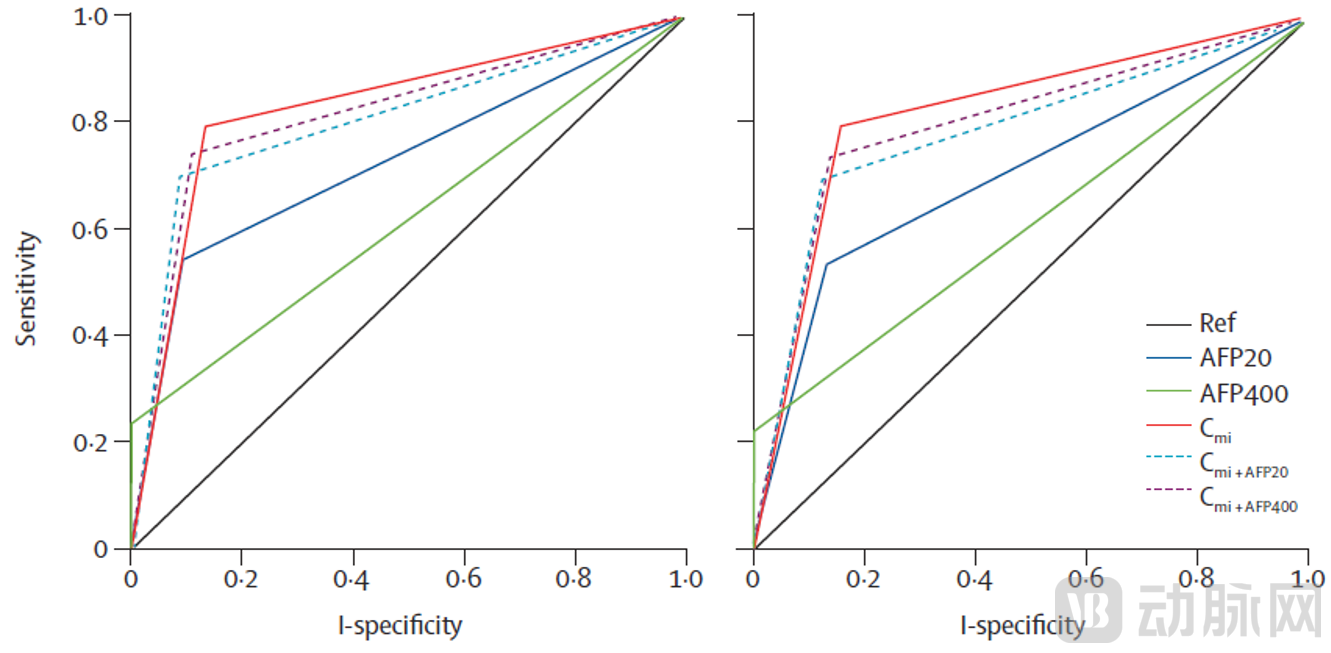
The sensitivity and accuracy of the Cmi model are both significantly superior to those of AFP.[7]
Kuoran Genomics:Based on our collaboration with Kuoran Biomedical Technology (Shanghai) Co., Ltd. in the development and commercialization of serum microRNA biomarkers and diagnostic kits for hepatocellular carcinoma, could you please provide your outlook on the application prospects in the field of early screening and diagnosis of liver cancer? Who are the target beneficiaries, and what benefits can this bring to them?
Professor Zhuang:The test kit developed based on our achievements primarily benefits all patients with liver cancer, particularly those with small liver tumors, early-stage liver cancer, AFP-negative liver cancer, and subclinical micro-liver cancer, as well as individuals at high risk for liver cancer, including patients with chronic hepatitis and liver cirrhosis.
China has a substantial population of patients with chronic hepatitis and liver cirrhosis. The long-term follow-up and monitoring of these patients using non-invasive, easy-to-perform biomarkers to screen for small hepatocellular carcinoma (HCC), early-stage HCC, or subclinical micro-HCC, followed by timely treatment, can significantly improve survival rates and quality of life while reducing mortality among HCC patients. This approach holds considerable clinical significance and social value.
Monitoring of postoperative metastasis and recurrence in liver cancer is currently primarily based on clinicopathological features (including tumor size, stage and grade, presence or absence of vascular invasion, etc.), which has low accuracy. The main reasons include the high metastatic potential of even small tumors, and the fact that some patients with similar clinicopathological features have vastly different prognoses. This often leads to poor efficacy, significant side effects, reduced quality of life, and high medical costs during postoperative adjuvant therapy.
Addressing the challenges in monitoring postoperative metastasis and recurrence of liver cancer, Kuoran Gene has collaborated with Professor Qin Lunxiu’s team from the Department of General Surgery at Huashan Hospital, Fudan University, to jointly developHCC5R “Postoperative Metastasis and Recurrence Risk Assessment Kit for Hepatocellular Carcinoma”, Innovative research based on metastasis and key molecules has confirmed the feasibility of molecular prediction of metastasis, creating a new method for predicting metastatic recurrence.
Establishing molecular prediction models by screening molecular markers to achieve more accurate predictions.For the low-risk group, regular follow-up is recommended to avoid unnecessary postoperative interventions.(Overtreatment);For high-risk groups, more aggressive preventive interventions can be implemented to reduce the risk of postoperative recurrence.Thereby achieving the effects of reducing postoperative recurrence, prolonging survival, improving quality of life, and lowering costs, which holds significant economic and social value.
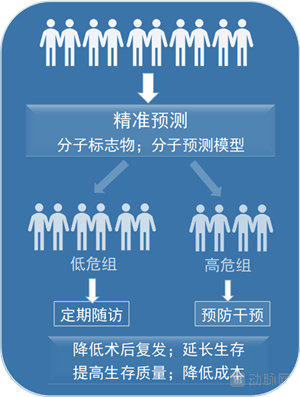
Transforming the Prevention and Treatment Model for Postoperative Metastasis and Recurrence
HCC5R “Postoperative Metastasis and Recurrence Risk Assessment Kit for Hepatocellular Carcinoma” is based on 153 metastasis-associated genes with significantly differential expression between metastatic and non-metastatic hepatocellular carcinoma, establishing a multi-molecular prediction model capable of accurately predicting hepatocellular carcinoma metastasis.Small-sample study finds 90% accuracy in distinguishing metastatic from non-metastatic liver cancer[8]。
Two independent large-sample cohorts have confirmed its accuracy in predicting the prognosis of liver cancer, providingThe Second Globally Validated Metastasis Prediction Model Based on Large-Sample Cohorts (the First Being for Breast Cancer)[9]. Further optimized into a "five-gene prediction model,"Large-scale prospective studies have confirmed its accuracy to be >70%.
At the 2nd Oncology Diagnosis and Treatment Black Tech Conference in 2021, hosted by the Beijing CSCO Clinical Oncology Research Foundation (CSCO Foundation) and Good Doctor Hui, and co-organized by VCBeat and others, the HCC5R “Kit for Risk Assessment of Postoperative Metastasis and Recurrence of Liver Cancer” won the Most Academically Valuable Award, garnering significant attention from top oncology experts, medical investors, and industry leaders across China.
Molecular Residual Disease (MRD), also referred to as Minimal Residual Disease or Measurable Residual Disease in certain contexts[10], a growing body of clinical evidence indicates that MRD status is significantly associated with recurrence and prognostic stratification in cancer patients.[11-15]。
Kuoran Gene’s Postoperative MRD Testing Protocol for Liver Cancer: This protocol is primarily designed for liver cancer patients who have undergone non-palliative surgery. It utilizes next-generation sequencing (NGS) platforms to detect circulating tumor DNA (ctDNA) postoperatively, thereby obtaining mutation information on tumor-associated hotspot genes and assessing the risk of postoperative recurrence.Assist clinicians in developing personalized adjuvant treatment plans.
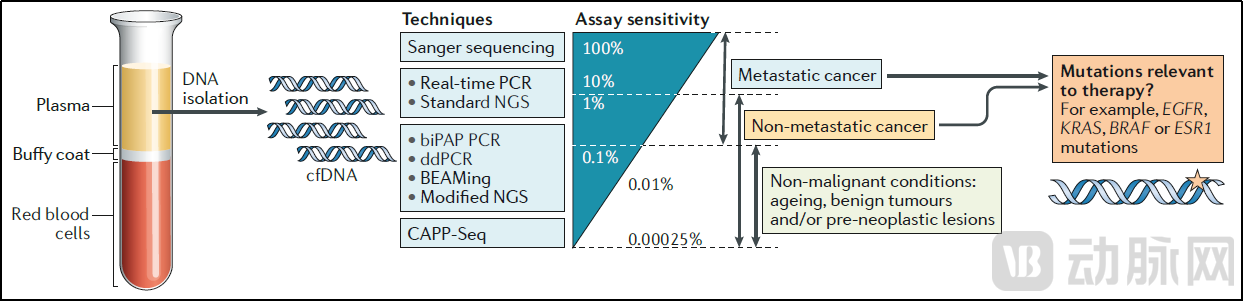
ctDNA Testing Workflow[16]
About Professor Qin Lunxiu
Qin Lunxiu, currently Director of the Department of Surgery at Huashan Hospital Affiliated to Fudan University / Executive Vice President of Huashan Hospital North Campus, and Director of the Institute of Tumor Metastasis at Fudan University. He is a recipient of the National Science Fund for Distinguished Young Scholars, a Chang Jiang Scholar Distinguished Professor, leader of an Innovative Research Team of the Ministry of Education, Chief Scientist of the 973 Program, and enjoys the Special Government Allowance from the State Council. He has been engaged in clinical hepatobiliary surgery for 30 years, performing surgical treatments for over 400 patients with hepatobiliary tumors annually. Meanwhile, he conducts research on tumor metastasis and recurrence, undertaking multiple projects including the National Major Science and Technology Project on Liver Cancer, the 973 Program, and major international cooperation projects funded by the National Natural Science Foundation of China. He has published more than 180 SCI papers, serving as corresponding or first author in 90 of them (14 with impact factor >10), including journals such as Cancer Cell, Cell Metabolism, Gut, and Hepatology. He has been listed among China’s Highly Cited Researchers for three consecutive years (h-index 54) and holds 12 patents.
About Professor Zhuang Shimei
Zhuang Shimei, a professor at Sun Yat-sen University and a returnee Ph.D. graduate. She completed her undergraduate studies in Clinical Medicine at Shanghai Medical College, Fudan University, and holds both an M.D. in Pediatrics and a Ph.D. in Cell Biology, combining clinical experience with a background in basic research. She has been selected for or awarded numerous prestigious honors, including the Chang Jiang Scholar Distinguished Professor by the Ministry of Education, the National Science Fund for Distinguished Young Scholars, the National "Hundred, Thousand, and Ten Thousand Talents Project," the title of Expert with Outstanding Contributions among Young and Middle-aged Professionals, the State Council Government Special Allowance, and the "Top 100 Outstanding Individuals in Guangdong Province." Her long-term research focuses on the pathogenesis, early detection, and precision treatment strategies of liver cancer. As corresponding or co-corresponding author, she has published a series of high-impact research papers in top international journals in oncology and hepatology, including multiple ESI Highly Cited Papers, cover articles, and papers accompanied by expert commentaries. She has been consecutively listed among "China's Highly Cited Researchers." As the primary inventor, she has been granted 15 Chinese invention patents, three of which have been licensed. Her achievements have been recognized with the Second Prize of the National Natural Science Award (2014), the First Prize of the Ministry of Education's Excellent Scientific Research Achievements in Higher Education Institutions (Natural Science) (2013, 2019), and the First Prize of the Guangdong Provincial Science and Technology Award (Natural Science) (2013, 2019).
About Kuoran Genomics
Kuoran Gene, founded in 2015 and headquartered in Shanghai, comprises three high-tech enterprises and one specialized and sophisticated “Little Giant” enterprise. The company is dedicated to providing one-stop molecular diagnostic solutions for diverse application scenarios, including early cancer screening, diagnosis and monitoring, as well as drug R&D services. It has six IVD products in the pipeline for registration approval, serves more than 500 hospitals and research institutions across China, and has established a large-scale genomic database. With dual R&D centers in Shanghai and Xuzhou, two medical laboratories (both achieving CAP accreditation with “zero defects”), and a Precision Medicine Technology Research Institute, Kuoran Gene operates under a “product + service” model. Its business portfolio covers tumor molecular diagnostics, tumor immune microenvironment profiling, and pathogenic microorganism detection, delivering integrated solutions to assist clinicians in patient diagnosis and treatment. Upholding its vision as a “practitioner of precision medicine,” Kuoran Gene is committed to advancing the development of healthcare in China.
References:
[1] Sung H, Ferlay J, Siegel RL, et al. Global Cancer Statistics 2020: GLOBOCAN Estimates of Incidence and Mortality Worldwide for 36 Cancers in 185 Countries. CA Cancer J Clin. 2021; 71(3):209-249.
[2] Zhou M, Wang H, Zeng X, et al. Mortality, morbidity, and risk factors in China and its provinces, 1990-2017: a systematic analysis for the Global Burden of Disease Study 2017[J]. Lancet, 2019, 394(10204): 1145-58.
[3] Expert Group of the National Multicenter Prospective Project for Ultra-Early Warning and Screening of Hepatocellular Carcinoma (PreCar). Expert consensus on early screening strategies for hepatocellular carcinoma in China[J]. Chinese Journal of Hepatology, 2021, 26(8):7.
[4] Shim JH, Jun MJ, Han S, et al. Prognostic nomograms for prediction of recurrence and survival after curative liver resection for hepatocellular carcinoma[J]. Ann Surg, 2015, 261(5): 939-946.
[5] Yang X, Jia H, Qin L. Progress in molecular mechanisms and prediction of postoperative recurrence of liver cancer[J]. Chinese Journal of Practical Surgery, 2019, 39(10): 1030-1035.
[6] Expert Group of the Major National Science and Technology Project on Infectious Disease Prevention and Control, Ministry of Science and Technology of China; Chen Xiaoping, Shen Feng, et al. Chinese Expert Consensus on the Prevention and Treatment of Recurrence after Hepatectomy for Hepatocellular Carcinoma (2020 Edition)[J]. Chinese Journal of Practical Surgery, 2021, Vol. 41, No. 1, pp. 20-30. ISTIC, PKU, CSCD. 2021: Major National Science and Technology Project on Infectious Disease Prevention and Control, Ministry of Science and Technology of China.
[7] Lin XJ, Chong Y, Guo ZW, et al. A serum microRNA classifier for early detection of hepatocellular carcinoma: a multicentre, retrospective, longitudinal biomarker identification study with a nested case-control study. Lancet Oncol. 2015;16(7):804-815.
[8] Ye QH, Qin LX, Forgues M, et al. Predicting hepatitis B virus positive metastatic hepatocellular carcinomas using gene expression profiling and supervised machine learning[J]. Nat Med, 2003, 9(4): 416-423.
[9] Roessler S, Jia HL, Budhu A, et al. A unique metastasis gene signature enables prediction of tumor relapse in early-stage hepatocellular carcinoma patients[J]. Cancer Res, 2010, 70(24): 10202-10212.
[10] Wu Yilong, Lu Shun, Cheng Ying, et al. Expert Consensus on Molecular Residual Disease in Non-Small Cell Lung Cancer[J]. Evidence-Based Medicine, 2021, 21(3):7.
[11] GARCIA-MURILLAS I, CHOPRA N, COMINO-MÉNDEZ I, et al. Assessment of Molecular Relapse Detection in Early-Stage Breast Cancer[J]. JAMA Oncol, 2019, 5(10): 1473-1478.
[12] RADOVICH M, JIANG G, HANCOCK B A, et al. Association of circulating tumor DNA and circulating tumor cells after neoadjuvant chemotherapy with disease recurrence in patients with triple - negative breast cancer: Preplanned secondary analysis of the BRE12-158 randomized clinical trial [J]. JAMA Oncol, 2020, 6(9): 1410-1415.
[13] TIE J, COHEN J D, WANG Y, et al. Circulating tumor DNA analyses as markers of recurrence risk and benefit of adjuvant therapy for stage Ⅲ colon cancer[J]. JAMA Oncol, 2019, 5 (12): 1710-1717.
[14] SAUSEN M, PHALLEN J, ADLEFF V, et al. Clinical implications of genomic alterations in the tumour and circulation of pancreatic cancer patients[J]. Nat Commun, 2015, 6: 7686.
[15] PARIKH A R, VAN SEVENTER E E, SIRAVEGNA G, et al. Minimal residual disease detection using a plasma – only circulating tumor DNA assay in colorectal cancer patients[J]. Clin Cancer Res, 2021.
[16] Pantel K, Alix-Panabières C. Liquid biopsy and minimal residual disease-latest advances and implications for cure. Nat Rev Clin Oncol. 2019;16(7):409-424.