

Gene Editing Revolutionizes Healthcare: Unlocking a $30B+ Market Across Cell Therapy, Gene Therapy, Regenerative Medicine, and Synthetic Biology
Copy, cut, paste; the characters of life are thus plain and unadorned.
Following the achievement of gene “reading,” the “writing” of the genetic code has become the next frontier in genomics research. As early as 1996, the first-generation technology ZEN opened the door to gene editing; however, neither this nor the second-generation technologies, including TALENs, could achieve precise editing or resolve off-target effects, a challenge that was only addressed with the advent of CRISPR technology.
In 2014, scientists from the University of California, Berkeley, Harvard University, and the Massachusetts Institute of Technology developed CRISPR technology. The emergence of this technology has rewritten scientists' understanding of genetic engineering, making gene editing an easy and precise endeavor.
Since then, gene editing has become a precise “molecular scissor,” and CRISPR technology has rapidly emerged as a global investment hotspot. It has not only attracted tech luminaries such as Jennifer Doudna, Emmanuelle Charpentier, George Church, and Feng Zhang to launch startups, but also prompted multinational pharmaceutical companies like Pfizer and Novartis to compete in strategic positioning, while top-tier global investment institutions—including the Bill & Melinda Gates Foundation, Google Ventures, and ARCH Venture Partners—have continued to make substantial investments.
If genetic material is likened to a book, then gene editing involves modifying individual characters within that book—altering specific letters, sentences, or even entire paragraphs. Driven by this technology, applied research based on gene editing has advanced rapidly, covering fields such as healthcare, agriculture, environmental science, and marine biology. In 2021, Allied Market Research projected that the global gene editing industry would exceed USD 36 billion (approximately RMB 244.8 billion) by 2030.
In the medical field, including but not limited to cell therapy, gene therapy, regenerative medicine, xenotransplantation, and synthetic biology, disruptive therapies targeting tumor immunity, ophthalmic diseases, and organ failure have emerged. Each of these niche sectors has become a hot trend in global healthcare investment in recent years.
When discussing the application of gene editing in medicine, the first thing that comes to mind is naturally cancer treatment. For instance, in 2018, a team from Novartis and the University of Pennsylvania successfully cured Emily, a girl with leukemia, using chimeric antigen receptor T-cell (CAR-T) immunotherapy.
This approach, which involves modifying and enhancing human immune cells through gene editing techniques, is known as cellular immunotherapy. The treatment process generally involves isolating viable immune cells from the patient’s body, genetically modifying (or not modifying) and expanding them ex vivo, and then reinfusing them into the patient. These reinfused cells possess enhanced immune capabilities, enabling a more potent attack on cancer cells, thereby achieving therapeutic outcomes. In addition to the previously mentioned CAR-T cells, other options include TIL cell therapy, TCR-T cell therapy, and CAR-NK cell therapy.
1CAR-T Cell Therapy
As the most extensively studied cancer immunotherapy globally, CAR-T therapy has demonstrated remarkable therapeutic efficacy in the treatment of leukemia, lymphoma, and multiple myeloma. Currently, there are eight CAR-T products approved for marketing worldwide, primarily targeting CD19 and BCMA. Furthermore, companies around the world are actively exploring new targets such as CD123 and CD33, leading to a rapid expansion of corresponding R&D pipelines. At present, several companies have advanced their solid tumor projects into late-stage clinical trials.
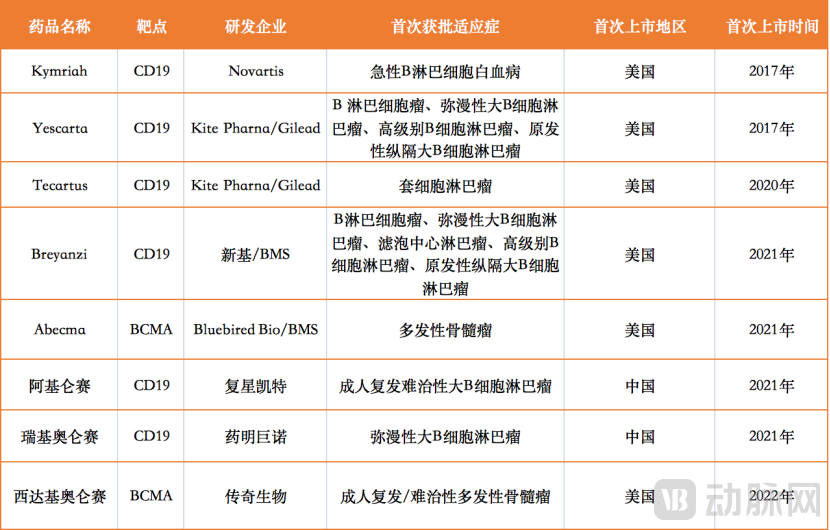 CAR-T Cell Therapy Products Marketed Globally, Data from Artery Orange
2TCR-T Cell Therapy
By screening and identifying TCR sequences capable of specifically binding to target antigens, these sequences are introduced via genetic engineering into patient-derived peripheral blood T cells (or allogeneic T cells). The engineered T cells are then infused back into the patient, enabling them to specifically recognize and kill tumor cells expressing the target antigen, thereby achieving therapeutic efficacy against cancer.
Current TCR-T-based research on solid tumors includes liver cancer, ovarian cancer, glioblastoma, lung cancer, and mesothelioma. To date, only one TCR-T cell therapy has been approved for marketing worldwide: Kimmtrak, an immunotherapy developed by Immunocore. It is approved for adult patients with unresectable or metastatic uveal melanoma (mUM) who are HLA-A*02:01 positive. In addition, companies such as Adaptimmune and TCR2 Therapeutics have also attracted significant attention.
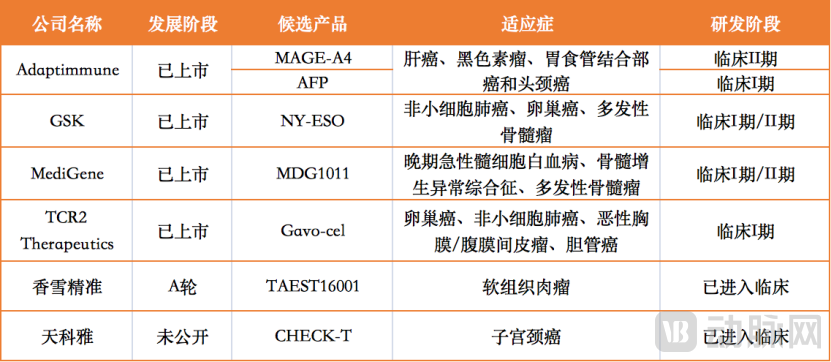 Global Landscape: Selected TCR-T Cell Therapy Products (Data Source: Artery Orange)
3TIL Cell Therapy
A large number of T cells infiltrate tumor tissues, among which some are specific to tumor-associated antigens. These immune cells can penetrate deep into the tumor tissue to kill cancer cells. Based on this characteristic, TIL therapy involves isolating T cells from tumor tissues, stimulating and expanding them in vitro, and then reinfusing them into the patient’s body to enhance the immune response and treat primary or metastatic tumors.
Unlike other cellular immunotherapies, TIL therapy does not require genetic modification of immune cells. The new generation of TIL therapy incorporates a targeted screening process to ensure that only immune cells capable of recognizing tumor cells are expanded. TIL therapy not only isolates more specific immune cells but also performs additional screening during expansion to ensure that only cancer-targeting immune cells are retained.
TIL therapy is currently being evaluated primarily as a second-line treatment in clinical trials. Notably, Iovance Biotherapeutics’ LN-145 is in Phase II clinical development and was granted Breakthrough Therapy designation by the FDA in 2019 for the treatment of recurrent, metastatic, or persistent cervical cancer. This field is also witnessing vibrant growth in China.

Domestic TIL Cell Therapy Companies, Data from Arterial Orange
4CAR-NK Cell Therapy
NK cells, or natural killer cells, possess potent cytotoxic activity against tumor cells and are not restricted by major histocompatibility complex (MHC). CAR-NK adoptive cell therapy involves genetically modifying NK cells with chimeric antigen receptor (CAR) genes to confer upon them the ability to specifically recognize tumor cells; these modified cells are then expanded in vitro and infused into the human body to achieve therapeutic effects against cancer. Currently, NK cells used in clinical practice are primarily derived from five sources: human peripheral blood, umbilical cord blood, human embryonic stem cells, induced pluripotent stem cells, and the NK-92 cell line.
Compared with CAR-T cell therapy, CAR-NK has the following advantages:
1. Broader sources, more suitable for in vitro culture and genetic modification, with the potential to develop allogeneic cell therapy products;
2. For cells with downregulated MHC expression, NK cells can still exert cytotoxic effects, showing greater advantages in the context of solid tumors;
3. Safety: Allogeneic infusion is unlikely to trigger GVHD, and the risk of cytokine storm is low;
4. The manufacturing process for CAR-NK cells is simpler, holding promise for large-scale industrial production.
Currently, NK cell culture technology has become highly mature in China, Japan, and the United States.
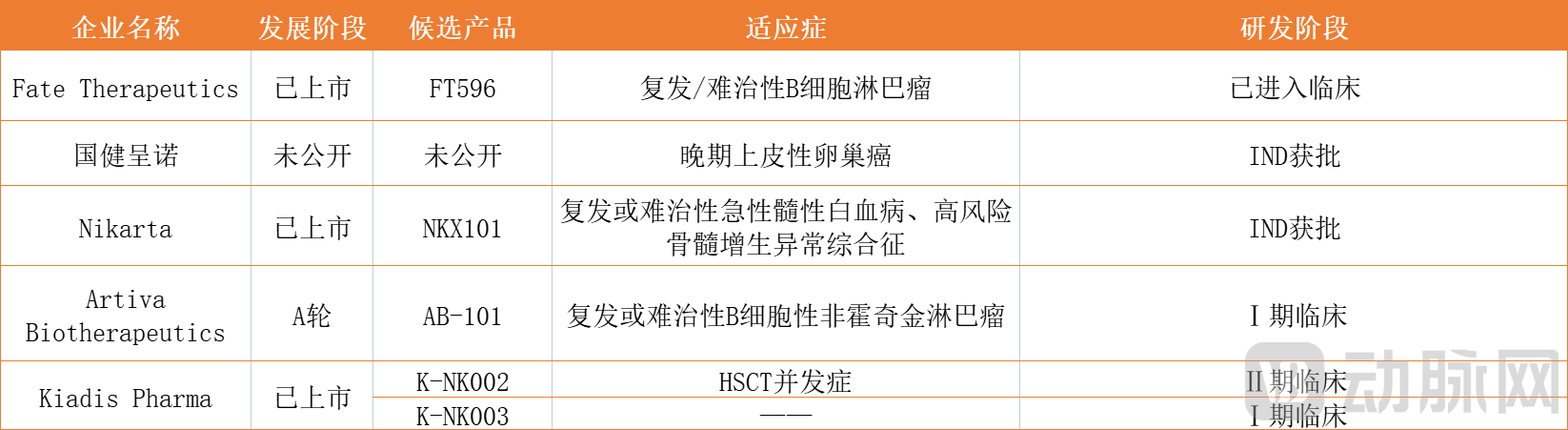 Global Landscape of Select CAR-NK Cell Therapy Products, Data Sourced from VCBeat
Currently, most cell therapy products involve modifying and expanding patients’ own cells, making them personalized therapies. However, inter-patient variability renders customized cell manufacturing a costly and time-consuming process. Therefore, to enhance flexibility, scientists and the industry have converged on exploring off-the-shelf (universal) cell therapy products. The potential of CAR-NK cell therapy for industrial-scale production has also made it a new competitive frontier following the establishment of CAR-T cell therapy as the dominant approach.
However, several technical challenges must be overcome before CAR-NK therapy can be applied on a larger scale. For instance, ex vivo expansion and culture of NK cells are challenging, requiring the optimization of appropriate culture conditions. Meanwhile, existing CAR designs are adapted from CAR-T therapies, necessitating the development of CARs specifically tailored for NK cells. Additionally, the sensitivity of NK cells to freeze-thaw cycles and their resistance to genetic engineering require attention and resolution. Breakthroughs in these areas may leverage the inherent anti-tumor properties of NK cells, paving the way for new advances in cancer treatment under the armament of CAR modification.
Genetic diseases are, to a certain extent, also referred to as genetic disorders. Most genetic diseases arise from the transmission of DNA during reproduction. Therapeutic approaches for genetic diseases primarily include gene editing in the human germline and somatic cell gene editing. Among these, gene editing targeting the human germline remains highly controversial, as such modifications affect not only the individual but may also be passed down through generations, thereby altering the course of human heredity.
(Currently, gene editing research targeting the reproductive system is primarily focused on severe genetic disorders, such as cystic fibrosis, Huntington’s disease, or Tay-Sachs disease. These genetic conditions all cause debilitating symptoms, have poor prognoses, and are caused by single-gene mutations. Perhaps in an era when gene editing is safe and effective, these diseases could be entirely prevented.)
Here, we focus on somatic cell gene editing research. Gene editing is currently capable of high-frequency gene correction, so in theory, it can be applied to hundreds of genetic disorders affecting the hematopoietic and immune systems (such as sickle cell disease, X-linked severe combined immunodeficiency, and X-linked chronic granulomatous disease).
Currently, gene therapies based on gene-editing technologies primarily fall into two categories: ex vivo editing with subsequent reinfusion and in vivo editing. Compared with traditional gene therapy approaches, gene-editing technologies enable modification of DNA sequences at the genomic level, thereby repairing genetic defects or altering cellular functions, which makes it possible to achieve curative treatments for severe diseases such as leukemia, HIV/AIDS, and hemophilia. At present, the application of gene editing in gene therapy is mainly focused on monogenic disorders and ophthalmic diseases.
Monogenic disorders refer to genetic diseases controlled by a pair of alleles, such as beta-thalassemia, Duchenne muscular dystrophy (DMD), and hemophilia. Gene therapy for monogenic diseases involves introducing normal genes to compensate for defective ones.
Traditional technical approaches typically employ viral vectors to achieve gene delivery. Although viral vectors can integrate the desired target gene into the genome for sustained expression to replace defective genes, significant safety concerns remain. Gene therapy research still requires tools with high specificity and efficient repair capabilities. The emergence of CRISPR gene-editing technology has been a timely and much-needed advancement (with induced pluripotent stem cells also playing a valuable role).
The eyeball has a small volume and requires a smaller amount of therapeutic vectors. Moreover, the ocular region exhibits immune privilege, which helps avoid inflammation and immune responses triggered by exogenous substances. Due to the unique physiological structure of the eye, gene therapies based on gene editing have significant advantages in the treatment of ophthalmic diseases.
A variety of severe ophthalmic diseases are closely associated with genetic mutations; therefore, there is strong market demand for gene-editing therapies in the treatment of ophthalmic conditions. This has created favorable conditions for the pioneering application of gene-editing therapies in ophthalmology. Currently, products targeting ten types of Leber congenital amaurosis have been launched on the market.
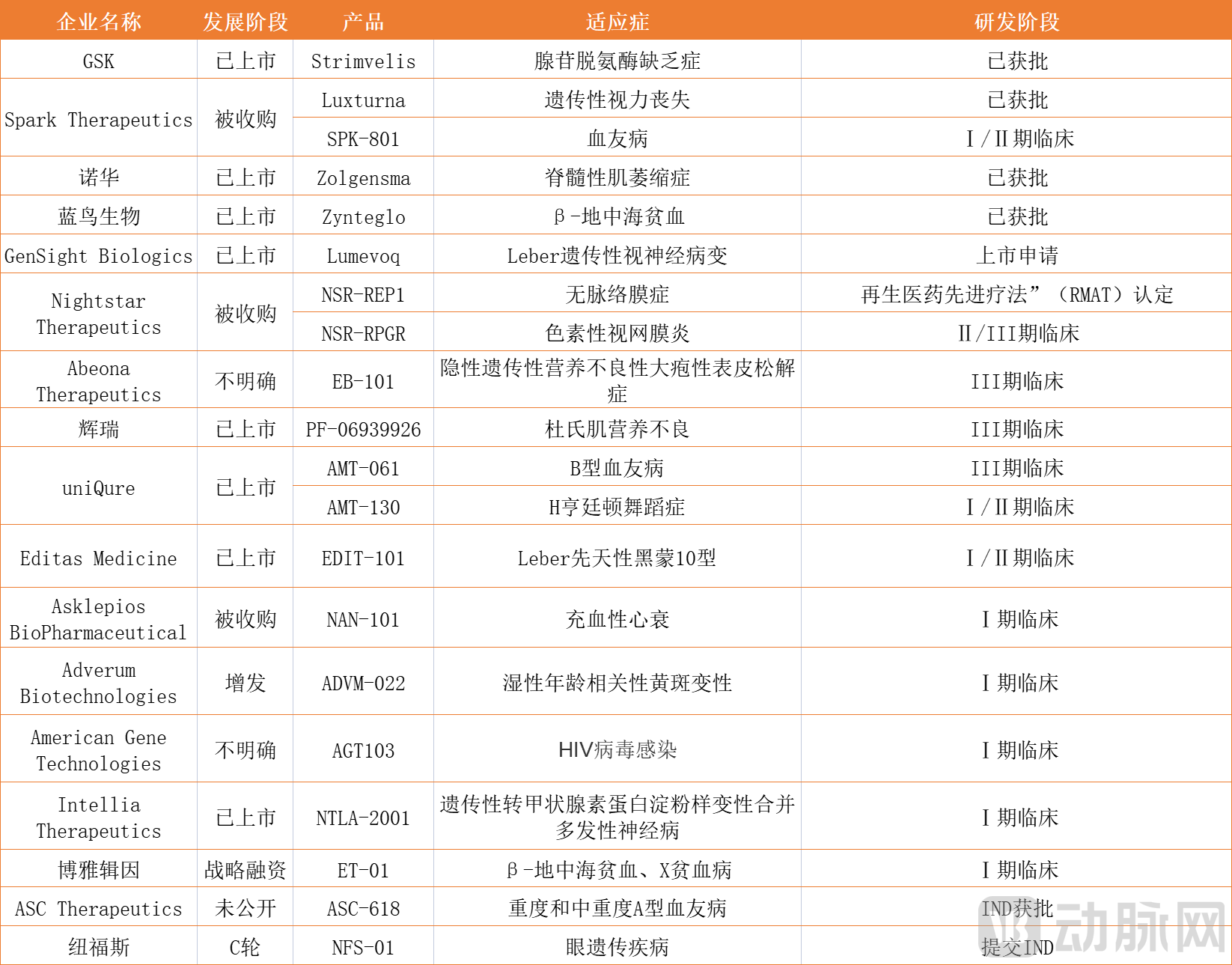
Selected Gene Therapy Products Worldwide, Data Sourced from VCBeat
Gene therapy drugs function through two mechanisms: introducing exogenous genes and inhibiting endogenous genes. With the development and maturation of CRISPR gene-editing technology, gene-editing therapies that directly repair genes will usher in a new era for gene therapy.
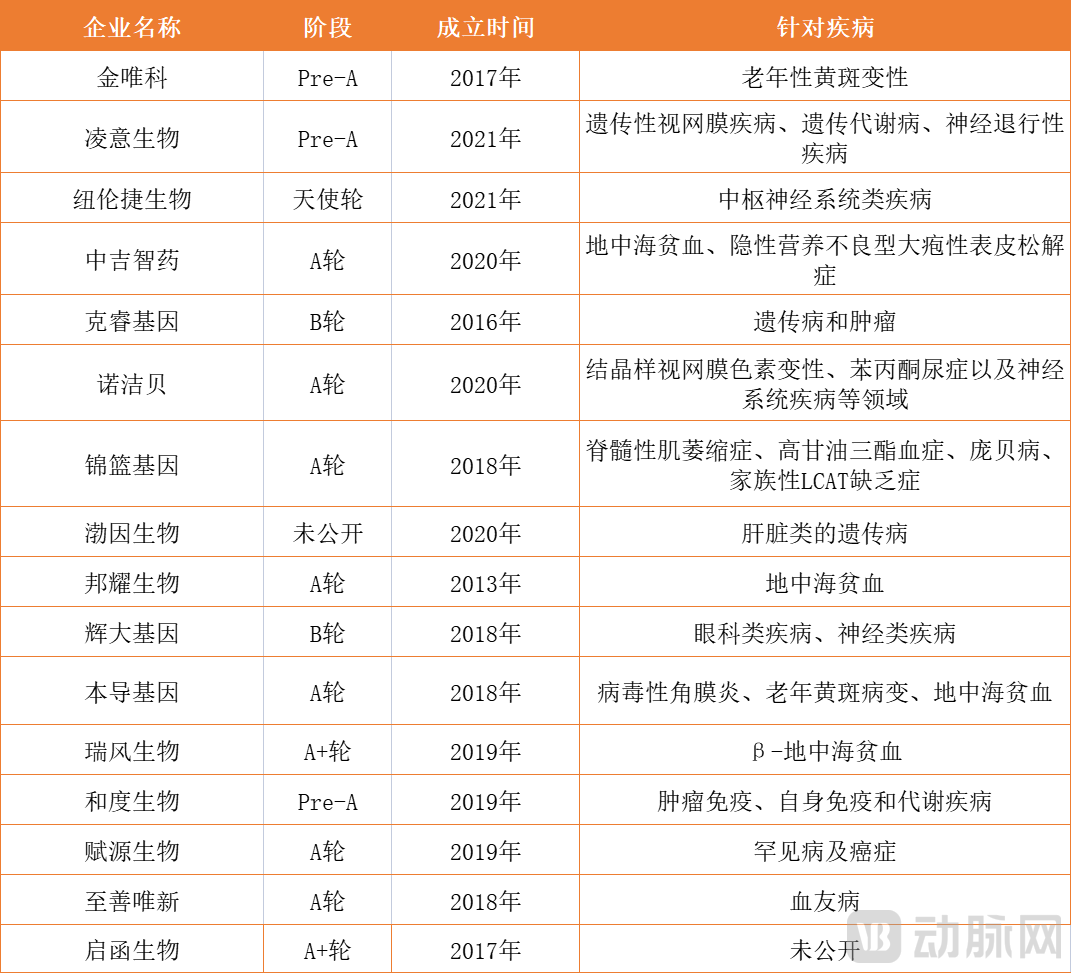 Domestic Innovative Gene Therapy Companies; Data Source: Artery Orange
Regenerative medicine is a discipline that repairs and treats damaged tissues and organs based on their structure and function. It aims to alleviate irreversible organ damage and the shortage of donor tissues and organs, while providing new insights for disease treatment.
In regenerative medicine research, stable cytokine expression is a key factor in tissue and organ regeneration. Currently, the solution to this challenge lies in gene therapy, which generates seed cells capable of continuously and stably secreting the cytokines required for regeneration, thereby providing a stable local microenvironment and ultimately enhancing the efficiency of tissue repair.
This represents a promising therapeutic approach for diseases caused by irreversible cellular damage, with specific applications including the repair of hepatocytes and cardiomyocytes. Regenerative medicine research based on induced pluripotent stem cells (iPSCs) is viewed favorably by the market due to its low risk of immune rejection, favorable differentiation profile, and absence of ethical concerns.
Induced pluripotent stem cells (iPSCs) are a cell type resembling embryonic stem cells and embryonic APSC pluripotent cells, initially generated in 2006 by Japanese scientist Shinya Yamanaka. He achieved this by reprogramming differentiated somatic cells through the introduction of a combination of four transcription factors (Oct4, Sox2, Klf4, and c-Myc) using viral vectors. Subsequently, scientists worldwide have successively discovered alternative methods for producing these cells.
On October 8, 2012, scientists John B. Gurdon and Shinya Yamanaka were awarded the Nobel Prize in Physiology or Medicine for this work.
The emergence of induced pluripotent stem (iPS) cells has sparked significant repercussions in the fields of stem cell research, epigenetics, and biomedical research. In terms of basic research, their advent has led to breakthrough insights into the regulatory mechanisms of pluripotency.
Furthermore, the therapeutic potential of induced pluripotent stem (iPS) cells in neurological and cardiovascular diseases is becoming increasingly evident. iPS cells have been successfully differentiated in vitro into neurons, glial cells, cardiovascular cells, and primordial germ cells, demonstrating significant clinical value for disease treatment.
As the clinical application of iPSC technology gradually materializes, Japan, the birthplace of iPSCs, has rapidly advanced a series of investigator-initiated clinical trials. In terms of the commercialization of iPSC-based therapies, the United States currently takes the lead, with multiple companies having products entered into clinical trial stages.
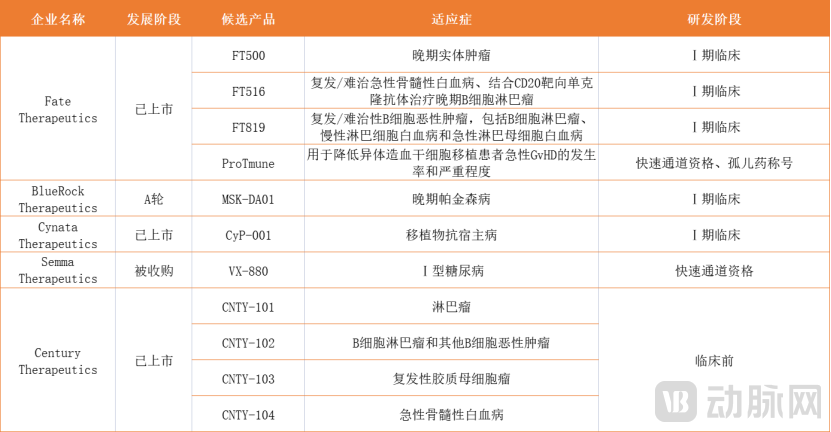
Selected iPSC Cell Therapy Products Abroad, Data Sourced from VCBeat
Among them, Fate Therapeutics from the United States is a global leader in iPSC-based cell immunotherapy. Founded in 2007, the company went public on the NASDAQ (NASDAQ: FATE) in 2013. For the first seven years after its IPO, the company’s stock performance remained lukewarm, hitting a low of under $20 per share in March 2020. However, over the following year, Fate’s stock price rose continuously, reaching an all-time high of $121.16 on January 14, 2021, with its market capitalization exceeding $10 billion at its peak.
In China, companies such as Qihan Biotechnology, Huode Biology, Alpu Regenerative Medicine, and Shize Biology have products rapidly approaching clinical stages. Each company focuses on distinct application scenarios, covering several key therapeutic areas.
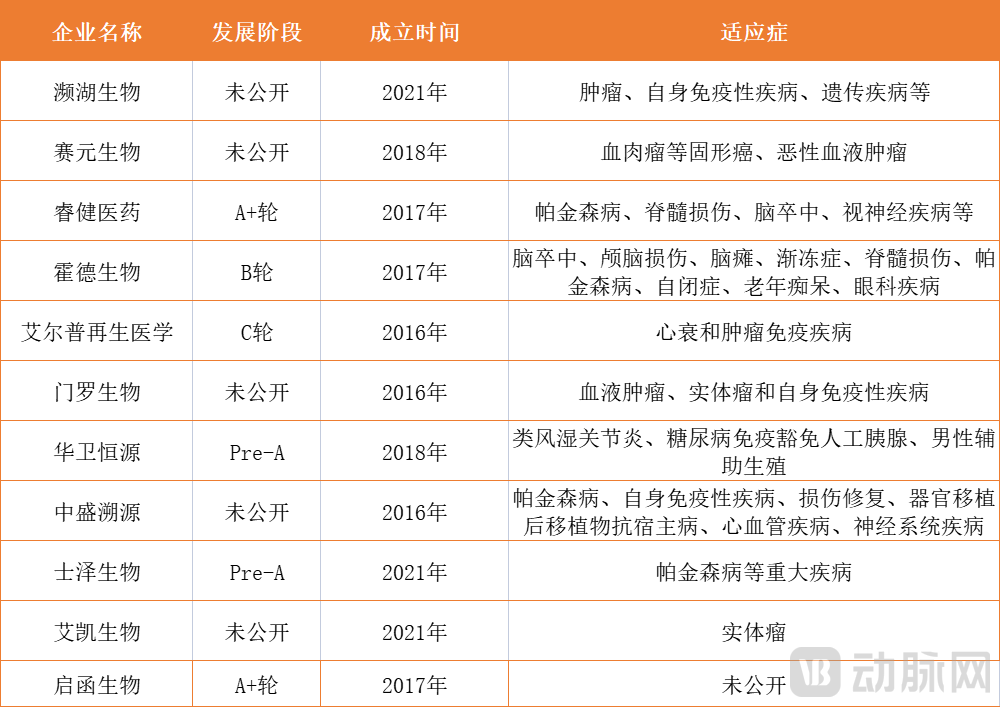
Domestic Innovative iPSC Cell Therapy Companies, Data Sourced from Artery Orange
There is little gap between domestic and foreign companies in the iPSC sector.
Another development path in the field of regenerative medicine is xenotransplantation.
When a major organ in the human body suffers from severe pathology, organ transplantation is often the only means of sustaining life. However, the legal source of organs relies solely on voluntary donation. Worldwide, fewer than 10% of patients are able to receive a suitable organ, while 90% of them despairingly pass away while waiting on the transplant list.
Decades ago, scientists proposed the hypothesis of xenotransplantation to address the shortage of donor organs. Pigs are considered one of the most suitable animal donors for organ transplantation because their organ tissue structure, physiological functions, and size are similar to those of human organs. However, hyperacute rejection occurs between species; if animal organs were directly transplanted into humans, patients would inevitably die from hyperacute immune reactions.
Hyperacute rejection is a natural defense mechanism that species employ to maintain the continuity of their germ line. For decades, scientists have attempted to develop drugs to control this response, but none have succeeded. Advances in genomics have enabled an understanding of immune rejection at the molecular level and provided an alternative approach to addressing immune rejection in xenotransplantation.
Porcine organs may carry multiple pathogenic genes harmful to humans, and primates possess antibodies that attack certain proteins in porcine organs, thereby triggering immune rejection. These two factors constitute the current technical barriers to xenotransplantation of porcine organs. If these pathogenic genes and the genes responsible for expressing the targeted proteins are edited and modified at the genetic level, can safe and effective xenotransplantation be achieved?
However, the pig genome comprises approximately 100,000 genes; identifying the specific target sequences within this vast genetic landscape and achieving precise editing necessitates robust gene-editing capabilities. Undoubtedly, the advent of CRISPR technology has once again turned this aspiration into reality.
On January 7, 2022, the University of Maryland School of Medicine performed the world’s first transplant of a genetically modified pig heart. The patient, David Bennett, was in good condition three days after the surgery, with the pig heart successfully pumping blood. As Bennett was not eligible for a human heart transplant prior to the procedure, the surgery received emergency authorization from the U.S. Food and Drug Administration (FDA). Bennett passed away on March 9, 2022. Although his life was extended by only two months, the transplanted heart functioned well without signs of rejection during the postoperative weeks, and he was still able to communicate with his family just hours before his death.
Currently, the University of Maryland Medical Center has not disclosed the patient’s cause of death. However, this surgical case confirms that a genetically edited animal heart can function normally within the human body without triggering immediate rejection. This represents a landmark medical advancement for the field of xenotransplantation.
In addition to heart transplantation, numerous studies and trials on pig organ xenotransplantation are underway globally, with major research directions including xenotransplantation of islets, liver, and kidneys.
The concept of synthetic biology was first publicly proposed by Polish scientist W. Szybalski in 1978. It is a discipline that integrates bioscience with engineering. In the 1990s, the gradual emergence of genomics and systems biology laid the technical foundation for the birth of synthetic biology. In the early 21st century, scientists attempted to introduce engineering principles and strategies on the basis of modern biology and systems biology, giving rise to synthetic biology as a highly interdisciplinary field. It has since become one of the most rapidly developing emerging frontier disciplines in recent years.
Synthetic biology is a novel biotechnology that integrates science and engineering. By leveraging the efficient metabolic systems of living organisms and modifying them through genetic editing techniques for designed synthesis, this technology enables the targeted and efficient assembly of substances and materials within biological systems. It has been applied in multiple fields, including biomaterials, biofuels, and biopharmaceuticals.
Biosynthetic methods typically generate novel metabolic pathways by modifying existing biological systems or by synthesizing genomes de novo to reconstruct living organisms, thereby producing new metabolites through these engineered pathways. Theoretically, biosynthesis technology can produce the vast majority of compounds, including new materials that cannot be synthesized using traditional chemical engineering methods. In the medical field, this technology is employed to obtain pharmaceutical raw materials, catalysts, intermediates, and other essential components.
In this context, cannabinoids have emerged as a global hotspot for synthetic biology. Approximately 40 companies worldwide are engaged in the biosynthesis of cannabinoids. According to a new analysis by New Frontier Data, a cannabis market research firm, the global cannabis consumer market is valued at $344 billion. A key driver of growth in the cannabinoid market is the expanding application of their additional values, such as medical benefits. Companies that leverage fermented synthetic biology to produce cannabinoids with low cost and high purity will be well-positioned to capture greater opportunities.
On another front, pharmaceutical intermediates represent one of the most significant applications of synthetic biology in medical settings. Companies such as Yikolai Biotechnology, Meisai Biotechnology, and Baikuirui Biotechnology are all engaged in the development of pharmaceutical intermediates in China. Notably, butyric acid, developed by Yikolai Biotechnology as an intermediate for sitagliptin—an oral hypoglycemic agent (antidiabetic drug)—has gained prominence. Additionally, 2,4-difluorobenzylamine, another intermediate developed by the company for dolutegravir, a widely used anti-HIV medication, has been included in the procurement lists of charitable organizations such as the World Health Organization (WHO) and the Bill & Melinda Gates Foundation. Furthermore, both Yikolai Biotechnology and Meisai Biotechnology not only independently develop pharmaceutical intermediates but also provide customized research and development services in the field of biocatalysis.
Furthermore, Huaheng Biology, another Chinese synthetic biology company, specializes in the biosynthesis of various niche amino acid products. Its production scale for alanine-based product series has ranked among the top globally. This fermentation-based manufacturing process, centered on microbial cell factories, replaces the heavily polluting methods of traditional chemical synthesis, offering lower production costs and a safer, greener, and more environmentally friendly production process.
Since synthetic biology technologies are largely centered around microbes and bacteria, another major application scenario of synthetic biology in the biopharmaceutical field focuses on the “synthetic design” of the gut microbiota. For example, the U.S. biotechnology company Novome Biotechnologies has engineered Lactococcus lactis, a bacterium commonly found in food, to confer anti-inflammatory properties, serving as an effective therapeutic approach for controlling diseases such as Crohn’s disease and ulcerative colitis.
Certainly, the field of synthetic biology also faces two major challenges. The first is the integration of upstream and downstream industrial chains, a model that can be referenced from Bloomage Biotech.
Bloomage Biotech achieved the biosynthesis of hyaluronic acid as early as 1998, with raw material production serving as its primary business at the outset. In its early years, the company invested nearly RMB 10 million and experienced sustained losses for a period. Starting in 2010, Bloomage Biotech began developing and extending into downstream products along the industry chain. The company has subsequently launched brands such as “Runbaiyan,” “Runzhi,” “QuadHA,” “Medrepair,” “Bio-MESO,” “Heiling,” “Shuijiquan,” “Hailida,” and “Haishijian,” thereby integrating downstream sectors including medical aesthetics, pharmaceuticals, daily chemicals, and functional foods, ultimately establishing its own “Hyaluronic Acid Kingdom.”
Another challenge lies in the technical scale-up of manufacturing processes. The acquisition and engineering of bacterial strains represent only the initial step in biosynthesis. Post-fermentation, the separation and purification of the product from the fermentation broth directly impact product quality; precise control over fermentation extent and temperature critically influences fermentation efficiency; and the transition from laboratory-scale to industrial-scale fermenters poses significant methodological challenges. These are all critical hurdles that must be overcome to advance biosynthesis from small-scale trials and pilot studies to large-scale industrial production.
However, bolstered by breakthroughs in key technologies and decades of research, synthetic biology has achieved remarkable success in both technological translation and industrialization. In particular, it has demonstrated unparalleled potential in biomanufacturing and medical applications. Based on current development trends, we can foresee the formation and growth of global synthetic biology industry clusters, as well as the innovation and disruption they will bring to future manufacturing.
The above outlines some applications of gene editing as an enabling technology in the healthcare industry. Its emergence has turned long-held visions about DNA molecules into reality,颠覆ing perceptions of disease treatment and diagnosis, reshaping understanding of animal model construction, and even altering humanity’s approach to “creation.” In less than a decade since the advent of CRISPR technology, gene editing has evolved from cumbersome to highly versatile, earning it the moniker “the hand of God.”
However, China’s gene editing industry currently faces significant shortcomings, namely a lack of gene editing technologies with independent intellectual property rights. Breakthroughs in basic science and the acquisition of core patents are key to the development of this field, and this holds true for gene editing as well. Although China has made substantial progress in gene editing in recent years, with both the number of research papers and patents ranking second globally, it still suffers from a lack of original innovation compared to developed countries and regions such as the United States and Europe. Most research focuses on applied studies of gene editing, while companies and researchers dedicated to advancing the gene editing technology itself, rather than just its applications, remain few and far between.
Furthermore, China needs to strengthen the ethical frameworks, regulatory oversight, and legal statutes governing applied research in gene editing. The primary objective of such applied research should be to benefit the ecosystem and patients, rather than serving as a platform for individual showmanship or the satisfaction of curiosity. While it is difficult to predict the ultimate limits of this technology, one thing is certain: we must always bear in mind that technology is a double-edged sword.