

Feipu Intelligence Revolutionizes Health Monitoring with Non-Contact Smart Mirror Powered by Computational Biology
“Mirror, mirror, am I healthy today?” Many people have imagined such a magical mirror that could reveal all our health issues with just a glance. Now, Shanghai Feipu Intelligent Technology Co., Ltd. (hereinafter referred to as “Feipu Intelligence”) has turned this vision into reality.
With population aging, socioeconomic development, and changes in lifestyle, the prevalence of chronic diseases such as diabetes and hypertension continues to rise in China. Public attention to personal health is growing day by day, and accordingly, the broader health and wellness agenda has long become a focal point.
Moreover, under the influence of macro-level policies such as the “Healthy China 2030” Planning Outline and the 14th Five-Year Plan, the development of the comprehensive health system has reached unprecedented heights. Driven by these policy initiatives, the domestic health management sector has become increasingly vibrant, with front-end health monitoring products drawing significant market attention.
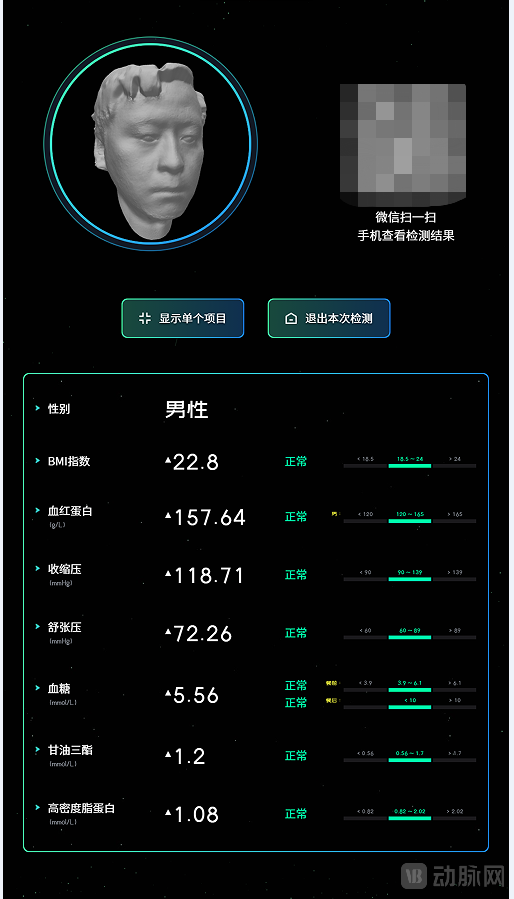
Against this backdrop, a growing number of innovators and entrepreneurs are entering the health monitoring sector. Among these numerous startups, Feipu Intelligence, founded in 2021, stands out as particularly unique. Recently, Feipu Intelligence unveiled a non-contact smart health-monitoring mirror capable of measuring multiple health indicators—including blood glucose, blood pressure, blood lipids, and BMI—within 10 seconds, providing users with more convenient and comprehensive physiological data.
Innovation: Accumulation and Exploration in the Field of Computational Biology
Although Feipu Intelligence is a nascent company with a relatively short operating history, its core technologies and founding team boast substantial technical accumulation and scientific research capabilities that command serious attention.
It is reported that Dr. Tang Kun, founder of Feipu Intelligence, is a renowned expert in the field of computational biology. He completed his Ph.D. at the National University of Singapore in just three and a half years and became a postdoctoral fellow at the Max Planck Institute for Evolutionary Anthropology in Germany at the age of 26, where he studied under Professor Mark Stoneking, a pioneer of the “Out of Africa” theory of human evolution.
At the age of 29, Dr. Tang Kun was appointed as a doctoral supervisor and professor at the CAS-MPG Partner Institute for Computational Biology (hereinafter referred to as the “Institute of Computational Biology”), becoming one of the youngest doctoral supervisors at the Chinese Academy of Sciences (CAS) at that time. During his ten-year tenure at CAS, most of the Ph.D. students he mentored went on to hold key positions at leading biomedical big data institutions in Europe and the United States, including roles such as Associate Professor at Yale University, Senior Researcher at the Wellcome Sanger Institute, and postdoctoral fellowships at Columbia University, the University of Oxford, and the University of Cambridge.
According to Dr. Tang Kun, the technological trajectory of Feipu Intelligence is closely aligned with his years of research accumulation. Since 2008, his team has pioneered the integration of human craniofacial phenotype research into high-precision computational omics systems, establishing a comprehensive suite of high-dimensional quantitative trait analysis methods based on human head and facial features. Leveraging this system, Dr. Tang’s team has conducted a series of innovative studies, which have been featured in interviews and reports by top-tier scientific journals such as Nature and Science.
In one study, Tang Kun’s team achieved the first-ever prediction and reconstruction of a person’s facial appearance based on DNA data. Japan’s national broadcaster, NHK, subsequently produced a special program reporting on Dr. Tang Kun’s achievement, which garnered significant attention in Japan.
Over years of research, Tang Kun’s team has discovered that high-dimensional phenotypic data from different layers of the human face are highly correlated with an individual’s health status, akin to a “fingerprint” of disease.
From the perspective of systems biology, this is easy to understand: the various levels of the human body are organized in a dynamic and coordinated manner. A change in one physiological indicator can ripple through multiple regions, triggering complex, systemic alterations. For instance, hyperglycemia can lead to microvascular occlusive disease, causing local inflammation and edema, as well as altering characteristic patterns of facial microcirculation. Hypertension can induce facial vasodilation, resulting in distinctive facial flushing and a rounded appearance. Hyperlipidemia promotes lipid deposition on the inner walls of blood vessels, which can easily lead to symptoms such as facial xanthomas and edema.
These changes manifest as a series of alterations across multiple levels, including morphology, spectra, and thermal distribution. However, when viewed in isolation, these data features are complex and subtle, making them difficult to detect and leverage using conventional medical diagnostic methods.
Therefore, Tang Kun’s team collaborated with algorithm experts both in China and abroad to employ methods such as latent factor modeling, high-dimensional feature extraction, and machine learning to denoise and amplify these complex multimodal signals. They then integrated and predicted multiple health indicators using deep neural networks.
10-Second Contactless Health Monitoring
Traditional health monitoring products typically achieve disease surveillance by detecting a single biomarker. For instance, the measurement of indicators such as blood glucose, blood lipids, and uric acid usually requires invasive blood collection for in vitro quantitative analysis. With advancements in smart technology, non-invasive, point-of-care, and even contactless health monitoring products are undoubtedly gaining greater favor in the market and among users.
In fact, there are already companies attempting to monitor health indicators through contactless smart mirror products at this stage, such as skincare mirrors with skin detection functions and smart mirrors that can be connected to external health monitoring devices. Moreover, last year, the FDA approved a contactless health monitoring device called Donisi De Novo. This device utilizes proprietary optical technology, algorithms, and AI technology to remotely monitor users' respiratory rate and heart rate.
However, overall, the health metrics provided by such products are largely limited in scope, failing to cover multiple core indicators routinely assessed during physical examinations, such as blood glucose, blood pressure, and blood lipids. Most products on the market rely on invasive or minimally invasive testing methods and are primarily designed for health monitoring in diagnosed patients, making them unsuitable for long-term, daily health monitoring among the general healthy or subhealthy population.
In the post-pandemic era, contactless products offer enhanced safety for large populations in public spaces. The smart mirror developed by Feipu Intelligence features a simple and efficient detection process, requiring only 10 seconds for scanning. Its average accuracy reaches 80%–85%, meeting the standards for Class II medical device certification, with accuracy for specific indicators exceeding 90%–95%. This performance is comparable to that of invasive and minimally invasive Class II medical devices currently sold on Taobao, Tmall, and JD.com. In practical applications, it supports daily testing, generating continuous weekly and monthly health monitoring trend charts, thereby providing more valuable insights into dynamic health status.
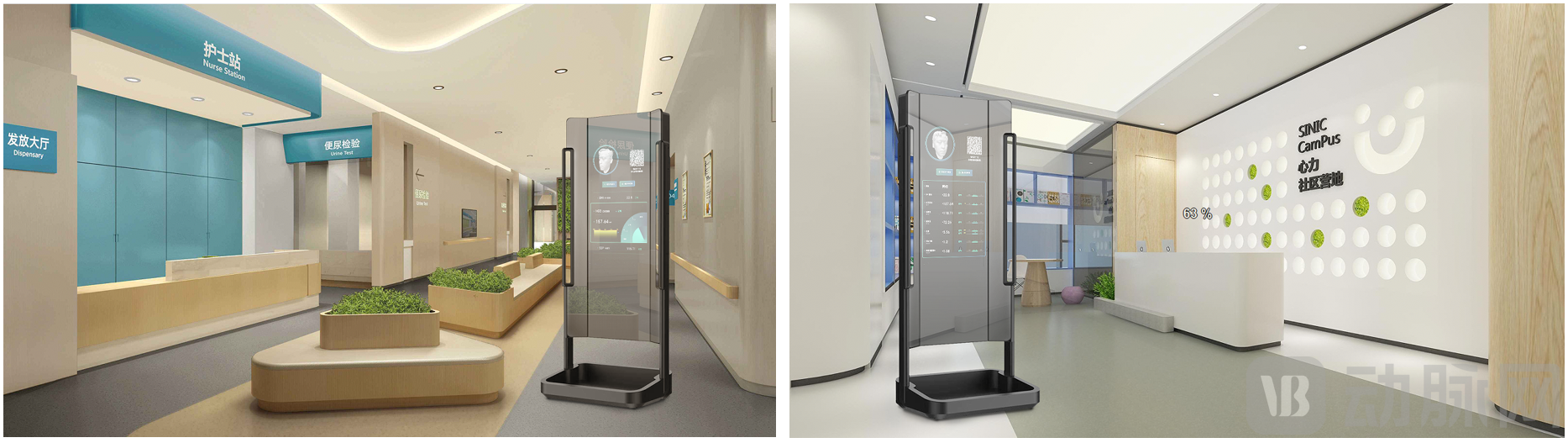
It is understood that this smart mirror leverages the complex many-to-many mapping relationships between optical signals and health indicators. By employing multimodal imaging and monitoring of the face through various optical modules—including near-infrared, 3D structured light, visible light, and thermal imaging—the entire process is streamlined and efficient, requiring only ten seconds to comprehensively capture facial physiological information in a single scan. Multimodal optical imaging signals undergo preprocessing, dimensionality reduction for component extraction, and prediction via multi-task deep neural networks to forecast multiple health indicators.
In addition to monitoring health indicators, Feipu Intelligent’s smart mirror can aggregate multiple data metrics to form a comprehensive personal health profile, allowing users to review historical monitoring data and assess their health status at any time.
In terms of data accuracy, Feipu Intelligence has conducted model validation involving nearly 10,000 individuals and has established formal collaborations with several leading hospitals. Moving forward, Feipu Intelligence will consolidate research findings related to its product technologies and publish these scientific achievements in prominent journals in the near future, thereby presenting rigorous data and research arguments to the broader community. The company also looks forward to engaging in in-depth collaborative research with peers in the same field. All these efforts provide a solid foundation for the implementation of non-contact health monitoring features.
Integration: Multidisciplinary Talent Builds Team Advantage
Feipu Intelligence boasts an extensive accumulation of scientific and technical expertise, while its market exploration capabilities are equally competitive.
Lu Sitong, CEO of Feipu Intelligence, has long focused on startup ventures in the hard intelligence sector. She previously served in the marketing departments of two large technology-driven industrial companies before transitioning into the investment field. Her career includes roles at a venture capital fund, a mass innovation incubator platform, and the strategic investment department of an AI enterprise. As a department head, she led her team in investing in and acquiring multiple outstanding intelligent technology companies, oversaw the establishment of the company’s four major business segments, and was deeply involved in post-investment management activities, including the integration of technical teams, personnel restructuring, and business expansion across these four segments.
Meanwhile, Lu Sitong has been actively involved in organizing the Global Hard-Tech Startup Competition for many years. In collaboration with overseas startup incubators, she helps identify and invite 100 high-quality, technology-driven international companies to participate in startup roadshows in China, facilitating their access to domestic market opportunities and business partnerships. On average, she engages with over 2,000 technology-driven companies across various industries each year. Her focus is on pioneering technological innovation enterprises spanning sectors such as internet healthcare, smart homes, artificial intelligence (AI), general health, intelligent manufacturing, and robotics. With extensive experience in managing startups and a comprehensive network of partners covering AI algorithms, software, sensors, and smart hardware, as well as government resources for local implementation, she provides substantial support in strategic planning, business development, talent acquisition, supply chain construction, and product commercialization for startup companies.
Chen Yuejun, another founding partner of Feipu Intelligence, has many years of clinical work experience and previously served as Head of Product at a leading domestic healthcare IT services company, accumulating extensive expertise in the design and development of healthcare informatics products.
Not only do the founders boast strong scientific research backgrounds, but Feipu Intelligence’s scientific advisory team also includes distinguished experts such as Mark Stoneking, Member of the German Academy of Sciences Leopoldina and Professor at the Max Planck Institute for Evolutionary Anthropology, and Dr. Stefan Gruenewald, Researcher and Doctoral Supervisor at the Institute of Computational Biology, Chinese Academy of Sciences.
Another scientific advisor, Professor Philipp Khaitovich, is currently a researcher at the Skolkovo Institute of Science and Technology in Moscow, Russia. He serves as an editorial board member for the international journals PLoS Biology and BMC Genomics, and previously served on the editorial board of eLife. He also acts as a peer reviewer for numerous leading international journals in his field, including Nature, Science, eLife, PLoS Biology, PLoS Genetics, PLoS Computational Biology, and Molecular Biology and Evolution. His awards include the Chinese Academy of Sciences International Cooperation Award for Young Scientists (2012), the International Cooperation Award for Young Scientists (2012 and 2013), the Shanghai “Magnolia Commemorative Award” (2013), the Chinese Government Friendship Award, and the Sino-Russian State Friendship Award (2015).
B2B Momentum Builds as Registration and Approval Processes Advance
In terms of market expansion, Feipu Intelligence is currently focusing on opening up the market through external collaborations with B-side partners, covering scenarios such as hospitals, health and elderly care centers, service industries, and schools.
Just days ago, Feipu Intelligence delivered its machines to a leading Grade A tertiary hospital, completing the localized deployment and implementation. In addition to gaining recognition in China, Feipu Intelligence has also established deep collaborations with high-end senior living communities in overseas markets, assisting them in building smart elderly care systems.
Furthermore, Feipu Intelligence collaborates with government entities to deploy smart health-monitoring mirrors within communities, providing residents with health monitoring services. This initiative not only enhances community quality but also supports the government in building a health big data platform, thereby establishing individual health management records for every citizen and enabling macro-level regulatory control.
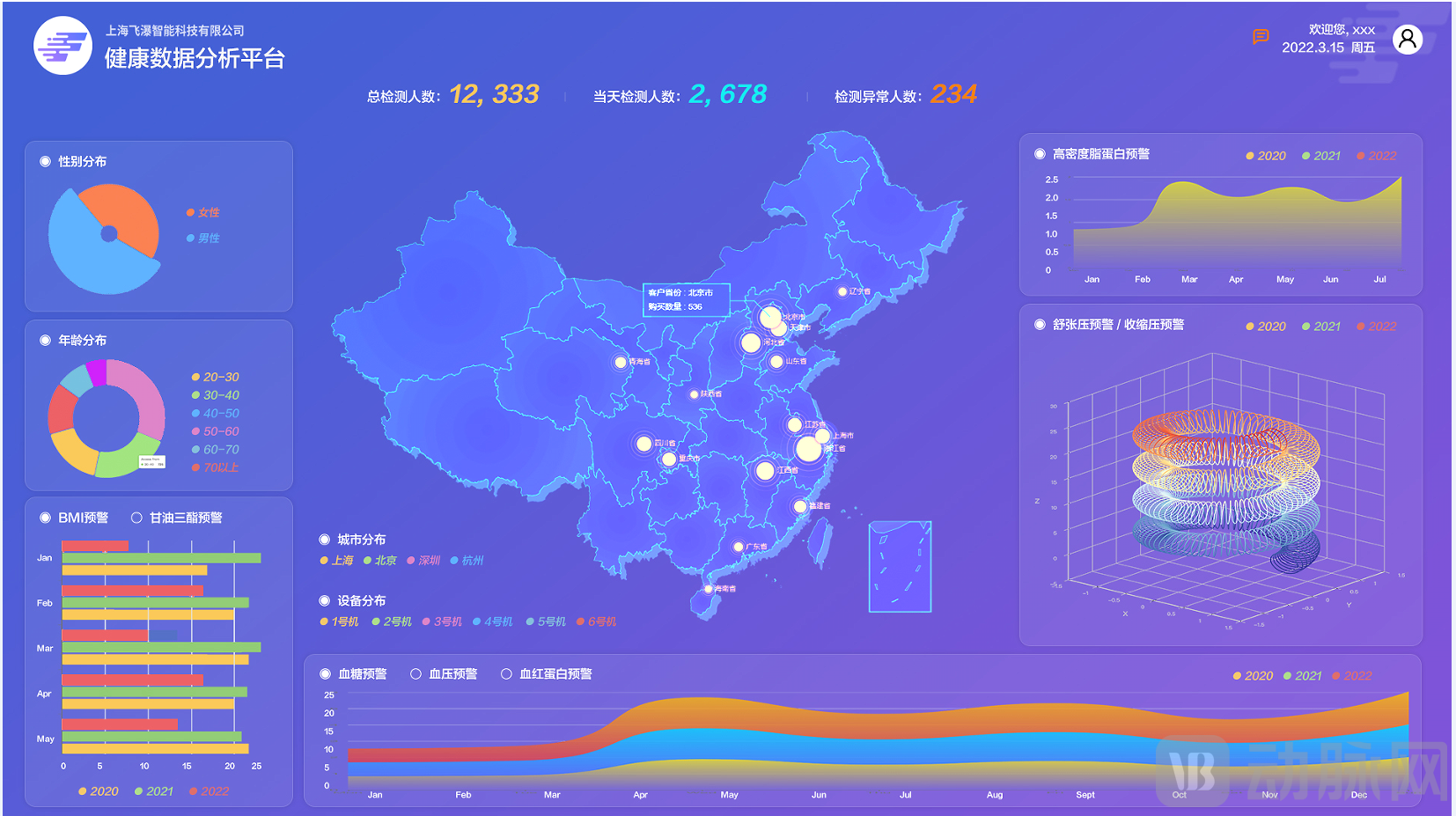
This strategic plan is underpinned by current policy-level support for the development of a comprehensive health service system. Furthermore, leveraging government channels to reach the general public can enhance market education for the product, thereby facilitating its more rapid adoption among the broader population.
With the current market expansion showing strong momentum, Feipu Intelligence has entered the stage of batch order processing and mass production delivery. In the long term, Feipu Intelligence plans to closely align with user needs in the coming period, continuously expanding and iterating the functions of its smart mirror products. For instance, it aims to leverage the smart mirror as a medium to provide professional sports rehabilitation guidance and promote mental health, thereby further enriching product functionalities and building a more comprehensive health management platform.
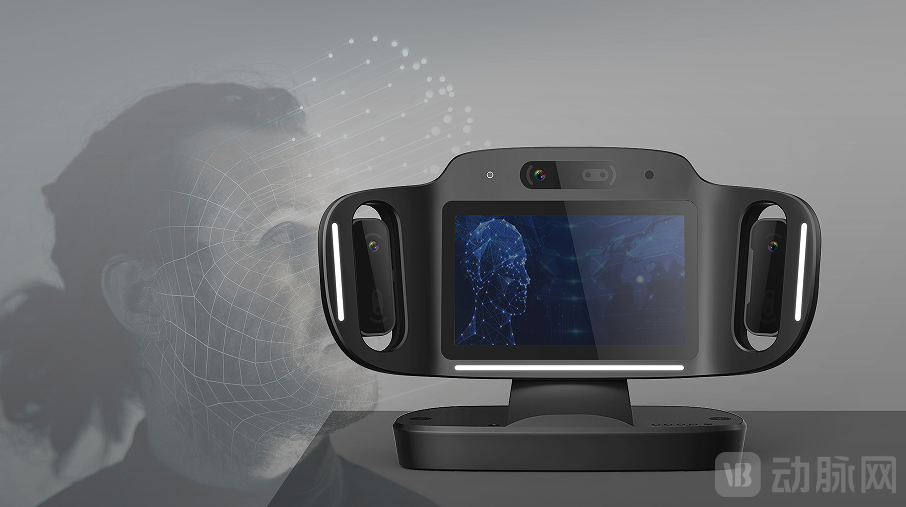
Meanwhile, Feipu Intelligence has consistently adhered to medical-grade standards in the consumer market. It is reported that the company has already initiated the NMPA approval process for its smart health-monitoring mirror.
In terms of market strategy, Feipu Intelligence will also strengthen the development of its marketing team. Meanwhile, it seeks to collaborate with more ecosystem partners and industrial capital in sectors such as healthcare, wellness, and insurance, jointly promoting industry advancement and its own growth to achieve win-win outcomes. The company is committed to providing more professional health management services to institutional and individual users, thereby contributing to people’s healthy and fulfilling lives.