

Triastek Announces FDA IND Clearance for T20, a 3D Printed Once-Daily Anticoagulant Drug Product
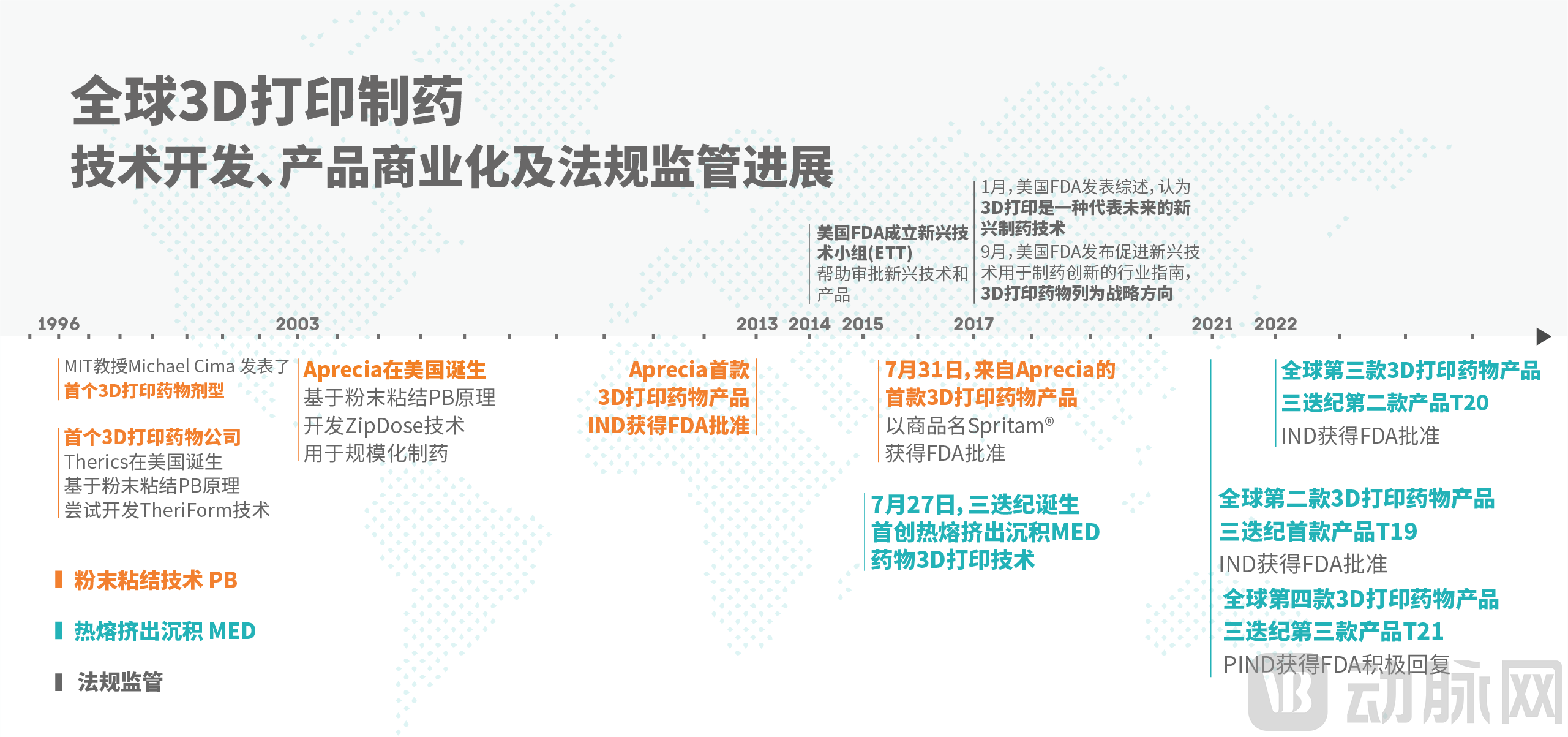
Recently, Nanjing Triastek Pharmaceutical Technology Co., Ltd. (hereinafter referred to as “Triastek”) announced that its independently developed 3D-printed drug product, T20, has received Investigational New Drug (IND) approval from the U.S. Food and Drug Administration (FDA) for clinical trials.This is the second IND approved by the FDA for Triastek, and the third 3D-printed drug product globally to enter the regulatory submission stage.
Trialtis’s T20 is pursuing the 505(b)(2) regulatory pathway for FDA approval in the United States. The reference product has been the global top-selling small-molecule drug for four consecutive years since 2018. The reference product is an immediate-release tablet requiring twice-daily dosing, with clinical indications including reducing the risk of stroke and systemic embolism in patients with non-valvular atrial fibrillation (NVAF), as well as preventing and treating deep vein thrombosis (DVT) and pulmonary embolism (PE). Key opinion leaders (KOLs) in the United States have stated that converting a twice-daily regimen to a once-daily regimen can reduce the medication burden for patients with atrial fibrillation, improve adherence among those receiving DVT and PE prophylaxis, lower the risk of thrombotic events, and thereby provide patients with superior therapeutic options.
Public information indicates that the originator company has attempted various technical approaches to develop a once-daily formulation. Its patents disclose that, compared with immediate-release formulations, the relative bioavailability of an equivalent dose of the once-daily modified-release formulation is only 50–70%, with a rapid decline in plasma concentrations after reaching peak levels. The primary reason is that the drug exhibits very low solubility at the once-daily dose, and its permeability decreases substantially as it transits to the distal small intestine and ascending colon, resulting in poor absorption. The drug’s low solubility and low in vivo permeability pose significant technical challenges to the development of a once-daily product.
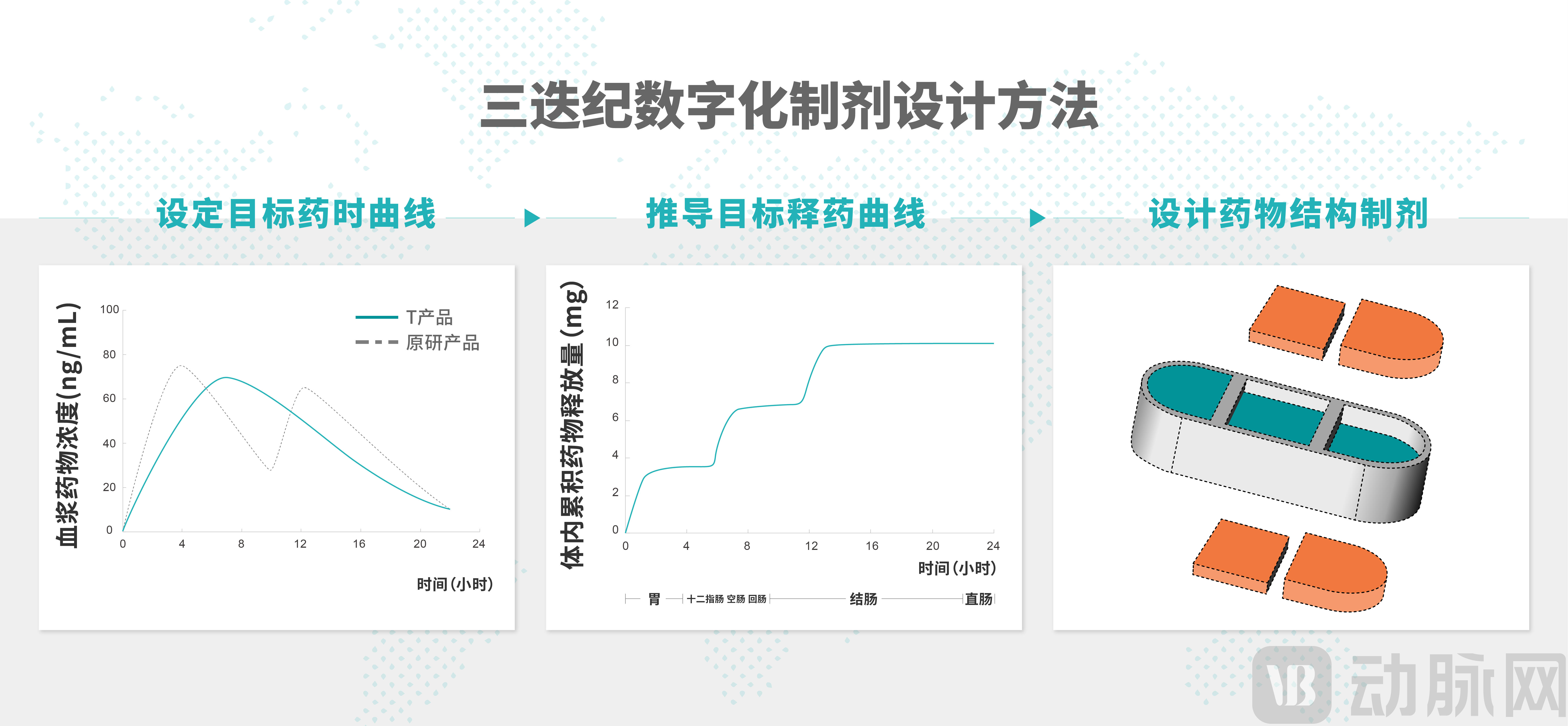
Triastek’s innovative digital formulation development approach and its proprietary programmed drug release technology provide a technical solution for the development of T20 products requiring only once-daily dosing, aiming to achieve pharmacokinetic profiles that are difficult to attain with traditional formulation technologies. Triastek has developed a digital formulation development method known as 3D Printing Formulation by Design (3DFbD®). This process begins by applying physiology-based biopharmaceutics modeling, using human parameters from literature, to calculate target release profiles across different times and spatial locations in vivo, based on optimized target pharmacokinetic curves. Subsequently, leveraging Melt Extrusion Deposition (MED®) 3D printing technology, multi-chambered drug structure formulations are designed and fabricated according to these target release profiles. This enables precise “3R” control over drug release: delivering the right amount of drug at the right time to the right location in the gastrointestinal tract, thereby ensuring effective drug absorption. The T20 product prototype developed by Triastek has been validated in beagle dogs, and the next phase will advance to small-scale clinical pharmacokinetic studies.
In 2021, after completing the preliminary feasibility study, Triastek submitted a Pre-IND meeting request for T20 to the U.S. FDA and received positive feedback regarding its product development plan. The FDA agreed that T20 could be submitted for marketing approval by establishing a bridge to the reference listed drug through clinical pharmacokinetic studies, thereby significantly reducing the time and cost of product development.
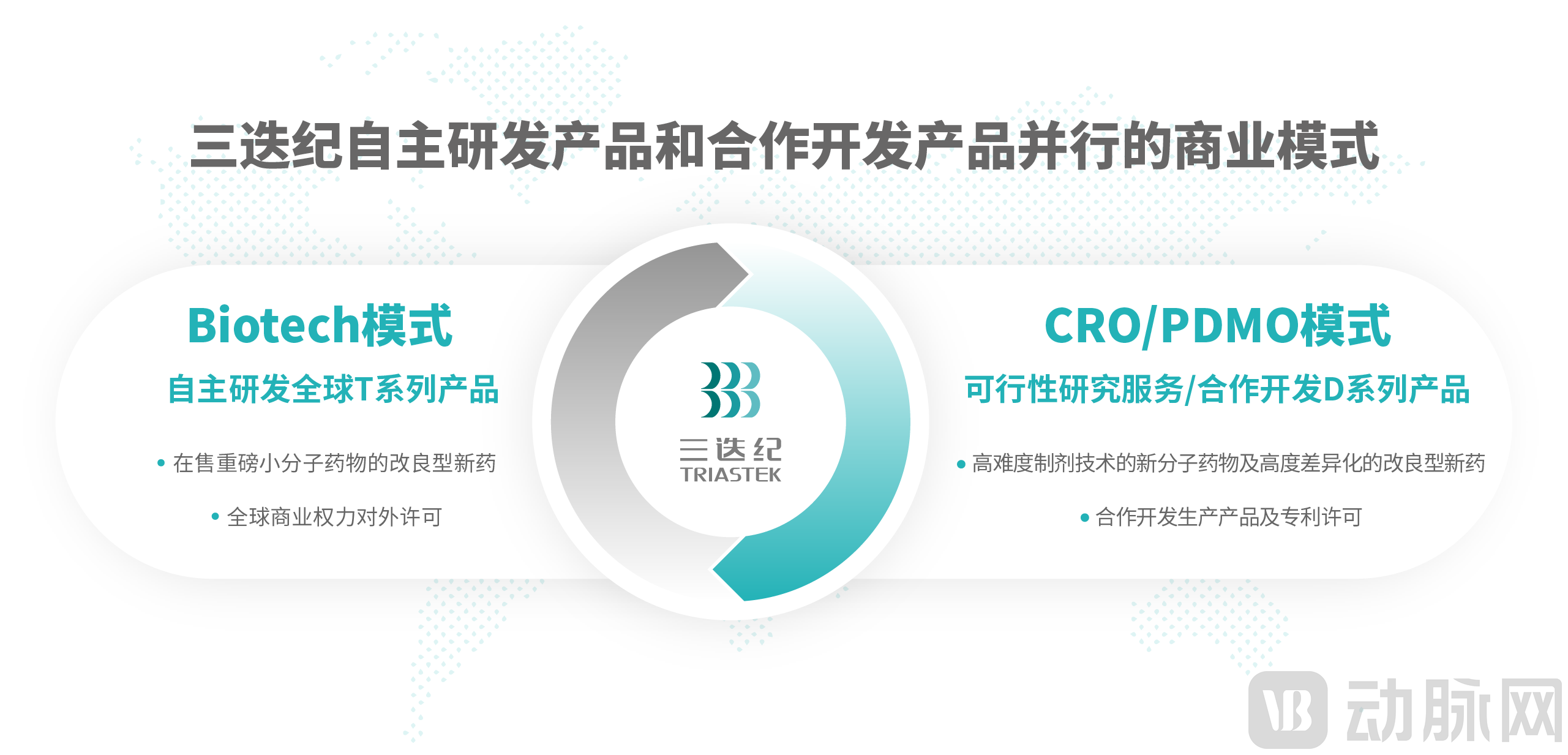
Triastek is positioned as a platform company specializing in 3D-printed formulation technologies, operating under a business model that combines independently developed products with co-developed partnerships. Its self-developed global “T” series consists of 505(b)(2) drugs, whose reference listed drugs are all blockbuster small-molecule therapies currently marketed in the respective therapeutic areas. Triastek leverages its proprietary programmed drug release technology to optimize these products and out-licenses their global commercialization rights. As an emerging pharmaceutical technology company with original core technologies, Triastek’s global “T” series carries the mission of applying MED 3D printing technology to drug product development, international regulatory filing and registration, GMP manufacturing, and commercialization, thereby driving the company’s globalization strategy. Furthermore, leveraging its proprietary 3D-printed formulation technology platform, Triastek has partnered with multiple multinational and domestic pharmaceutical companies to jointly develop 505(b)(1) products involving complex formulation technologies, as well as highly differentiated 505(b)(2) products.
T20 is the second product in Triad’s independently developed global T-series. The originator drug is the world’s best-selling anticoagulant, and its compound remains under patent protection in major markets and regions, including the United States, Europe, and Japan. Global sales are expected to continue rising, with an estimated annual peak sales of up to $22 billion. As a next-generation improved product in the originator’s lifecycle management strategy, T20 will actively explore opportunities for commercial licensing and will advance international regulatory filings and clinical studies in accordance with the progress of commercial partnerships.
Dr. Cheng Senping, Founder and CEO of 3D Iteration“It typically takes 30 years for emerging pharmaceutical technologies to progress from development to application, and 3D-printed pharmaceuticals have already undergone 26 years of development. Currently, there are four 3D-printed drug products under regulatory review worldwide, three of which were contributed by Triastek. The FDA’s acceptance of the Investigational New Drug (IND) application for T20 marks not only a milestone for Triastek but also a significant advancement in the field of 3D-printed pharmaceuticals.”