

Medical Community Voices Strong Support as Rehabilitation Robots Emerge as Industry Mainstream; MileBot Robotics Files IPO Prospectus
Recently, in the field of rehabilitation robotics, several prestigious universities and hospitals—including Tsinghua University, Wuhan University, the First Affiliated Hospital of Nanjing Medical University, Shenzhen Second People's Hospital, and Qilu Hospital of Shandong University—jointly published multiple high-quality academic papers in top-tier SCI journals. A common collaborating institution mentioned by all authors is MileBot Robotics.
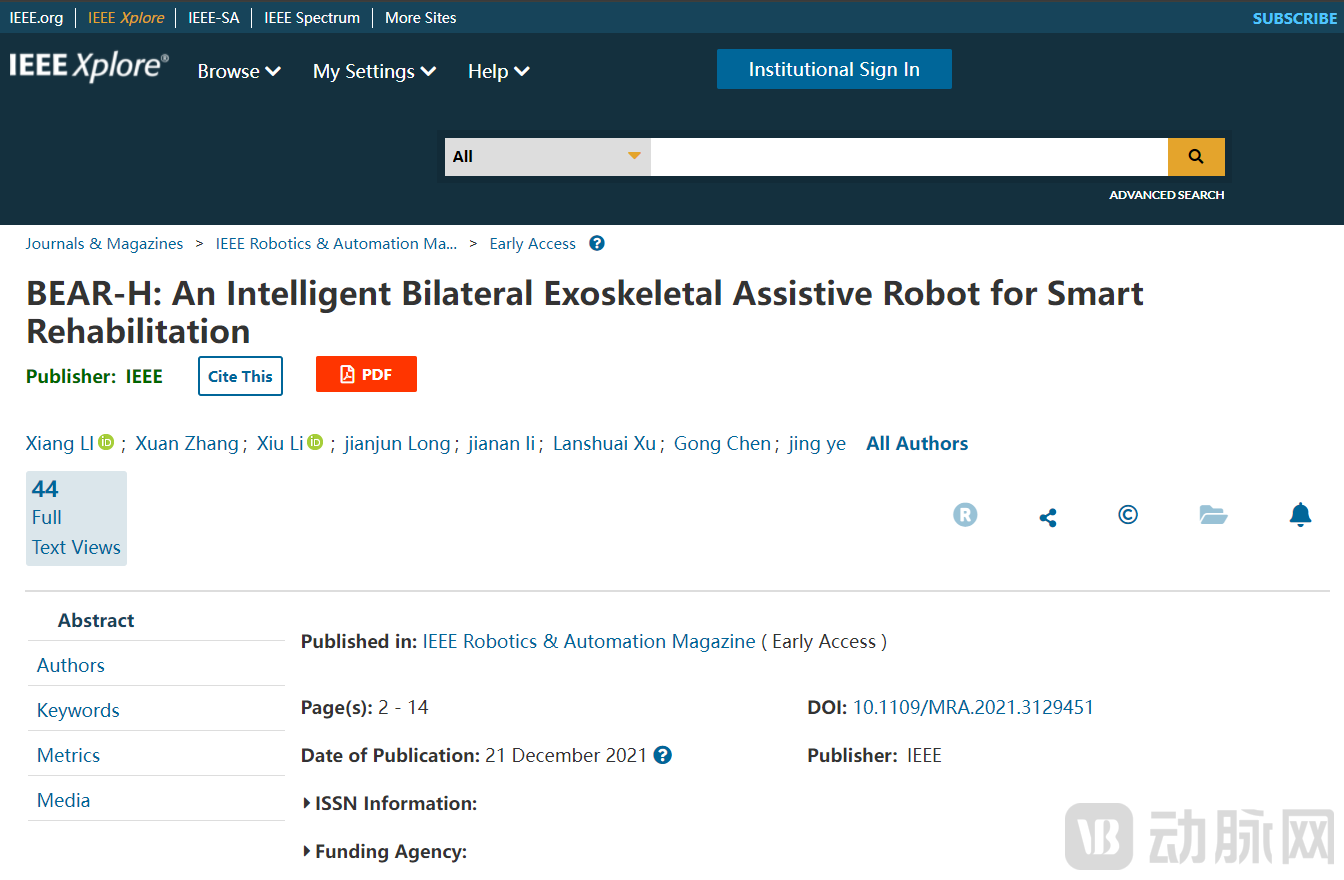
In the top-tier authoritative journal of robotics, IEEE ROBOTICS & AUTOMATION MAGAZINE (JCR Q1), Tsinghua University published an academic paper titled “BEAR H: An Intelligent Bilateral Exoskeletal Assistive Robot for Smart Rehabilitation.” The paper stated that Tsinghua University, the First Affiliated Hospital of Nanjing Medical University, Shenzhen Second People’s Hospital, and MileBot Robotics jointly conducted a comprehensive comparative analysis of novel intelligent lower-limb exoskeleton rehabilitation robots both domestically and internationally through an integrated industry-academia-research-application model, and fully validated the efficacy through assessment of training outcomes.Maibu RoboticsThe effectiveness of the H-series lower-limb exoskeleton robots developed by the team, forFlexible Drive, Personalized AssistanceThe lower-limb exoskeleton robot has received full recognition. Research results indicate that patients’ lower-limb motor function significantly improved after training with this device.
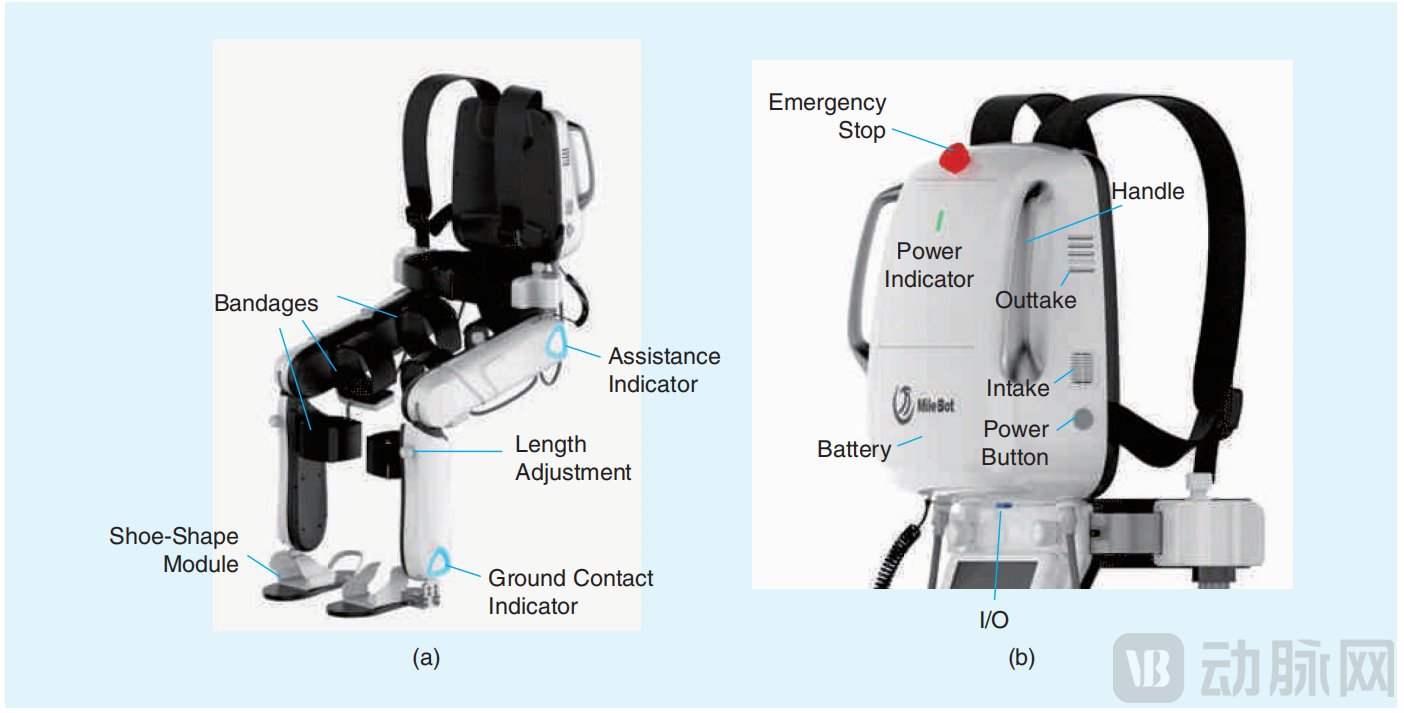
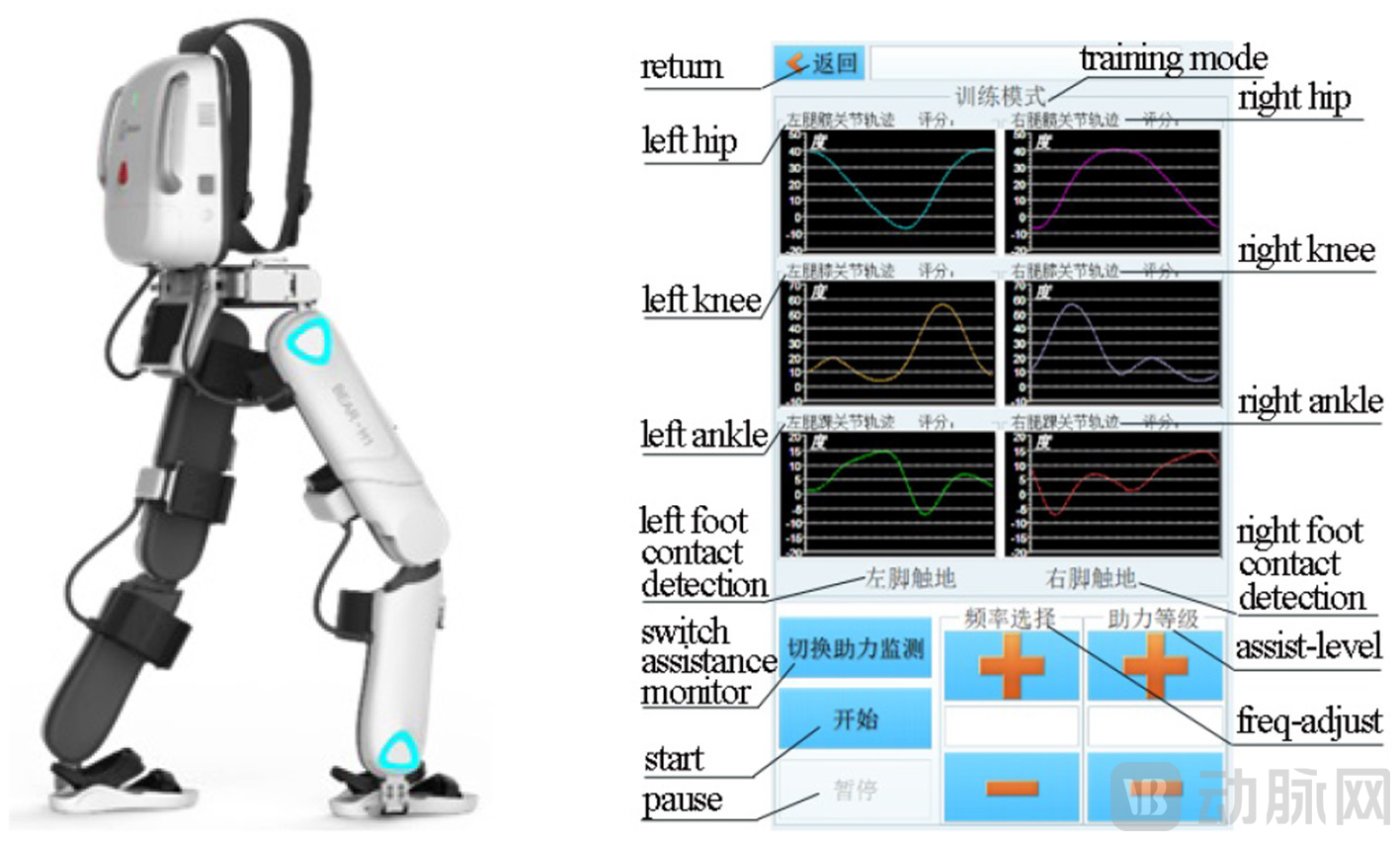
Compared with other rehabilitation robots, BEAR-H has the following features:
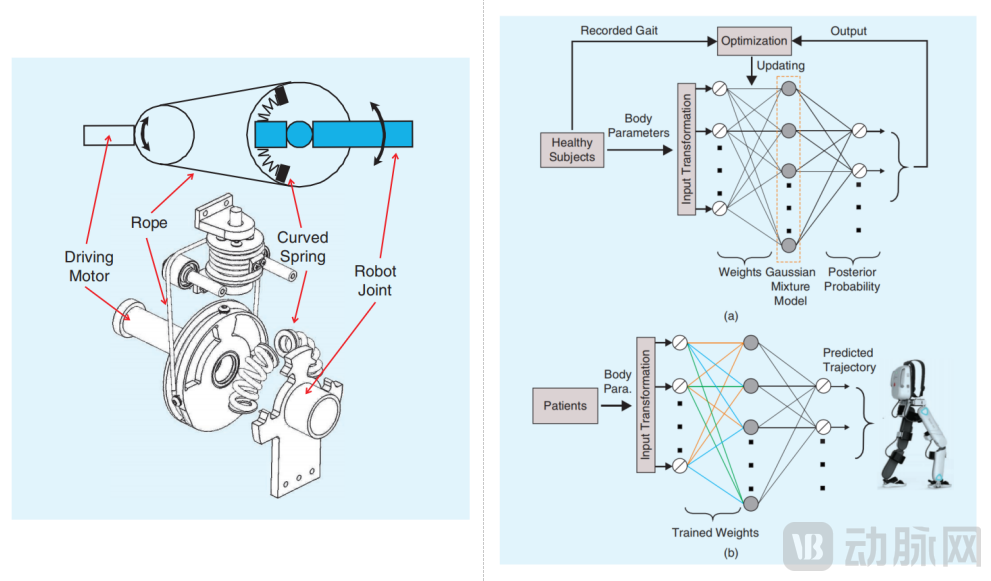
1) The industry’s only flexible drive technology, ensuring comprehensive safety:Compared with traditional rigid actuators, soft actuators exhibit superior stability and force feedback accuracy in human-robot interaction applications such as force control and impedance control. They enable force feedback without the need for additional force/torque sensors, thereby maximizing operational safety.
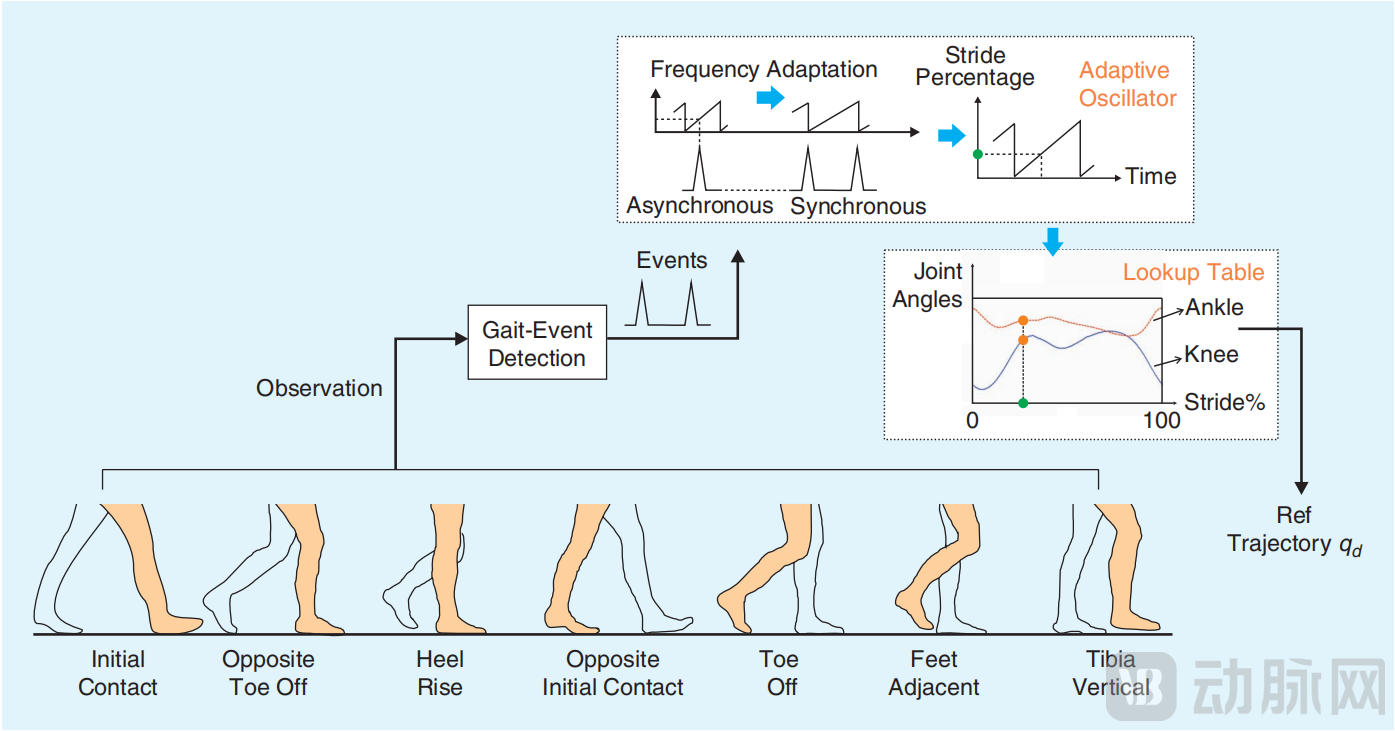
2) Personalized assistance solutions better cater to patients’ individual usage habits:A personalized trajectory generation scheme is proposed, which establishes a deep neural network mapping patient physical parameters to lower-limb gait trajectories via machine learning. This approach customizes gait trajectories to provide more tailored personalized assistance, adjusting the relationship between interaction torques and joint angles under uncertain dynamic conditions. The implementation of the impedance model also provides a certain degree of freedom for movement, making it suitable for rehabilitation paradigms that require on-demand assistance.
3) A management platform for follow-up and dynamic adjustment, making the rehabilitation process no longer unfamiliar to patients:Establish a cloud-based management platform that enables physicians and family members to monitor rehabilitation progress, access personalized profiles with historical data, and quickly gain a comprehensive overview of the entire training process. By visualizing rehabilitation training data, the platform facilitates precise and intelligent rehabilitation.
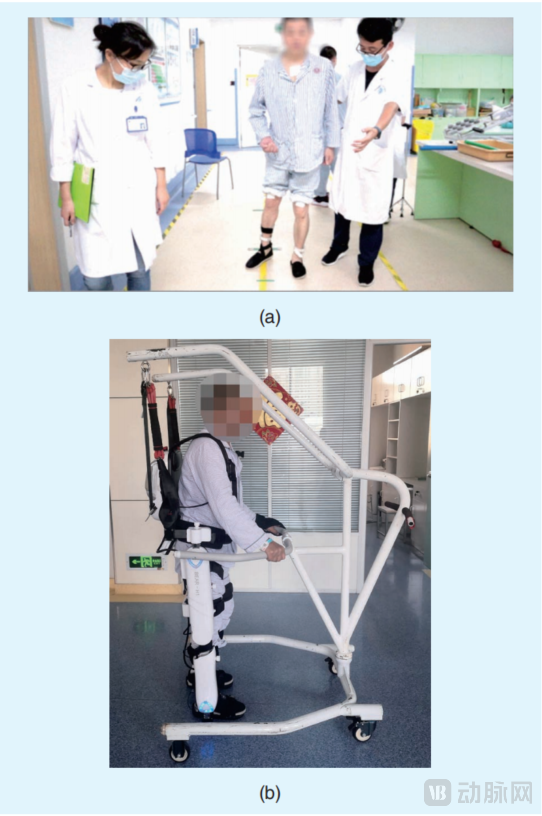
We note that Chen Gong, CEO of MaiBu Robotics, and Ye Jing, CTO, are listed among the co-corresponding authors. Notably, the author list also includes:Academician Li Jian'an (the pioneer of rehabilitation medicine in China) from the First Affiliated Hospital of Nanjing Medical University,Professor Li Xiang, Department of Automation, Tsinghua University,Both are experts who have dedicated decades to the field of rehabilitation robotics.
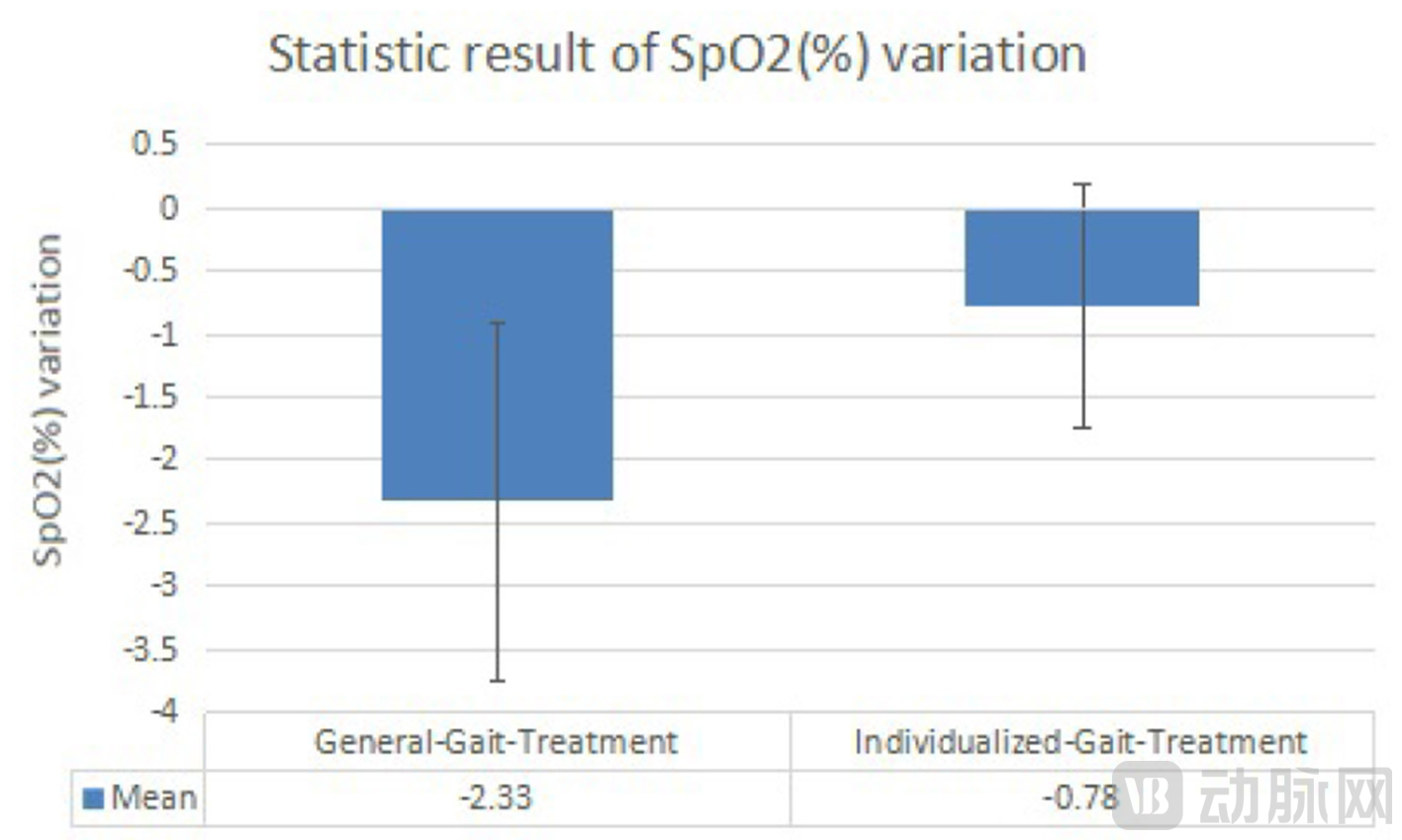
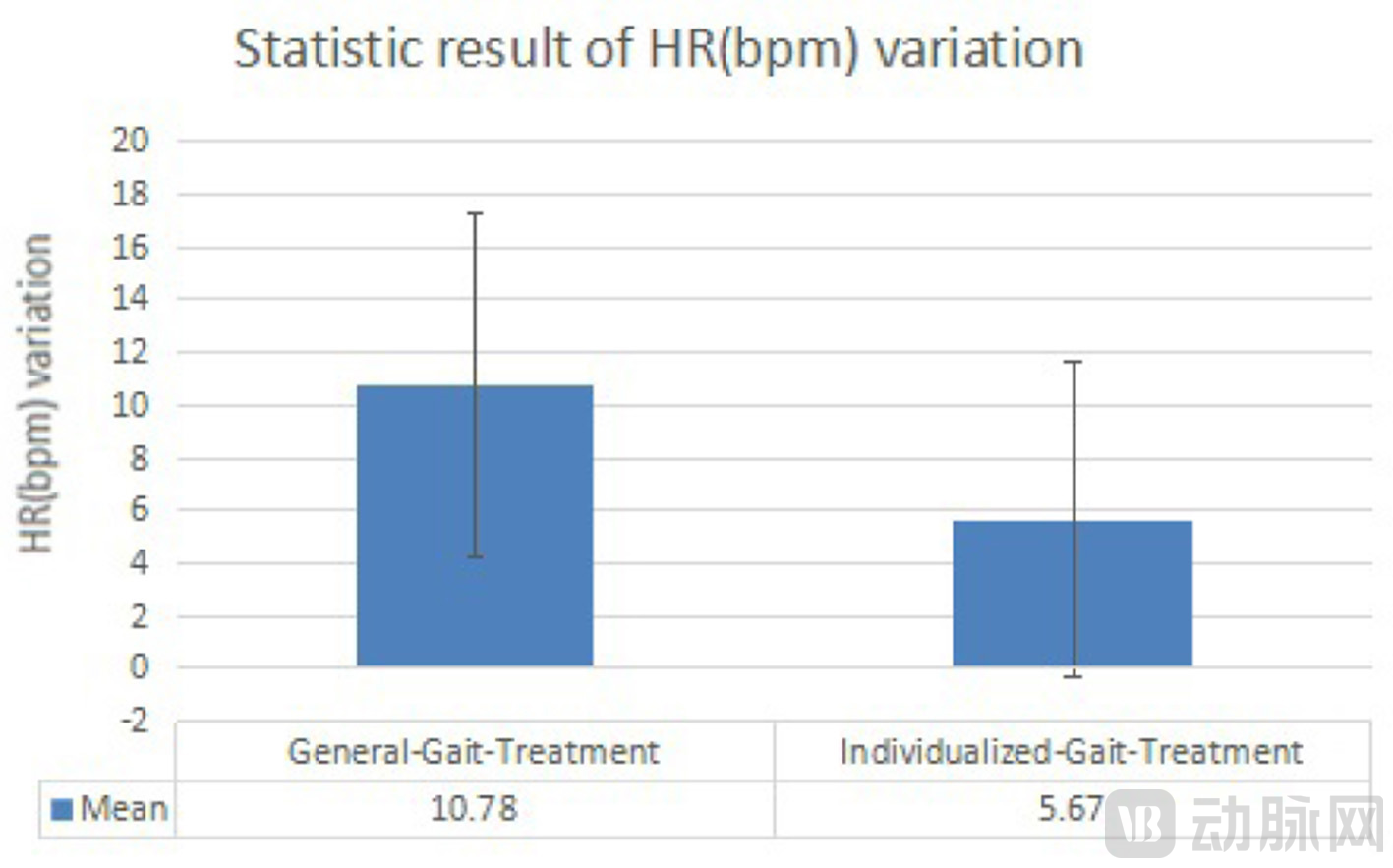
At the same time, we note thatWuhan University, Qilu Hospital of Shandong University, the First Affiliated Hospital of Nanjing Medical University, and other institutionsAlso with the MaiBu Robotics teamAtSCI journal Frontiers in Neurorobotics (JCRZone 2)Published under the title"Effects of Individualized Gait Rehabilitation Robotics for Gait Training on Hemiplegic Patients: Before-After Study in the Same Person"academic articles.The article exploresUse of Lower-Limb Exoskeleton Robots in Stroke PatientsThe Impact of the BEAR-H Series on Gait Rehabilitation Training: Data Collection and Analysis of User Energy Consumption Validate the Effectiveness of Personalized Gait Trajectories in Enhancing Rehabilitation Efficiency. Currently, only the MaiBu lower-limb exoskeleton robot offers this personalized gait rehabilitation training mode.
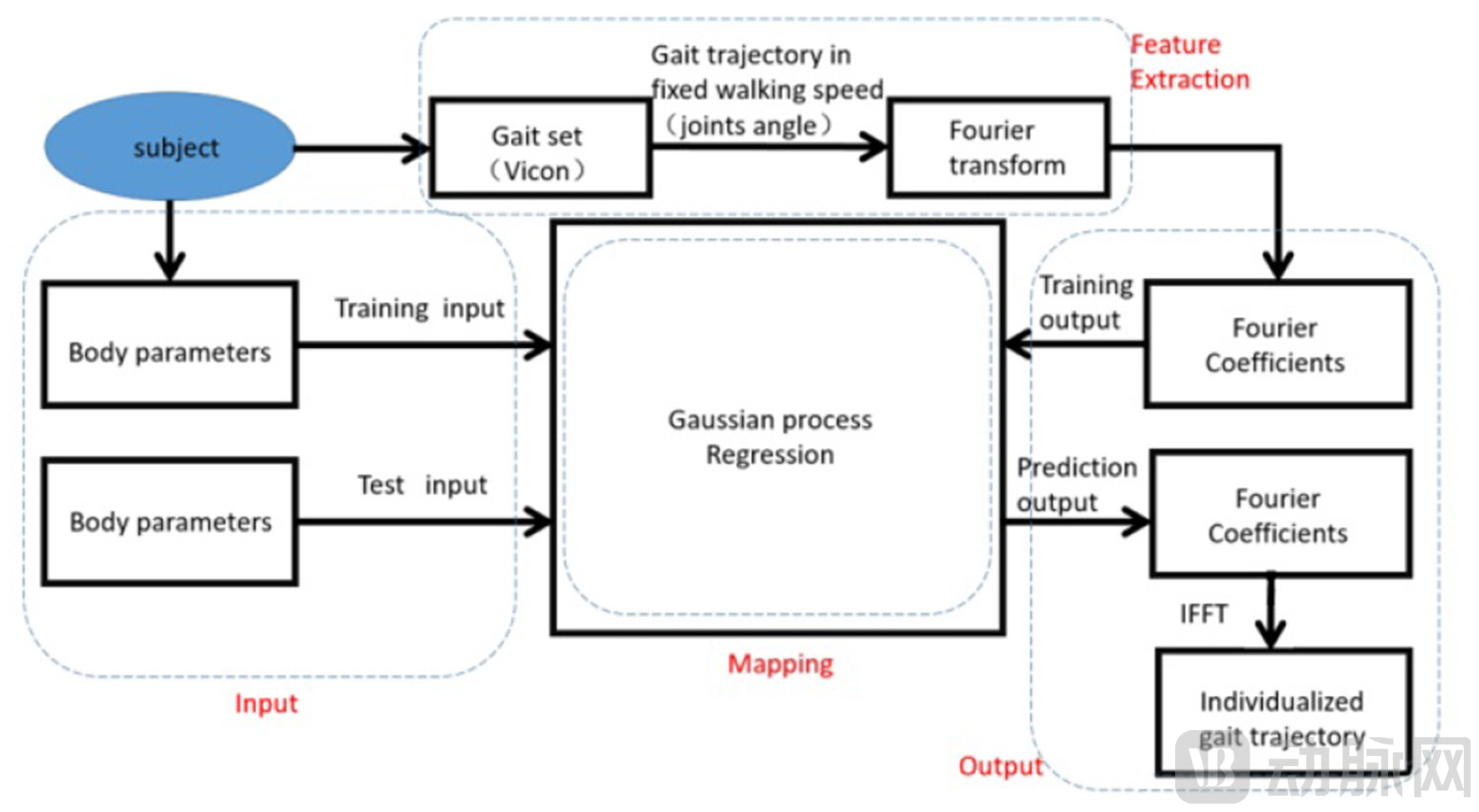
Intergroup comparisons indicated that,PassedPersonalized gait rehabilitation training can improve the training efficiency of hemiplegic patients after stroke.
Currently, in the field of rehabilitation robotics, international giants have taken a global lead in the innovation and industrialization of flexible wearable medical devices. In contrast, most Chinese manufacturers of rehabilitation robots remain at the stage of developing frame-based training robots, failing to achieve breakthroughs in several core technologies, such as compliant actuation and intelligent data processing. It is reported that over the past three years, MaiBu Robotics has jointly published more than 20 papers in top-tier international journals in collaboration with renowned universities and hospitals. These publications validate, from a clinical outcomes perspective, the team’s cutting-edge technical expertise in robotics, demonstrating technical capabilities and innovative capacity fully on par with those of international industry leaders.
The MaiBu Robotics team comprises several overseas-returned PhDs, including Chen Gong and Ye Jing, as well as seasoned professionals from the robotics industry. The company has developed a range of medical rehabilitation robots based on flexible actuator human-machine interaction technology. It has filed nearly 200 domestic and international patents in the field of medical rehabilitation robotics, with over 100 already granted. All its products have obtained medical device registration certificates from the National Medical Products Administration (NMPA) and are capable of mass production. The company has secured multiple rounds of strong financial support totaling over RMB 100 million from the capital market, attracting renowned investors such as Legend Capital (which invested in four consecutive rounds), FenShare Investment, Weigao Group, and Sihuan Pharmaceutical. It is one of the few companies in China to recently receive strategic investments from two listed companies simultaneously.
The MaiBu Robotics team has garnered widespread recognition. To date, it has received nearly 100 honors, including being named to the Zero2IPO Venture 50 (Top 50 Most Investment-Worthy Enterprises in China) in 2017 and 2018, being accredited as the Guangdong Provincial Engineering Technology Research Center for Flexible Wearable Rehabilitation Robots in 2021, and being listed among KPMG’s “Top 50 Private Rehabilitation Medical Service Providers in China” in 2021. The team is accelerating the development of an intelligent rehabilitation ecosystem by researching, developing, and manufacturing various types of exoskeleton robots. This enables robot-assisted rehabilitation training to cover multiple domains. By leveraging big data and artificial intelligence, the team is gradually establishing a robotic evaluation system aligned with clinical assessments, ultimately achieving personalized, precise, and intelligent rehabilitation training to address the rapidly aging society.