

Bailing Bio: Driving the Second Revolution of 'The Foundation of Medicine' Through Innovation
Clinical pathological diagnosis, regarded as the “gold standard” for disease diagnosis, plays a decisive role in tumor diagnosis. William Osler, the father of modern clinical medicine, once referred to pathology as the “foundation of medicine,” and pathologists are often called “the doctor’s doctor.”
In 2020, the National Health Commission explicitly stipulated in the newly released "Administrative Measures for the Clinical Application of Antineoplastic Drugs (Trial)" that physicians shall not prescribe antineoplastic drugs for treatment before pathological confirmation results are issued. The importance of pathological diagnosis has been further elevated, positioning it as the "gatekeeper" of the multi-hundred-billion-yuan tumor treatment market.
With the rapid advancement of precision oncology diagnosis and treatment, particularly novel therapies such as immunotherapy and cell therapy, the importance of pathological diagnosis and emerging pathology-based companion diagnostics has witnessed an unprecedented surge globally. In particular, high-precision pathological diagnostics, represented by immunohistochemistry and molecular pathology, have entered a period of explosive growth.
Hangzhou Bailing Biotechnology Co., Ltd., a national high-tech enterprise rooted in original innovation and dedicated to providing “quality-controlled total solutions for immunohistochemistry in pathological diagnosis,” has come into the spotlight. To gain deeper insights into the current state of the pathology industry, VCBeat conducted an exclusive interview with Lu Jinfeng, founder of Bailing Biotechnology.
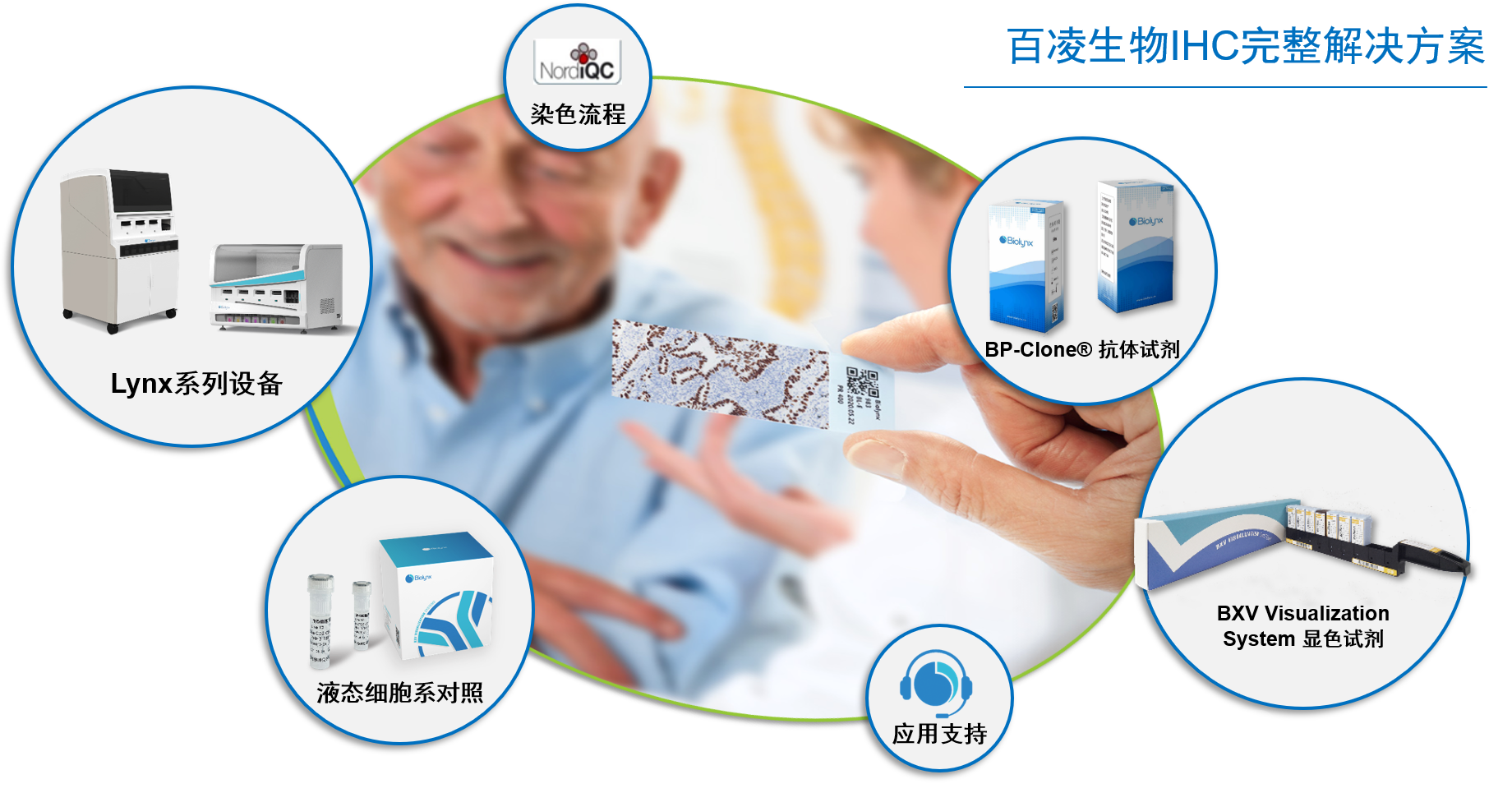
Bailing Biotech Comprehensive Solutions
Hangzhou Bailing Biotechnology Co., Ltd. (“Bailing Bio”) is a high-tech enterprise specializing in professional pathological immunohistochemistry solutions. Leveraging globally leading innovation and original research capabilities, the company aims to provide innovative products that address existing gaps for pathologists and clinical pathologists, delivering more precise and reliable solutions for pathological diagnosis. Its product portfolio primarily includes antibody reagents, automated staining instruments, reagents, consumables, quality control materials, and analytical software.
"The Foundation of Medicine": The Short Stave of the Barrel and Developmental Constraints: Standardization and Quality Control
As a critical technique in high-level clinical pathological diagnosis, immunohistochemistry (hereinafter referred to as “IHC”) is a rigorous laboratory medical technology with exceptionally high technical requirements. Although this technique has been widely applied in clinical practice, it still suffers from numerous shortcomings, which even impose significant constraints on meeting the diagnostic demands of emerging therapies such as immunotherapy. Lu Jinfeng believes that the two most significant shortcomings are standardization and quality control.
The primary constraint on the rapid development of pathology is standardization, which is closely related to the complexity of immunohistochemistry (IHC) assays. This challenge stems not only from the unique biological and fundamental immunological principles underlying IHC testing, but also from several practical difficulties: the distinctive characteristics of tissue samples under analysis, low standardization in pre-analytical processing, numerous procedural steps, a wide variety of reagents, difficulty in controlling reaction conditions, and the high complexity of interpretation criteria. These factors collectively pose significant obstacles to the standardization and quality control of immunohistochemistry.
Global pathology experts generally agree that these characteristics introduce numerous variables into the immunohistochemistry testing process. The resulting staining variations can significantly impact the pathological diagnoses rendered by pathologists, thereby posing a risk of misdiagnosis.
Since the late 20th century, industry leaders such as Ventana (later acquired by Roche) in the United States and Dako (later acquired by Agilent Technologies) in Denmark have continuously enhanced the standardization of immunohistochemistry assays and laboratory efficiency through technological research, development, and improvement.
Notably, Ventana (Roche) has vigorously promoted its automated immunohistochemistry staining platforms worldwide, “sparking the first revolution in pathological immunohistochemistry.” By replacing manual procedures with automation, it has achieved substantial progress and improvements in immunohistochemical standardization and laboratory operational efficiency.
In Lu Jinfeng’s view, a complete automated solution is not merely about replacing manual operations with simple mechanical ones. Under the automation platform, through deeply validated reagent components and their relatively fixed staining protocols and controlled conditions, it truly achieves “the establishment of a reliable staining system for immunohistochemistry (IHC) detection experiments of every biomarker.”
In China’s pathology immunohistochemistry field, the level of standardization is far from optimistic. A series of issues—including dependence on imports due to a lack of independent R&D capabilities, low clinical reimbursement rates, and a scarcity of pathological experts—have resulted in significantly insufficient automation-driven standardization and highly uneven development within the industry.
Another pain point of global industry concern is quality control in immunohistochemistry. Due to the inherent complexity of immunohistochemical assays, even the adoption of automated, standardized, and comprehensive protocols cannot fully guarantee the reliability of experimental results. Moreover, automated instruments themselves—based on currently predominant international mechanical control principles—can introduce new sources of interference.
Therefore, led by NordiQC, the most internationally recognized and authoritative accreditation body for pathology laboratories, teams of pathology experts have been striving toward this goal and have successively introduced a series of “gold standards” for immunohistochemistry quality control based on “critical analytical performance control materials (iCAPCs, hereinafter referred to as staining controls).” By implementing these standards, improved quality control over immunohistochemical staining results can be achieved, thereby ensuring the safety and reliability of pathological diagnoses.
However, this quality control system has a critical flaw: the chromatin quality control materials are derived from human tissue samples. This reliance introduces a series of challenges, including medical ethical concerns, unsustainable supply, scarcity of certain disease models, sample heterogeneity, lack of standardization in tissue pre-processing, and substantial workload, all of which severely hinder the comprehensive implementation of the system.
In China, the issue of quality control in immunohistochemistry is more severe. Taking a developed province on the eastern coast as an example, the survey report from the Pathology Quality Control Center (PQCC) under its Health Commission shows that over 85% of pathology laboratories have insufficiently refined internal quality controls, and the selection of tissue for control settings in testing experiments is not reasonable enough.
With the advancement of medicine and technology, clinical pathology has presented multiple opportunities for innovative development. Examples include AI-based computer-aided interpretation, telepathology, and companion diagnostics requiring a shift from qualitative to quantitative assessment. If quality control issues in immunohistochemistry experiments are not resolved, it will be difficult for innovations and developments in these areas to be effectively implemented and realize their full potential.
Innovation Rooted in Quality Control: Driving the Second Revolution in Industry Development
To address the aforementioned industry pain points, the R&D team at Bailing Biotechnology has innovatively developed “Liquid Cell Quality Control Materials” as a novel immunohistochemistry quality control method termed “Key Analytical Performance Quality Control Materials (iCAPCs),” aiming to resolve the challenging bottlenecks constraining industry development.
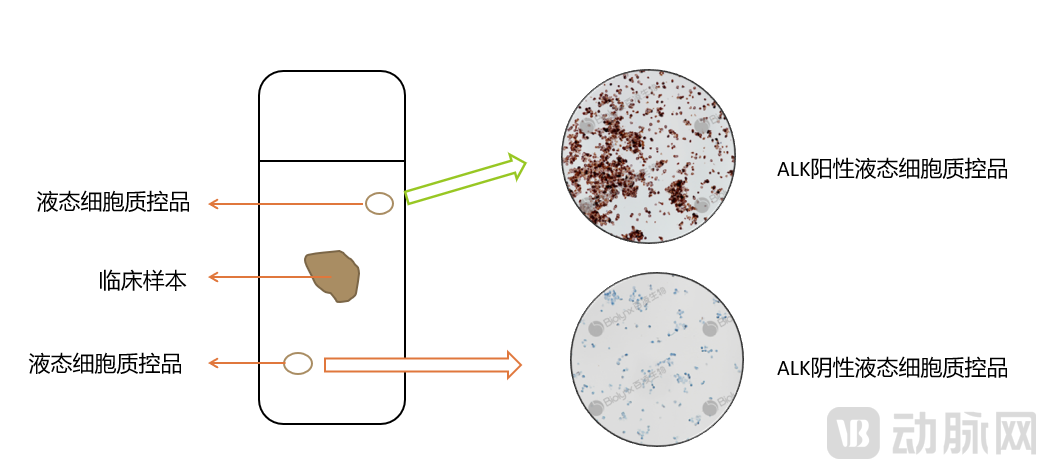
Liquid Cytoplasmic Quality Control Material
This innovative product not only addresses multiple challenges associated with using tissue samples as quality control (QC) controls—including medical ethics, sustainable supply, scarcity of disease models, and sample heterogeneity—but also liberates pathology laboratory personnel from tedious tasks through its user-friendly "liquid droplet, ready-to-use" format, thereby facilitating the easy implementation of "QC on every slide" in pathological immunohistochemistry.
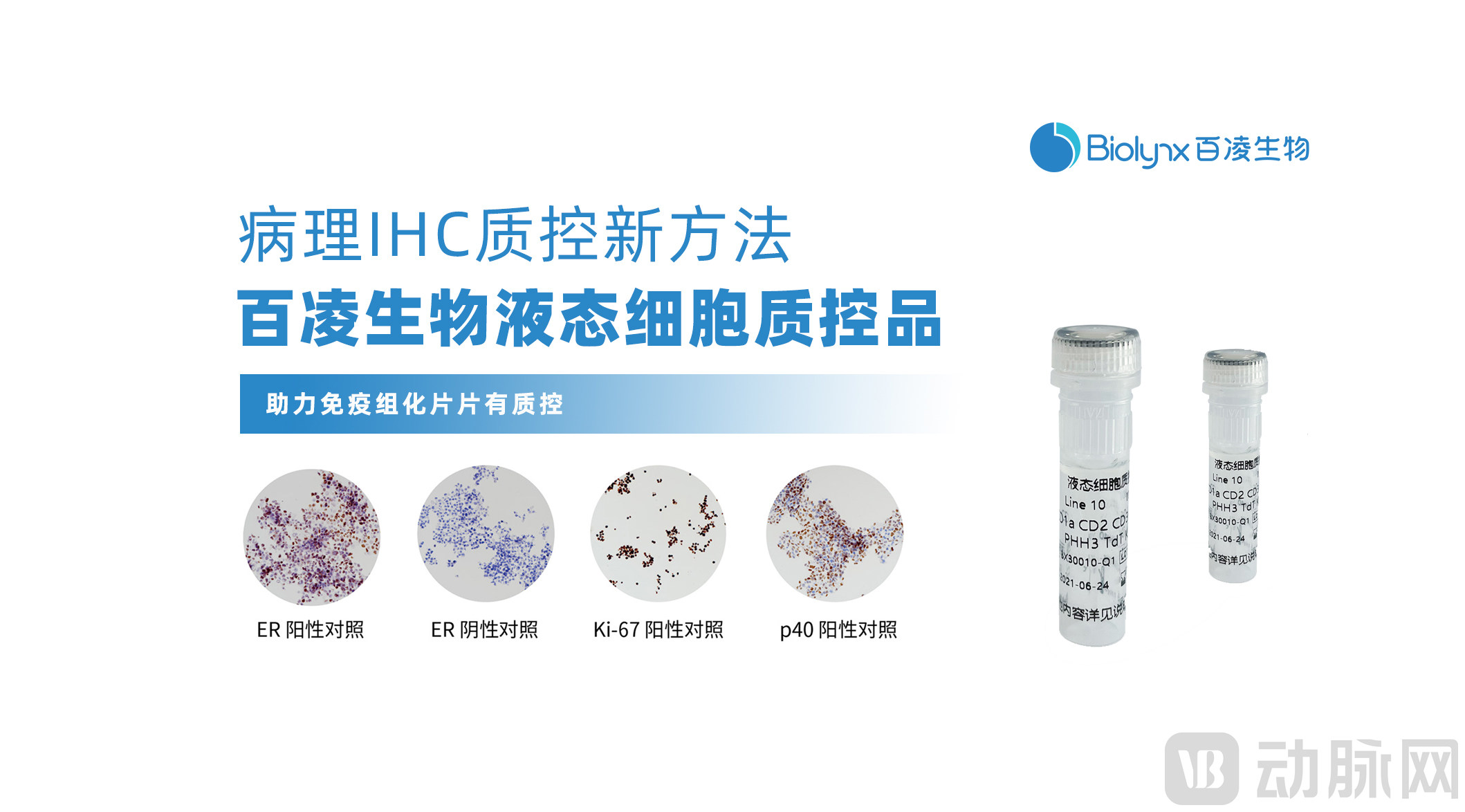
Liquid Cytoplasmic Quality Control Material
Regarding the product development process, Mr. Lu candidly stated that the team’s dual in-depth understanding of immunology and clinical pathology serves as the cornerstone for Hangzhou Bailing Biotechnology Co., Ltd.’s ability to develop liquid cell quality control products. Of course, the company has also built upon the work of its predecessors; in particular, its product development logic is primarily based on internationally recognized “gold standard” immunohistochemistry quality control systems, such as NordiQC.
“Given that this is a groundbreaking, innovative product in the industry, the R&D team essentially ‘crossed the river by feeling the stones,’ exploring step by step. Throughout the process, we closely monitored industry developments and relied on guidance from pathology experts,” stated Mr. Lu. During the development and production of liquid cytoplasmic quality control materials, cutting-edge technologies were primarily employed, including genetic modification, construction and industrial-scale production of stable monoclonal cell lines, and cell line protein fixation and repair techniques. These approaches ensure that the protein structure, biological activity, and status of biomarkers within the cell lines maintain a high degree of consistency with those in the tissues to be tested, thereby meeting international pathological quality control standards for product performance.
“If the wave of immunohistochemistry automation sparked by Ventana represented the industry’s first revolution, we hope that, empowered by our innovative liquid cytoplasmic quality control products, Hangzhou Bailing Biotechnology Co., Ltd.’s ‘complete immunohistochemistry solution with integrated quality control’ will help drive the second revolution—truly achieving the quality control goal of ‘staining quality control-driven immunohistochemistry standardization,’” said Mr. Lu.
Liquid cytoplasmic quality control materials will provide the final piece of the puzzle for diagnostic safety. By integrating with Bailing Biotechnology’s self-developed immunohistochemistry antibody reagents, detection systems, automated staining equipment, other consumables, as well as validated staining protocols and conditions, they form a comprehensive solution. This delivers more precise and reliable staining results for pathological diagnosis, while providing stronger support for various innovations in the pathology industry, such as AI, telepathology, and quantitative companion diagnostics. Currently, these quality control materials are being used in the pathology laboratories of many large Grade A tertiary hospitals across China, earning widespread high recognition from pathology experts and technical specialists.
Furthermore, the development of innovative targets centered on tumor diagnosis and treatment systems also exemplifies Bailing Biotechnology’s innovation capabilities. Leveraging its prior experience in antibody development, Bailing Biotechnology has independently developed and established a Recombinant Rabbit Monoclonal Antibody Development Technology Platform (R2mAb® Platform). By adopting manufacturing processes and quality control standards used for certain antibody drugs, this platform yields the new-generation innovative BP-Clone® series of antibodies. Compared with traditional antibodies, the BP-Clone® series offers higher specificity and sensitivity, more precise localization and distribution, cleaner staining backgrounds, as well as more stable and consistent coloration and staining intensity, thereby further enhancing the quality of immunohistochemical staining protocols.
Leveraging this significant technological development advantage, Bailing Biotechnology has not only completed the R&D of traditional pathological immunohistochemistry detection tools for over a hundred biomarkers but also developed innovative novel biomarkers aligned with the innovative development direction of tumor diagnosis and treatment. Currently, the company has completed the development of multiple innovative products, including those in the field of immunotherapy.
Furthermore, Bailing Biotechnology has also carried out cutting-edge development work based on more innovative tumor diagnosis and treatment tools for renowned scientists both domestically and internationally.
Overtaking on the Bend: The Optimal Path for Import Substitution and Globalization
For Chinese biopharmaceutical companies, the pathology market harbors an opportunity for explosive growth, driven by technological advancements, the rising trend of emerging therapies, shifts in the disease spectrum, and active policy guidance from the state.
Currently, China’s pathological immunohistochemistry market remains heavily dependent on imports. Industry standards, systems for innovative clinical functions (targets), key core raw materials, and automated staining systems are nearly monopolized by European and American multinational corporations, with no Chinese enterprises yet emerging as strongly competitive players in the international market. Domestic companies largely adopt a follow-the-leader strategy, trailing behind foreign firms, and the “chokehold” phenomenon resulting from deficiencies in key technologies and innovation capabilities is particularly pronounced.
Regarding future plans, Mr. Lu stated that Bailing Biotechnology believes the competition in the biopharmaceutical industry is essentially a competition of product quality, core R&D capabilities, the ability to continuously address industry pain points through technological innovation, and the ability to better align with industry development trends through continuous iteration. While the state encourages import substitution, such substitution should not merely aim to replace imported monopolized products with cost-advantaged domestic alternatives. More importantly, it requires building capabilities that align with the four essential aspects of competition mentioned above, achieving “overtaking on a bend” through technological innovation on the international stage, and thereby positioning the company as a global leader in its niche sector.
The shortcomings in standardization and quality control currently facing immunohistochemistry (IHC) pathology constitute a global challenge. Hangzhou Bailing Biotechnology’s globally pioneering “Quality-Controlled Immunohistochemistry” solution, along with its concept of “IHC Standardization Driven by Staining Quality Control,” presents significant technical barriers and holds substantial industry significance.
Coupled with the company’s R&D layout in novel biomarker immunohistochemical diagnostic tools within the innovative development direction of oncology diagnosis and treatment, its strategic shift from the historical “follow” and “fast follow” approaches adopted by Chinese enterprises to “first-in-class” and “best-in-class” strategies will undoubtedly position the company at the forefront of global competition. This represents the optimal choice for implementing import substitution and globalization development strategies.
Talent and Systems: The Foundation of Great Endeavors
“The foundation of a great enterprise lies in its talent and systems.” While the track record of the Bailing Biotechnology team boasts impressive figures—nearly 20,000 rabbit monoclonal antibodies, more than 300 immunohistochemistry antibodies for pathological diagnosis, and multiple novel antibody drugs and antibody-drug conjugates (ADCs)—founder Lu Jinfeng believes that what matters even more than past achievements is the team’s ability to continuously attract top-tier talent.
Therefore, since its inception, Bailing Biotechnology has been continuously building an elite team and establishing a system that meets the highest international industry standards. Following the co-founders, industry elites such as the former General Manager of Dako’s Greater China region and the former Production Director for Alere (later acquired by Abbott) in China have joined the company in succession.
“At present, the core members of Bailing Biotechnology possess an average of over 20 years of experience in cutting-edge international biotechnology, antibody reagent development, new drug R&D, corporate management, and marketing. This team composition not only brings substantial accumulation in technology and industry expertise but also benefits from the fact that all members have previously served as senior executives at leading global companies. Their high-level, international perspective enables deep insights and unique understanding of industry characteristics, development trends, and technological evolution, which supports Bailing’s long-term strategic planning,” introduced Lu Jinfeng.
“The healthcare industry is a field of significant responsibility. Beyond focusing on technological leadership, quality control, manufacturing processes, regulatory registration, and customer service are paramount. These elements are critical to translating innovative technologies and capabilities into qualified products that clinicians can use with confidence, thereby truly solving problems for our customers. Therefore, we have established a comprehensive management team structure covering the entire industry chain, which is closely aligned with the company’s long-term development strategy,” introduced Lu Jinfeng.
Looking ahead, Mr. Lu expressed his aspiration to transform Bailing Biotechnology into a leading company through the collective efforts of its team. The company aims to build comprehensive capabilities across the entire industry chain, encompassing independent R&D of core upstream raw materials, midstream R&D and manufacturing of diagnostic instruments or supporting diagnostic reagents, a companion diagnostic reagent development system, and downstream marketing and customer service capabilities.