

Riding the Wave: mRNA Industry Analysis Report
1. Unveiling the Mysteries of mRNA
1.1 What is mRNA?
mRNA, also known as messenger ribonucleic acid, is a type of single-stranded RNA transcribed from one strand of DNA as a template. It carries genetic information and directs protein synthesis. In 1961, scientists successfully isolated mRNA for the first time. In 1990, Jon Wolff and his team injected in vitro-synthesized mRNA into the skeletal muscles of mice via intramuscular injection. They detected the expression of the encoded protein in skeletal muscle cells and observed an immune response against this antigen, thereby revealing for the first time the potential of applying mRNA technology to vaccine research.
1.2 How Do mRNA Vaccines Work?
mRNA vaccines introduce mRNA encoding target-specific antigens into the body, leveraging the host cell's protein synthesis machinery to produce these antigens, thereby triggering an immune response.
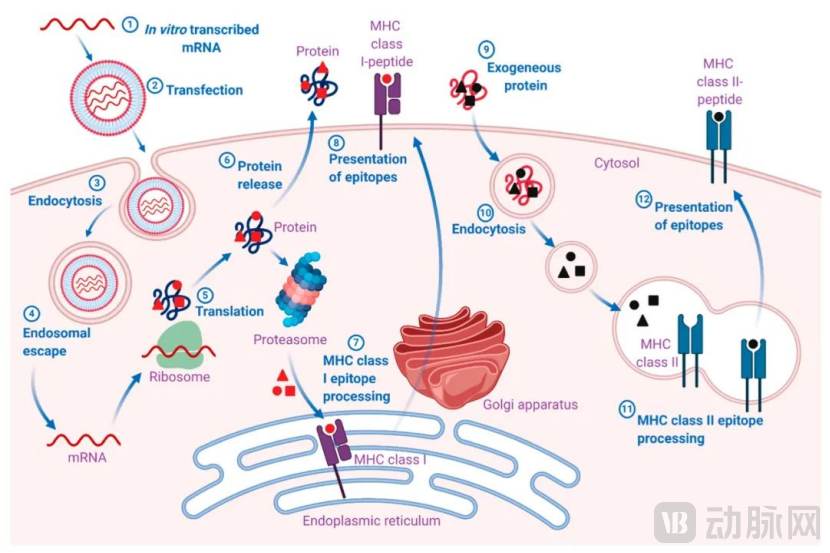
Figure 1: Mechanism of Action of mRNA Vaccines
Image source: Opportunities and Challenges in the Delivery of mRNA-Based Vaccines
1.3 Unique Advantages of mRNA Vaccines
1)Safety Advantages:mRNA is expressed exclusively in the cytoplasm, thereby avoiding the risk of genomic integration; meanwhile, it features high expression efficiency and high immunogenicity, with natural metabolic degradation mechanisms present in vivo.
2)Advantage in Target Quantity:Many proteins that are difficult to drug or intracellular proteins can be encoded and expressed by mRNA. The expressed proteins can be secreted extracellularly, target receptors, or enter the circulatory system, offering a richer selection of targeting options while also enabling the targeting of previously undruggable targets.
3)Therapeutic Advantages:Various modifications enhance mRNA stability and translational efficiency. By combining mRNA with delivery systems, efficient in vivo delivery can be achieved, enabling rapid expression in the cytoplasm.
4)Manufacturing Process Advantages:mRNA is synthesized through in vitro transcription, enabling high-efficiency, low-cost, and large-scale production. Moreover, compared with other vaccines, mRNA manufacturing platforms offer greater versatility, eliminating the need to develop separate production lines for different antigens.
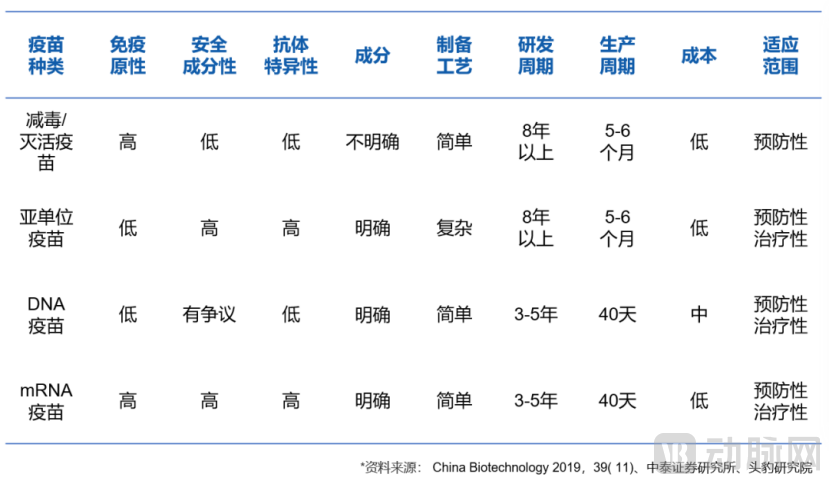
Figure 2: Comparison of Various Vaccine Types
1.4 mRNA Technology Takes Center Stage During the COVID-19 Pandemic
mRNA COVID-19 vaccines have demonstrated the high feasibility of mRNA technology in the field of vaccinology. BNT162b2, developed by BioNTech, and mRNA-1273, developed by Moderna, have exhibited favorable safety profiles and high efficacy in real-world settings, with Phase III clinical trial data showing efficacy rates of 95% and 94%, respectively. A retrospective study published in The Lancet Infectious Diseases in March 2022, which examined adverse events following mRNA COVID-19 vaccination in the United States, confirmed that most side effects associated with mRNA vaccines were mild and decreased significantly after one day, thereby validating their safety.
2. mRNA Has Broad Application Prospects, with Tumor Vaccines Gaining Significant Momentum
2.1 Oncology and Infectious Diseases: A Hotbed of Research
The application areas of mRNA technology are primarily categorized into immunotherapy, protein replacement therapy, gene editing, and regenerative medicine. Among these, cancer immunotherapy and prophylactic vaccines within the field of immunotherapy represent current research hotspots and are the most technologically mature sectors. According to an article published by Rosa et al. in the journal Vaccine, as of early 2021, there were over 140 clinical trials leveraging mRNA technology to address various diseases. The vast majority of these mRNA clinical trials focused on oncology and infectious diseases.
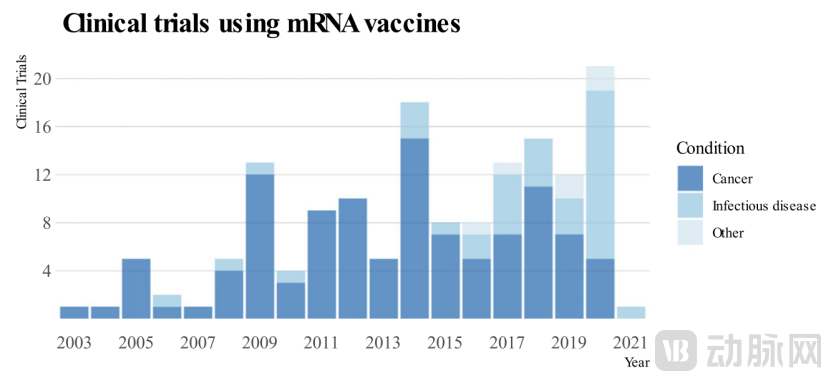
Figure 3: Clinical Trials of mRNA Technology
Image source: mRNA vaccines manufacturing: Challenges and bottlenecks
2.2 The Market Size of Therapeutic Cancer Vaccines Is Rapidly Expanding
In 2021, Boston Consulting Group published an article titled “Evolution of the market for mRNA technology” in Nature Reviews Drug Discovery, projecting that the mRNA market size would reach $23 billion by 2035. The share of COVID-19 vaccines is expected to decline to 22%, while therapeutic vaccines will account for 32%, mRNA vaccines for other infectious diseases for 30%, and therapeutic mRNA drugs for approximately 16%. The analysis indicates that within the 2035 mRNA vaccine market, oncology therapeutic vaccines are projected to constitute 30% of mRNA product sales, with therapeutic drugs contributing nearly 20%.
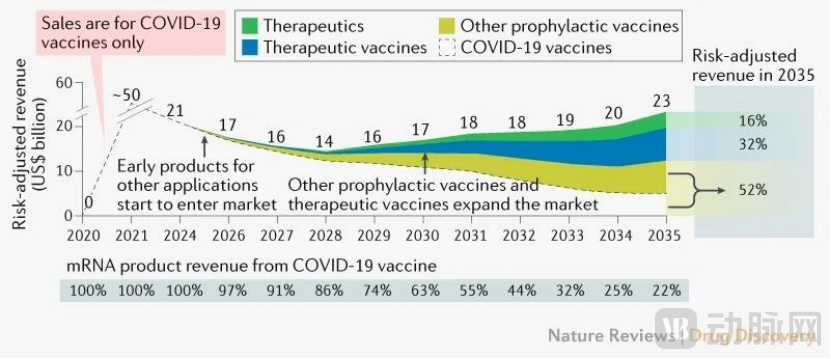
Figure 4: Forecast of the Evolution of the mRNA Technology Market
Image source: Evolution of the market for mRNA technology
3. mRNA Companies Rapidly Gain Prominence
3.1 International: The Tripartite Balance
Currently, the three major players in the global mRNA vaccine market are BioNTech, Moderna, and CureVac. An analysis of their clinical pipelines reveals distinct strategic focuses: BioNTech is deeply entrenched in the oncology sector, while Moderna has the most extensive portfolio in infectious diseases.
BioNTech
BioNTech, founded in 2008 and headquartered in Munich, Germany, operates four core technology platforms: mRNA therapeutics, cell and gene therapy, protein therapeutics, and small-molecule therapeutics, covering areas such as oncology, infectious diseases, and rare diseases. Its clinical pipeline is heavily focused on oncology, with indications including head and neck squamous cell carcinoma, melanoma, and prostate cancer. Additionally, BioNTech has established a presence in the field of infectious diseases; its COVID-19 vaccine, co-developed and manufactured with Pfizer, received regulatory approval in 2020, becoming the world’s first mRNA vaccine. BioNTech has maintained long-standing collaborations with companies such as Sanofi, Genentech, and Pfizer to jointly develop mRNA vaccines for infectious diseases and cancer. In 2022, BioNTech expanded its strategic partnership with Regeneron to jointly explore the efficacy of combining mRNA cancer vaccines with PD-1 inhibitors for the treatment of patients with advanced non-small cell lung cancer (NSCLC), building on their earlier collaboration that primarily focused on combination therapies for melanoma and prostate cancer.
Moderna
Moderna, founded in 2010, is dedicated to developing innovative therapies based on mRNA technology. Moderna possesses a comprehensive mRNA research, development, and manufacturing platform, encompassing mRNA modification, lipid nanoparticle (LNP) delivery systems, and production capabilities. Currently, Moderna’s pipeline includes more than 30 investigational projects spanning therapeutic areas such as infectious diseases, oncology, cardiovascular diseases, rare diseases, and autoimmune disorders. Notably, Moderna’s COVID-19 vaccine, mRNA-1273, has received FDA approval for the prevention of COVID-19 in individuals aged 18 years and older, as well as emergency use authorization from the European Medicines Agency (EMA) and other regulatory bodies for additional age groups and regions. On February 24, 2022, Moderna unveiled a bivalent mRNA COVID-19 vaccine candidate, mRNA-1273.214, and announced plans to initiate clinical trials. Moderna has established strategic collaborations with numerous major pharmaceutical companies, including Merck & Co., AstraZeneca, and Vertex Pharmaceuticals, to advance the application of mRNA technology across various disease areas.
CureVac
Founded in Germany in 2000, CureVac is a leading biotechnology company in mRNA drug technology. CureVac focuses on the development of cancer therapies, antibody therapies, treatments for rare diseases, and preventive vaccines. The company owns four RNA technology platforms: RNActive, RNArt, RNAntibody, and RNAdjuvant. Compared with the pipelines of Moderna and BioNTech, CureVac’s pipeline is not as extensive but exhibits certain differentiation. Its R&D pipeline covers areas such as oncology and infectious diseases, and it is developing protein replacement therapies for ophthalmic conditions, respiratory diseases, and rare diseases. Currently, CureVac has 16 drug candidates, 10 of which have entered clinical stages. CureVac has established partnerships with Boehringer Ingelheim, Eli Lilly, CRISPR Therapeutics, CEPI, and GSK.
3.2 China: Limitless Potential
Compared with overseas markets, although China’s mRNA technology started later, it holds immense market potential. In the field of preventive vaccines, Abogen Biosciences and Stemirna Therapeutics have made rapid progress. In the area of cancer vaccines, domestic biotechnology companies are also actively exploring; Xinhe Bio, leveraging AI technology for RNA drug research, has completed its early-stage layout and taken a leading position in the industry.
Abogen Biosciences
Abogen Biosciences, founded in January 2019, is dedicated to the development of innovative mRNA therapeutics. Currently, Abogen has established a product pipeline spanning tumor immunology, infectious disease prevention and control, diseases caused by protein expression or functional deficiencies, and both off-the-shelf and personalized cancer vaccines. In June 2020, the novel coronavirus mRNA vaccine jointly developed by Abogen Biosciences, the Academy of Military Medical Sciences of the Academy of Military Sciences, and Walvax Biotechnology, officially received clinical trial approval from the National Medical Products Administration (NMPA). In July 2021, this vaccine entered Phase III clinical trials in China. In January 2022, Abogen published the Phase I clinical trial data for its COVID-19 mRNA vaccine, ARCoVaX (ARCoV), in The Lancet Microbe. The results demonstrated that ARCoV exhibited favorable safety and tolerability profiles across five different dose levels and was capable of inducing robust humoral and cellular immune responses. However, the data indicated that ARCoV was associated with relatively high reactogenicity (i.e., common adverse reactions such as fever).
Simo Biopharm
Stemirna Therapeutics was founded in 2016 and is one of the earliest companies in China to engage in the research, development, and manufacturing of mRNA-based therapeutics. The company is currently building its mRNA drug platform and product pipeline, which includes personalized mRNA cancer vaccines, mRNA infectious disease vaccines, mRNA therapies for protein-deficiency disorders, and mRNA treatments for genetic diseases. In March 2021, the Phase I clinical trial of an mRNA vaccine against COVID-19, jointly developed by Stemirna Therapeutics, the Chinese Center for Disease Control and Prevention (China CDC), and Shanghai East Hospital affiliated with Tongji University, was officially launched at Shulan (Hangzhou) Hospital. This Phase I clinical trial has now been completed. Currently, Stemirna’s second-generation COVID-19 vaccine targeting variant strains is also applying for entry into clinical trials. Preclinical studies indicate that this second-generation mRNA COVID-19 vaccine exhibits strong protective efficacy against variant strains.
Xinhe Bio
NewHeal Bio, founded in 2017, is an innovative drug R&D enterprise distinguished by its AI-enabled comprehensive RNA technology platform. The company has assembled a top-tier scientific team with a global perspective, comprising experts in diverse fields such as AI bioinformatics, tumor immunology, novel vaccine development, drug delivery, and nucleic acid vectors. It aims to advance RNA therapeutics research by integrating artificial intelligence algorithms with real-world data validation. Public data shows that NewHeal Bio completed a RMB 500 million Series A+ financing round in December 2021, significantly surpassing the funding amounts secured by other domestic RNA companies during the same period, and is rapidly capitalizing on market momentum.
Currently, Xinhe Bio has a pipeline of nearly 20 candidates in development, covering multiple areas such as tumor neoantigen vaccines, immune modulators targeting the tumor microenvironment, and viral vaccines. With a strategic focus on tumor vaccines, the company has established a neoantigen library for high-incidence cancers. The corresponding publicly shared neoantigen vaccines under development can significantly reduce treatment costs and shorten preparation time. Xinhe Bio is conducting clinical trials of personalized neoantigen therapies for patients with intermediate to advanced-stage tumors at several authoritative hospitals, including Peking University Cancer Hospital, the Chinese PLA General Hospital, and the First Affiliated Hospital of Zhengzhou University. Meanwhile, it is collaborating with Innovent Biologics to explore the clinical efficacy of combination therapies in the treatment of solid tumors. Additionally, according to official announcements, Xinhe Bio has entered into strategic partnerships with internationally renowned pharmaceutical companies such as MDimune, Integrated NanoTherapeutics, and PhoreMost to jointly conduct research on RNA-based oncology drugs.