

Digital Integration of Basic Research, Drug Development, and Clinical Oncology: Prospectus of the China Digital Oncology Industry Summit
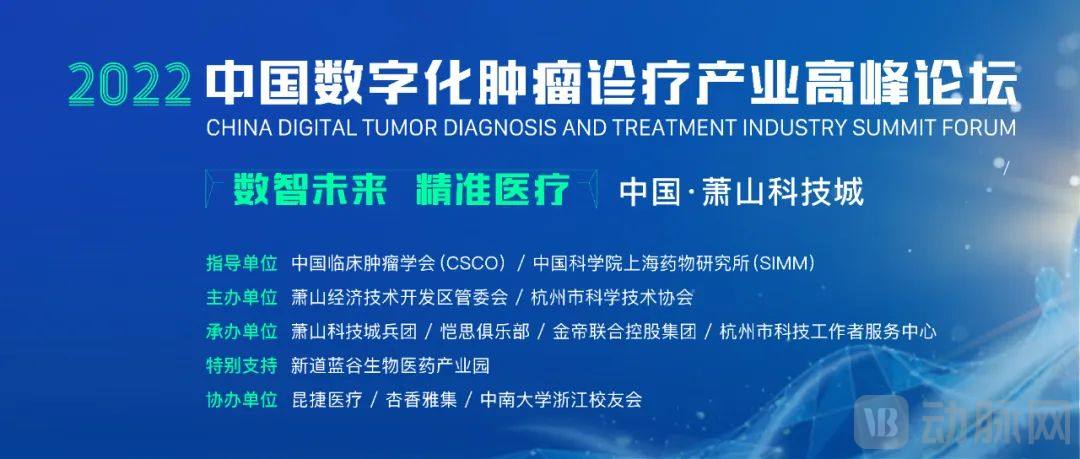
China Digital Oncology Diagnosis and Treatment Industry Summit
On April 10, the 2022 China Digital Oncology Diagnosis and Treatment Industry Summit was successfully held in Xiaoshan Science and Technology City. Leveraging the “cloud” as a medium and the “internet” as a bridge, 33 academicians and experts engaged in “cloud-based exchanges” to discuss frontier technologies and future directions in precision oncology. The summit attracted thousands of professionals from both domestic and international sectors—including drug R&D, clinical research, investment firms, and consulting agencies—to participate virtually, with the live broadcast garnering over 600,000 views.
Themed “Digital Intelligence for the Future, Precision Medicine,” the forum focuses on patient-centered, intelligent innovations in oncology treatment. It explores cutting-edge topics such as application scenarios of digitalization in new oncology drug development and clinical care, the progress and challenges of digital therapeutics in China, and the clinical application and reimbursement issues of cell therapies.
The forum was jointly guided by the Chinese Society of Clinical Oncology (CSCO) and the Shanghai Institute of Materia Medica, Chinese Academy of Sciences (SIMM); hosted by the Administrative Committee of Xiaoshan Economic and Technological Development Zone and the Hangzhou Association for Science and Technology; organized by the Xiaoshan Science City Corps, the Cass Club, Jindi United Holding Group, and the Hangzhou Science and Technology Workers Service Center; and co-organized by Kunjie Medical, Xingxiang Yaji, and the Zhejiang Alumni Association of Central South University.
Special Acknowledgments:Xindao Blue Valley Biopharmaceutical Industrial Park(Click for details)

Scan the QR code to watch[Video Replay]
01. Leader's Address
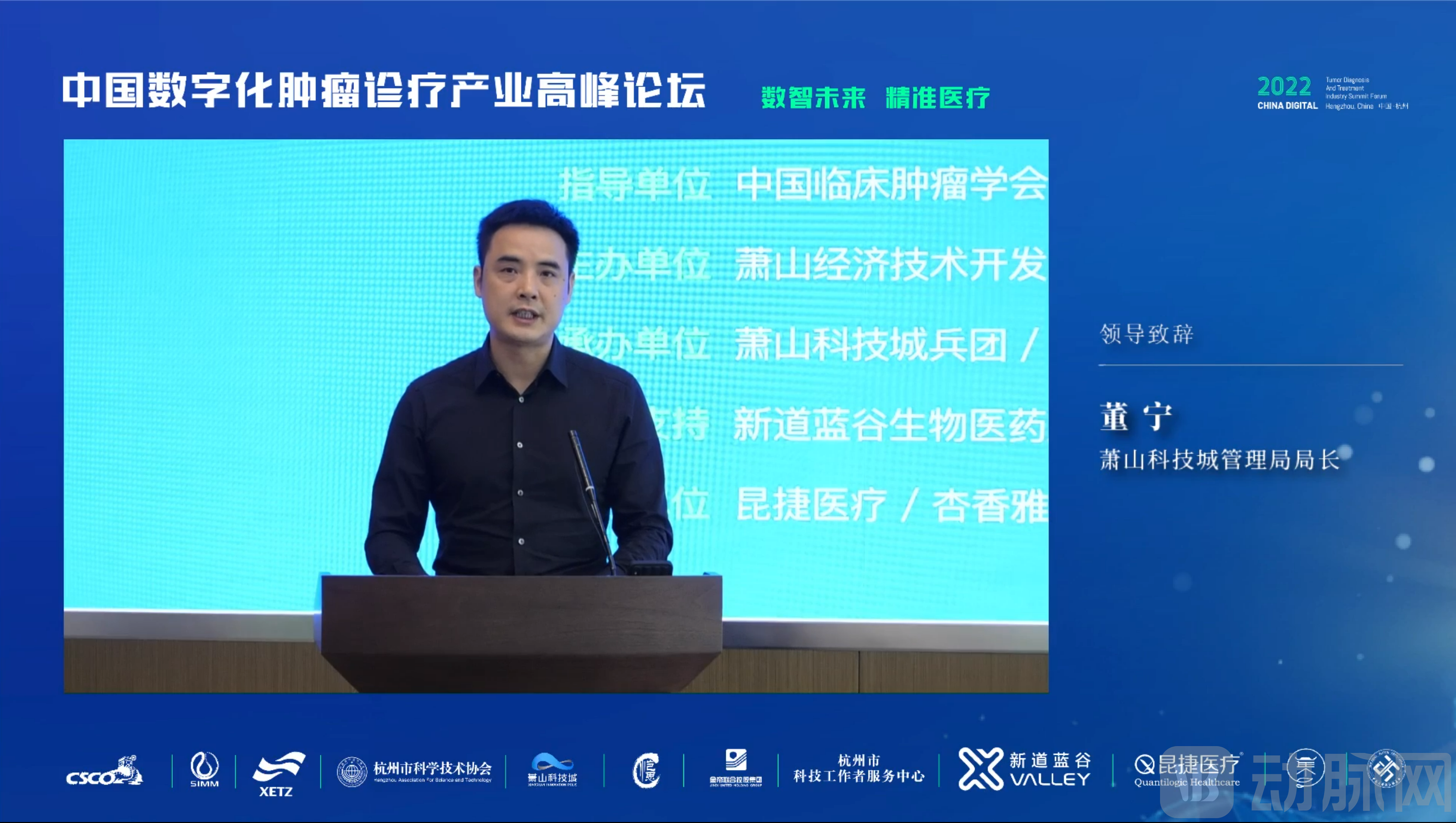
Dong Ning
Director of the Xiaoshan Science and Technology City Administration Bureau
Director Dong stated that Xiaoshan Science and Technology City focuses on the biotechnology innovation chain and the medical device industry chain, having established an initial layout in high-end medical devices, genetic engineering, and precision medicine. The city is committed to creating a first-class environment for innovation and entrepreneurship, continuously advancing innovation and entrepreneurship platforms toward specialization, refinement, and internationalization, and actively building a highland for gathering global leading talents. Everyone is welcome to visit Xiaoshan Science and Technology City for exchanges.
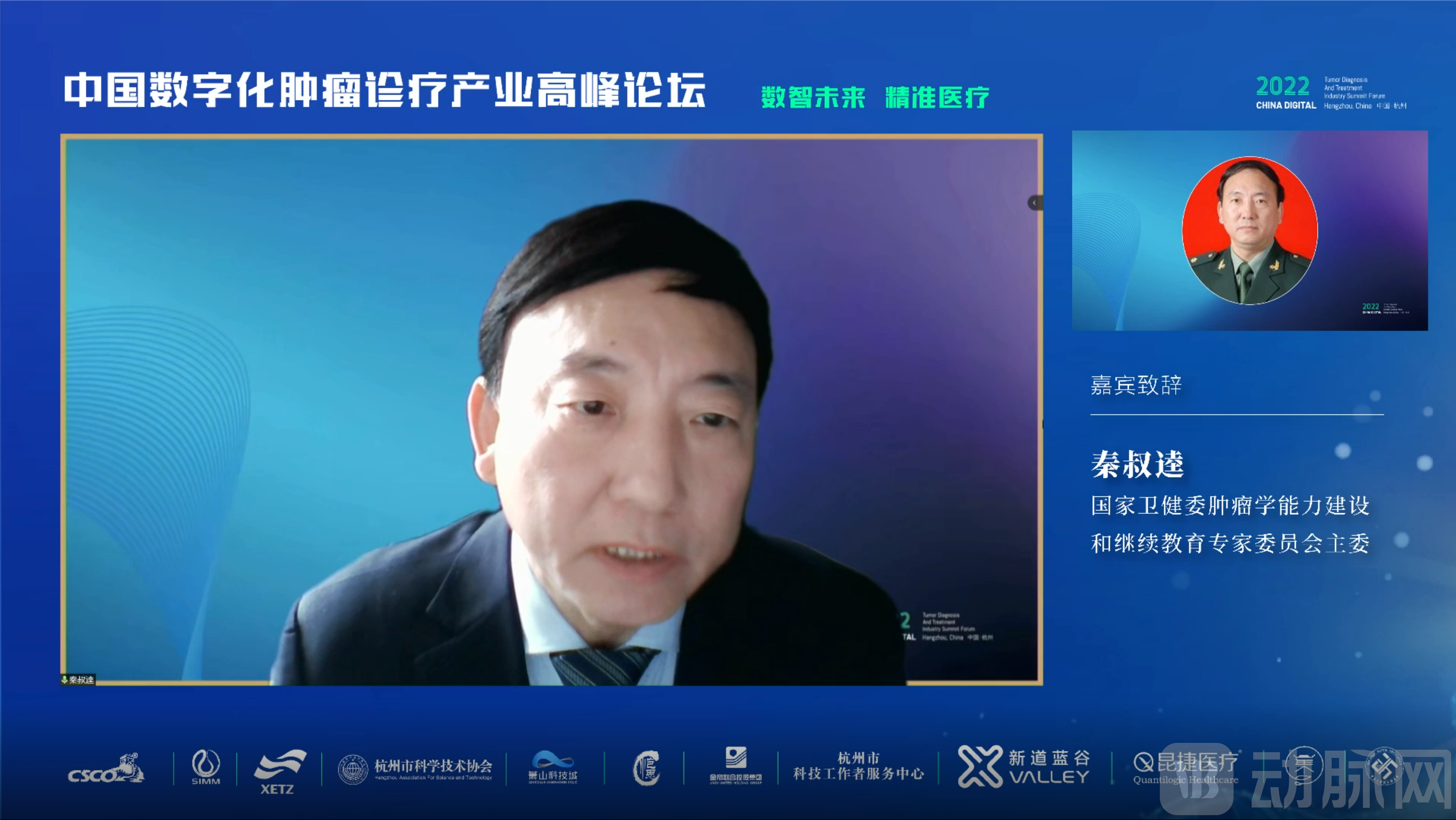
Qin Shukui
Chairman of the Expert Committee on Oncology Capacity Building and Continuing Education, National Health Commission
Vice Chairman of the Chinese Society of Clinical Oncology (CSCO)
Professor Qin Shukui stated that malignant tumors are a common and high-incidence disease globally, having become a major public health issue that seriously threatens the life and health of all humanity. Data released by the World Health Organization shows that China ranks first among all countries worldwide in both the incidence and mortality rates of malignant tumors. In 2020 alone, there were 4.57 million new cancer cases and over 3 million cancer-related deaths, with trends continuing to rise, presenting a very severe situation. Therefore, the Party and the state attach great importance to people's health, placing particular emphasis on the prevention and control of cancer.
Today, with the rapid development of disciplines such as artificial intelligence and big data, the application of digital healthcare in oncology—namely, digital cancer diagnosis and treatment—has become a highly关注的 hot topic and key direction in the field of oncology. The application of digital concepts and technologies has been and continues to significantly drive advancements in cancer diagnosis and treatment, new drug development, and clinical trial models, thereby transforming the strategies, methods, drugs, and outcomes of clinical oncology practice.
To this end, the China Digital Oncology Diagnosis and Treatment Industry Summit Forum has convened leaders, experts, scholars, and professionals from relevant institutions to pool their wisdom and engage in collaborative discussions. The conference features a clear theme and offers rich, cutting-edge, and innovative content. It aims to establish a digital platform for oncology diagnosis and treatment, facilitate the sharing of technology and resources, and actively promote the application and dissemination of digital healthcare—particularly in the fields of cancer diagnosis, treatment, research, and the development of anti-tumor therapies—thereby driving robust growth and making significant contributions.
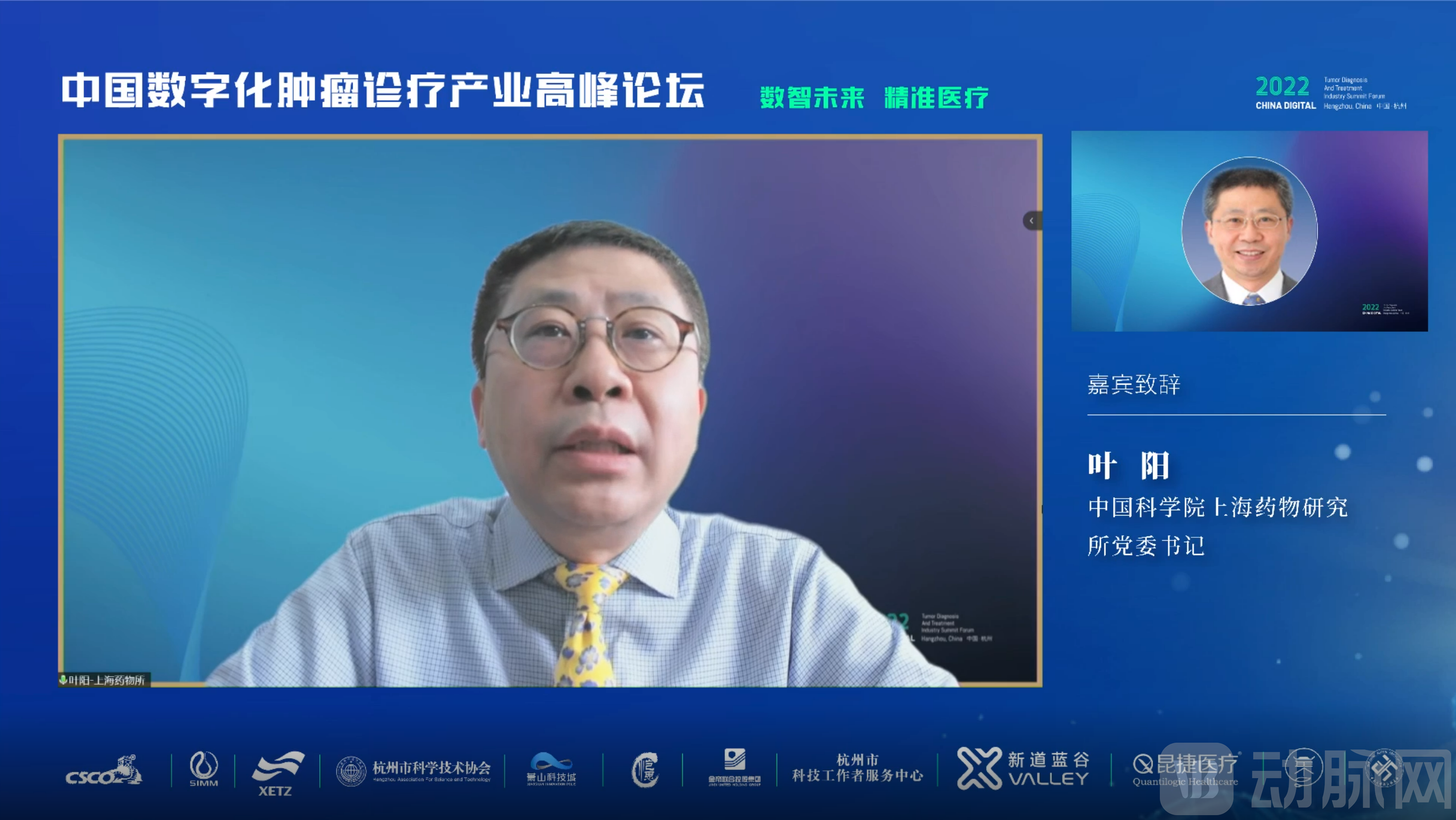
Ye Yang
Secretary of the Party Committee and Deputy Director, Shanghai Institute of Materia Medica, Chinese Academy of Sciences
Secretary Ye Yang stated that determining whether digitalization can empower scientists to accelerate new drug development, whether digital technologies can bring new solutions to oncology diagnosis and treatment, whether a closed-loop system for tumor prevention, diagnosis, and treatment can be established through digital means, and whether digitalization can enable physicians to achieve true precision medicine requires collaborative brainstorming among experts in new drug R&D, oncology diagnosis and treatment, AI and big data applications, as well as leading figures in the pharmaceutical industry. It also necessitates substantial investment and support from the government in infrastructure development. This forum has not only gathered numerous physicians and scientists but also industry experts from Bayer, GSK, Hengrui Medicine, Shanghai Pharmaceuticals, WuXi AppTec, and GTJA Capital, along with IT specialists from Microsoft, Alibaba Cloud, and JD Health, thereby establishing an excellent platform for integrated innovation and exchange.
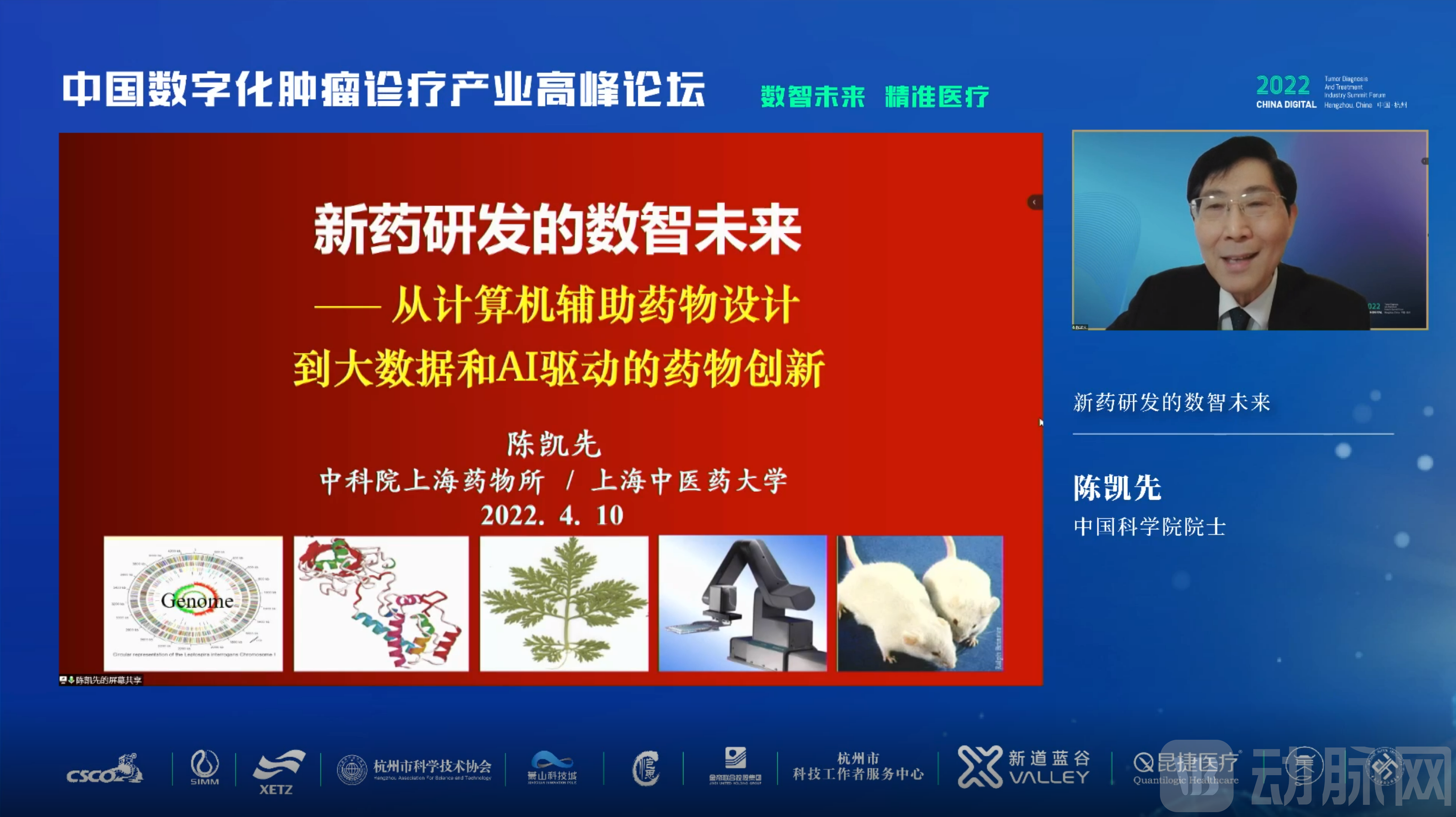
Chen Kaixian
Academician of the Chinese Academy of Sciences
Researcher at the Shanghai Institute of Materia Medica, Chinese Academy of Sciences
▍The Digital and Intelligent Future of New Drug R&D—From Computer-Aided Drug Design to Big Data and AI-Driven Pharmaceutical Innovation
New drug development faces challenges such as long cycles, high costs, and significant risks. With the accumulation of pharmaceutical big data and the advancement of Artificial Intelligence (AI) technologies, precision drug design leveraging AI and big data will drive the development of innovative drugs. Currently, China’s new drug development is progressing rapidly with notable achievements. Although China has joined the “second tier” of global drug developers, its overall R&D capabilities remain relatively weak, lagging behind major Western pharmaceutical powers. To further strengthen the development of big data and AI-driven drug design in China, it is essential to address issues related to data accumulation and model development, focus on key research areas, thereby significantly improving the R&D efficiency of original innovative drugs and making progress in the field of major diseases.
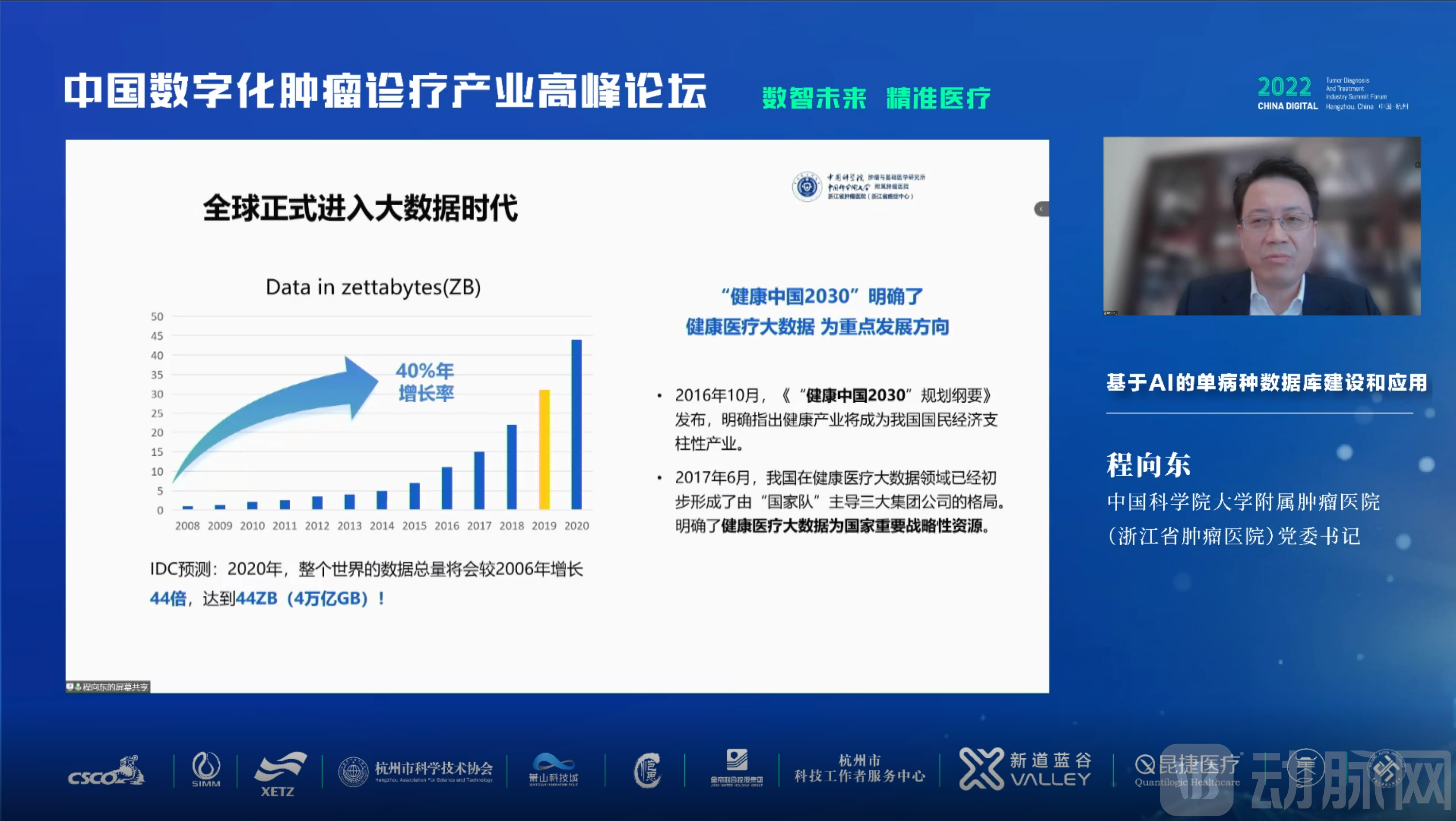
Cheng Xiangdong
Party Secretary of the Cancer Hospital Affiliated to the University of Chinese Academy of Sciences
Director, Zhejiang Provincial Research Center for Diagnosis and Treatment Technologies of Upper Gastrointestinal Tumors
▍AI-Based Construction and Application of Single-Disease Databases
The world has officially entered the era of big data. While medical big data has achieved breakthroughs in data centralization, massive storage, and statistical applications, challenges remain in its in-depth analysis. By leveraging artificial intelligence (AI) technologies to conduct in-depth analysis and standardization of medical big data, thereby enabling medical modeling and application development, it is possible to create AI-driven application systems that delve into clinical practice and the frontiers of medicine. These systems can guide clinical diagnosis and treatment, facilitate real-world clinical research, and promote translational research integrating medicine, engineering, and scientific investigation. Currently, the Zhejiang Provincial Gastric Cancer AI Big Data Platform—which relies on data, centers on full-stack AI technological capabilities, and focuses on intelligent applications—has been implemented at the Zhejiang Cancer Hospital.
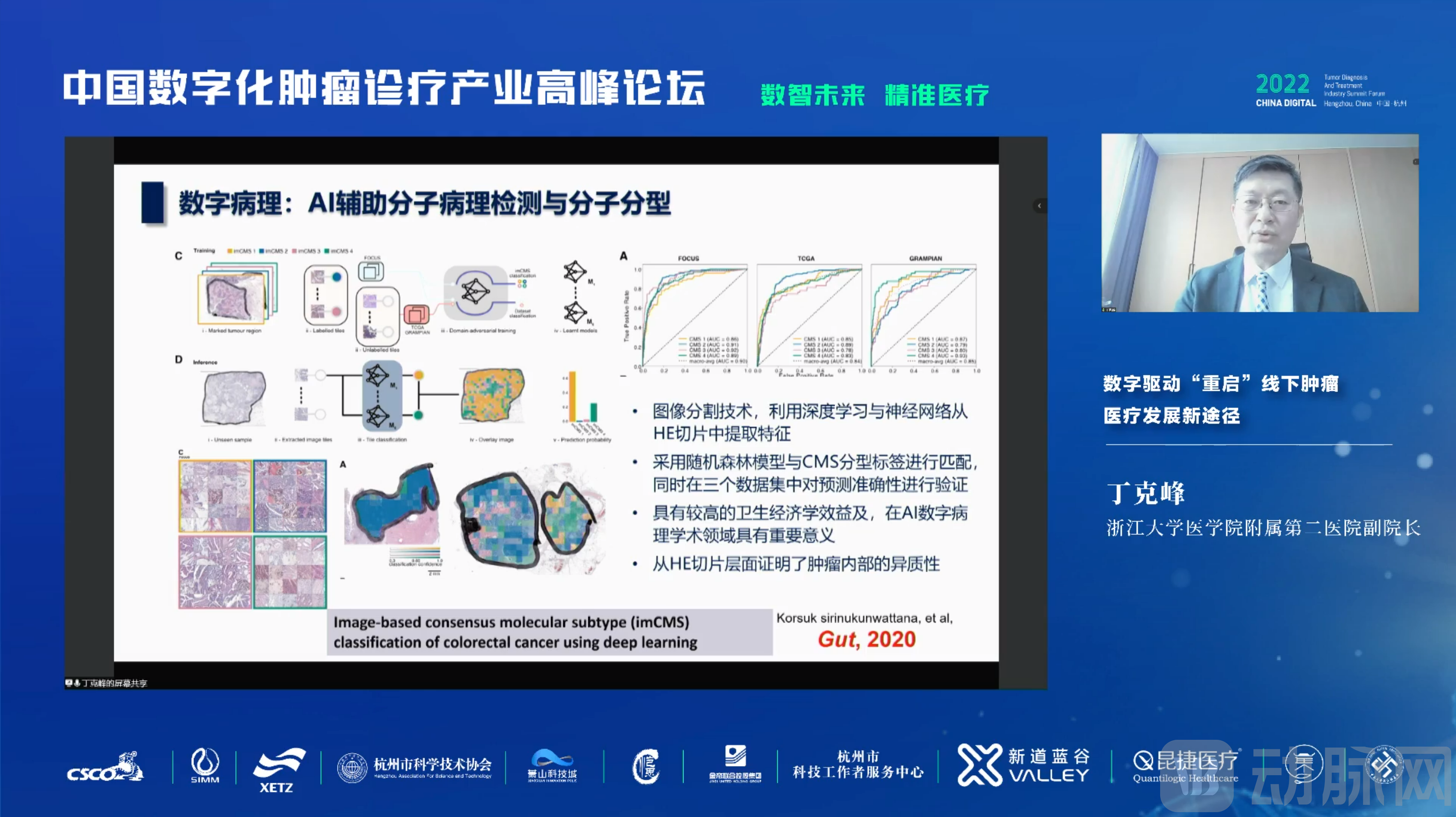
Ding Kefeng
Vice President of The Second Affiliated Hospital, Zhejiang University School of Medicine
President-Elect, Colorectal Cancer Committee of the China Anti-Cancer Association
▍Digital-Driven “Reboot”: A New Pathway for the Development of Offline Oncology Care
Since the 20th century, the incidence of cancer has shown a consistent upward trend. Precise diagnosis and targeted therapy for tumors have become top priorities in pharmaceutical research. Achieving efficient and precise treatment for patients relies on a robust healthcare system and timely information exchange. However, current offline physical hospitals suffer from imperfect and complex information flows, and treatment methods are subject to human bias. With the advancement of artificial intelligence (AI), its application prospects in the pharmaceutical industry are gradually emerging. Driven by digitalization and leveraging internet-centric thinking to “revitalize” offline hospitals and enhance their intelligence, while rationally applying AI to the clinical diagnosis and treatment of cancer, is crucial for transforming doctor-patient interactions and accelerating the rapid development of the pharmaceutical industry.
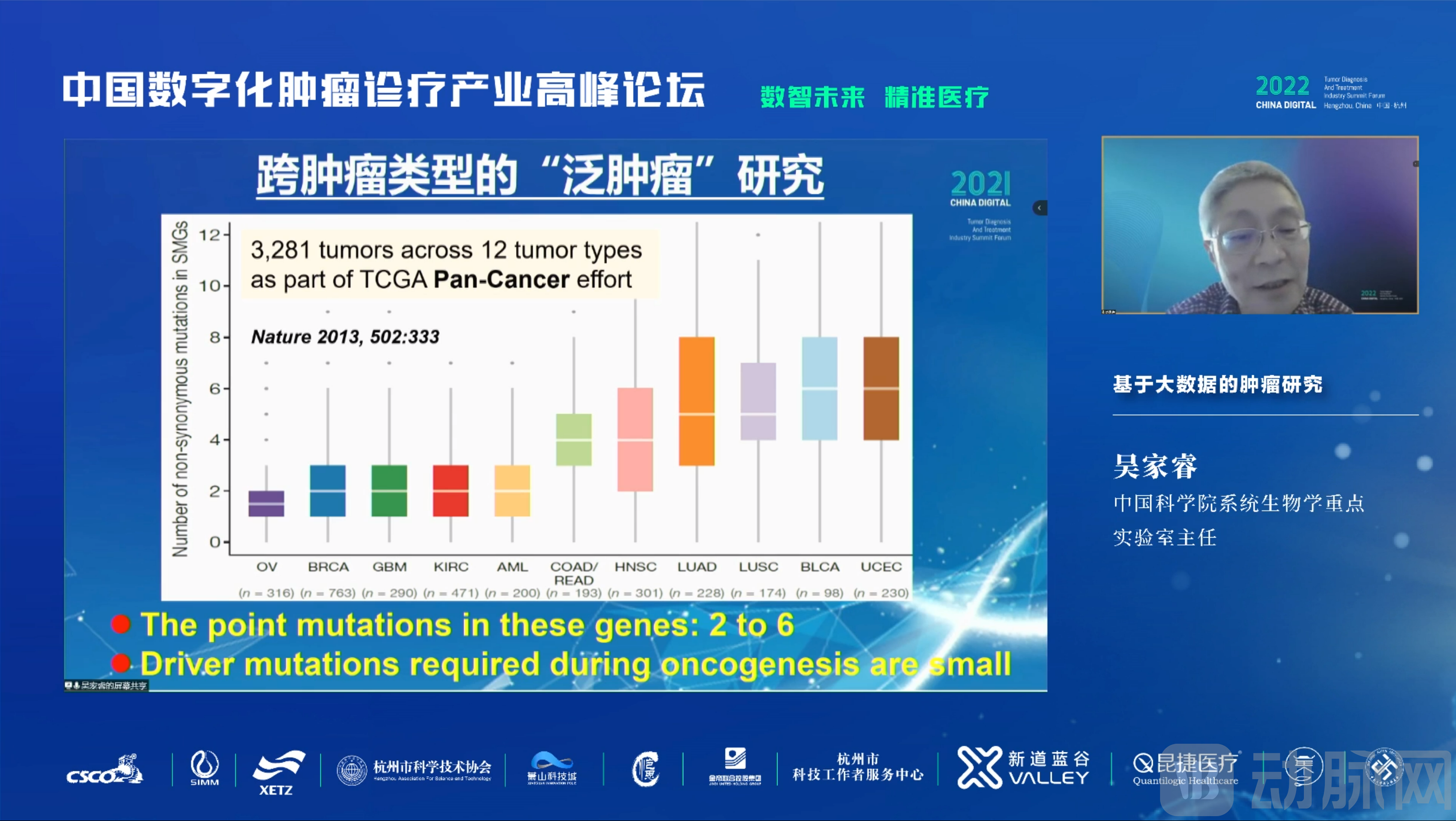
Wu Jiarui
Director, Key Laboratory of Systems Biology, Chinese Academy of Sciences
Executive Dean, School of Life and Health Sciences, Hangzhou Institute for Advanced Study, University of Chinese Academy of Sciences
▍ Big Data-Based Oncology Research
Historically, biomedicine relied on small datasets. With the advancement of the Human Genome Project, vast amounts of omics data have been progressively accumulated, ushering in a new era of data-intensive biomedical research. Internationally, our understanding of cancer has entered a completely new phase. Leveraging big data and multi-omics approaches, tumors are being reclassified at the molecular level, enabling more accurate prognostic predictions. In future clinical medical research, the gold standard will no longer be limited to traditional randomized controlled trials. The introduction of real-world studies and real-world evidence, along with big data-driven precision medicine research, will further propel advancements in the medical field.
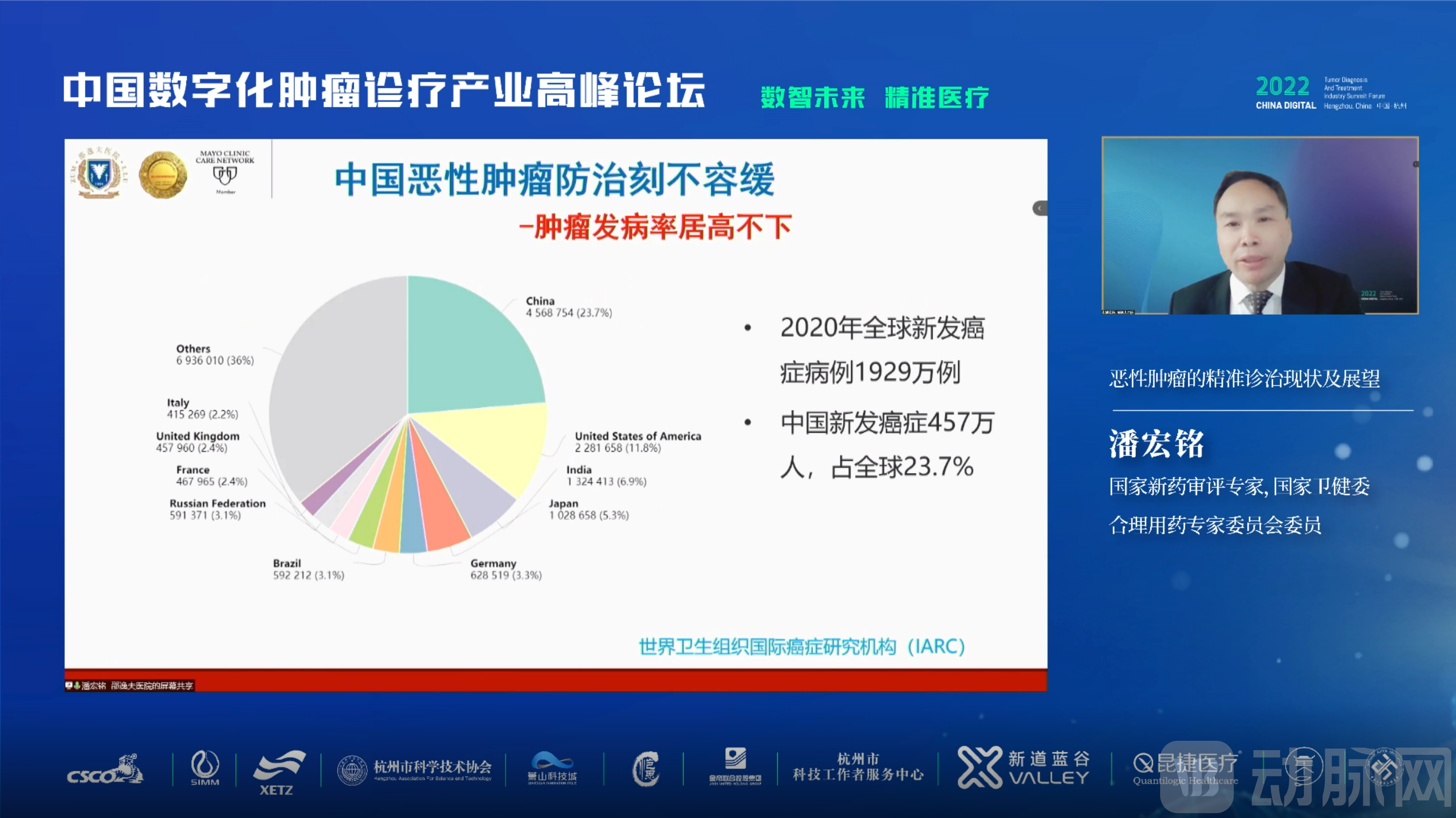
Pan Hongming
National Expert for New Drug Evaluation
Member of the Expert Committee on Rational Drug Use, National Health Commission
▍Clinical Trials Drive Precision Treatment for Malignant Tumors
China records 4.57 million new cancer cases, accounting for 23.7% of the global total, with the highest number of cancer-related deaths worldwide. Most tumors are diagnosed at an advanced stage; precision medicine can help improve patient survival rates. Currently, precision oncology classification has entered the 4.0 era, adopting a multidimensional approach that integrates tumor location, pathological features, genetic mutations, and immune characteristics to formulate personalized treatment plans, thereby enabling patients to receive appropriate therapies at the optimal time. Anti-cancer drug development has entered the 3.0 era of immunotherapy, and precision medicine has demonstrated survival benefits for patients. Moving forward, we must continuously advance the clinical research and development of anti-tumor drugs. At present, China’s clinical research on anti-tumor drugs has joined the “second tier” globally. In the future, we can accelerate clinical trials for precision medicine by implementing model-informed drug development (MIDD) technical guidelines, emphasizing Phase I clinical trials, and leveraging artificial intelligence combined with high-throughput sequencing for early-stage drug discovery.
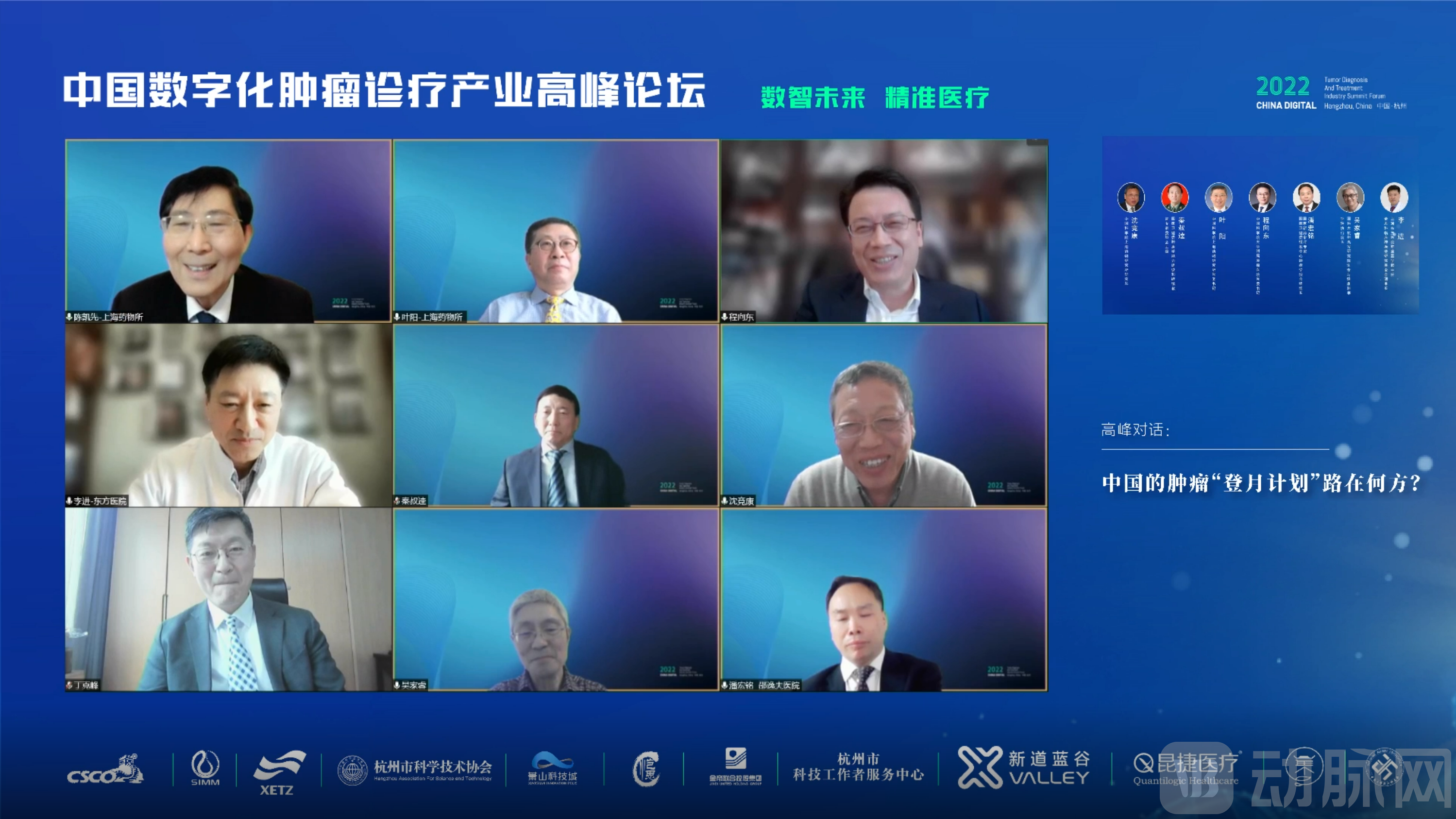
▍Topic: Where Is China’s Cancer “Moonshot” Headed?
The concepts and technologies of digital diagnosis and treatment hold significant value in the trial design, protocol implementation, and result interpretation of clinical trials. In terms of trial design, patient needs are assessed through methods such as electronic questionnaires. For protocol implementation, decentralized strategies are adopted. Regarding result interpretation, patients are encouraged to conduct quality-of-life assessments with the assistance of medical professionals. These approaches enhance the standardization, digitization, and efficiency of clinical trials.
In oncology diagnosis and treatment, artificial intelligence has significantly advanced early cancer screening, assisted diagnosis, treatment decision-making, out-of-hospital follow-up, and precise identification of high-risk populations. Multidisciplinary, multidimensional evaluation and management strategies extend patient survival and improve quality of life.
In the field of new drug development: Big data and artificial intelligence technologies have significantly advanced progress, whether in small-molecule target identification or antibody design.
In the future development of digital diagnosis and treatment, we need standardized multi-platform data and should encourage the establishment of unified data standards. We must build robust sharing platforms to facilitate the comprehensive sharing and circulation of data. Furthermore, we should foster an interdisciplinary academic spirit that promotes cross-pollination among basic scientific research, computer science and artificial intelligence, clinical trials, and clinical practice, thereby empowering and strengthening the application and development of AI.
Thanks to the meticulous organization by the organizers, the full cooperation of experts, and the strong support of attendees, this forum was held successfully. Experts affirmed the achievements of the forum and expressed their hope that the “China Digital Oncology Diagnosis and Treatment Industry Summit” will continue to be held with distinct features and tangible results. By leveraging the collective wisdom of all professionals in the pharmaceutical and healthcare sectors, they aim to promote the standardization, normalization, specialization, and personalization of digital oncology diagnosis and treatment, make positive contributions to safeguarding public health, and strive toward the goal of a Healthy China.
Stay tuned for follow-up coverage of the selected highlights from the sub-forums.