Prof. Wu Huaping's Team Successfully Treats Penetrating Aortic Ulcer with Fenestrated Endurant IIs Bifurcated Stent Graft Using Snare Technique to Preserve the Inferior Mesenteric Artery

Medtronic
Medical Device Manufacturer



HIGHLIGHTS OF THIS ISSUE
Highlights of This Issue


Introduction /PREFACE
Abdominal aortic aneurysm (including iliac artery aneurysm) is a common disease in vascular surgery. Since the first endovascular aneurysm repair (EVAR) was performed in 1990, this procedure has been widely used in clinical practice due to its minimally invasive, safe, and effective characteristics, gradually becoming the main treatment for this disease. To better promote the standardization of EVAR diagnosis and treatment, improve the clinical skills of doctors, and explore and discuss clinical solutions that are more suitable for patients,【Abdominal Aortic-Iliac Artery Case Showcase】Emerging as the times require.
This column focuses on complex and challenging cases in the field of abdominal aortic diseases, aiming to create a professional platform for case sharing and experience exchange. Here, you can see how surgeons meticulously analyze and develop personalized treatment plans for complex cases, as well as how they strategically navigate intraoperative challenges to resolve crises. It is hoped that through the case sharing in this column, new ideas and methods for the diagnosis and treatment of abdominal aortic diseases will be provided, jointly promoting advancements in this field and benefiting more patients.
This issue will bring you by Dazhou Central HospitalProfessor Wu Huaping's TeamCompletedCase of Abdominal Aortic Penetrating Ulcer with Medtronic ENDURANT IIs Bifurcated Stent Fenestration and Diameter Reduction Preserving the Inferior Mesenteric Artery. Welcome to read and share.

Basic Information of the Case

Patient

Male, 61 years old.

Chief Complaint

One day before admission, the patient experienced generalized weakness and discomfort, accompanied by nausea and vomiting. The vomitus consisted of gastric contents. Diarrhea was also present, with yellow watery stools. The patient had a fever, with the highest temperature reaching 39°C. There was no referred pain in the left upper limb, no radiating pain to the right shoulder, no dizziness or amaurosis, no chest pain in the precordial area, no chest tightness, no difficulty breathing, no cough or expectoration, no hematuria, no bloody or mucoid stools, no jaundice, no abdominal pain, no urinary frequency, urgency, dysuria, or hematuria, no acid reflux or belching, and no signs of impaired consciousness or other discomforts. The patient visited the emergency department of our hospital.

Physical Examination

T: 36.8°C; P: 110 beats/min; R: 20 breaths/min; BP: 114/85 mmHg.

Past Medical History

Previously healthy, denies history of hypertension, hypertension, coronary heart disease, etc.

Preoperative Imaging Data

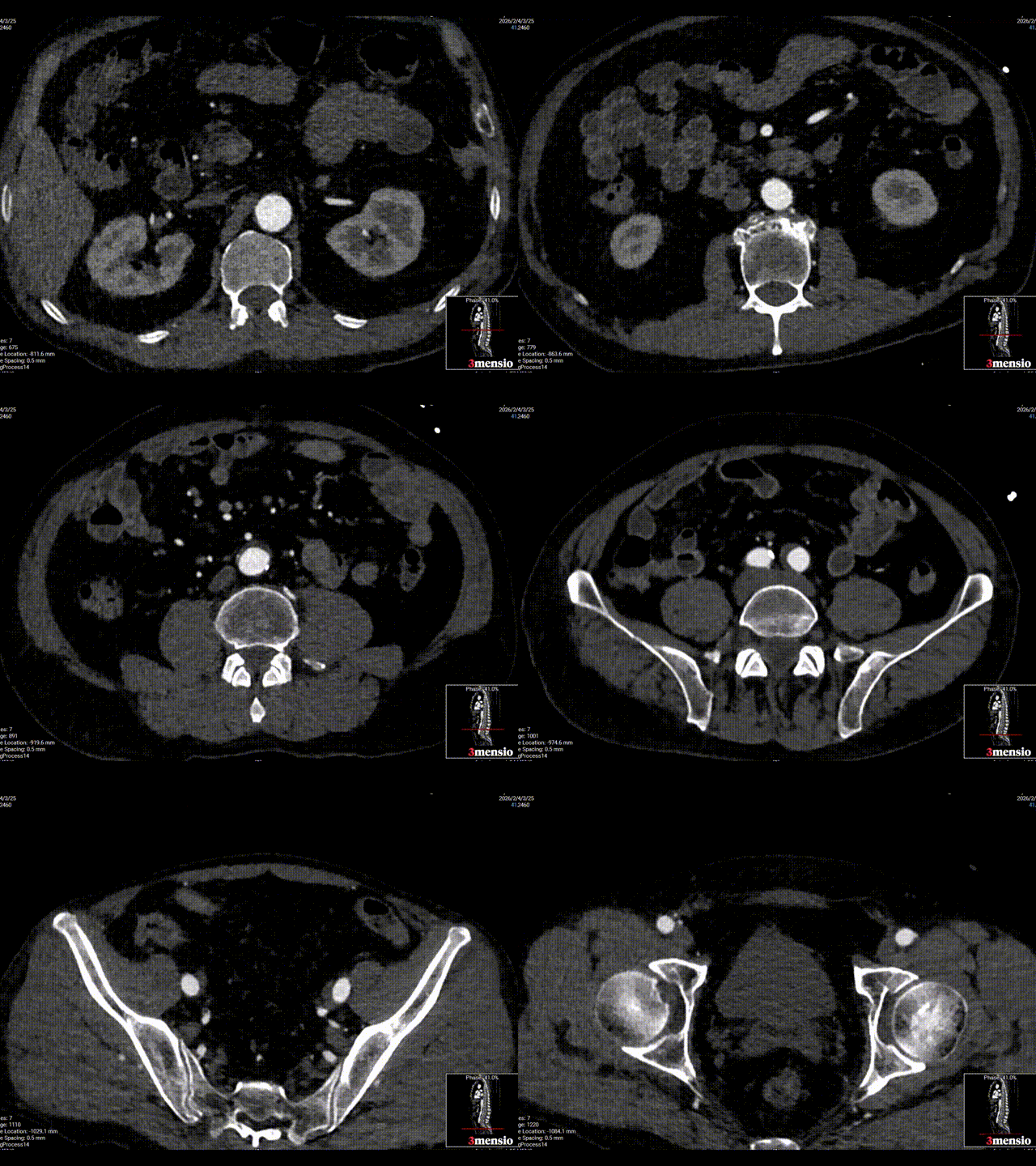
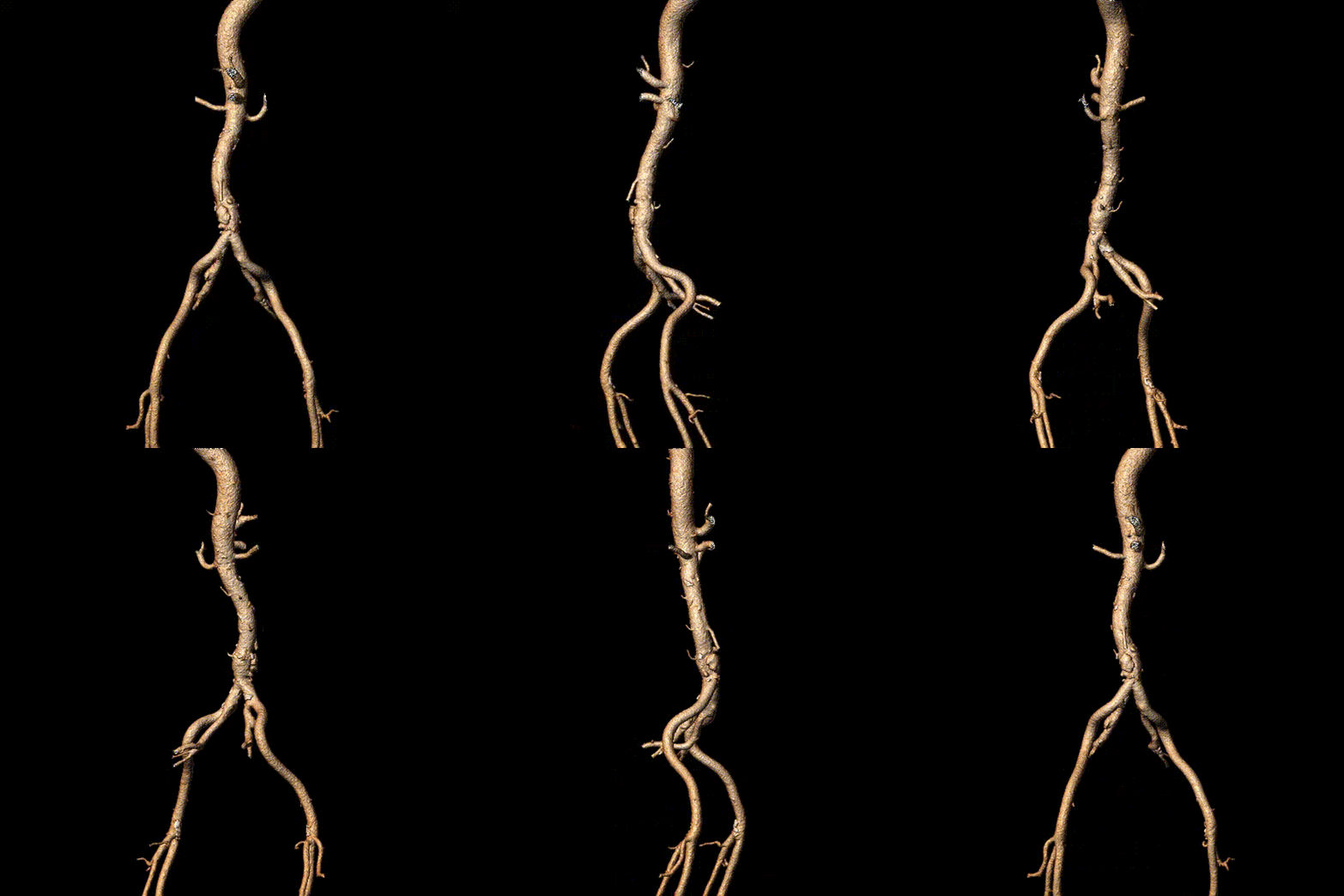
Preoperative Imaging Diagnosis Results: Penetrating ulcer of the abdominal aorta with pseudoaneurysm formation.

Case Characteristics
Intramural hematoma of the distal abdominal aorta with localized penetrating ulcer, and dilatation of the inferior mesenteric artery.

Treatment Options and Device Selection
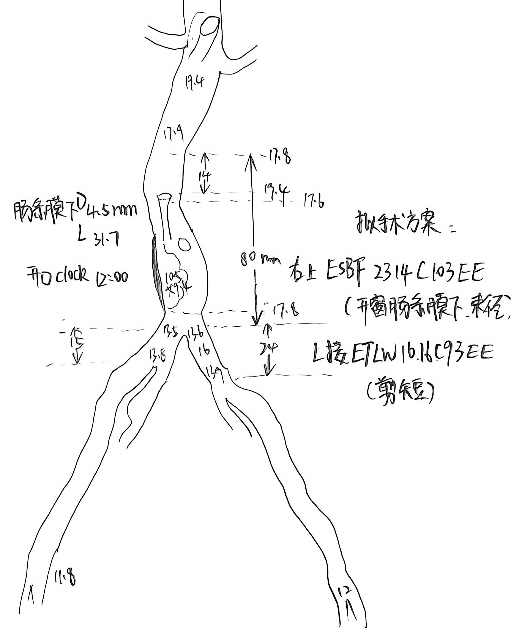
Treatment Plan:Right approach using Medtronic EIIs ESBF2314C103EE, fenestrated stent graft to preserve the inferior mesenteric artery, left iliac branch ETLW1616C93EE trimmed 3 sections.
Instrument Selection:
Medtronic IIs ESBF2314C103EE, ETLW1620C93EE
3D Printing Model
Coil
4mm Balloon
Balloon-Expandable Stent

Surgical Procedure
1. After successful anesthesia, routine disinfection and draping were performed. A Medtronic bifurcated abdominal aortic stent (Medtronic 25-14-103) was partially released outside the body and inserted into a 3D-printed model. A fenestration was made at the origin of the inferior mesenteric artery, and a coil was sutured as a marker. The V18 guidewire was used for constriction, the stent was reloaded, and air was expelled.
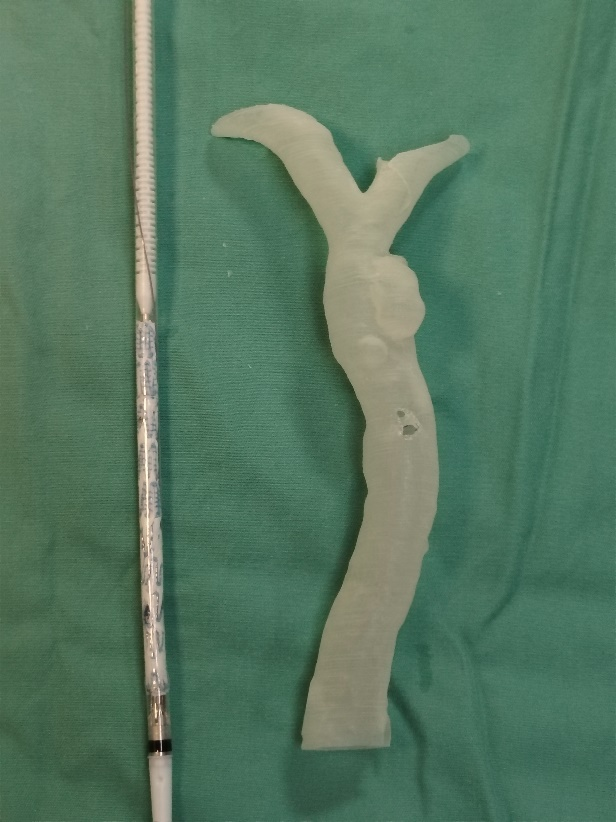
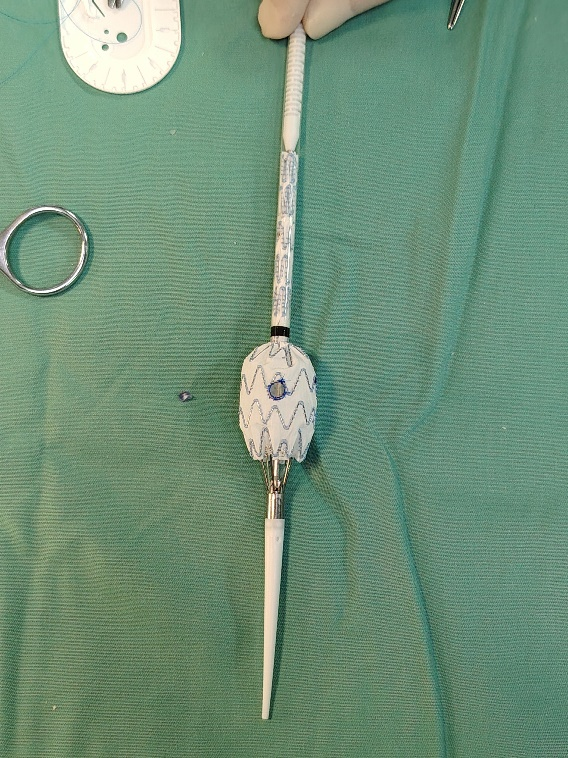
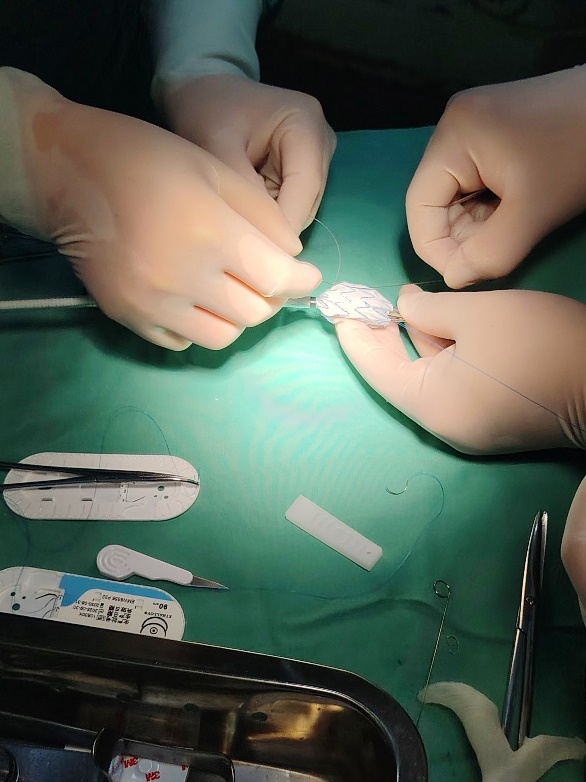
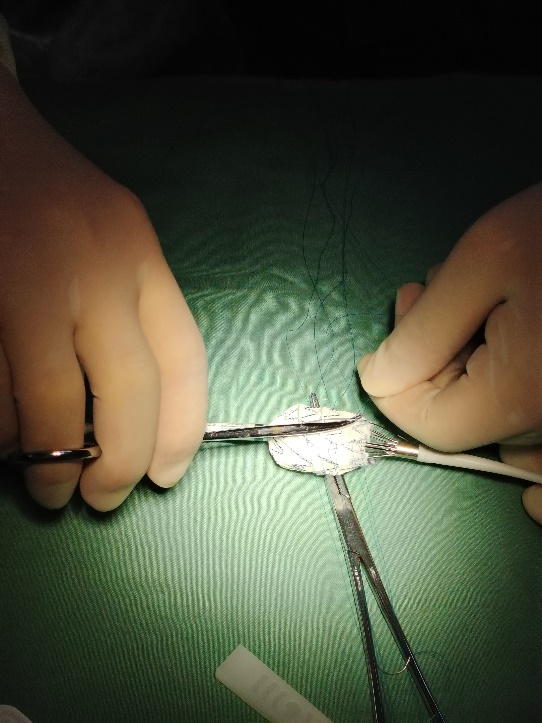
2. Bilateral common femoral artery puncture was performed to insert vascular sheaths, heparinization was carried out, 4 pre-placed sutures were applied, and an 8F vascular sheath was inserted.Puncture the left femoral artery to insert a vascular sheath, guide the catheter into the abdominal aorta with a guidewire, introduce an Amplatz guidewire, and exchange to deliver a 6F long sheath into the abdominal aorta segment.
3. A gold-standard pigtail catheter was introduced through the left femoral artery for angiography and measurement. An Amplatz guidewire was introduced through the right artery, and an abdominal aortic stent was advanced along the guidewire and partially deployed. The upper limb approach successfully selected the fenestration and the inferior mesenteric artery. A Supera core guidewire was introduced, and a 4mm balloon was advanced along the guidewire. Using the balloon-with-sheath technique, a long sheath was delivered to the proximal segment of the inferior mesenteric artery.
4. The abdominal aortic bifurcation was identified by angiography, and the stent was deployed. The short leg of the stent sprang open at the level of the abdominal aortic bifurcation. A 5mm x 18mm balloon-expandable stent mounted on a 0.014-inch wire was advanced through the long sheath in the upper limb, and the stent was deployed across the fenestration. Angiography confirmed satisfactory stent morphology and position with good visualization of the inferior mesenteric artery.
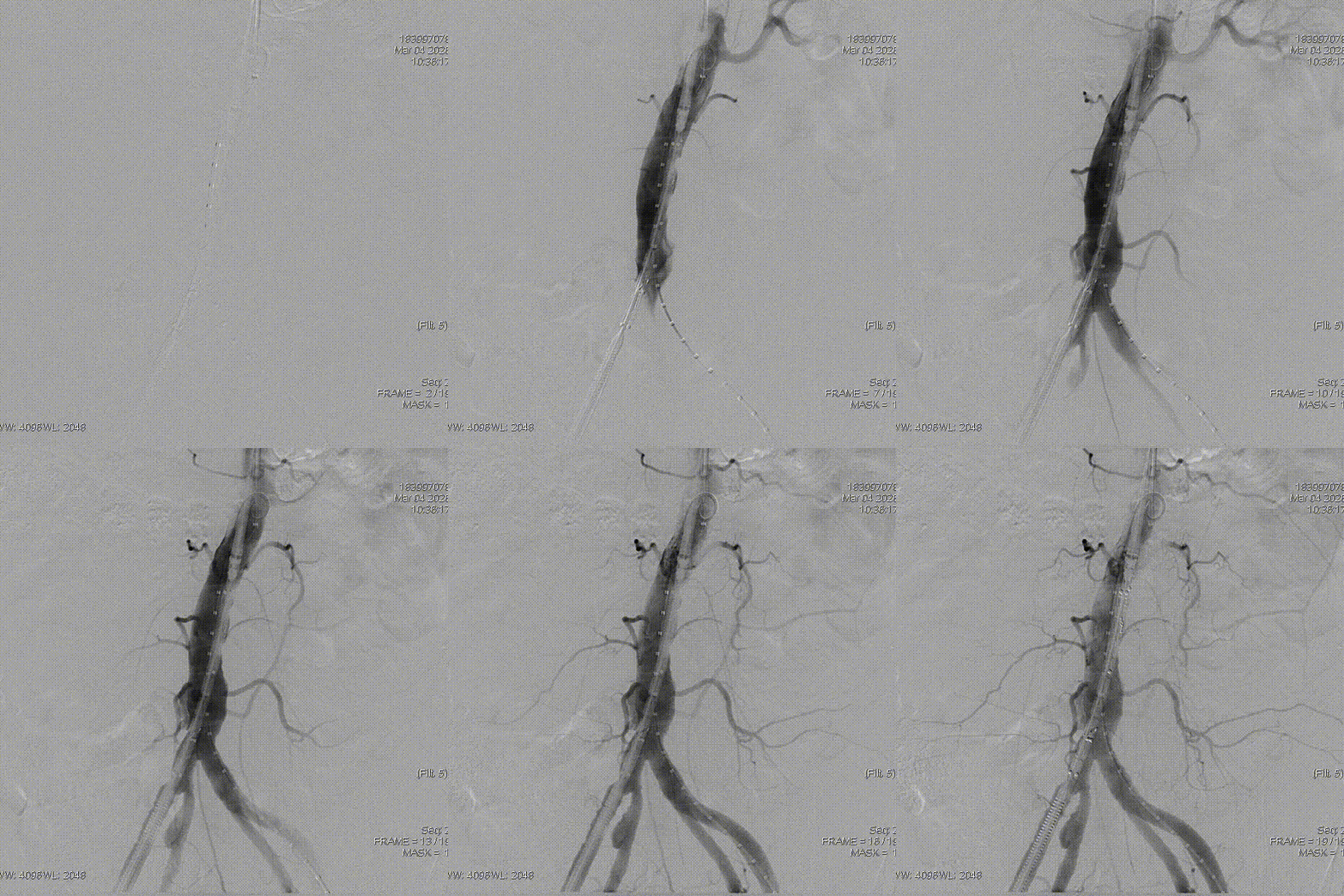
5. After removing the constraining sheath and releasing the stent, the delivery was successful via the left femoral approach. A pigtail catheter was introduced to measure, and then an iliac artery extension (Medtronic 16-16-95) was selected. Part of the stent was trimmed, reassembled, and de-aired before being advanced over the left femoral guidewire to connect with the proximal main body of the stent. The distal end was anchored at the terminus of the left common iliac artery.
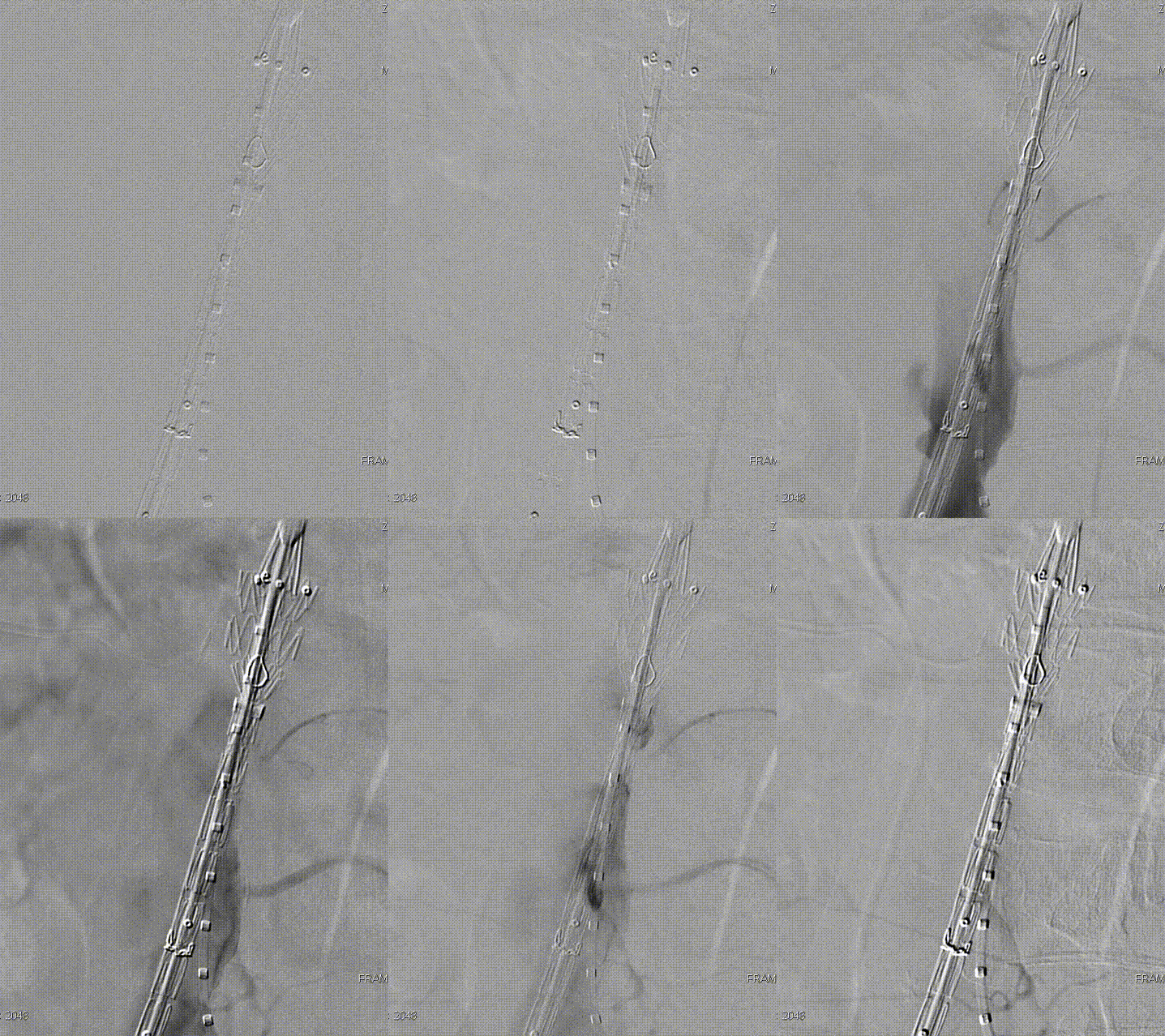
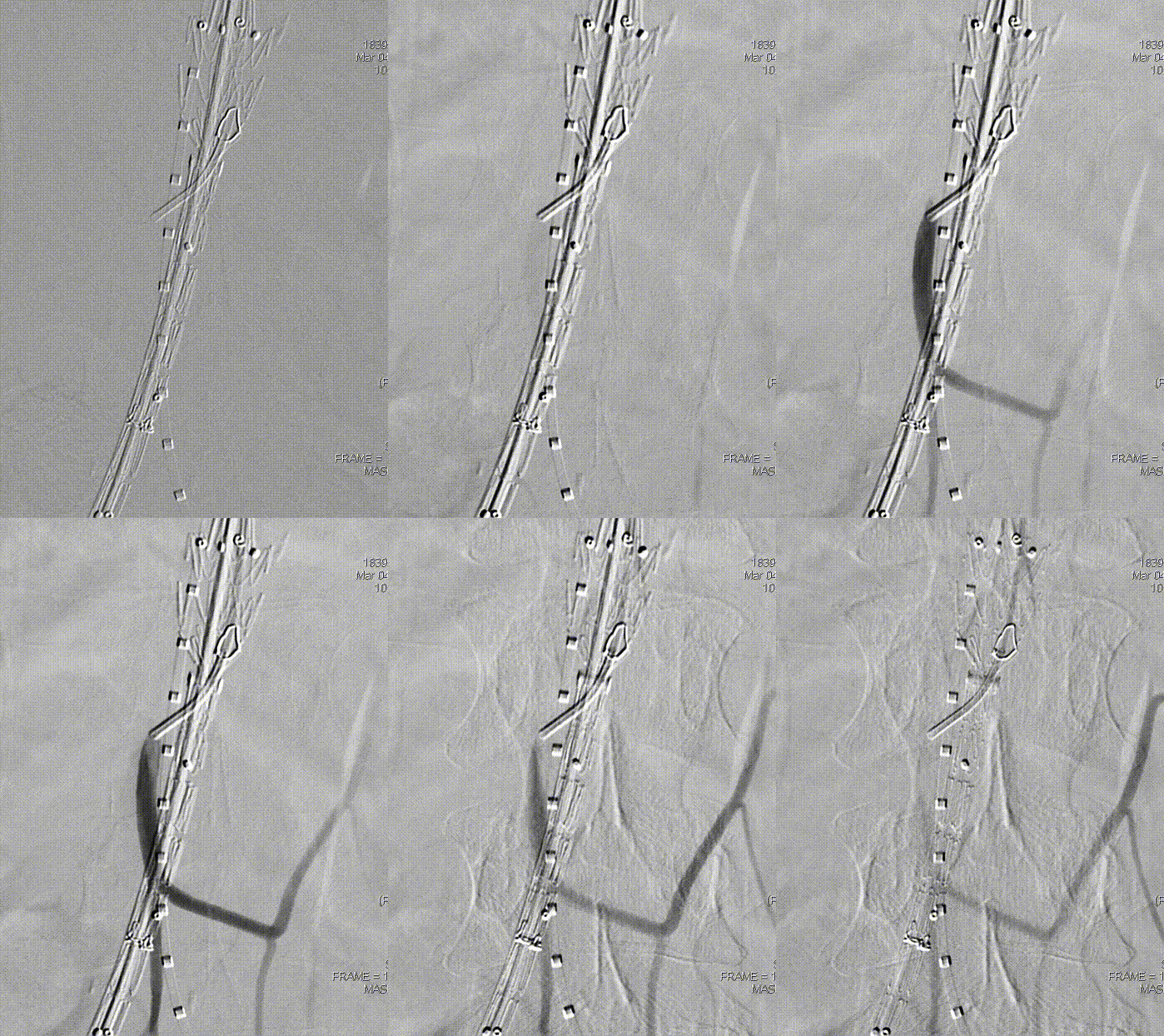
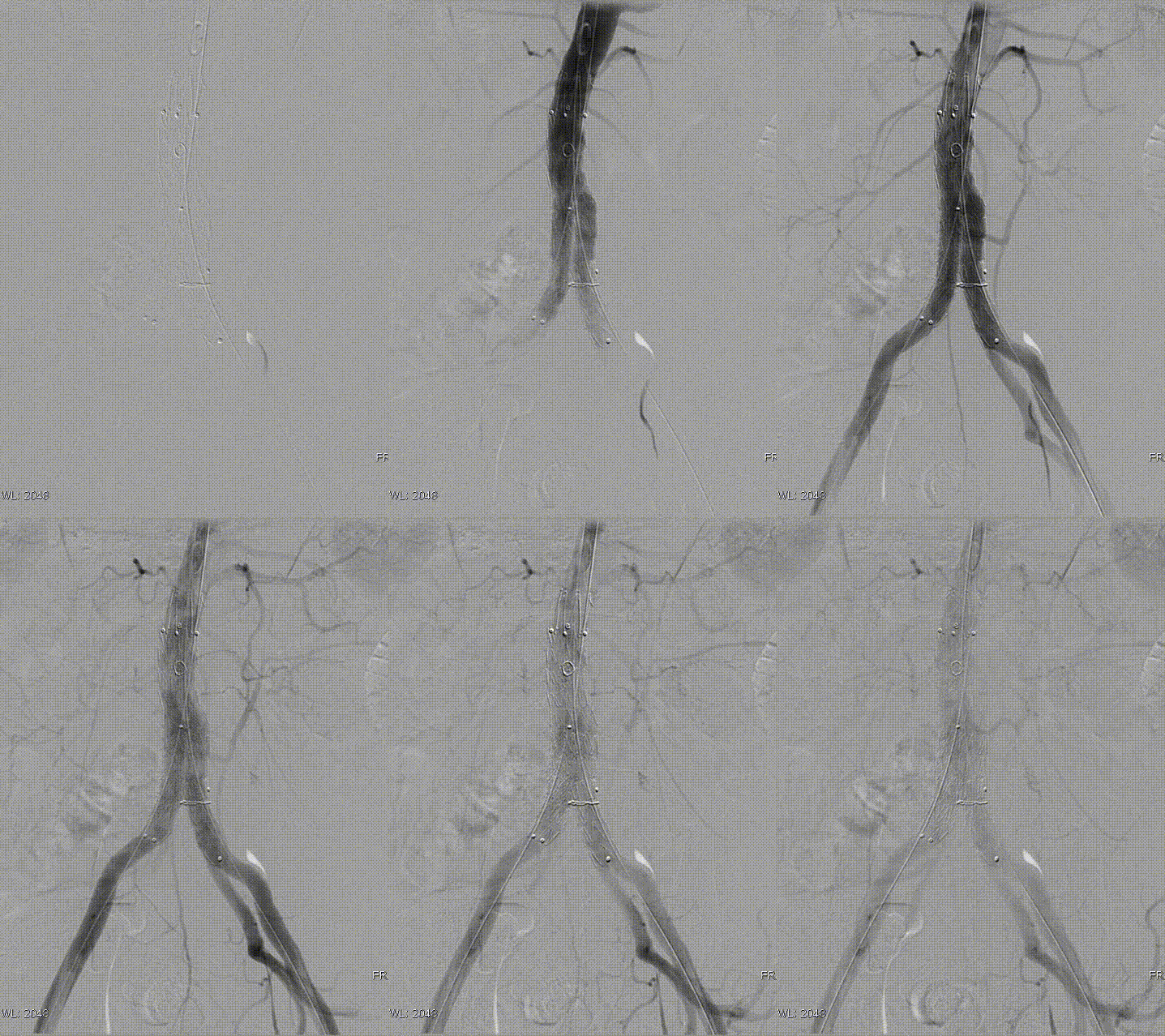
A 12mm balloon was introduced and advanced into the bilateral iliac branches for dilation. Angiography revealed significant compression of the right iliac branch.A 12mm x 38mm balloon-expandable covered stent was deployed on the right side to correct the stenosis. Follow-up angiography showed improvement in stenosis, with good stent morphology and position. The inferior mesenteric artery was patent.
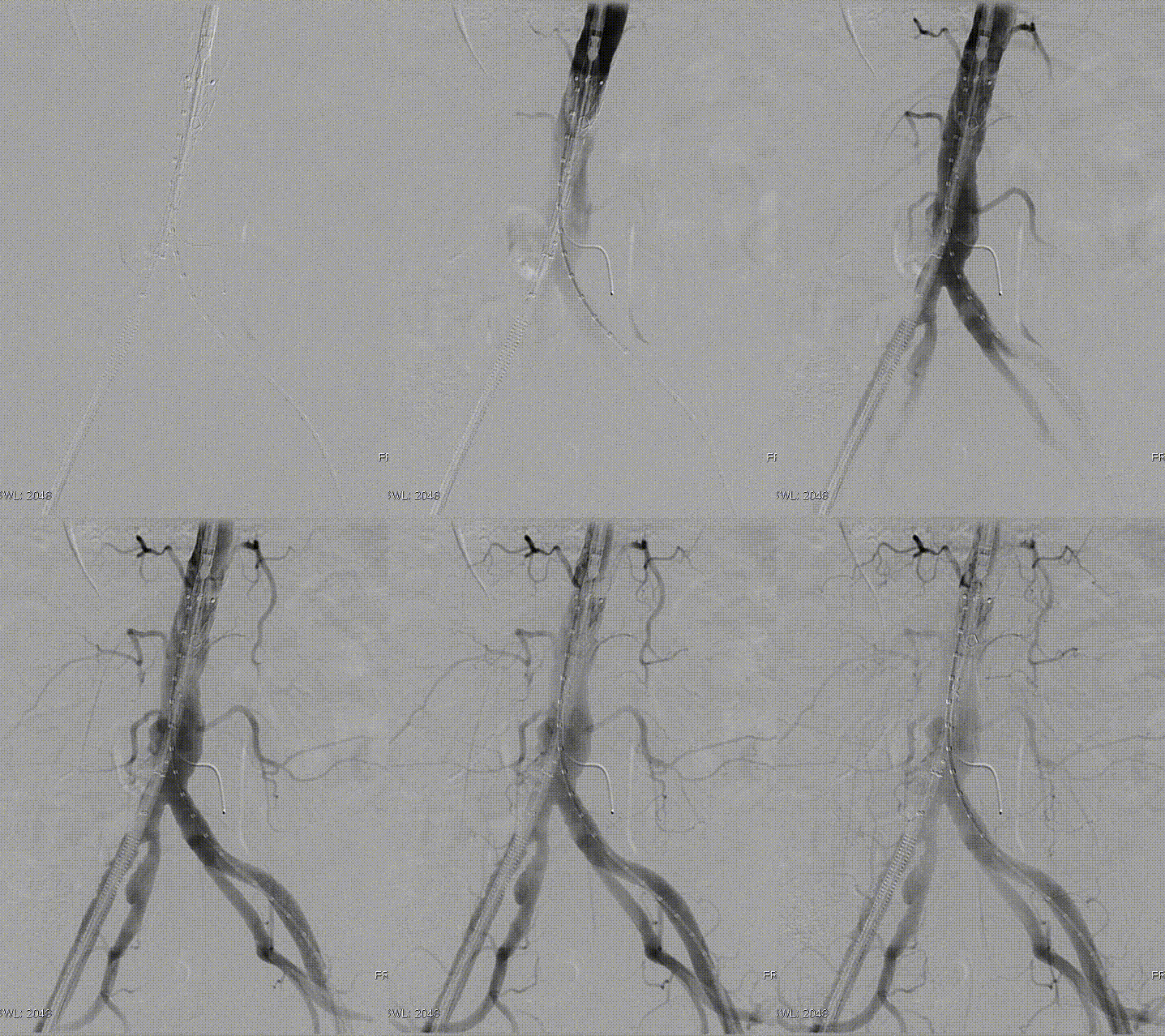
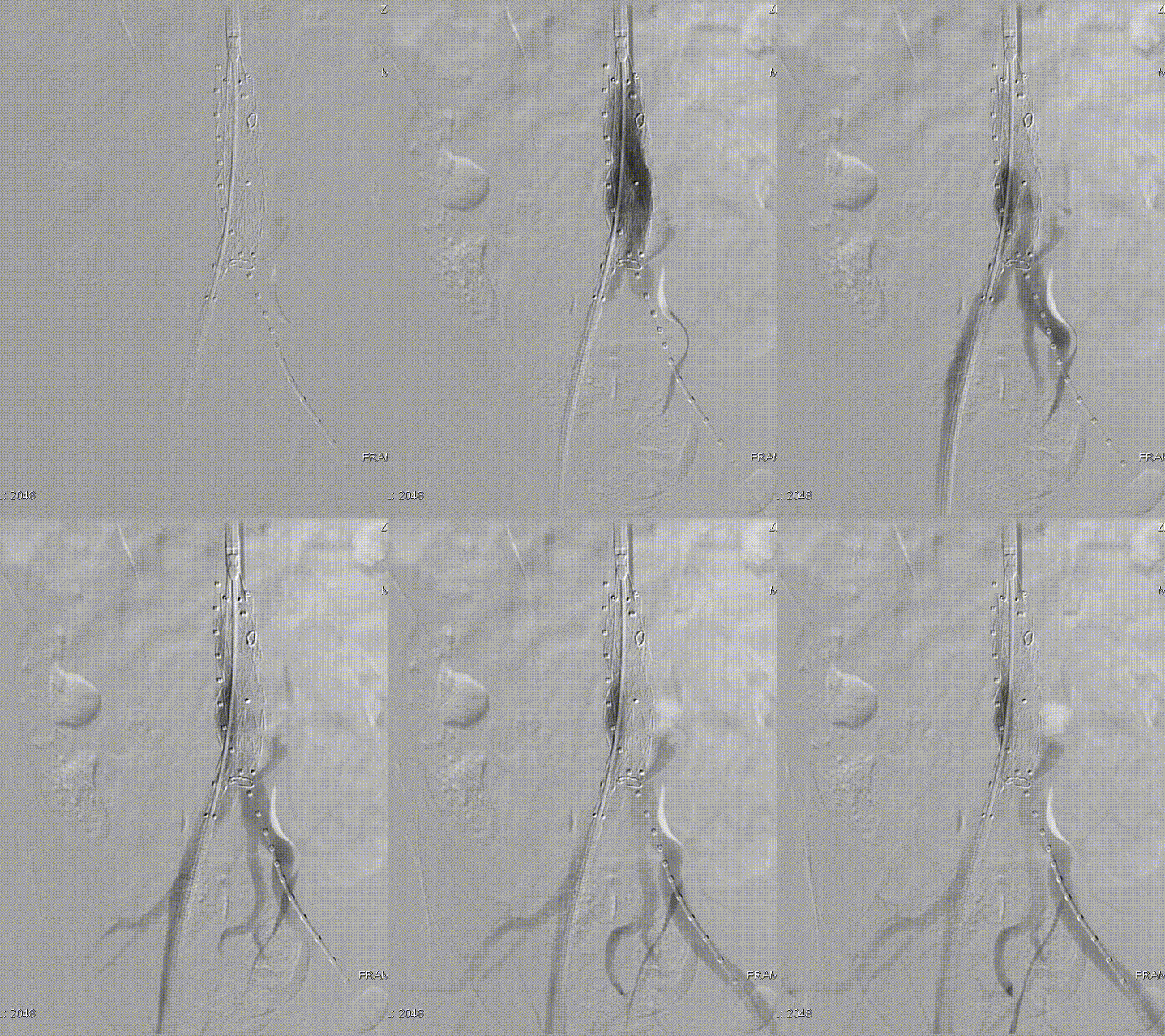
6. Withdraw the guidewire, tighten the femoral artery suture and apply pressure, remove the left femoral artery sheath with local compression for hemostasis, apply elastic bandage for pressure dressing, and the patient was safely returned to the recovery room after the procedure.
7. Postoperative angiography:

Surgical Summary
This patient has a penetrating ulcer at the terminal end of the abdominal aorta accompanied by a pseudoaneurysm, involving the bifurcation area, short bilateral common iliac arteries, and a large inferior mesenteric artery, making it impossible to use a straight stent; conventional bifurcated stents struggle to balance branch preservation with fitting short common iliac arteries.
AndMedtronic ENDURANT IIs Bifurcated StentWith its modular design, high compliance, and precise controllable release, it perfectly adapts to the complex anatomy of this case: the main body's diameter gradient matches the distal abdominal aorta + short common iliac, solving the pain point of straight tube stents being unable to anchor; pre-fenestration and constriction can be performed in vitro, combined with 3D printing for accurate positioning, safely preserving the large inferior mesenteric artery; the iliac branches can be trimmed to fit short common iliac arteries while preserving bilateral internal iliac arteries; meanwhile, the stent offers stable release and excellent radial support, allowing intraoperative compression of the iliac branch to be quickly corrected using balloon-expandable stents without endoleaks. Ultimately, this surgical treatment achieved excellent results.
This Treatment VerificationEIIs: Convertible, Highly Compatible, Strongly ControllableThe clinical value lies in providing a replicable, low-cost, and highly efficient standardized solution for complex abdominal aortic lesions involving bifurcations, requiring branch preservation, and short common iliac arteries, thereby enhancing the accessibility and safety of complex endovascular aneurysm repair (EVAR).
Expert Introduction /EXPERTS




Doctor of Medicine, Chief Physician, Master's Graduate Supervisor, Member of the Party Committee, Vice President, and Head of the Cardiovascular Surgery Department. Studied at Careggi University Hospital, University of Florence, Italy, and New Haven Hospital, Yale University, USA. Recognized as an "Outstanding Middle-aged Expert with Significant Contributions" by the Sichuan Provincial Health Commission, awarded the title of "Most Beautiful Medical Practitioner" in the first Dazhou recognition, named among the first "Dazhou Famous Physicians," and honored as one of the first "Baqu Famous Physicians." Also appointed as a Special Expert in Dazhou City. Primarily engaged in the clinical diagnosis, treatment, and research of peripheral vascular surgical diseases.
Main Academic Positions: Standing Committee Member of the Peripheral Vascular Disease Management Branch of the Chinese Geriatrics Society, Member of the Vascular Surgery Branch of the Chinese Rehabilitation Medical Association, Member of the Vascular Surgery Branch of the China-Japan Medical Science and Technology Exchange Association, Vice President of the Vascular Surgery Branch of the Sichuan Province Physician Association, Deputy Director of the Vascular Surgery Branch of the Sichuan Medical Innovation Association, Editorial Board Member of the Journal of Postgraduate Education in China, Chairman of the Vascular and Endovascular Surgery Specialized Committee of the Dazhou Medical Association, etc.。




Chief Physician, Master of Medicine, Director of Cardiac and Vascular Surgery. Graduated from Chongqing Medical University in July 2007, under the tutelage of renowned vascular surgery expert Professor Zhao Yu. After graduation, joined the surgical department of Dazhou Central Hospital in Sichuan Province, where he pioneered vascular surgery work in Dazhou City, filling multiple technical gaps. From February to August 2012, underwent systematic training in peripheral vascular intervention and open surgery techniques at the Vascular Surgery Department of the First Affiliated Hospital of Chongqing Medical University. From November 2018 to May 2019, participated in the 9th Western Talent Program of the National Health Commission, studying at the Vascular Surgery Department of the First Affiliated Hospital of Xi'an Jiaotong University under the guidance of renowned carotid artery disease expert Professor Liu Jianlin, systematically learning open and endovascular treatments for carotid artery diseases. From October 2021 to March 2022, studied complex aortic disease endovascular and open treatments at Nanjing Drum Tower Hospital affiliated with Nanjing University. Pioneered the pre-fenestration and mechanical in-situ fenestration techniques for aortic dissection stent grafts to reconstruct the left subclavian artery in Sichuan Province. In recent years, pioneered 3D printing-assisted endovascular branch reconstruction for complex aortic lesions, IBD and modified sandwich techniques for internal iliac artery reconstruction, among other new technologies in Dazhou City. Specializes in open surgery and endovascular exclusion for thoracic aortic dissection/aneurysm and abdominal aortic aneurysms, open surgery and endovascular treatment for carotid artery stenosis and occlusion, bypass surgery and interventional treatment for lower limb ischemic diseases; one-stop comprehensive treatment for thrombotic diseases, traditional and various minimally invasive surgeries for varicose veins of the lower limbs; construction and maintenance of complex vascular access, treatment of central venous stenosis; resection of tumors involving blood vessels, etc. Has published numerous articles in journals such as the Journal of Interventional Medicine, World Journal of Clinical Cases, and Chinese Journal of Traumatology, and has been granted 10 national utility model patents. Currently serves as a member of the Vascular Surgery Group of the Sichuan Medical Association, a member of the Vascular Surgery Branch of the Sichuan Medical Doctor Association, a member of the Vascular Access Group of the Vascular Surgery Branch of the Chinese Medical Doctor Association, a member of the Asia-Pacific Vascular Academic Alliance, a member of the Peripheral Vascular Disease Management Branch of the Chinese Geriatric Medical Society, a member of the Youth Committee of the International Vascular Union, and a member of the Vascular Repair and Reconstruction Committee.


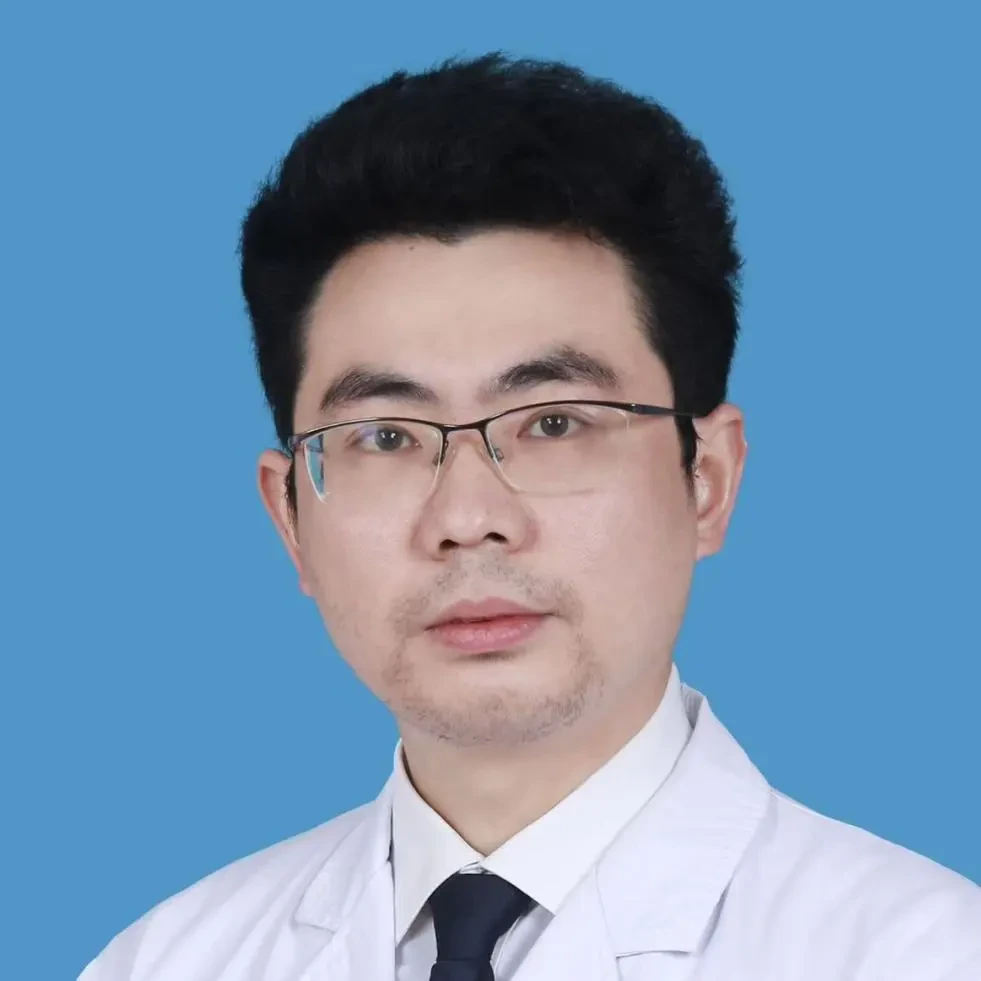

Associate Chief Physician, Youth Committee Member of the Chinese Division of the International Vascular Alliance, Youth Committee Member of the Interventional Medicine Special Committee of the Sichuan Medical Association, Member of the Vascular Malformation and Access Study Group of the Chinese Health Science and Technology Promotion Association, Member of the Youth Council of the Asia-Pacific Vascular Academic Alliance, Committee Member of the Peripheral Vascular Disease Special Committee of the Sichuan Integrated Traditional Chinese and Western Medicine Society, Committee Member of the Vascular Surgery Physician Branch of the Sichuan Physician Association, Committee Member of the Multi-Disciplinary Joint Committee on Thromboembolic Diseases of the Sichuan Medical Association, Committee Member of the Vascular and Endovascular Surgery Special Committee of the Dazhou Medical Association.
Copyright Statement: This platform aims to help healthcare professionals better understand the latest developments in relevant disease areas. The information published on this platform does not imply agreement with its descriptions or viewpoints, but is merely for providing more information. If there are any copyright issues, we kindly request the rights holders to contact us, and we will address them as soon as possible. The information is intended solely for healthcare professionals to stay informed, and such information cannot replace professional medical guidance in any way, nor should it be considered as medical advice. If such information is used for purposes other than staying informed, this platform and its authors shall not bear any related responsibilities.Contact Email for Cooperation:vascular@edoctor.work。