

OncoImmune Guangzhou Files for IPO Highlighting Differentiated CTLA-4 and CD24-Based Immuno-Oncology Pipeline
Among current cancer treatment modalities, tumor immunotherapy is undoubtedly the most closely watched approach and is regarded as the fifth major cancer treatment technology, following surgery, radiotherapy, chemotherapy, and targeted therapy.
Tumor immunotherapy encompasses various technical categories, such as immune checkpoint inhibitors, cellular immunotherapy, and tumor vaccines,Among these, immune checkpoint inhibitors are currently the most commonly used immunotherapy regimen and have been approved for the clinical treatment of various tumors, including melanoma, renal cell carcinoma, head and neck cancer, and bladder cancer.
Immune checkpoints refer to signaling pathways on the surface of T cells that inhibit their activation and participation in immune responses. Tumor cells can exploit these immune checkpoints to suppress T cell activation, thereby evading immune-mediated destruction. Immune checkpoint inhibitors work by blocking the activity of these checkpoints, releasing the "immune brakes" within the tumor microenvironment, and reactivating T cell-mediated anti-tumor immune responses, thereby achieving an anti-tumor effect.CTLA-4 is one of the important targets for immune checkpoint inhibitors.
In 2011, the CTLA-4-specific antibody Yervoy (ipilimumab, co-developed by James Allison and Medarex) received FDA approval for marketing, becoming the world’s first approved immune checkpoint inhibitor and pioneering the field of cancer immunotherapy. Unfortunately, Yervoy exhibited an unacceptably high incidence of severe adverse effects shortly after its launch, leading many pharmaceutical companies to abandon the development of CTLA-4 inhibitors. As a result, Yervoy remains the only approved CTLA-4 inhibitor globally. After approximately a 12-year “hiatus,” the CTLA-4 target is now experiencing a second wave of development enthusiasm. How to develop highly efficacious and low-toxicity CTLA-4 antibodies to rapidly seize market opportunities has become a critical challenge that every company engaged in R&D must address.
Based on the novel targeted CTLA-4 tumor immunotherapy theory proposed by Professor Liu Yang, the founder, Guangzhou Angke Immune Biotechnology Co., Ltd. (hereinafter referred to as “Guangzhou Angke Immune”) has demonstrated that its best-in-class product, the anti-CTLA-4 monoclonal antibody ONC-392, exhibits robust antitumor efficacy in Phase 1a clinical trials. ONC-392 effectively reduces immune-related adverse events associated with CTLA-4 exhaustion while enhancing therapeutic efficacy. As one of the few biotechnology companies worldwide possessing clinically validated antibodies against CTLA-4, PD-1, and VEGF, Guangzhou Angke Immune is emerging as a rising star in the field of tumor immunotherapy.
Guangzhou Angke Immune Biotechnology Co., Ltd. was founded in 2018 by renowned Chinese scientists Professor Liu Yang and Professor Zheng Pan, but this does not mark its origin.
In 2000, Professor Liu Yang and Professor Zheng Pan co-founded OncoImmune, Inc. Guangzhou Angke Immune was initially established as the R&D center of OncoImmune in China.
“Their original intention in founding Angke Immune in China was to achieve the simultaneous translation of their lifelong R&D achievements within the country, thereby advancing the development of medicine in China,” said Fang Xianfeng, President of R&D at Guangzhou Angke Immune. He noted that the two founders are deeply committed to the advancement of domestic medical science; beyond translating scientific achievements, they have also imparted scientific knowledge by lecturing students at prestigious institutions such as the Chinese Academy of Sciences, Tsinghua University, and Peking University.
Based on the impressive Phase 3 clinical trial data for its core product, CD24Fc, in the treatment of COVID-19, OncoImmune was acquired by Merck & Co. in 2020. Under Merck’s investment, a newly spun-off company, OncoC4, was established. This entity retained all of OncoImmune’s assets except for CD24Fc. Dr. Yang Liu continues to serve as Chief Executive Officer and Chief Scientific Officer, while Dr. Pan Zheng serves as Chief Medical Officer.
Following the acquisition of OncoImmune, Guangzhou Angke Immune Biotechnology Co., Ltd. became an independent biotechnology company. As a sister company to OncoC4, Guangzhou Angke Immune holds the Greater China rights to certain products in OncoC4’s pipeline. Meanwhile, Guangzhou Angke Immune has been continuously strengthening its independent R&D capabilities and filed multiple PCT patent applications last year.
So, what sets apart the two founders who have led Guangzhou Angke Immune to its current success?
Dr. Liu Yang is an internationally renowned expert in tumor immunology. As early as 2004, he was elected a Fellow of the American Association for the Advancement of Science (AAAS) in recognition of his pioneering contributions to innate immunity, T-cell costimulation, and cancer immunology. With extensive experience in teaching and scientific research, he has served as an endowed professor and academic leader at multiple prestigious institutions, including New York University, The Ohio State University, Children’s National Medical Center, and the Institute of Human Virology at the University of Maryland School of Medicine. He has published more than 200 peer-reviewed articles and filed dozens of patents.
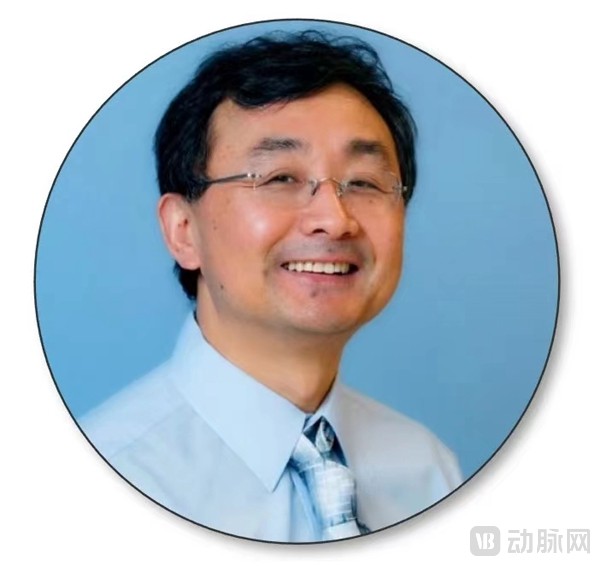
Dr. Yang Liu
Another co-founder also boasts an exceptional résumé. Dr. Zheng Pan is a highly influential figure in medicine and bioengineering, and was elected as a Fellow of the American Institute for Medical and Biological Engineering (AIMBE) in 2022 in recognition of her outstanding contributions to cancer immunotherapy and the development of immune checkpoint modulators for the treatment of COVID-19. She also has extensive experience in teaching and scientific research, having held academic positions at The Ohio State University, the University of Michigan, Children’s National Hospital, and the Institute of Human Virology at the University of Maryland School of Medicine. She has published more than 150 peer-reviewed academic papers.
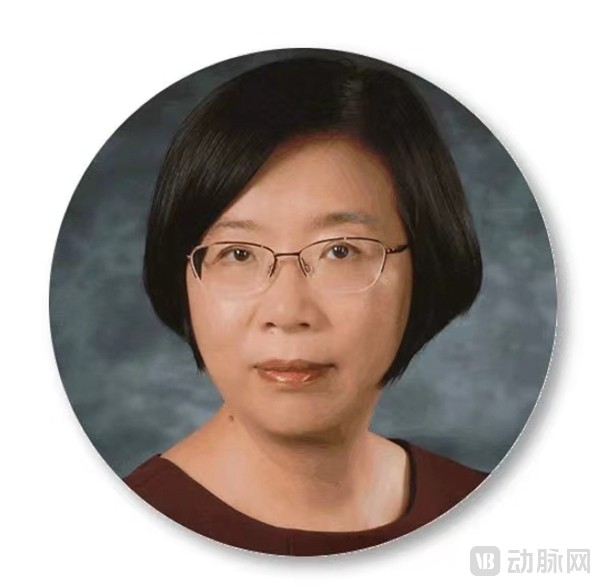
Dr. Pan Zheng
The two founders’ extensive teaching experience has also brought significant talent advantages to Guangzhou Angke Immune. The company’s current core team consists of Dr. Xianfeng Hou, a postdoctoral fellow at the Institute of Immunology, Tsinghua University, who holds a Ph.D. in Biology from the Institute of Biophysics, Chinese Academy of Sciences; Dr. Qunmin Zhou, founder of the former Suzhou Stanway and holder of a Ph.D. from New York University; Dr. Dongling Li, former Associate Researcher at the Institute of Biophysics, Chinese Academy of Sciences; Mr. Lidong Liu, former Vice President of the Investment Banking Department at Everbright Securities; and a senior expert soon to join the team, who previously worked at Pfizer and Johnson & Johnson and has experience leading the management of multiple marketed products.
The company’s core team and other senior key personnel include several students of Professor Liu Yang, enabling a deeper understanding of the company’s technical products and fostering more aligned values among them.
Professor Liu Yang began his basic research in the field of immune co-stimulatory molecules more than 30 years ago,Pioneered the global use of humanized transgenic mice for in vivo screening of anti-human CTLA-4 antibodies over 20 years ago, and successfully obtained a murine anti-human CTLA-4 monoclonal antibody with potent antitumor activity and low autoimmune-like side effects.
However, since the CTLA-4-specific antibody Yervoy was already in clinical trials at the time, Professor Liu Yang considered further development redundant and halted work on the antibody candidate his team had identified. Later, the situation took an unexpected turn: after Yervoy received marketing approval, concerns about its clinical safety attracted widespread attention within the industry. In response, Professor Liu Yang resumed development of the previously identified antibody and conducted in-depth research into the anti-tumor mechanisms of CTLA-4-targeting antibody drugs.
The conventional view holds that CTLA-4 inhibitors work by blocking the interaction between CTLA-4 and B7, thereby reactivating T cells to differentiate and proliferate into effector cells, ultimately achieving tumor cell killing.Professor Liu Yang and Professor Zheng Pan’s team were the first to propose a novel mechanism of action for CTLA-4 immune checkpoint inhibitors: CTLA-4 inhibitors exert their antitumor effects by effectively clearing tumor-localized regulatory T cells (Tregs) with high CTLA-4 expression through antibody Fc receptor-mediated antibody-dependent cellular cytotoxicity (ADCC), thereby alleviating Treg-mediated immunosuppression.
Based on the groundbreaking theoretical research pioneered by Professors Liu Yang and Zheng Pan, Angke Immune has developed ONC-392, a next-generation monoclonal antibody drug targeting CTLA-4.ONC-392 enables CTLA-4 to undergo intracellular and extracellular cycling without lysosomal degradation through a unique mechanism, thereby reducing immunotherapy-related toxicity caused by CTLA-4 depletion while enhancing its therapeutic efficacy.
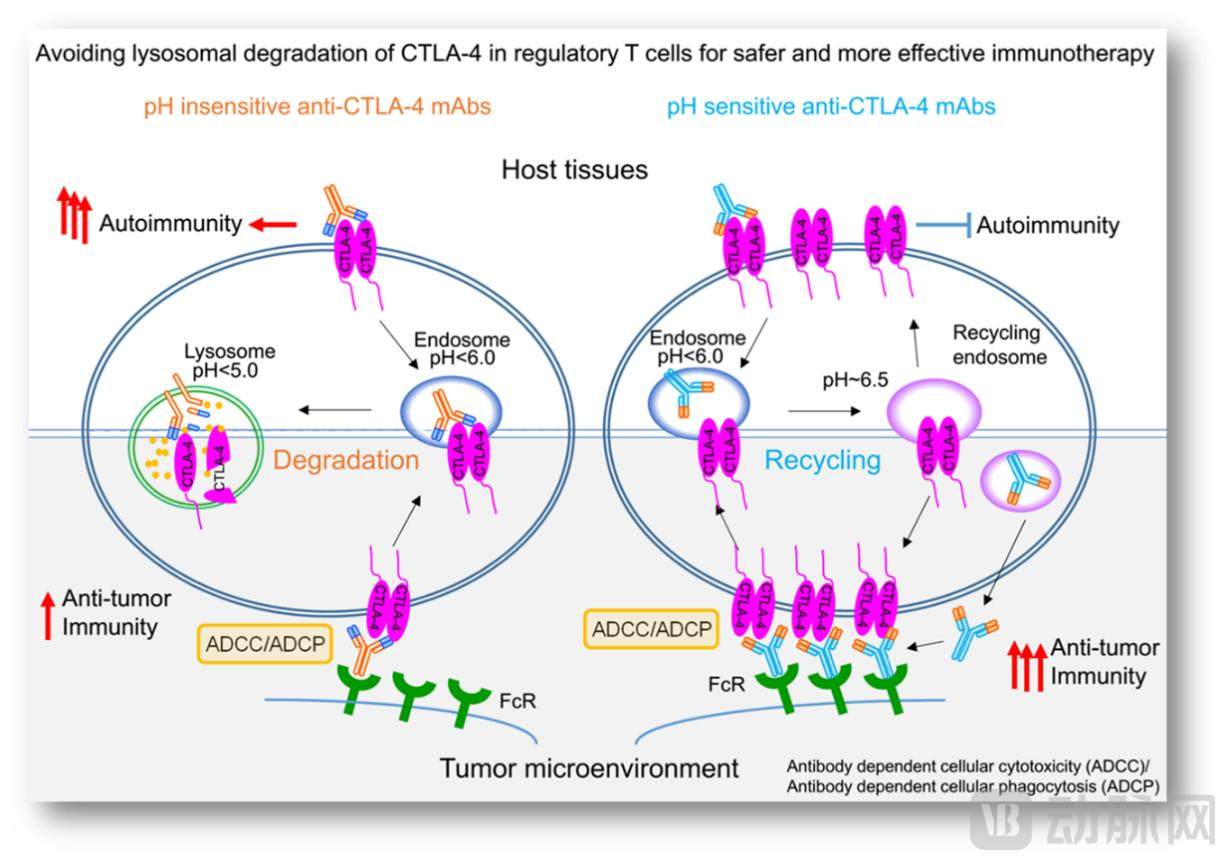
ONC-392 Molecular Mechanism (Image source: https://doi.org/10.1016/j.tips.2019.11.003)
In November 2021, OncoC4 announced preliminary results from its Phase Ia clinical trial of ONC-392 in the United States. The results demonstrated beneficial clinical activity in 6 out of 10 patients. Among the six subjects in the 10 mg/kg dose group, two achieved a complete response (CR); in the 3 mg/kg dose group, which comprised four patients, two maintained stable disease (SD) for more than seven months.
Furthermore, among the overall cohort of 10 subjects, all three patients with stage IV non-small cell lung cancer (NSCLC) who had previously developed secondary resistance to PD-(L)1 therapy (defined as disease progression occurring after six months of PD-(L)1-targeted treatment) demonstrated evidence of clinical benefit. This indicates that ONC-392 monotherapy exhibits substantial antitumor efficacy in patients with stage IV cancer who have failed multiple prior lines of therapy and developed resistance to PD-(L)1 treatment.
Fang Xianfeng explained, “Based on the disclosed preclinical and clinical data, ONC-392’s lower toxicity and higher efficacy make it the best-in-class product.”
In addition, Guangzhou Angke Immune Biotechnology Co., Ltd. is also developing dual and triple combination formulations based on ONC-392.
In addition to CTLA-4, Guangzhou Angke Immune also possesses a globally unique target, CD24.
CD24, also known as heat-stable antigen or small cell lung cancer cluster 4 antigen, is a highly glycosylated glycosylphosphatidylinositol-anchored cell surface protein. CD24 can interact with Siglec-10 molecules on innate immune cells to deliver immunosuppressive signals and inhibit inflammatory responses.
The CD24–Siglec-10 innate immune checkpoint was a pioneering discovery by the laboratories of Professors Liu Yang and Zheng Pan (Science, 2009), this pathway was initially identified as a negative regulatory pathway for inflammation triggered by tissue injury, but its significance has now expanded to multiple innate and adaptive immune pathways.
Following the acquisition by Merck & Co. of CD24Fc, a first-in-class biologic targeting the CD24-Siglec10 pathway developed in-house, Guangzhou Angke Immune Biotechnology Co., Ltd. designed AI-071, a next-generation Siglec agonist, based on its understanding of the CD24-Siglec10 signaling pathway.
AI-071 is a first-in-class immunomodulatory drug that effectively mitigates tissue damage caused by inflammation through targeted modulation of the CD24-Siglec10 signaling pathway. It holds significant therapeutic potential for a wide range of inflammation-related conditions, including various autoimmune diseases, metabolic syndrome, graft-versus-host disease (GvHD), and viral pneumonias such as COVID-19.
“Early studies have found that AI-071 exhibits superior biological activity compared with CD24Fc in in vitro experiments,” introduced Fang Xianfeng. The Phase I clinical trial of AI-071 for the treatment of COVID-19 will be conducted in Australia in the second quarter of 2022, followed by clinical trial applications in China and the United States.
Furthermore, leveraging CD24, Guangzhou Angke Immune Biotechnology Co., Ltd. has developed multiple first-in-class cancer immunotherapy products, including an engineered cancer-specific anti-CD24 antibody (ONC-781), chimeric antigen receptor CAR-T cells (ONC-782), T cell-engaging bispecific antibodies (ONC-783), and antibody-drug conjugates (ONC-784).
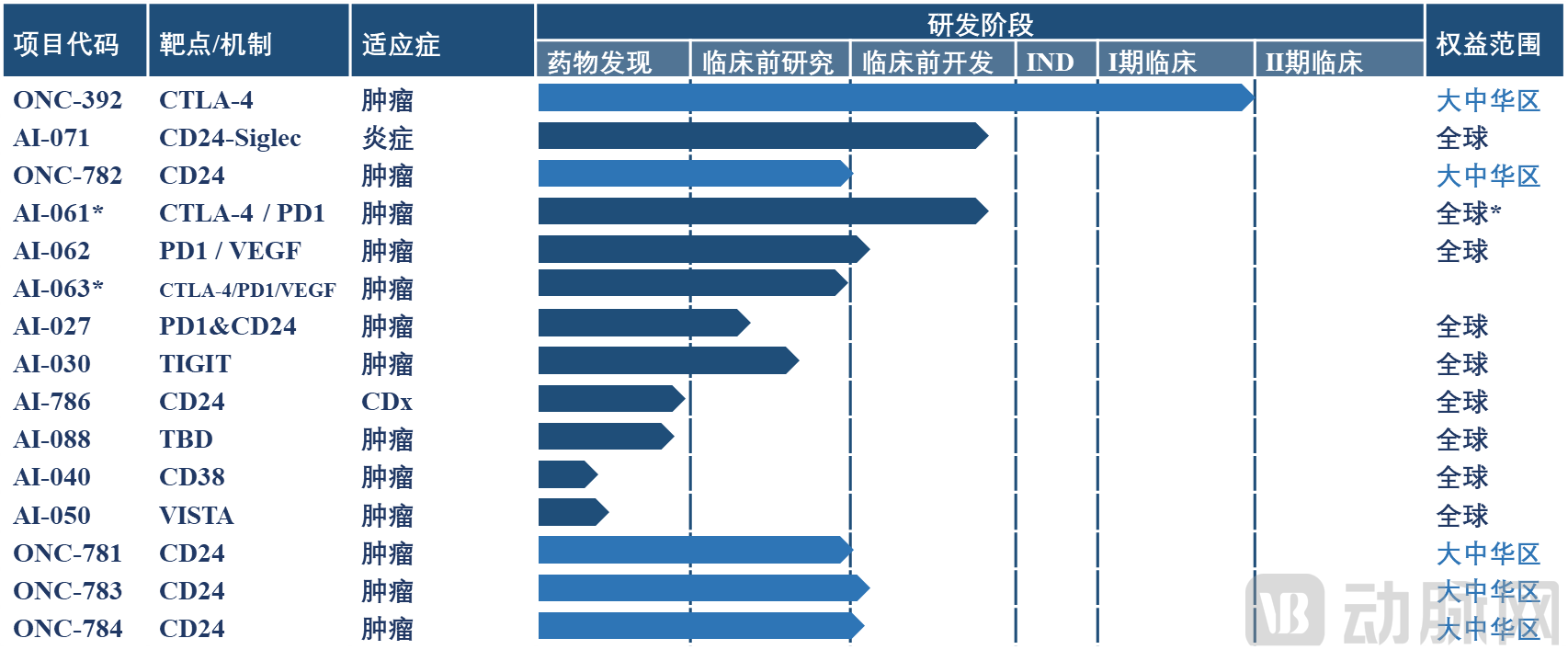 R&D Pipeline
The company boasts a robust pipeline of products under development, positioning it as one of the few biotechnology companies globally with clinical-stage antibodies targeting CTLA-4, PD-1, and VEGF—therapeutic targets whose efficacy has been validated in clinical practice.
To facilitate the normal and efficient advancement of the project, Guangzhou Angke Immune Biotechnology Co., Ltd. has established collaborative partnerships with Shanghai Jiao Tong University School of Medicine, Shandong University School of Medicine, and Sun Yat-sen University to jointly conduct related scientific research.
It is reported that Guangzhou Angke Immune Biotechnology Co., Ltd. has completed nearly RMB 200 million in financing and is currently undertaking its Series B round, aiming to raise RMB 200–300 million. The funds raised will be used to advance the clinical development of the next-generation Siglec agonist AI-071, the anti-CTLA-4 monoclonal antibody ONC-392, and combination therapies involving ONC-392.
Regarding the future development of Angke Immune, Fang Xianfeng, President of R&D at Guangzhou Angke Immune Biotechnology Co., Ltd., emphasized that the company must place equal emphasis on both research and development and production.
First, the company is strengthening its R&D capabilities by building a talented workforce. Guangzhou Angke Immune Biotechnology Co., Ltd. has already established a clinical medicine team with strong academic backgrounds, led by Dr. Song, a medical doctor from Wuhan University and former chief physician at a top-tier hospital, who serves as the Senior Medical Director. Fang Xianfeng stated that, building on its existing talent pool, Angke Immune will continue to recruit top talents worldwide to create a first-class R&D team and plans to establish its own new drug research institute in the future.
Second, production capacity will be enhanced by establishing commercial-scale manufacturing facilities. Guangzhou Angke Immune Biotechnology Co., Ltd. plans to complete a GMP pilot-scale production workshop in Nanjing by the end of 2022, with subsequent commercial-scale manufacturing bases currently under preparation. In addition to achieving independent commercial production, the company will also provide commercial manufacturing services to its U.S. affiliate, OncoC4, in the future.
Fang Xianfeng stated, “We expect to achieve fully independent R&D and commercial-scale manufacturing of our drugs within five years, becoming a biopharmaceutical company with end-to-end capabilities.”