

Policy Tailwinds to Unlock an RMB 800 Billion Market: 2022 Assisted Reproductive Technology (ART) Industry Research Report
2021 was a year in which assisted reproductive technology received favorable policy support.
The “Guiding Principles for the Planning of Human Assisted Reproductive Technology Applications (2021 Edition),” issued in January 2021, moderately relaxed the access requirements for third-generation in vitro fertilization (IVF) technology, actively encouraging more assisted reproductive technology institutions to enhance their service capabilities to support eugenics and healthy childbirth.
To address the birth rate falling below 1% (8.52‰) for the first time in 2020, China introduced the “Three-Child Policy” and its supporting measures in July 2021 to promote population growth and optimize demographic structure. The policy explicitly emphasized establishing a well-planned system of assisted reproductive technology services to enhance eugenics and child-rearing quality. In active response, provinces and municipalities across China have incorporated three-child childbirth expenses into medical insurance, generally extended maternity leave, introduced parental leave, provided childbirth subsidies, and developed inclusive childcare systems, with nearly all these initiatives included in their key plans for 2022.
Furthermore, in August 2021, the National Healthcare Security Administration included a range of assisted reproductive technology (ART) medications within the scope of medical insurance coverage, thereby opening the door to insurance reimbursement for ART services.
With the infertility rate in China continuing to rise and the average childbearing age steadily increasing, assisted reproductive technology (ART), as the last resort for families who are unable to conceive naturally, has remained under the spotlight and is held in high expectation.
The successive introduction of the aforementioned policies has repeatedly placed assisted reproductive technology in the spotlight, driving sustained growth in industry interest.
To clarify the respective impacts of this series of policies on the upstream, midstream, and downstream segments of the assisted reproductive technology (ART) industry chain, VCBeat Research Institute has produced this report through an in-depth understanding of the policies, a multi-dimensional analysis of industry data, field research covering one scientific research institute, eight innovative enterprises, and two investment firms, as well as interviews with eight experts, company founders, and investors.
Key Conclusions:
• The Three-Child Policy, with stronger and more comprehensive support measures, is set to further expand the assisted reproductive technology (ART) market. Compared to the 2016 “Universal Two-Child” policy, the scale and scope of support under the Three-Child Policy are historically unprecedented. We estimate that the policy dividends will create an ART market nearing RMB 800 billion.
• Supported by favorable policies in technology and payment, the benefits will first manifest in downstream assisted reproductive technology (ART) institutions. With policy support, the number of ART institutions offering third-generation in vitro fertilization (IVF) is accelerating its growth; domestically produced medical devices for assisted reproduction are becoming increasingly refined and comprehensive; the financial barriers to accessing ART services are gradually lowering; and market awareness is steadily improving. As a result, downstream ART institutions will see an increase in treatment cycles and ultimately achieve higher success rates and live birth rates.
• With policy support, commercial insurance will introduce more valuable insurance products to foster the healthy development of the entire assisted reproductive technology (ART) market. Driven by both policy and market forces, the role of commercial insurance has been growing year by year. As awareness and understanding of the ART market continue to rise, commercial insurers will launch higher-value ART-specific insurance products, gradually exerting a market-regulating effect and ultimately feeding back into the broader ART ecosystem to accelerate its sound and sustainable growth.
Over 15 Million in Potential Demand Creates an $800 Billion Blue Ocean Market
China's demand for assisted reproductive technology reaches as high as 15.66 million people.Data from the National Bureau of Statistics shows that China's infertility rate has been rising year by year, currently reaching 12–18%. According to projections based on information released by the official website of the National Medical Products Administration at the end of 2020, China's infertility rate is expected to increase to 18.2% by 2023. The United States boasts high success rates and market penetration in assisted reproductive technology (ART); according to Frost & Sullivan data, the ART penetration rate in the U.S. reached 30.2% in 2018. If China were to achieve this level of penetration, it would imply a potential demand for ART services among nearly 15.66 million people.
Estimation of Potential Market Demand for ART
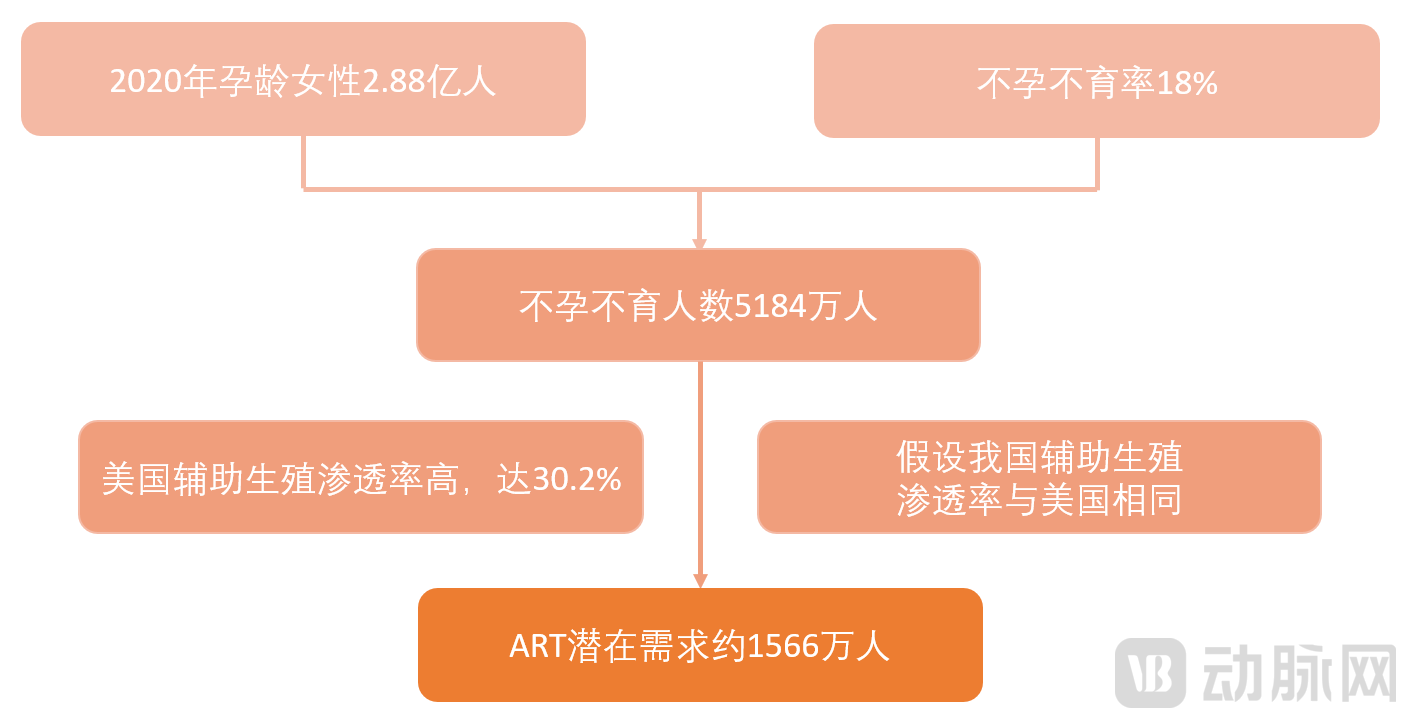
Data sources: National Bureau of Statistics, Arterial Orange Database; prepared by VCBeat.
The potential market size for ART exceeds RMB 799.5 billion.Assisted reproductive technology (ART) primarily includes artificial insemination (AI) and in vitro fertilization (IVF). Data published by Reproductive Biology and Endocrinology indicate that the ratio of AI to IVF selections among physicians in China is approximately 7:19.
Based on the above data, the potential market size for assisted reproductive technology (ART) in China is estimated at RMB 799.5 billion. Considering that some women may require ART services two or more times due to pregnancies with second or third children, and that each ART service may necessitate three or more treatment cycles due to factors such as advanced maternal age, the overall market size will exceed RMB 799.5 billion.
ART Potential Market Size Estimation
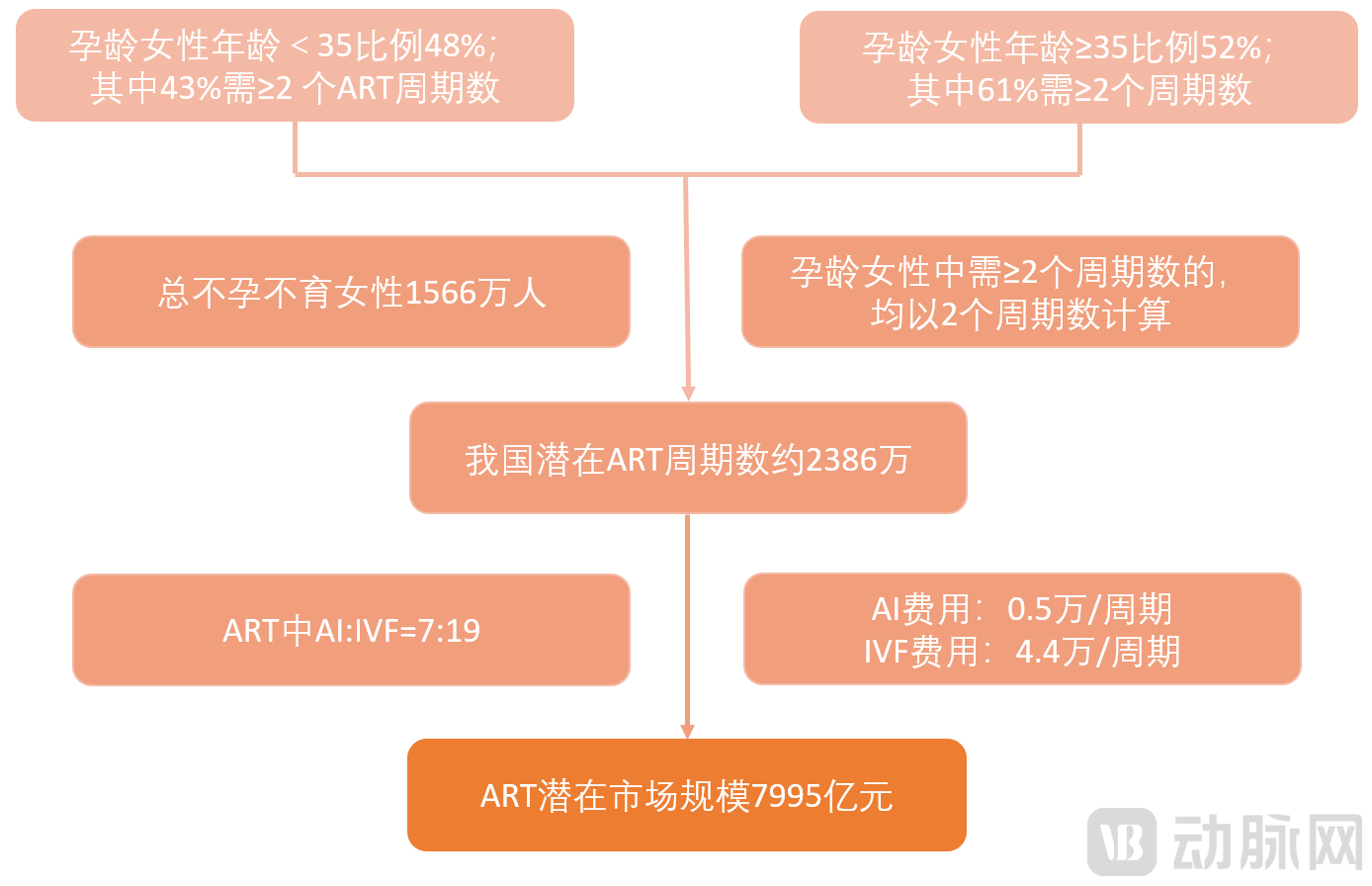
Data sources: National Bureau of Statistics, Arterial Orange Database; compiled by VCBeat.
ART Costs Covered by Medical Insurance; Multi-Party Support for the "Three-Child" Policy Reduces Childbearing Costs
The Three-Child Policy Is Backed by Stronger Support Measures: Extended Maternity Leave and Additional Parental Leave.On July 20, 2021, the “Decision of the Central Committee of the Communist Party of China and the State Council on Optimizing Fertility Policies to Promote Long-Term Balanced Population Development” was released, implementing a policy allowing each couple to have up to three children, along with supporting measures.
Provinces, autonomous regions, and municipalities across China responded actively. As of the end of January 2022, according to incomplete statistics, 27 provinces had updated their Regulations on Population and Family Planning. These updates generally extended maternity leave by 30–60 days, extended male paternity/caregiver leave to 15–30 days, and introduced an annual parental leave of 5–30 days for each parent with children under the age of three to six.
Revisions to Maternity Leave, Paternity Leave, and Parental Leave Policies Across Provinces, Cities, and Regions
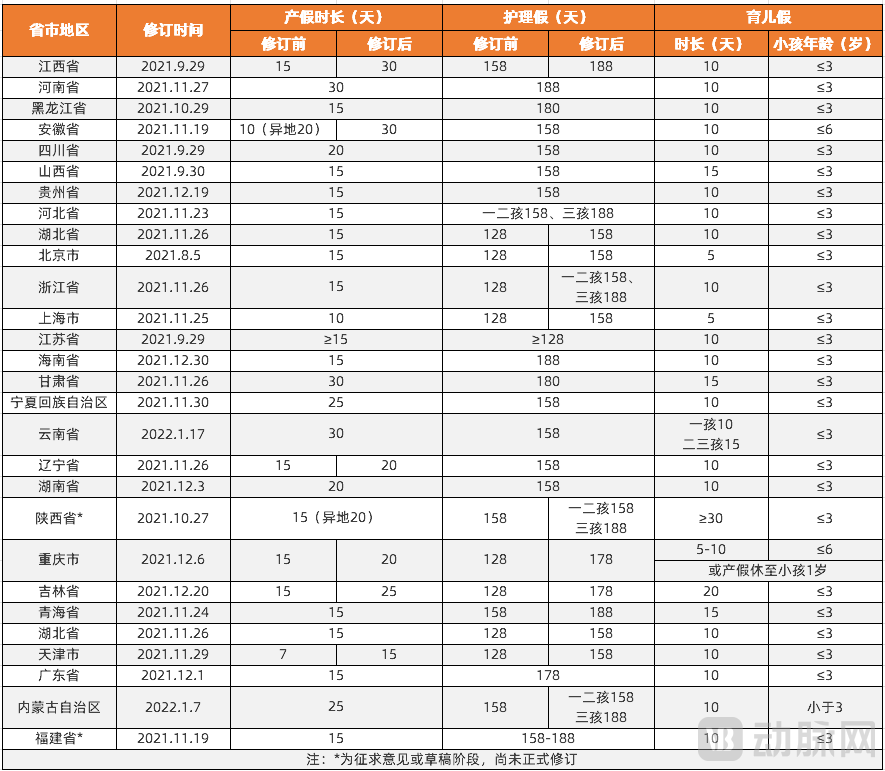
Source: Official websites of provincial and municipal people's congresses; produced by VCBeat.
The Three-Child Policy Is Backed by Stronger Support: Maternity Costs to Be Covered by Medical Insurance.Healthcare security administrations in various provinces, municipalities, and regions have successively introduced policies to include maternity expenses for third children under medical insurance coverage, making them eligible for maternity allowances. Notably, Guangxi Province has decided that flexible employment personnel who are enrolled in the basic medical insurance for employees can receive reimbursement for maternity medical expenses in their respective pooling areas in accordance with regulations, even without paying maternity insurance premiums.
The Three-Child Policy Is Backed by Stronger Support: Reducing the “Three Childrearing Costs” from Multiple Dimensions.Provinces and municipalities including Beijing, Guizhou, and Jilin have issued the “Implementation Plan for Optimizing Fertility Policies to Promote Long-Term Balanced Population Development,” aiming to reduce the costs of childbirth, child-rearing, and education through multiple measures. These include stipulating the number of toddler care beds per 1,000 residents in communities, improving access to educational and medical resources, and implementing specific policies such as tax reductions and lower interest rates on loans for families with children under three years of age.
The characteristics of individuals who have three children closely align with those of patients undergoing assisted reproductive technology (ART).Most women giving birth to a third child are of advanced maternal age, resulting in reduced success rates and increased risks for natural conception; assisted reproductive technology (ART) is key to addressing this challenge. Additionally, these women generally have stronger financial resources, making the cost burden less significant.
It is evident that the demographic profile of individuals having a third child closely aligns with that of those opting for assisted reproductive technology (ART), particularly in terms of age and financial capacity. As the three-child policy and its accompanying support measures are progressively implemented and refined, the potential for families with two children to have a third will be further unleashed. This also implies that the ART market will continue to expand under the impetus of the three-child policy.
PGT Implementation No Longer a “Privilege” of Tertiary Hospitals
The growth rate of ART institutions has slowed down.On October 9, 2007, the State Council’s “Decision on the Fourth Batch of Items for Which Administrative Examination and Approval Are Cancelled or Adjusted” delegated the authority to license medical institutions for providing human assisted reproductive technology (ART) to the health administrative departments of provinces, autonomous regions, and municipalities directly under the Central Government. This decision significantly promoted the growth in the number of ART-providing institutions in China. In the five years following the adjustment, by the end of 2012, the compound annual growth rate (CAGR) of such medical institutions reached as high as 30.24%, with an average annual increase of 52 institutions—the highest on record—after which the growth trend gradually slowed down.
Growth of Medical Institutions Implementing ART

Data Source: Arterial Orange Database, Produced by VCBeat
The “Guiding Principles for the Allocation and Planning of Human Assisted Reproductive Technology (2015)” (hereinafter referred to as the “2015 Guiding Principles”) stipulated that the number of institutions approved for establishment each year shall not exceed 20% of the total number of existing institutions. In contrast, the latest “Guiding Principles for the Application Planning of Human Assisted Reproductive Technology (2021 Edition)” (hereinafter referred to as the “2021 Guiding Principles”) has lowered this threshold, capping the total number of newly added institutions over a five-year period at no more than 15% of the existing institutions.
Accelerate the growth of PGT institutions.The Guidelines (2021 Edition) provided quantitative guidance on the number of institutions conducting PGT for the first time, stating that “the proportion shall not exceed 30%.” Given the current rate of 14.6%, there is still substantial room for growth.
Furthermore, the requirement in the 2015 Guidelines that newly established PGT services must be located in “tertiary general hospitals, tertiary maternal and child health care hospitals, and tertiary obstetrics and gynecology hospitals with prenatal diagnosis qualifications” was revised in the 2021 Guidelines by removing the “tertiary” designation and broadening it to “medical institutions with prenatal diagnosis qualifications.” This change allows secondary hospitals and other facilities to offer PGT services, undoubtedly promoting an increase in the number of eligible institutions.
ART Medications Included in National Reimbursement Drug List, Reducing Costs by Over 30%
Inclusion of Assisted Reproductive Technology (ART) Medications in Medical Insurance Covers Over One-Third of ART Costs.On August 23, 2021, the National Healthcare Security Administration issued the “Reply of the National Healthcare Security Administration to Proposal No. 5581 at the Fourth Session of the 13th National People’s Congress,” explicitly stating that fertility-supportive medications meeting specified criteria, including ovulation-inducing drugs such as bromocriptine, triptorelin, and clomiphene, would be included in the reimbursement coverage.
At this point, medical insurance coverage extends to all medications across the entire ART cycle, including down-regulation agents, ovarian stimulation drugs, ovulation induction agents, and luteal phase support medications.
Insurance Coverage for Assisted Reproductive Technology Medications
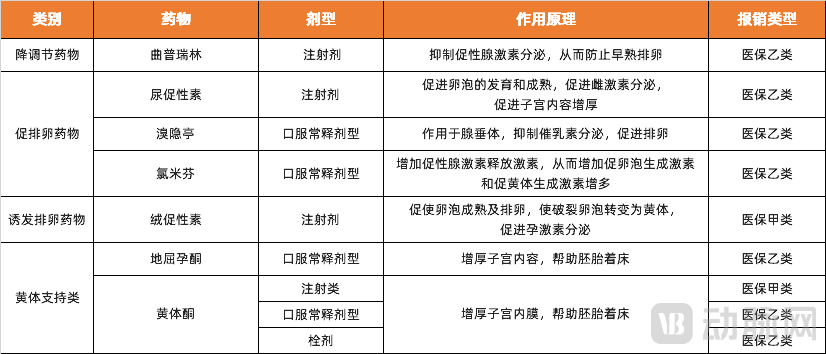
Data sources: National Healthcare Security Administration, Arterial Orange Database; prepared by VCBeat.
The inclusion of ovulation-inducing drugs and other medications in the national medical insurance scheme means that the financial burden on couples undergoing assisted reproductive technology (ART) will be reduced by more than one-third. This will enable more infertile couples to afford ART treatment and have their own babies.
70% of Medical Devices Exempt from Clinical Trials; Multiple Products Break Import Monopoly
Broad Exemptions from Clinical Trials Accelerate Regulatory Approval of ART Medical DevicesIn December 2019, the National Medical Products Administration (NMPA) issued the “Notice on Publishing the Catalogue of Medical Devices Exempt from Clinical Trials (Newly Added and Revised)” (hereinafter referred to as the “Exemption Notice”), which included all Class II passive medical devices used for assisted reproductive technology (ART) in the catalogue of devices exempt from clinical trials. Furthermore, with the exception of ART laser systems and certain ART culture media and other ART-related fluids, most Class III medical devices were also added to the catalogue.
Catalog of Medical Devices Used in ART Exempt from Clinical Trials
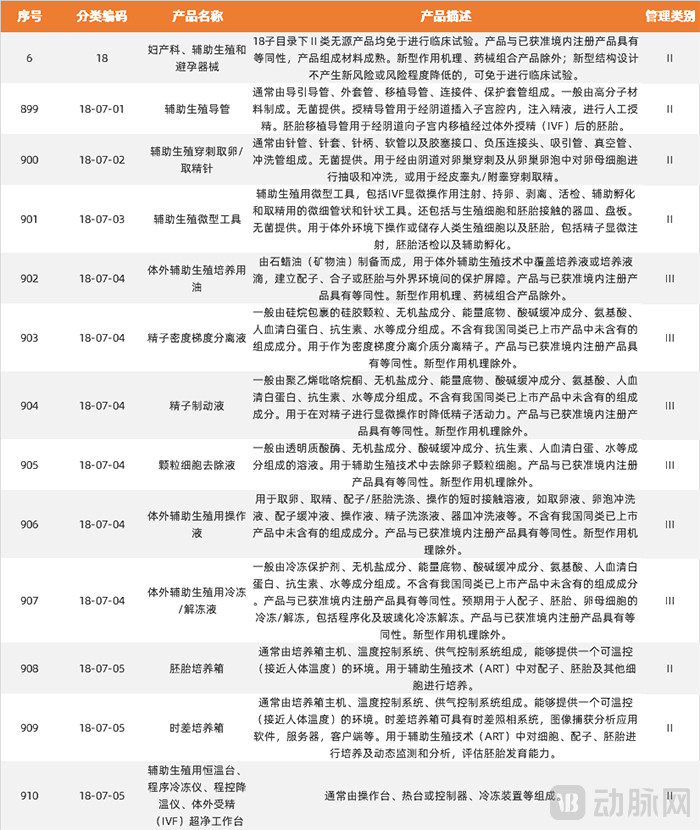
Data source: National Medical Products Administration; prepared by VCBeat.
Newly certified domestic products account for over one-third of the total, with the first batch of Class III medical device certificates awarded to Chinese manufacturers.The recent notification on the broad exemption from clinical trials for ART-related medical devices has provided a milestone boost to the regulatory approval of domestically produced medical devices. We have searched and compiled data on the regulatory approval status of all medical devices involved in the entire ART process, including preliminary infertility examinations.
From 2011 to the end of 2021 (based on the year of initial registration), there were a total of 341 medical device registration certificates for domestically produced devices involved in assisted reproductive technology (ART). Among these, more than one-third (116 items, accounting for 34.2%) were issued after the release of the notice on clinical trial exemptions. Notably, following the issuance of this exemption notice, China saw its first batch of ART-related medical devices receive Class III medical device certificates, breaking the import monopoly that had persisted for over a decade.
Number of Medical Device Registrations for the Entire ART Process (Units)
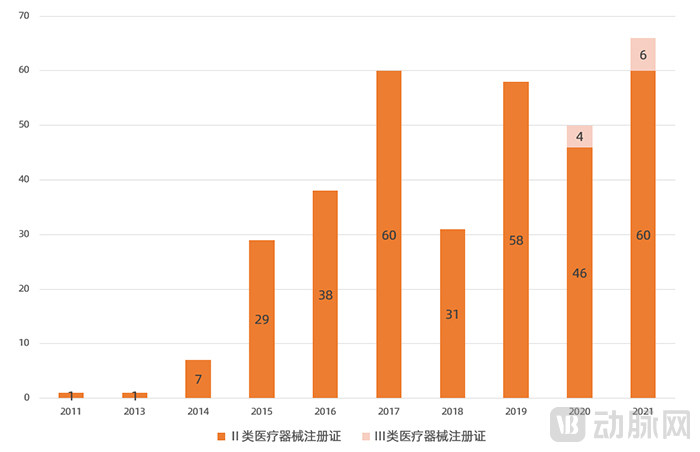
Data Source: National Medical Products Administration; Prepared by VCBeat
Class III medical devices show a significant import advantage in the number of certifications obtained.We conducted a similar review of the registration status of imported medical devices used in assisted reproductive technology (ART). From 2016 to the end of 2021 (based on the year of initial registration), a total of 132 imported medical devices received certification in the ART field. Although this total is less than half that of domestically produced devices, the number of Class III medical devices among imports exceeds that of domestic products by more than sixfold (10 domestic vs. 65 imported), demonstrating an overwhelming advantage.
Comparison of Domestic and Imported Medical Device Certification Across the Entire ART Process
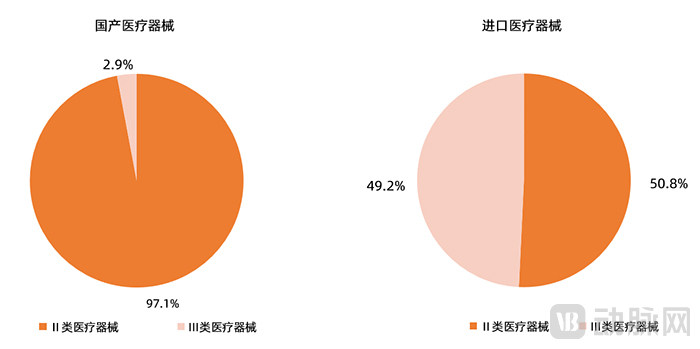
Data source: National Medical Products Administration; prepared by VCBeat.
China’s potential assisted reproductive technology (ART) market is comparable in scale to the entire European and American markets combined. However, due to the late start of ART in China, there is significant reliance on imported upstream medical devices. The exemption from clinical trials represents a major step forward in addressing this critical bottleneck.
To prevent clinical ART-related medical devices from stagnating, drive breakthroughs through innovation.It is worth noting that in addition to excelling in the scope of exemptions from clinical trials, domestically produced medical devices have also achieved significant breakthroughs in categories requiring clinical trials. For instance, diagnostic reagents are central to third-generation IVF technology, characterized by high R&D barriers, substantial difficulties in obtaining regulatory approval, and significant capital investment. Although diagnostic reagents were not included in the current list of exemptions from clinical trials, Chinese companies have still broken the import monopoly through independent research and innovation. A notable example is the PGT-A kit independently developed by Suzhou Beikang Medical Co., Ltd., the first listed IVD company in the field of assisted reproduction. Its Preimplantation Genetic Testing for Aneuploidy (PGT-A) Kit (Semiconductor Sequencing Method) entered the “Special Approval Channel for Innovative Medical Devices” in 2016 and obtained the Class III Medical Device Registration Certificate from the National Medical Products Administration (NMPA) in 2020, becoming China’s first approved PGT-A testing product. Furthermore, as a leading enterprise in the R&D and production of ART diagnostic reagents, Beikang Medical participated in the formulation of the Technical Evaluation Guidelines for Quality Control of Preimplantation Genetic Testing for Aneuploidy Reagents (High-Throughput Sequencing Method), filling the gap in quality control technical standards for third-generation IVF kits in China. After securing this initial approval, Beikang Medical continued to intensify its R&D efforts in PGT-M and PGT-SR. Currently, PGT-M initiated registration clinical trials in 2021 and is expected to obtain the registration certificate in 2023; meanwhile, PGT-SR has secured national invention patents and was included in the National 14th Five-Year Plan Major Special Projects, with the Class III Medical Device Registration Certificate expected in 2024.
Upstream: 32 Domestically Produced Medical Devices Approved, Setting a Milestone in Certification
In 2021, 32 assisted reproductive medical devices were approved, accounting for 40% of the total.We analyzed and compiled data on medical devices for assisted reproductive technology (ART) approved by the National Medical Products Administration (NMPA) in 2021. Our findings reveal that the number of approvals for upstream ART devices reached a milestone peak in 2021, representing a substantial increase compared with previous years. A total of 32 ART-related medical devices were approved throughout 2021, accounting for nearly 40% of all ART medical devices approved to date.
2021 Approval Status of Medical Devices for ART

Data Source: National Medical Products Administration, Arterial Orange Database; Produced by VCBeat.
Class III medical device certifications are being issued frequently, breaking the void in domestic production.Among the medical devices for assisted reproductive technology (ART) approved in 2021, there were a total of four liquid-based devices, all classified as Class III medical devices. Another noteworthy Class III medical device approved in 2021 is the innovative product “Preimplantation Chromosomal Aneuploidy Detection Kit (Reversible Terminator Sequencing Method),” independently developed and manufactured by Beijing Zhongyi Kangwei Medical Device Co., Ltd. (a wholly-owned subsidiary of Beijing Jiabaorenhe Medical Technology Co., Ltd.). This marks the second approval for an ART-related detection kit in China and represents the first PGT-A detection kit domestically to utilize reversible terminator sequencing. Reversible terminator sequencing is based on Illumina’s sequencing-by-synthesis chemistry, offering exceptional accuracy for sequencing assays.
Three Steps from Certification to Implementation: Technology Following, Product Innovation, and Domestic Substitution.In the past, nearly all medical devices for assisted reproductive technology (ART) required clinical trials for registration in China, resulting in high time and financial costs as well as significant challenges. Consequently, certain technologies and products in the ART sector in China have remained at the previous generation level, either due to continued use or because healthcare professionals are accustomed to them. Most of these devices were imported ART medical devices, leading to a clear market monopoly. At the end of 2019, the National Medical Products Administration (NMPA) of China exempted most ART devices from mandatory clinical trials for registration. This measure accelerated the approval process for domestically produced ART medical devices. For instance, in the upstream segment of third-generation IVF involving preimplantation genetic testing (PGT), MGI Tech has successively launched the MGISEQ-200, MGISEQ-2000, and DNBSEQ-T7 gene sequencers, which possess independent intellectual property rights and reach internationally advanced standards. Domestic brands are gradually gaining favor in the Chinese market, ending the monopoly held by imported brands. Currently, multiple gene sequencers from MGI Tech have received NMPA approval for market launch and have been purchased by several domestic PGT service providers for the development of related service products. In the current market, some rebranded domestic gene sequencers, produced and registered under OEM licensing and guidance provided by MGI Tech, are also supporting the development and improvement of China’s assisted reproduction industry.
Against the backdrop of imported brands already holding a first-mover advantage, the breakthrough point for domestic brands lies in quality and technological innovation. Product approval is merely the first step toward market entry; to gain market recognition and achieve genuine local substitution, Chinese manufacturers of assisted reproductive technology devices must follow a three-step strategy.
Three Stages of Market Entry for Domestically Produced ART Medical Devices
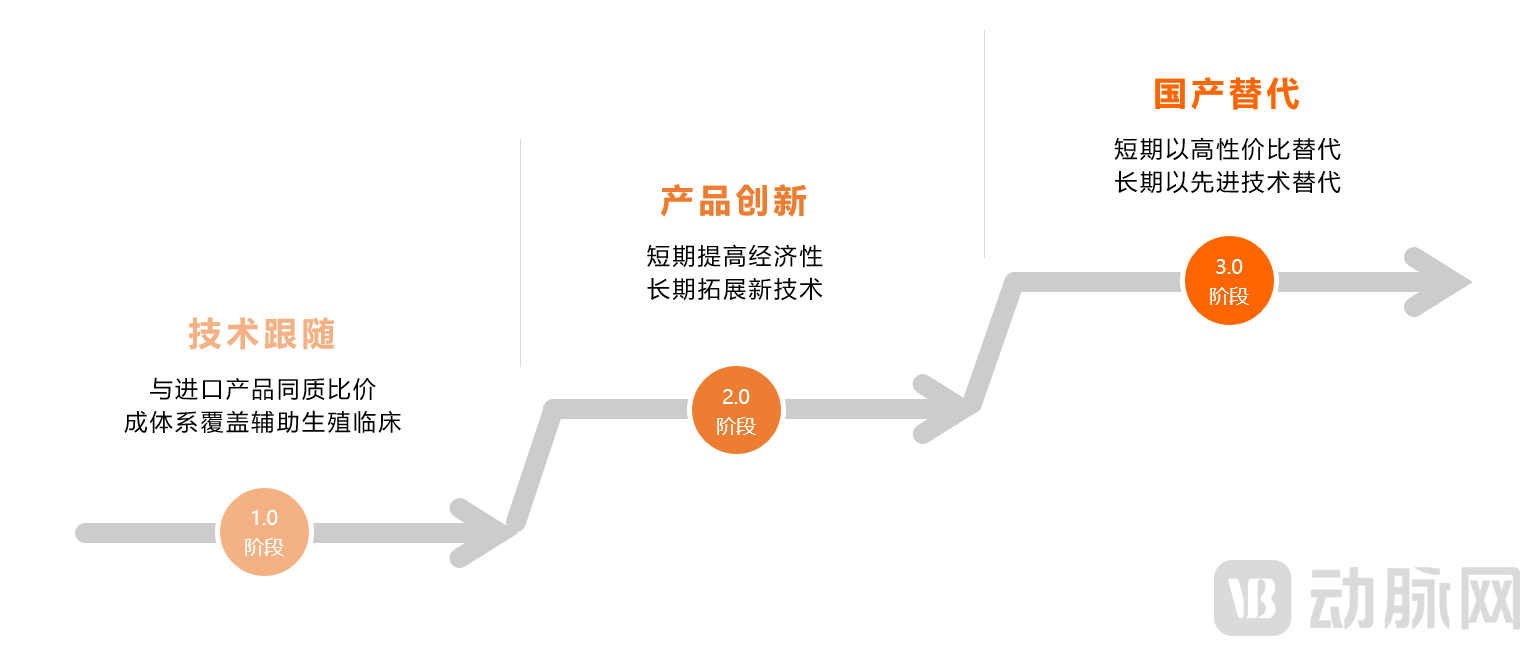
Data Source: Artery Orange Database, prepared by VCBeat.
(1) Technology Following Stage
Catch up with the quality of industry benchmarks.Currently, the commercialization of domestically produced ART devices is still in its early stages. The primary characteristic of this technology-following phase is aligning with the pace of major imported brands and benchmarking against overseas quality standards.
Systematically covering the clinical needs of medical devices used in ART.From the perspective of product categories, serialized products enjoy higher market acceptance, are more conducive to promotion, and generate influence on a different scale. However, based on the current approval status of assisted reproductive technology (ART) device manufacturers in China, companies with a comprehensive portfolio of approved products remain exceedingly rare. At this stage, the key objectives are to match the quality of international benchmark products and to enrich single-product categories to achieve systematic coverage of clinical needs in assisted reproduction. For instance, Jiabaorenhe has accelerated its progress toward full-series clinical coverage by adopting a business model that combines in-house R&D of core ART devices with the distribution of selected ART consumables.
(2) Product Innovation Stage
Short-term improvement in product cost-effectiveness.Upon completion of Phase 1.0, the primary challenge for enterprises is no longer the difficulty in obtaining regulatory approvals or product gaps, but rather how to identify innovative differentiators that can genuinely compete with overseas brands, leveraging China’s localized characteristics.
At this stage, sustaining innovation represents a prudent approach with relatively lower technical barriers. By continuously optimizing product performance and manufacturing processes based on existing products, companies can reduce costs and enhance cost-effectiveness competitiveness. This enables differentiation from imported products through either lower prices for comparable quality or higher quality at the same price point, thereby capturing market share. For instance, MGI Tech, a domestic brand, has independently developed high-, medium-, and low-throughput gene sequencers. Leveraging its innovative DNBSEQ rolling circle linear amplification technology, these instruments effectively prevent the exponential amplification of errors during amplification, thereby ensuring high sequencing accuracy, low duplicate read rates, and low index hopping rates. This signifies that China’s gene sequencing industry has broken through the technological barriers established by overseas companies, achieving comprehensive leadership in both sequencing equipment technology and cost-effectiveness.
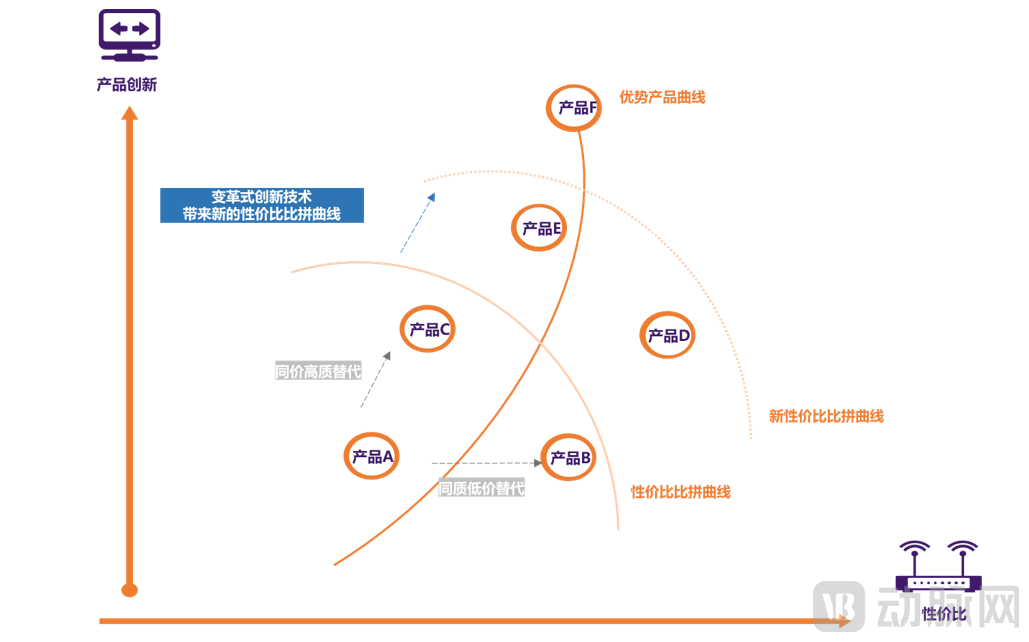
Continuously expand new product technologies.The ultimate outcome of cost-performance competition is the transformation brought by new technologies, which will create a new cost-performance curve that shifts upward.
Competitiveness Model for Leading Domestically Produced ART Medical Devices
Data Source: Artery Orange Database, Produced by VCBeat
Within the scope of the initial cost-performance competition—that is, before technological capabilities themselves undergo iteration—Product B and Product C hold a relative advantage over Product A. However, once internal and external technological capabilities improve, a new, upward-shifted cost-performance curve will emerge. The industry will witness significant advancements in both product technology and cost-effectiveness, meaning that the performance combinations represented by Product D and Product E will become the market mainstream.
Domestic new technologies have already emerged.Testing reagents constitute a significant segment of medical devices used in assisted reproductive technology (ART) and represent a weak link in domestically produced products. Traditional testing technologies primarily encompass three categories: Preimplantation Genetic Testing for Aneuploidy (PGT-A), Preimplantation Genetic Testing for Structural Rearrangements (PGT-SR), and Preimplantation Genetic Testing for Monogenic/Single Gene Disorders (PGT-M), with PGT-A being the most mature. Although China has few certified products in this field, which remains at an initial stage, technological innovations are already underway. After years of innovative research and development, companies have successively obtained certification and launched innovative products, thereby filling domestic gaps and breaking the monopoly held by imported products.
In the upstream segment of assisted reproductive technology, domestic manufacturers of gene sequencers, represented by MGI Tech, are also actively developing innovative technologies. For instance, MGI Tech has innovatively developed the DNBSEQ rolling circle linear amplification technology. During rolling circle replication, the RCA polymerase with strand displacement activity consistently performs hundreds of copies based on the original template. Compared to traditional PCR amplification, DNBSEQ avoids the exponential amplification of errors, thereby ensuring sequencing accuracy. Furthermore, the duplicate read rate of sequencing data from the DNBSEQ platform remains consistently lower than that of other platforms, indicating higher data utilization efficiency.
(3) Domestic Substitution Phase
Short-term, cost-effective substitution.During the policy-driven window exempting clinical trials, domestically produced medical devices for assisted reproductive technology (ART) will rapidly complete their product pipelines and achieve full coverage of all ART clinical applications. This will grant them an absolute price advantage, while localization naturally provides more comprehensive and convenient supporting services, making their high cost-performance ratio increasingly prominent. For instance, Jiabao Renhe began laying the groundwork for localized services in 2013 and has since established over 20 local subsidiaries to develop region-specific product promotion models. In an interview, Jiabao Renhe stated that this is one of the company’s strategic advantages, laying a solid foundation for high market penetration and end-user coverage.
Furthermore, driven by favorable promotional strategies and the policy trend toward domestic substitution, Chinese-made medical devices for assisted reproductive technology (ART) with equivalent technical specifications are capturing an increasing market share due to their absolute advantage in cost-effectiveness. In recent years, constrained by the continuous rise in the cost of foreign sequencing reagents, domestic preimplantation genetic testing (PGT) service providers have also begun seeking domestically produced alternatives. Currently, there are few upstream manufacturers in China capable of providing stable sequencing technology platforms. Leading enterprises, such as MGI Tech, have independently developed high-, medium-, and low-throughput gene sequencers and配套 reagents, enabling reasonable cost control and a multi-platform strategic layout.
Long-term replacement with advanced technology.China’s assisted reproductive technology (ART) sector is still in its early stages of development. According to the “2020 Guangdong Province Assisted Reproductive Technology Data Analysis,” the average clinical pregnancy rate for third-generation in vitro fertilization (IVF), which currently boasts the highest success rates, stands at only 55.4%, with a live birth rate of 45.5%. There remains substantial room for exploration to further improve ART success and live birth rates. The trend toward domestic substitution of advanced technologies is already underway in the market. For instance, Berry Genomics’ first approved PGT-A kit has demonstrated in clinical data that it can increase the average IVF clinical pregnancy rate to 72% and reduce the average miscarriage rate to 6.9%, endowing the product with a strong competitive advantage. According to Berry Genomics’ latest financial report, the gross profit from PGT-A reached RMB 23.73 million in 2021, representing a 99% year-on-year increase from 2020. This not only reflects market recognition of the first domestically produced, approved PGT-A kit but also underscores the strong competitiveness of China’s advanced homegrown technologies.
Prior to the widespread emergence of advanced technologies, healthcare was characterized by centralization, heavy reliance on expert experience, and high costs. However, as the number of successful treatment cycles increases, as precision in managing key factors for successful conception improves, and as dependence on expert experience gradually diminishes with the rise of new technologies, Assisted Reproductive Technology (ART) will progressively enter a mature stage marked by accessible services, affordable costs, and reliable quality. In this process, technological innovation serves as an indispensable pioneering force. In the long run, absolute market advantage will ultimately be determined by innovative capacity in technology, as well as the ability of technology to optimize both pricing and treatment outcomes.
Midstream: Overseas market growth is already evident, while the domestic market is expanding by leveraging this momentum.
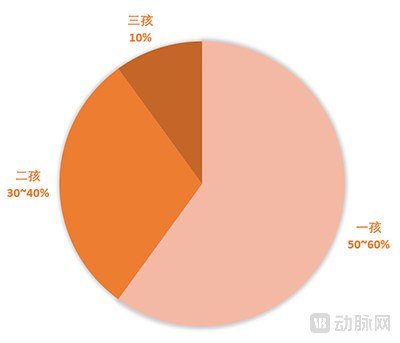
Overseas market increments are prioritized.Midstream enterprises, serving as the interface between patients and medical resources, assume the role of educators by providing professional information and advice. Through an exclusive interview with Haoyunshuo, we learned that the proportion of consultations regarding the number of children has shifted following the implementation of the three-child policy. According to incomplete statistics, inquiries related to a third child now account for nearly 10%.
Percentage of Consultations for First, Second, and Third Children on the Platform
Data Source: Haoyunshuo, prepared by VCBeat (based on limited data statistics)
Further statistical analysis of inquiries regarding third-child planning reveals that sex selection ranks first, followed by requests for conceiving boy-girl twins, same-sex twins, frozen embryo transfer, or egg freezing.
Platform Consultations: Customer Inquiries Regarding Having a Third Child (Volume Decreases as Indicated by Arrows)

Data Source: HelloBaby, prepared by VCBeat (based on limited data statistics)
Under current domestic policies and regulations, the top three demands cannot be met within China, making overseas assisted reproductive technology (ART) a supplementary option for such needs. Consequently, the impact of the three-child policy on midstream ART enterprises will first manifest in their overseas operations.
The domestic market holds greater potential.It is worth noting that the aforementioned groups are largely “price-insensitive,” meaning they are relatively affluent and have ample time. Consequently, with the advent of the three-child policy, they were able to respond more quickly and release their fertility demand. For the broader population of families aspiring to have a third child, however, such demand requires concerted, multi-faceted societal efforts to be fully realized, a process that will take time. With increasing support from forward-looking policies and growing backing from various social forces, the substantial domestic demand for assisted reproductive technologies is expected to be gradually unleashed in the future.
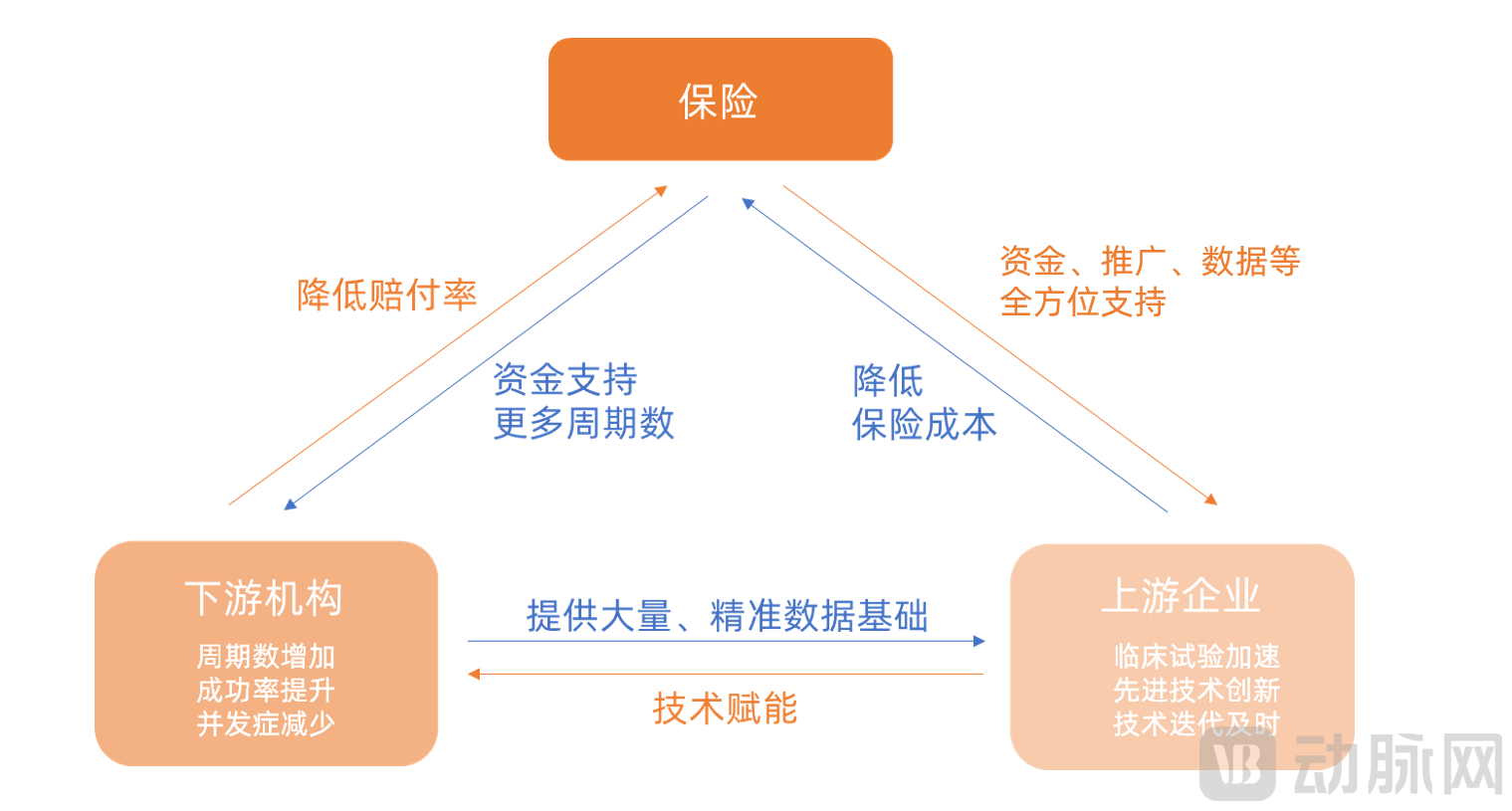
Commercial insurance drives a virtuous cycle in the industrial chain.Payment systems are ubiquitous regulatory mechanisms in the healthcare industry, with insurance playing a pivotal role. Commercial insurance, characterized by greater flexibility in resource allocation and stronger revenue-balancing capabilities, serves as an effective supplement to national health insurance.
Analysis of How Commercial Insurance Drives a Virtuous Cycle in the Assisted Reproductive Technology Market
Data Source: Artery Orange Database, produced by VCBeat.
Commercial Insurance and Downstream Institutions: Enhancing Success Rates and Reducing Claim Ratios.For downstream institutions, the most direct boost is the growth in the number of treatment cycles. Commercial insurance can further unlock the demand for assisted reproductive technology (ART) that has been obscured by high costs, thereby enabling downstream institutions to handle more treatment cycles. Secondly, commercial insurance plays a non-negligible role in reducing psychological stress among women undergoing ART, thus improving success rates. According to online data from Taikang Insurance, after purchasing ART insurance, the pregnancy success rate for users’ first treatment was nearly 10% higher than the historical pregnancy success rate for first-time treatments at reproductive institutions.
Commercial Insurance and Upstream Enterprises: Accelerating Technological Transformation, Reducing Commercial Insurance Costs.The essence of commercial health insurance lies in generating revenue from "ART success," which creates a strong incentive for insurers to provide comprehensive support—including funding, promotion, and data—to upstream enterprises. Continuous technological innovation will gradually reduce medical costs that are initially high and affordable only to a few, enabling more people to access technologies of the same quality at lower prices. Based on this trajectory of technological transformation, more advanced and innovative technologies can directly lead to savings in insurance costs, resulting in a significant reduction in claim payouts by commercial health insurers.
With explicit state support and growing market awareness of assisted reproductive technology (ART), commercial insurance is poised to demonstrate its true potential, driving significant progress across the entire ART industry chain. Facilitated by commercial insurance, upstream and downstream institutions can engage in more organic interactions. Downstream institutions provide data on successful treatment cycles to help upstream companies conduct clinical trials and drive technological innovation; in turn, each technological advancement by upstream enterprises serves as a key driver for improving success rates at downstream institutions.
Downstream: The number of new PGT institutions exceeds 100, with service qualifications becoming more advanced.
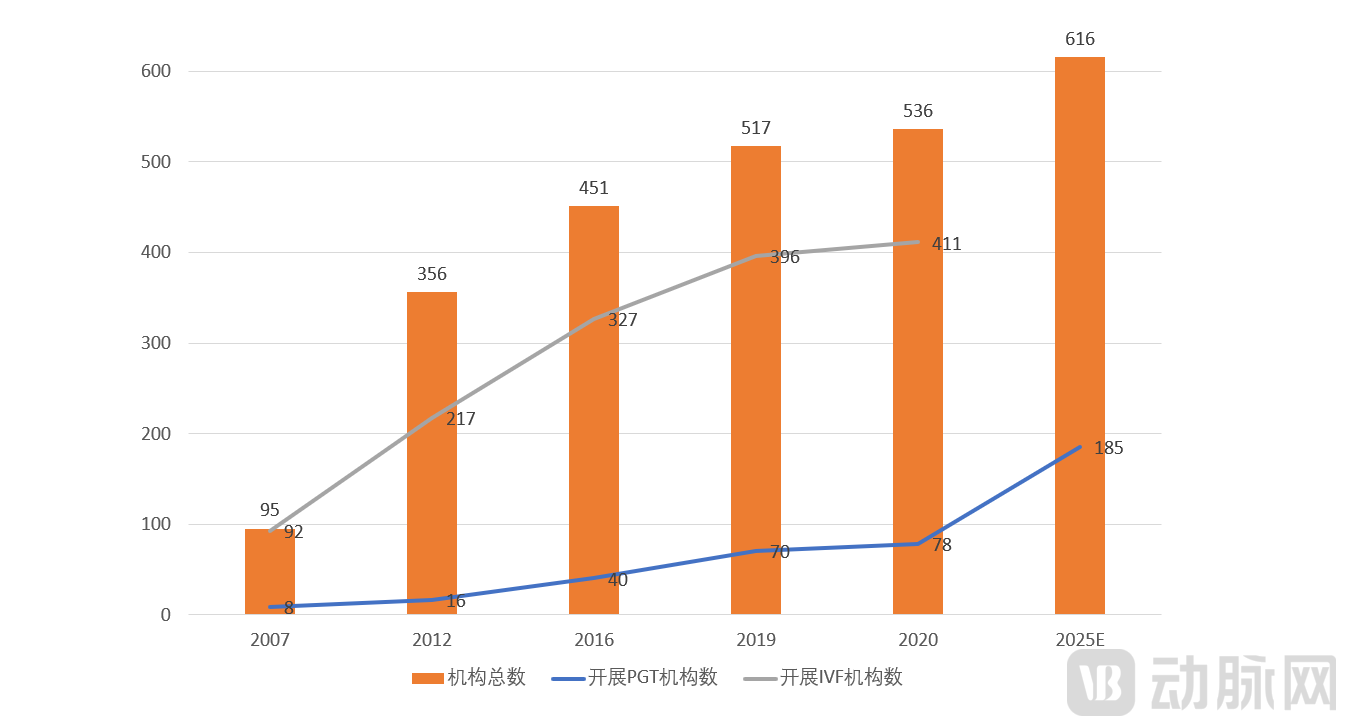
The number of institutions offering PGT will increase rapidly.In April 2015, the National Health and Family Planning Commission issued the "Supplementary Provisions on Regulating the Approval of Human Assisted Reproductive Technology (ART) and Human Sperm Banks," which clearly stipulated that IVF must be performed for at least one year before implementing AI, and IVF must be performed for at least five years before implementing PGT technology. As the initial “1+5” year requirement has now passed, a large number of assisted reproductive institutions in China have met the eligibility criteria for PGT, which currently boasts the highest success rates. Coupled with the urgent demand for eugenics and healthy childbirth, the number of institutions approved to conduct PGT in China is poised for rapid growth. According to calculations based on the "Guiding Principles for the Application Planning of Human Assisted Reproductive Technology (2021 Edition)," the number of assisted reproductive institutions in China is projected to reach 616 by 2025, with the number of institutions offering PGT increasing from the current 78 to 185.
Number of Institutions Offering IVF and PGT, 2007–2025
Data source: Artery Orange Database, produced by VCBeat.
As planned, the total number increased by 37.3%, and the number of institutions implementing PGT rose by 158.5%.Since the National Health Commission issued the Guiding Principles (2021 Edition) in January 2021, a total of 19 provinces and municipalities have successively released detailed implementation rules for their respective plans on the application of human assisted reproductive technology (ART) by the end of February 2022. We have compiled the existing detailed planning rules from various provinces and municipalities, which project that by 2025, the number of institutions implementing ART programs across China will increase by 37.3%, with the number of institutions offering preimplantation genetic testing (PGT) increasing by 158.5%.
Summary of ART Technology Application Plans Across Provinces and Cities
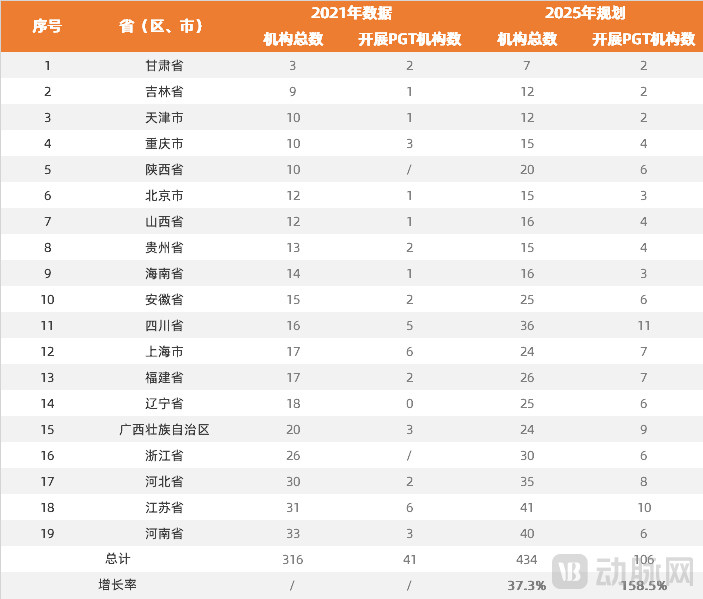
Data sources: Official websites of provincial and municipal Health Commissions, VCBeat Orange Database; compiled by VCBeat.
The success rates of first- and second-generation IVF technologies are approximately 40%, whereas PGT can achieve around 65%. As an increasing number of institutions receive approval to offer PGT services, this will undoubtedly drive an improvement in the overall success rate of assisted reproductive technology in China.
The number of assisted reproductive technology cycles in China has steadily increased.Various platforms have emerged in the assisted reproductive technology (ART) market, empowering the industry from different perspectives, such as HelloBaby and Haoyunbang. Through a series of service offerings—including market education, full-cycle patient management, precise patient referral, physician empowerment, and the introduction of advanced technologies—these platforms enable the ART market to operate more smoothly, flexibly, and organically. Furthermore, male reproductive health, long overlooked in the ART sector, is receiving increasing attention. Efforts are being made to improve fertilization and pregnancy rates and reduce miscarriage rates in in vitro fertilization (IVF) by enhancing male sperm quality. For instance, in November 2021, Berry Genomics completed its acquisition of Xingbo Biology, forging a strong alliance between andrology laboratories and embryology laboratories. By sharing sales channels and complementing each other’s expert resources, this move achieved strategic “external expansion” of the industry. Xingbo Biology, a recipient of the Second Prize of the National Science and Technology Progress Award of China, is an innovative enterprise in the field of reproductive medicine. It specializes in sperm cell functional testing as its core business and possesses strong scientific research capabilities along with the ability to facilitate the translation of academic achievements into industrial applications. This strategic integration also reflects the continuous upgrading of service capabilities in the ART sector.
On the other hand, under the impact of the pandemic, limited by medical visas and concerns about travel safety, the number of overseas assisted reproductive cycles has shown a certain degree of "backflow." According to interviews, the number of domestic assisted reproductive cycles in China increased by approximately 13% in 2021, indicating a steady growth in ART cycles in our country.
The number of assisted reproductive technology (ART) cycles in China is gradually becoming more dispersed, intensifying healthy competition.Interviews reveal that as the number of institutions across various regions gradually meets demand and gaps in technology and services narrow, many families are no longer fixated on relocating entire households to cities hosting the top three institutions by cycle volume, nor are they fiercely competing for limited assisted reproductive technology (ART) slots. Instead, they are opting to receive treatment at local or nearby ART facilities. Such healthy competition is increasingly driving growth in cycle volumes and promoting their rational distribution across institutions.
Furthermore, the inclusion of ovulation-inducing drugs and other medications used in assisted reproductive technology (ART) into the national medical insurance scheme will further fuel this healthy competition. Regarding this favorable policy, Fei Jia, founder of Jiabao Renhe, believes that in the long run, it will encourage downstream ART centers to actively develop their unique specialties and accelerate stratified competition. In the future, more reproductive centers will proactively apply for preimplantation genetic diagnosis (PGD) qualifications, thereby creating substantial value for the industry and ultimately reshaping the landscape of ART medical services.
Virtuous Cycle Model for Assisted Reproductive Technology Institutions
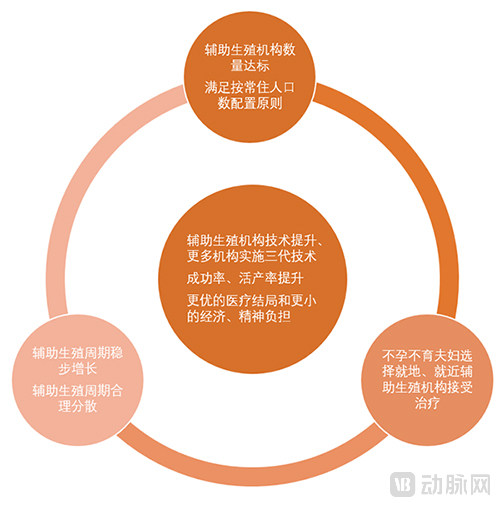
Data Source: Arterial Orange Database, produced by VCBeat.
Three-Child Policy’s Multi-Dimensional Support Measures Drive Strong Expansion of the ART Market
The three-child policy announced in 2021 has once again placed assisted reproductive technology (ART) in the spotlight, triggering a significant surge in the secondary market for the ART sector. Compared with the “universal two-child” policy, the three-child policy has generated greater market momentum, and its potential to expand the ART market is promising.
Reap the Dividends First: Downstream Institutions Deliver More Treatment Cycles and Achieve Higher Success Rates
In addition to the three-child policy, the assisted reproductive technology (ART) industry has seen significant policy developments, including relaxed access standards for third-generation ART technologies, exemptions from clinical trials for certain medical devices, and partial insurance coverage for ART procedures. These policy benefits will first manifest in downstream ART institutions, leading to higher technical standards, more cost-effective medical devices, and an increased number of treatment cycles. Obtaining approval to implement preimplantation genetic testing (PGT) signifies that an institution possesses advanced technical capabilities and stronger service capacity, thereby meeting more diverse ART needs and enhancing profitability.
The 2019 notice exempting certain medical devices from clinical trials has allowed most assisted reproductive technology (ART) devices to bypass such requirements, providing downstream institutions with a wider selection of homogeneous, low-cost domestically produced medical devices. Meanwhile, domestic devices that still require clinical trials have continuously filled gaps in the Chinese market through ongoing innovation and R&D, breaking import monopolies. All of these developments will help ART institutions reduce costs. For example, in addition to developing its core IVD technologies, Beikang Medical has simultaneously advanced its equipment pipeline, including NGS sequencers, ultra-low temperature storage units, flow cytometers, and intelligent sperm quality analyzers. In September 2021, Beikang Medical laid the foundation for its production base and R&D building, aiming to comprehensively expand production capacity, achieve scaled and high-quality product delivery, and provide integrated solutions ranging from reagents and consumables to instruments and equipment.
Furthermore, cost benefits have been realized through medical insurance reimbursement policies. Since the release of the National Healthcare Security Administration’s Response to Suggestion No. 5581 from the Fourth Session of the 13th National People’s Congress, all four major categories of drugs required for assisted reproductive technology (ART)—namely, down-regulation, ovulation stimulation, ovulation induction, and luteal phase support—are now covered by medical insurance, accounting for more than one-third of total ART costs. This substantial reduction in expenses is expected to drive significant growth in the number of ART cycles at downstream institutions.
Dual Drivers of Policy and Technology: Commercial Insurance Gradually Demonstrates Market Regulatory Power
Keenly perceptive commercial insurers have successively launched specialized insurance products for assisted reproductive technology (ART) as a robust supplement to public medical insurance. However, constrained by the current limited market education regarding ART, a large number of potential customers lack awareness and intent to purchase. As a result, the target segmentation for commercial ART insurance remains relatively conservative, with limited coverage and reimbursement levels. This has directly undermined the attractiveness of ART-related insurance products, which are primarily bundled as value-added services or complimentary offerings within ART service packages, leading to suboptimal sales performance.
In the future, against the backdrop of the three-child policy and the emphasis on eugenics and healthy childbearing, various sectors of society will converge in their role as market educators for assisted reproductive technology (ART). With multi-dimensional support, the market penetration rate of ART will gradually increase, thereby providing commercial health insurers with the confidence to design more attractive insurance products featuring broader coverage, higher reimbursement rates, and lower deductibles. This, in turn, will further promote the healthy and rapid development of the ART market.
The above is an excerpt from the main content of the report. The complete framework of the report is as follows. Scan the QR code to access the mini-program and read the full report for free.
Chapter 1 Industry Overview: Dual Drivers of Demand and Policy Propel Assisted Reproductive Technology into a Period of Rapid Growth
1.1 Over 15 Million in Potential Demand Create an $800 Billion Blue Ocean Market
1.2 ART Costs Covered by Medical Insurance; Multi-Party Support for “Three-Child” Policy Reduces Childbearing Costs
Chapter 2 Policy Inventory: Rational Relaxation of Technology and Payment Controls, with Multi-Dimensional Oversight Through a Policy Combination
2.1 PGT Implementation Is No Longer the “Privilege” of Tertiary Hospitals
2.2 Clear Red Lines, with Continuous Improvement and Strengthening of Regulatory Oversight
2.3 ART Medications Included in National Reimbursement Drug List, Reducing Costs by Over 30%
2.4 70% of Medical Devices Exempt from Clinical Trials; Multiple Products Break Import Monopoly
Chapter 3: Impact on the Industry Chain—Accelerated Domestic Substitution, Steady Growth and Gradual Diversification in the Number of Cycles
3.1 Upstream: 32 Domestic Medical Devices Approved, Marking a Milestone in Certification
3.2 Midstream: Growth in overseas markets is already evident, while the domestic market is expanding by leveraging this momentum
3.3 Downstream: Number of PGT Providers Exceeds 100, with Service Qualifications Becoming More Advanced
Chapter 4 Future Trends: Policy Expansion Drives Market Growth, and Healthy Competition Ushers in a Golden Age for Assisted Reproductive Technology
4.1 Multi-dimensional Support Measures for the Three-Child Policy Strongly Expand the ART Market
4.2 Early Dividend Capture: Downstream Institutions Deliver More Treatment Cycles and Achieve Higher Success Rates
4.3 Dual Drivers of Policy and Technology: Commercial Insurance Gradually Demonstrates Market Regulatory Power
Chapter 5: Enterprise Case Studies
5.1 BeiKang Medical
5.2 Jiabao Renhe
5.3 MGI Tech
This report is part of the series of reports for the 6th Future Healthcare 100 Conference by VCBeat. The conference will be held from June 14 to 16, 2022, at the Shishan International Convention Center in Suzhou, Jiangsu Province. The report will be presented and released on-site during the event. Below is the QR code for downloading the full text of the report.

Special thanks to Mr. Fei Jia, founder of Jiabao Renhe; Ms. Zhang Tonghua, founder of HelloBaby; Mr. Zhang Lizhong, founder of Haoyunshuo; as well as Berry Genomics and MGI Tech for their strong support in the preparation of this report.
References:
Jinxin Fertility “2021 Interim Report”
Beacon Medical “2021 Interim Report”
Kaiyuan Securities: “In-Depth Report on the Assisted Reproductive Technology Industry: A Golden Track Driven by Internationalization, Digitalization, and Service Orientation”
“Analysis of Assisted Reproductive Technology Data in Guangdong Province, 2020”
China Galaxy Securities Research Institute: "Multiple Provinces and Cities Clarify Inclusion of Assisted Reproductive Technology in Medical Insurance, with Penetration Rate Expected to Rise"
VCBeat “2018 Assisted Reproductive Technology Industry Research Report”
VCBeat Research Institute: "Anchoring to Real Needs: Domestic Substitution and Service Empowerment"
Pacific Securities: "Special Research on Jinxin Fertility, the Leader in the Assisted Reproductive Technology Industry"