

From Domestic Substitution to Industry First: How 'Micro-Innovation' and 'Fast-Follow Technology' Are Filling Gaps Across Multiple Segments
After years of healthcare reforms in China, including bioequivalence evaluations, volume-based procurement, and national reimbursement drug list negotiations, the overarching emphasis on encouraging innovation has become increasingly clear.
The same trend is evident in the medical device sector, where the era of relying on a single product for sustained, effortless success has come to an end. It is now an overarching imperative for companies to maintain innovative vitality and drive the “premiumization” of medical devices. Against this backdrop, how can China’s high-end medical device enterprises steadfastly align with their corporate vision while simultaneously ensuring their current operational stability and survival?
This report analyzes the current status and future trends of China’s high-end medical device industry from both market and corporate perspectives, based on research involving interviews with more than ten innovative companies, three investment institutions, and several clinical experts. It aims to outline the key competitive factors and advantageous development strategies in the high-end medical device sector, fostering discussion among industry peers.
Key Points:
As technology continues to break through and advance, the “high-end” status of medical devices has a certain shelf life; companies need to continuously maintain product innovation to consolidate their products' market competitiveness.
Currently, high-end medical devices are categorized into three major types: first, developing domestic alternatives by following the technologies of imported products already on the market; second, creating the first domestic products through rapid adoption of international cutting-edge technologies and leapfrog iterative optimization of existing products; and third, pioneering industry-first products through source innovation in novel surgical procedures or devices.
Domestic high-end medical devices can directly or indirectly enhance diagnostic and therapeutic capabilities, improve service accessibility, and pioneer superior treatment protocols, serving as the foundation for advancing precision medicine.
National and provincial/municipal governments have frequently introduced policies to support the development of domestically produced high-end medical devices across multiple dimensions, including R&D, approval, and market access, thereby creating a highly favorable environment for industry growth.
Capital remains bullish on the high-end medical device sector. Against a backdrop of more rational investment sentiment, there is short-term optimism for China’s first-in-class Class II medical devices, while long-term confidence lies in disruptive high-end medical devices driven by source innovation.
As more experts and scholars join the industry, working closely with enterprises on medical-engineering collaboration to develop high-end medical devices, there is an urgent need for interdisciplinary professionals in the “translation” phase. These individuals must understand and identify clinical needs, “translate” them into concrete product designs, and further break them down into technical specifications for each development stage, thereby serving as an organic link between clinical requirements and final products.
1Continuous technological breakthroughs confer “high-end status,” yet it has a “shelf life.”
In recent years, driven by favorable policies and capital investment, China’s medical device industry has maintained rapid growth, reflected not only in the increase in quantity but also in the improvement of quality.
Currently, there is no unified definition of high-end medical devices within the industry. This report explores high-end medical devices from a technical perspective, focusing on those that fill industry gaps, break import monopolies, overcome critical import dependencies, or represent independent domestic innovation.
Furthermore, we believe that “high-end” status is time-sensitive. Products that initially fill industry gaps or break import monopolies will eventually be superseded by new offerings as they mature and undergo iteration; thus, the “high-end” designation shifts along this trajectory of iteration and breakthrough.
2From Domestic Substitution to the Industry’s First: Witnessing the Three Stages of Development
Since the beginning of the 21st century, with continuous breakthroughs in science and technology and the ongoing refinement of industrial chains, domestic enterprises have gradually gained prominence in the high-end market for medical devices through rapid technological follow-up, iterative optimization, and independent original innovation.
We have categorized the development of high-end medical devices into three stages: the “domestic substitution” stage, which breaks the monopoly of imported products; the “first in China” stage, marked by obtaining the first regulatory approval domestically; and the “first in the industry” stage, characterized by securing the first regulatory approval globally.
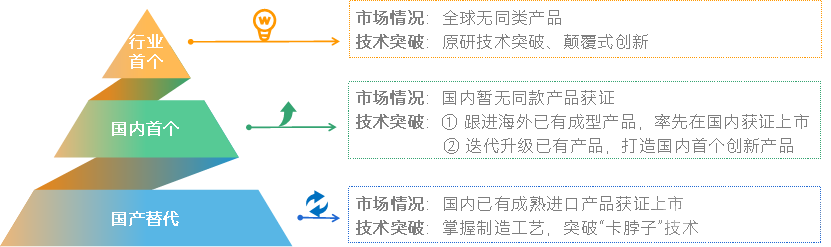
Three Stages in the Development of High-End Domestic Medical Devices
Domestic Substitution Phase
“Domestic Substitution” in Full Swing, with High-End Capabilities Shifting Alongside the Process.At the initial stage of entering the high-end medical device market, the largest proportion consisted of technology-following products aimed at “domestic substitution,” breaking the long-standing monopoly of imported devices. With strong support from policies and capital, a large number of enterprises flocked into this sector, driving the continuous growth and improvement of upstream processing and raw material suppliers. During this phase, technical barriers, R&D costs, production costs, and sales pressures were relatively low.
By rapidly understanding the structure and principles of existing marketed products, and leveraging current resources and manufacturing capabilities to replicate or implement certain design optimizations (typically driven by the need to substitute specific raw materials), companies manufacture “me-too” products with comparable performance. These products achieve rapid import substitution in China, primarily due to their significant price advantage. For instance, domestic alternatives have largely replaced imported products in niche medical device sectors such as patient monitors, digital radiography (DR) systems, biochemical diagnostics, and coronary stents.
China's First Phase
“The First in China” Product Receives Market “Favor.”During the “first in China” phase, a typical market entry strategy involved rapidly following up on technologies that had already been clinically validated overseas and seizing the position of being the “first” in the domestic market.
Unlike products in the domestic substitution phase, there are no similar products currently on the market in China during this phase, and even overseas markets have yet to see any launched products. By rapidly mastering and keeping pace with technological advancements, companies produce “fast follow” products and secure regulatory approval first to become the “first in China,” thereby gaining a first-mover advantage. High-end medical devices following the “fast follow” strategy are favored by both enterprises and capital, as proven technologies entail lower investment risks and shorter payback periods.
Furthermore, “first-in-China” products often stem from iterations and upgrades of existing ones. Mature market acceptance, combined with the significant advantages these iterative updates bring in terms of ease of use and cost efficiency, has made such products highly favored by enterprises and investors, granting them a distinct competitive edge. According to statistics from Boston Consulting Group, this category has demonstrated steady growth in recent years; among innovative medical devices approved in 2021, “first-in-China” products accounted for approximately 53%.
Innovative Medical Devices Reflect the Rapid Development of High-End Medical Equipment.In March 2014, the state officially launched an expedited approval pathway for innovative medical devices. Medical devices eligible for this pathway must simultaneously meet the following three criteria:
Patented
The product’s primary function or mechanism of action is a first-of-its-kind innovation in China.
Standardized Products Available
Therefore, the number and variety of high-end medical devices in China at this stage can be inferred from the approval status of innovative medical devices by the national authorities (“industry firsts” are also included, but due to their small quantity, these data can broadly reflect the situation of “domestic first” products).
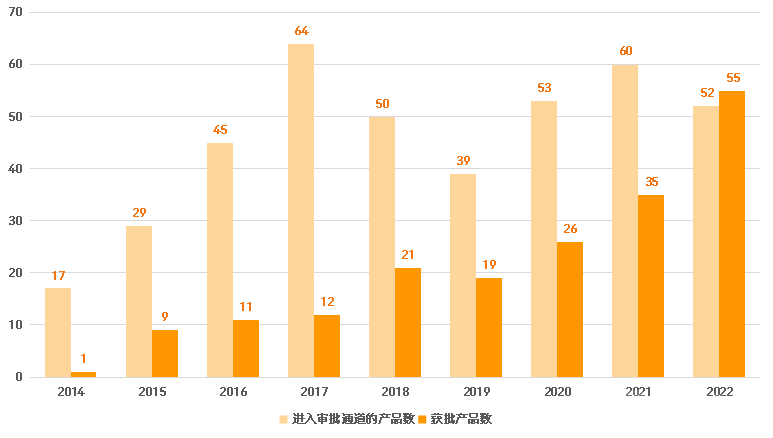
Approval Status of Innovative Medical Devices in China, 2014–2022
According to statistics, the number of innovative medical devices entering the approval channel has exceeded 50 annually since 2017, with the exception of 2019 due to the impact of the pandemic. This trend not only demonstrates the enthusiasm and proactive innovation of domestically produced medical devices but also indicates that there are still numerous niche segments in China’s high-end medical device market awaiting breakthroughs by enterprises.
The Industry's First Phase
"Industry-first" innovations in China still require a more mature ecosystem.The third stage in the development of high-end domestically produced medical devices involves driving technological innovation from the source, thereby disrupting existing devices or creating entirely new products.
Research indicates that the initial R&D phase for a disruptive innovative medical device can take ten years or more, while subsequent clinical validation, regulatory approval, and market education and promotion often entail another investment cycle of at least ten years.
This poses a significant challenge to the comprehensive strength of enterprises, involving the deep and effective integration of medicine and engineering, the convergence of interdisciplinary talents, substantial financial resources, and vitality in technological innovation. Furthermore, it requires strong support from the external environment, such as favorable policy frameworks for patents and regulatory approvals, a robust capital environment, and supporting service institutions across the industrial chain. Currently, the ecosystem in China for fostering “industry-first” innovations is still maturing, resulting in a relative scarcity of products at this stage.
Overall, products from the three stages of domestically produced high-end medical devices hold distinct significance for a company’s long-term development. Therefore, it is crucial to strategically and rationally allocate resources to the development of various product categories in accordance with the enterprise’s stage of growth.
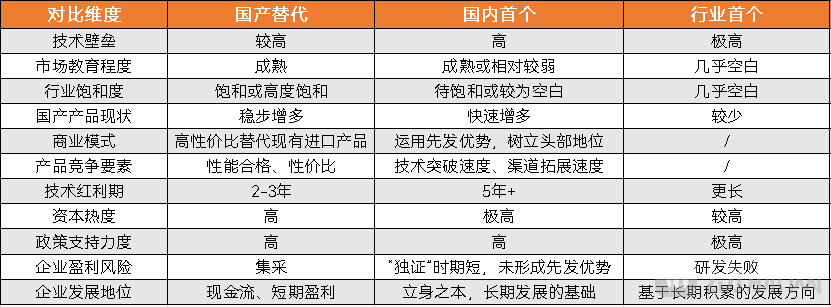
Multi-Dimensional Comparison of Three-Stage Products in Domestic High-End Medical Devices
3The Medical “Revolution” Brought by High-End Medical Devices Is Their Core Driving Force
As mentioned above, the “high-end” nature of medical devices will gradually diminish as technological standards advance and market share increases within a given sector, shifting instead to new medical devices characterized by higher technical barriers and relatively lower market penetration.
Continuously breaking through more sophisticated and advanced technological frontiers, as well as researching, developing, and manufacturing higher-end medical devices, is an inevitable trend. This endeavor carries many significant expectations for human health, and its value is embodied therein. Based on urgent needs and levels of importance, the value of high-end medical devices can be broadly categorized into four types.
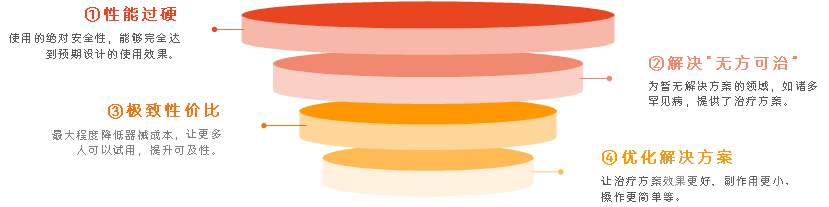
Value Stratification of High-End Medical Devices
Performance is the foundation of high-end medical devices.In terms of performance, high-end medical devices must meet more stringent requirements, as they are often involved in treatment procedures that are more complex and carry higher risks. Safety is an absolute baseline, holding "veto power," and requires that the product fully achieve its intended therapeutic effects.
Taking surgical robots as an example, as of June 2023, nearly 40 surgical robots were awarded in bids in China, with domestically produced models accounting for nearly 65%, marking significant progress in domestic substitution. However, this journey is only halfway complete. The full realization of domestic substitution still awaits clinical validation, which may require more time for domestically produced surgical robots to demonstrate their robust safety and stability through repeated use.
When domestically produced medical devices not only lead in the proportion of winning bids but also dominate in terms of clinical usage frequency and volume, it serves as a testament to their robust performance, which constitutes the core and foundation of the value of high-end medical devices.
Once the fundamental requirements for "quality" are met, its true potential value is realized.Once this fundamental requirement is met, high-end medical devices can truly “unleash” their potential value. A key aspect of this is providing treatment options and hope for a cure for diseases that are currently “untreatable,” particularly in the field of rare diseases.
Kailian Medical, which specializes in micro-dose drug infusion technology, has developed the Kailian Inno® Hormone Pump. This device physiologically restores hypothalamic-pituitary-gonadal (HPG) axis function by mimicking the pulsatile release rhythm of gonadotropin-releasing hormone (GnRH). In a multicenter clinical study with a six-month follow-up period involving six patients, this novel therapeutic regimen demonstrated that luteinizing hormone (LH) and follicle-stimulating hormone (FSH) levels stabilized after one month of treatment. After six months, testosterone levels normalized in all patients, and one patient successfully achieved spermatogenesis.
In addition, the price advantage of domestically produced high-end medical devices has also directly or indirectly improved the accessibility of many treatments and medical services. Apart from factors such as material costs, the support of automated assembly line production has played a key role in this regard, significantly enhancing mass production capacity and substantially reducing product costs.
Meanwhile, high-end medical devices also bear the mission of continuously optimizing therapeutic techniques and outcomes. For instance, minimally invasive surgeries enabled by endoscopic and interventional devices significantly reduce surgical trauma and help patients achieve better prognoses.
1The state provides policy support across multiple dimensions, including research and development, approval, and market access.
Medical devices constitute a critical material foundation for the healthcare and health sectors, while high-end medical devices serve as a driving force for their accelerated and improved development. Consequently, the government has continuously introduced and updated practical policies to encourage innovation, focusing on key stages such as research and development, regulatory approval, and market access.
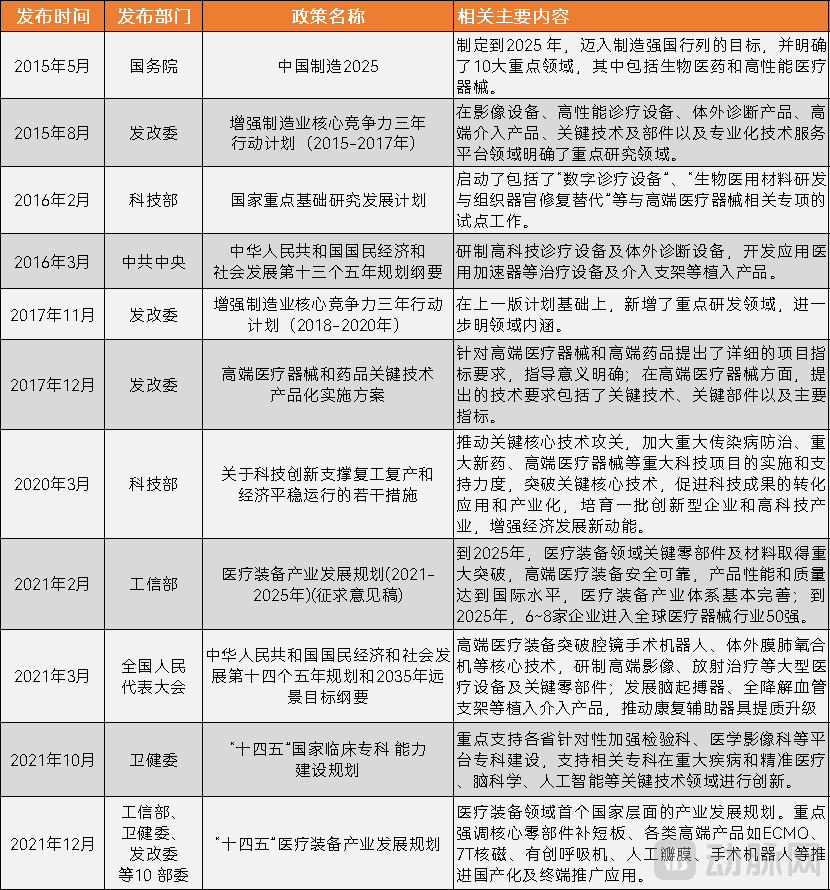
National Policies Supporting the Research and Development of High-End Medical Devices
R&D continues to receive high priority, with dynamic adjustments in key niche areas.“Made in China 2025” explicitly identifies high-performance medical devices as one of the ten key sectors for China to join the ranks of manufacturing powerhouses. In 2021, the Ministry of Industry and Information Technology released the “Development Plan for the Medical Equipment Industry (2021–2025) (Draft for Comments),” which refined development goals to focus on high-end medical devices and their critical components and materials, setting a target for six to eight Chinese enterprises to enter the top 50 globally in the medical device industry by 2025.
Furthermore, the state has continuously streamlined and updated its key research and development priorities, providing explicit policy support for surgical robots, high-end imaging equipment, interventional devices, ECMO, and heart valves.
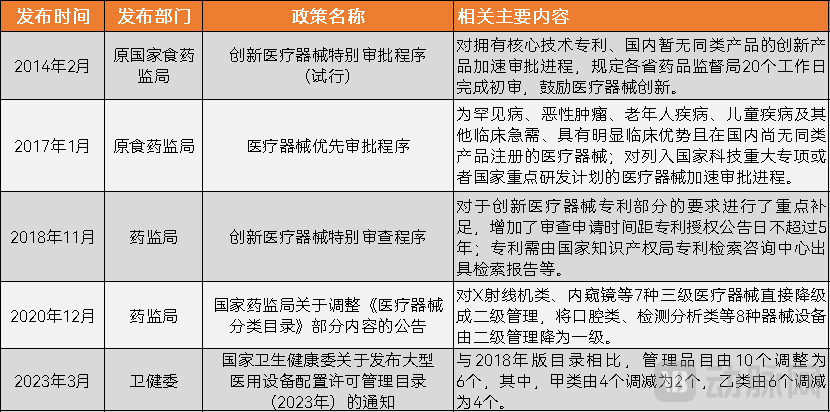
National Policies Supporting the Approval of High-End Medical Devices
Accelerated Approval for Medical Devices Used in Innovation, Emergency Response, and Major Scientific ResearchIn terms of regulatory approval for high-end medical devices, a series of favorable policies have been frequently introduced, significantly accelerating product market entry. On one hand, both the Special Examination and Approval Procedures for Innovative Medical Devices and the Priority Examination and Approval Procedures for Medical Devices require relevant authorities to prioritize applications that meet established criteria, adhering to the principles of early intervention, dedicated personnel responsibility, and whole-process guidance. These measures are implemented without lowering standards or reducing procedural steps, while also strengthening communication with applicants.
According to statistics from Huoshi Chuangzao, as of the end of September 2020, products approved for market launch through the innovative approval pathway took an average of 682.5 days—from public notice to final approval—less than two years, with the fastest case taking only 29 days. Products approved through the priority review pathway averaged 386.5 days, with the quickest approval completed in just 103 days. Looking ahead, as regulatory authorities accumulate more experience, further optimize approval processes, and leverage digital tools, approval times are expected to shorten even further.
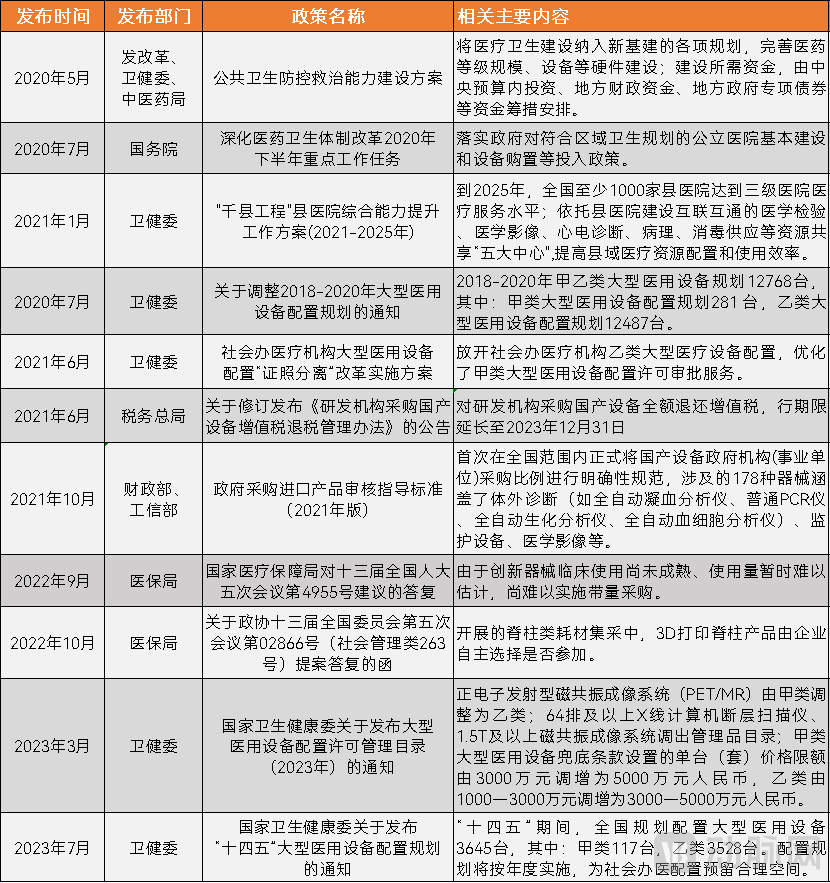
National-Level Policies Supporting the Market Access of High-End Medical Devices
The 2023 edition of the catalog downgrades the management classification of certain high-end medical devices and raises the baseline price ceiling, which will effectively stimulate demand for large-scale medical equipment in hospitals and create more opportunities for domestically produced high-end devices.
Notably, in two separate responses issued in 2022 regarding whether innovative medical devices should be included in volume-based procurement, the National Healthcare Security Administration sent positive signals, thereby leaving ample room for development for manufacturers of high-end innovative medical devices.
2Provinces and cities across China are actively extending olive branches to facilitate the industrialization of enterprises.
Provincial and municipal drug administrations have successively issued policies to accelerate approval processes.Since the national government issued the Special Approval Procedures for Innovative Medical Devices (Trial) in 2014, provincial and municipal governments have successively released specific policies to accelerate the approval of innovative medical devices in their respective regions. Subsequently, following the issuance of the Priority Approval Procedures for Medical Devices and the Special Review Procedures for Innovative Medical Devices, some provinces and cities have revised their original policies.
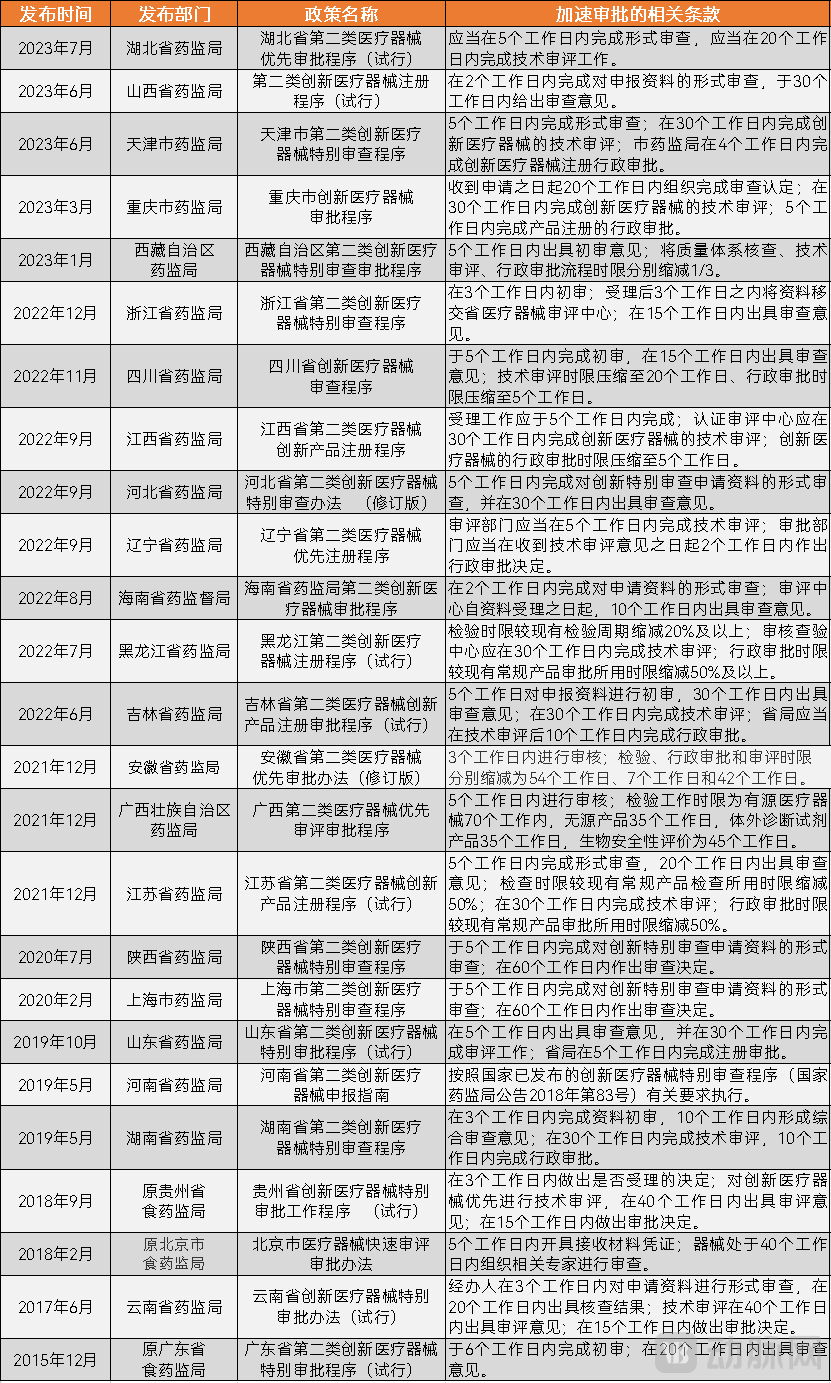
Policies Accelerating the Approval of High-End Medical Devices by Provincial and Municipal Drug Administrations
Clear stipulations have been established for the review period of application documentation (2–5 days), organization of expert evaluations, issuance of review comments (10–60 days), online posting duration (at least 5–10 days), handling of objections, testing operations, technical review (5–40 days), administrative review (2–15 days), and even the time required for document submission among relevant departments, thereby effectively shortening the approval timeline for related medical devices.
Based on relevant policy provisions across various provinces and municipalities, the total time required for innovative and priority-reviewed medical devices to obtain certification is expected to be reduced by half.
Provinces, municipalities, and regions across China continue to increase financial support and provide development opportunities.In addition to accelerated approval, provinces and municipalities across the country have successively extended olive branches, allocating substantial funds to attract relevant enterprises to establish operations locally.
Among these, rewards for obtaining certification for Class III medical devices range from RMB 300,000 to RMB 6 million, mostly concentrated between RMB 2 million and RMB 3 million; rewards for Class II medical device certification range from RMB 300,000 to RMB 3 million. In addition to subsidies for R&D expenses, substantial incentives in the tens of millions are frequently offered to support industrialized production.
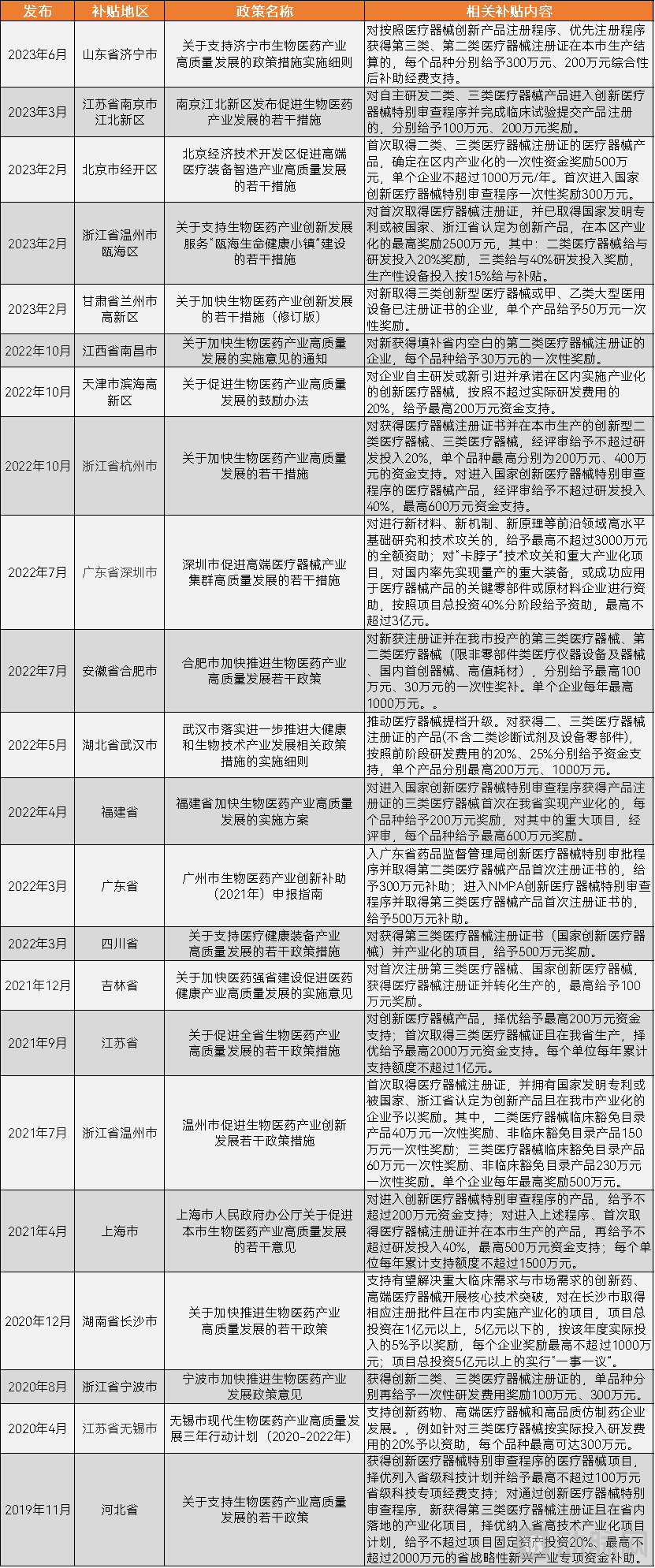
Funding Subsidy Policies for the Development of High-End Medical Devices Across Provinces and Cities in China
Although the level of financial support varies, provinces and municipalities across China share a consistent and clear direction in supporting and guiding enterprise development: encouraging breakthroughs in key technologies, research and development of major equipment, and industrialization; supporting enterprises in pursuing original innovation, enhancing their innovation capabilities and market competitiveness; and encouraging expansion into international markets.
3Frequent Large-Scale Financing Rounds: High-End Medical Devices Across Multiple Sectors Garner Strong Investor Interest
Increased financing frequency, with single-round funding amounts predominantly in the hundreds of millions.As a high-end medical device sector receiving key policy support, it has also demonstrated impressive performance in the capital market. In recent years, the high-end medical device field has consistently maintained its characteristic of high single-round financing amounts, with a significant proportion of deals reaching the hundred-million-yuan level. Furthermore, driven by strong policy encouragement and guidance, the frequency of financing activities has increased markedly.
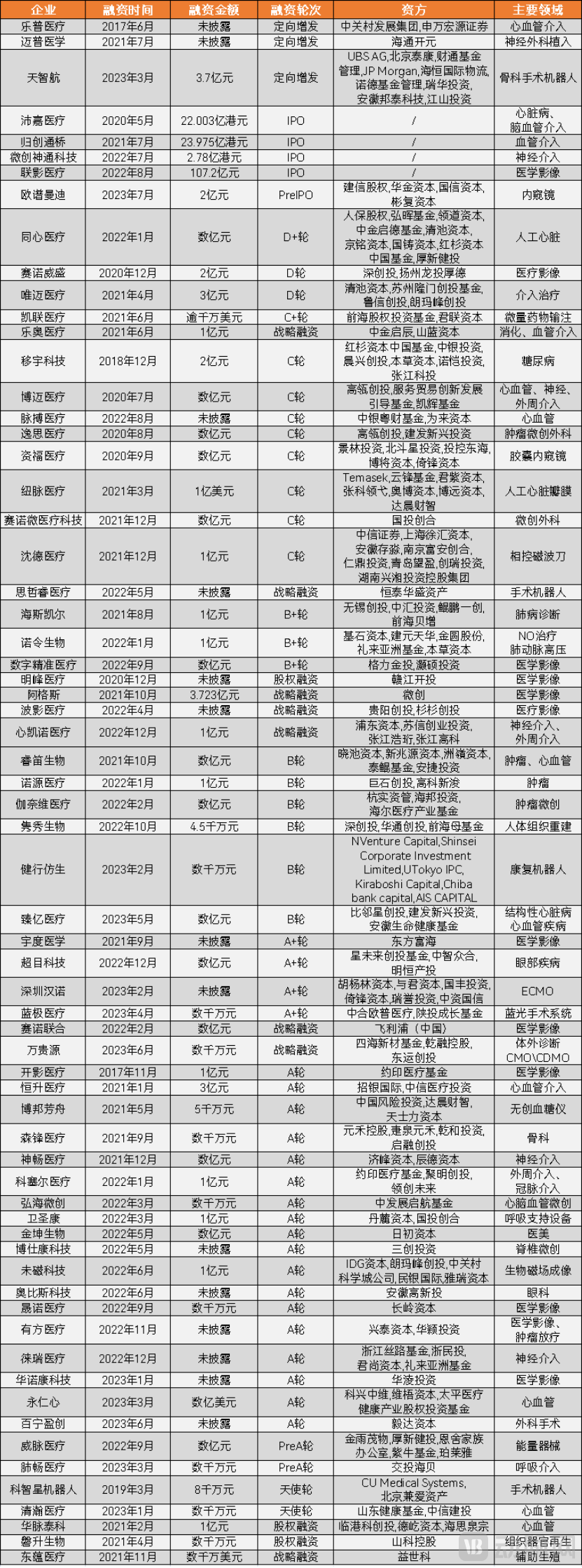
Current Financing Status of Select Companies Focusing on High-End Medical Devices(Sorted by financing round; rounds are sorted chronologically if identical)
In terms of high-end medical device categories, sectors such as medical imaging, interventional surgical instruments, high-value implantable consumables, and surgical robots rank highest in their ability to attract capital. From the perspective of application scenarios, high-end medical device companies serving areas such as oncology, cardiovascular diseases, and metabolic disorders have attracted greater investment from capital markets.
According to research, companies entering the high-end medical device sector generally adopt one of two entry strategies. The first is application-driven: after gaining a thorough understanding of the needs within a specific clinical or operational scenario, the company gradually provides a full portfolio of products tailored to that setting. The second is technology-driven: after mastering a core technology, the company integrates it with market demands and continuously expands its range of application scenarios. Consequently, these two types of enterprises differ in their commercialization pathways and key competitive factors.
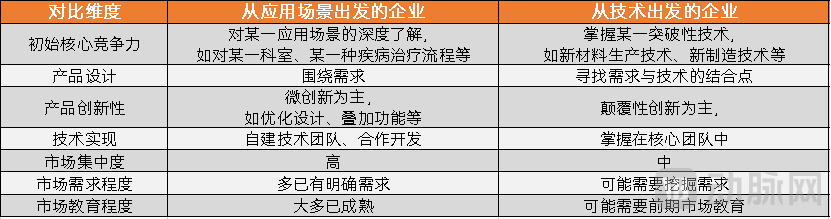
Multidimensional Comparison of Two Market Entry Strategies
1“Scenario-Based” Enterprises: Cost Control and First-Mover Advantage Are Key
Gain first-mover advantage through micro-innovation and rapid follow-up by deeply understanding application scenarios.These companies possess in-depth knowledge of the performance of existing medical devices in specific application scenarios and a thorough understanding of the current pain points faced by clinicians and end-users. By closely monitoring domestic and international market dynamics and staying abreast of multidimensional differences in technologies and applications both at home and abroad, they can keenly identify “gaps” between domestic demand and available products, thereby seizing strategic opportunities for market entry.
Such products primarily feature incremental innovations to existing devices, such as optimizing designs to enhance operational simplicity, precision, and stability, or reducing mass production costs to boost product competitiveness. Furthermore, leveraging in-depth knowledge of both domestic and international markets to rapidly adopt advanced foreign technologies, capture the Chinese market, and secure first-mover advantages represents a highly attractive and advantageous product development strategy.
Product Design and Digital Management Are Key to Cost Control.Due to high market concentration, mature market education, and well-established supply chains for existing products, this category of high-end medical enterprises finds product promotion relatively “effortless,” as their offerings typically serve as direct replacements or upgrades to current solutions. The flip side is that these companies must tightly control product costs and ensure a sufficient first-mover advantage.
In terms of cost, breakthroughs in source materials and core components will still take time. However, through ingenious product design, coupled with co-creation with upstream processing enterprises and the cultivation of their manufacturing capabilities, mass production can be facilitated and product yield rates improved, thereby significantly reducing costs.
Taking the field of mitral valve repair as an example, Zhenyi Medical has developed a valve clip device capable of delivering two clips through a single sheath, enabling simultaneous treatment of regurgitation in both the mitral and tricuspid valves. Significant efforts were made during the design phase to reduce manufacturing complexity, and domestic suppliers were cultivated through technology transfer. Currently, this product line has achieved full localization in China, effectively controlling costs at approximately 50% of those for comparable products, making it a standout cash-flow generator for the company.
Building on this foundation, enterprises can further optimize product costs to new extremes through digitalized scientific management and a commitment to continuous improvement, thereby expanding pricing flexibility in the market and ensuring sufficient cash flow for sustainable development.
Technical barriers buy more time for first-mover advantage.Once a mature product is developed, the speed of regulatory approval and rapid market capture post-approval are critical, especially in a therapeutic area with a relatively high number of participating companies or even market saturation.
Research indicates that if a company can maintain its status as the sole holder of a domestic registration certificate for more than 1.5 to 2 years, it will have sufficient time to achieve broad clinical adoption, thereby securing an absolute leading position in its niche market. Conversely, if similar products obtain registration certificates in quick succession shortly after the first approval, the first-mover advantage will be difficult to realize.
2“Technology-Driven” Enterprises: Targeting Application Scenarios and Strategically Leveraging Global Expansion
Deep integration of medicine and engineering, along with balanced resource investment, is the core of sustainable corporate development.Companies need to work closely with clinical experts, engage in iterative collaboration, and conduct thorough market research to identify the intersection between technology and clinical needs; the effectiveness of this process largely determines whether the product will ultimately perform well in the market.
With the introduction of new technologies, many innovations in this product category are disruptive, which also means they may still be relatively unfamiliar to clinicians or end-users. Consequently, initial market education and channel development are likely indispensable. On the other hand, once such disruptive products succeed, they promise greater market opportunities and a higher ceiling for success, potentially revolutionizing specific niche sectors within the industry.
Product "going global" may shorten the product launch cycle.In recent years, the momentum of Chinese-made medical devices going global has continued to grow, particularly in the high-end medical device sector. According to research, when companies consider whether to expand overseas and which specific countries to target, their decisions primarily revolve around two dimensions: product market maturity and market saturation.
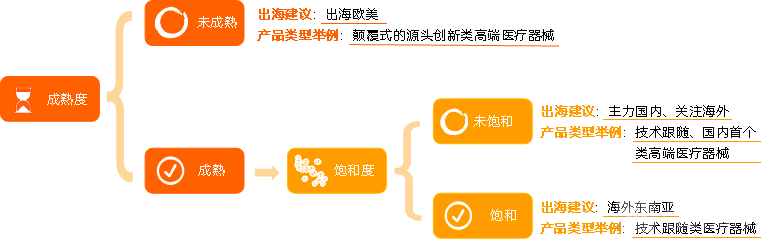
Reference Framework for the Global Expansion of High-End Medical Devices
For products with lower market maturity, typically referring to disruptive source innovations or “fast follow” high-end medical devices, the R&D promotion and market expansion environments in Europe and the United States may be more favorable, making expansion into these regions a sound strategic choice.
For products with a high level of maturity in the domestic market, market saturation is another critical dimension to consider. When the market is not saturated and there is still substantial room for growth, China inevitably becomes a “key battleground fiercely contested by all players,” making overseas expansion less urgent.
Finally, for products with high maturity and saturation, the large number of players in the sector has led to intense competition, continuously squeezing corporate profits. Going global offers new opportunities for these enterprises. Compared with European and American markets, Southeast Asia and other regions appear to have lower entry barriers, as they are more price-sensitive and their high-end medical markets are relatively less saturated. These markets may therefore become a more favorable choice for the international expansion of such high-end medical devices.
3Urgent Need for Interdisciplinary Talent to Accurately “Translate” Requirements into Product Design
Exploring Multi-Modal Collaboration with Experts to Enhance the Effectiveness of Medical-Engineering Integration.Regardless of the approach taken to enter the high-end medical device sector, addressing pain points in niche segments remains the ultimate goal; therefore, the integration of medicine and engineering has consistently been prioritized by enterprises.
Based on our research, we have broken down the product development process into six steps, with deep involvement from clinical experts (product users) often required during the “requirements gathering,” “solution definition,” and “application validation” phases.
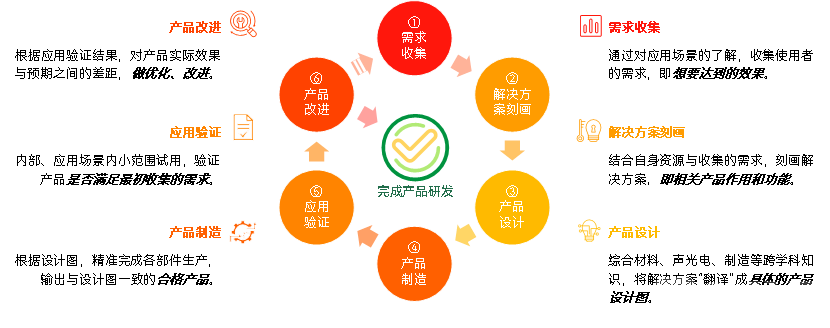
Deconstructing the R&D Process for High-End Medical Devices
To enhance the effectiveness of medical-engineering integration, enterprises are continuously exploring methods for in-depth collaboration with experts. By engaging part-time or full-time expert consultants, co-founding ventures with experts, and establishing expert and scholar workstations, these companies aim to improve the precision of needs assessment, develop more competitive solutions, and conduct rigorous pre-market performance validation.
For instance, Pansheng Group has strategically positioned itself in regenerative medicine across four core sectors: tissue-engineered organ regeneration, intelligent manufacturing, biochips, and medical aesthetics. It has jointly established five subsidiaries with experts in each respective field. Leveraging deep integration of medicine and engineering, along with multidisciplinary convergence, the group has developed multiple products that fill gaps in the industry, such as living cell-based tissue-engineered skin and artificial cartilage, fully automated cell preparation systems, air-cooled ultra-low temperature biobanks, and fully automated chip fabrication systems.
There is an urgent need for more interdisciplinary talents to enhance the effectiveness of medical-engineering integration.As enterprises increase their attention and investment, and as more experts are willing to devote themselves to industrial development, the scarcity of expert roles in the integration of medicine and engineering is gradually being alleviated. In a survey, Ms. Liu Haitao, Investment Director at Legend Capital, stated that currently, composite talents who can understand and identify clinical needs, "translate" them into specific "product designs," and then break down the parameter requirements for each technical link are even scarcer in the industry.
Successful product design requires an organic balance among materials, technology, and production. Any “ill-considered” aspect may lead to outcomes such as R&D failure, inability to achieve mass production, or insufficient profit margins for commercialization, thereby imposing substantial R&D costs on the enterprise.
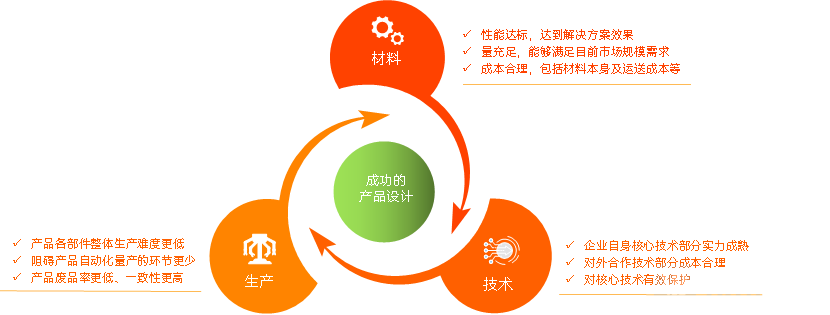
Successful product design requires balancing materials, technology, and production
Therefore, personnel tasked with “translating” solutions into detailed product design drawings must have a thorough understanding of the company’s own capabilities as well as the domestic landscape in materials, technology, and manufacturing. They must balance performance, cost, and market competitiveness based on the characteristics of the product and its application scenarios, ultimately arriving at an appropriate product design.
The above is an excerpt from the main content of the report. The complete framework of the report is as follows:
Chapter 1: Enormous Potential Value Drives Rapid Development of High-End Medical Devices
1.1 Continuous Technological Breakthroughs Confer “High-End” Status, Which Has a “Limited Shelf Life”
1.2 From Domestic Substitution to the Industry’s First: Witnessing Three Stages of Development
1.3 The medical “revolution” brought about by high-end medical devices is their primary driving force for development
Chapter 2 Policy and Capital: Continuously and Firmly Driving the “Upgrade” of Medical Devices
2.1. The state provides policy support across multiple dimensions, including research and development, approval, and market access.
2.2 Provinces and Cities Extend Olive Branches to Facilitate Corporate Industrialization
2.3 Frequent Large-Scale Financing Rounds: High-End Medical Devices Across Multiple Sectors Garner Strong Investor Interest
Chapter 3: From R&D to Commercialization, Two Types of High-End Medical Device Companies Take Different Paths
3.1 For “Scenario-Based” Enterprises, Cost Control and First-Mover Advantage Are Key
3.2 “Technology-focused” enterprises: Target application scenarios and adopt rational global expansion strategies
3.3 Urgent Need for Multidisciplinary Talent Capable of Precisely “Translating” Needs into Product Design
Chapter 4 Future Trends
4.1 The Progress of Domestic Substitution Is Encouraging; Balancing “Speed” and “Quality” Is Key
4.2 Accelerating Commercial Validation: Aligning with Cutting-Edge Technologies and Market Feedback Is a Strategic Advantage
4.3 To Accelerate Product Innovation and Iteration, Companies Need to Pursue “Horizontal” Development
Chapter 5 Corporate Case Studies
5.1 Kailian Medical: A Pioneer in the Digital and Intelligent Application of Micro-Drug Infusion Technology
5.2 Pansheng Group – A National High-Tech Enterprise Focused on the Research and Application of Tissue and Organ Regeneration Technologies
5.3 Zhenyi Medical – A Platform-Based Cardiovascular Intervention Company Specializing in Addressing Blood Flow Issues
Please scan the QR code to add our assistant and obtain the full report. If you have already added the assistant, please proactively reach out for assistance.

Special Acknowledgments (listed in order of research interviews):
Ms. Tong Yingying, Deputy General Manager of Kailian Medical; Ms. Liu Haitao, Investment Director at Legend Capital; Professor Han Lin, CTO of Kexun Biology; Professor Wang Zenan, CTO of Chuangze Biology; Dr. Zhao Jun, CTO of Zhiliang Intelligent Control; Ms. Zhang Ping, R&D Director of Pansheng Group; Mr. Wang Jun, Board Secretary; and Ms. Hong Fei, Vice President of Business Development at Zhenyi Medical.