

2022 Blue Book on Digital Mental Health Services Industry
Over the past three decades, mental and psychological disorders have imposed a heavy burden on the health and well-being of people worldwide, with the spread of the pandemic further exacerbating mental health challenges. At present, China faces practical challenges including a surge in demand for mental health services, insufficient and unevenly distributed medical resources, information asymmetry between healthcare providers and patients, difficulties for patients in accessing professional care, and high costs associated with trial-and-error treatment approaches.
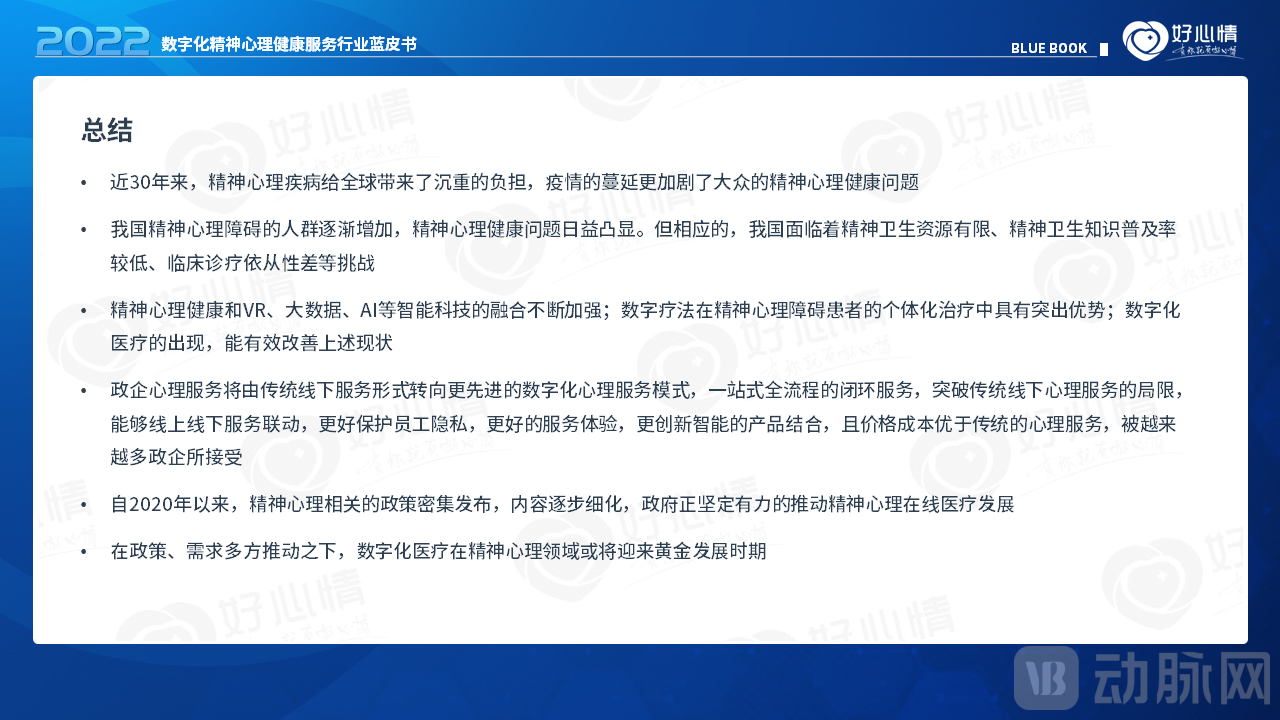
As a new paradigm in healthcare, digital medicine offers irreplaceable advantages in breaking down temporal and spatial barriers to medical services, enhancing treatment outcomes, improving diagnostic and therapeutic efficiency, and emphasizing personalization and intelligence. Unlike somatic diseases, mental and psychological disorders largely do not rely on instrumental examinations or biochemical laboratory tests; instead, they are diagnosed through clinician-patient communication, underpinned by the physician’s robust theoretical knowledge and clinical experience. Internet-based platforms enable continuous follow-up consultations and psychotherapy, while integration with intelligent technologies such as virtual reality (VR), artificial intelligence (AI), and big data renders treatment more precise, safe, and effective. Digital medicine thus holds unique advantages in the field of mental and psychological health.
Furthermore, since 2020, there has been a dense rollout of policies related to mental health and psychology, with content becoming progressively more detailed. These favorable national policies are expected to serve as a catalyst for the development of the digital mental health services industry.
To this end, the Health Times of People’s Daily, VCBeat, and Haoxinqing Internet Hospital jointly released the Blue Book on the Digital Mental Health Services Industry (2022). This report systematically reviews the current state of the digital mental health services industry from multiple perspectives, including the global and domestic prevalence of mental and psychological disorders, insights into patient and physician behaviors on online mental healthcare platforms, applications of digital diagnosis and treatment in the field of mental health, and development trends in digital mental healthcare. It also explores future prospects, aiming to stimulate industry reflection and progress while raising societal awareness of mental health.
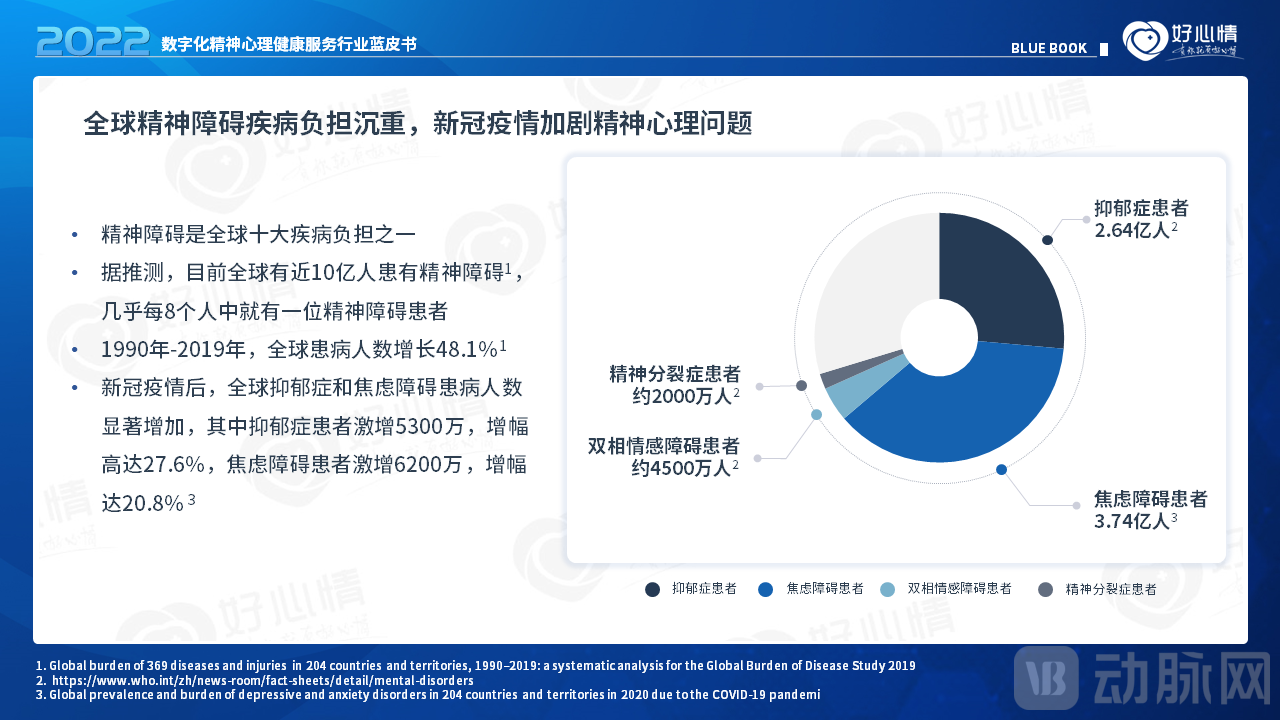
Mental disorders rank among the top ten causes of disease burden worldwide. Between 1990 and 2019, the global number of individuals with mental disorders increased by 48.1%. It is estimated that nearly 1 billion people worldwide currently suffer from mental disorders, meaning almost one in every eight individuals is affected. Under the impact of the COVID-19 pandemic, the global disease burden of mental disorders has become even more severe, with a surge in cases of depression and anxiety disorders.
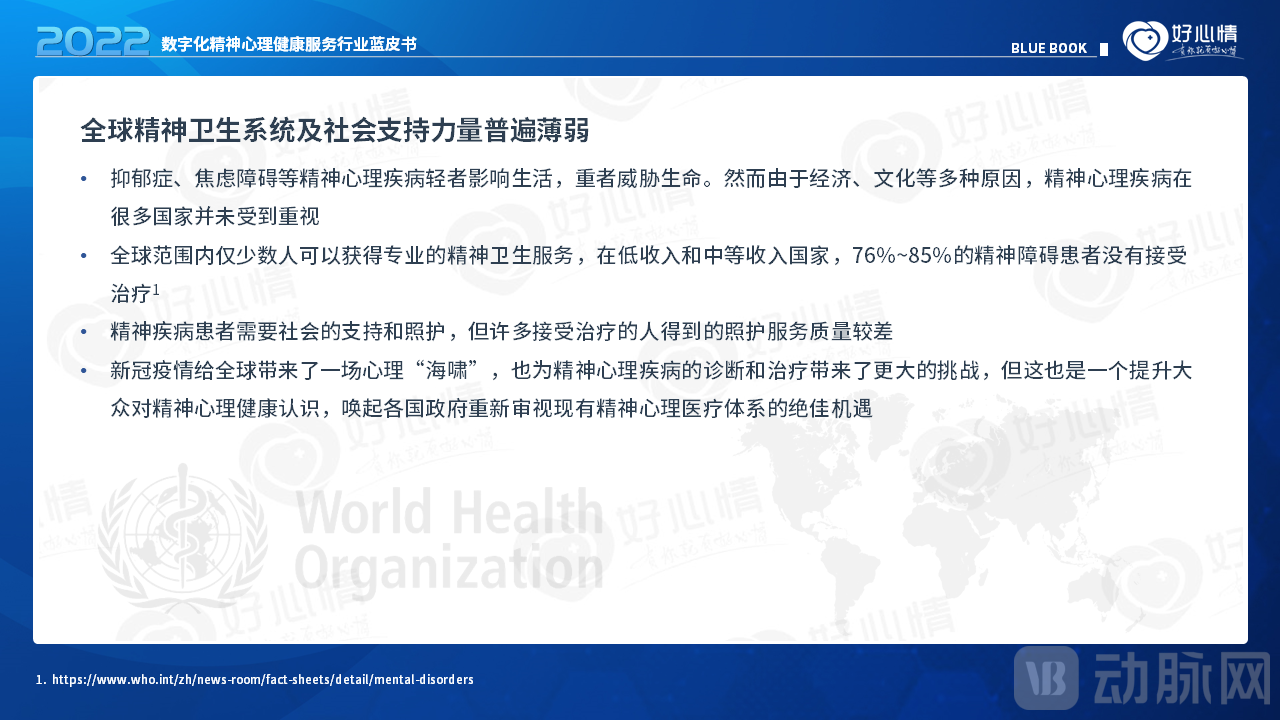
Currently, global mental health systems and social support networks are generally weak. Mental and psychological disorders have not received adequate attention in many countries; in low- and middle-income countries, an estimated 76% to 85% of individuals with mental disorders do not receive treatment. Among those who do receive care, many experience poor-quality services. Under the immense pressure of the pandemic, the diagnosis and treatment of mental and psychological disorders face greater challenges. At the same time, this presents a valuable opportunity to raise public awareness of mental health and urge governments worldwide to reevaluate existing mental healthcare systems.
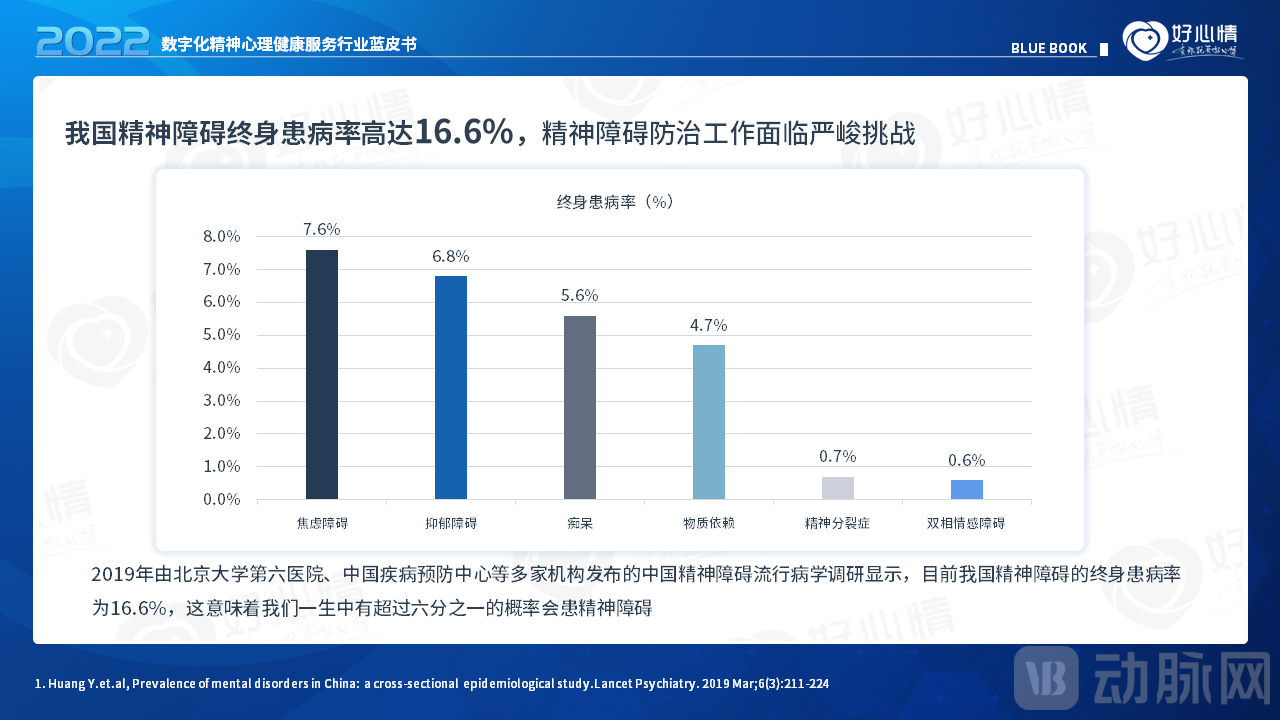
In 2019, the China Mental Health Survey, released by multiple institutions including Peking University Sixth Hospital and the Chinese Center for Disease Control and Prevention, showed that the lifetime prevalence of mental disorders in China is currently 16.6%, meaning that more than one in six people in China will develop a mental disorder at some point in their lives.
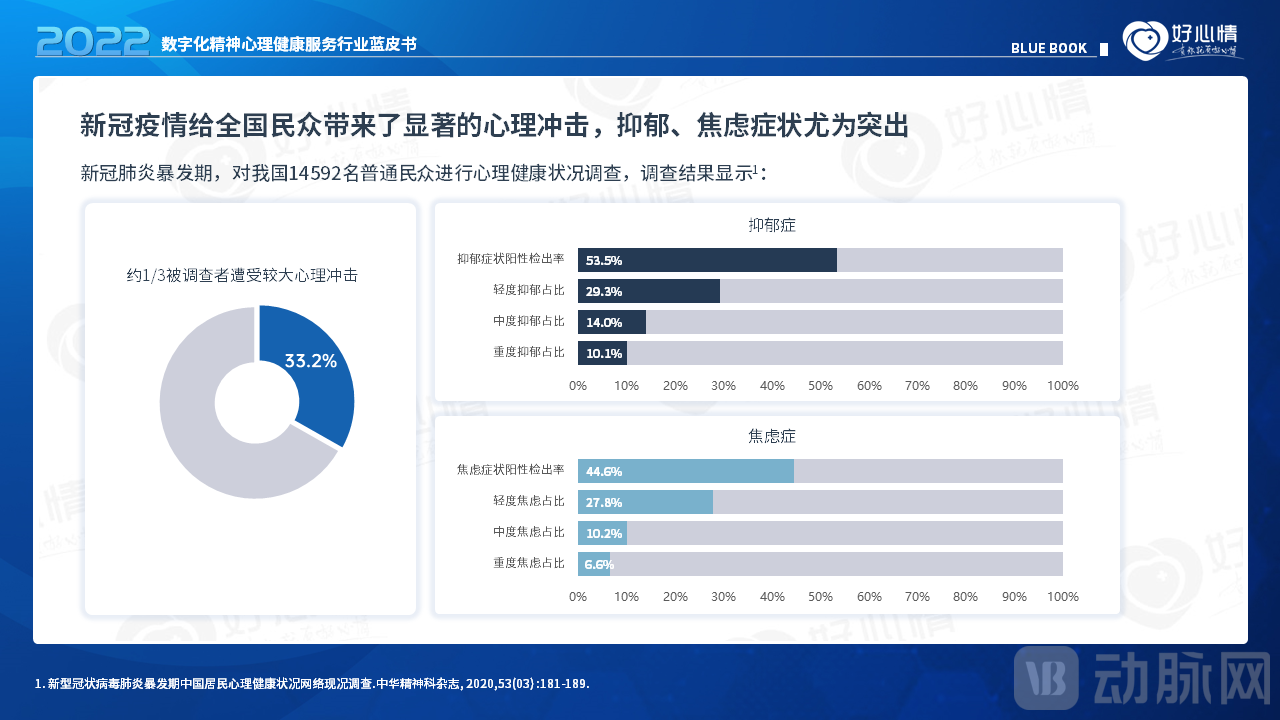
As a sudden public health emergency, the COVID-19 pandemic has imposed significant psychological impacts on the Chinese population. During the early stages of the outbreak, the public experienced widespread collective crisis, with anxiety and depressive symptoms being particularly prominent. This underscores the need to prioritize mental health alongside epidemic control efforts.
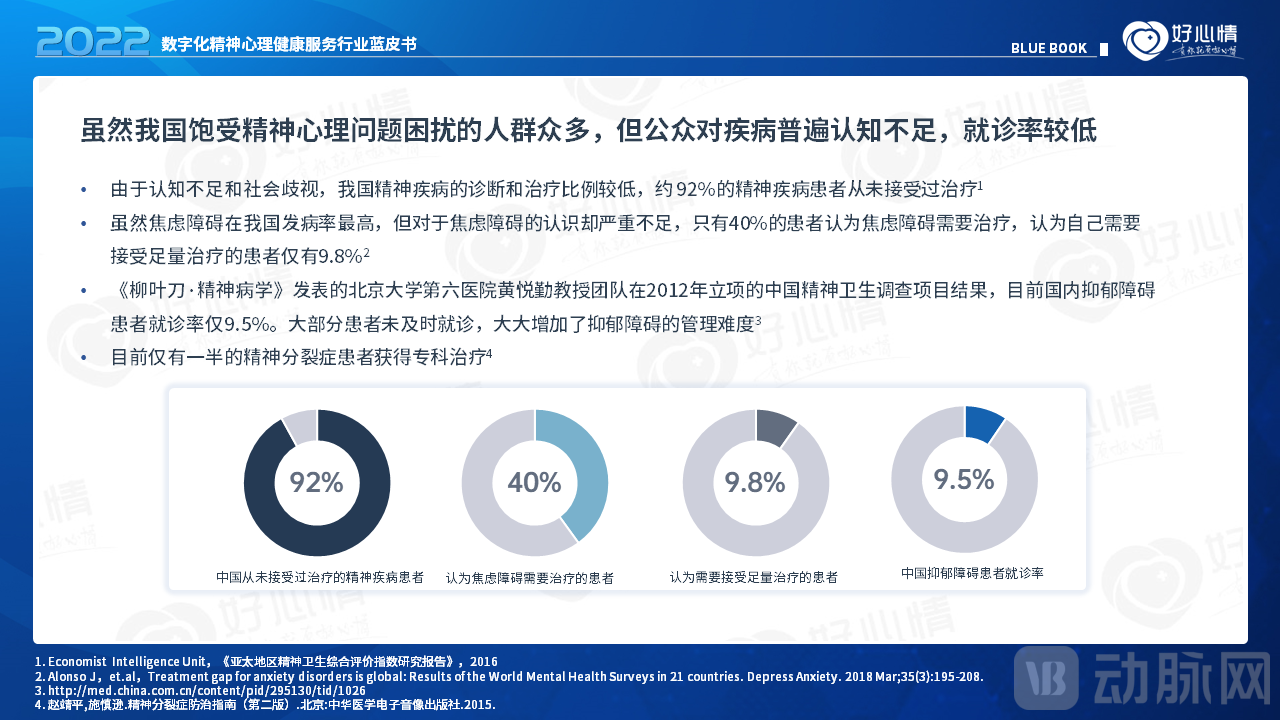
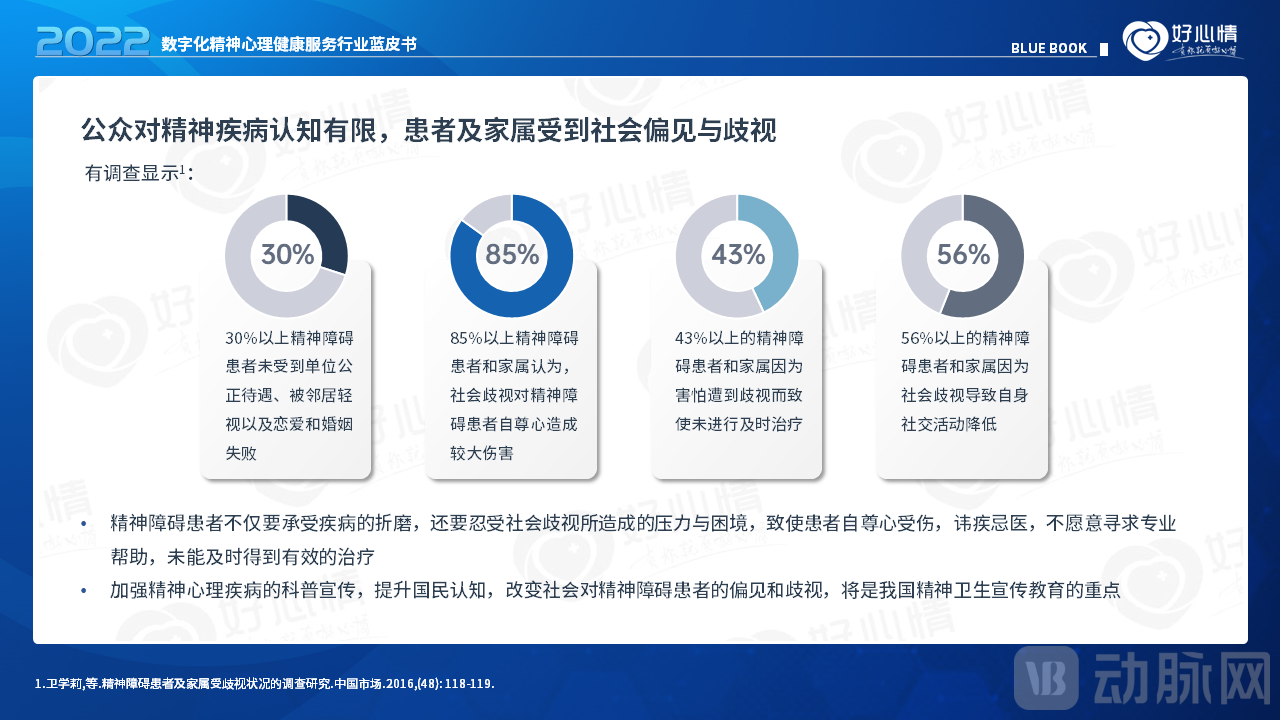
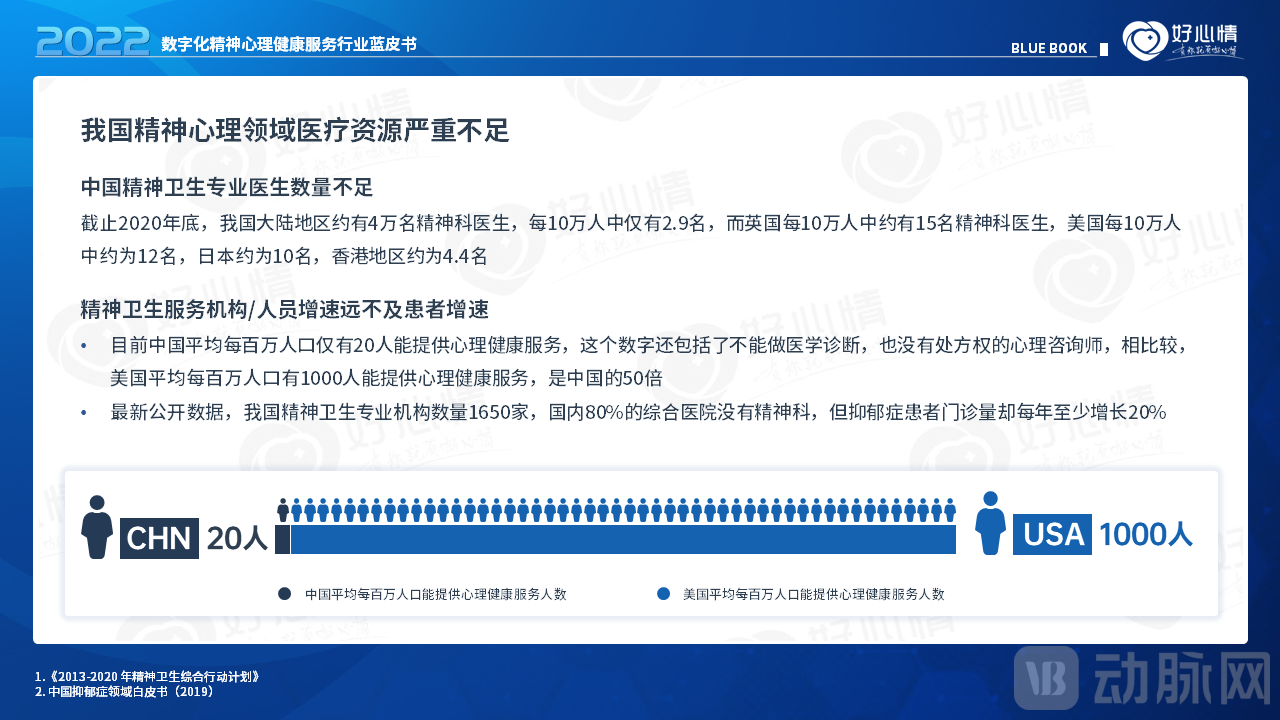
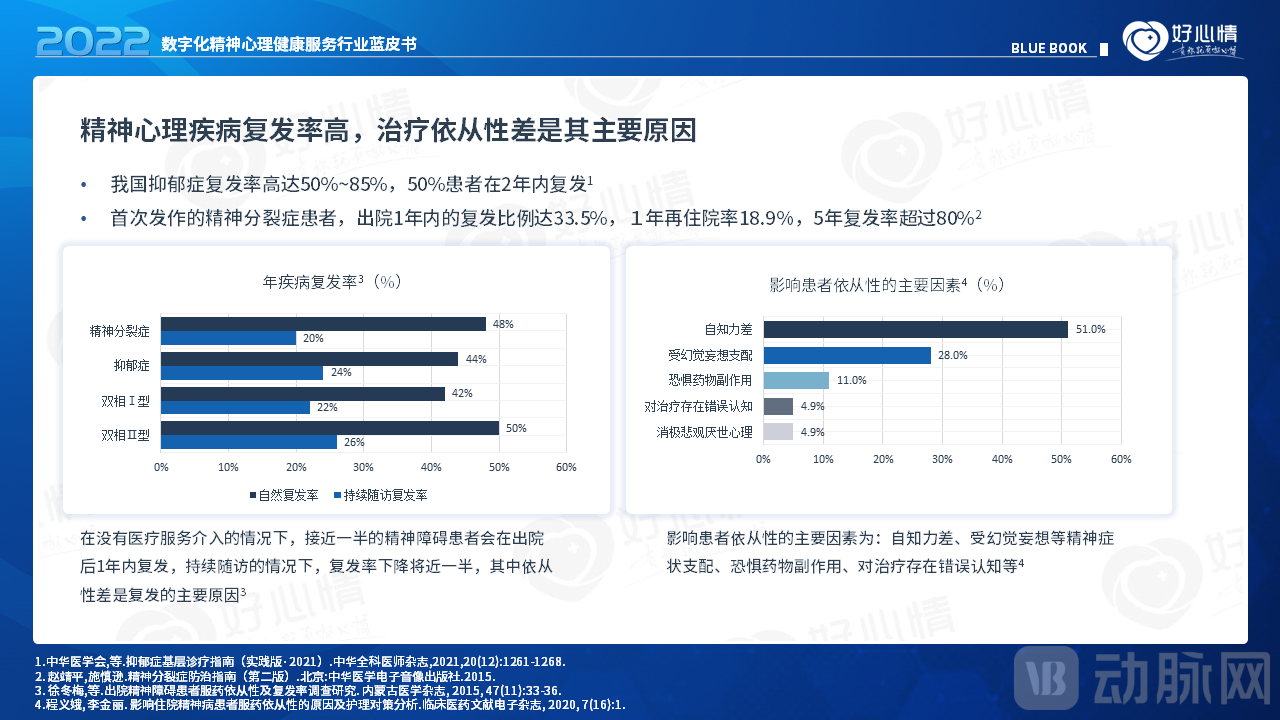
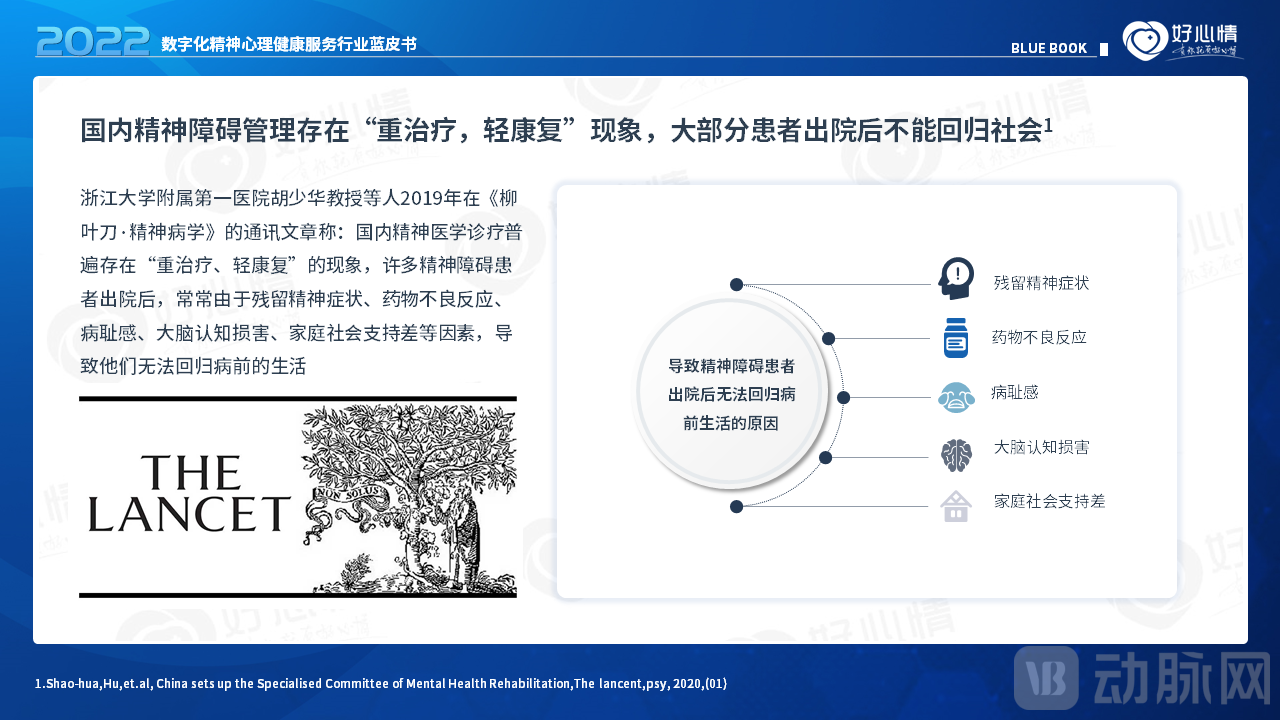
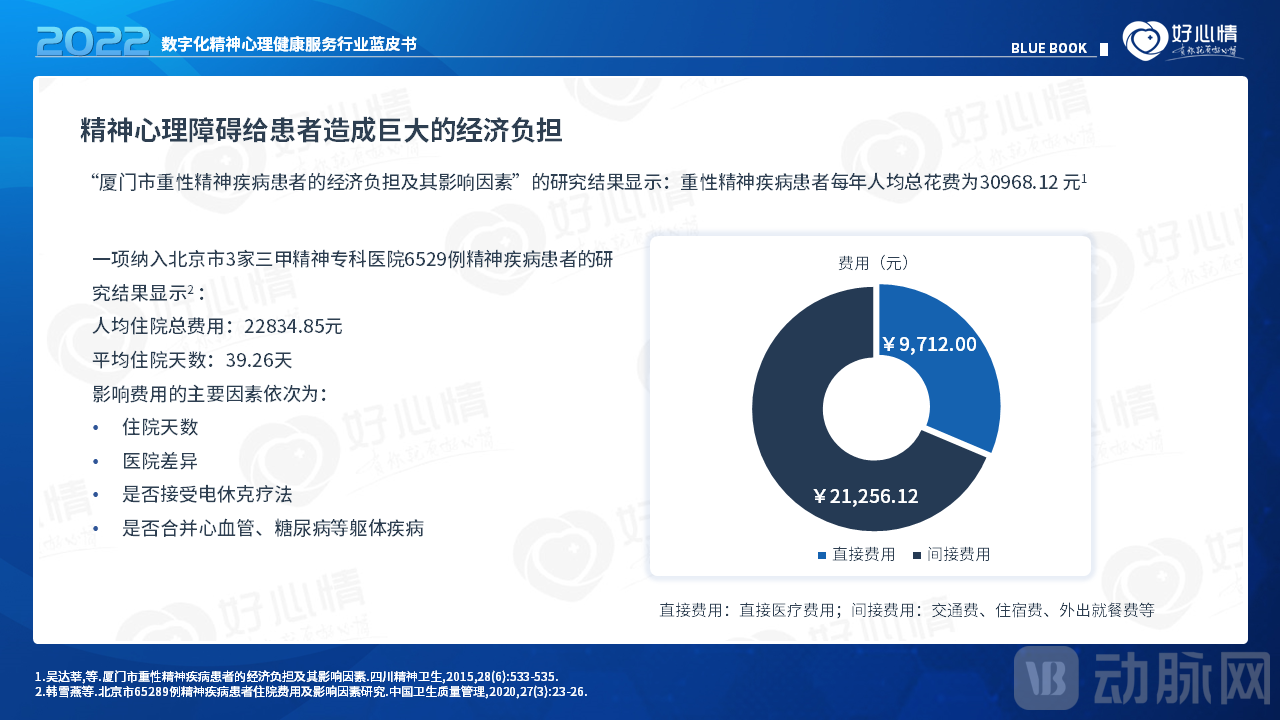
In recent years, although China has placed increasing emphasis on the mental health services industry, significant deficiencies persist in various aspects of the field. These include: widespread public lack of awareness about mental disorders and low consultation rates; persistent social prejudice and discrimination against patients and their families that are difficult to eliminate; a substantial shortage of mental health professionals and severe inadequacy of medical resources; poor treatment adherence and high relapse rates for mental disorders; a management approach that prioritizes treatment over rehabilitation, resulting in most patients being unable to reintegrate into society after discharge; and the heavy economic burden borne by patients with mental health conditions.
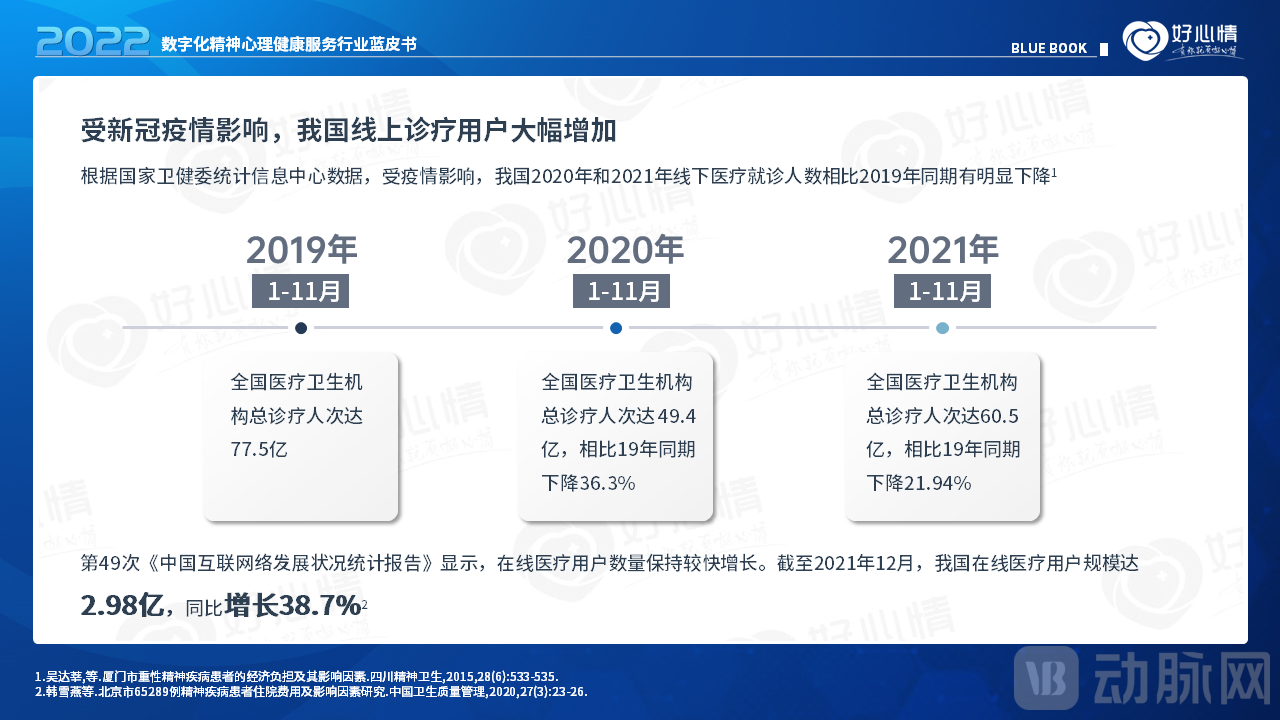
While challenges persist, the COVID-19 pandemic has created opportunities for mental health services. In 2020 and 2021, the number of in-person medical visits in China declined significantly, whereas the number of users of online consultation services increased substantially. As of December 2021, the number of online healthcare users in China reached 298 million, representing a year-on-year increase of 38.7%, indicating a strong growth trend.
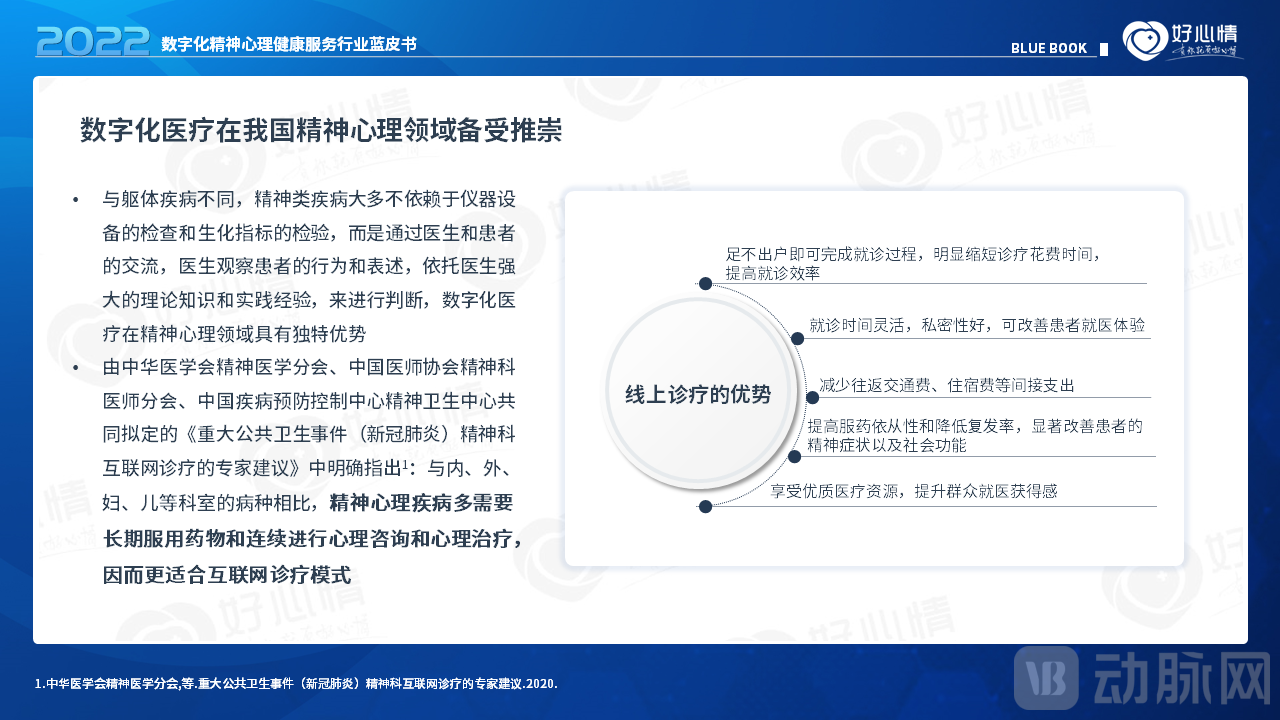
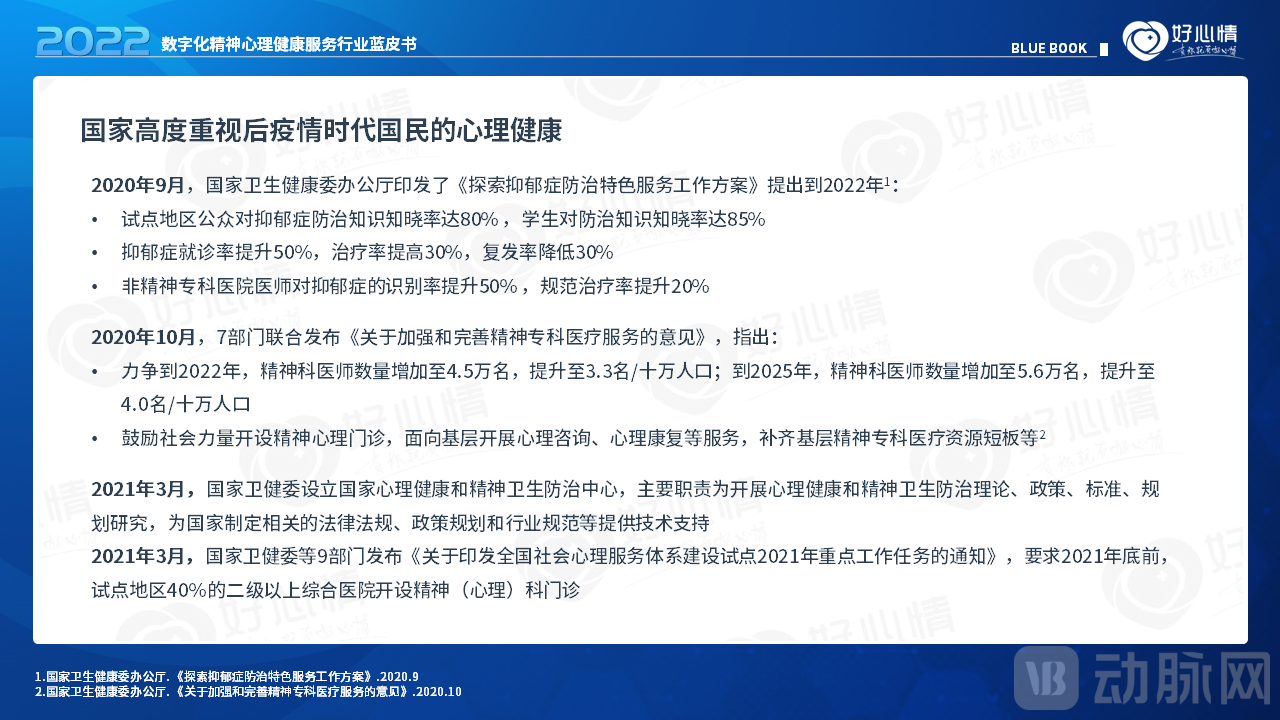
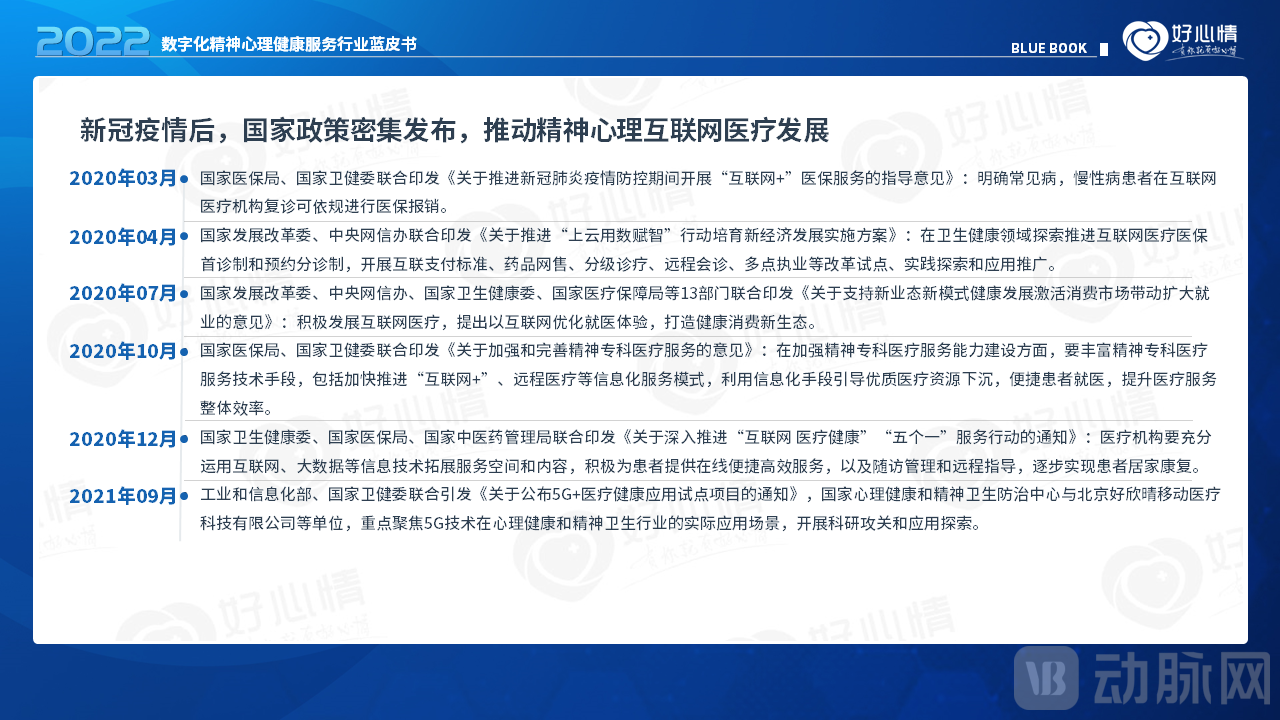
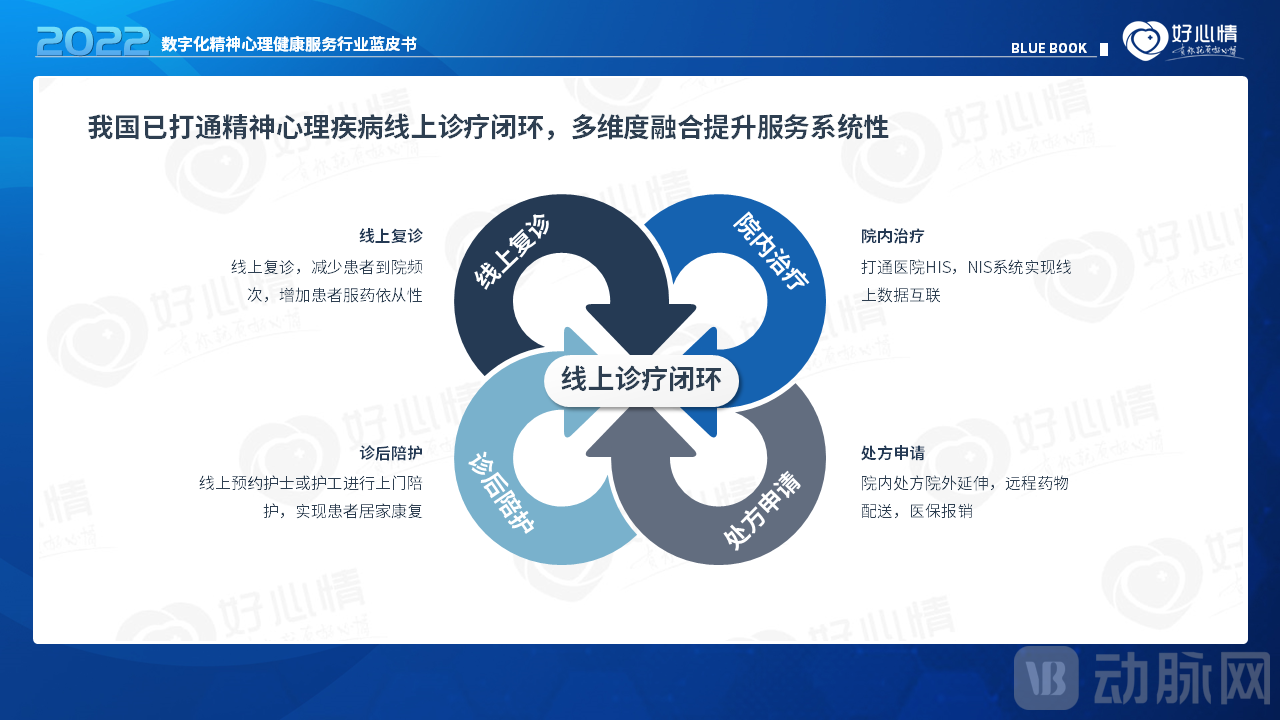
Meanwhile, in the post-pandemic era, digital healthcare has gained significant traction in China’s mental health sector. The government attaches great importance to citizens’ psychological well-being, with a series of policies being intensively rolled out to accelerate the rapid development of internet-based mental health services. Currently, China has established a closed-loop system for online diagnosis and treatment of mental disorders, enhancing service systematicity through multi-dimensional integration.
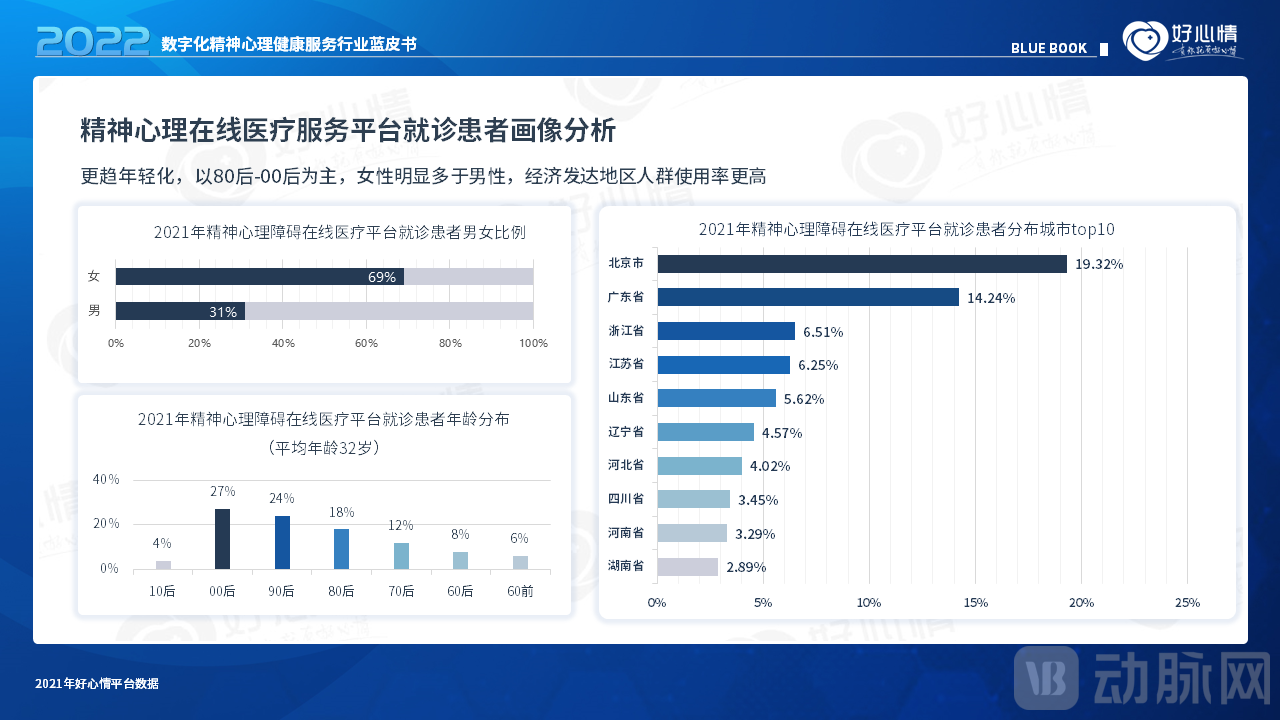
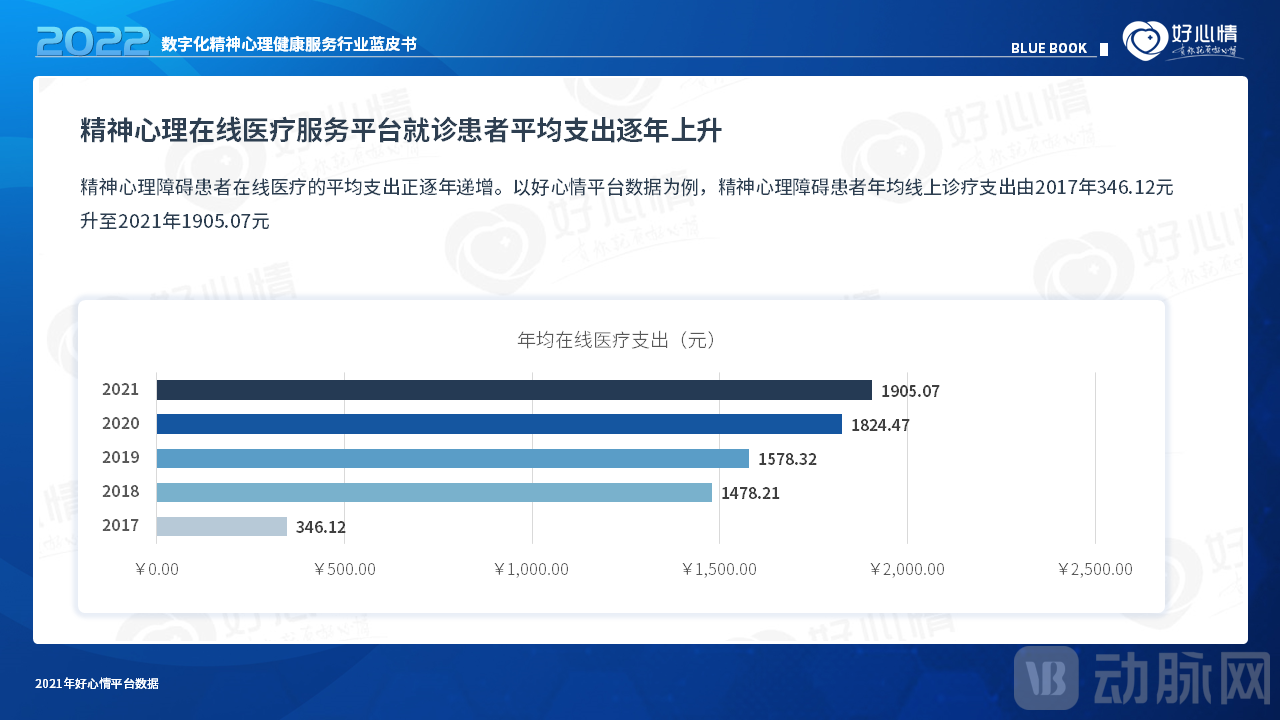
According to Haixinqing data, in 2021, patients using online mental health medical service platforms tended to be younger, predominantly consisting of individuals born between the 1980s and 2000s. The proportion of female patients was higher than that of male patients, and usage rates were higher among populations in economically developed regions. From 2017 to 2021, the average expenditure per patient on online medical service platforms showed a year-on-year increasing trend.
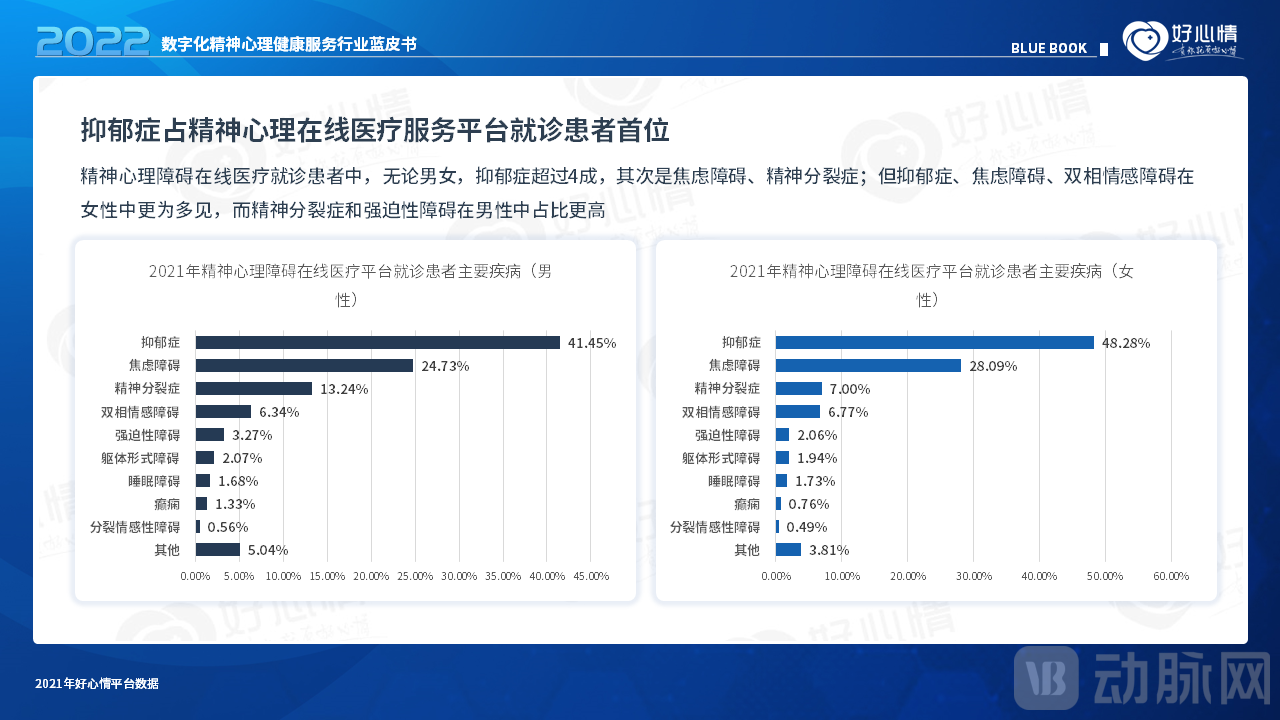
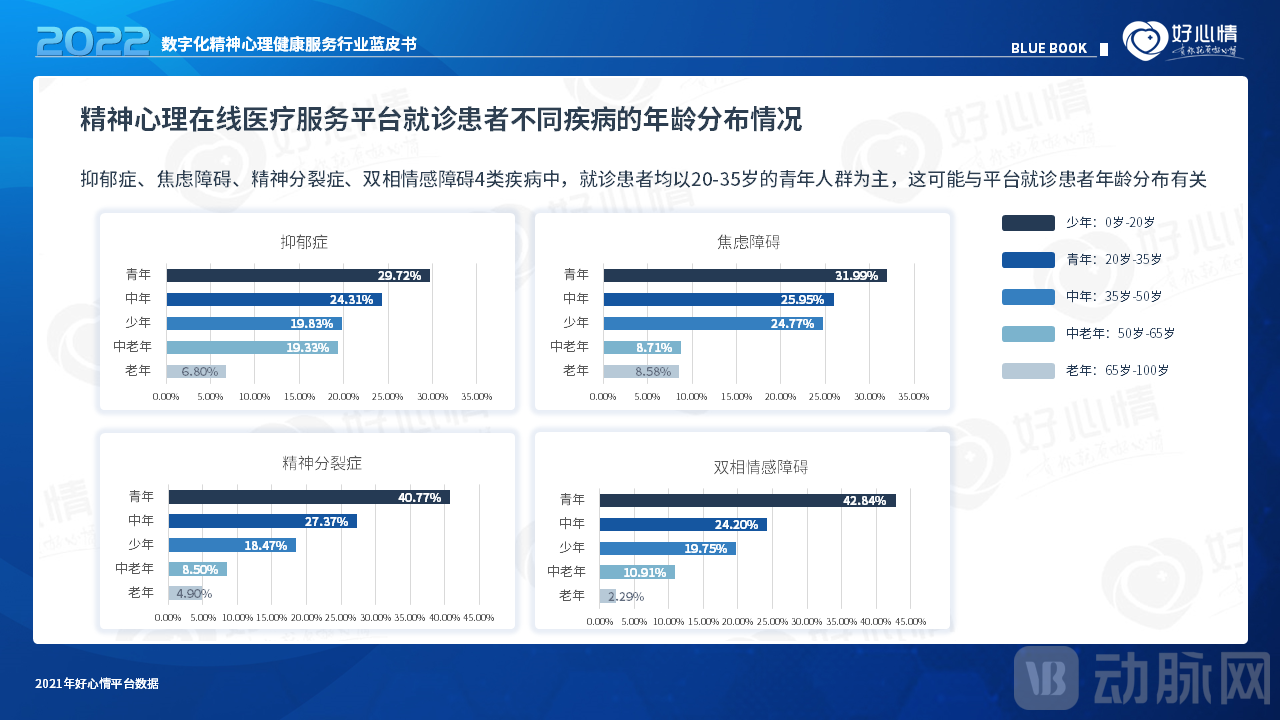
Among patients seeking care for mental and psychological disorders, depression accounts for over 40% of cases, representing a substantial proportion regardless of gender. Among the four major conditions—depression, anxiety disorders, schizophrenia, and bipolar disorder—the majority of patients are young adults aged 20 to 35 years.
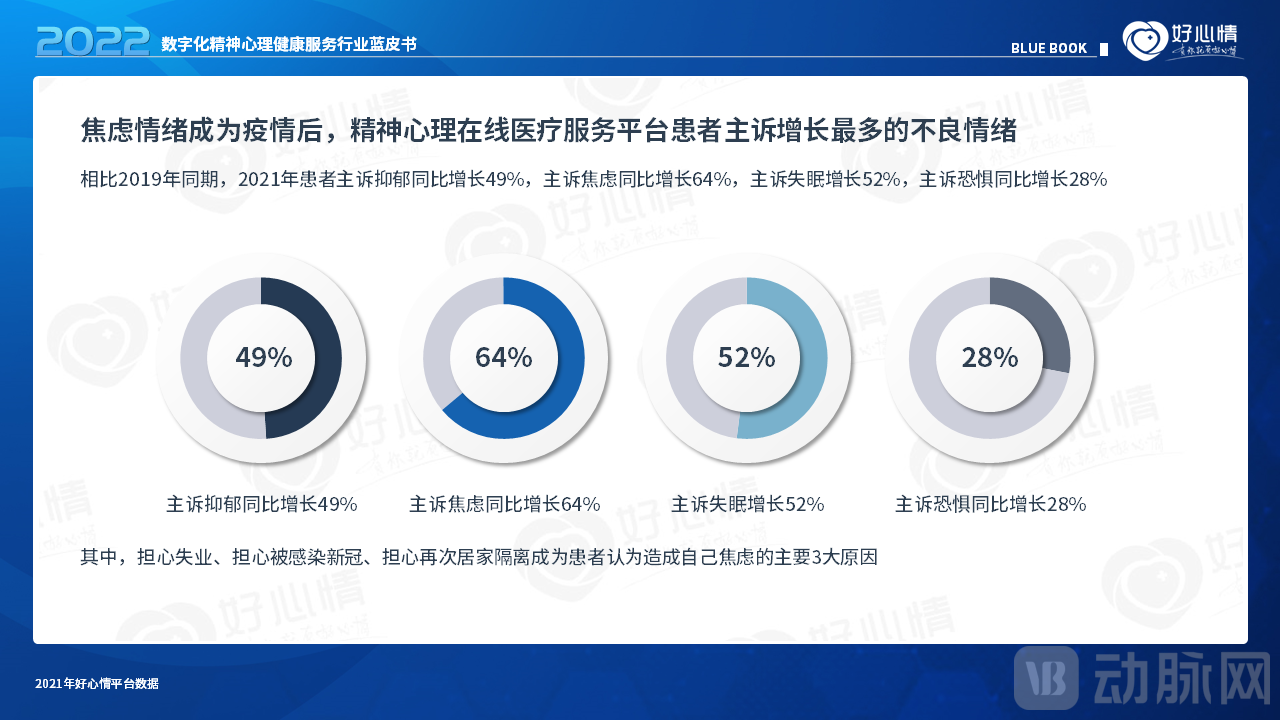
Compared with the same period in 2019, anxiety was the adverse emotion with the largest increase in patient chief complaints on online mental health medical service platforms in 2021 (with an increase of 64%). Fear of job loss, COVID-19 infection, and renewed home quarantine became the top three causes of patients’ anxiety.
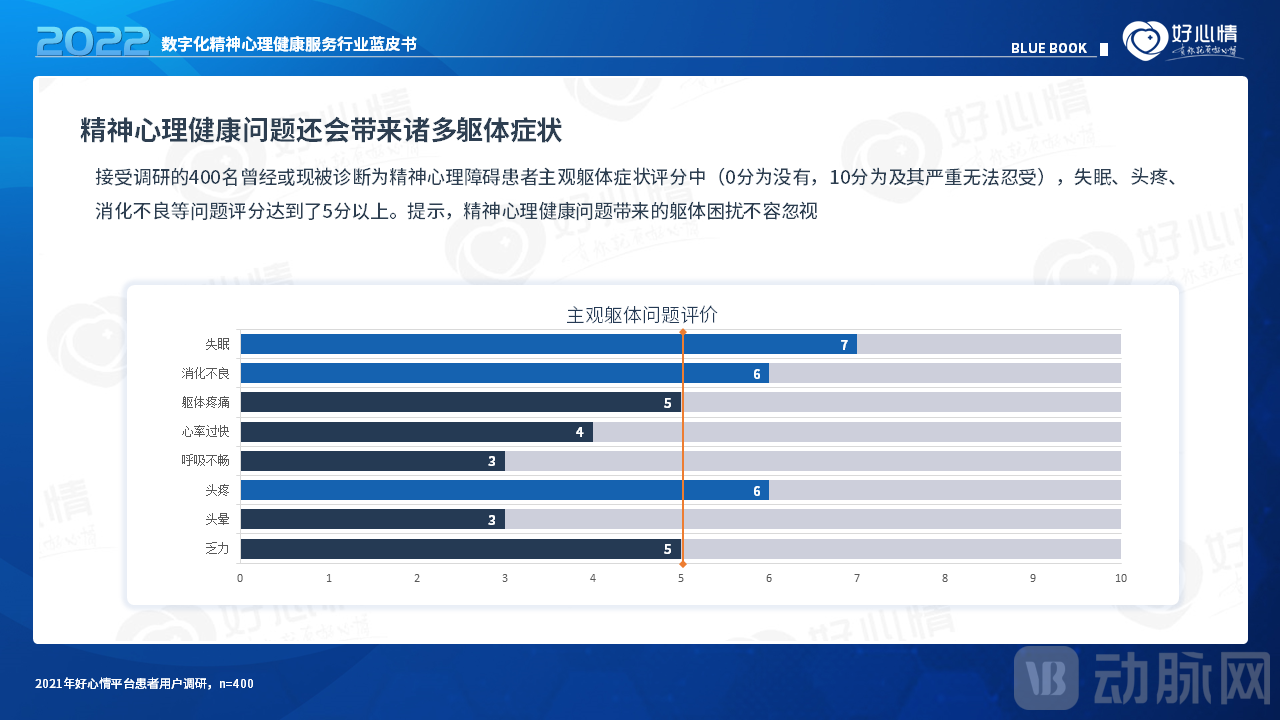
Moreover, mental health issues can also lead to a variety of somatic symptoms, primarily manifested as insomnia, indigestion, headaches, body pain, fatigue, palpitations, shortness of breath, and dizziness.
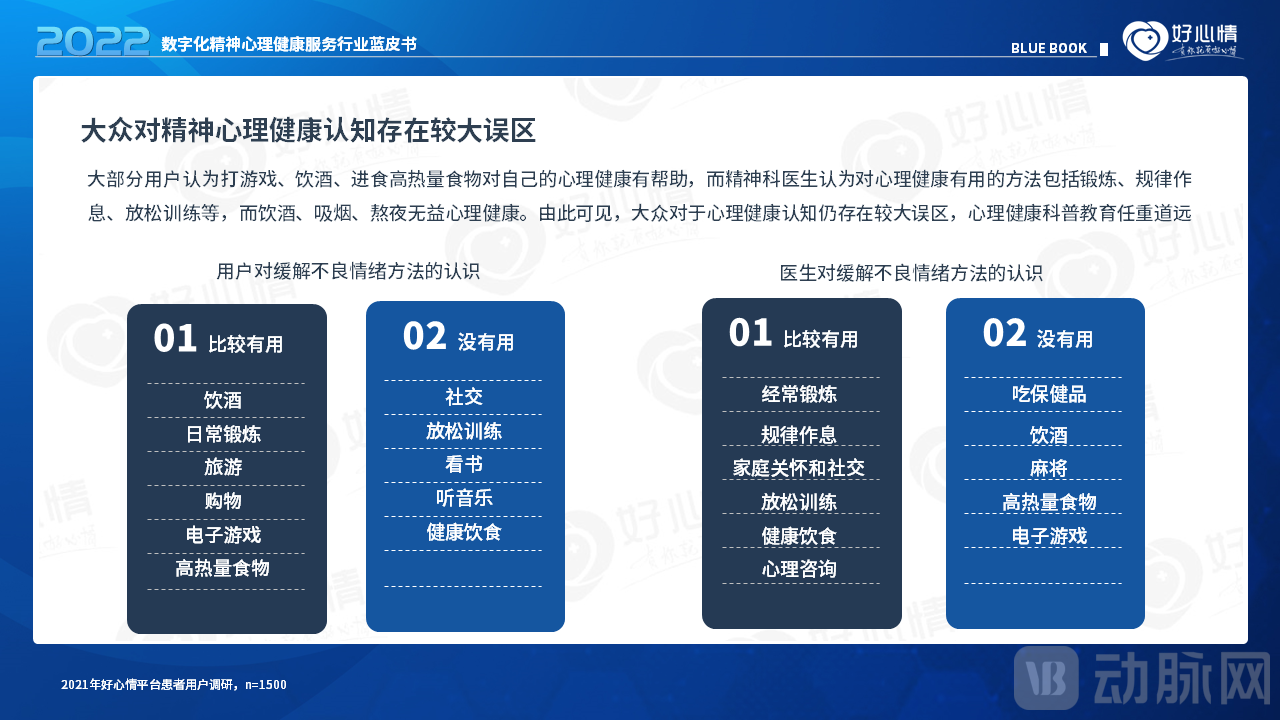
However, survey results from the Good Mood Study indicate that the general public still harbors misconceptions about mental health and psychological well-being, with significant discrepancies between physicians’ and patients’ perceptions of methods to “alleviate negative emotions.”
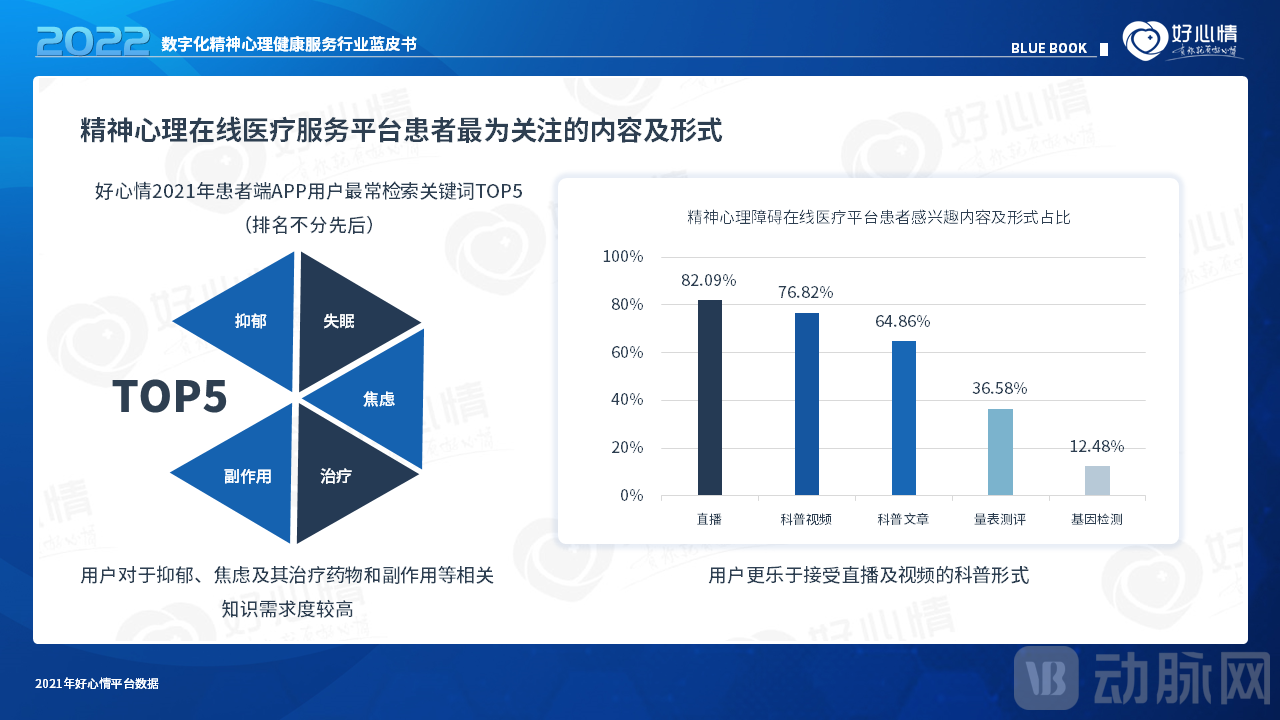
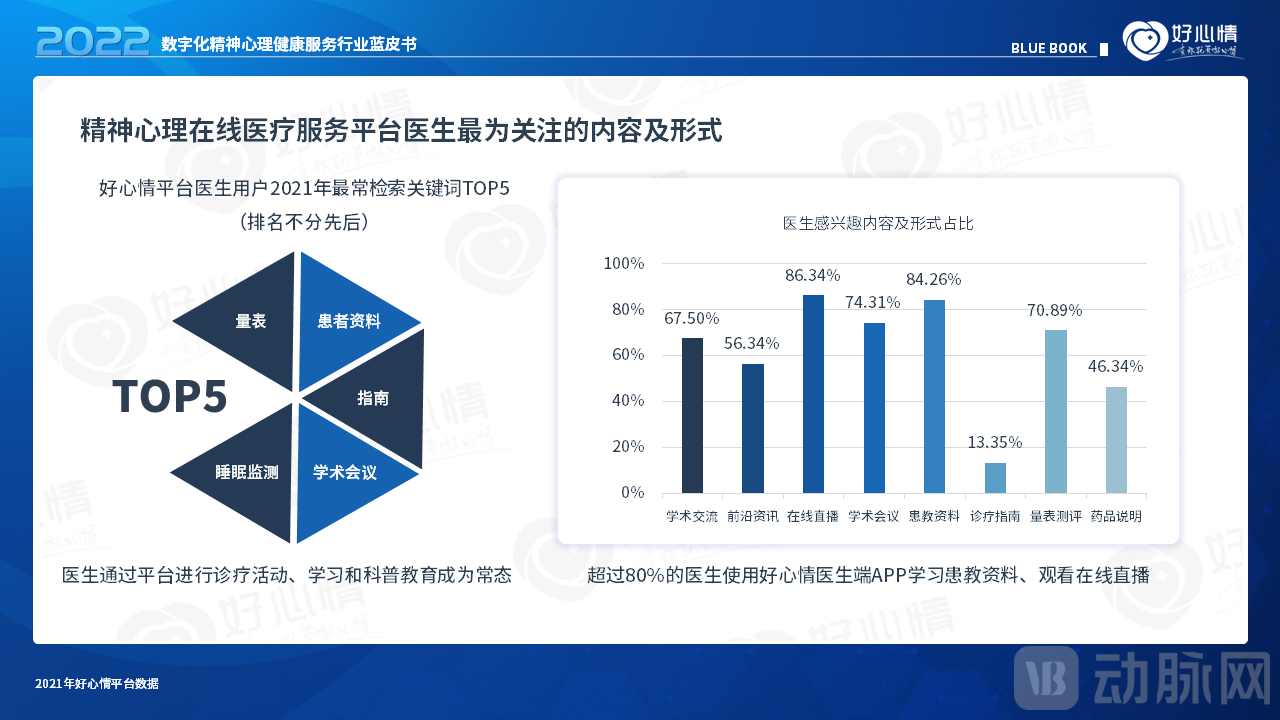
Regarding the content and formats of greatest concern to patients and physicians on online mental health service platforms, data from Haixinqing indicates that patients have a high demand for knowledge related to depression, anxiety, their treatment medications, and side effects, and they are more receptive to science popularization in video and live-streaming formats. It has become commonplace for physicians to conduct clinical consultations, engage in learning, and provide patient education through the platform; over 80% of physicians use the Haixinqing Physician App to access patient education materials and watch online live streams.
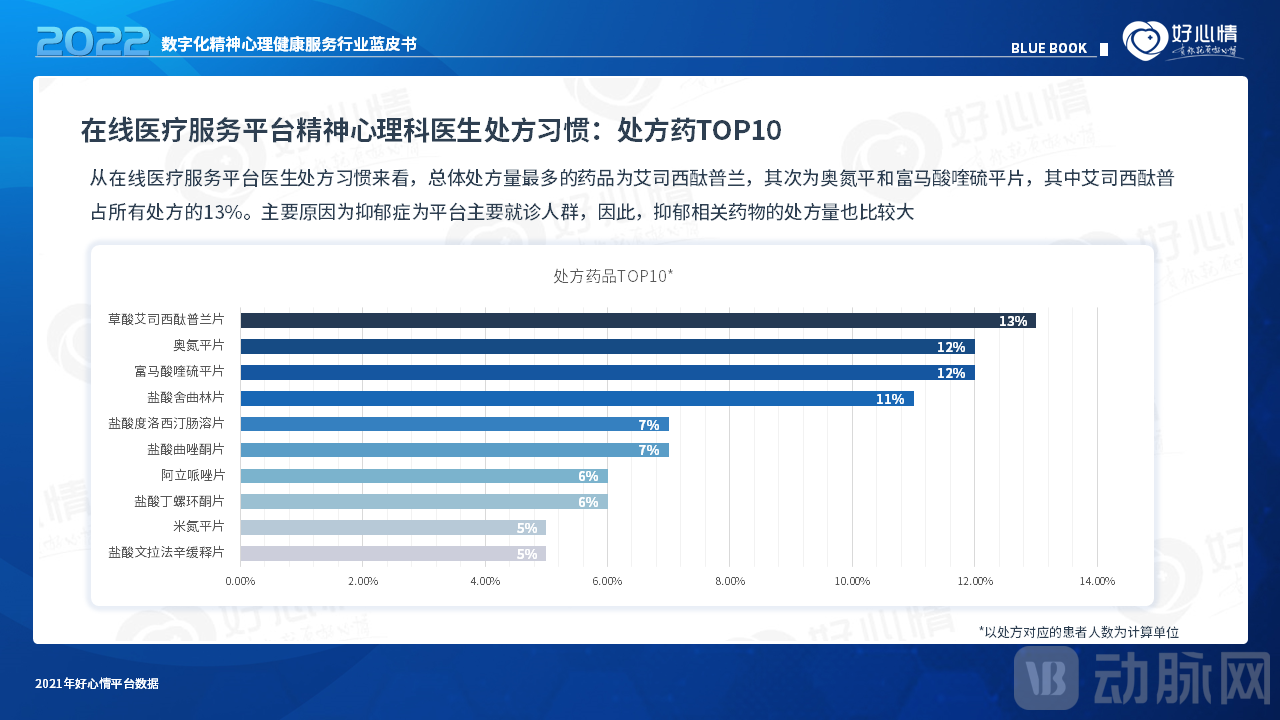
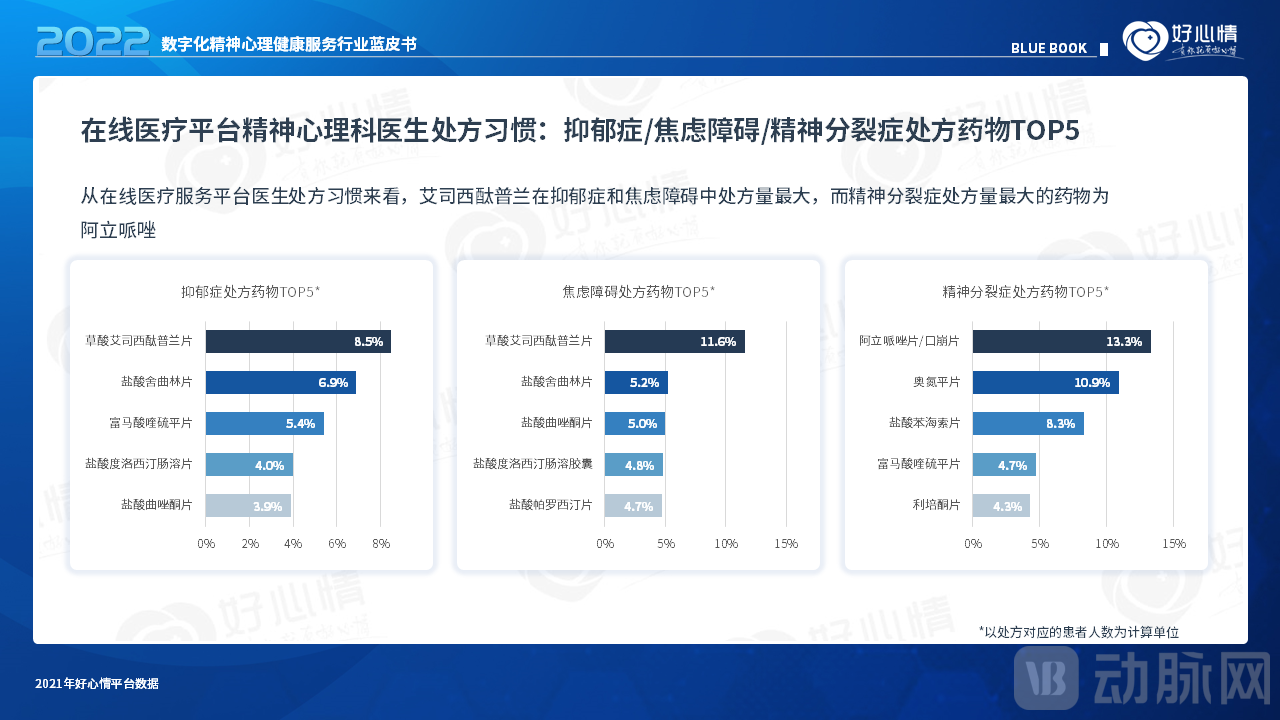
Based on the prescribing patterns of psychiatrists and psychologists on online medical service platforms, escitalopram had the highest overall prescription volume, followed by olanzapine and quetiapine fumarate tablets. Escitalopram was the most frequently prescribed medication for depression and anxiety disorders, whereas aripiprazole was the most commonly prescribed drug for schizophrenia.
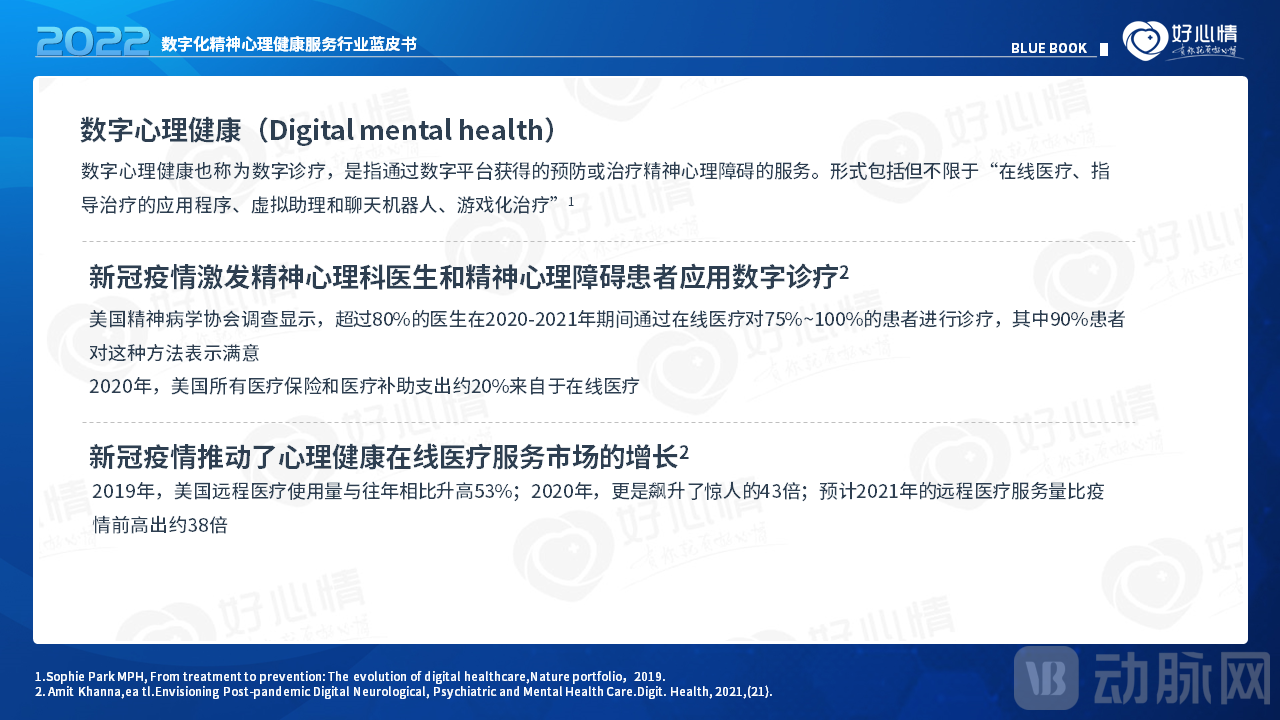
The outbreak of the COVID-19 pandemic has not only expanded the application of digital diagnosis and treatment in services for mental and psychological disorders, but also driven the growth of the online medical service market for mental health.
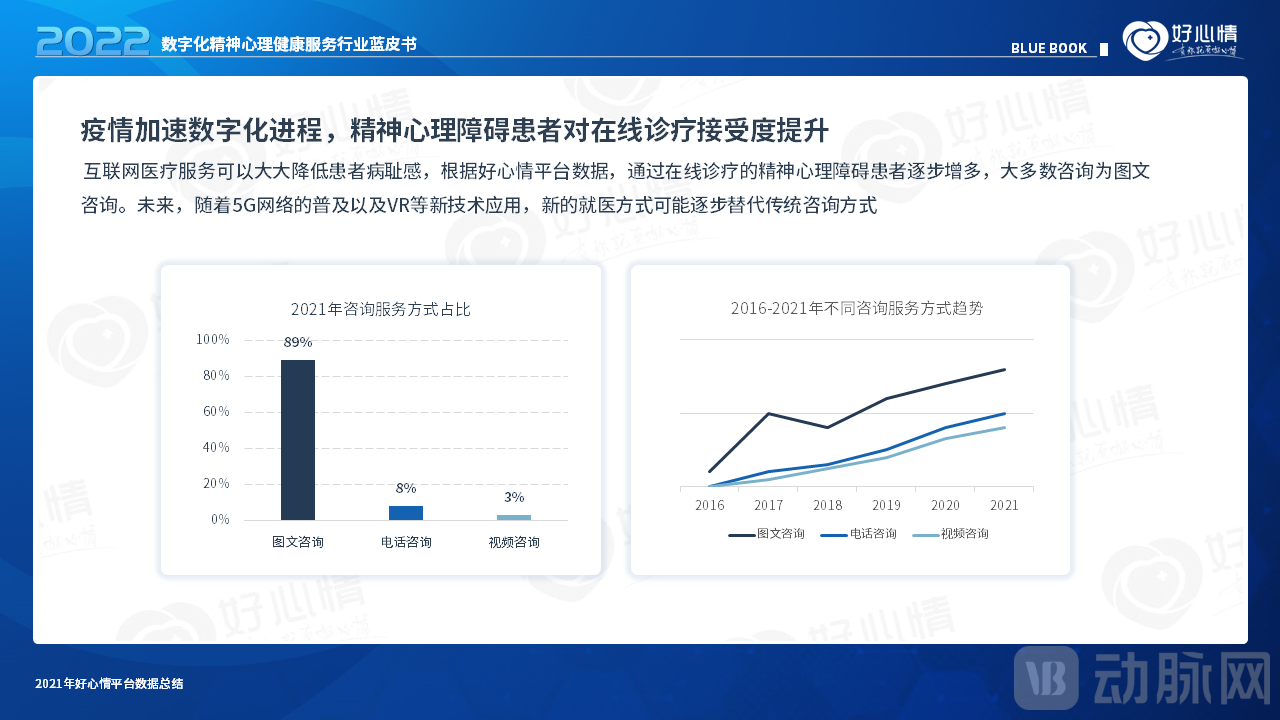
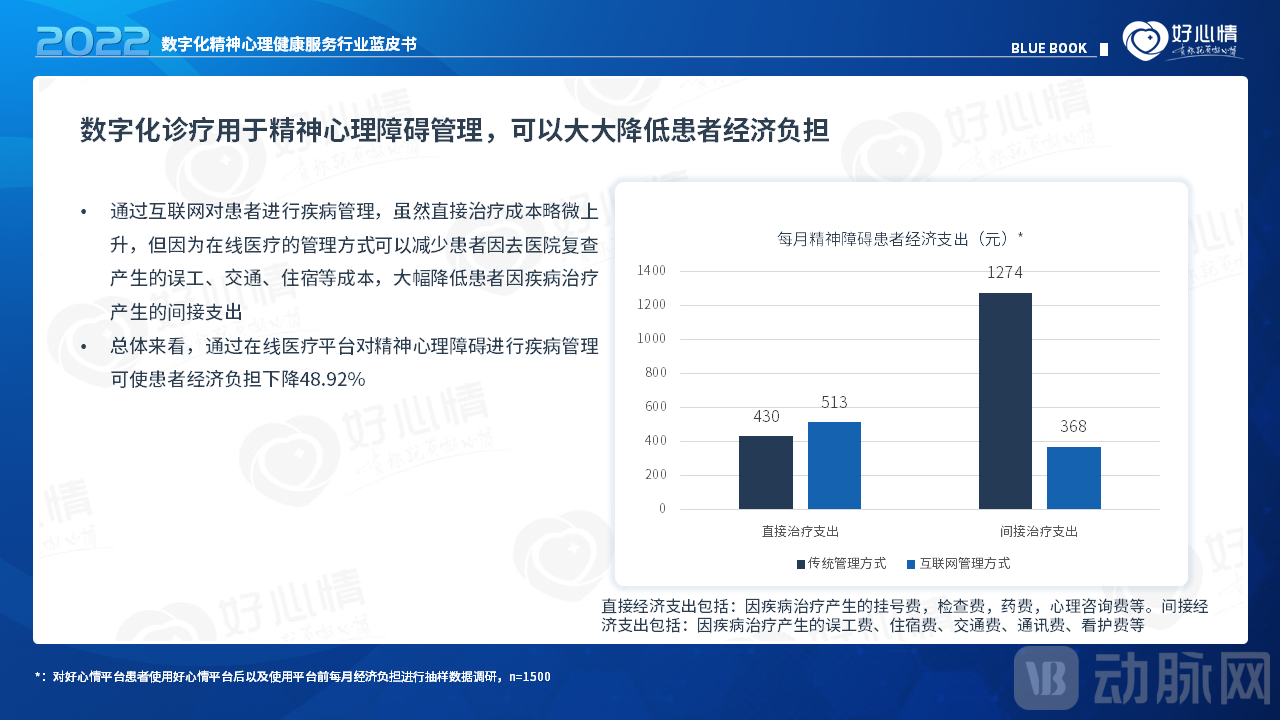
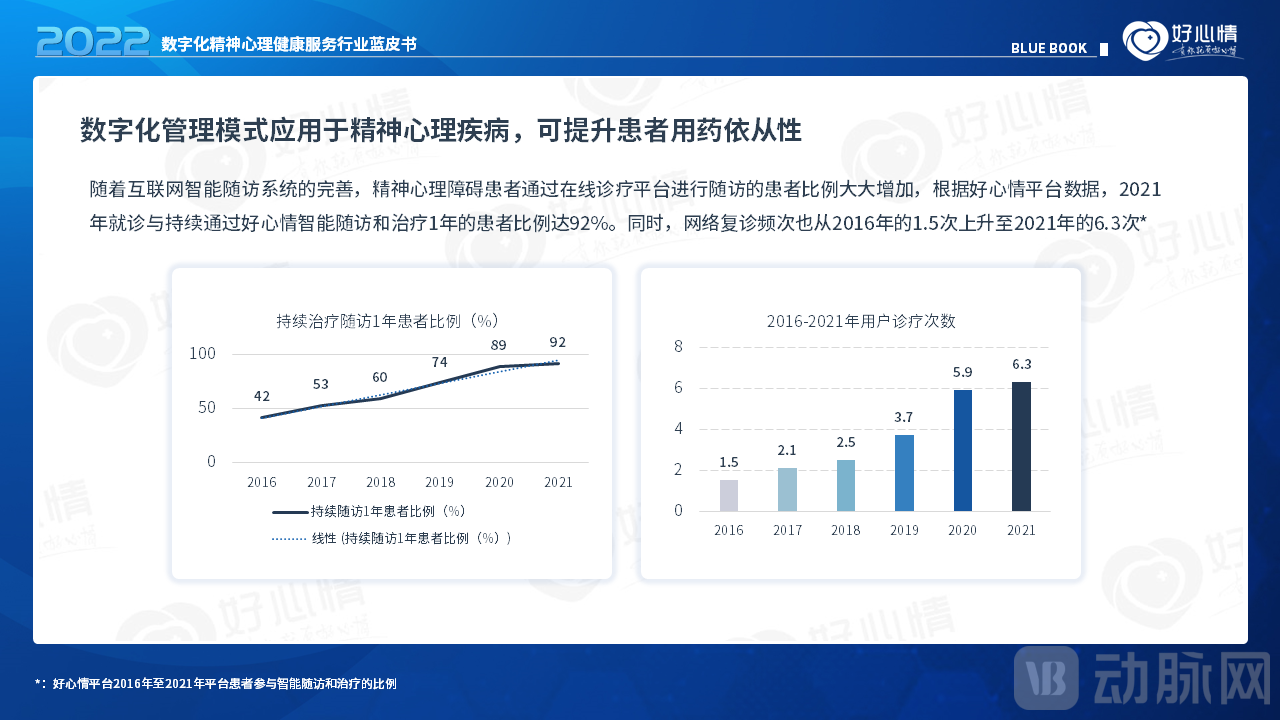
Internet-based medical services have increased the acceptance of online diagnosis and treatment among patients with mental and psychological disorders, significantly reducing their financial burden; the application of digital management models can improve patients' medication adherence; meanwhile, the rising frequency of online follow-up visits has contributed to the improvement of patients' clinical conditions.
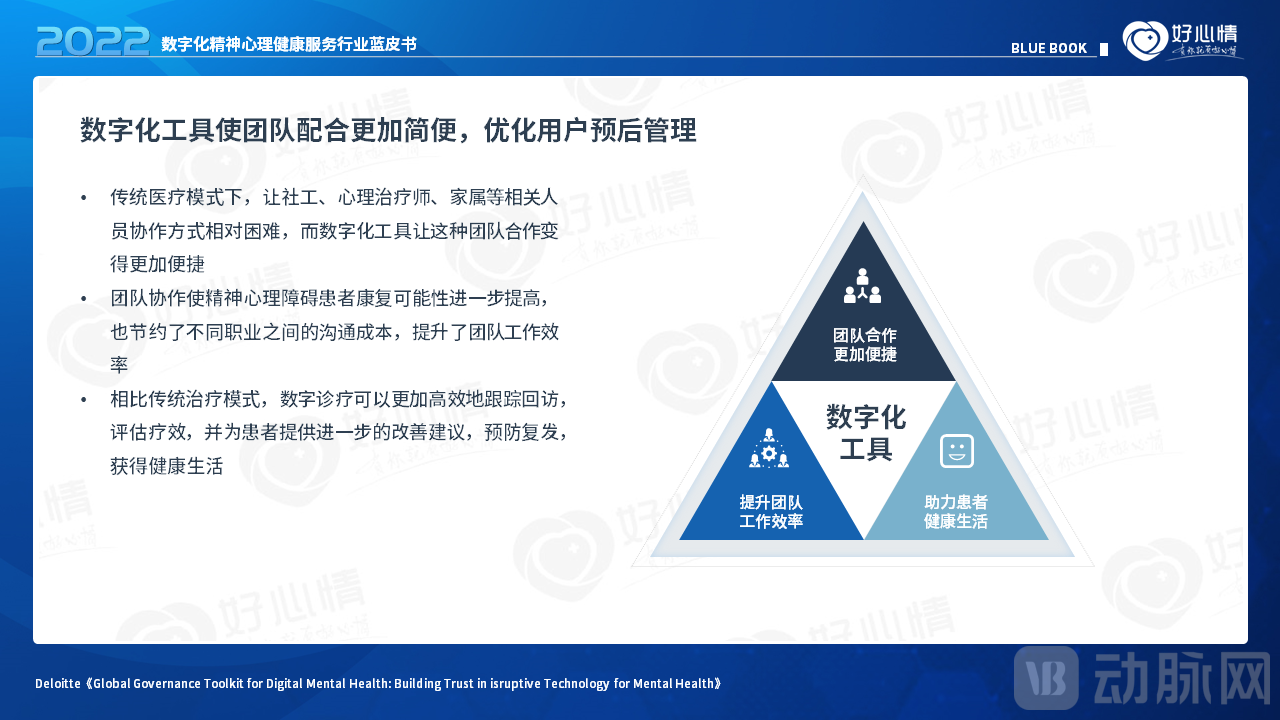
Digital tools streamline team collaboration and optimize patient prognosis management. Compared with traditional treatment models, digital diagnosis and therapy enable more efficient follow-up tracking, therapeutic efficacy assessment, and provision of further improvement recommendations to patients, thereby preventing recurrence and helping patients achieve a healthy lifestyle.
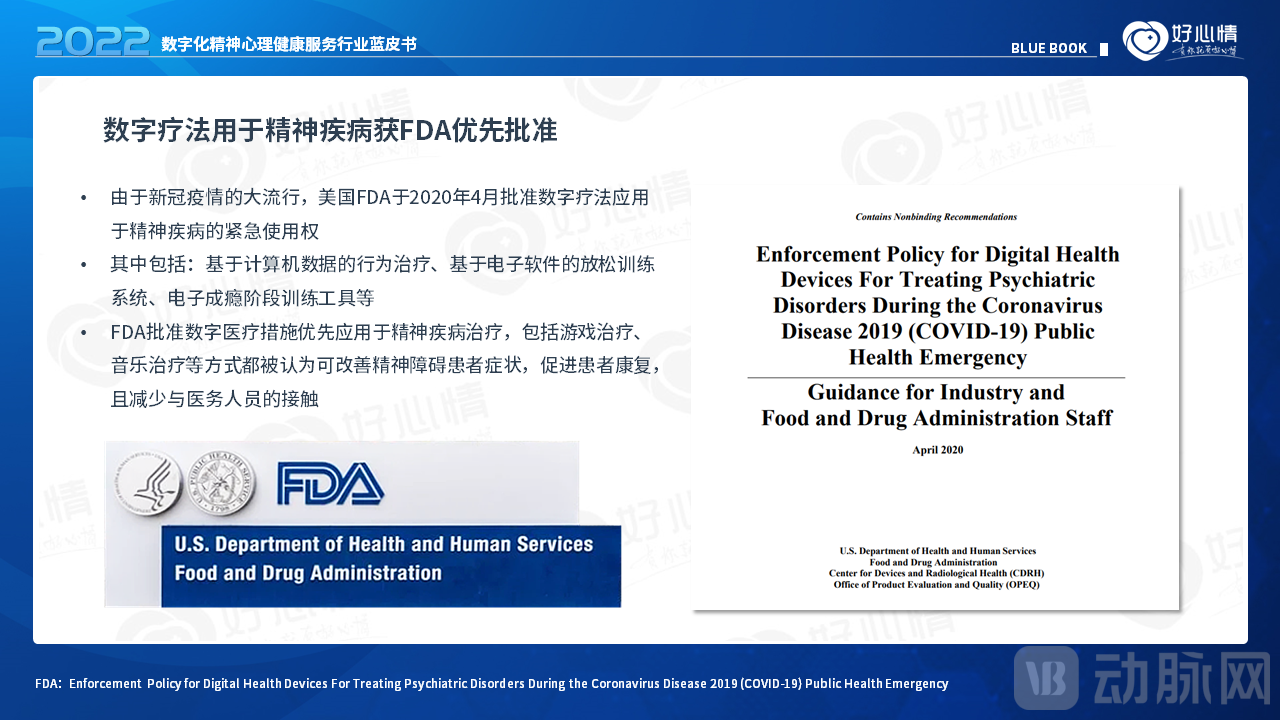
In April 2020, the U.S. FDA granted emergency use authorization for digital therapeutics in the treatment of mental disorders. Therapeutic approaches such as game therapy and music therapy are considered effective in alleviating symptoms among patients with mental disorders and facilitating their recovery.
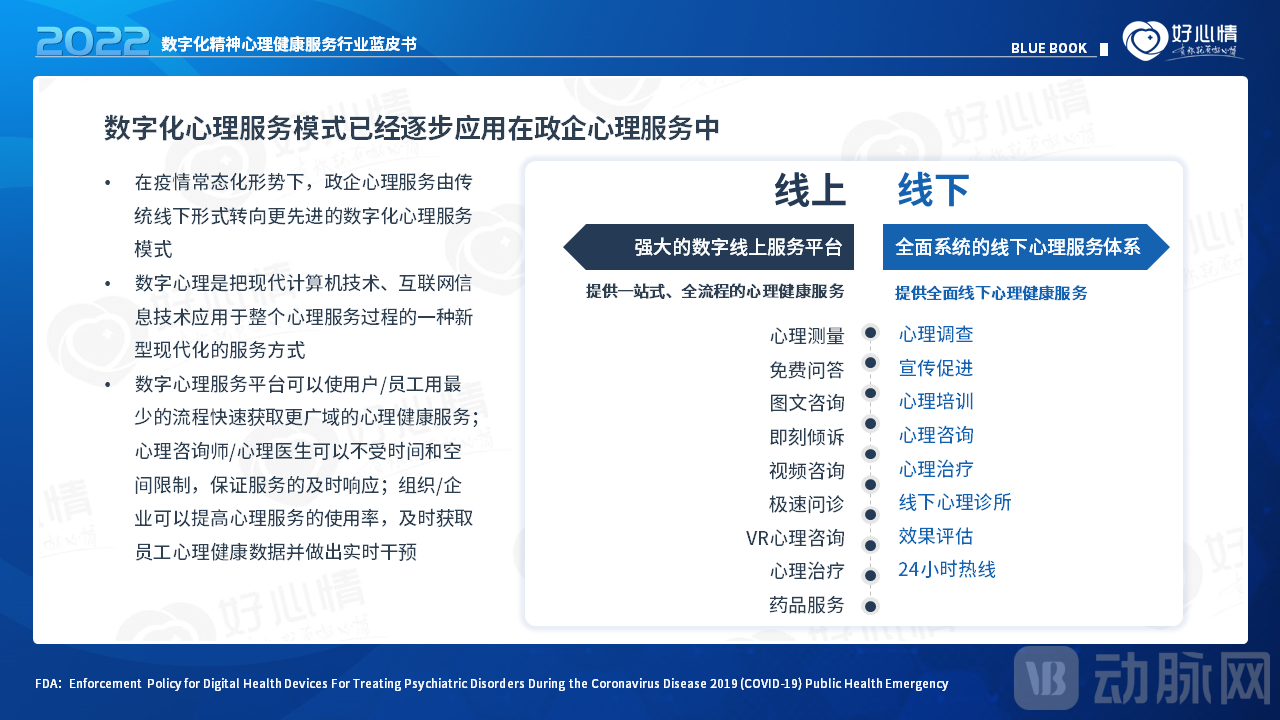
Currently, digital psychological service models have been gradually applied in psychological services for government agencies and enterprises, achieving the integration of online digital service platforms with offline psychological service systems.
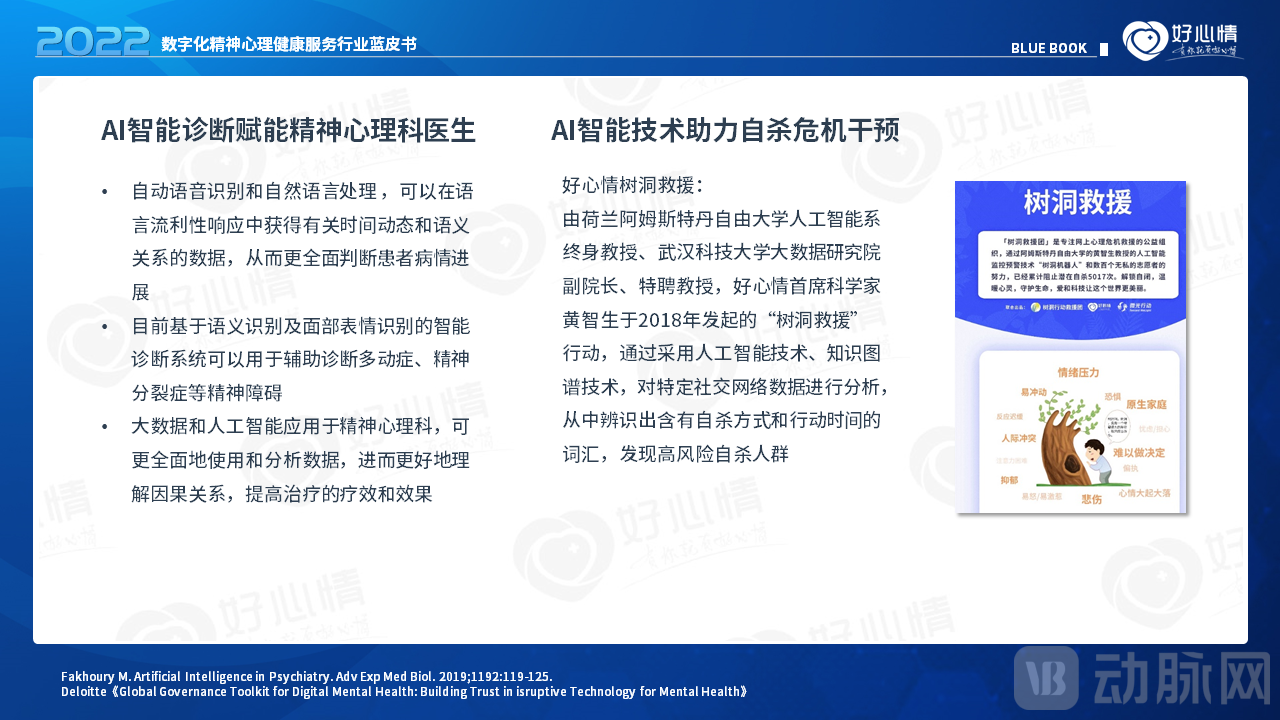
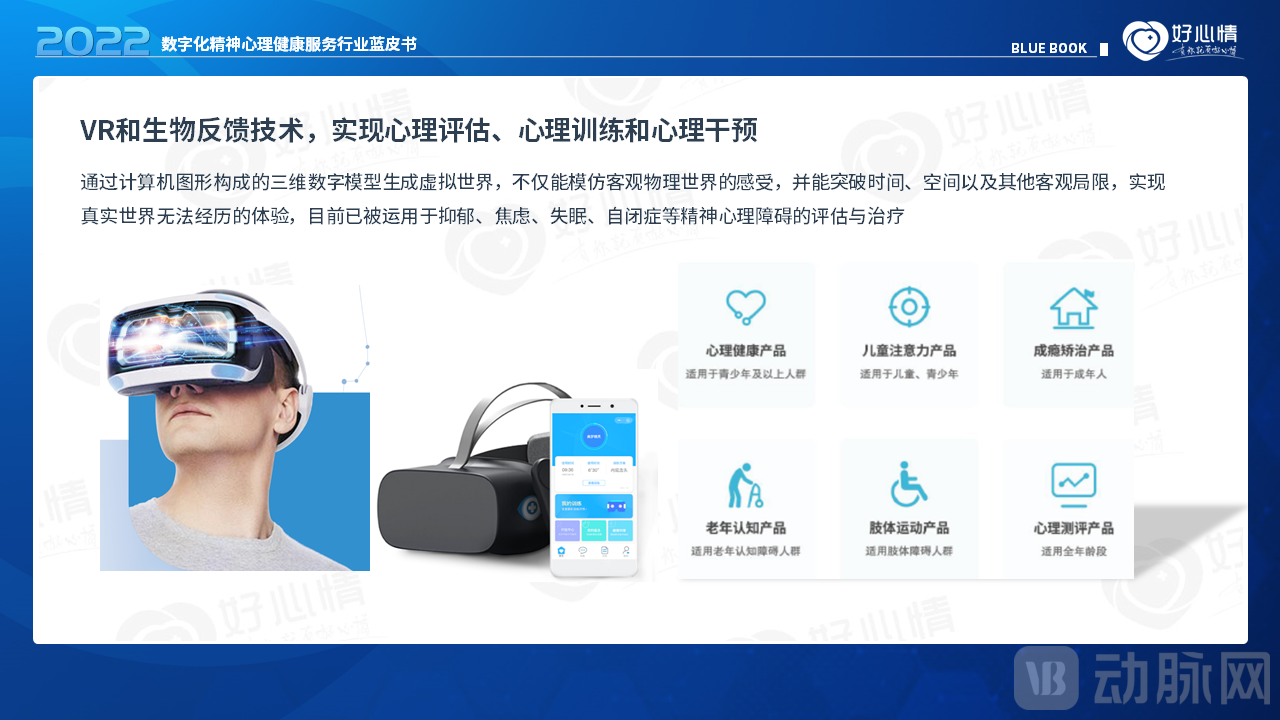
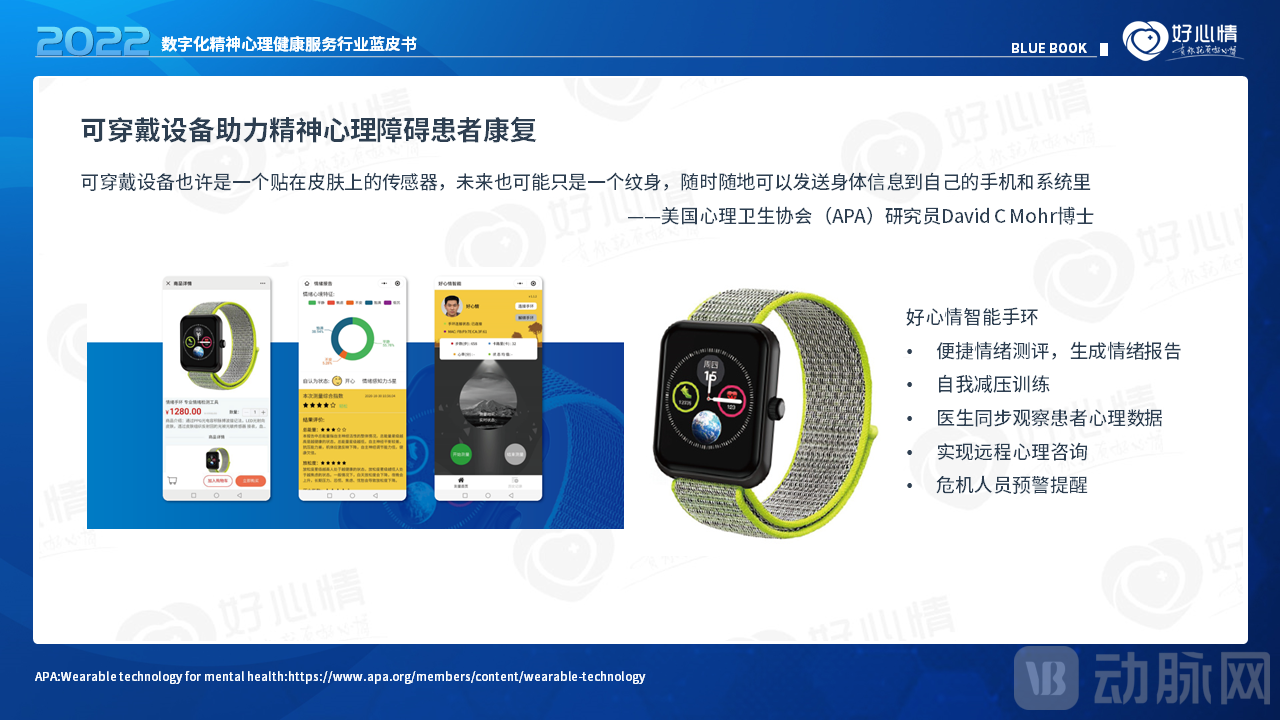
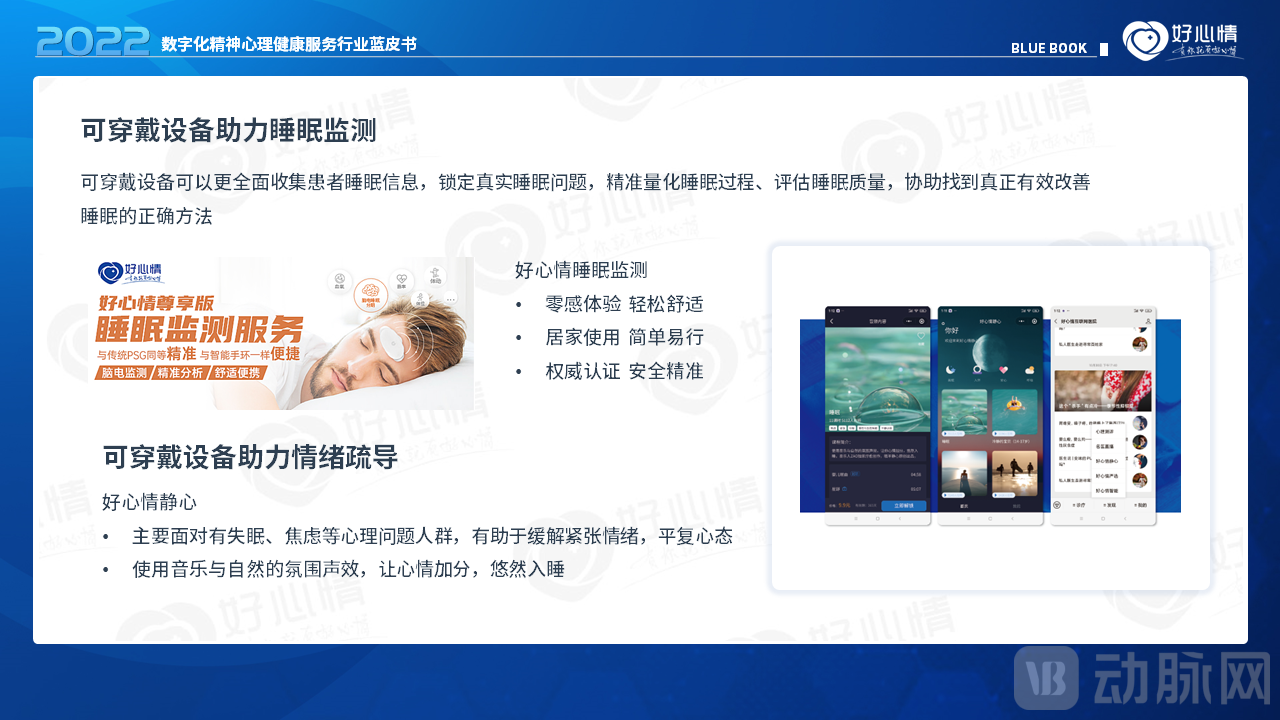
The development of emerging technologies and technological products, such as AI intelligence, VR and biofeedback technologies, and wearable devices, is dedicated to the rehabilitation of patients with mental disorders, thereby promoting the advancement of mental health services.
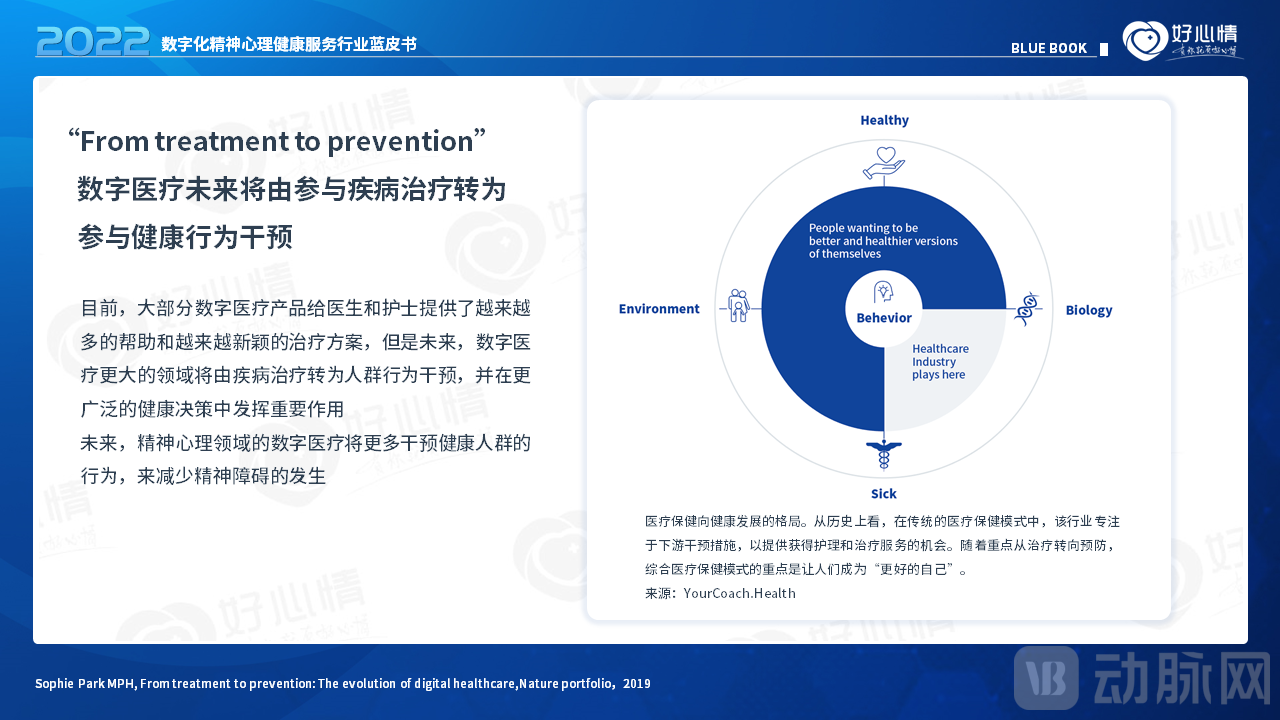
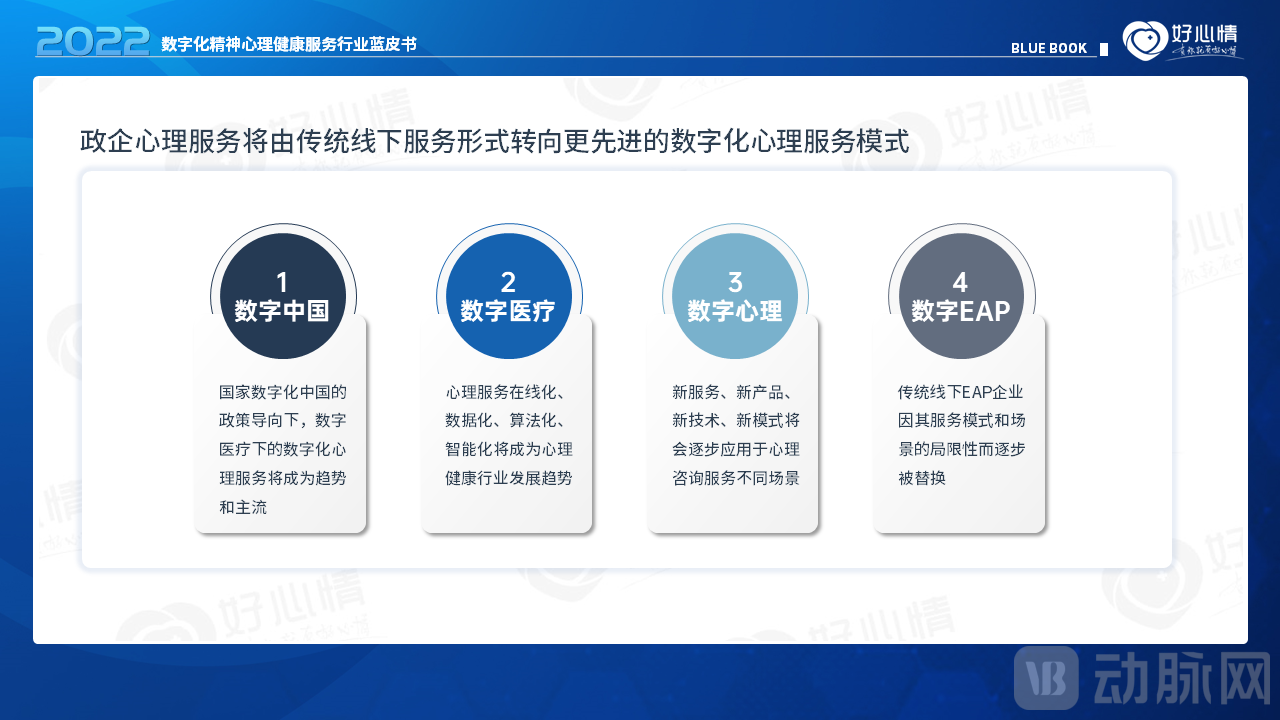
Currently, digital health products are providing healthcare professionals with increasing support and increasingly novel therapeutic approaches. In the future, the application of digital health will shift from disease treatment to population-level behavioral interventions, playing a significant role in broader health decision-making. Psychological services provided by government and enterprises will transition from traditional offline models to more advanced digital psychological service models.
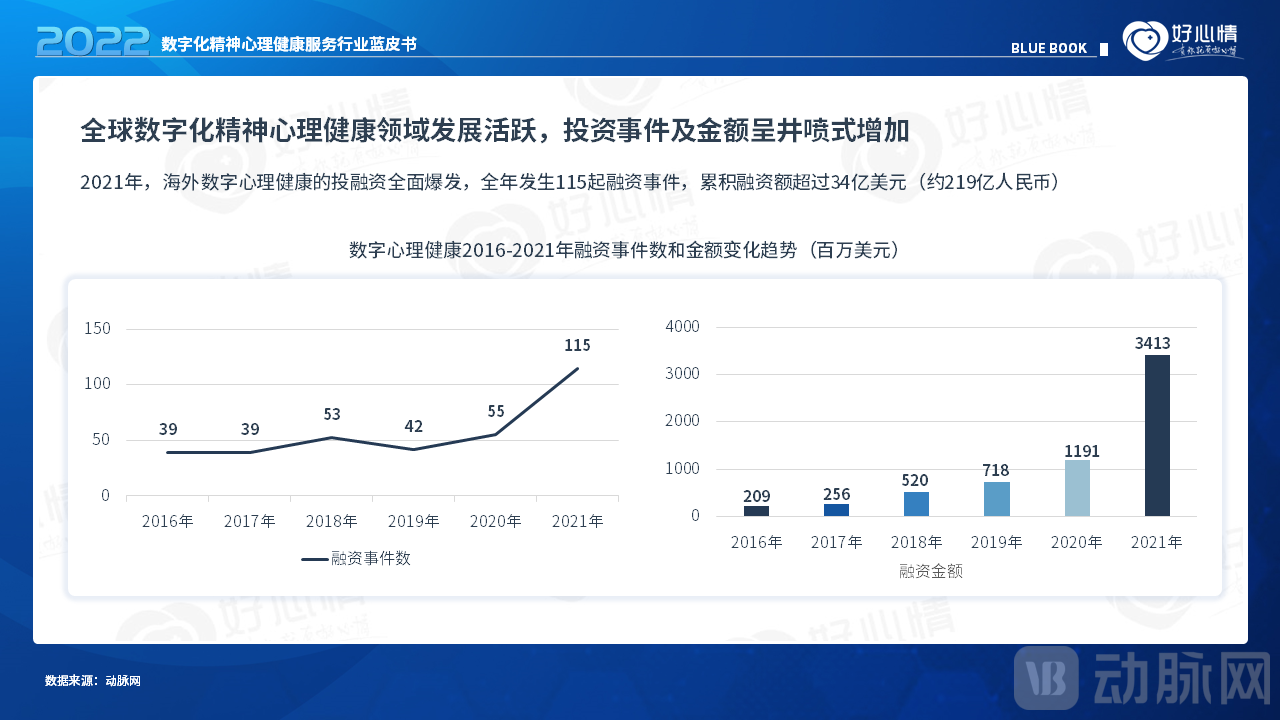
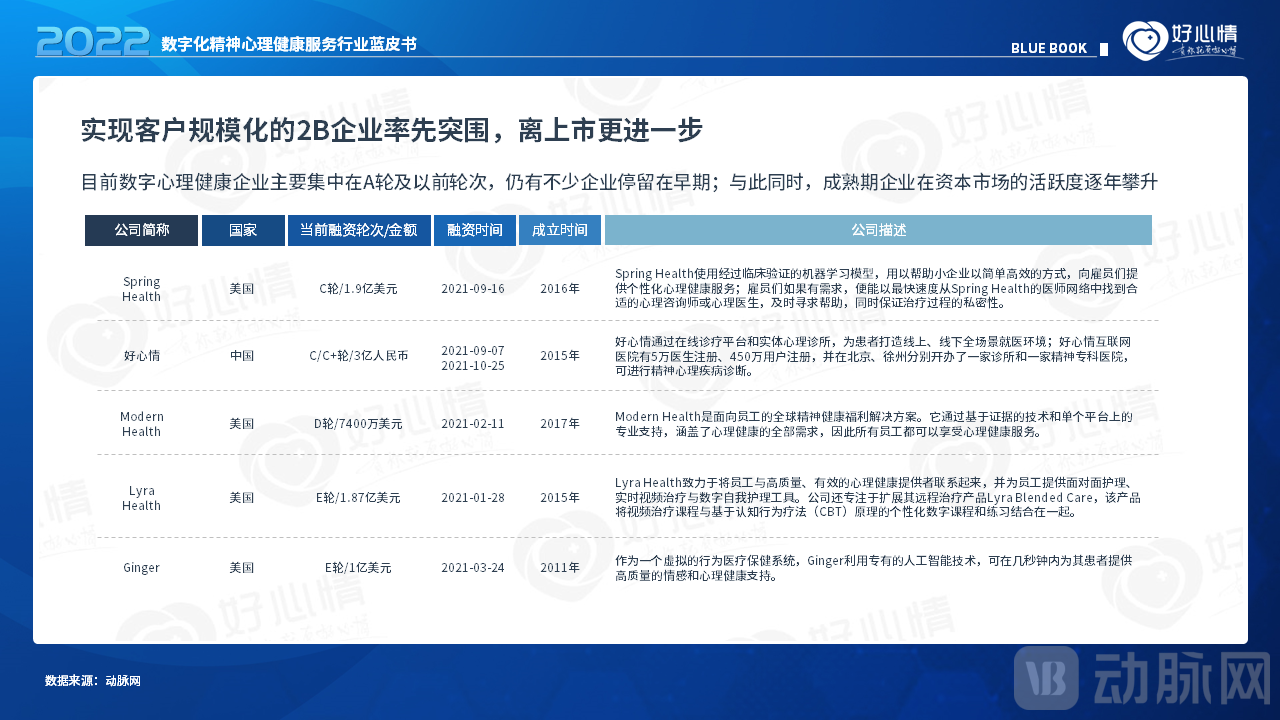
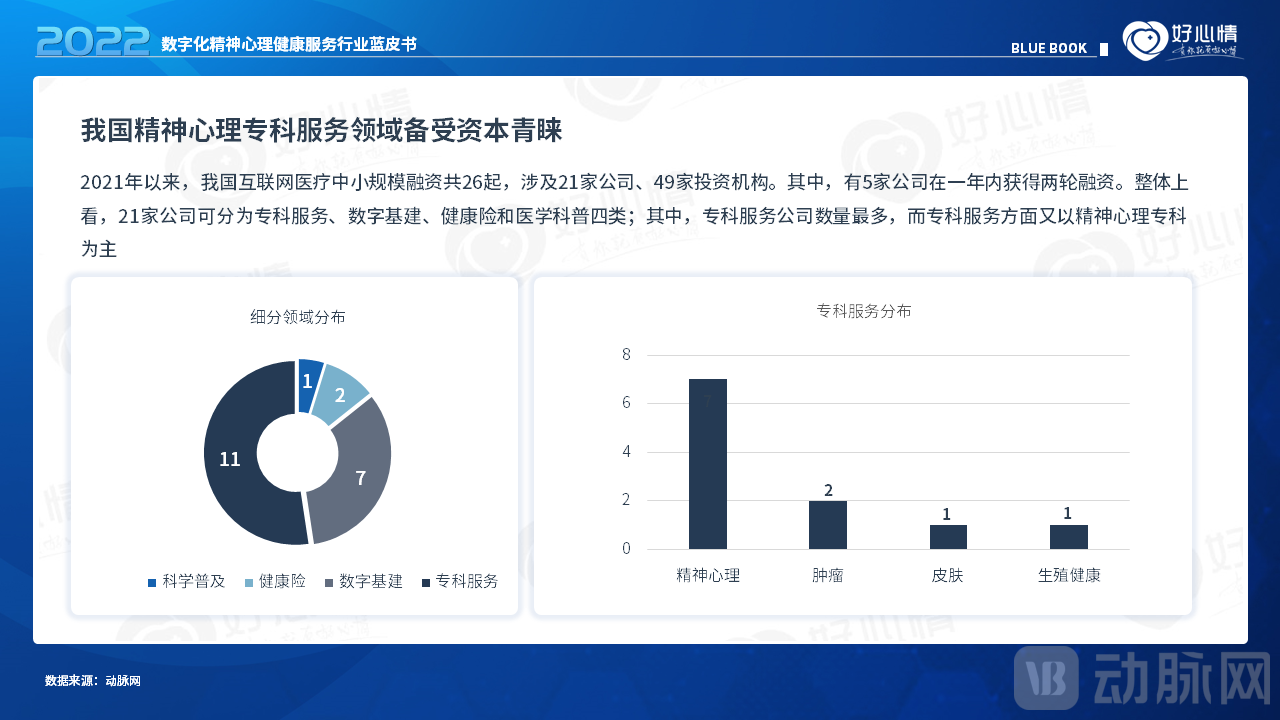
Over the past five years, the global digital mental health sector has seen vigorous development, with a surge in both the number and volume of investment deals. B2B enterprises in digital mental healthcare that have achieved scalable customer bases have taken the lead in breaking through competitive barriers, moving closer to initial public offerings (IPOs). Meanwhile, China’s specialized mental health services sector has attracted significant capital interest, maintaining high market enthusiasm. Among these, Haixinqing stands out as the most prominent player, completing RMB 300 million in Series C and C+ financing rounds in 2021.
HaoXinqing, founded in 2015, is China’s leading digital solutions platform for psychiatric and mental healthcare. HaoXinqing provides one-stop psychiatric and mental health services to users, including online internet hospital consultations and prescriptions, offline chain psychological clinics, and digital psychological interventions.
Currently, the Haixinqing platform has registered over 40,000 clinical psychiatrists and psychologists, accounting for 90% of experts in this field, and serves more than one million users annually. Its subsidiary, “Haixinqing Academy,” brings together authoritative experts and scholars from the psychiatric healthcare sector and academic institutions. It provides professional development services, including skills enhancement, academic exchange, and specialized training, establishing itself as a leading domestic academic platform for clinical psychiatry and psychology.