

PhableCare Raises $25 Million in Series B Funding to Revolutionize Chronic Care with Integrated Digital Health Platform

Kalaari Capital
Kalaari Capital, established in 2011, is an Indian venture capital firm primarily investing in early-stage technology-related companies.

PhableCare
Medical Service Platform

SOS Ventures
Venture Capital Firm

PhableCare, a star project accelerated and supported by SOSV China and MOX, recently completed its Series B financing round, raising up to 1.87 billion rupees (approximately $25 million). In just one year, its valuation has surged sixfold.
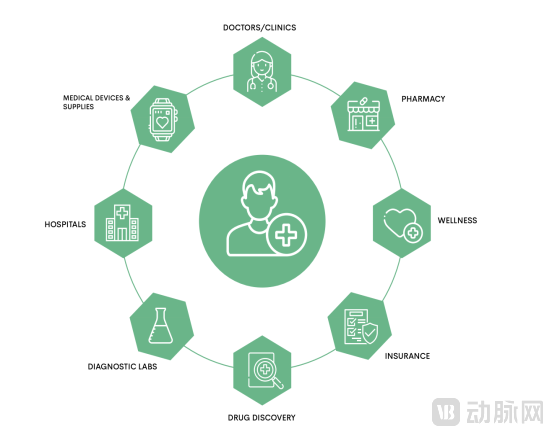
This funding round was led by Kalaari Capital, with participation from Aflac, Digital Horizon VC, and existing investors Omron Ventures Co., Ltd., SOSV, Social Starts, and Fresco Capital. The proceeds will be used to conduct in-depth research and unlock the value of its full-stack chronic disease care platform, accelerate market expansion, drive customer growth, and develop innovative revenue streams. The company is committed to building an integrated ecosystem that combines healthcare providers, medical devices, health product manufacturing, pharmaceutical retail, and health insurance, providing a one-stop solution for chronic disease care.
PhableCare, a health-tech startup headquartered in Bangalore, India, was founded in 2017 by Sumit Sinha, Prashanth Reddy, and Mukesh Bansal, former executives at the market research firm Borderless Access. This innovative venture is an app-based professional chronic disease care platform. Currently, as India’s largest chronic disease care platform, Phable facilitates professional medical diagnoses for over 3 million patients, involving more than 10,000 specialized physicians and 1,000 pharmacists.
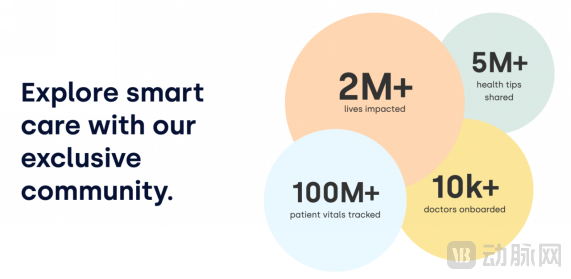
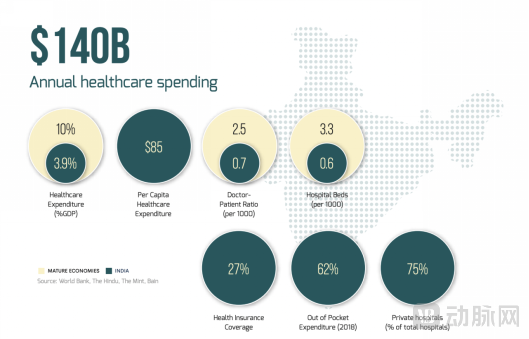
The Indian healthcare market is characterized by the following features:
1) The prevalence of chronic diseases is rising rapidly
As work-related stress among the Indian population continues to rise, compounded by unhealthy dietary and lifestyle habits, the number of patients with chronic diseases in India has increased significantly, leading to an increasingly severe situation. Currently, approximately 80% of e-pharmacy sales are related to the treatment and management of chronic diseases. According to World Health Organization (WHO) projections, chronic diseases are expected to account for approximately 70% of all deaths in India by 2030.
2) Low level of digitalization in the health sector
Digital penetration in India’s healthcare sector remains low, with digital health accounting for less than 4% of the overall market. India’s healthcare investment and medical resources lag far behind global standards. Technology-enabled digital health presents a significant opportunity to effectively bridge this gap and address the challenges of chronic care management.
(Source: Kalaari Capital)
3) Low patient willingness to pay
In India, the high proportion of out-of-pocket healthcare expenditures makes patients highly price-sensitive, with “high medical costs” becoming a barrier to treatment for patients with chronic diseases.
4) Low level of organization in medical resources
In India, competitors capable of organically integrating pharmaceutical retail, healthcare services, and clinical consultations account for less than 10% of the industry, significantly lower than in the United States or China (approximately 60%). The lack of highly organized and standardized healthcare platforms, such as those in the United States, results in “slow access to medical care,” often preventing patients from receiving timely treatment.
Phable is actively addressing these issues and challenges, seizing the vast potential of digital health by integrating upstream and downstream healthcare sectors and partners at scale. By empowering smart devices and streamlining patient engagement and clinic management processes, Phable resolves pain points inherent in traditional models, such as “high medical costs” and “slow access to care.” This approach extends the reach of medical resources from specialized institutions directly to every patient in need, fostering more humane patient-provider relationships.
“We believe that India needs an ecosystem focused on chronic care management, as chronic care has consistently accounted for the largest share of overall healthcare expenditure. This is where Phable delivers its primary value: continuously helping patients with chronic conditions manage and predict their health needs at a lower cost, while keeping them out of the hospital for as long as possible. Market validation has demonstrated that these challenges can be effectively addressed one by one through digitalization, interconnected care ecosystems, IoT devices, and big data,” shared Sumit Sinha, Co-founder of Phable.
(Source: Kalaari Capital)
Phable helps patients manage chronic diseases through compliance mechanisms, including medication reminders, laboratory tests, and guidance for appointment visits. By leveraging technologies such as artificial intelligence and disease-predictive machine learning, Phable can target and even predict patients’ conditions, providing maximum support for physicians’ diagnostic processes.
For instance, by leveraging personalized health reminders and vital sign metrics synchronized from devices—such as daily step counts and blood biomarkers—we can transcend traditional healthcare models, shifting from passive “disease treatment” to proactive “health awareness.”

(Image source: Phable)
“The PhableCare team brings extensive R&D and entrepreneurial experience, along with deep market insights, which strengthens our confidence in their ability to disrupt India’s digital health landscape,” shared Vani Kola, Managing Director of Kalaari.
William Bao Bean, Managing Partner of SOSV and Managing Director of China Accelerator and MOX, Shares Insights on the PhableCare Project
“Phable has been making relentless efforts from its inception to the present, realizing its vision for internet healthcare through leading-edge technology. We are honored to partner with this team through the SOSV accelerator program MOX and to further support Phable’s long-standing mission to improve the lives of millions of people in India.”
Over the next two years, Phable will focus on expanding its platform scale and market share. According to co-founder Mukesh Bansal, the company aims to capture 25% of the market, bringing its technology to over 30 million Indian households and more than 100,000 specialists. Recently, Phable acquired Fused Training, a startup specializing in type 1 diabetes health management. Phable is considering further acquisitions of competing platforms to solidify its industry-leading position.