

WeMai Strengthens Case Management During Pandemic to Safeguard Patient Health
As the pandemic situation continues to evolve, ensuring patient health during this exceptional period has become a focal point of public concern.
There is a group of people who, serving as a vital link between doctors and patients, weave a comprehensive health safety net for patients in emergency situations.
Not long ago, Wu Yan, a case manager at Weimai, discovered during a follow-up that Grandpa Lin, who had been discharged from the hospital one month earlier, had failed to attend his scheduled follow-up appointment. Upon contacting the family members, she learned that Grandpa Lin was currently living alone at home, as his relatives had remained in another province due to epidemic prevention and control requirements.
Wu Yan promptly informed Grandpa Lin’s attending physician of the situation and guided the family to use Weimai’s “Home Healthcare” service, enabling a joint home visit by the hospital nursing team. Following assessment and blood tests, it was found that Grandpa Lin’s potassium and hemoglobin levels were both at dangerous levels. With the family’s consent, he was swiftly admitted to the hospital for treatment, and his condition improved significantly within a few days.
Grandpa Lin’s experience underscores the importance of extending medical services to patients outside hospital settings in the era of normalized pandemic control. In the face of emergencies, the whole-course disease management model, coordinated by case managers, undoubtedly offers a more flexible solution.
Leveraging the platform support provided by Weimai, case managers and medical staff jointly deliver full-cycle care for patients across all stages: pre-hospital, in-hospital, and post-hospital. As case managers assume a series of responsibilities—including post-discharge follow-up, supervision of follow-up visits, and health guidance and education—they naturally serve as a vital “link” between doctors and patients, ensuring that patients like Grandpa Lin can maintain continuous and timely communication with their physicians even under special circumstances.
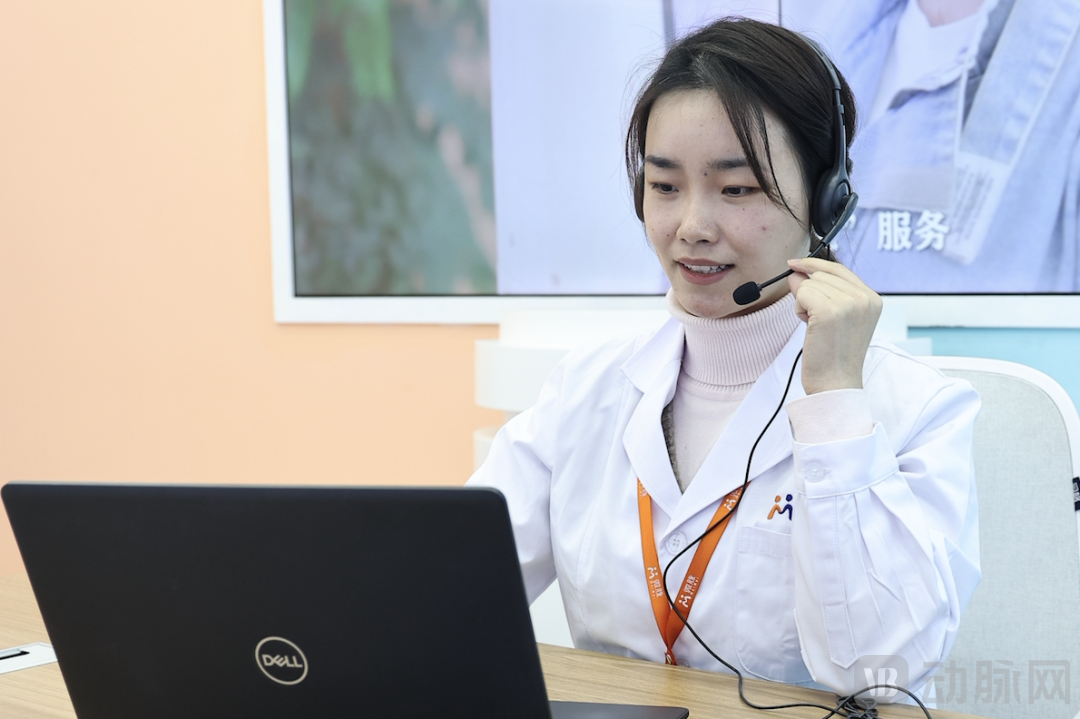
Weimai Case Managers are conducting online patient follow-ups.
Folding beds, toothpaste, and toothbrushes... Concerned that local community lockdown measures might disrupt patient services, Zhang Jing from Tongling, Anhui Province, moved into the local Maternal and Child Health Hospital after obtaining confirmation from both her community and the hospital, bringing along luggage she had packed overnight. In this way, as a case manager, she could continue to serve outpatients online while also attending to pregnant women already hospitalized.
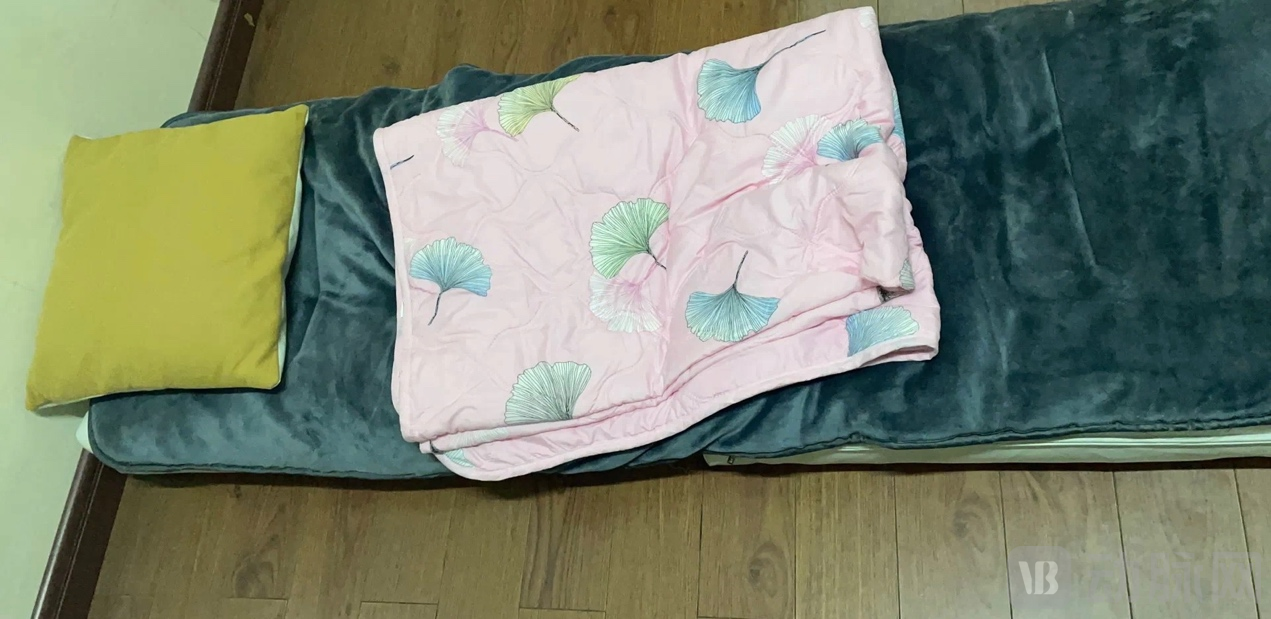 The Folding Bed Zhang Jing Took to the Hospital
In Zhang Jing’s view, merely ensuring uninterrupted doctor-patient connectivity during the pandemic was insufficient to address patients’ complex and diverse needs. Equally important was the ability to promptly assess patient conditions, coordinate resources, and respond rapidly on the basis of such connectivity.
In March this year, Ms. Wen, a pregnant woman residing in a lockdown area, experienced sudden bleeding at home. Upon learning of the situation, Zhang Jing immediately coordinated with the hospital’s director of obstetrics and the attending physician. The hospital activated an emergency channel, and Ms. Wen was ultimately stabilized and out of danger.
Thanks to Zhang Jing and the attending physician’s thorough understanding of Ms. Wen’s prenatal condition through routine follow-ups and consultations, the hospital was able to proactively initiate preparatory measures immediately after the unexpected incident occurred. On one hand, it promptly assessed admission criteria and expedited the admission process; on the other, it completed all preoperative preparations before the patient’s arrival. By maintaining seamless communication between the medical team and the patient, collaboration among the patient, healthcare providers, the hospital, and even the community became significantly more efficient.
“With the involvement of case managers, physicians have gained more accurate control over the health information of postpartum women outside the hospital. In the event of an emergency, we can promptly coordinate with patients, making the treatment process more efficient and simultaneously enhancing the quality of medical services,” said Wei Wei, Deputy Director of the Obstetrics Department at Tongling Maternal and Child Health Care Hospital.
Can a team of case managers be established by relying solely on hospital resources? Many hospitals are currently attempting and exploring this approach.
Industry insiders have stated that the current pressure of epidemic prevention and control has further strained medical resources, which were already operating beyond capacity. “In the face of the pandemic, case managers, as part of the hospital’s human resources and under hospital administration, often have to shoulder a heavy workload in epidemic prevention and control during special periods, leaving them with little additional time or energy to address patient needs.”
Third-party case management teams organized by market forces have demonstrated greater resilience and adaptability during the pandemic. In addition to collaborating with hospitals to ensure that health management services for existing patients remain as unaffected as possible, Weimai’s case management teams across cities in China can leverage the operational and managerial advantages of its internet healthcare platform to flexibly mobilize medical, technical, and human resources, thereby meeting patients’ healthcare needs during this special period:
For patients with urgent medication needs, Weimai has launched an emergency home delivery service; in response to emergencies, it assists hospitals in streamlining in-hospital medical processes; and provides psychological support to patients through online channels. Meanwhile, Weimai’s case management team and frontline operations team have actively participated in frontline prevention and control efforts, providing support for the rapid implementation of local epidemic prevention work.
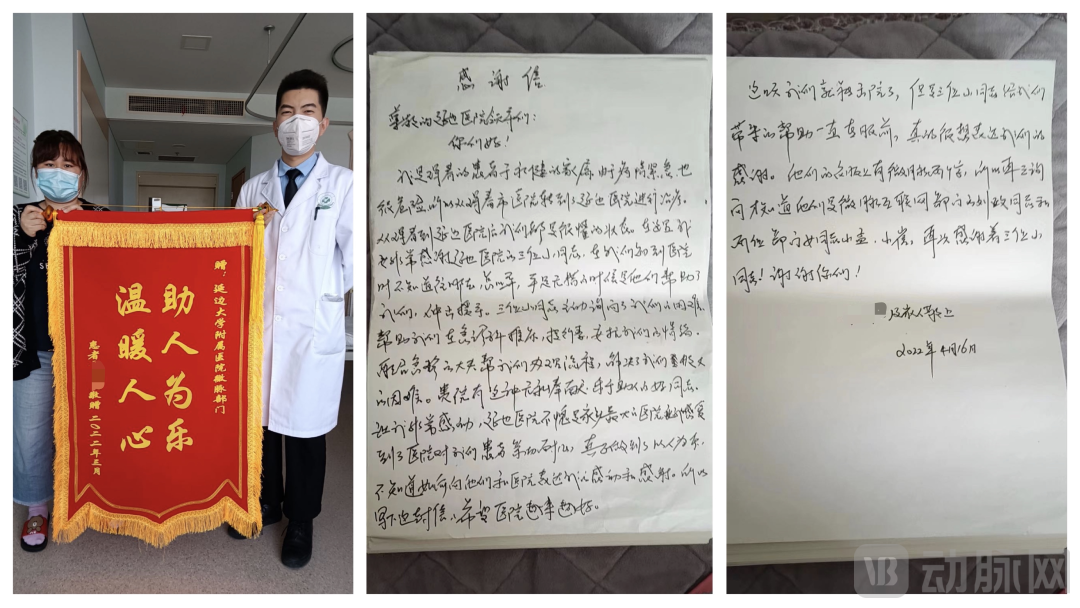 Letter of Thanks from a Patient at the Affiliated Hospital of Yanbian University
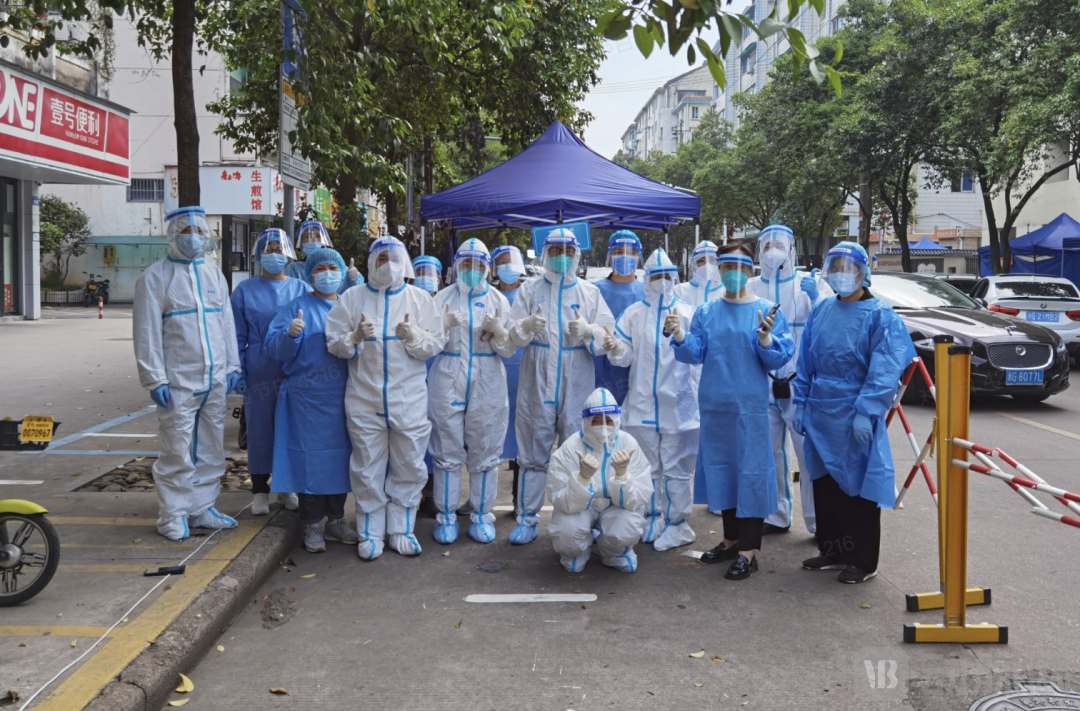
Weimai Frontline Staff Participate in Epidemic Prevention and Control Work in Jinhua Communities
“Case managers do more than just assist physicians in patient management; during the pandemic, we also helped optimize the use of limited local medical resources, working alongside hospitals to safeguard public health,” said a Weimai case manager who had just completed community epidemic prevention support for a hospital.