

Omega Therapeutics Files IPO Prospectus: Pioneering a New Class of Epigenomic Medicines with Over $200M Raised

Omega Therapeutics
Genomic Drug Developer
Posing questions is often more difficult than solving them; the resolution of a question often signifies the opening of an entirely new field.
Flagship Pioneering, a prominent venture capital firm, once posed a question:If epigenetics operates through a universal system, can we leverage this system to control gene expression?
To validate this hypothesis, Flagship Pioneering embarked on an exploration of genomic control, even launching a new company, Omega Therapeutics, in 2017, dedicated to exploring epigenetics and genomic control, with the aim of"Elevating genomic medicine to a new level."
Since its inception, Flagship Pioneering has treated Omega as a “flagship venture,” placing high expectations on it and investing generously. Following Omega’s launch of its epigenomic coding platform, Flagship Pioneering led an $85 million Series B financing round and, within less than a year, helped secure a $126 million Series C round for the company.
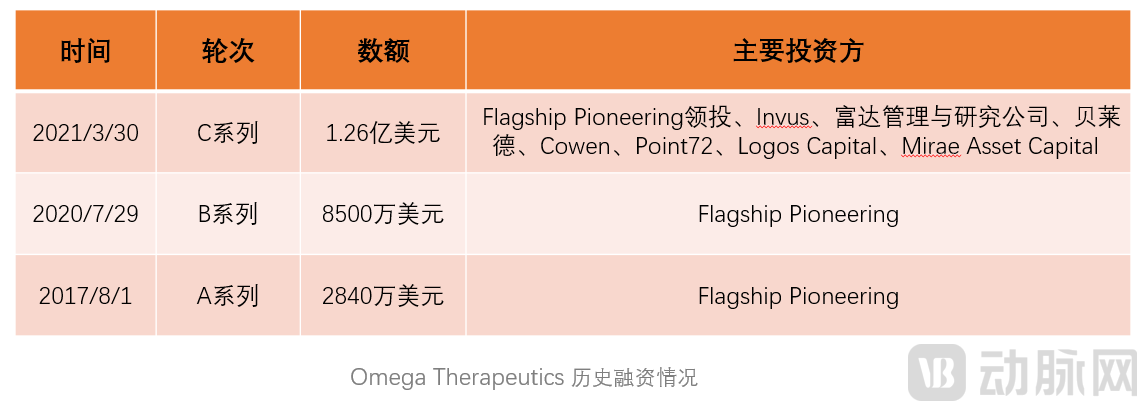
Flagship Pioneering’s strong emphasis on Omega is driven not only by the fact that it founded the company, but also by its recognition of Omega’s existing achievements and future potential in the field of gene editing.
Nouber Afeyan, CEO of Flagship Pioneering and Chairman of Omega Therapeutics, stated that when the decision was made to establish Omega, the team had a long-term vision to create a controllable drug development platform that would identify new epigenetic targets and address diseases through a novel therapeutic approach.
It is gratifying to note that, with in-depth and sustained research efforts, Omega has successfully established its epigenetic drug development platform—a journey marked by both challenges and steady progress.
Starting from IGD as a drug target
Although all human cells share the same genetic code, the distinct identities and functions of tissues and cells are determined by epigenetic regulation; therefore, genes and their regulatory elements are crucial for the proper functioning of cells.
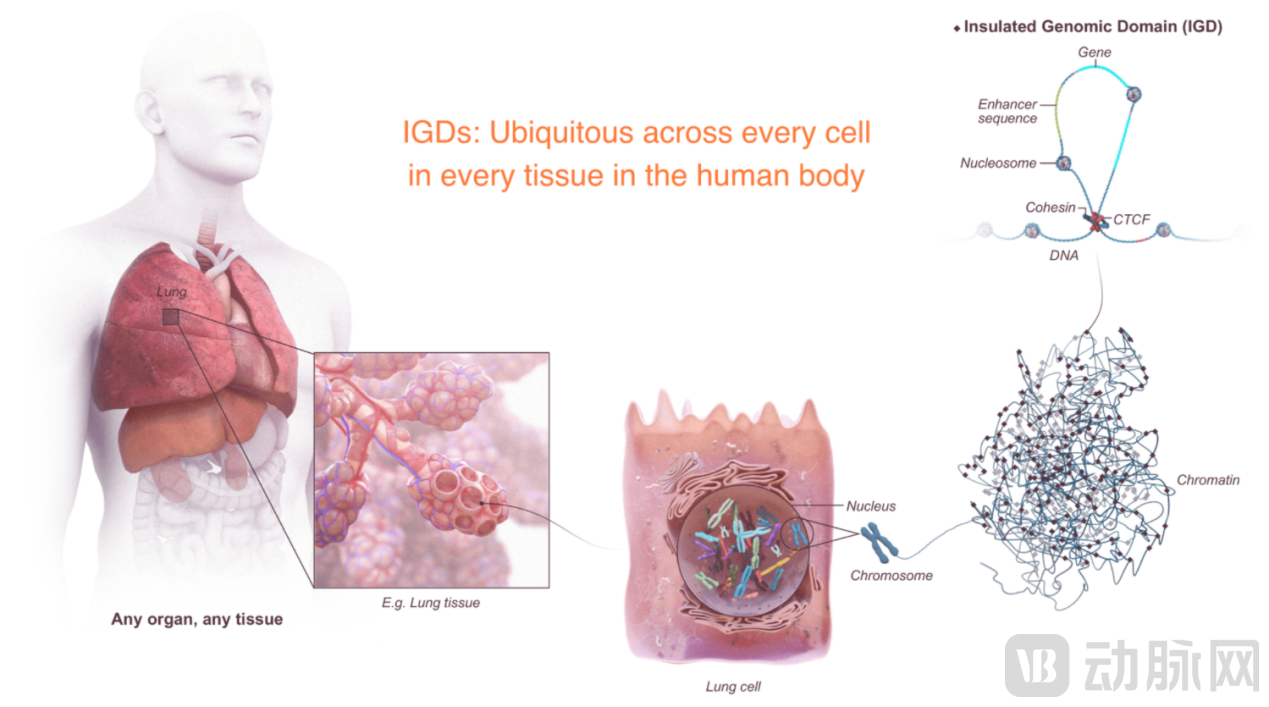
Nature assembles genes and their regulatory elements into a structure called"Insulated Genomic Domains (IGD)"in the conserved 3D structure to regulate gene expression. IGDs, comprising single or multiple genes and their regulatory elements, are the fundamental structural and functional units of gene control and cell differentiation, serving asThe "Control Room" of Human Biology.
Diseases arise when the shape of insulated genomic domains (IGDs) changes or when genes within these IGDs malfunction. To reverse diseases caused by genes and their regulatory elements and achieve precise genome regulation, Omega Therapeutics has chosen to focus its research and analysis on IGDs.
Omega first integrates biological knowledge to statistically analyze the topological structure and function of IGDs, leveraging proprietary algorithms and machine learning tools to mine its own database as well as public databases, thereby classifying approximately 15,000 human IGDs and their elements into genomic "zip codes," termed EpiZips.
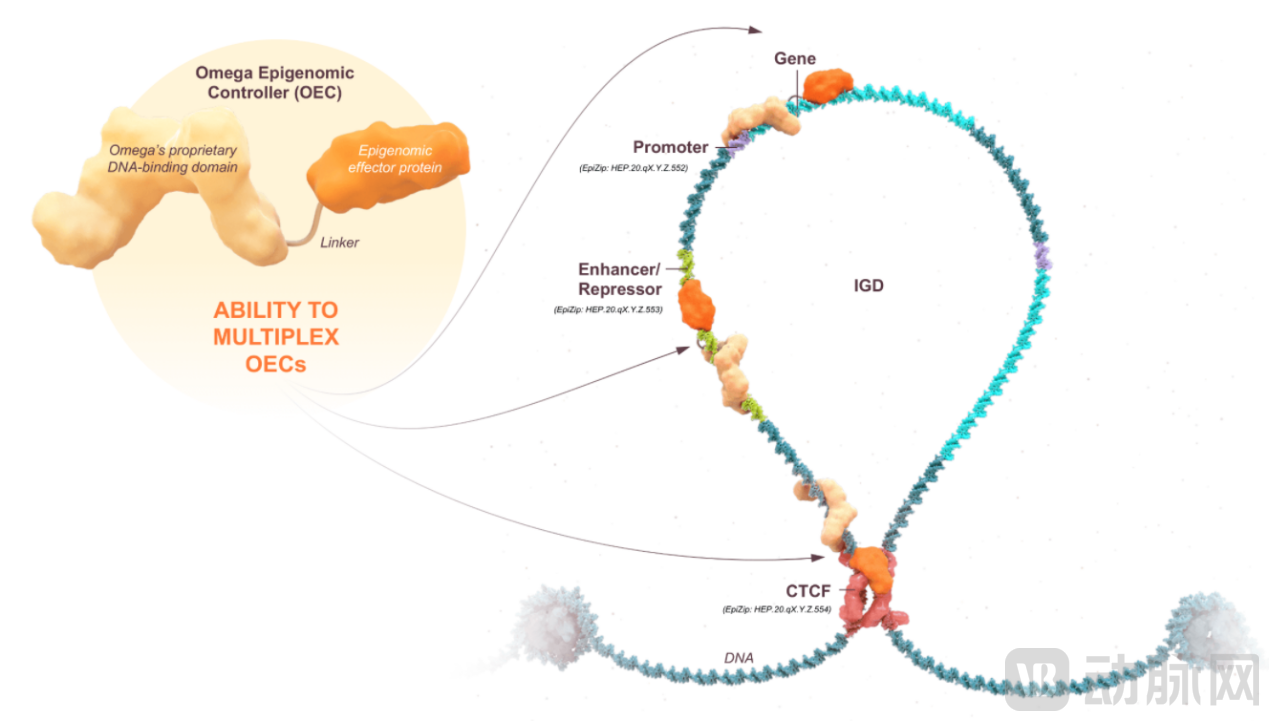
Subsequently, Omega analyzed the differences in EpiZips between the baseline and disease states, providing insights to support the company’s strategy of targeting IGD for therapeutic intervention and potential curative treatments.
A Major Breakthrough on the Horizon: Programmable Epigenetic Drugs
By leveraging discovered epigenomic targets, Omega rationally designs and manufactures mRNA-encoded epigenetic medicines, termed “OMEGA Epigenomic Controllers” (OEC). This novel class of therapeutics has the potential to fundamentally transform human medicine and benefit patients.
Omega targets specific epigenomic loci within IGDs from thousands of validated whole-genome DNA sequences, precisely modulating IGDs via OEC to specifically upregulate or downregulate genomic activity. This restores the gene expression levels required for IGDs to regain their normal structure and proper function, thereby enabling durable regulation of single or multiple genes to treat and cure diseases.
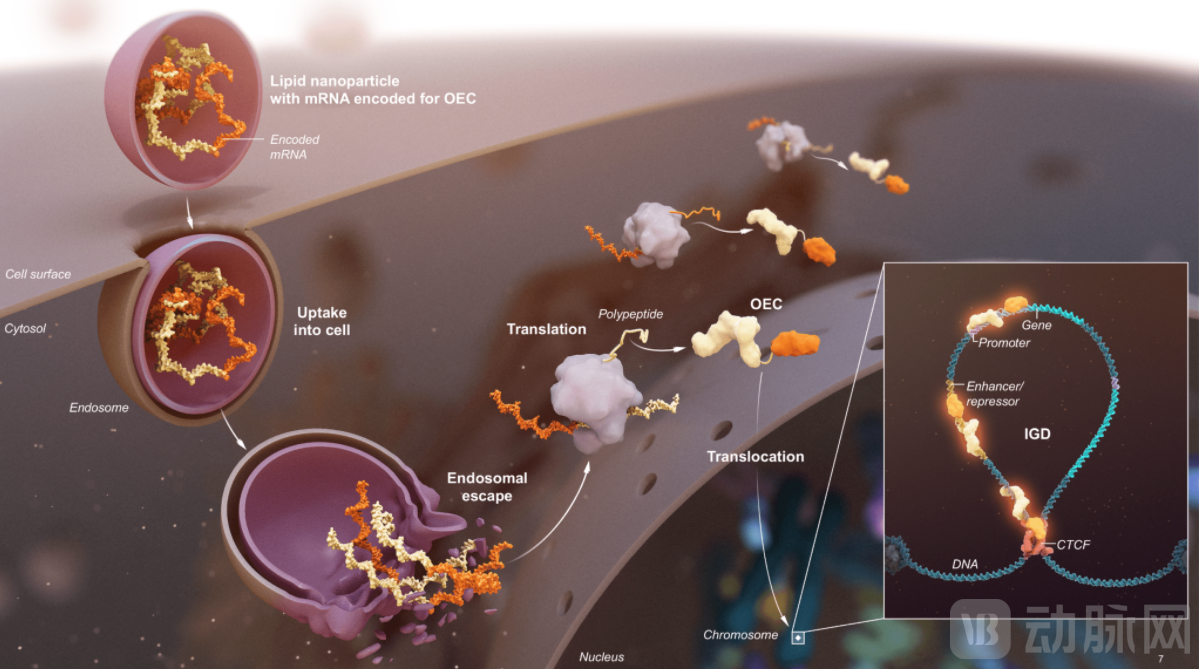
Compared with gene therapy and gene editing methods that simply turn genes on or off, excise disease-causing genes, or replace defective genes with healthy ones,Omega Therapeutics’ OEC features high specificity, tunability, and durability for the treatment or cure of serious diseases.
1. Specificity:Through computational technologies, including Omega’s diverse proprietary algorithm library and deep learning techniques, the company has identified thousands of potential intervention points to target specific DNA-binding domains, IGDs, and their regulatory elements.
2. Adjustability:Gene editing or gene therapy has binary and often permanent effects, resulting in genes remaining permanently "on" or "off," whereas Omega Therapeutics’ OEC platform enables the simultaneous upregulation or downregulation of single or multiple gene expressions.
3. Durability:By leveraging natural epigenetic mechanisms, Omega achieves controllable and durable effects. Omega can tailor the therapeutic response of OECs to last for days, weeks, or even months as needed.
What makes OEC particularly valuable is that it offers tunability and durability without affecting the original genes, while the drug provides long-lasting therapeutic effects without causing permanent changes to DNA.
Successfully Established an Epigenetic Drug Development Platform
Leveraging OEC and supported by robust data, Omega Therapeutics has established an epigenetic drug development platform that specifically targets IGD. This platform is built upon the tertiary structure of the human genome and its associated regulatory elements, utilizing the topological structure and function of IGD as drug targets.
Omega Therapeutics’ epigenetic drug development platform is based on the differential expression of IGD in healthy and diseased states,Characterize IGD using its genomic "zip code," disease associations, and mechanisms of action.Precisely modulate IGD using OEC to restore the expression of single or multiple genes to desired levels.
In the regulation of IGD, epigenetic regulators targeting IGD sequences can precisely modulate the expression levels of one or more genes, thereby enabling the targeting of sites that are difficult to address with conventional therapies, treating complex diseases by regulating the expression of multiple genes, and driving cellular reprogramming and tissue regeneration by recapitulating gene expression patterns from developmental stages.
Moreover, the uniqueness of the epigenetic drug development platform lies in its ability to precisely control genomic expression without altering the nucleic acid sequence, thereby selectively guiding human genome-based therapies and disease cures.
The established epigenetic drug development platform also enables Omega to address and overcome challenges in the following areas:
1、Regenerative Medicine: Summarizing gene expression in developmental and mature states to drive cellular regeneration and restore normal function.
2、Polygenic Diseases, Including Immunology: Regulating Multiple Genes Within or in the IGD.
3. Oncology: Targeting oncogenes, including targets that have historically been challenging or undruggable across various cancers.
4. Monogenic Diseases: Correcting dysregulation in both rare and non-rare monogenic diseases.
Through its epigenetic drug development platform, Omega has achieved in vivo proof-of-concept for OEC in multiple disease models.
Afeyan stated, “Omega’s platform enables controlled and tunable epigenomic encoding. It will provide patients and physicians with therapeutic alternatives to gene editing and gene therapy.”
Omega’s future goal is to become an industry-leading epigenetics therapeutics company by leveraging the Omega Epigenetic Medicines Discovery Platform to discover and develop more OECs.
On February 30, 2020, Omega announced the completion of its $126 million (approximately RMB 803 million) Series C financing. The proceeds will be used to advance its drug candidate OTX-2002 into clinical trials and to propel a series of other preclinical programs, including the continued development of Omega’s drug development platform and the construction of manufacturing facilities.
In January 2021, Omega Therapeutics announced its first drug candidate, OTX-2002, the industry’s first programmable epigenetic medicine.
OTX-2002 is an epigenetic controller that specifically regulates the expression of the c-myc gene (MYC, a nuclear oncoprotein oncogene), which is an elusive cancer driver gene. In preclinical models of hepatocellular carcinoma (HCC), OTX-2002 significantly downregulates MYC expression.
Omega has already initiated IND-enabling studies for its lead drug candidate, OTX-2002. In addition, Omega has eight other projects at various stages of preclinical development.The company is attempting to apply its drug to specific diseases that have not been successfully addressed by conventional therapies, including certain oncology indications, liver diseases, severe inflammation, and acute respiratory distress syndrome (ARDS).
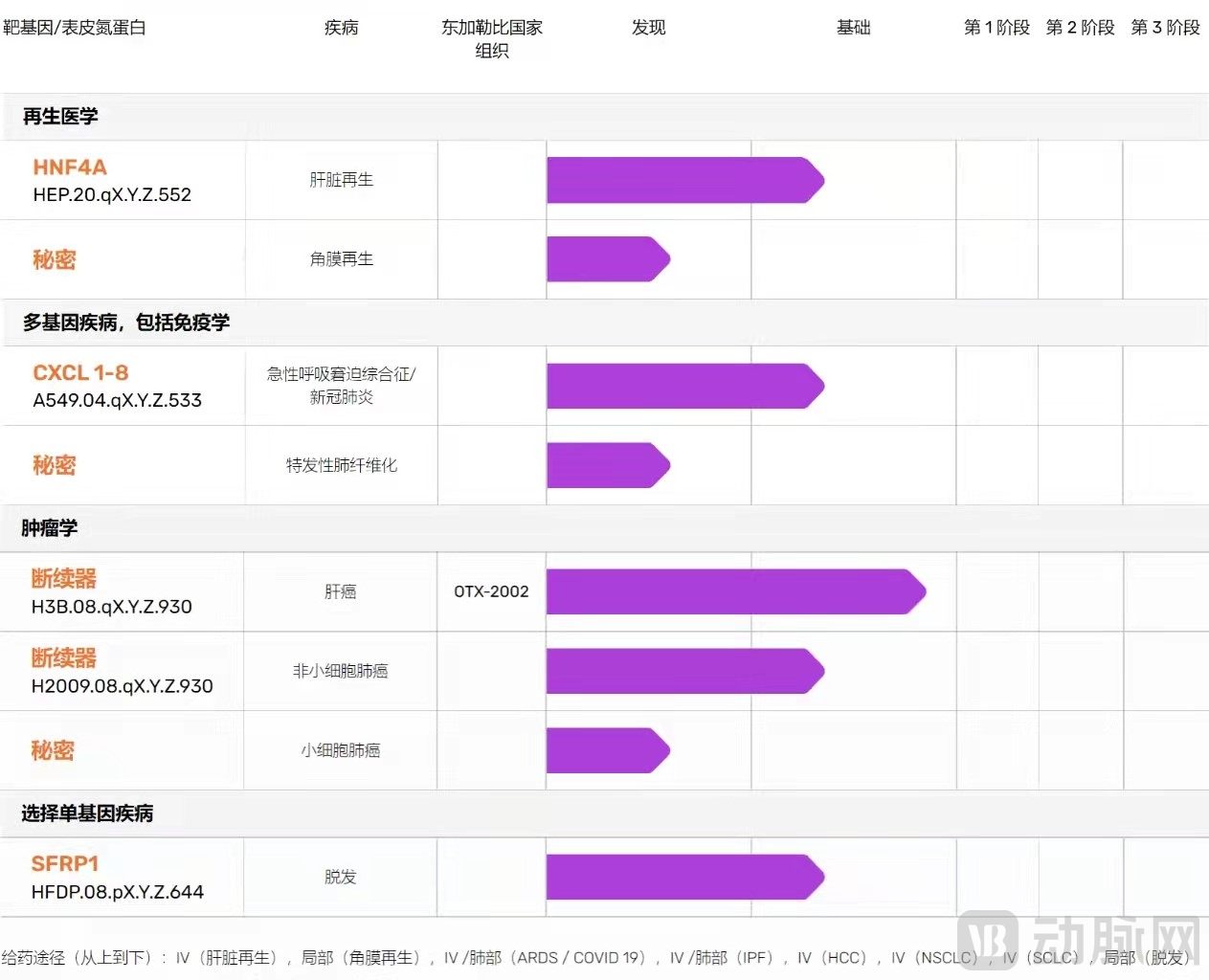
As most of its projects remain in the preclinical stage, Omega has disclosed limited information to the public. However, with its first drug candidate, OTX-2002, paving the way, more mature drug candidates are expected to enter clinical trials in the future.
In addition to its existing robust pipeline, Omega Therapeutics is closely monitoring the latest developments in COVID-19, aiming to leverage its proprietary platform and efforts to address unmet needs in COVID-19 treatment.
Most previous approaches to the treatment of COVID-19 have been based on chemical drugs,In contrast, Omega seeks to go further.
Because Omega focuses on treating diseases caused by functional or structural changes in IGD, and COVID-19 induces cellular functional changes within polygenic IGDs, leading to cytokine overexpression, Omega aims to leverage its epigenomic controllers to reduce the expression of these cytokines, thereby achieving therapeutic efficacy.
Both Omega’s product pipeline and its efforts related to COVID-19 are still in the process of advancing toward clinical development. We believe in and look forward to Omega making new progress in coded drugs in the future.