

Sana Biotechnology Files IPO Prospectus Highlighting Fusogen-Based Intracellular Delivery Platform for Cell and Gene Therapy

Sana Biotechnology
Gene and Cell Therapy Drug Developer
Virtually every human disease originates within cells, and small-molecule therapeutics represent the simplest and most feasible approach to intracellular delivery.
It can be said that small molecules are the foundation of the modern pharmaceutical industry, but their relative simplicity also means that they are difficult to permanently cure or reverse most diseases.
In contrast, proteins and nucleic acids are complex molecules that have achieved significant therapeutic efficacy due to breakthrough advances in fields such as gene editing, gene therapy, RNA interference, and mRNA therapeutics. However, ensuring the safe delivery of protein- and nucleic acid-based drugs to precise intracellular targets remains a major challenge.
Therefore,Precise delivery of biological therapeutic payloads to specific cells within the body has become the key to overcoming challenges in biotherapy.
Fortunately, the biotechnology company Sana Biotechnology has overcome the challenge of intracellular delivery by leveraging proteins known as fusogens.

Ideally, the therapeutic potential of protein and nucleic acid drugs can be combined with the broad delivery capabilities of small-molecule drugs, thereby delivering protein and nucleic acid therapeutics into specific cells to achieve therapeutic effects. To realize this ideal goal, breakthroughs in intracellular delivery are required.
Intracellular delivery faces two fundamental challenges:First, it is necessary to identify the specific target cell type among all cell types in the body; second, it is essential to overcome the thermodynamic barriers associated with depositing hydrophilic payload molecules onto the hydrophobic cell membrane.
Intracellular delivery technologies have made no substantial progress compared to those available in 2010. Most approaches rely on cationic and ionizable lipid nanoparticles derived from synthetic chemistry. These nanoparticles transiently penetrate cells to release their cargo into the cytoplasm; however, they are indiscriminately engulfed by highly endocytic cells (such as macrophages), resulting in only a small fraction of the nucleic acid “cargo” ultimately achieving therapeutic efficacy.
Sana researchers were inspired by the phenomenon of intracellular material exchange, in which cells mutually exchange proteins, nucleic acids, and even entire organelles such as mitochondria.
In 2016,The founding team of Flagship Labs, led by Dr. Geoffrey von Maltzahn and Dr. Jacob Rubens, initiated a series of experiments under the project nameFL39 is designed to explore whether intracellular delivery biology can be applied to address the challenges of delivering protein and nucleic acid therapeutics.
Evidence has shown that intracellular delivery is mediated by a class of unique membrane proteins known as fusogens, which are present on the surfaces of membrane vesicles and enveloped viruses. Within cells, vesicles fuse with one another, enabling entire biomolecules to specifically and efficiently enter another membrane-enclosed compartment of the cell.
Attention has been drawn to fusogens due to their immense potential in addressing the challenges of intracellular delivery:First,Fusogens exhibit cell specificity,It can fuse only with cells displaying the target ligand (e.g., surface receptors, lipids, or glycans). Secondly,fFusogens can also overcome the repulsive forces that hold two lipid membranes together,achieving nearly 85% efficiency in membrane fusion, which is more than 100 times higher than that of cationic lipids.
Building on this foundation, the founding team established the first proprietary database by combining bioinformatics with primary research.It encompasses more than 20,000 fusogens spanning diverse functions and lineages across different species, leading to the realization that fusogens can be modularly reprogrammed to potentially target any cell type in the human body. This discoveryMaking it possible to address intracellular delivery challenges using fusogens.
In late 2016, FL39 was renamed Cobalt Biomedicine.The goal is to develop Fusosome Therapeutics: the first biologic drug to unlock the full potential of intracellular therapies. Fusosome Therapeutics can deliver biologic therapeutics directly into the cytoplasm and fuse with cells in a receptor-specific manner, thereby reducing drug loss and improving utilization efficiency.
Fusosome Therapeutics consists of two components: first, therapeutic effectors within the vesicle lumen, such as gene therapies, gene-editing proteins, mRNA, or other specific biomolecules; and second, engineered fusogens on the vesicle surface, which function to target and catalyze fusion with specific cell types.
By mid-2018, the Cobalt team had grown to more than 35 members and was gradually maturing.The team discovered and engineered a technology capable of delivering payloads to five cell types, with specificity several orders of magnitude higher than that of other technologies, such as lipid nanoparticles.
Building on this progress, Von Maltzahn and Rubens began searching for a founding team to develop Fusosome Therapeutics; perhaps by fate, they encountered Sana.
At that time, Sana was assembling a combination of stem cell, immune silencing, and manufacturing technologies, all of which could serve as complements to the Cobalt platform.
Cobalt and Sana officially merged in early 2019, continuing to operate under the name Sana.The new company possesses comprehensive expertise in repairing or replacing any cells within the human body, and has the research, development, and manufacturing capabilities to support both in vivo and in vitro cell engineering.
Sana is building differentiated capabilities in the field of cell and gene therapy, aiming to find treatments for patients with poor outcomes or currently incurable conditions.Therefore, three wishes have always guided Sana in its work:
1. Repair and control genes in any cell within the body
Sana is ramping up investment in R&D focused on delivery and gene-editing capabilities to advance novel delivery technologies. Its goal is to enable the specific, predictable, and reproducible delivery of any payload—including DNA, RNA, and proteins—to any cell type, ultimately achieving cellular reprogramming and paving the way for next-generation in vivo gene therapies.
2. Replace any cell in the body
Specifically, this involves the large-scale manufacturing of cells in vitro to replace any damaged or missing cells in the body. The convergence of stem cell biology and immunology demonstrates that technology can enable the differentiation of pluripotent stem cells into immunologically stealthy, functional cells in vitro, thereby replacing missing or damaged tissues in vivo. Leveraging immunological expertise, allogeneic cells (donor-derived cells) or delivery vehicles can be shielded from the immune system to prevent rejection or clearance by the body.
3. Develop corresponding technologies to eliminate treatment barriers and make Sana’s therapies possible
Scalable, cost-effective manufacturing solutions, along with the discovery and development of new technologies, to maximize the applications of cell and gene engineering. Sana expects more people to use its therapies in the future.
All of Sana’s product pipelines are built around these three aspirations. Thus, they represent not only Sana’s three wishes but also its three R&D directions and overarching goals. Indeed, Sana’s core technologies are aligned with these aspirations.
In vivo therapies, developed around the first aspiration, and ex vivo therapies, developed around the second aspiration, have both made tremendous progress.
Sana is developing a platform capable of repairing and controlling genes within cells, or replacing any cell in the body.
From the perspective of specific therapies, Sana’s technologies can be categorized into two types: in vivo therapies and ex vivo therapies.
In Vivo Therapy (In Vivo Cell Engineering)
Sana’s in vivo cell engineering platform aims to provide patients with therapeutic solutions that current gene therapies cannot address.
In the realm of in vivo therapeutics, Sana aims to leverage its cell engineering platform to treat genetic disorders caused by genetic defects. The key lies in performing various precise genetic edits on cells (including gene editing, base editing, gene insertion, and regulation of gene expression) and delivering these cells to any target site within the human body at any desired dosage.
Successful in vivo cell engineering relies on three core components: delivery, genetic modification, and execution.
Delivery:The ability to deliver any payload to any cell in a specific, predictable, and reproducible manner. Sana’s early focus in this area has been on developing new technologies and building internal expertise in the field.
Genetic Modification:Capabilities in gene editing, base editing, gene insertion, and the regulation of gene expression have implications for a wide range of diseases. Sana is focused on building internal expertise in this field and collaborating with other companies to leverage key technologies.
Execution:The ability to manufacture consistent and scalable products, conduct intelligent clinical trials, and collaborate with all stakeholders is essential to delivering medicines to patients.
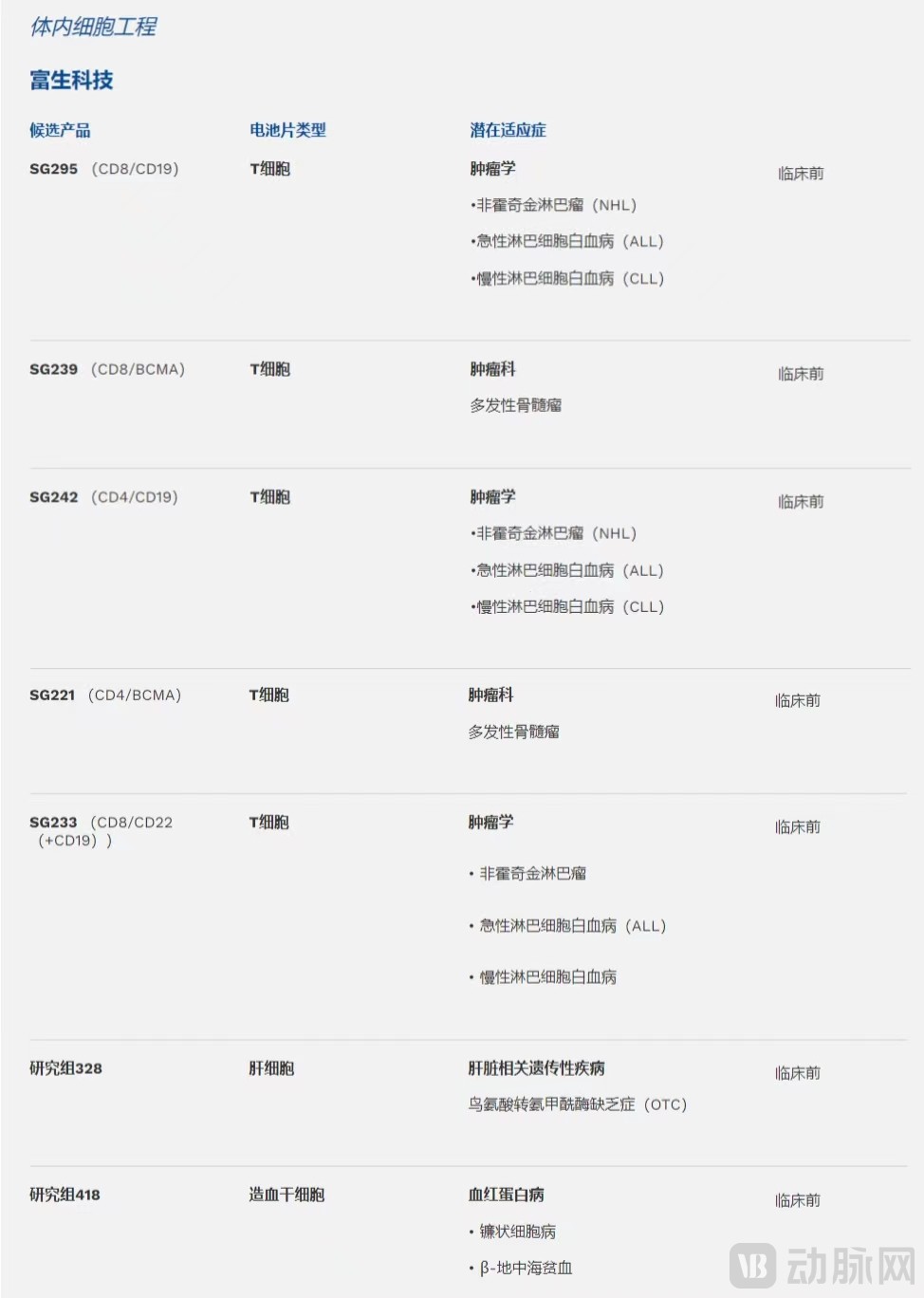
Currently, the entire in vivo cell engineering pipeline is in the preclinical stage. Sana plans to submit an Investigational New Drug (IND) application for its in vivo CAR-T therapy in 2022 and expects to file 2–3 IND applications annually thereafter.
Ex Vivo Therapy (Ex Vivo Cell Engineering)
In terms of ex vivo therapies, Sana aims to differentiate stem cells into various cell types required for clinical applications, replacing damaged cells in the body and thereby transforming the treatment of many diseases.
Sana’s work focuses on developing the right cell delivery technologies by leveraging cellular characteristics in conjunction with their required microenvironments, and on overcoming challenges such as immune rejection and cell death following transplantation into the human body.
The primary challenge in this field is the large-scale manufacturing of suitable cells, followed by ensuring their successful engraftment, functionality, and persistence. Developing impactful therapies in this domain requires success across all these components.
Implantation = Developing the correct delivery system, understanding the potential microenvironment, and ensuring that cells possess the appropriate characteristics
Function = Understand and reproducibly manufacture the exact required cells
Sustainability = Overcoming Immune Rejection and Cell Death
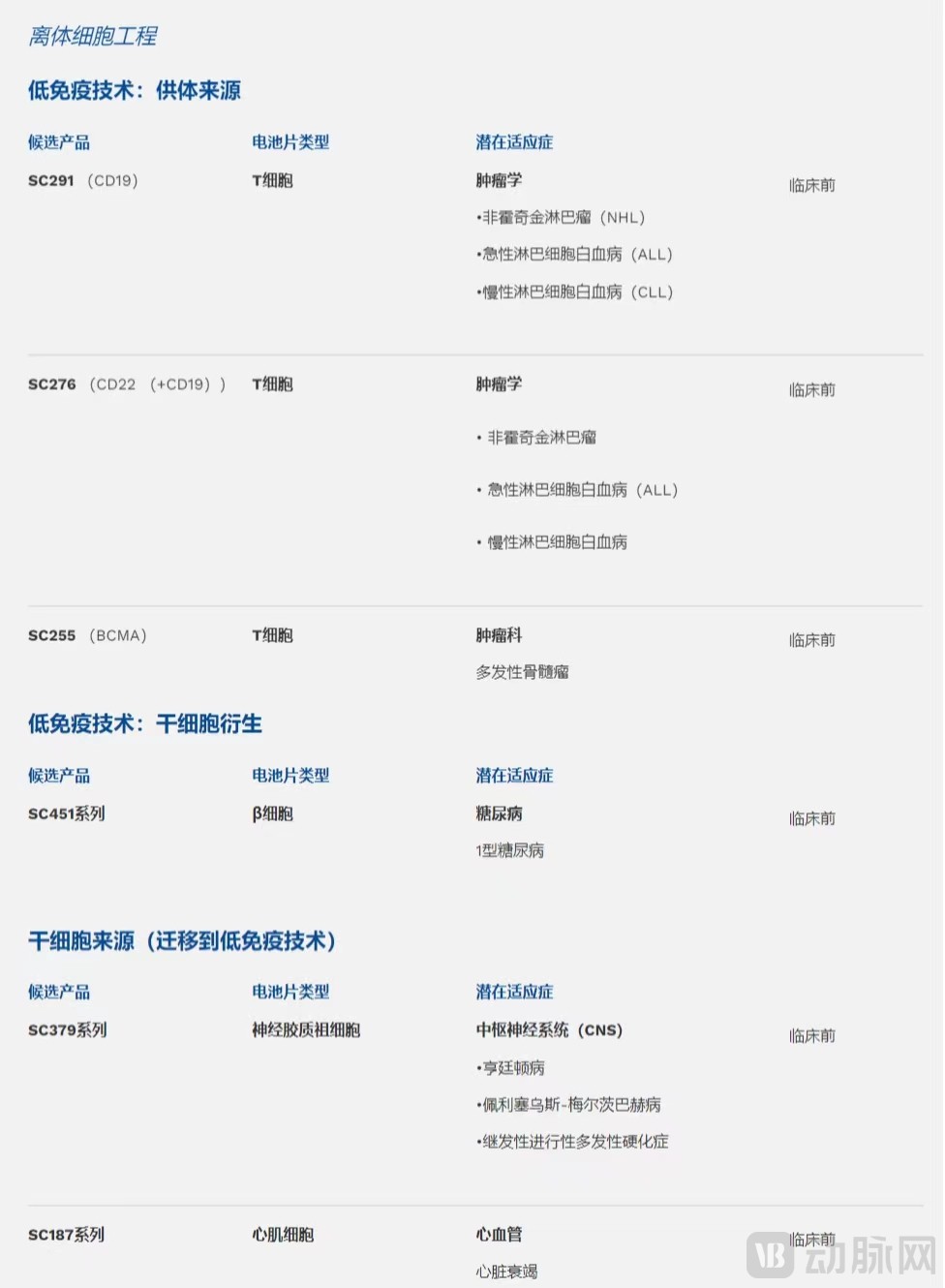
The most challenging hurdle is overcoming immune rejection of transplanted “non-self” cells. Sana has assembled a team of experts and scholars in this field; success in overcoming immune rejection would enable the widespread adoption of cell therapy products, all of which currently remain in the preclinical stage.
Differentiating stem cells into clinically required cell types has the potential to transform the treatment of various diseases, and cell replacement therapy offers an opportunity to turn this vision into reality. Perhaps we can look forward to the day when restoring cardiomyocytes in patients with heart disease, regenerating neurons in patients with Parkinson’s disease, and repairing hepatocytes in patients with hepatitis all become a reality.
If Sana’s in vivo and ex vivo therapies correspond to the first two of the company’s three ambitions, then its efforts toward the third ambition are reflected in Sana’s commitment to innovating the large-scale manufacturing and distribution of gene and cell therapies.
Today, Sana employs more than 200 people across its facilities in Cambridge, Massachusetts; Seattle; and San Francisco. Leveraging scientific expertise, creativity, rigor, and proprietary technology, the company is transforming medicine by treating intracellular diseases.
For Sana, the road ahead is long, but the starlight is already in sight.