

HuaJiang Medical Robotics Secures Tens of Millions of RMB in Series A Funding to Accelerate Minimally Invasive Surgical Robot Development

HUGER MEDICAL ROBOTICS
Medical Robotics Developer
VCBeat has learned that in March 2022, Hangzhou Huajiang Medical Robot Co., Ltd. (hereinafter referred to as “Huajiang Medical Robot”), an innovative enterprise specializing in minimally invasive surgical robots, completed its Series A financing round, raising tens of millions of RMB.This round of financing was co-led by Puhua Capital and Orient Fortune, with West Lake Sci-Tech Innovation Investment participating as a follow-on investor.This round of financing aims to accelerate the R&D, clinical development, and commercialization of related core products.
Huajiang Medical Robotics, established in July 2020, currently employs 65 people and is headquartered in Xihu District, Hangzhou. Diverging from the conventional product design approach of domestic manufacturers that heavily imitate the “Da Vinci” surgical robot, Huajiang is committed to leveraging new technologies to redefine next-generation surgical robots for the future. Additionally, the company utilizes robotics technology to empower, upgrade, and transform traditional medical devices, thereby addressing diverse clinical needs and promoting accessible healthcare.The company has currently completed the establishment of three major product systems: flexible instruments, instrument-holding robots, and surgical robots.Several products have entered the registration inspection, clinical trial, or evidence collection stages. Meanwhile, the company has filed 30 patent applications, of which 12 have been granted.
Feng Zailin, Chairman of Huajiang Medical Robotics, stated:“Robot-assisted minimally invasive surgery has become an inevitable trend in the development of surgical procedures. High-end surgical robots, represented by the da Vinci system, differ somewhat from China’s national conditions due to their complex systems and high costs. Therefore, our product development is grounded in aligning with China’s specific context while balancing technological advancement and clinical needs. Leveraging technological innovation, we are redefining the next generation of surgical robots for the future using new technologies, while simultaneously building a product portfolio that meets diverse clinical demands, thereby shaping our development and product strategies. Adhering to the design philosophy of accessibility and practicality, we insist on demand-driven, independently developed design principles, continuously advancing the commercialization of core technologies. We also strive for rapid product iteration, validation, and deployment. Centered on our corporate vision—‘to make no surgery difficult and ensure every surgeon can access robotic surgical systems’—we are building our core competitiveness.”
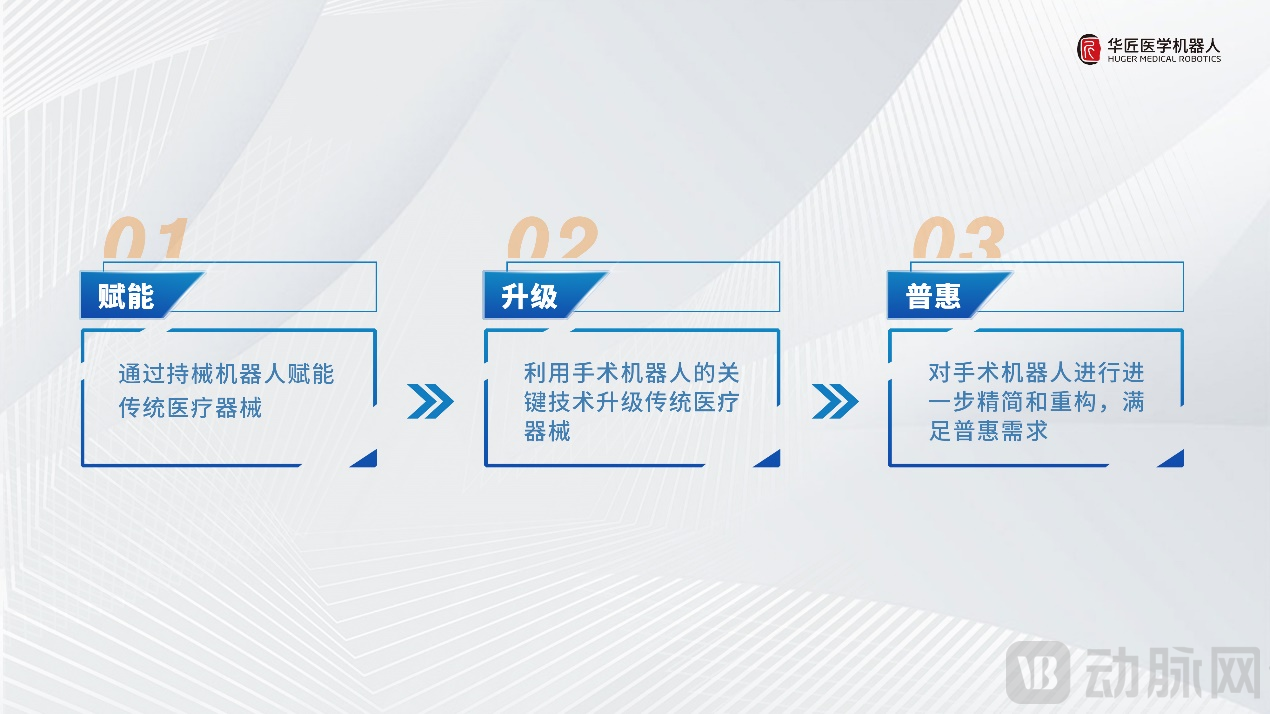
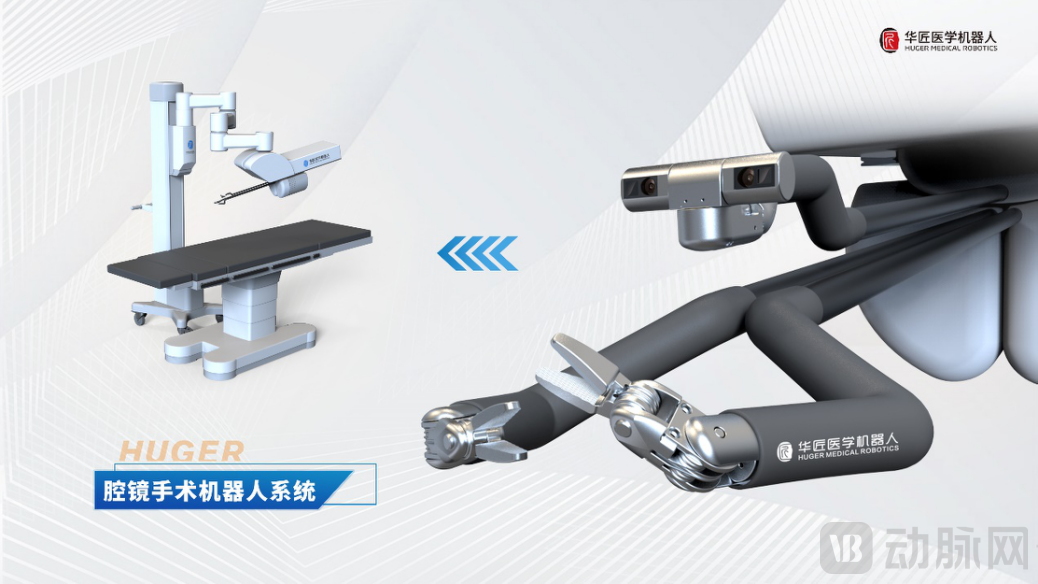
Zhang Dahong, Vice President of Zhejiang Provincial People’s Hospital and Chief Medical Scientist at Huajiang Medical Robotics, stated: “The company pursues an inclusive and practical design philosophy, committing to independent R&D from the underlying architecture of biomimetic structured laparoscopic surgical robots. These systems encompass various types of biomimetic laparoscopes and instruments—including single-port, multi-port, and application-specific variants—the Cobra (biomimetic) panoramic vision imaging system, as well as bedside and remote operating consoles. While developing products that fully meet the essential performance requirements for laparoscopic surgical robots, the company further optimizes its approach to shorten R&D cycles and reduce manufacturing costs. By adopting a modular strategy, it transforms key robotic components into standalone auxiliary products that address clinical pain points, progressively commercializing both bedside and off-console or remote operating systems. The company has currently planned a series of products, including laparoscopic-assisted flexible positioners (robotic arms), AI-controlled camera-holding robotic assistants, uterine manipulator robots, steerable laparoscopic surgical instruments (featuring improved micro-wrist and arm-like mechanisms), and the Cobra panoramic 3D laparoscopic imaging system.

Shen Qinhua, General Manager of Puhua Capital, stated:“The HuaJiang Medical Robotics team boasts multidisciplinary talent integrating medicine and engineering. Its developers possess extensive experience in the successful development of mechanical and robotic systems, coupled with a profound understanding of user needs. With deep involvement from clinical experts, the company has adopted a modular approach to surgical robot R&D, significantly enhancing product practicality. By integrating multi-dimensional imaging, the system enables the execution of more complex maneuvers within a narrower field of view. It addresses diverse clinical scenarios while alleviating pain points such as high costs, expensive procedural fees, and the inefficient use of advanced capabilities for routine tasks. We are honored to collaborate with the HuaJiang Medical Robotics team and believe that HuaJiang brings fresh innovative perspectives to the surgical robotics industry.”
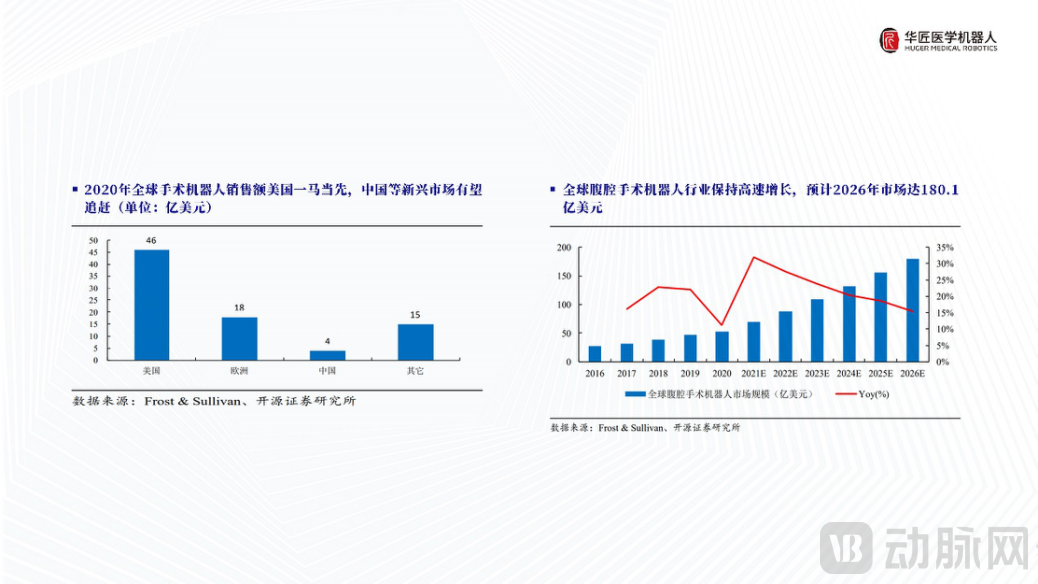
Xu Xiao, Founding Partner of Oriental Fortune Capital, stated“In 2020, the penetration rate of laparoscopic surgical robots in China was only 0.51%, while it reached 13.3% in the United States during the same period. With the gradual inclusion of robot-assisted surgeries in China’s national medical insurance coverage and the localization of laparoscopic surgical robots, the volume of robot-assisted laparoscopic procedures in China is expected to maintain a high growth rate over the next five years. Compared with competitors imitating the ‘Da Vinci’ system, Huajiang Medical Robot’s products are positioned more at the forefront, offering unique advantages in areas such as surgery in confined spaces. Surgical robots are complex products that require a high degree of integration between medicine and engineering. To achieve coordinated operation among mechanical, control, and imaging systems, cross-disciplinary teams must collaborate closely in joint development. The company’s core team possesses extensive experience in mechanical automation, clinical medicine, and medical devices, well aligning with the R&D requirements for surgical robots.”
Shen Lifen, Chairwoman of West Lake Science and Technology Innovation Investment, stated: “The da Vinci surgical system faces economic challenges due to the high costs of equipment, consumables, and maintenance, as well as functional issues stemming from the bulkiness of its robotic arms, which are prone to collisions. Huajiang Medical Robotics has broken away from the conventional laparoscopic design paradigm established by the da Vinci system. By approaching development from both clinical and engineering perspectives and leveraging domestic R&D capabilities, the company has delivered a product that is affordably priced, highly precise in operation, and offers superior patient comfort, thereby bringing disruptive changes to surgical procedures in China and worldwide. Moving forward, West Lake Sci-Tech Venture Capital will continue to strengthen its support for high-quality sci-tech innovation enterprises in the Xihu District, with a particular focus on facilitating the implementation of the Greater Health Initiative, fostering the growth of biopharmaceutical technology companies, and providing more scientific, effective, and affordable healthcare solutions for society and humanity at large.