

Zhenbao Island's Bozhou Traditional Chinese Medicine Commodity Trading Center: A Model for Integrating the Full TCM Industrial Chain
ZBD Pharmaceutical
Traditional Chinese Medicine (TCM) Product Developer
Amid rising uncertainties in the global economy, the “Opinions on Accelerating the Construction of a Unified National Market” (hereinafter referred to as the “Opinions”) have sparked extensive discussion since their release. The core of the debate centers on where to begin in order to “build a unified national market that is efficient and well-regulated, ensures fair competition, and is fully open.”
In fact, industry-leading companies have long recognized the numerous pain points existing in the market.China’s traditional Chinese medicine (TCM) medicinal materials industry has long been characterized by fragmentation, decentralization, and disorder. As the scale of this industry continues to expand, its traditional circulation methods have not undergone fundamental change, and the conventional trading models for TCM medicinal materials fail to meet the demands of modern industrial production.It urgently needs to change to address issues such as information asymmetry between upstream and downstream customers in the industry, difficulties in buying and selling, and lack of guarantee for product quality.
ZBD Pharmaceutical began planning to extend its layout into the upstream industrial chain of traditional Chinese medicinal materials as early as 2014. In 2019,Approved by the Anhui Provincial People's Government and constructed and operated by ZBD PharmaceuticalChina's First Spot Trading Platform for Bulk Chinese Herbal Medicines — Bozhou Chinese Herbal Medicine Commodity Trading Centerconstruction, marking a crucial step in the integration of the traditional Chinese medicine industry.
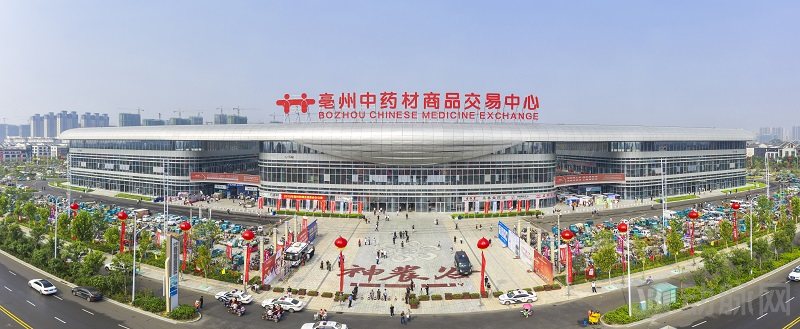
The Bozhou Chinese Herbal Medicine Commodity Trading Center, built on a deep understanding of the Chinese herbal medicine market and the industry, aligns perfectly with the current concept of building a “National Unified Market.” What lessons can be drawn from the establishment of the Bozhou Chinese Herbal Medicine Commodity Trading Center, which is supported by the government and constructed and operated by ZBD Pharmaceutical? We have attempted to analyze this.
How Does the Bozhou Chinese Herbal Medicine Commodity Trading Center Build Its Business Model?
During the construction and development of the Bozhou Traditional Chinese Medicine (TCM) Commodity Trading Center, our approach can be broadly interpreted from two perspectives: “operations” and “development.” In line with the aforementioned Guidelines, this encompasses establishing a unified market for factors and resources (a unified trading center), promoting fair and unified market regulation (unified standards and rules), and achieving high-standard connectivity of unified market infrastructure (warehousing and logistics), among other initiatives.
An Integrated Online-Offline Trading Center for Traditional Chinese Medicinal Materials
To facilitate the trading of bulk Chinese herbal medicine commodities, a unified trading platform is required.
Bozhou Chinese Herbal Medicine Commodity Trading Center initially established a physical, offline trading space.
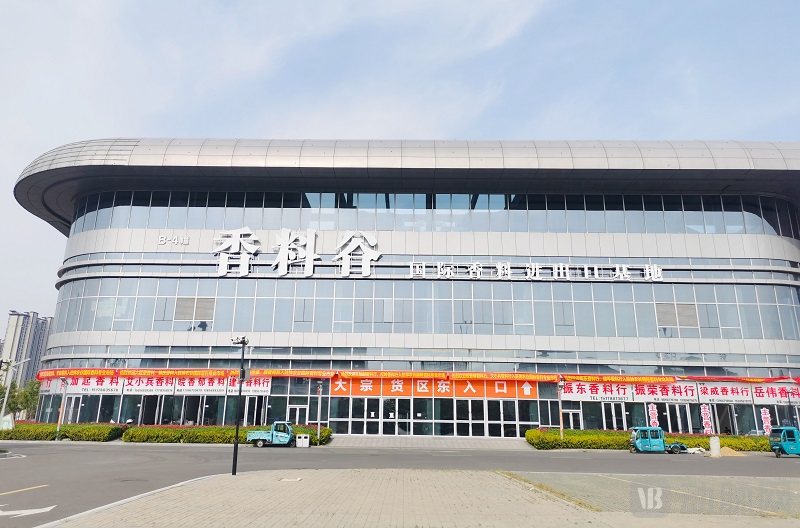
Bozhou Chinese Herbal Medicine Commodity Trading Center is affiliated with the National Processing Trade Industrial Park and is located in the Shennong Valley Chinese Herbal Medicine E-commerce Logistics City, which is invested, built, and operated by ZBD Pharmaceutical. The trading hall of the Bozhou Chinese Herbal Medicine Commodity Trading Center covers a vast area and houses various sections, including a cultural tourism zone, a live-streaming e-commerce zone for internet influencers, a specialty varieties exclusive sales zone, a bulk wholesale zone (Shennong Warehouse), and the Shennong Valley International Spice Market. In addition, the Shennong Valley Chinese Herbal Medicine Trading Market, situated directly to the east of the trading hall, serves as the core market for offline operations.
Taking the Bozhou Shennong Valley (International) Spice Market, a key project, as an example, it further improves the traditional Chinese medicine industry chain, fills the gap of Bozhou lacking a professional spice market, and is increasingly becoming an international professional spice trading market through import and export trade. This also aligns with the goal of promoting domestic and international dual circulation under the unified national market.
Secondly, the Bozhou Chinese Herbal Medicine Commodity Trading Center has created a convenient online trading platform.
Traditional offline transactions are often constrained by physical space and other limitations. To better meet the needs of Chinese herbal medicine manufacturers, ZBD Pharmaceutical has invested in the construction and operation of Shennong Cai, a professional third-party online trading platform for Chinese herbal medicines developed and operated by the Bozhou Chinese Herbal Medicine Commodity Trading Center. By providing B-side users with six major service systems—including information services, matchmaking services, bidding and procurement services, traceability services, logistics services, and financial services—the platform aims to better serve merchants. Recently, it has also launched the Shennong Cai mini-program for mobile devices, making access to these services faster and more convenient.
Furthermore, catering to diverse customer segments for different medicinal materials, ZBD Pharmaceutical has built multiple e-commerce platforms, including Shennong Cai, on the foundation of the Bozhou Chinese Herbal Medicine Commodity Trading Center, thereby establishing a comprehensive online internet-based TCM service platform.
Furthermore, the Bozhou Chinese Herbal Medicine Commodity Exchange Center has established an electronic trading platform for bulk spot commodities.
In contrast to offline transactions or spot trading on online e-commerce platforms, the Bozhou Chinese Herbal Medicine Commodity Trading Center has drawn on the practices of certain agricultural product trading centers in Shandong Province to prepare and establish an electronic trading platform. This platform facilitates a trading model that bridges spot and futures markets, introducing a spot warehouse receipt trading model for Chinese herbal medicines. Reportedly, this electronic trading platform primarily serves industry clients within the Chinese herbal medicine sector, such as large-scale planting cooperatives and Chinese herbal medicine trading companies, and is not open to non-industry clients, including individual natural persons.
By implementing the “Six Unifications”—unified grading, unified quality inspection, unified storage, unified financing, unified settlement, and unified trading—through the Bozhou Trading Center, it will address issues prevalent in traditional Chinese herbal medicine trade, such as inconsistent quality, difficulties in securing loans, high interest rates, non-standardized storage, multiple procurement stages, and high costs. Compared with traditional offline trading costs, online electronic trading platforms can significantly reduce expenses across the entire circulation chain of Chinese herbal medicines, offering new solutions for the bulk distribution of these products.
Unified Supply Chain System and Quality Control Standard System Covering the Entire Process of Production and Circulation of Traditional Chinese Medicine Materials
To better promote the development of the Bozhou Chinese Herbal Medicine Commodity Trading Center, which is invested in, constructed, and operated by ZBD Pharmaceutical, the Center has been strengthening efforts in areas such as market access mechanisms with government support, establishing standards that cover all aspects including production, circulation, and quality control.
First, the Bozhou Traditional Chinese Medicine Commodity Trading Center has established supplier grading standards and an assessment and evaluation system to implement differentiated management of suppliers in terms of medicinal herb sourcing.The Bozhou Chinese Herbal Medicine Commodity Trading Center’s “N+50” origin-based strategic layout refers to the establishment of 50 origin offices in 50 core herbal medicine-producing regions across China, covering 200 major, routinely stocked core herbal varieties. This initiative enables comprehensive oversight of planting, output, processing, quality, and supplier information for these core varieties. According to ZBD Pharmaceutical’s 2021 annual report, the company has currently divided its operations into seven major regions nationwide and established connections with 36 county- and township-level governments, local associations, rural cooperatives, and large-scale origin processors, incorporating them into its performance evaluation system. In addition, the Bozhou Chinese Herbal Medicine Commodity Trading Center advances and deepens cooperation with various regions through collaborative origin-processing models. In April this year, the Center further strengthened its control over the production and processing stages of Chinese herbal medicines by entering into a strategic partnership with Hunan Shuangmu Pharmaceutical to establish a processing base for authentic (Daodi) herbal medicines.
Secondly, following the “N+50” origin-based strategic layout, the Bozhou Traditional Chinese Medicine Commodity Trading Center has established a supporting warehousing and logistics system.With Bozhou, Harbin, Pan’an, Dingxi, Chengdu, and Yulin serving as Tier-1 central warehouses, a direct-to-customer distribution system has been established. Local offices function as Tier-2 origin warehouses, forming a distribution network from production areas to central warehouses. The Bozhou Chinese Herbal Medicine Commodity Trading Center is vigorously developing the Bozhou Chinese Herbal Medicine Warehousing and Logistics Base, which provides GSP-compliant warehousing, quality inspection, and financial services for herbal farmers, traders, and pharmaceutical enterprises across China. It also offers facilities for selection, sorting, packaging, weighing, and delivery of Chinese herbal medicines, supporting online trading and financial services for Chinese herbal medicines and prepared slices.
Furthermore, the Bozhou Chinese Herbal Medicine Commodity Trading Center has established a comprehensive information traceability platform and leverages third-party quality inspection platforms to ensure the quality of Chinese herbal medicine products.Currently, by establishing its own facilities and collaborating with government drug testing institutions, the company has built a third-party quality inspection platform to uniformly address quality control issues for traditional Chinese medicine (TCM) materials, ensure the quality of medicinal herbs traded online, and eliminate counterfeit and substandard products. In addition to cooperating with the national-level TCM material quality inspection platform in Bozhou, ZBD Pharmaceutical has established five major quality inspection platforms in major TCM production areas and professional markets across China. Supported by 500 information stations providing quality inspection services in production regions, the company is gradually forming a quality inspection network centered in Bozhou that covers major TCM production areas and professional markets nationwide, thereby promoting the healthy development of the TCM material industry.
Deep Integration: How Does the Bozhou Chinese Herbal Medicine Commodity Trading Center Drive Participation from All Stakeholders?
In the "Specific Measures for Promoting the Inheritance, Innovation, and Development of Traditional Chinese Medicine" jointly issued by the People's Government of Anhui Province, it is pointed out that Bozhou’s Chinese Herbal Medicine Commodity Trading Center should be leveraged to establish a national-level logistics center and reserve depot for Chinese herbal medicines, thereby invigorating the TCM commerce sector. This initiative is inherently linked to Bozhou’s locational advantages.
Bozhou is the leading city among China’s four major pharmaceutical hubs, serving as the national distribution and price-forming center for traditional Chinese medicinal (TCM) materials. It hosts the country’s most diverse, largest, and most active TCM materials trading market, with an annual transaction volume of approximately RMB 50 billion. Currently, Bozhou has established the largest TCM industrial cluster in China, with over 200 of the nation’s 1,700 TCM decoction piece manufacturers located there, accounting for a 15% market share.
As the construction and operator, ZBD Pharmaceutical’s industry-leading advantages, coupled with government support for the integration of the traditional Chinese medicine (TCM) material supply chain and the continuous policy dividends released by national authorities for the TCM sector, have further driven the development of the Bozhou Traditional Chinese Medicine Material Trading Center.
Guided by its strategic positioning to “focus on the upstream and downstream of the industry, aggregate national Chinese herbal medicine resources, consolidate industrial scale, and build a world-class internet platform for the traditional Chinese medicine (TCM) industry,” the Bozhou Chinese Herbal Medicine Commodity Trading Center has been continuously optimizing its “Shennong Cai” e-commerce platform online. Meanwhile, it is promoting the spot warehouse receipt trading model through its bulk Chinese herbal medicine electronic trading platform, thereby further standardizing and expanding online transactions of Chinese herbal medicines. Offline, the center is driving industrial clustering by continuously improving the construction of its trading park.
Ultimately, through the integration of the industrial chain, the Bozhou Chinese Herbal Medicine Commodity Trading Center is increasingly serving as a “unified national market” for Chinese herbal medicines, catering to Anhui Province, the whole of China, and even the global market. This achievement would not have been possible without the participation of all stakeholders.
First, the concerted support and enhanced cooperation from local governments have facilitated the formation of a unified national market.The Bozhou Chinese Herbal Medicine Commodity Trading Center has established representative offices in major production areas and key trading markets for Chinese herbal medicines across China, fostering collaboration with local governments and industry associations to advance the nationwide layout of trading markets and establish a unified, standardized trading model. For instance, the representative office of the Bozhou Chinese Herbal Medicine Commodity Trading Center in Wufeng, Hubei Province, was officially unveiled. This initiative is built upon a consensus reached with the local government to support the development of the Chinese herbal medicine industry. The collaboration not only facilitates the nationwide sale of Wufeng’s distinctive local herbal medicines through the trading center’s network but also represents another significant step by the trading center toward forming a unified national market.
Secondly, collaboration with players in the traditional Chinese medicinal materials industry to facilitate better resource circulation.For example, in the procurement of traditional Chinese medicine (TCM) materials, the Bozhou TCM Commodity Exchange Center has established its own offices in production areas and markets to directly engage with suppliers, leveraging its proprietary network to distribute products nationwide. This approach is further facilitated by Bozhou’s status as home to China’s largest TCM industrial cluster, which creates favorable conditions for the Exchange Center to drive resource circulation. Furthermore, it is currently collaborating with various stakeholders across the industry to further enhance ecosystem empowerment.
What is the value of developments represented by the Bozhou Traditional Chinese Medicine Commodity Trading Center?
Amid the current trend of building a unified national market, what value do trading centers like the Bozhou Chinese Herbal Medicine Commodity Trading Center, supported by the government and operated by ZBD Pharmaceutical, actually offer? We may explore this question from various perspectives:
First, for ZBD Pharmaceutical itself, it further helped ZBD integrate its industrial chain and contributed to the company's development.ZBD Pharmaceutical’s Bozhou Chinese Herbal Medicine Trading Center business segment, which has received substantial investment and effort, is now beginning to yield returns, driving steady growth in ZBD’s traditional Chinese medicine (TCM) performance. In 2021, ZBD’s herbal medicine trading business generated RMB 2.189 billion in revenue.
Secondly, for the industry, the Bozhou Chinese Herbal Medicine Commodity Trading Center has established a modern market circulation system for Chinese herbal medicines in an internet-based environment, thereby promoting further digital transformation and upgrading of the traditional Chinese medicine industry.This is precisely the original intention behind ZBD Pharmaceutical’s investment in and construction of the Bozhou Chinese Herbal Medicine Commodity Trading Center: by establishing an integrated online-offline trading model, to enhance the circulation efficiency of Chinese herbal medicines, reduce distribution costs, further drive the standardization of online industry transactions, thereby forming new industry trading standards and promoting the resolution of existing issues such as inadequate enforcement of standards and inconsistent regulations.
Again,For the construction of China’s unified national market, the Bozhou Chinese Herbal Medicine Commodity Trading Center, supported by the government and built and operated by ZBD Pharmaceutical, has made numerous successful attempts and pilot efforts in building and operating a unified national market for the vertical sector of Chinese herbal medicines.Its development will further deepen supply-side structural reforms in the traditional Chinese medicine (TCM) materials industry, enabling more private enterprises to enter this fair competitive market and serve as a support and complement to government and state-owned enterprises.Inter-governmental collaboration will further break down barriers in the traditional Chinese medicine (TCM) materials industry, facilitate the flow of industrial factors, and foster more robust market competition. Ultimately, driven by leading TCM material enterprises such as ZBD Pharmaceutical,This will further enhance the efficiency of resource allocation in the traditional Chinese medicinal materials industry.
Finally,Just as the variety of traditional Chinese medicinal materials operated by its Shennong Warehouse covers the main production areas of authentic medicinal herbs across China, with its business primarily focused on the domestic market while extending to global markets represented by Russia and the Middle East, symbolizing the same reach, the construction of a unified national market,While further cultivating a robust domestic market, it will also drive the entire industry to truly expand into the global market.