

China's First On-Demand Nitric Oxide Inhalation Therapy Device INOwill N200 Gains NMPA Approval, Pioneering a Cylinder-Free Mobile Treatment Era
Novlead Biotech
Developer of Inhaled Nitric Oxide Therapy

Northern Light Venture Capital
Venture Capital Firms
On April 29, Noliving Biotech’s proprietary inhaled nitric oxide therapy device, INOwill N200, received Class III medical device registration approval from the National Medical Products Administration (NMPA), officially entering clinical commercial application. This isChina's First Approved Medical-Grade Nitric Oxide Gas Therapy Device, featuring an integrated intelligent high-end medical device capable of immediate response, real-time monitoring, and on-demand delivery, and is alsoThe World’s First Approved Point-of-Care Nitric Oxide Therapy Device Based on Electrochemical Catalysis. The approval of this product marks a breakthrough from zero to one for domestically developed, original innovations in China, ushering in a new era for the global blue-ocean market of nitric oxide gas therapy.
Nitric oxide (NO) is the first endogenous gas molecule discovered to be involved in cellular signal transduction. It is widely present in the human body and participates in various physiological processes. A major breakthrough in understanding the mechanism by which NO gas molecules induce vasodilation was achieved in the late 20th century, earning the 1998 Nobel Prize. In the years that followed, clinical studies progressively elucidated the mechanisms underlying NO as an endogenous gaseous signaling molecule, confirming its significant physiological roles in promoting vasodilation, combating infections, stimulating soft tissue regeneration, and preventing platelet adhesion.
Inhaled nitric oxide (NO) therapy is an emerging gas-based treatment that began to develop in the 1990s. In 1999, INOmax, the world’s first cylinder-based NO delivery system, received approval from the U.S. Food and Drug Administration (FDA), marking the beginning of the commercialization of NO for medical use. Since then, inhaled NO therapy has been widely adopted in clinical practice both domestically and internationally, effectively reducing mortality rates associated with relevant diseases and becoming one of the critical emergency interventions in intensive care units (ICUs). Its indications have expanded from persistent pulmonary hypertension of the newborn (PPHN), acute respiratory distress syndrome (ARDS), acute pneumonia, bronchial asthma, and inhalation lung injury to include the treatment of tumors and COVID-19.
During the pandemic, inhaled nitric oxide (NO) therapy has garnered significant attention in the international market. Inhaled NO therapies from international companies such as Bellerophon and VERO Biotech have successively received FDA approval for the treatment of COVID-19. Particularly in the management of critical cases involving pulmonary hypertension and respiratory failure, the efficacy and safety of inhaled NO therapy have been widely recognized by clinical experts both domestically and internationally, leading to the establishment of departmental diagnostic and therapeutic guidelines and recommendations.
To date, inhaled nitric oxide (NO) therapy and other topical therapies still require NO gas cylinders coupled with complex delivery systems to regulate and monitor NO concentrations.Deficiencies in convenience, safety, and economic accessibility all constrain the application and development of nitric oxide (NO) gas therapy.
As the first medical-grade electrochemical catalysis-based device for on-demand nitric oxide (NO) gas generation both in China and internationally, the INOwill N200 not only enables real-time NO production but also precisely regulates NO concentration to meet critical clinical needs. It fills a domestic gap and offers a revolutionary option for the global market of inhaled NO gas therapy.
INOwill N200 Nitric Oxide Gas Therapy MainIndications:Acute and Critical Conditions Associated with Pulmonary Hypertension, including arterial pulmonary hypertension (idiopathic/hereditary PAH, congenital heart disease, persistent pulmonary hypertension of the newborn, etc.), pulmonary hypertension due to lung diseases and/or hypoxia (COPD, sleep apnea, ARDS, interstitial lung disease, high-altitude pulmonary edema, etc.), and pulmonary hypertension caused by obstructive lesions of the pulmonary arteries. Patients with these conditionsHigh incidence, with severe onset and high mortality rate...and other issues, there is an urgent need to address clinical demands.
Taking persistent pulmonary hypertension of the newborn (PPHN) as an example, recent studies indicate that in 2021, there were approximately 10 million newborns in China, with an estimated 20,000 new cases of PPHN.[1]. In addition, there are approximately 927,000 new cases of pediatric respiratory failure in China each year.[2], of which 10%[3]accompanied by pulmonary hypertension, affecting 93,000 individuals. Furthermore, according to the "Global Report on Preterm Births" released by the WHO, among approximately 2 million preterm infants born annually, up to 19.3% [4]Bronchopulmonary dysplasia (BPD) may develop, with a mean prevalence of concurrent neonatal pulmonary hypertension reaching as high as 26%.[5], or 100,000 individuals. In total, approximately 213,000 new cases of persistent pulmonary hypertension of the newborn (PPHN) occur annually in China.
In clinical practice, the fundamental rationale for treating neonatal pulmonary hypertension is to alleviate elevated pulmonary arterial pressure by using nitric oxide (NO) to dilate the small pulmonary arteries. In 2019, the Neonatologist Branch of the Chinese Medical Doctor Association issued the “Guidelines for the Application of Inhaled Nitric Oxide Therapy in Neonatal Intensive Care Units (2019 Edition),” in which the recommendations regarding indications and criteria for inhaled NO therapy were predominantly strong recommendations or based on high-quality evidence. In addition to these guidelines, many domestic experts in neonatology have published numerous high-quality studies in recent years, elucidating the critical role of NO in neonatal care, particularly in the treatment of neonatal pulmonary hypertension.
However, inconsistent with clinical treatment guidelines is the very limited availability of NO therapy on the market. CurrentlyDomestic conventional treatments involve the use of industrial-grade nitric oxide (NO) cylinders or sildenafil (Viagra).However, the former is constrained by issues such as bulky cylinder equipment, insufficient monitoring precision, and limited gas sources, which prevent the optimal utilization of nitric oxide (NO) and pose certain safety risks. The latter stimulates the generation of endogenous NO molecules through pharmacological mechanisms and has a certain effect on dilating pulmonary blood vessels, but it can cause side effects such as headache, vomiting, and visual abnormalities, and is not suitable for neonates. For these reasons, China has long faced a situation where there are NO treatment protocols to follow but no accessible NO therapeutic means available, creating an urgent market demand for affordable, portable sources of pure NO therapeutic gas.
Previously, constrained by the global patent protection for nitric oxide (NO) gas cylinders and the flow controller product iNOmax, NO gas on-demand generation therapeutic products remained in a phase of technological accumulation for an extended period. Following the expiration of the iNOmax patent in 2017, the U.S. FDA finally approved the first NO gas on-demand generation therapeutic product, Vero Genosyl, in 2019.Meanwhile, the domestic nitric oxide (NO) gas therapy sector remains a blue ocean.: Prior to the approval of Noliving Biotech’s INOwill N200, there were no domestic or imported products in the field of immediate nitric oxide (NO) therapy, and competition in the traditional NO gas cylinder therapy sector was also relatively limited.
Challenges to Overcome for Medical-Grade Point-of-Care Inhaled Nitric OxideTechnical challenges include ensuring the safe and ready availability of raw materials, maintaining controllable reaction conditions, achieving efficient gas-liquid separation, and enabling high-purity nitric oxide (NO) delivery.【Unable to form a significant amount of toxic nitrogen dioxide (NO2) gases], involving R&D breakthroughs across multiple fields including chemistry, biology, materials science, and engineering.
Globally, the only next-generation device for on-demand inhaled nitric oxide (NO) therapy currently approved for market launch is from Vero Biotech in the United States, which utilizes a cleavage-reduction technological pathway to catalyze dinitrogen tetroxide (N2O4) converted to NO2and further generate NO gas. However, its drawbacks are also quite evident: the raw material N2O4It is a highly toxic substance, and the NO obtained through cracking and reduction contains a considerable amount of toxic NO.2gas, posing significant safety hazards. In China, only traditional cylinder-based NO flow controllers are currently used in conjunction with gas cylinders, exhibiting notable shortcomings in accessibility, safety, and portability.
Currently, only three technological approaches worldwide can provide medical-grade inhaled nitric oxide (NO) continuously and uninterruptedly: electrochemical catalysis, pyrolytic reduction, and plasma discharge.
Noliving Biotech’s INOwill N200 Nitric Oxide Therapy Device integrates its core patented disruptive electrochemical catalysis technology with multiple engineering patents: it employs inorganic salts with a favorable safety profile as raw materials to prepare the electrolyte, and under the action of a catalyst, reduces nitrite ions via electrolysis to generate high-purity nitric oxide at the electrodes. A specially designed gas-liquid separation technology further extracts the generated nitric oxide from the electrolyte and directs it into the gas delivery unit. In accordance with therapeutic concentration requirements, the gas delivery unit precisely delivers nitric oxide to the patient through a meticulously engineered gas circuit system and high-precision flow control components.
Based onWorld’s First Electrochemical Catalytic Method for On-Demand NO Generation,INOwill N200 delivers a gas volume five times that of a traditional cylinder, while occupying only 1/50th of the cylinder's volume., enablingLong-duration, rapid, precise, and stable high-purity nitric oxide gas outputand achieveBarrier-free, easy, and safe mobility,Applied to the treatment of pulmonary hypertension in various scenarios. This eliminates the cumbersome steps and high operational costs associated with the transportation, storage, and recovery of NO gas cylinders, ushering in a new era for the clinical application of medical-grade nitric oxide (NO) gas in China.
Furthermore, the INOwill N200 integrates multiple patented engineering technologies:
Precision-engineered, compact replaceable micro-release control reactors integrating sustained-release and dynamic control technologies.Once the NO gas is depleted, sustainable NO supply can be ensured by periodically replacing the “micro-controlled release reaction unit.”
High-precision flow sensors combined with intelligent compensation technology ensure rapid, accurate, and long-term stable output of NO gas.Even under high-frequency oscillatory ventilation, NO concentration can be precisely controlled to achieve different doses and modes of NO delivery according to clinical scenarios.
Phase-Change Sensor Sampling Technology,Real-time, high-precision monitoring of NO, NO2and O2Concentration, ensuring safe and reliable clinical treatment.
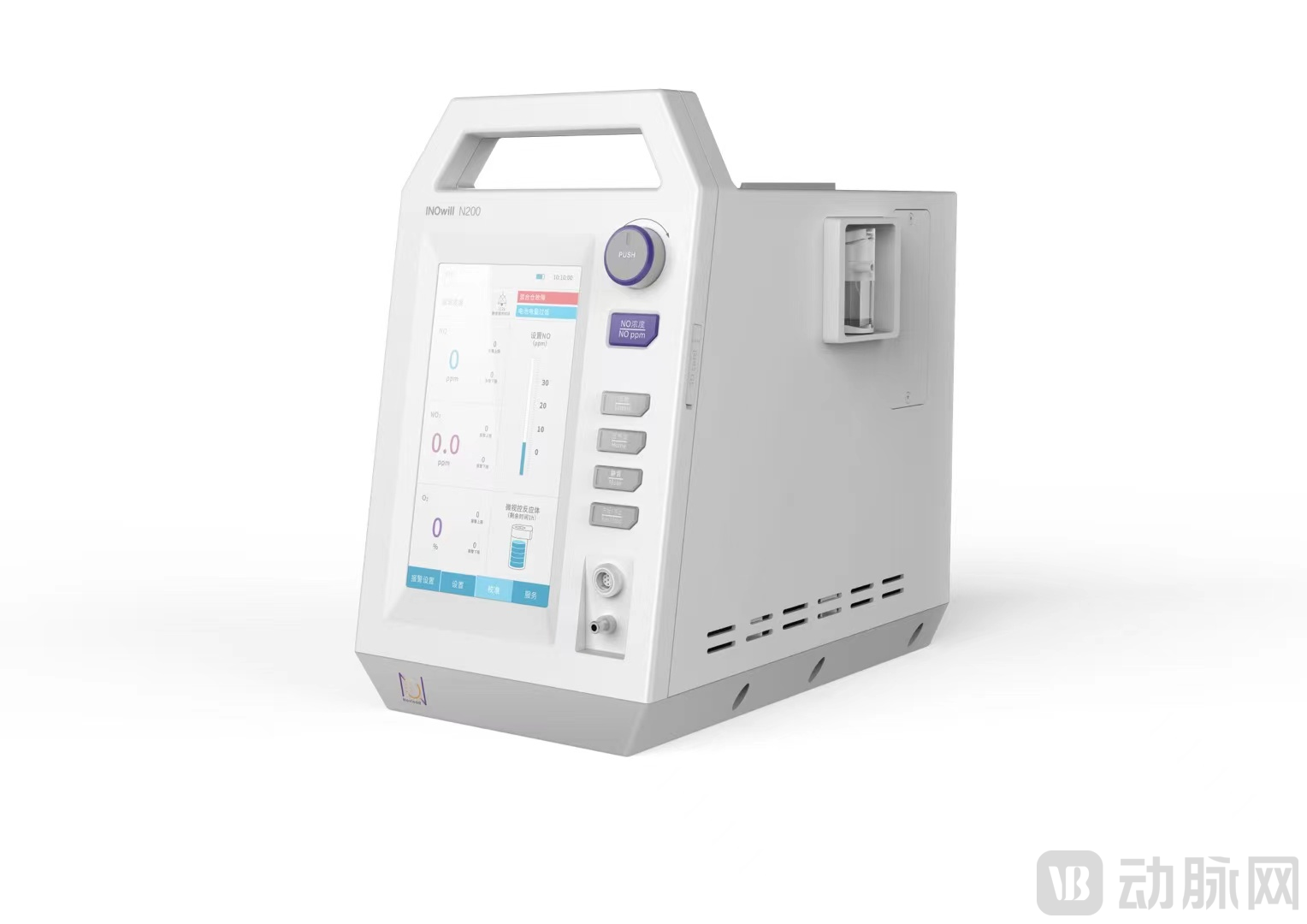
Noliving Biotech Nitric Oxide Therapy Device INOwill N200
INOwill N200 delivers stable nitric oxide generation with a concentration error of no more than ±1 PPM, offering superior safety.Meanwhile, based on the antibacterial and anticoagulant biological mechanisms of nitric oxide (NO) molecules, the use of INOwill N200 can reduce the risk of inflammation and concurrent reactions caused by the use of cardiopulmonary bypass systems during surgery.
As China’s first technology-platform medical enterprise dedicated to nitric oxide (NO) gas therapy, Noliving Biotech has been able to take the lead in entering the pulmonary arterial hypertension field and launch the first domestically produced NO therapeutic device. This achievement is attributable to its clinical needs-driven product development logic, as well as the strong support from its scientific research and clinical expert teams and its robust commercialization capabilities.
Talent Reserve,The core management team of Noliving Biotech comprises experts with extensive practical experience in clinical and medical management, professors specializing in nitric oxide (NO) sustained-release hair regeneration technology, and senior experts in the fields of biological sciences and high-end life-support medical devices. Many team members have overseas study backgrounds and executive experience at Global 500 companies.
Regarding patents,Noliving Biotech has filed nearly 50 domestic and international patents centered on instantaneous nitric oxide (NO) generation technology, gas sensing, and controlled gas release technologies, thereby establishing robust commercial barriers for core product design modules such as electrochemical chelation catalysis, gas-liquid separation devices, circulating filtration systems, and precision algorithms for flow sensing.
Commercialization,From 2020 to 2021, Noliving Biotech achieved rapid growth against the odds despite the impact of the pandemic, adding nearly 4,000 m² to its R&D and production headquarters located in the Jiangbei New Area of Nanjing.2R&D laboratories and production office campus. The main functional areas include a new experimental center, automated production lines, cleanroom workshops, quality inspection zones, and other ancillary office spaces. Internationally advanced R&D and industrialization equipment has been fully installed, and the factory has passed European system audits. It is expected to achieve industrialized production capacity for nearly 1,000 complete devices and tens of thousands of reaction vessel consumables annually.
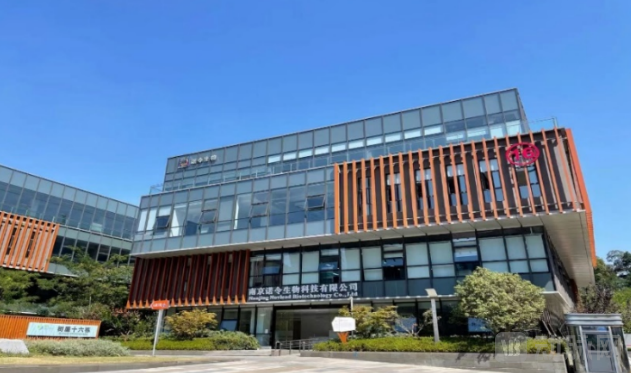
Noliving Biotech Nanjing R&D and Production Headquarters
In terms of financing,Since its inception, the company has experienced rapid growth. In 2021, it completed its Series B financing, securing over RMB 100 million in investment from renowned institutions including Lilly Asia Ventures, Northern Light Venture Capital, Bencao Capital, Yingmeng Capital, and Nanjing Jiangbei Science & Technology Investment Group. The company is currently on the verge of completingPreparation for Series B+ Financing, for future referenceProduct R&D, Clinical Trials, Market Access, Academic Collaboration, Marketing Promotion, Capacity Expansioncontinuous efforts in these areas.
Noliving Biotech has been steadfast since its inception“in China for global”Strategically, the company not only aligns its technological R&D with international frontiers but also actively plans its overseas market layout, truly leading the global advancement of NO therapy.
The company has established its overseas operational headquarters in California, USA, responsible for scientific R&D discussions, overseas business development, and regulatory compliance. All full-time employees hold doctoral degrees and possess over ten years of global regulatory and operational experience in the fields of pharmaceuticals, medical devices, and functional foods. Additionally, Noliving Biotech has set up its R&D and manufacturing headquarters in Nanjing, a medical marketing center in Beijing, and an operational base for medical consumer products in Changsha.
As of April 2022, Noliving Biotech had initiated the EU CE certification process for two products, with the first EU CE registration certificate expected to be obtained in the second half of 2022.
According to Dr. Mao Wen, founder of Noliving Biotech, the company has a clear phased strategy for the domestic promotion and sales of its INOwill products. Leveraging its core technology platform for the on-demand generation of nitric oxide (NO) and other gases, Noliving Biotech has initiated an exclusive, full-industry-chain layout for the clinical application of medical-grade NO gas in China.
The company currently hasFive Formulated NO Product Pipelines, including stoolPortableNO Inhalation Therapy Device, NO Gas Therapy Generator, Outdoor Portable NO Generator, Compact Portable NO Generator, Exhaled NO Analyzer, expanding to address more unmet clinical needs such as chronic obstructive pulmonary disease (COPD) and pulmonary fibrosis, with an expectation of obtaining at least three Class III medical device registration certificates within five years. Multiple upstream and downstream fields related to gas detection and treatment beyond nitric oxide (NO) are also being steadily explored.
Currently, the company has formulated a medium-to-long-term development plan covering R&D directions, market strategies, business development, and financing milestones. In 2022, the focus will be on advancing the market launch and promotion of INOwill N200, while maintaining the progress of R&D and regulatory registration across all product lines, and expanding the R&D and commercialization of platform-based products and consumer goods.
References:
[1] Neonatology Group, Pediatric Branch of the Chinese Medical Association. Expert Consensus on the Diagnosis and Treatment of Neonatal Pulmonary Hypertension. Chinese Journal of Pediatrics, 2017
[2] Clinical Data Analysis of 409 Neonates with Respiratory Failure, Hu Shuying et al., Proceedings of the 2011 Annual Academic Conference of the Pediatrics Branch of the Zhejiang Medical Association and the National Workshop on New Advances in the Diagnosis and Treatment of Pediatric Internal Medicine Diseases, 2015
【3】Steinhorn RH.Neonatal pulmonary hypertension[J].Pediatr Cric Care Med,2010
[4] Evolution of the Definition and Nomenclature of Bronchopulmonary Dysplasia and Advances in Treatment, Chang Liwen, Chinese Pediatric Emergency Medicine, 2016
[5] Issues Related to Pulmonary Vascular Development and the Diagnosis and Treatment of Pulmonary Hypertension in Bronchopulmonary Dysplasia, Shi Liping, Chinese Pediatric Emergency Medicine, 2016